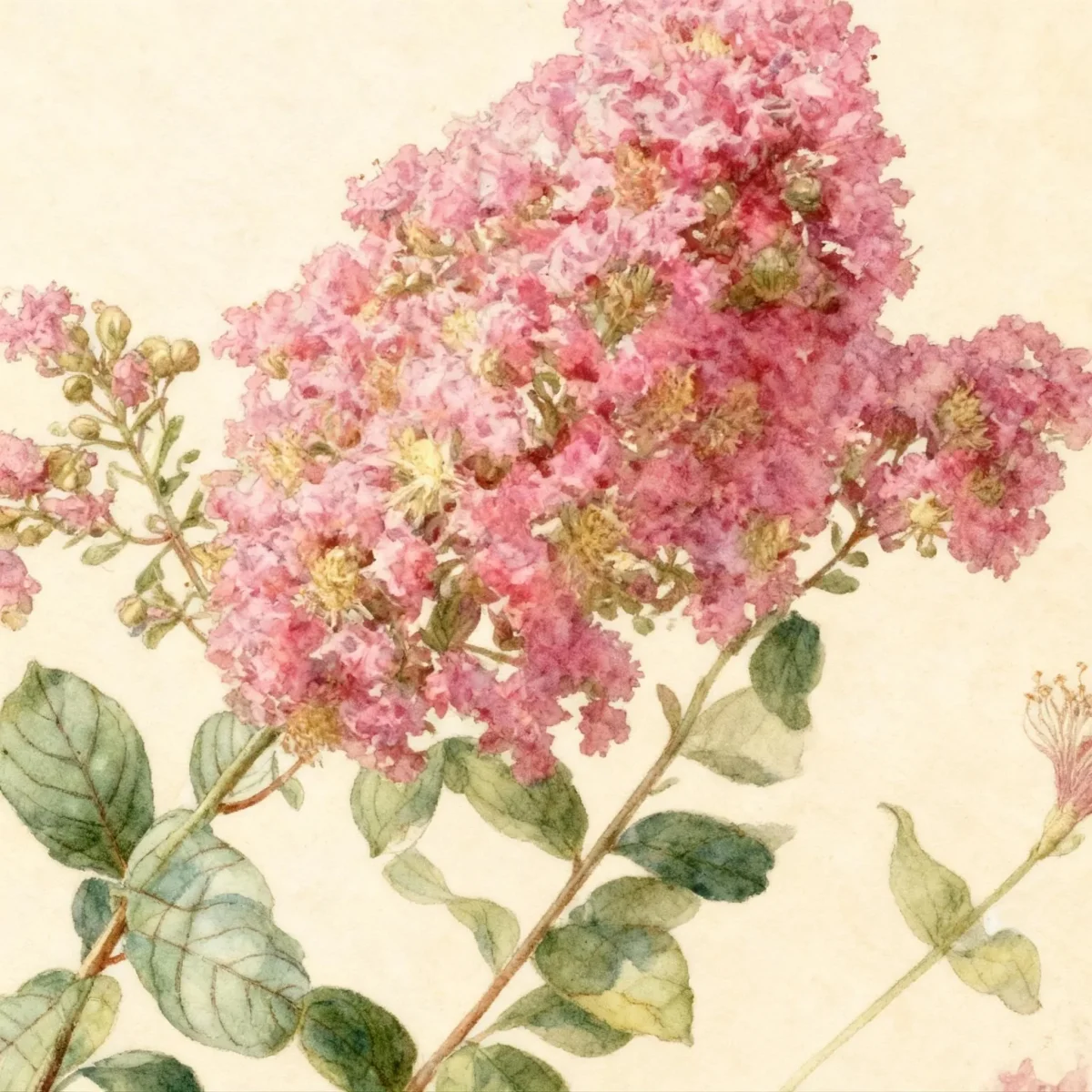
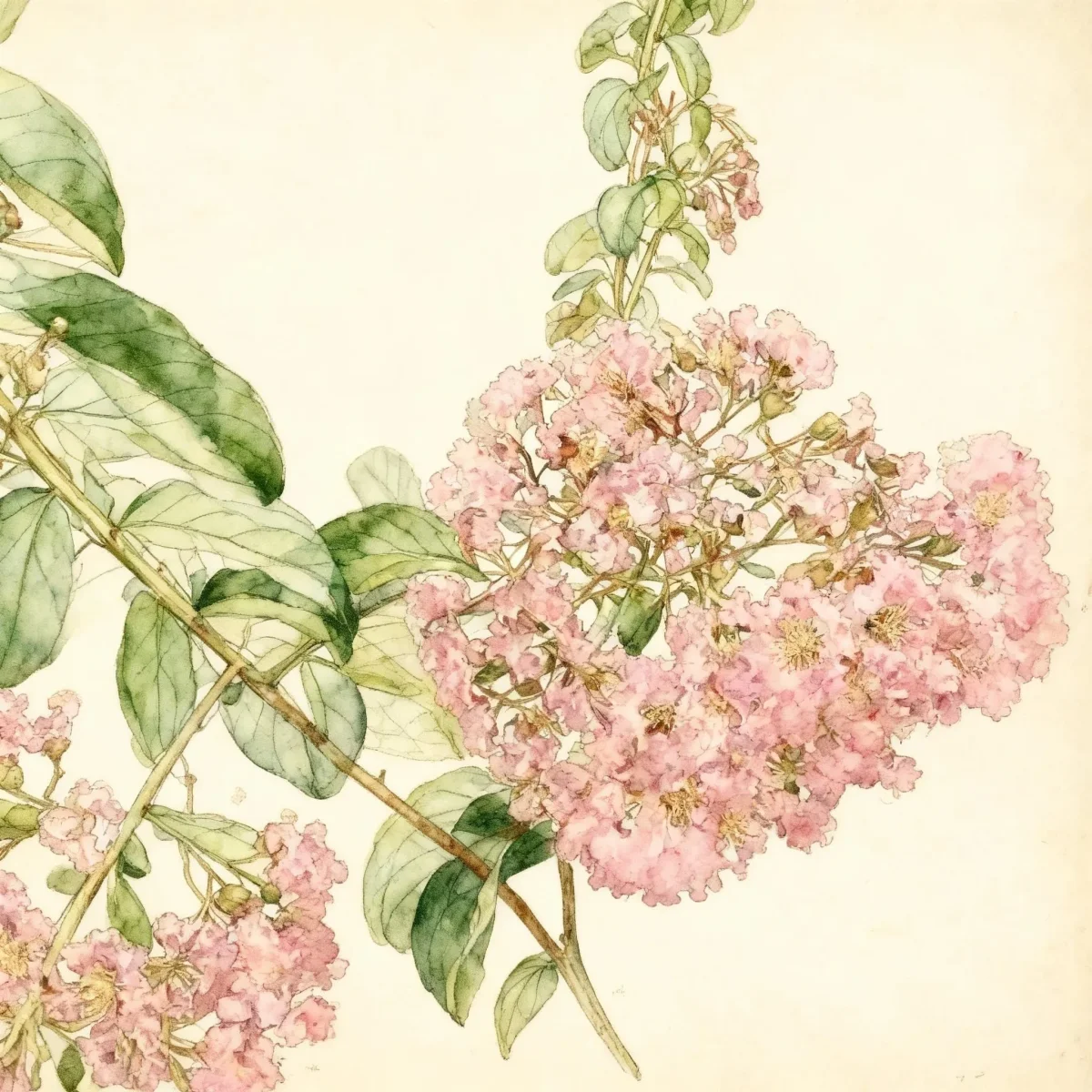
Crape myrtle (Lagerstroemia 'JD827' EARLY BIRD PURPLE)
Discover Lagerstroemia 'JD827' EARLY BIRD PURPLE Crape myrtle, offering 100-120 days of showy purple summer bloom in zones 7-10.
Scroll down to discover growing tips, care requirements, companion plants, and more
Complete Plant Information
Overview
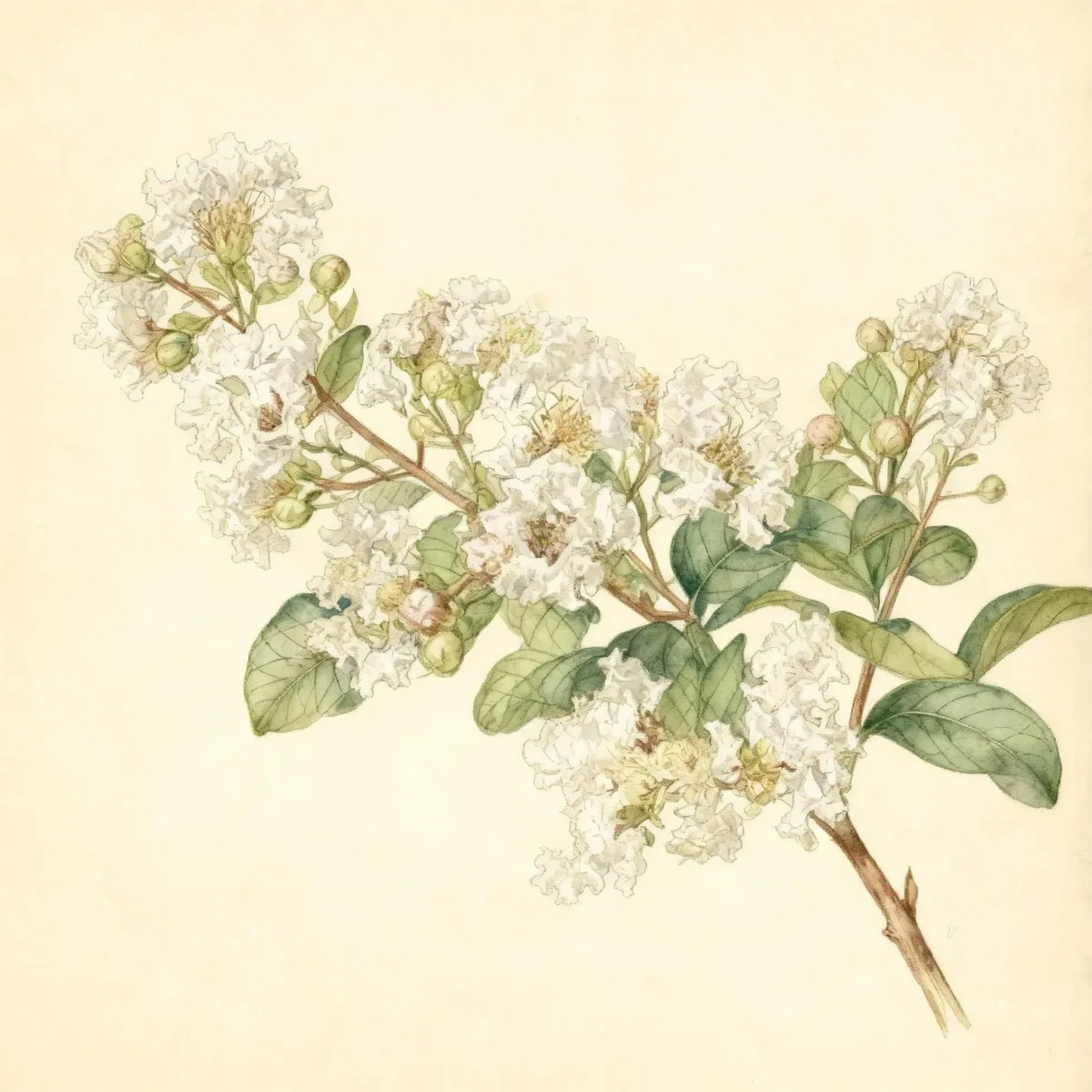
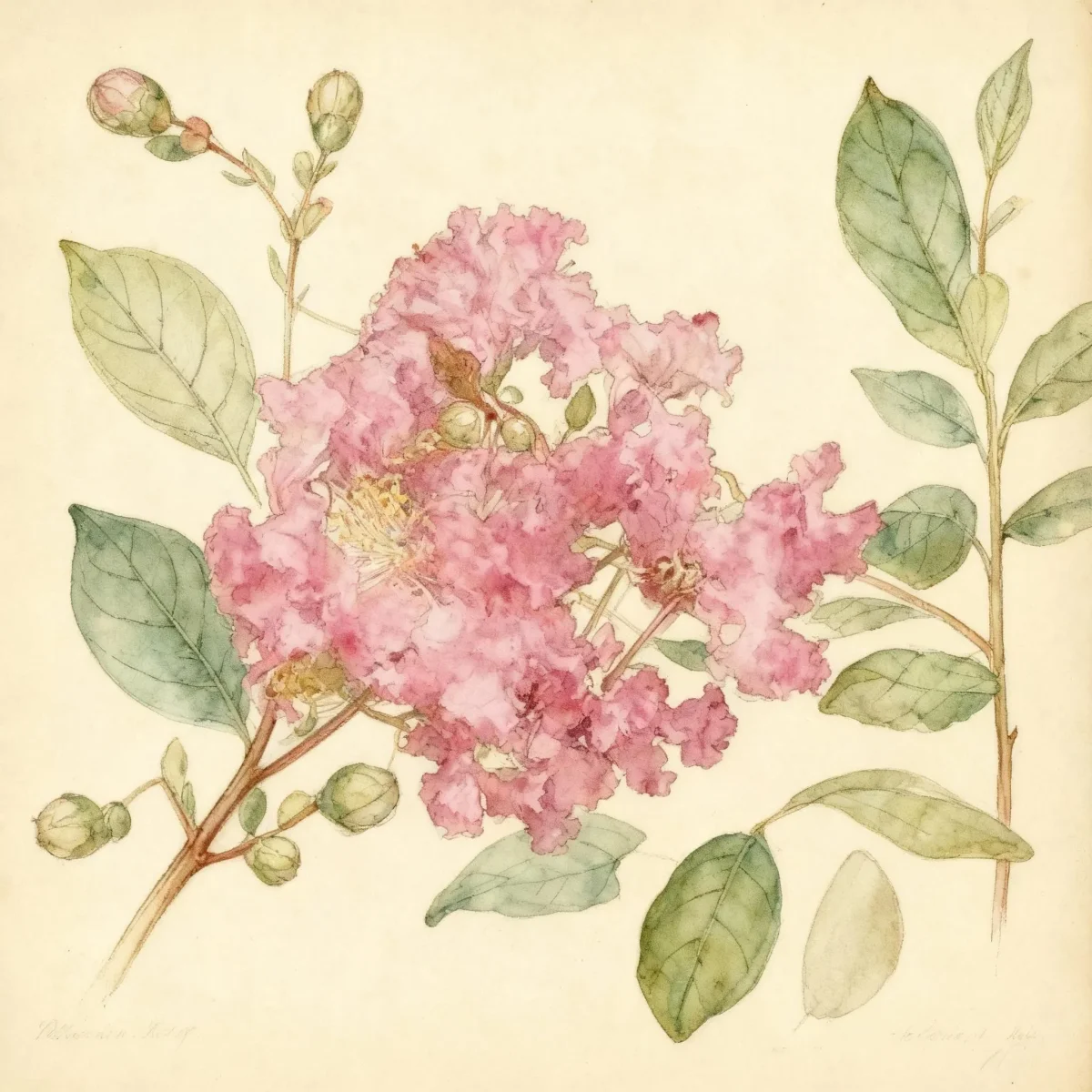
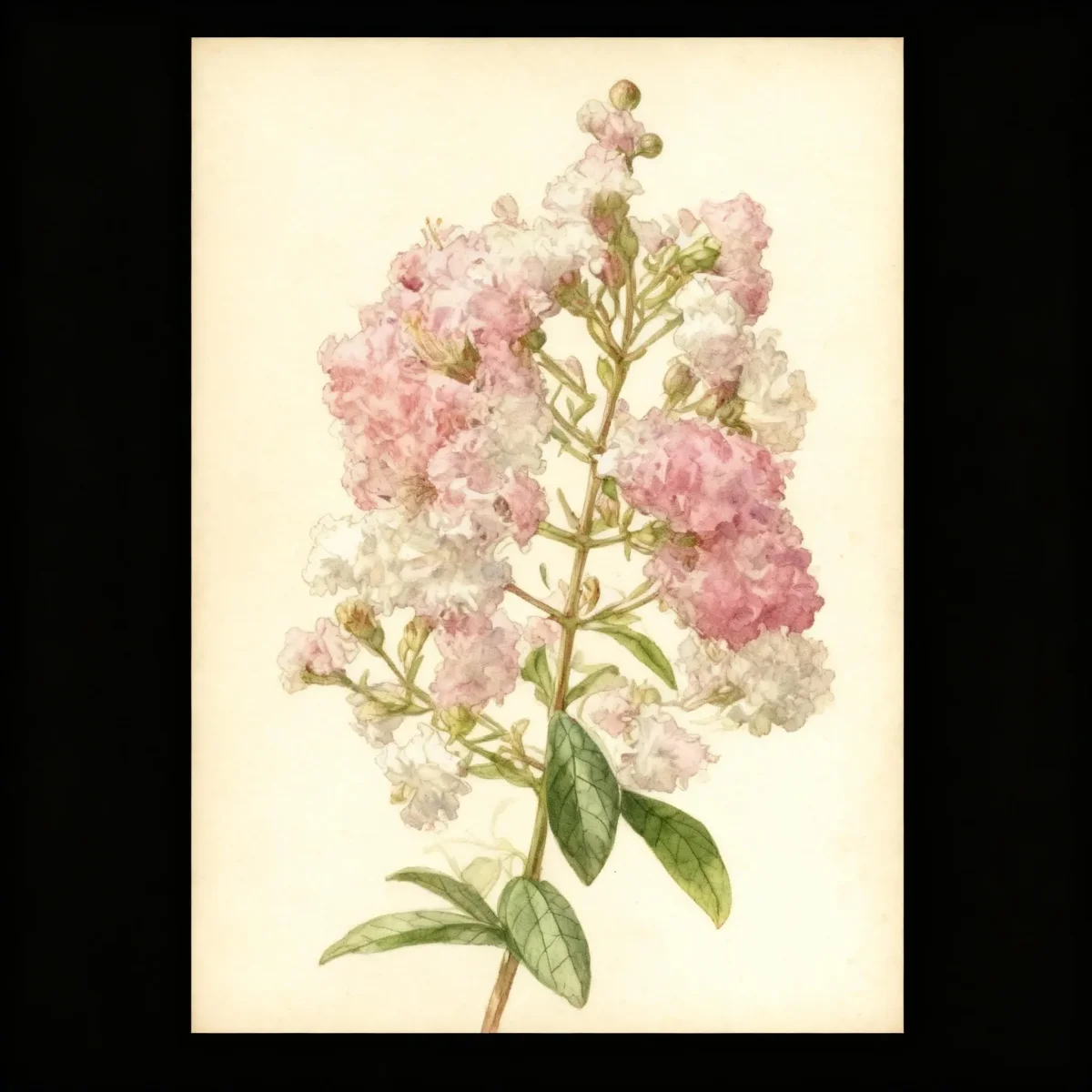
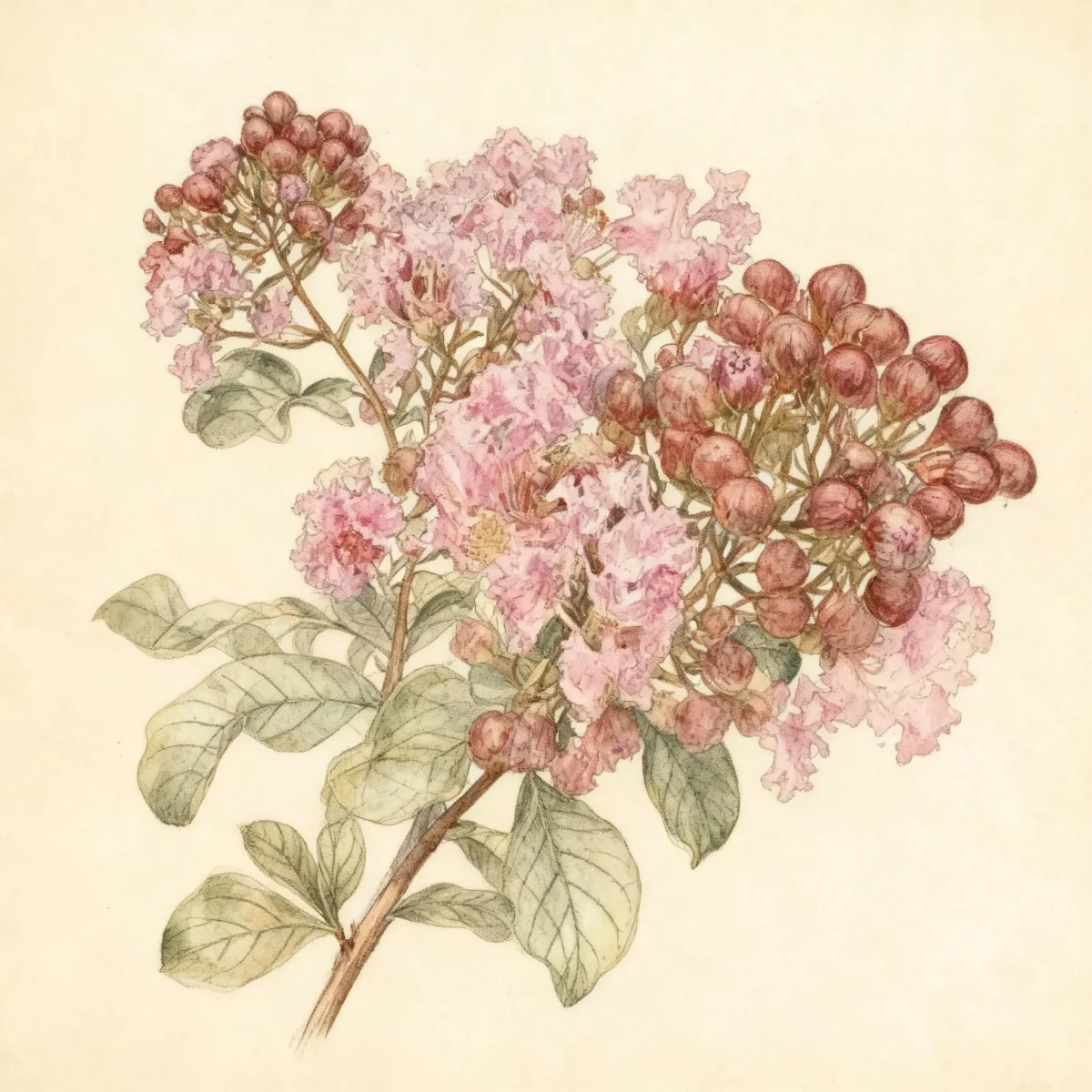
The Crape myrtle, specifically the Lagerstroemia ‘JD827’ EARLY BIRD PURPLE cultivar, is highly valued for its exceptionally long and vibrant blooming season. Unlike many varieties that bloom mid-summer, this specific selection delights gardeners by starting its show in late May and continuing through to the first frost. This deciduous shrub brings reliable, showy purple color to the landscape across USDA Zones 7 through 10.
Lagerstroemia ‘JD827’ EARLY BIRD PURPLE matures into a dense, broad shrub or small tree, typically reaching 5 to 8 feet tall. Beyond its prolific blooms, it offers textural appeal, with grayish bark that exfoliates to reveal attractive beige inner layers. It is a resilient plant, often selected for its adaptability to various soil types, thriving in conditions that might challenge less tolerant flowering shrubs.
For gardeners seeking extended summer color, the early and long-lasting performance of the Early Bird™ series, exemplified by this cultivar, is a significant advantage. Whether used as a focal specimen or incorporated into mixed borders, planting Lagerstroemia ‘JD827’ EARLY BIRD PURPLE ensures a dependable ornamental display throughout the hottest months.
Fast Facts
- Plant Family: Lythraceae
- Plant Type: Deciduous shrub
- Hardiness Zones: USDA Zones 7-10
- Size at Maturity:
- Height: 5-8 ft
- Spread: 3-4 ft
- Bloom Time: May to frost
- Bloom Description: Purple
- Sun Exposure: Full sun
- Water Needs: Medium
- Maintenance Level: Medium
How to Grow
Plant this Crape myrtle in an area that receives full sun for best flowering performance and disease resistance. The ideal soil is average, well-drained, and medium in moisture, though this variety handles loamy or clay soils well, provided drainage is adequate. To encourage vigorous growth and flowering, incorporate a slow-release fertilizer.
Water the roots deeply, especially during dry periods, taking care to avoid wetting the foliage, which can encourage fungal issues. Gardeners in cooler zones, like USDA Zone 7, should plant Lagerstroemia ‘JD827’ EARLY BIRD PURPLE in a slightly protected location and apply a winter mulch to guard against root and branch dieback.
Pruning strategies may vary by climate. In areas where winter temperatures regularly drop below -5°F (like Zones 5/6), gardeners often cut stems back hard to 8 inches in early spring, allowing new flowering wood to emerge, which will still provide a good display. In warmer regions, prune back only dead or damaged wood in spring as new foliage emerges.
Landscape Uses
As a compact cultivar, Lagerstroemia ‘JD827’ EARLY BIRD PURPLE is excellent when placed as a specimen shrub to highlight an entryway or focal point in the garden. Its dense, broad habit makes it perfectly suited for use in informal hedges, providing a continuous burst of purple color where a more rigid formal hedge isn’t desired.
In southern landscapes where winter hardiness of the top growth is guaranteed, utilize this plant for screening purposes, adding height and texture to property lines. Because it is part of the Early Bird™ series, it is an outstanding choice for smaller gardens or areas where traditional, larger Crape myrtles would quickly become overgrown.
Standout Features
Flower Qualities
- Showy
Noteworthy Characteristics
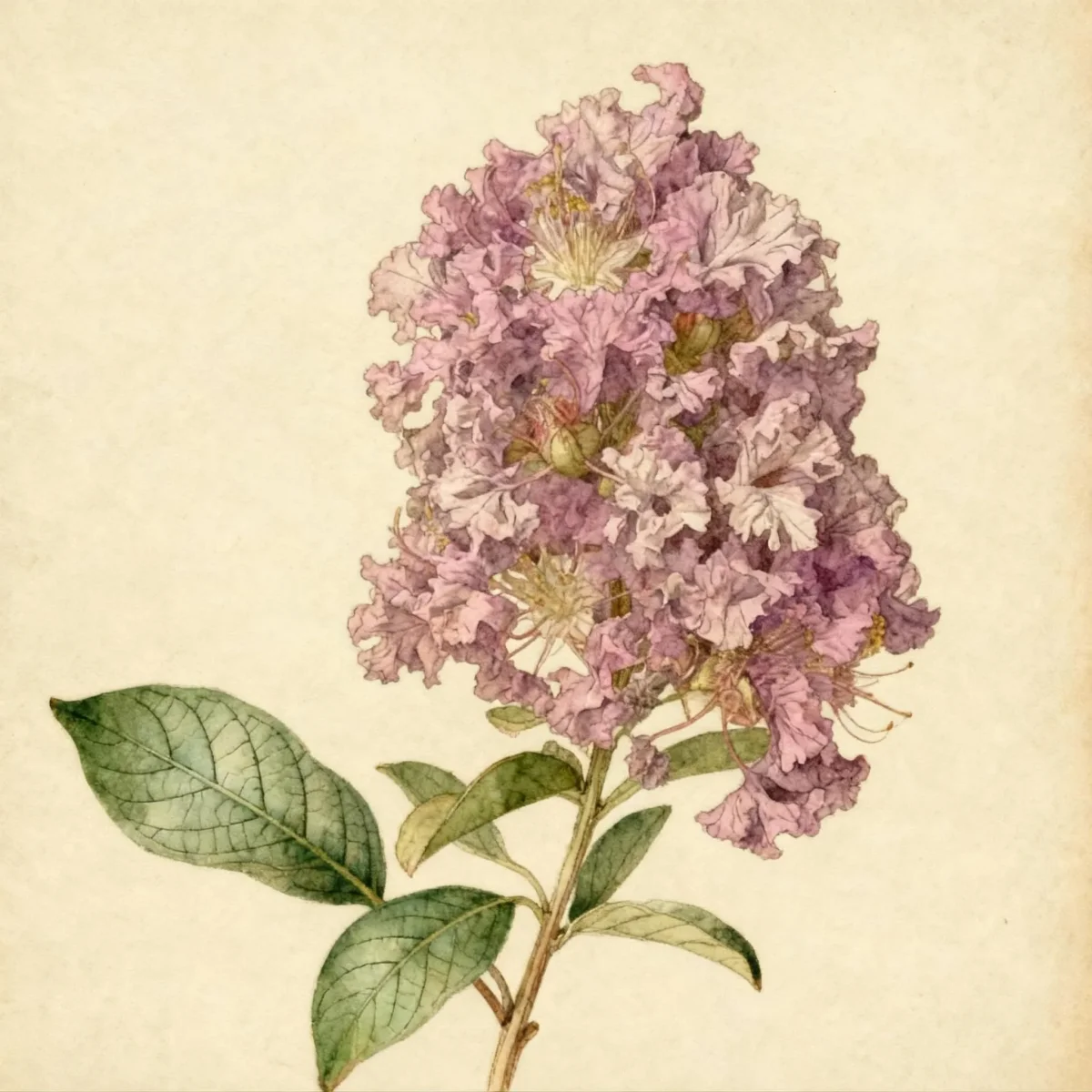
Lagerstroemia, the genus that includes the Crape myrtle, consists of about 40 species prized for their lovely summer-to-fall blooms. The cultivar Lagerstroemia ‘JD827’ EARLY BIRD PURPLE was specifically selected for blooming much earlier than typical varieties, offering 100 to 120 days of purple, frilly flowers. This shrub exhibits good fall foliage color and features exfoliating bark, adding multi-season visual interest to the garden structure.
Tolerances
- Drought
- Clay Soil
- Air Pollution
Potential Problems
The primary concerns for Crape myrtles involve fungal diseases, specifically powdery mildew and leaf spot, which thrive in high humidity or shade. To manage these, ensure excellent air circulation by providing full sun and avoiding overhead watering which keeps foliage wet. If the plant is situated in alkaline soil, you may notice the foliage turning yellow due to chlorosis.
Winter injury is a significant factor in the northern reaches of its range (Zones 5 and 6). Damage often manifests as the dieback of above-ground branches, though the roots usually remain viable to Zone 5. Protecting the root zone with mulch and pruning only to live wood in spring are key management techniques in borderline climates. Aphids and scale can also occasionally cause minor issues.
Frequently Asked Questions
What hardiness zones is Crape myrtle suitable for?
Lagerstroemia ‘JD827’ EARLY BIRD PURPLE is hardy in USDA Zones 7 to 10, although the root system may survive temperatures down to Zone 5 under protection.
How large does Crape myrtle grow?
This variety typically reaches a mature height of 5 to 8 feet, with a spread ranging from 3 to 4 feet wide.
What sun exposure does Lagerstroemia ‘JD827’ EARLY BIRD PURPLE need?
This species requires full sun exposure to achieve its best flowering potential and maintain good health.
When does Lagerstroemia ‘JD827’ EARLY BIRD PURPLE bloom?
This specific Crape myrtle cultivar begins blooming in May and continues through frost, displaying prolific purple flowers.
Conclusion
The Lagerstroemia ‘JD827’ EARLY BIRD PURPLE provides exceptional value to the landscape due to its extended blooming period and manageable shrub size, delivering reliable purple color across the long season. This robust Crape myrtle cultivar also shows good tolerance to drought and clay, making it a reliable choice for many garden settings. Before planting, confirm your location falls within USDA Zone 7 or warmer to ensure the best development.
Companion Planting
When integrating Lagerstroemia ‘JD827’ EARLY BIRD PURPLE into your garden design, consider companion plants that share its love for full sun and well-draining soil. Pairing it with late-season bloomers like Coneflowers (Echinacea) or Black-Eyed Susans (Rudbeckia) helps maintain continuous flower interest after the Crape myrtle reaches its peak. For textural contrast, low-growing groundcovers that enjoy sharp drainage, such as Sedums or creeping Thymes, work well near the base of the shrub.
Be mindful of fertilizer needs; avoid heavy feeders planted directly adjacent, as overly fertile soil can promote excessive leafy growth on the Crape myrtle at the expense of blooms. Plants that appreciate similar moisture levels but offer contrasting flower shapes, like ornamental grasses or Salvia varieties, create an attractive late-summer tapestry.
Seasonal Care Calendar
Spring (Early/Mid): Perform structural pruning once the threat of hard frost has passed and you observe new growth beginning. If growing in cold zones (5/6), cut stems back hard to encourage vigorous re-sprouting. Apply a slow-release fertilizer sparingly around the drip line to support summer blooming.
Summer (Peak Bloom): Monitor actively for water needs, providing deep, thorough soaking during dry spells, but ensure water is absorbed by the roots, not just sitting on the surface. Inspect foliage regularly for early signs of fungal spots, and prune out any crossing or weak interior branches to improve air circulation.
Fall/Winter: Allow foliage to senesce naturally. In colder zones, apply a substantial layer of mulch (4 inches deep) around the root zone after the ground freezes to protect the roots from extreme temperature fluctuations common in Zone 7 winters. Avoid pruning heavily in fall, as this stimulates tender new growth vulnerable to early cold snaps.