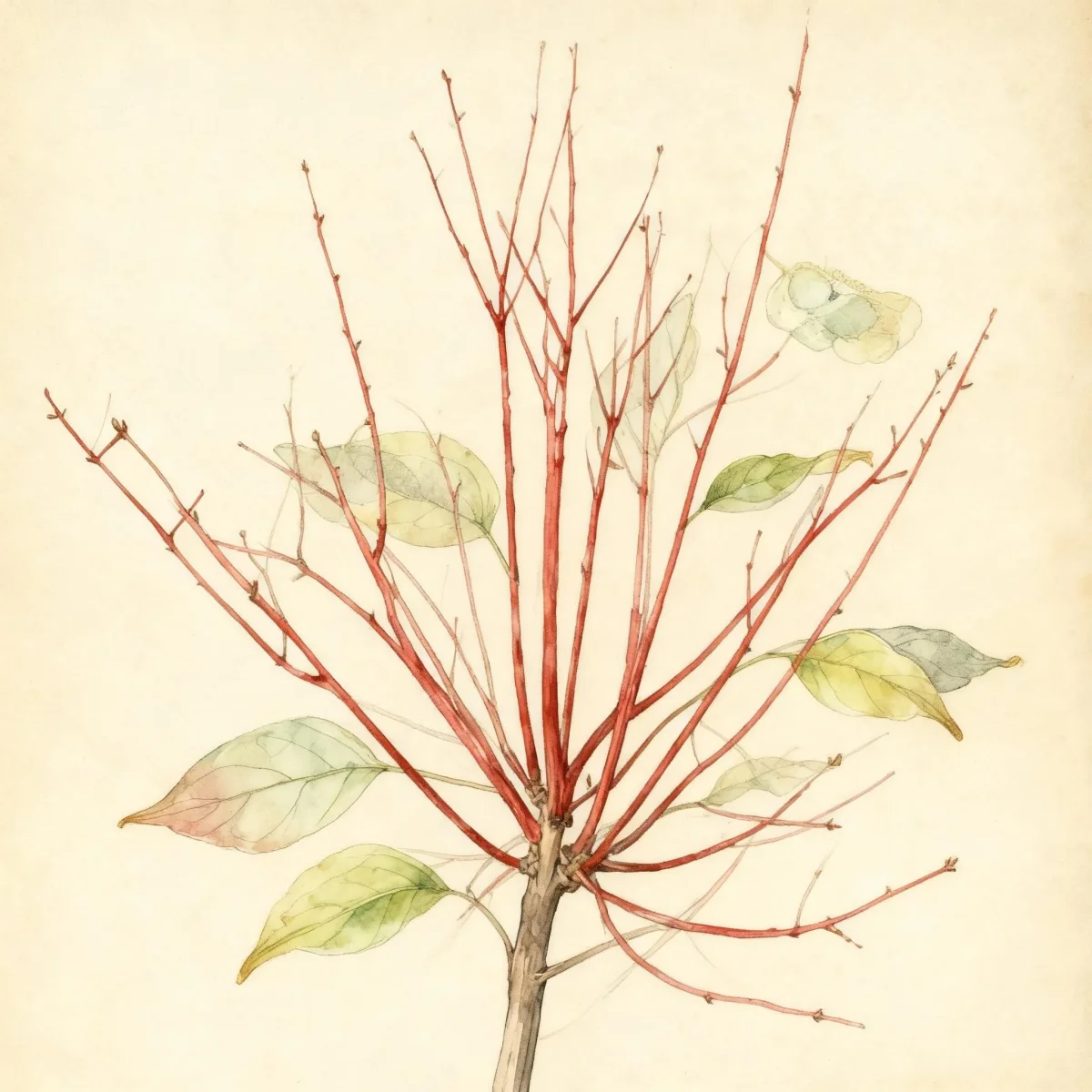
Dogwood (Cornus mas 'Variegata')
Discover Cornus mas 'Variegata', a low-maintenance Dogwood, featuring early yellow blooms and unique variegated foliage.
Scroll down to discover growing tips, care requirements, companion plants, and more
Complete Plant Information
Overview
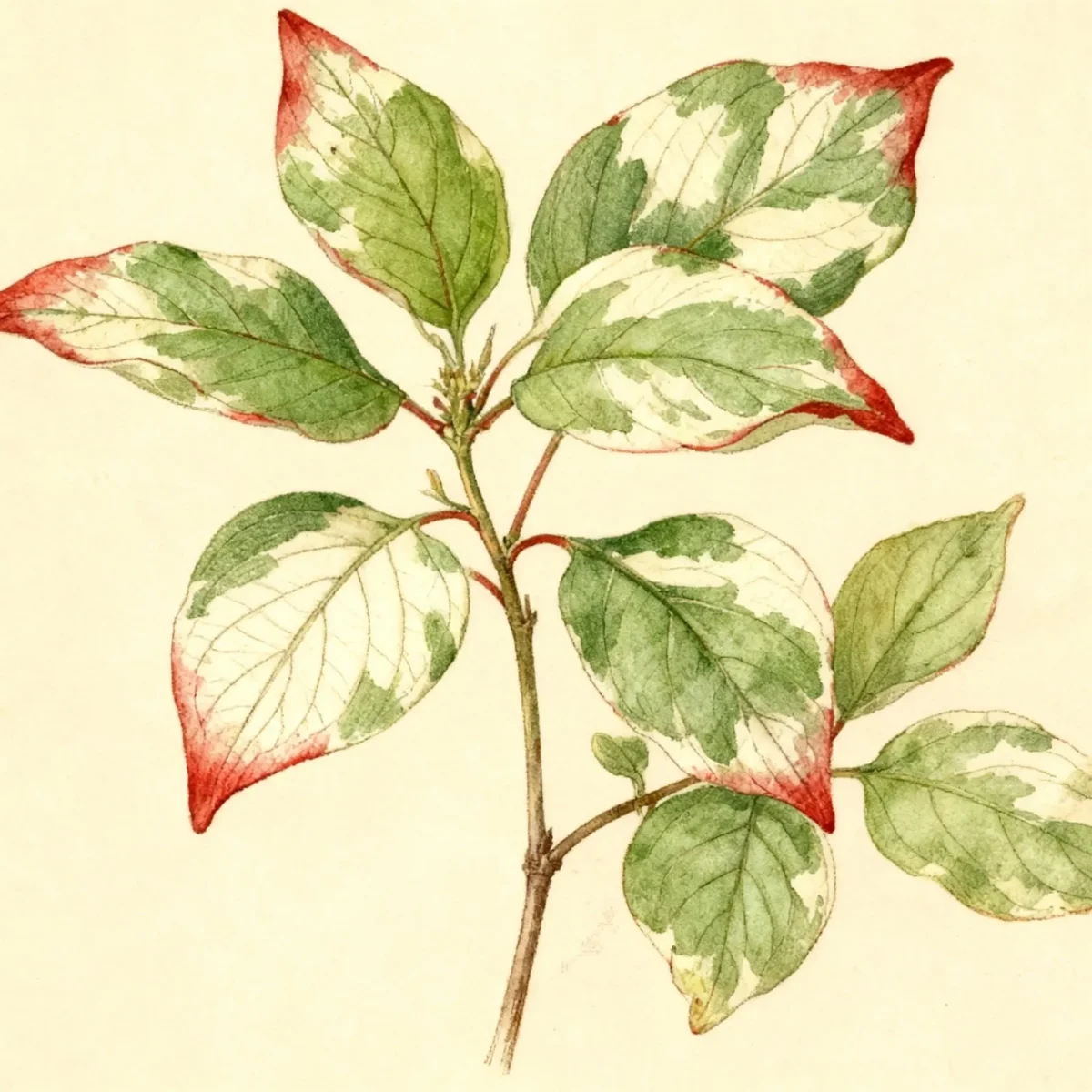
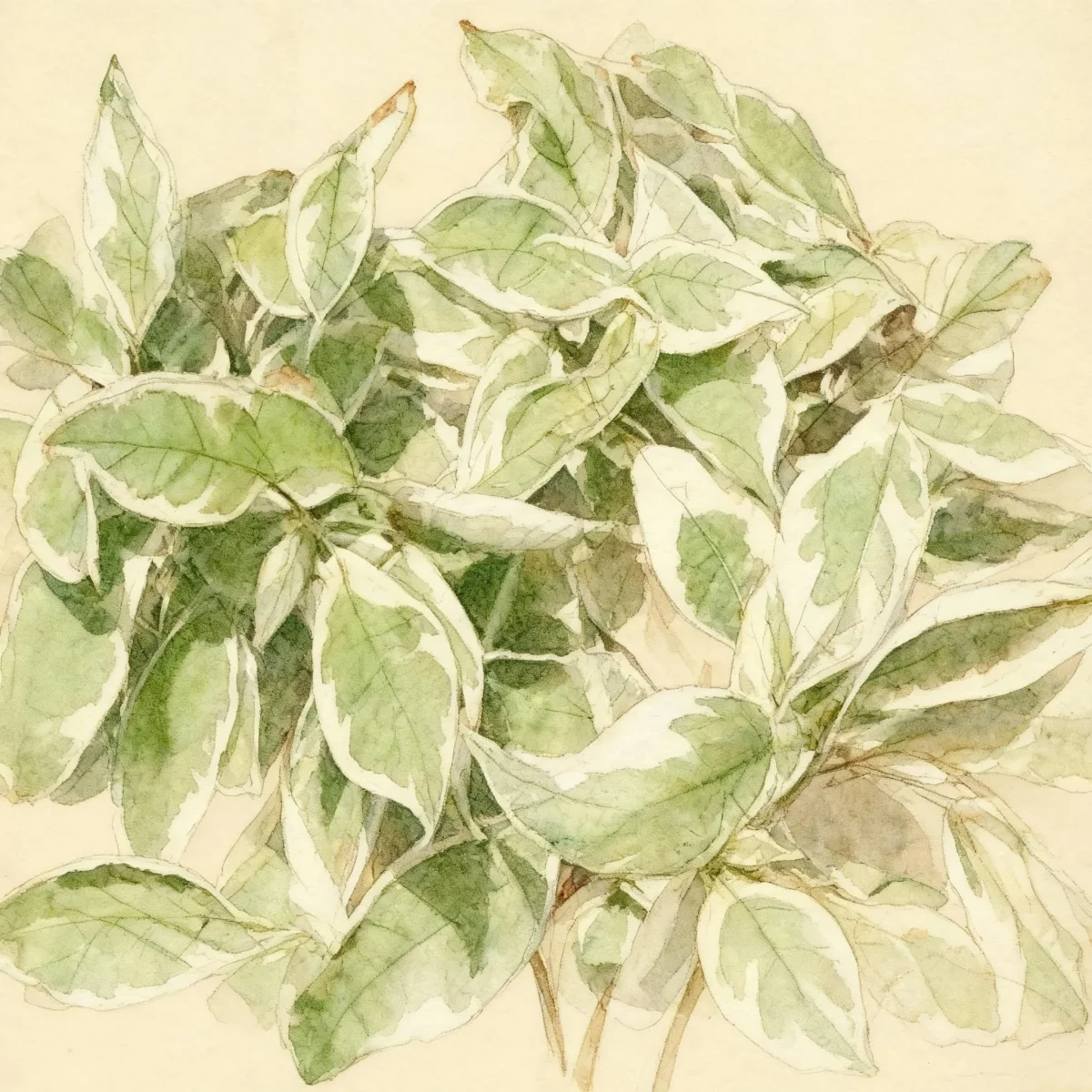
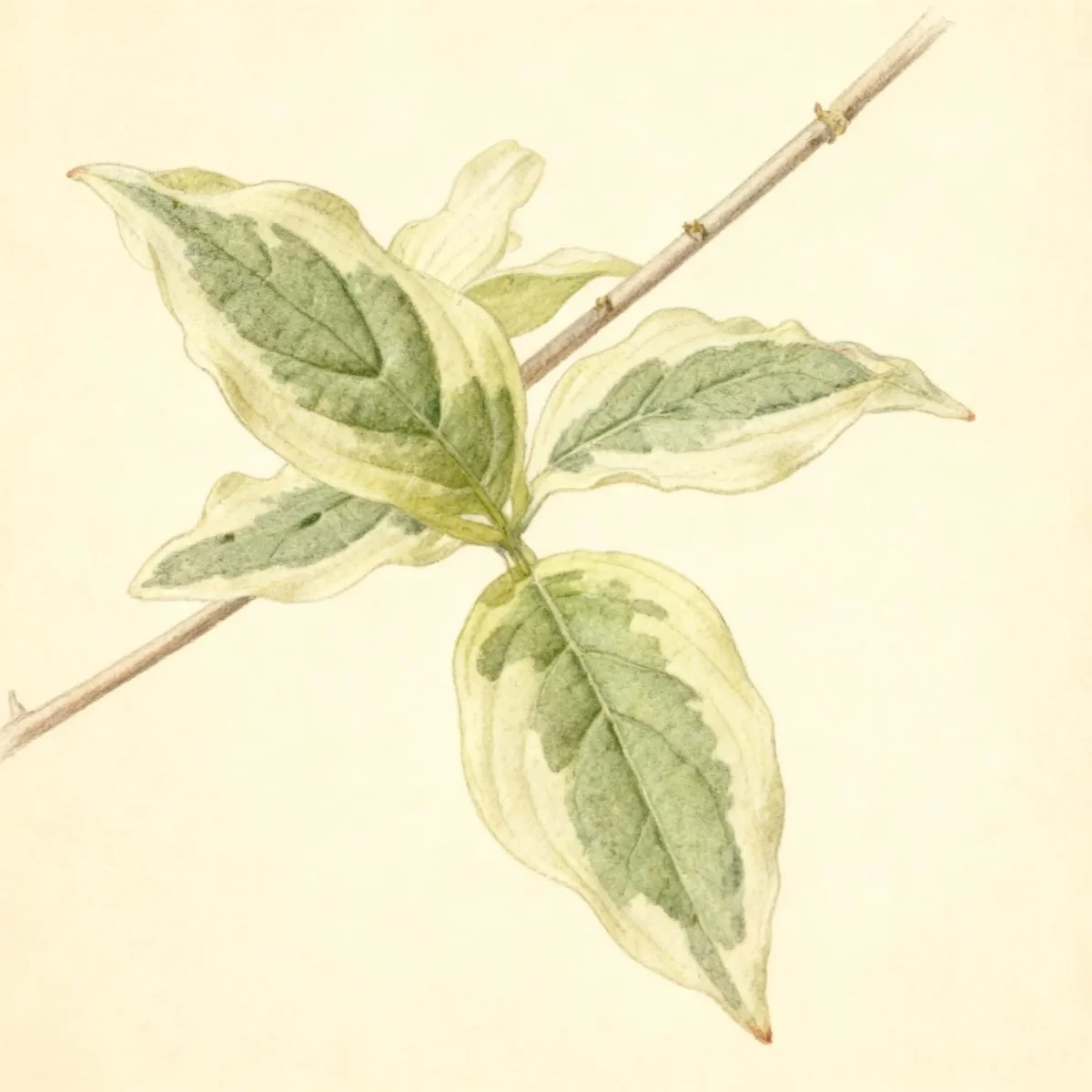
The Cornus mas ‘Variegata’ Dogwood offers brilliant interest early in the season, often blooming with cheerful yellow flowers before many other shrubs awaken. This cultivar is highly valued for its striking variegated foliage, which displays creamy white margins against bluish-green centers, adding continuous texture throughout the growing season. As a manageable deciduous shrub, it fits well into borders or can be trained as a small tree structure.
This specific Dogwood variety, Cornus mas ‘Variegata’, is known for its relatively low maintenance needs once established, making it an excellent choice for mixed plantings or screens. Beyond its early spring floral display, it offers attractive visual interest through its bark and later in the season with its colorful, edible fruits. Gardeners seeking reliable color and structure without demanding extensive care turn to this robust Cornus mas selection.
Fast Facts
- Plant Family: Cornaceae
- Plant Type: Deciduous shrub
- Hardiness Zones: USDA Zones 4-7
- Size at Maturity:
- Height: 15-25 ft
- Spread: 12-20 ft
- Bloom Time: March
- Bloom Description: Yellow
- Sun Exposure: Full sun to part shade
- Water Needs: Medium
- Maintenance Level: Low
How to Grow
Planting the Cornus mas ‘Variegata’ Dogwood is best done in the fall or early spring, allowing it time to establish its root system before summer heat. Ensure its location provides average, well-drained soil, though it tolerates clay soil well. It thrives in full sun to part shade; however, be mindful that the variegated foliage may scorch if exposed to intense, unmitigated full sun.
Once established, this Dogwood requires a medium water supply, preferring consistently moist, organically rich soils. Avoid letting the area dry out completely, especially during establishment. Applying a 2-4 inch layer of mulch annually will help keep the roots cool and maintain essential summer moisture. Pruning should focus mainly on removing root suckers promptly to maintain desired form and control spread.
Be aware that the Cornus mas ‘Variegata’ generally performs poorly in the high heat and humidity found south of USDA Zone 7, making site selection crucial for success, particularly concerning the leaf scorch potential.
Landscape Uses
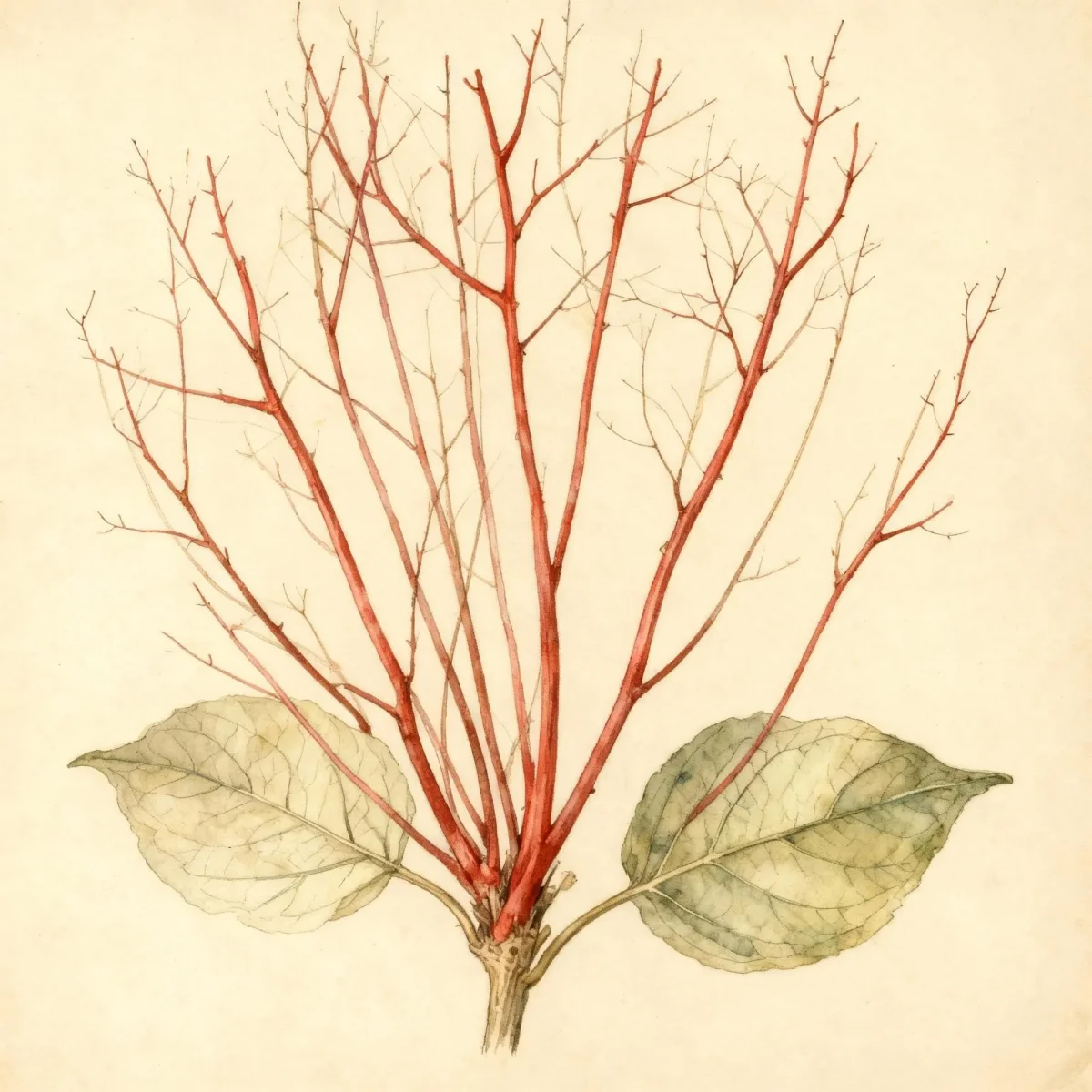
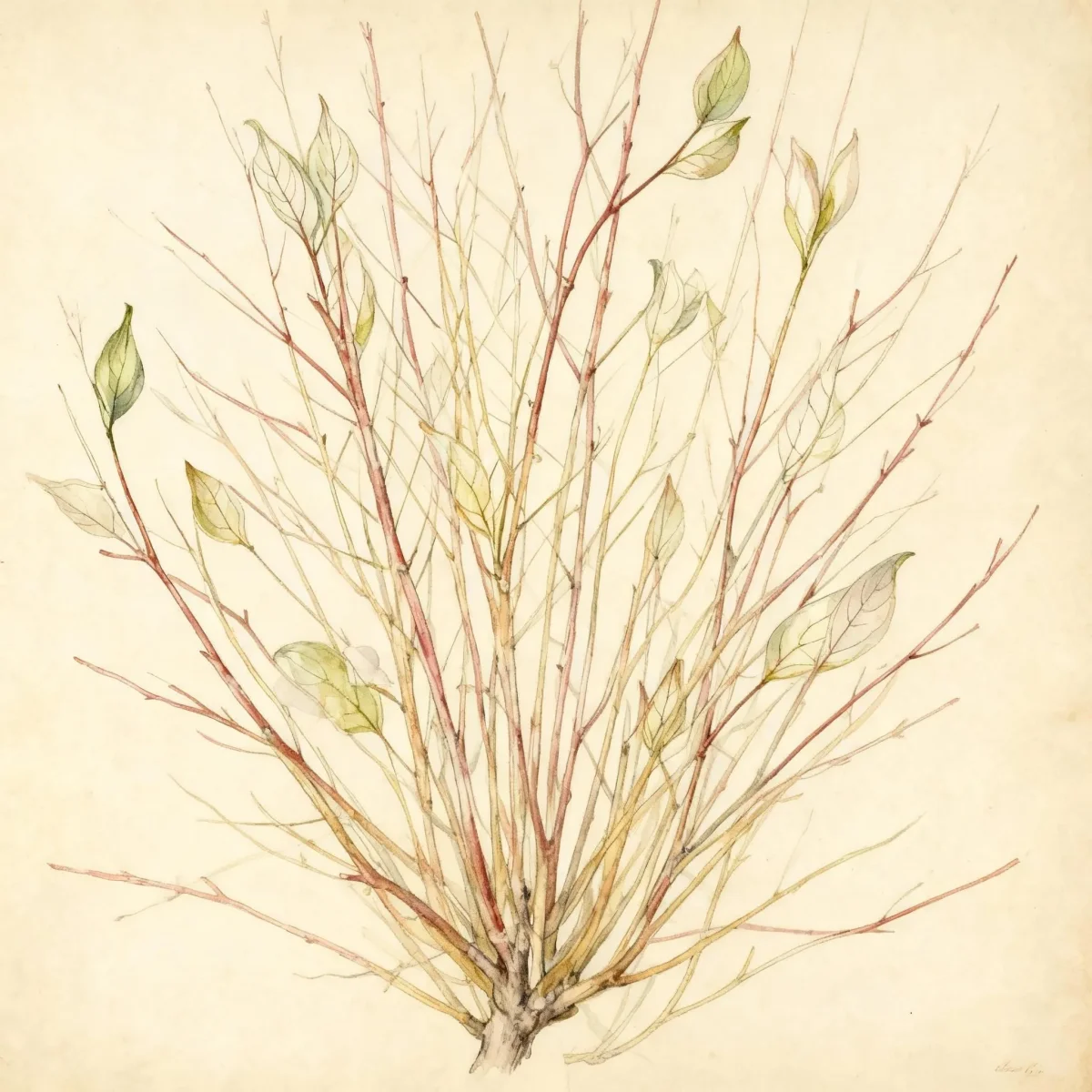
The versatility of the Cornus mas ‘Variegata’ shines in various landscape applications, primarily due to its early bloom time and colorful leaves. It excels when used as a flowering hedge or privacy screen, offering year-round visual appeal beyond the spring flowers. If trained, it functions beautifully as a specimen plant, showcasing its exfoliating bark as it matures.
Consider grouping this variegated Dogwood near structure plantings where its light-colored foliage can contrast with solid green evergreens. Its resistance to deer browse makes it a dependable choice for open woodland or naturalized areas where screening is required. Train it as a small tree to highlight its structure near entryways or patios.
Standout Features
Flower Qualities
- Showy
Fruit Qualities
- Showy
- Edible
Noteworthy Characteristics
Cornus mas, commonly known as cornelian cherry, is a deciduous shrub or small tree that is native to central and southern Europe into western Asia. This Dogwood typically grows over time to 15-25’ tall with a substantial spread, developing scaly, exfoliating bark on mature trunks. Yellow flowers emerge in early spring before the leaves in dense, showy clusters, though the central umbels are less dramatic than the large bracts of species like Cornus florida. The specific cultivar ‘Variegata’ features attractive leaves with bluish-green centers complemented by creamy white margins, providing season-long interest for any garden design featuring this Dogwood.
Tolerances
- Deer
- Clay Soil
Potential Problems
The Cornus mas Dogwood is genetically blessed with excellent resistance to serious issues like dogwood anthracnose and dogwood borer, setting it apart from some related species. However, stressed trees become susceptible to borers, so maintaining consistent moisture and soil health is preventative care. Less serious insect pests include leaf miner, gall midge, and scale. Potential disease issues encompass leaf spot, crown canker, root rot, powdery mildew, and leaf and twig blight. The most common issue specific to this cultivar is leaf scorch, which occurs when the variegated leaves are subjected to too much intense, all-day sunlight, so site it where afternoon shade is provided if necessary.
Frequently Asked Questions
What hardiness zones is Dogwood suitable for?
The Cornus mas ‘Variegata’ is reliably hardy in USDA Zones 4 through 7.
How large does Cornus mas ‘Variegata’ grow?
This plant typically matures to a height ranging from 15 to 25 feet and spreads between 12 to 20 feet wide.
What sun exposure does Cornus mas ‘Variegata’ need?
This Dogwood performs best in locations receiving full sun to part shade. Remember that excess sun can cause leaf scorch on the variegated foliage.
When does Dogwood bloom?
The Cornus mas ‘Variegata’ features its signature yellow blooms quite early, with the bloom time noted for March.
Conclusion
The variegated Dogwood, Cornus mas ‘Variegata’, brings dynamic texture and extremely early color to the landscape, offering low maintenance alongside its unique foliage. Its tolerance for clay soil and deer resistance make it a practical choice for many challenging garden spots. Before planting, confirm that your site falls within USDA Zones 4-7 and offers adequate moisture management for this beautiful shrub.
Companion Planting
Selecting companions for Cornus mas ‘Variegata’ should prioritize plants that share its need for medium moisture and tolerate similar sun conditions. For underplanting beneath the developing canopy, consider low-growing herbaceous perennials like Helleborus (Lenten Rose), which also bloom early and enjoy dappled shade, complementing the Dogwood’s spring appearance. Hostas with deep green or blue foliage create excellent ground cover contrast against the upright habit and light-edged leaves of the Cornus mas.
Avoid planting aggressive spreaders near the base, as you will need unimpeded access to promptly remove any root suckers that the Dogwood throws. Choosing spring ephemerals that die back before the Dogwood fully leafs out ensures that the variegated foliage of the Cornus mas remains the star attraction through summer.
Seasonal Care Calendar
Spring is when the Cornus mas ‘Variegata’ demands attention, as it’s crucial to deadhead spent blooms if desired, though typically unnecessary, and ensure mulch is refreshed. Applying a balanced, slow-release fertilizer early in spring can support robust summer growth and better variegation. Summer care centers primarily on monitoring water needs; provide deep, consistent watering, especially during dry spells, to prevent moisture stress which can lead to leaf scorch.
The fall season is ideal for inspecting the health of the small, cherry-like fruits, which are edible and can be harvested for preserves. Winter protection is generally minimal for this hardy Dogwood, provided it is sited correctly within USDA Zones 4-7. Focus on checking the soil moisture before the ground freezes solid, ensuring the roots have had a final deep drink.