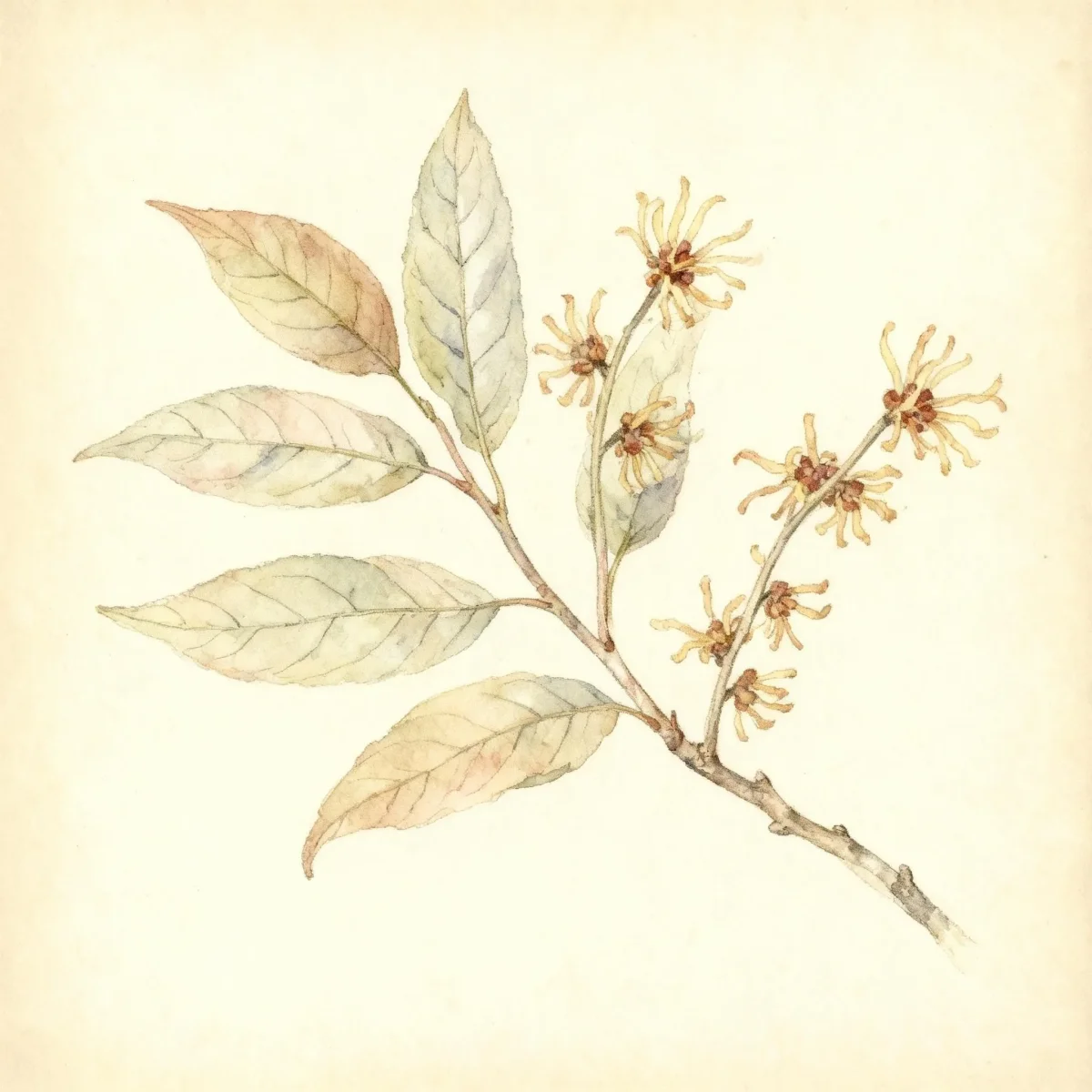
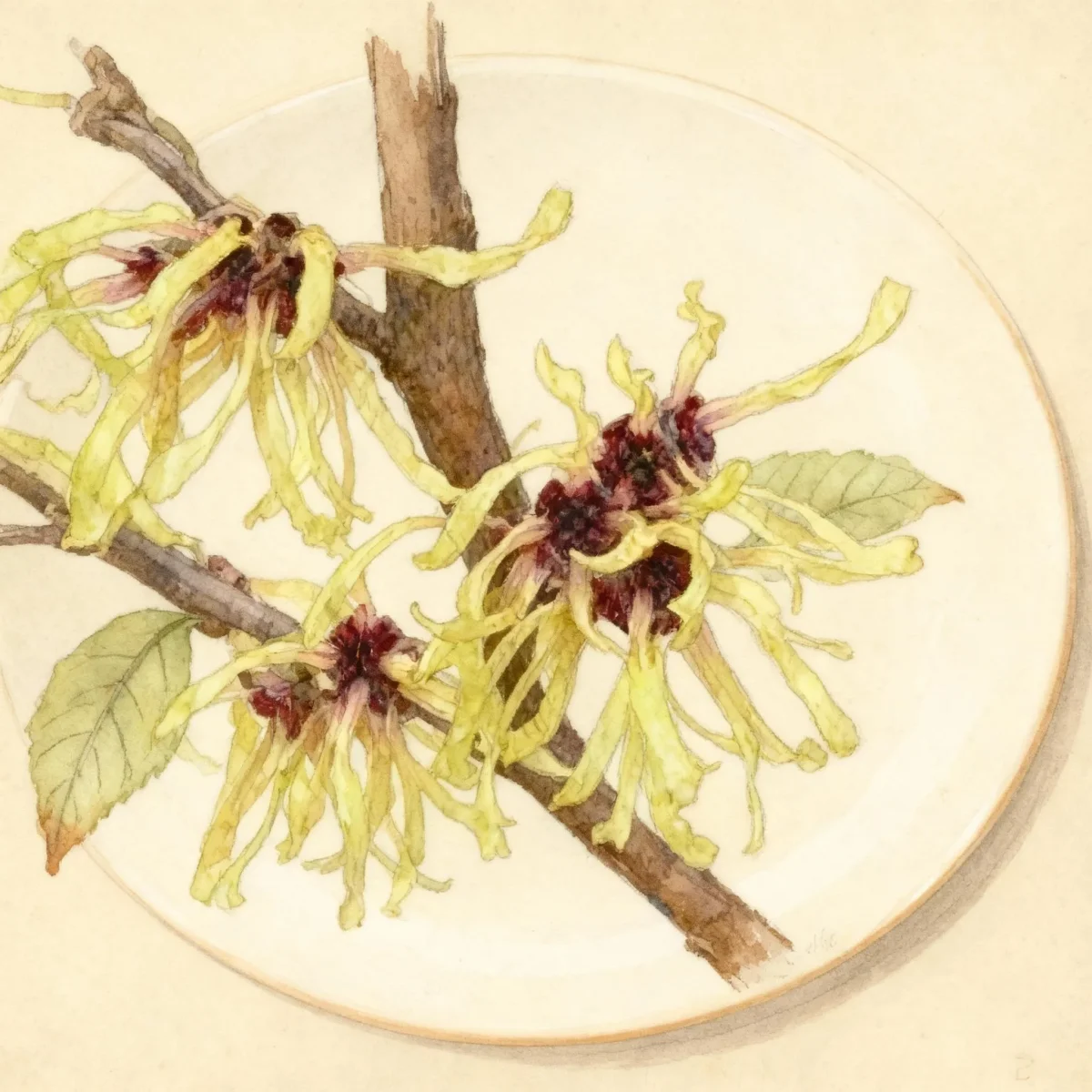
Witch hazel (Hamamelis × intermedia 'Heinrich Bruns')
Hamamelis × intermedia 'Heinrich Bruns' is a low-maintenance Witch hazel recognized for its striking winter yellow flowers on bare stems.
Scroll down to discover growing tips, care requirements, companion plants, and more
Complete Plant Information
Overview
Hamamelis × intermedia ‘Heinrich Bruns’ is a spectacular deciduous shrub, coveted primarily for its mid-winter floral display that brightens the otherwise dormant landscape. As a hybrid Witch hazel, it offers reliable structure and seasonal interest, flowering profusely before new foliage emerges. This cultivar matures into an attractive, upright, vase-shaped specimen ideal for focal points.
This particular selection, derived from crosses between Japanese and Chinese Witch hazels, brings reliable hardiness and relatively low demands to the garden. Its value lies in providing early color when few other plants are active, making the garden engaging even in deep winter. Growing Hamamelis × intermedia ‘Heinrich Bruns’ ensures an architectural presence complemented by unique, narrow, ribbon-like yellow petals.
For gardeners seeking low-maintenance winter interest, the Hamamelis × intermedia ‘Heinrich Bruns’ is an excellent choice, tolerating various conditions once established. Its consistent performance and strong presence in the woodland or shrub border secure its place as a superior landscape plant throughout USDA Zones 5 to 8.
Fast Facts
- Plant Family: Hamamelidaceae
- Plant Type: Deciduous shrub
- Hardiness Zones: USDA Zones 5-8
- Size at Maturity:
- Height: 8-10 ft
- Spread: 8-10 ft
- Bloom Time: January to March
- Bloom Description: Yellow
- Sun Exposure: Full sun to part shade
- Water Needs: Medium
- Maintenance Level: Low
How to Grow
Planting of Hamamelis × intermedia ‘Heinrich Bruns’ should occur in spring or fall, ensuring the roots establish before extreme temperatures. This Witch hazel thrives best when situated in full sun, which maximizes its floral output, though it tolerates light afternoon shade. The ideal location features average, well-drained soils that are kept consistently moist, acidic, and rich in organic matter.
Consistent moisture is crucial for this shrub; allow the soil to approach dryness only slightly between waterings, as summer drought may lead to leaf scorch. While it shows some tolerance for clay soils, excellent drainage remains mandatory. Virtually no routine fertilization is usually necessary if the soil is organically rich.
Pruning for shape and size control should be performed immediately following the bloom period in the spring. It is vital to diligently monitor for and promptly remove any root suckers, especially those originating below the graft union, to maintain the integrity of the cultivar. This shrub requires low overall maintenance once established.
Landscape Uses
The primary appeal of Hamamelis × intermedia ‘Heinrich Bruns’ is its function as a superior winter-flowering shrub. Its vivid yellow bloom along bare branches provides essential drama when the garden is otherwise bleak. This spectacular Witch hazel works beautifully positioned near pathways or windows where its early flowers can be appreciated up close.
Consider utilizing this cultivar in tall shrub borders or as an accent specimen within woodland garden settings. Its upright, vase-like habit also makes the Hamamelis × intermedia ‘Heinrich Bruns’ highly effective when used as a high screen or informal hedge, offering seasonal structure that transitions nicely into summer foliage.
Standout Features
Flower Qualities
- Showy
Noteworthy Characteristics
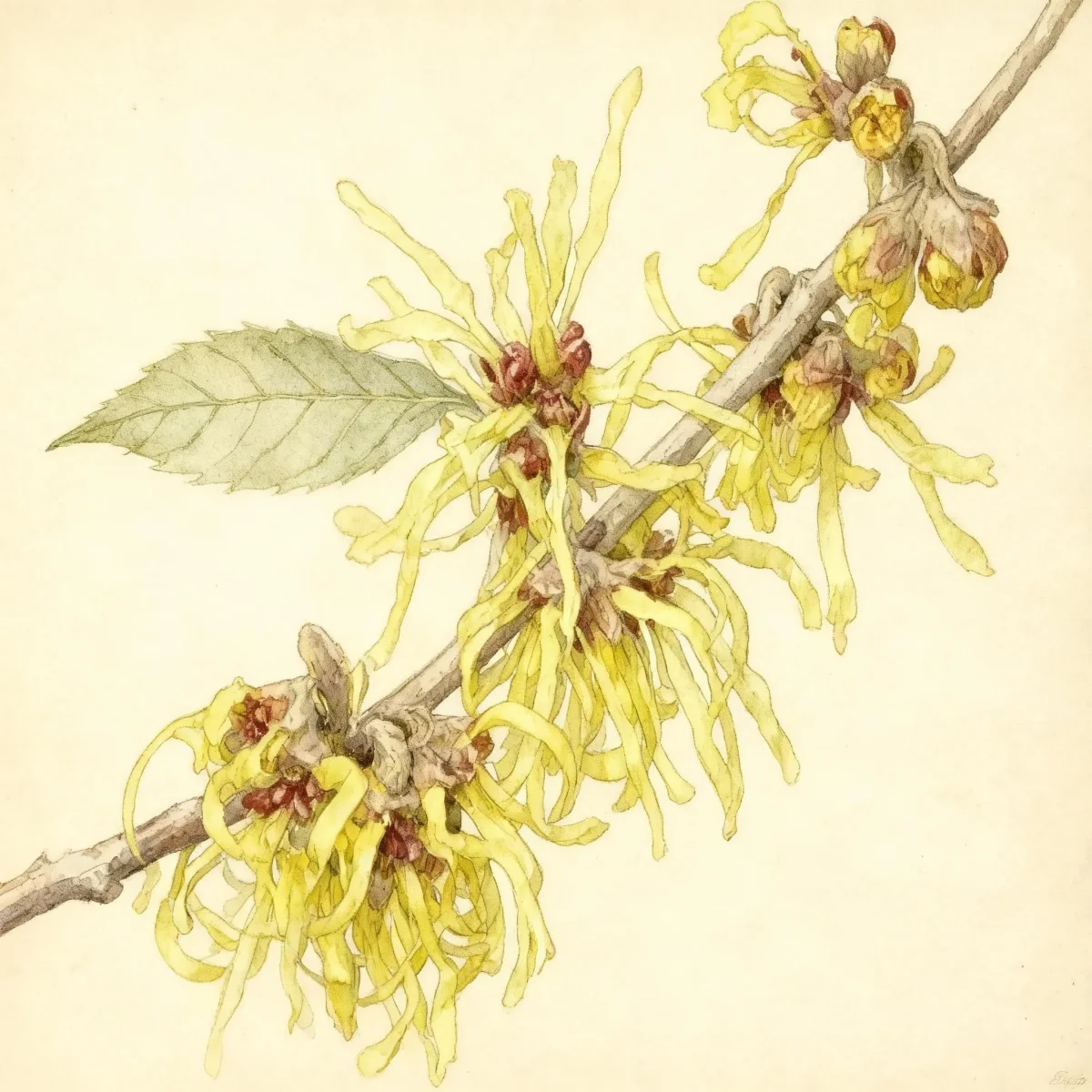
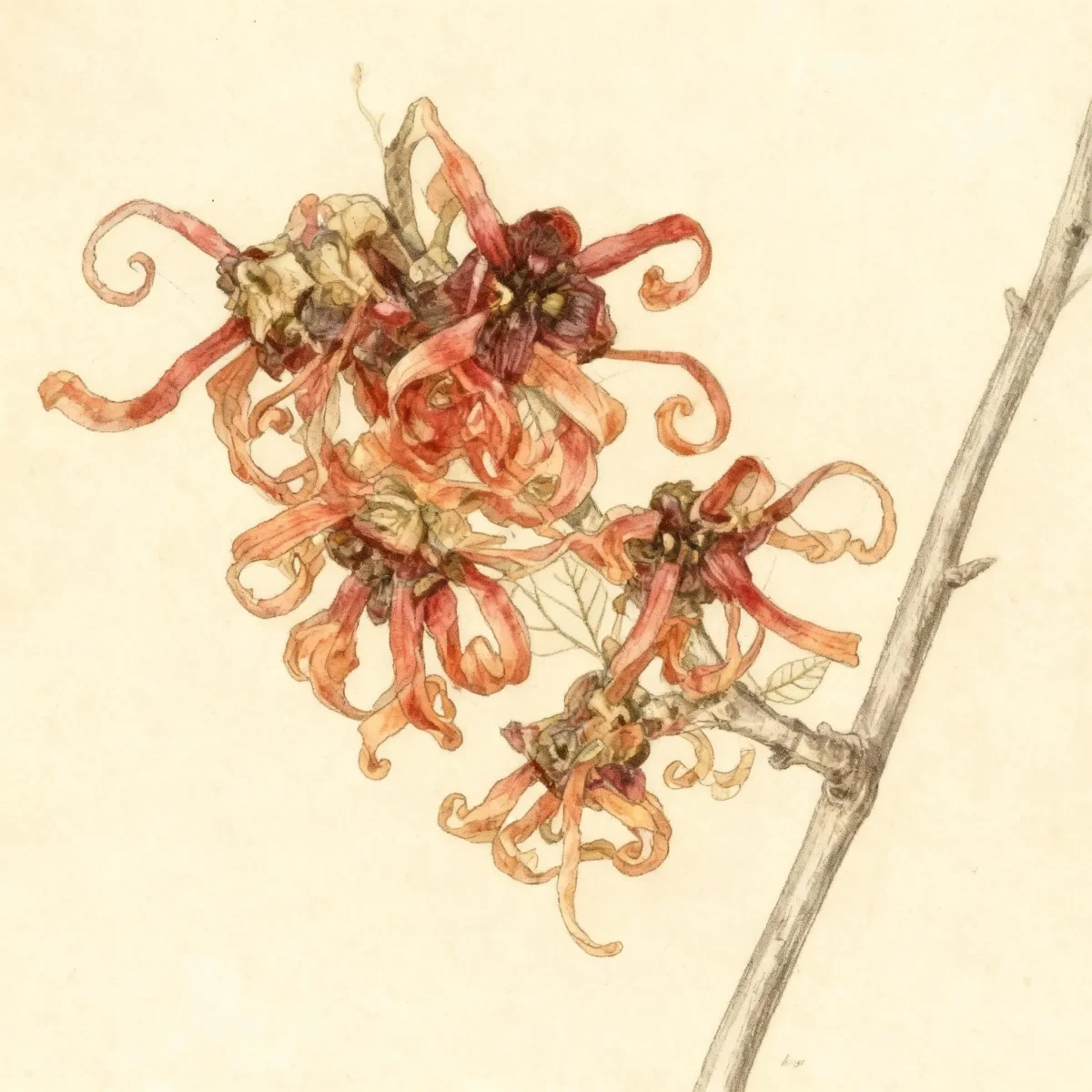
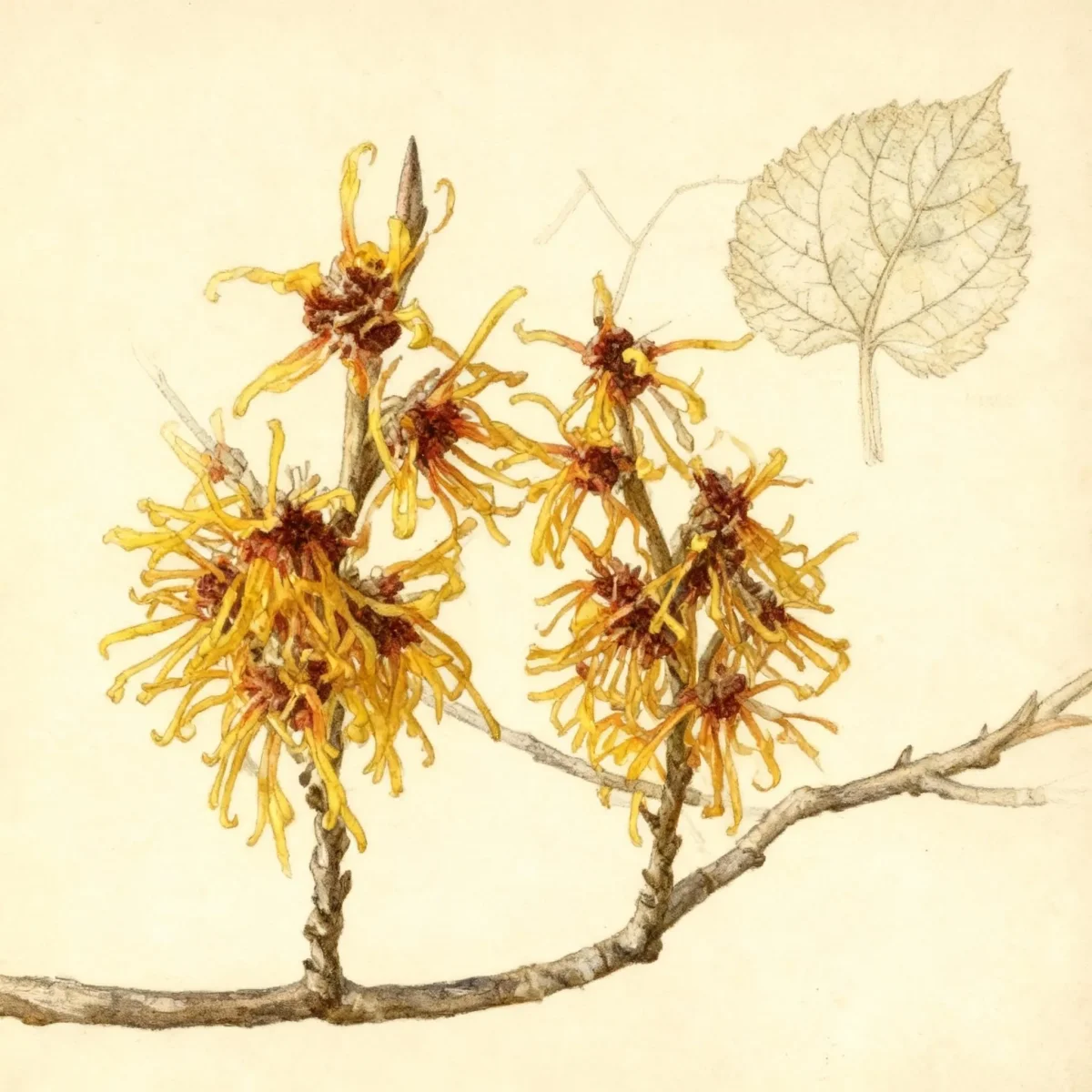
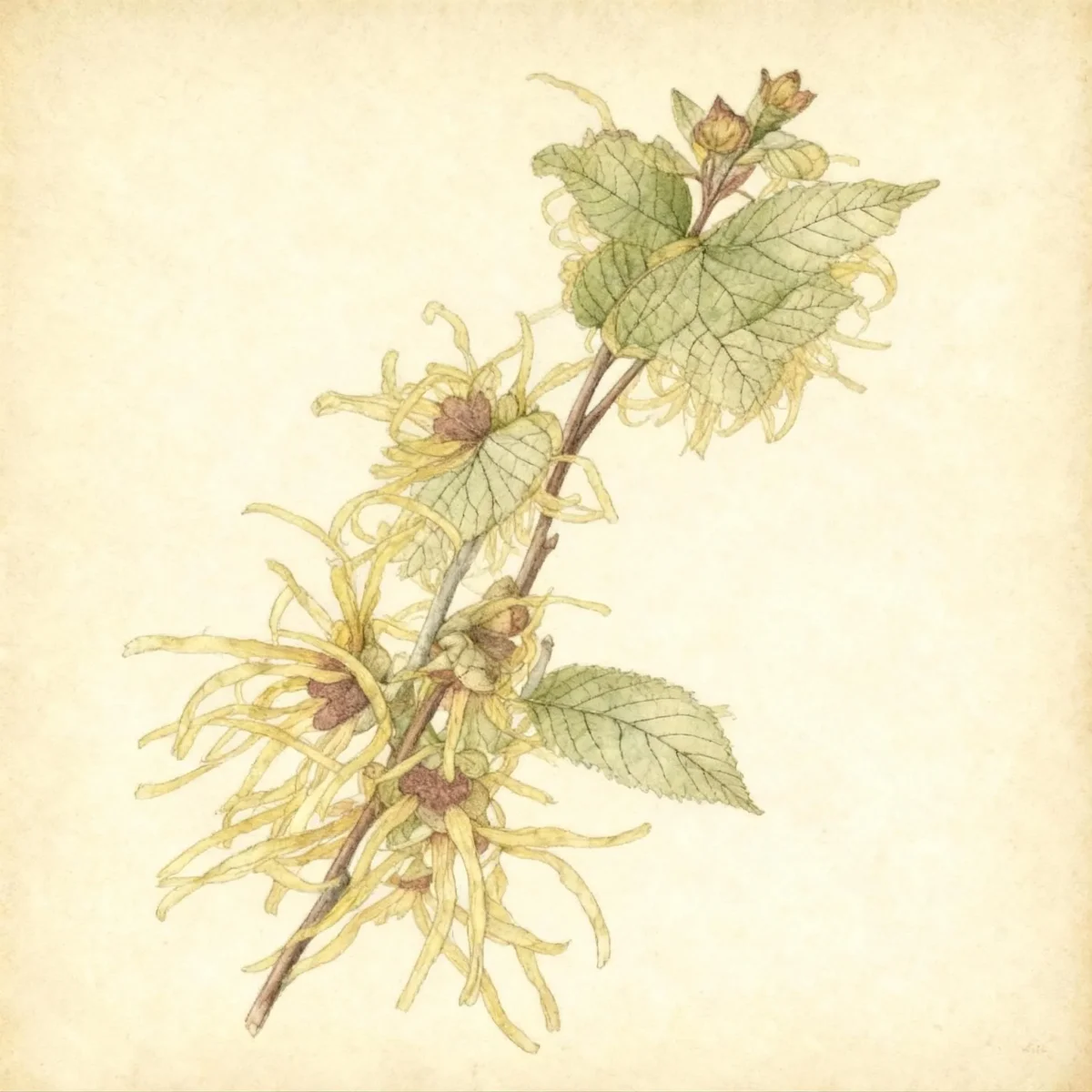
Hamamelis × intermedia hybrids are crosses between Japanese witch hazel (H. Japonica) and Chinese witch hazel (H. Mollis). They are particularly noted for their spidery, mid- to late winter flowers which appear before the spring foliage emerges. The cultivar ‘Heinrich Bruns’ is named in recognition of the breeder and typically matures as an upright, vase-shaped shrub to 8-10’ tall with showy flowers featuring four narrow, ribbon-like, curled and crinkly, yellow petals that possess a red base.
Tolerances
- Deer
- Erosion
- Clay Soil
Potential Problems
While generally robust, Hamamelis × intermedia ‘Heinrich Bruns’ may attract common landscape pests such as caterpillars and Japanese beetles, which can chew on the leaves. Gardeners should also monitor for sap-feeding insects like gall aphids, scale, leafrollers, and leafminers. Potential fungal issues include powdery mildew and various leaf spots or rots, though these insect and disease problems typically remain minor and rarely require intervention.
Frequently Asked Questions
What hardiness zones is Witch hazel suitable for?
Hamamelis × intermedia ‘Heinrich Bruns’ is suitable for gardeners in USDA Hardiness Zones 5 through 8.
How large does Hamamelis × intermedia ‘Heinrich Bruns’ grow?
This cultivar typically matures to a height between 8 to 10 feet, with an equal spread of 8 to 10 feet, forming an upright, vase shape.
When does Witch hazel bloom?
The bloom time for this variety is generally from January through March, producing its characteristic yellow flowers on bare wood.
What sun exposure does Hamamelis × intermedia ‘Heinrich Bruns’ need?
Optimal flowering is achieved in full sun, although reliable growth can occur in locations receiving part shade.
Conclusion
The Hamamelis × intermedia ‘Heinrich Bruns’ offers unparalleled winter interest for the temperate garden, delivering a reliable display of bright yellow upon its bare, sculptural branches. This low-maintenance Witch hazel establishes easily in average soils, providing seasonal structure and wildlife resistance. Before planting, ensure your site provides the medium moisture and well-drained conditions necessary for this cultivar to truly excel.
Companion Planting
When planning the winter garden surrounding your Hamamelis × intermedia ‘Heinrich Bruns’, select plants that complement its mid-winter bloom or provide strong contrasting texture afterward. Consider companion planting with early spring bulbs like snowdrops (Galanthus) or winter aconite (Eranthis hyemalis), as their low-growing bright colors look excellent beneath the high canopy of the shrub. In woodland border settings, ferns and hostas offer dense, dark foliage cover during the summer, contrasting the stark structure of the Hamamelis in winter.
Seasonal Care Calendar
Focusing care around the bloom cycle ensures the best display from your Witch hazel. In late Winter/early Spring (post-flowering), prune lightly to maintain the desired vase shape, cutting back any crossing or damaged wood. During Summer, monitor water needs closely; consistent moisture prevents leaf scorch, especially if temperatures are high. Fall requires minimal attention other than observing the leaves, which show no significant fall color change before dropping. In Winter, appreciate the Hamamelis × intermedia ‘Heinrich Bruns’ for its unique contribution to overall garden structure.