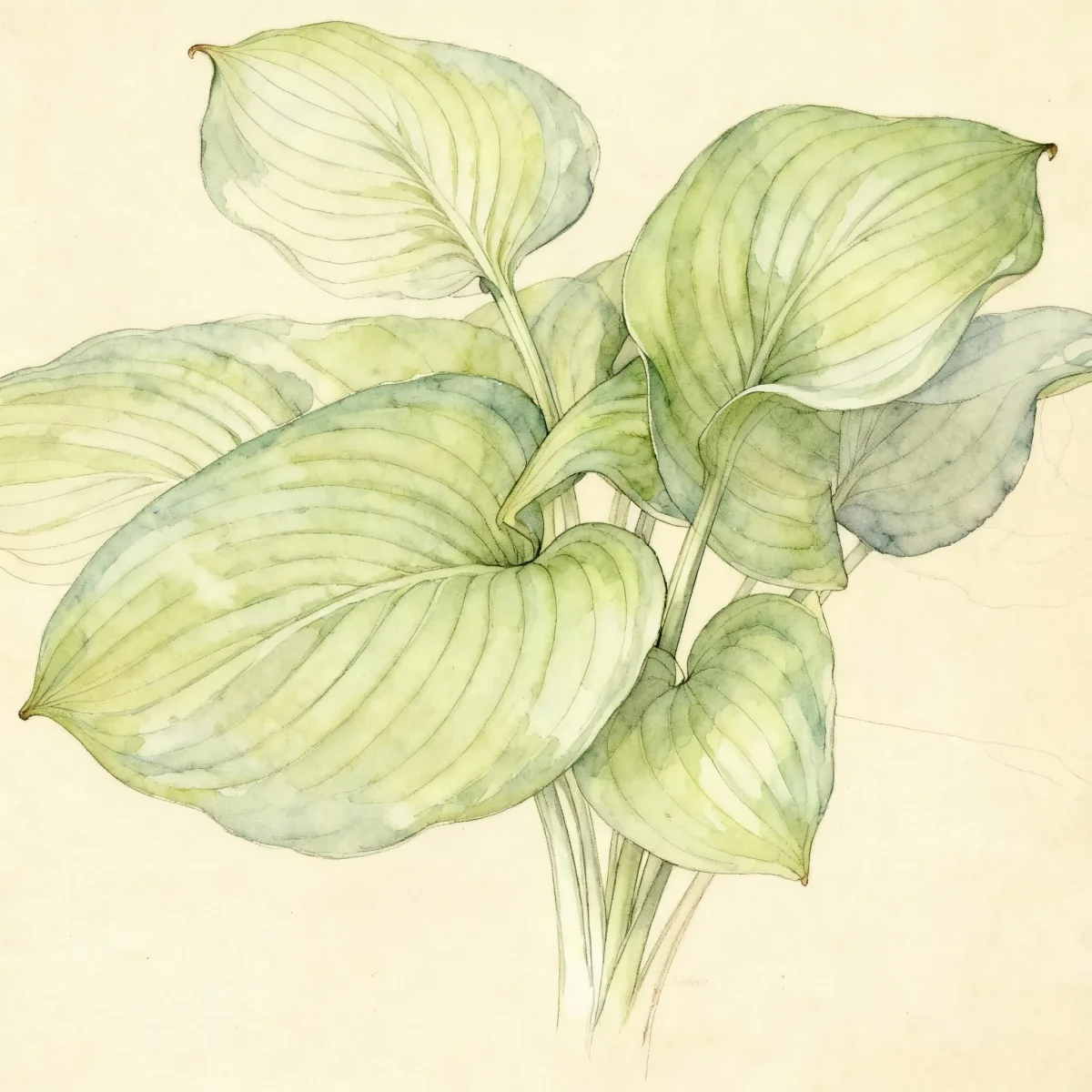
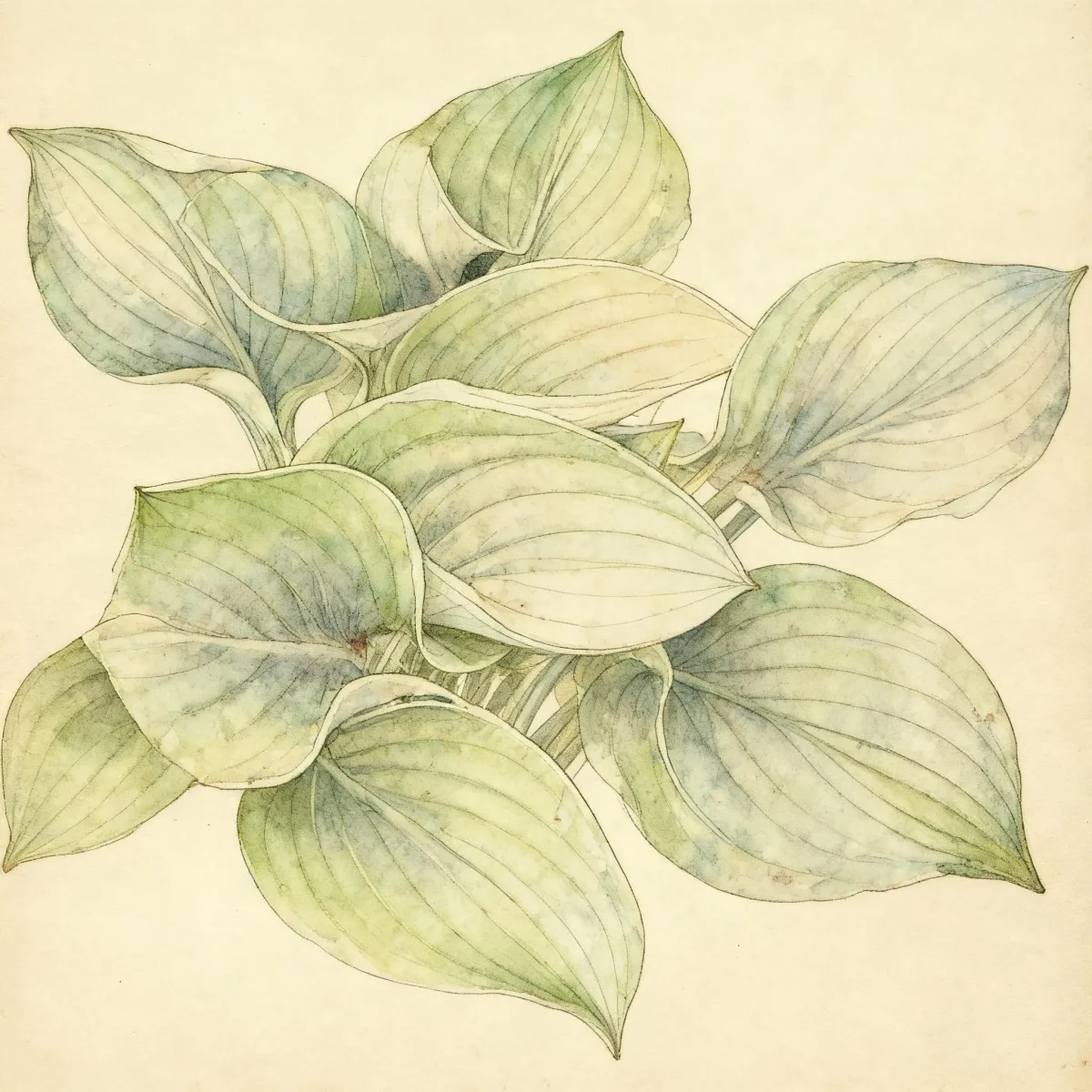
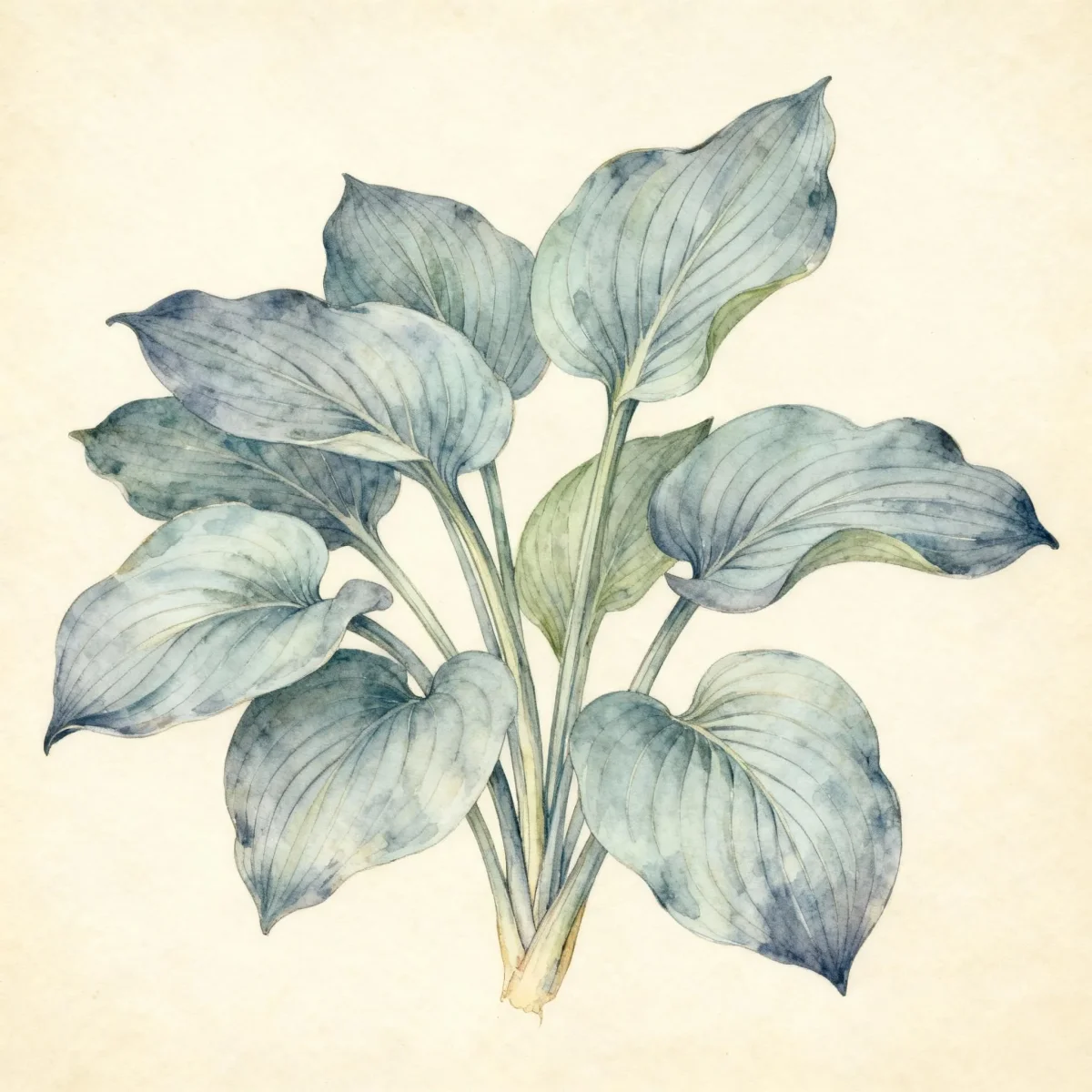
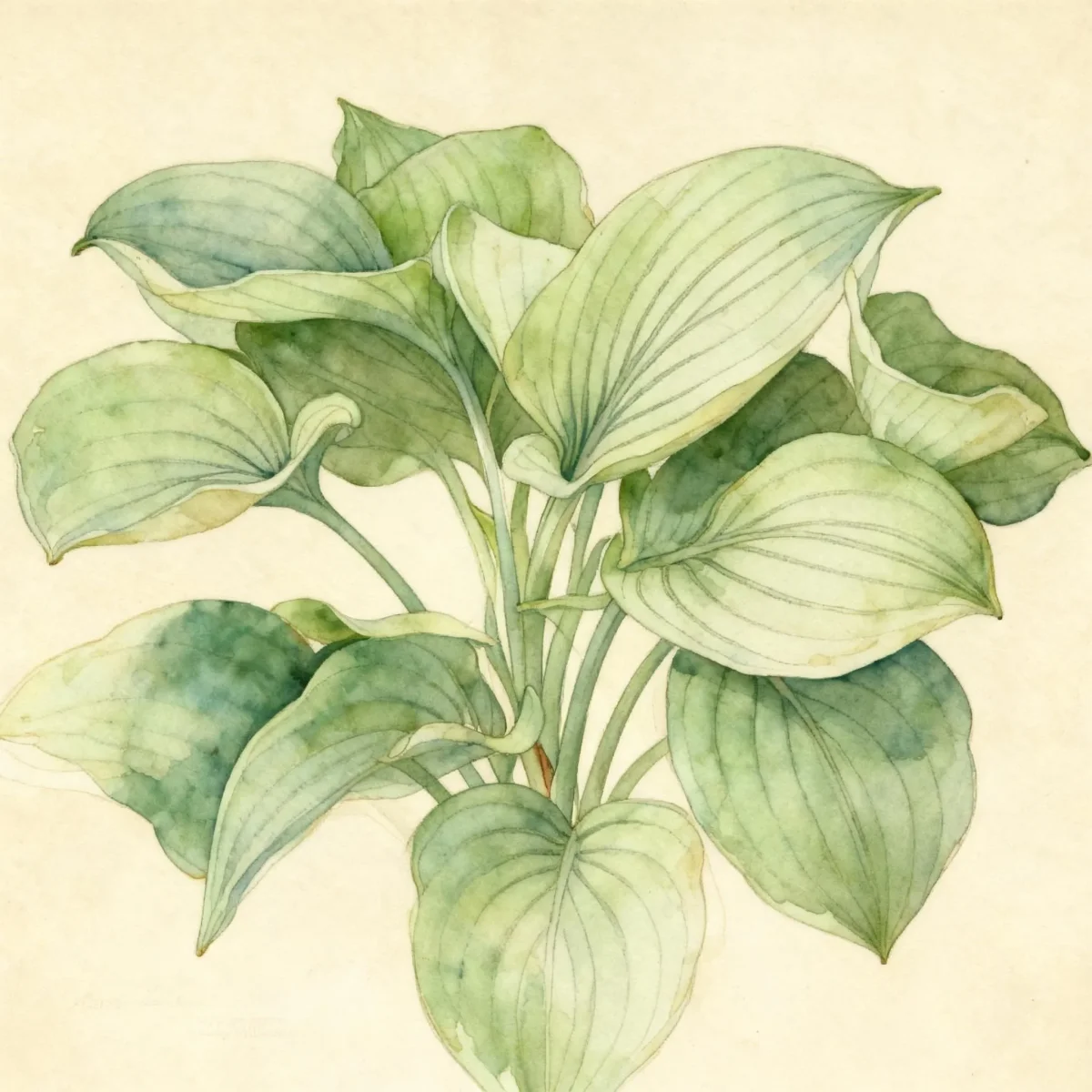
Hosta (Hosta 'Empress Wu')
Discover Hosta 'Empress Wu', the giant hosta reaching 4-5 ft tall and 8 ft wide. Ideal for deep shade gardens.
Scroll down to discover growing tips, care requirements, companion plants, and more
Complete Plant Information
Overview
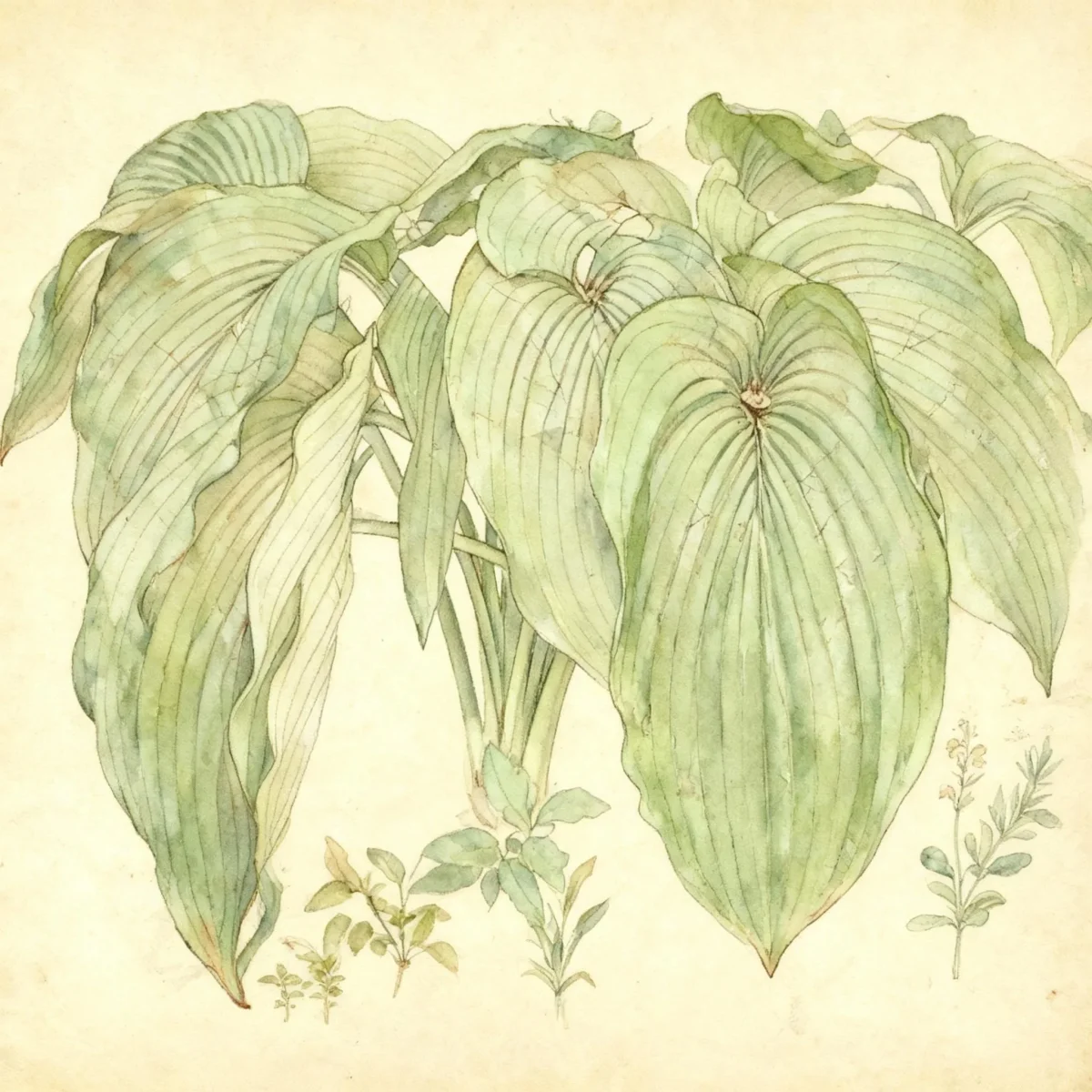
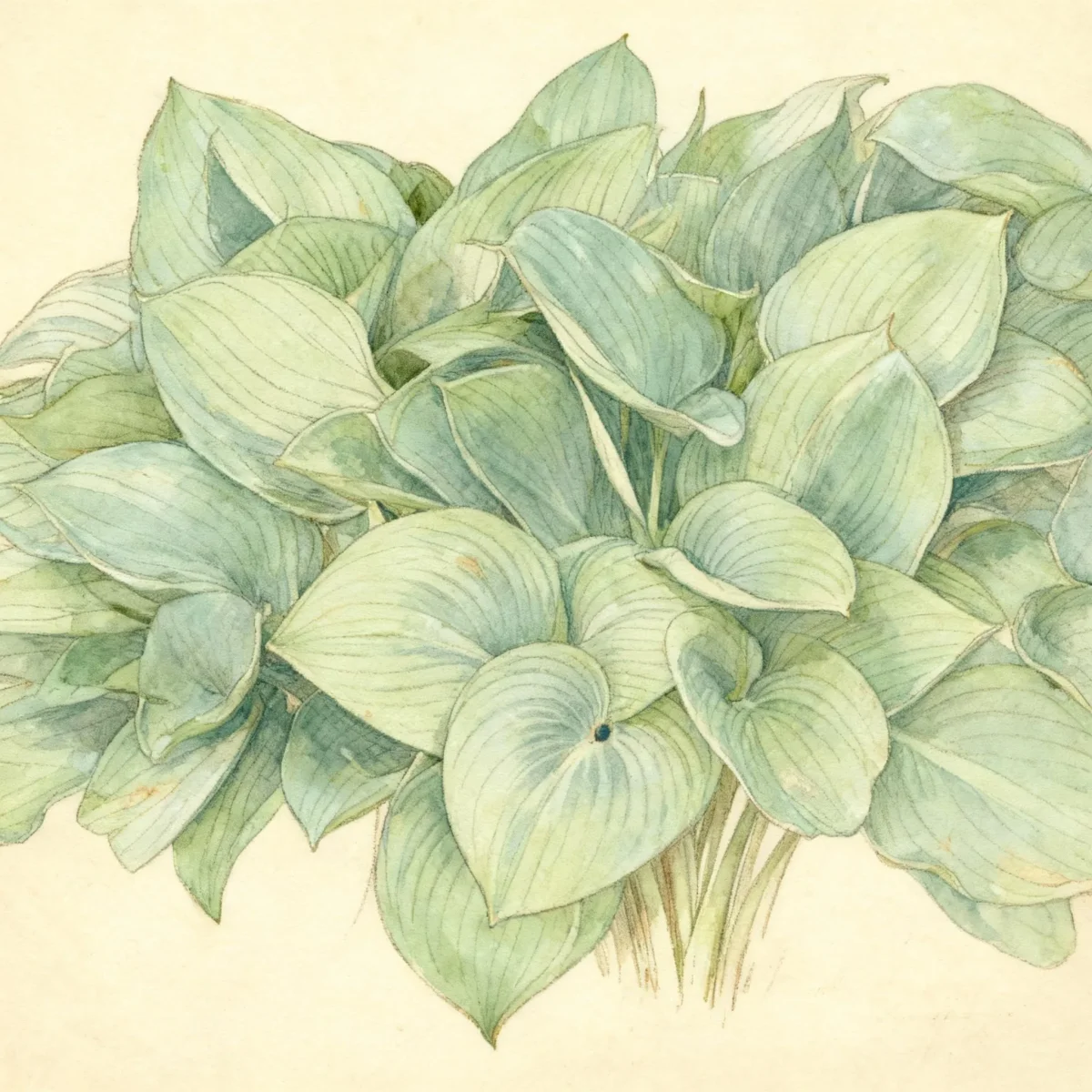
Hosta ‘Empress Wu’ is renowned in the gardening world as arguably the largest hosta cultivar available, promising a truly monumental presence in the shade garden. This herbaceous perennial generates a massive mound of deeply-veined, green foliage that provides unmatched texture and scale. For gardeners seeking bold, low-maintenance impact where shade dominates, the Hosta genus—and especially the imposing Hosta ‘Empress Wu’—is an essential choice.
This impressive plant thrives in lower light conditions, developing its full stature only with consistent care and rich soil. While primarily grown for its excellent ornamental foliage, it does produce delicate pale lavender blooms in mid-summer. Achieving the colossal size reputation of Hosta ‘Empress Wu’ requires patience, adequate moisture, and protecting those enormous leaves from strong winds.
Cultivating a successful specimen starts with site selection, favoring deeply shaded areas that protect the foliage from afternoon burn. Belonging to the Asparagaceae family, this species offers gardeners reliable performance year after year, forming a long-lived, clump-forming centerpiece for any woodland or north-facing border.
Fast Facts
- Plant Family: Asparagaceae
- Plant Type: Herbaceous perennial
- Hardiness Zones: USDA Zones 3-8
- Size at Maturity:
- Height: 4-5 ft
- Spread: 6-8 ft
- Bloom Time: July to August
- Bloom Description: Pale lavender
- Sun Exposure: Part shade to full shade
- Water Needs: Medium
- Maintenance Level: Low
How to Grow
The optimal setting for Hosta ‘Empress Wu’ involves evenly moist, organically rich, well-drained soils. Plant during spring or autumn, selecting a location that favors dappled light or part shade for ideal leaf color retention. While these plants tolerate some dry shade once established, their massive leaves require consistent moisture to achieve their full spread and quality form.
Watering should be applied directly to the soil beneath the leaves to keep the attractive foliage dry, minimizing the risk of fungal issues. Hostas are generally low-maintenance; avoid high-nitrogen fertilizers which can encourage excessive, soft leaf growth that is more susceptible to pests. Protect the developing mounds from harsh winds, which can tear the large leaves of the Hosta ‘Empress Wu’.
Division is best executed in early spring just before the leaves unfurl, or in early autumn. This allows you to rejuvenate older clumps and propagate new specimens. Because Hosta is prized for its foliage, managing pests like slugs and snails becomes a crucial element of its low-maintenance care routine.
Landscape Uses
Hostas are the undisputed mainstay of shade gardens, valued far more for their foliage mass than their summer flowers. Hosta ‘Empress Wu’ is architecturally significant, perfect for anchoring corners or providing a dramatic focal point among smaller, finer-textured shade perennials. Their uniform growth habit makes them very effective when grouped together or massed to create a bold, lush carpet of green.
Due to their immense size, these hostas function wonderfully as background statements along woodland borders or within deep, shady landscape beds. They contrast beautifully with smaller, chartreuse-colored foliage plants or fine ferns, creating visual diversity despite the limited light. Though primarily groundcover, their size allows them to stand alone as specimen plants where other shrubs struggle to establish.
Standout Features
Flower Qualities
- Showy
- Good Cut
Noteworthy Characteristics
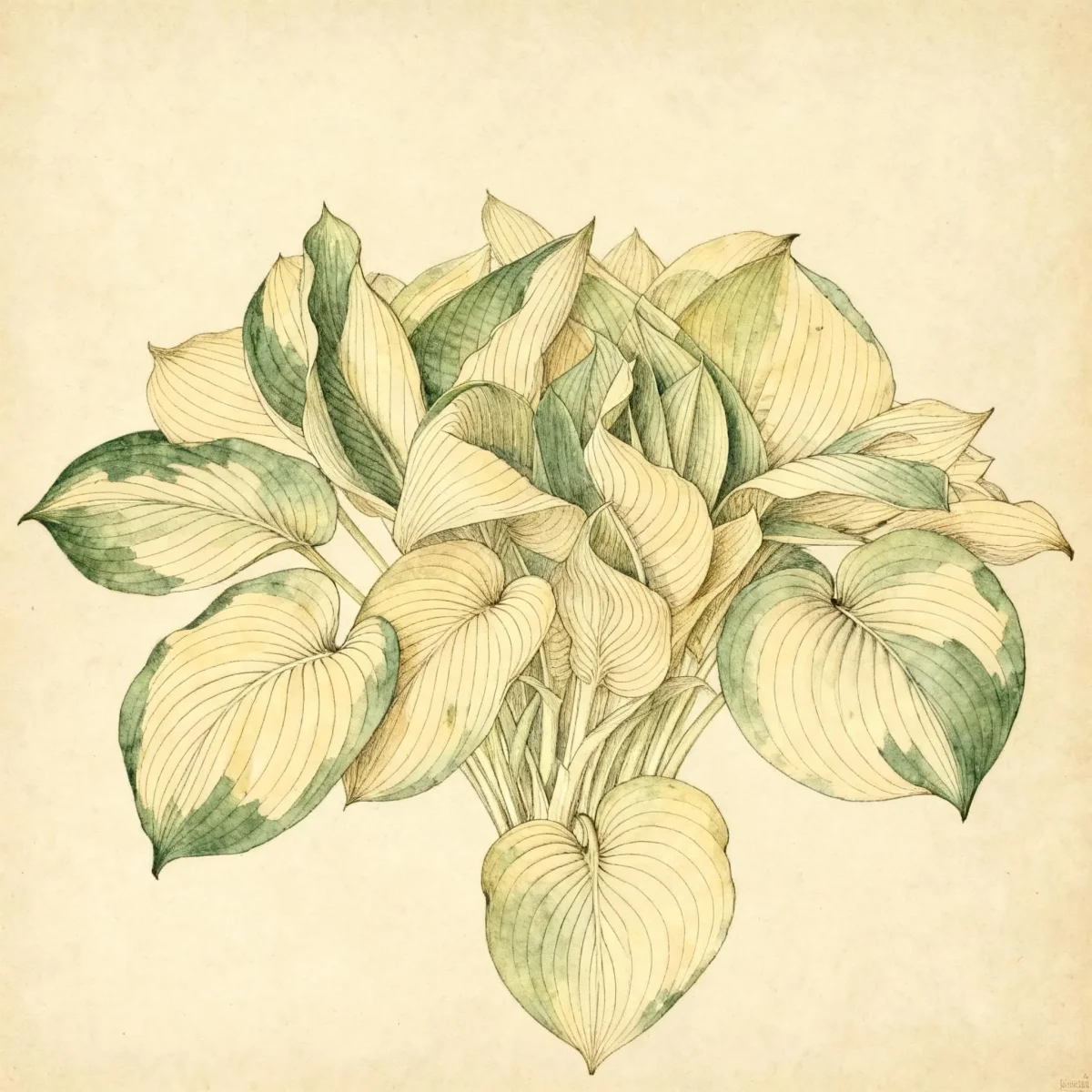
Hosta is primarily grown for its ornamental foliage, featuring dense, basal leaves that form a rounded mound. The cultivar ‘Empress Wu’ is particularly notable, reputedly the largest hosta commercially available, maturing to heights of 4–5 feet and spreads up to 8 feet with huge, deeply-veined green leaves. Pale lavender flowers appear on short scapes just above this impressive foliage mound in early summer.
Tolerances
- Heavy Shade
- Black Walnut
Potential Problems
Slugs and snails are the primary threat, attracted to the large leaves and consuming them, leaving jagged holes if unchecked. Apply bait early in the season or use copper barriers. Be vigilant for wilting or browning between veins, which may indicate foliar nematodes, requiring immediate removal of infected tissue. Hosta Virus X (HVX) is serious; immediately destroy any plant showing viral symptoms as diseases spread rapidly. Young leaves, particularly on exposed specimens, are vulnerable to severe damage from hail storms.
Frequently Asked Questions
What hardiness zones is Hosta suitable for?
Hosta ‘Empress Wu’ thrives in USDA Hardiness Zones 3 through 8.
How large does Hosta ‘Empress Wu’ grow?
This giant hosta typically reaches a height of 4 to 5 feet, spreading impressively to 6 to 8 feet wide.
What sun exposure does Hosta need?
While these plants tolerate full shade, they perform best when situated in part shade, ideally receiving some protection from strong afternoon sun.
When does Hosta bloom?
The flowers appear in mid-summer, blooming from July through August.
Conclusion
Hosta ‘Empress Wu’ offers incomparable architectural structure and dramatic foliage volume, making it a irreplaceable choice for large-scale shade gardening. Ensure you provide consistent moisture and protection from wind to realize the full glory of this Hosta titan. Before planting, confirm your site conditions meet the requirements for USDA Zones 3-8 and that you have adequate space for its massive mature spread.
Companion Planting in Shade
When planning a border featuring the towering Hosta ‘Empress Wu’, excellent companions include plants that complement its massive scale with varied texture. Consider pairing it with Astilbe varieties, which offer airy, contrasting plumes of color above the broad leaves, or using delicate ferns like the Japanese Painted Fern for textural relief. Brunnera ‘Jack Frost’ provides lower groundcover with silvery, heart-shaped leaves that brighten dark corners beneath the canopy of the Hosta.
Seasonal Care Calendar for Giant Hostas
Spring involves preparing the soil by incorporating ample compost, which nurtures the rich, organic matter that Hostas require, and applying slug bait proactively. Summer care for Hosta focuses almost entirely on consistent, deep watering directly at the soil level to support the huge leaf surface area. In autumn, beyond cleanup, avoid too much aggressive tidying; allowing some leaves to decompose naturally can return nutrients to the soil, though removing any diseased leaf matter is crucial. Winter is simple for these hardy perennials; mulch lightly in colder regions (Zone 3) for added root protection, but generally, they require little attention once dormant.