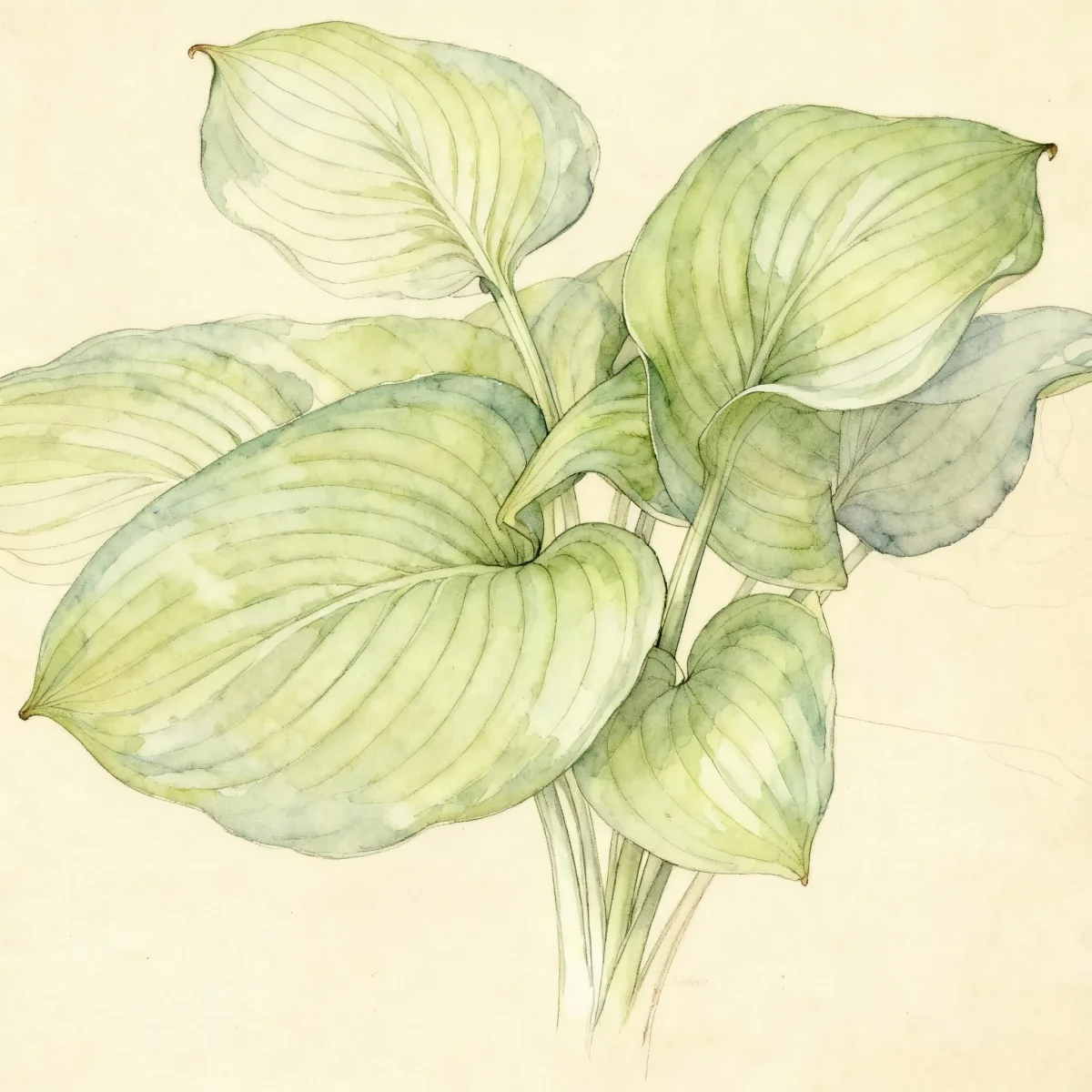
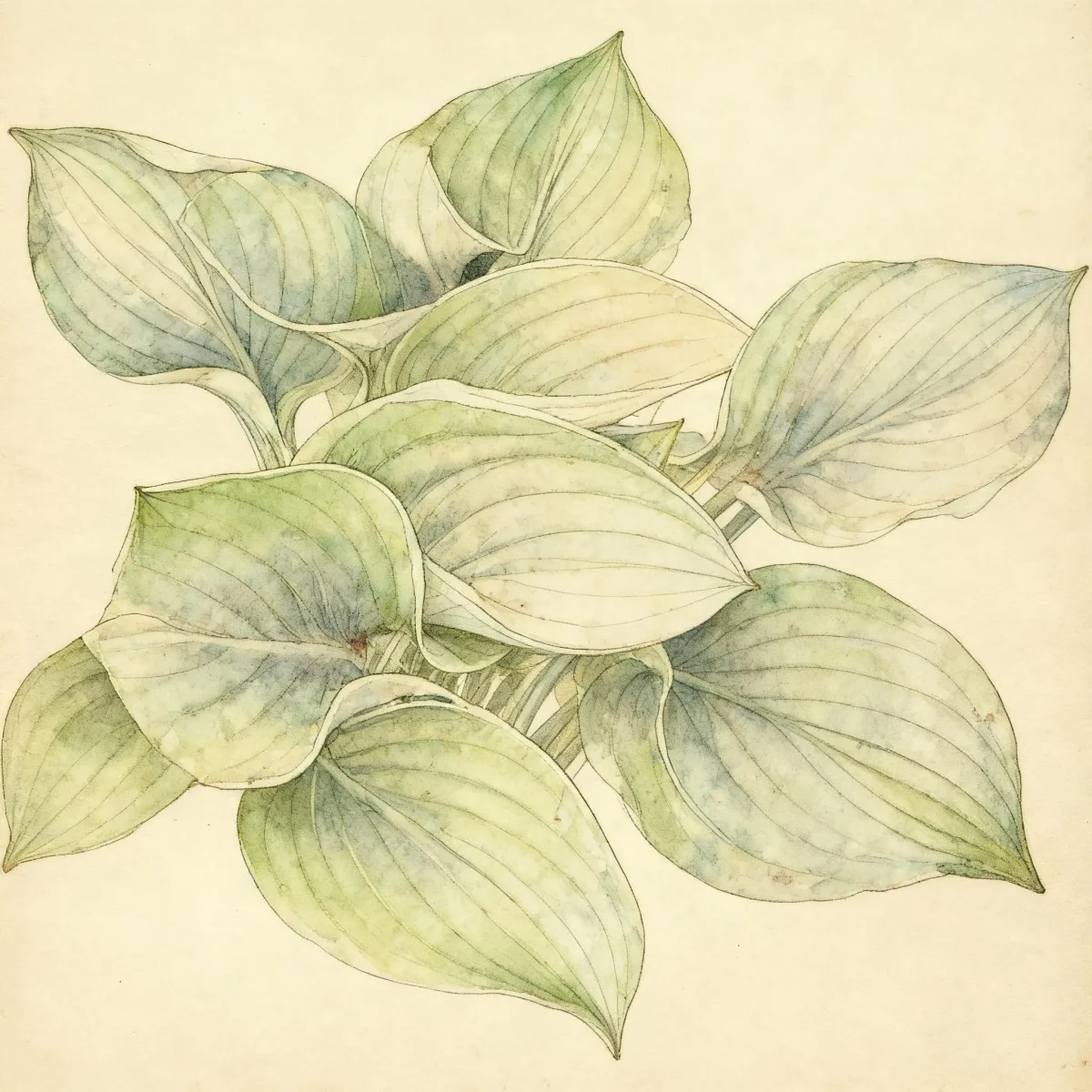
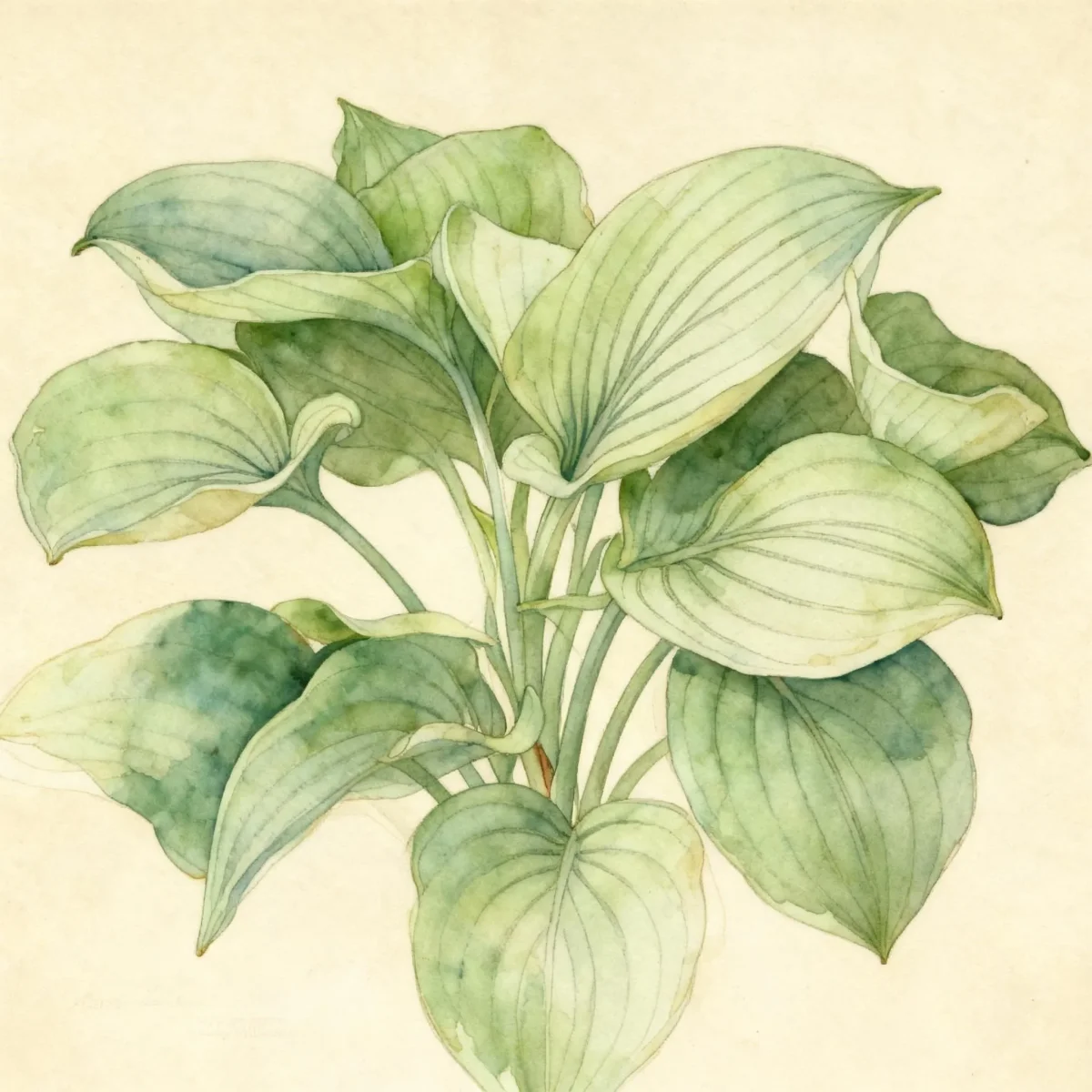
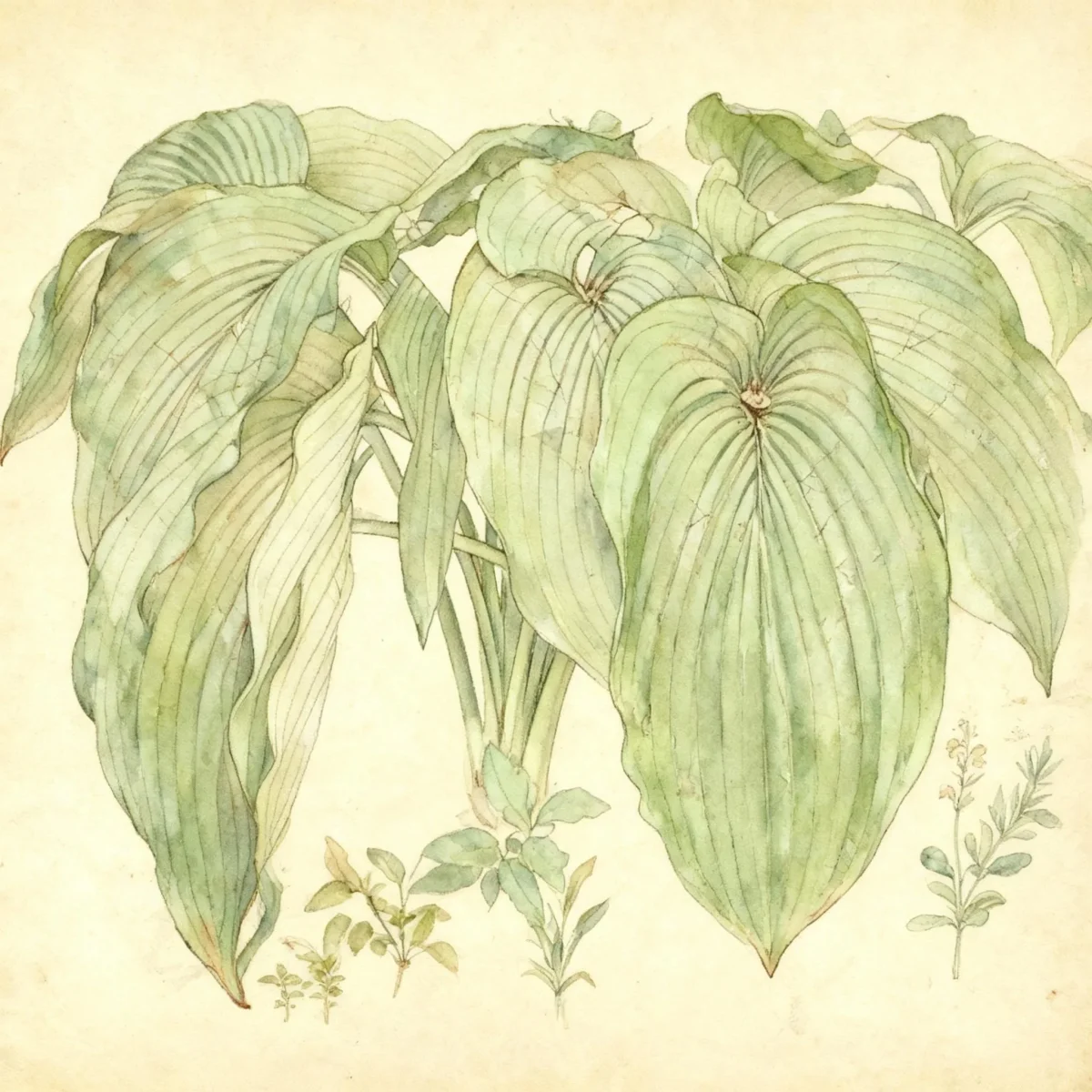
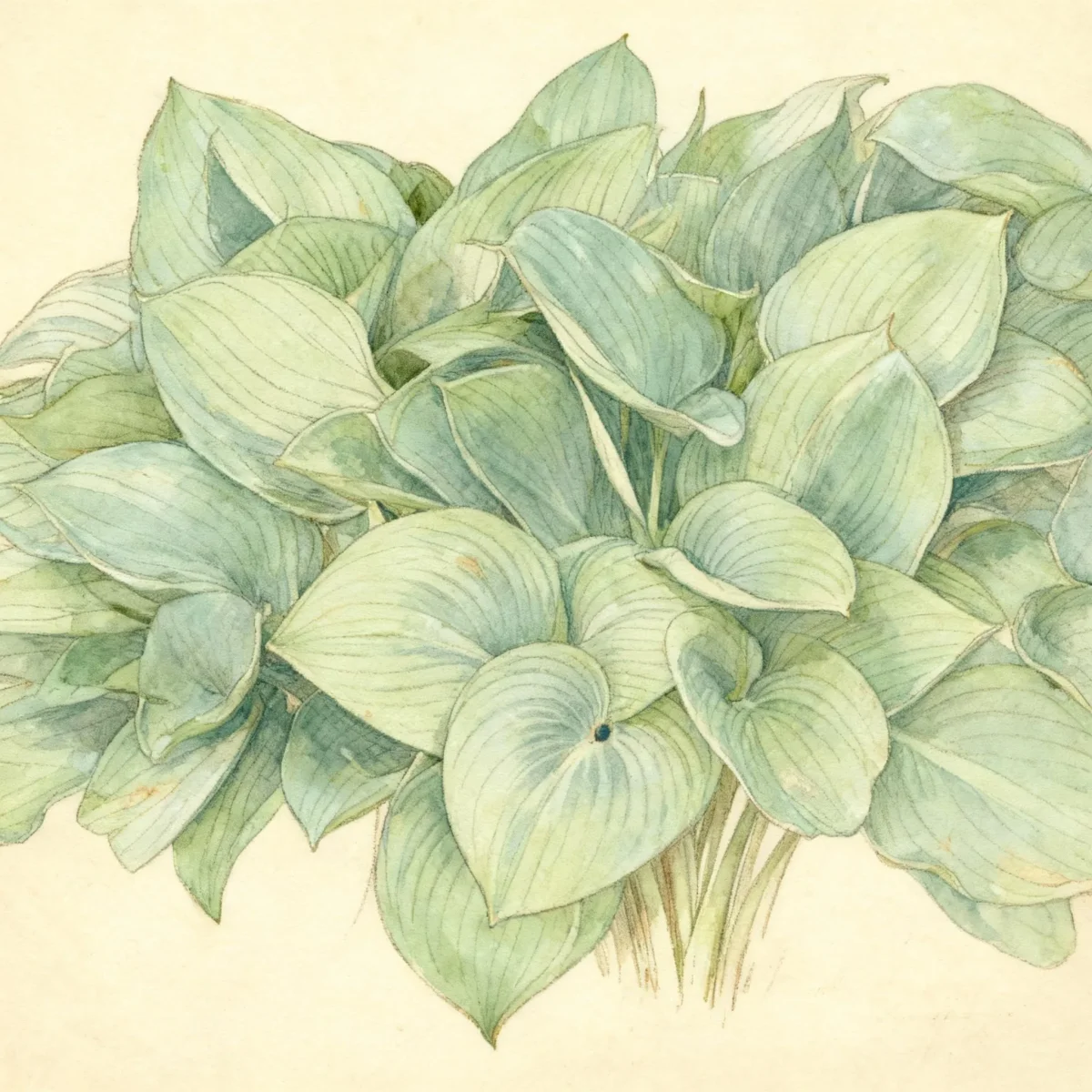
Hosta (Hosta 'Lakeside Little Tuft')
Hosta 'Lakeside Little Tuft' is a small, tough Hosta prized for dense, variegated foliage and purple summer blooms. Ideal for shade.
Scroll down to discover growing tips, care requirements, companion plants, and more
Complete Plant Information
Overview
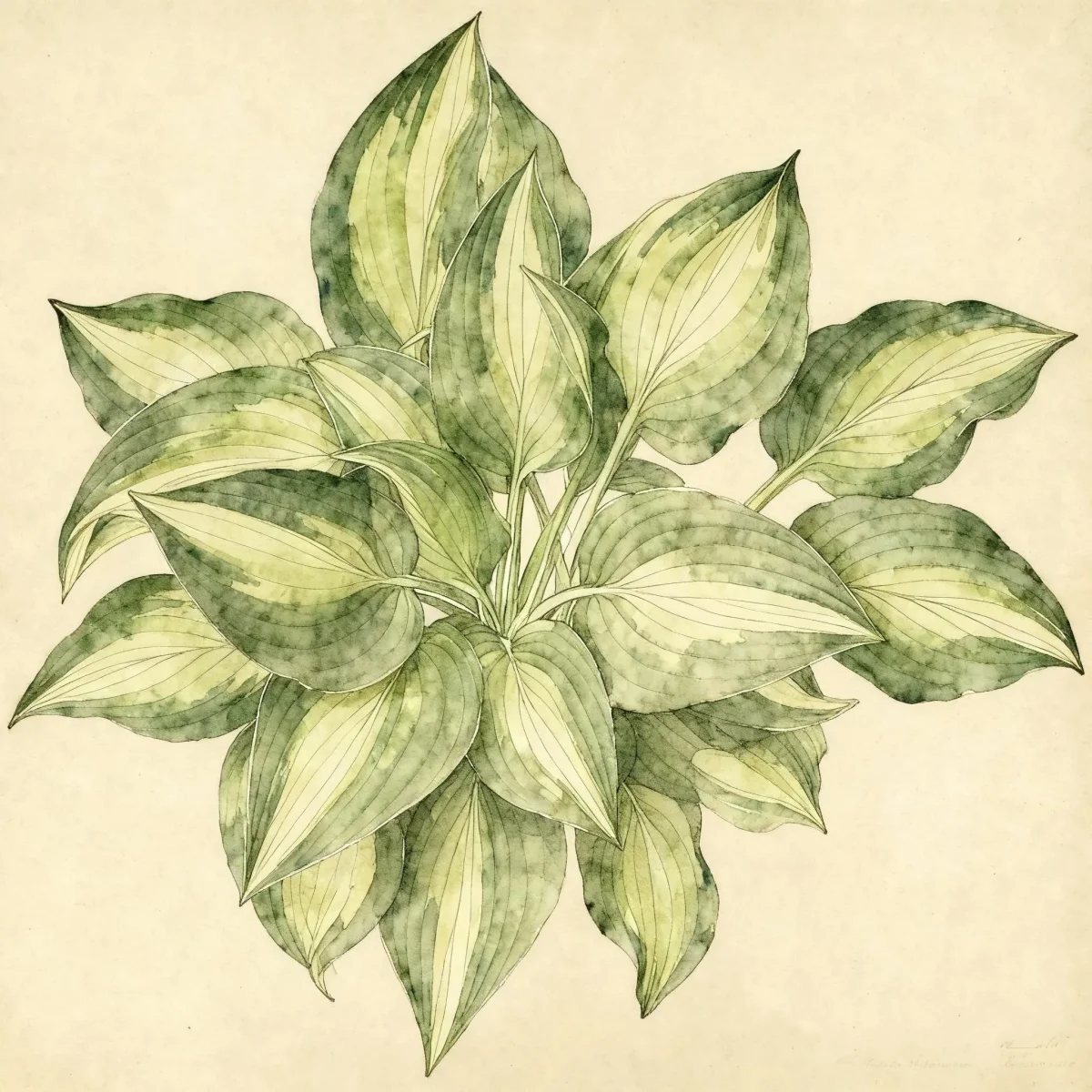
Hosta ‘Lakeside Little Tuft’ is a fantastic addition to any landscape seeking reliable texture and color beneath the canopy. This small hybrid Hosta cultivar is specifically valued for its variegated foliage, which features creamy-yellow centers contrasting with dark green margins on narrowly ovate leaves. It forms a tight, upright mound, creating excellent structure in shaded garden areas.
As a member of the Hosta genus, this perennial offers renowned ease of care, thriving with low maintenance once established. Mature Hosta ‘Lakeside Little Tuft’ plants present a refined presence, generally reaching less than a foot tall but spreading nearly two feet wide, perfect for edging or filling borders where larger varieties might overwhelm the space.
This specific Hosta hybrid exhibits bell-shaped purple flowers in mid-summer, adding a subtle vertical accent above the rich foliage mound. For gardeners wanting dependable performance in deep shade, Hosta ‘Lakeside Little Tuft’ is an extremely practical ornamental choice, provided consistent moisture is maintained.
Fast Facts
- Plant Family: Asparagaceae
- Plant Type: Herbaceous perennial
- Hardiness Zones: USDA Zones 3-8
- Size at Maturity:
- Height: 0.5-0.75 ft
- Spread: 1.25-1.75 ft
- Bloom Time: July
- Bloom Description: Purple
- Sun Exposure: Part shade to full shade
- Water Needs: Medium
- Maintenance Level: Low
How to Grow
Planting Hosta ‘Lakeside Little Tuft’ is best done in spring or fall, though spring is often preferred for establishing new clumps. Select a location providing organically rich, well-drained soil. While this Hosta tolerates heavy shade, maximizing its variegated qualities often requires part shade conditions, such as morning sun or dappled light filtering through trees.
Watering should be consistent, especially to achieve the best size and form. Although established plants gain some tolerance for dry shade, particularly those with thicker leaves, never allow the soil to completely dry out. Apply water directly to the soil beneath the leaves to minimize leaf spotting and maintain soil moisture.
Maintenance for this low-maintenance perennial centers on managing pests and routine division. Hosta ‘Lakeside Little Tuft’ should be divided as needed, usually in early spring before the new leaves emerge, or in autumn. Always protect the plants from strong winds, which can damage the foliage.
Landscape Uses
Hostas are the undisputed staples of shade gardens, celebrated primarily for their superior foliage rather than their flowers. Hosta ‘Lakeside Little Tuft’ works exceptionally well when massed together, creating a dense, multi-toned groundcover effect beneath mature trees or along shaded building foundations.
Due to its smaller size (maturing around 16-20 inches wide), this cultivar is excellent for defining the edge of a woodland border or mixing with other shade-tolerant woodland plants like ferns or Astilbe. Its tight, upright habit prevents it from looking too floppy compared to some larger Hosta types, making it a good background plant for shorter shade-loving annuals or groundcovers.
Standout Features
Flower Qualities
- Showy
Noteworthy Characteristics
Hosta is a genus containing about 70 species of shade-loving, rhizomatous, clump-forming herbaceous perennials native to Asian woodlands. Hostas are predominantly cultivated for the ornamental excellence of their foliage, which rises from a central crown in various shapes, colors, and textures. ‘Lakeside Little Tuft’ is a small hybrid featuring narrowly ovate, variegated leaves with undulating margins of dark green surrounding creamy-yellow centers; it produces purple, tubular flowers on scapes about 7-9 inches tall in mid-summer.
Tolerances
- Heavy Shade
- Black Walnut
Potential Problems
Slugs and snails pose the most significant threat to the foliage of Hosta ‘Lakeside Little Tuft’, leaving jagged holes if unchecked. Routinely inspect the undersides of leaves and apply slug bait or beer traps early in the growing season. Foliar nematodes can cause interveinal browning, necessitating prompt removal of affected leaves. Always watch for viral issues like Hosta Virus X, and immediately destroy infected plants to prevent spread. Deer and rabbits frequently feed on Hosta leaves, so protection may be necessary in areas with high populations.
Frequently Asked Questions
What hardiness zones is Hosta ‘Lakeside Little Tuft’ suitable for?
Hosta ‘Lakeside Little Tuft’ is hardy and reliably perennial in USDA Zones 3 through 8.
How large does Hosta ‘Lakeside Little Tuft’ grow?
This small variety typically reaches a height between 0.5 and 0.75 feet, spreading to cover an area of 1.25 to 1.75 feet wide.
When does Hosta ‘Lakeside Little Tuft’ bloom?
This Hosta variety produces its purple flowers during the month of July.
What sun exposure does Hosta need?
Hosta ‘Lakeside Little Tuft’ thrives best in part shade to full shade conditions.
Conclusion
Hosta ‘Lakeside Little Tuft’ is highly valued for delivering beautiful, structured, variegated color to the lowest light parts of the garden with minimal effort. Its low maintenance requirement and tolerance for difficult spots like Black Walnut roots make this Hosta an essential shade perennial. Before planting, confirm your site falls within USDA Zones 3-8 and ensure you can provide the medium, consistent moisture this plant prefers.
Companion Planting in Shade
When designing a successful shade garden alongside Hosta ‘Lakeside Little Tuft’, focus on plants that contrast in texture or height. Ferns, such as Japanese Painted Ferns or Maidenhair Ferns, offer delicate, fine texture that beautifully offsets the bold, broad leaves of the Hosta. Consider using groundcovers like Vinca minor beneath larger specimens to suppress weeds and maintain cool soil temperatures around the roots of the Hosta.
Seasonal Care Calendar for Hostas
Early spring is the ideal time for dividing established clumps of Hosta ‘Lakeside Little Tuft’, which helps rejuvenate the plant and provides new divisions for other garden areas. As summer progresses and blooming finishes, deadheading the purple flower scapes is optional but can help refocus the plant’s energy back into leaf production. In late fall, once the first hard frost has occurred, cut back the remaining dead foliage to the ground to tidy the area and remove potential hiding spots for overwintering pests.