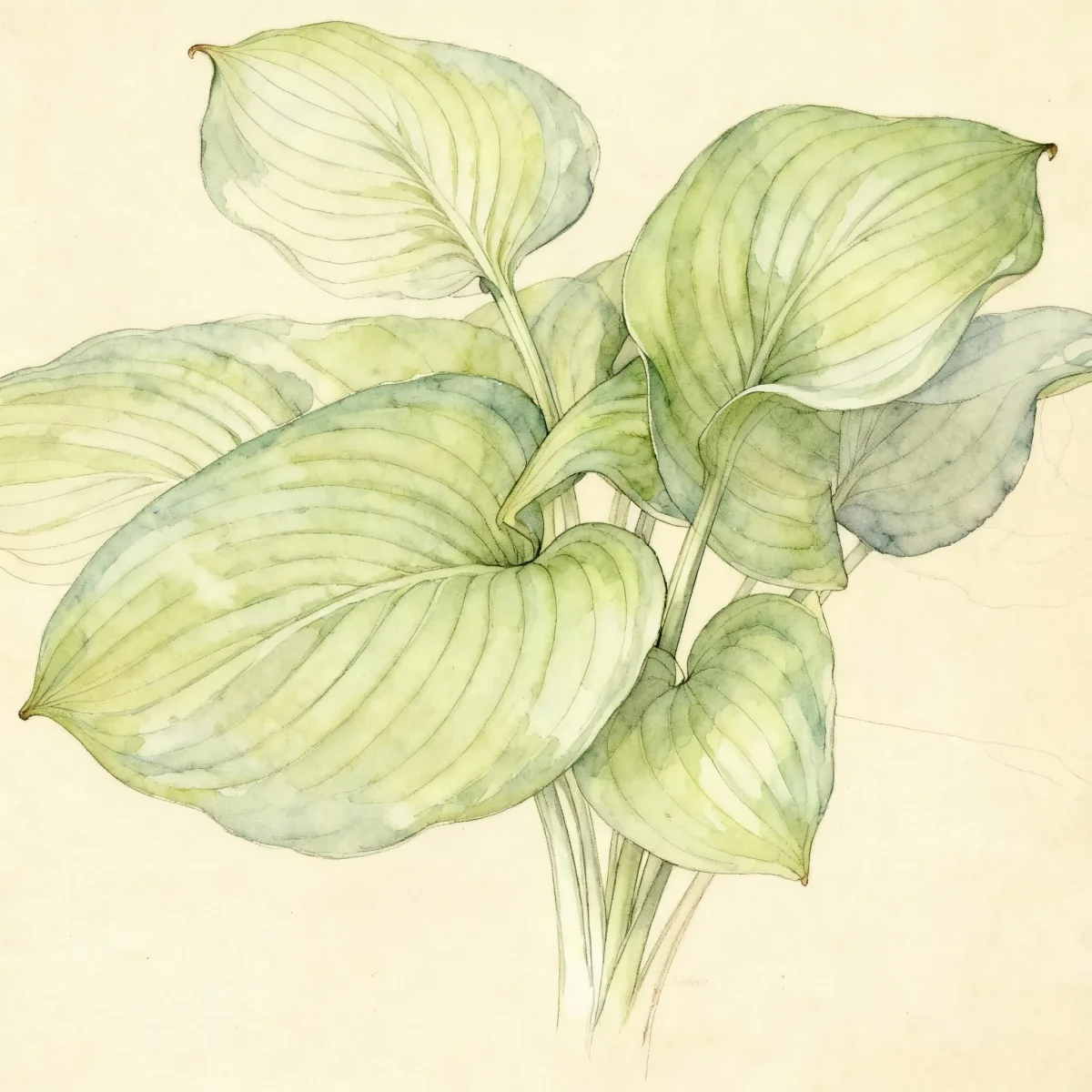
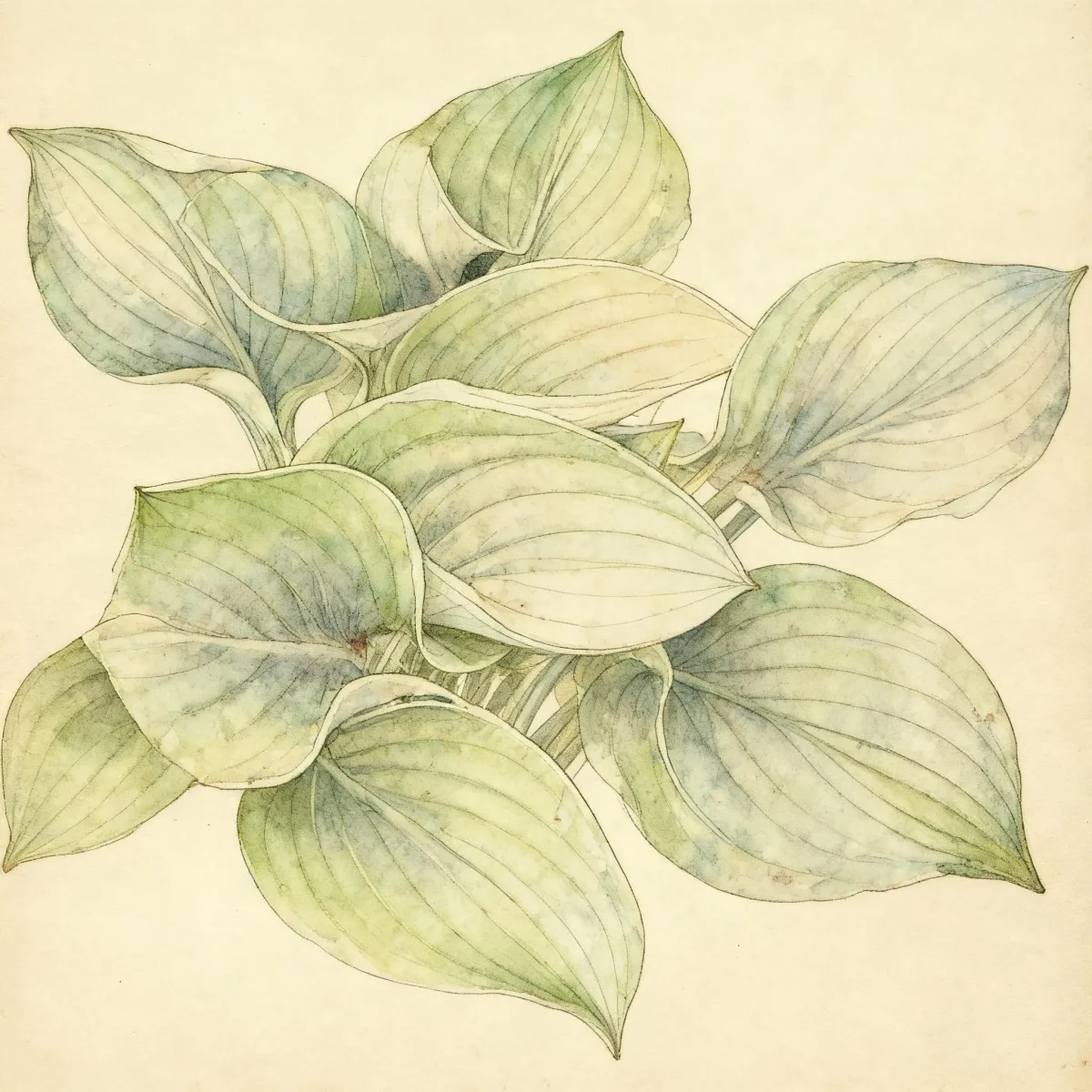
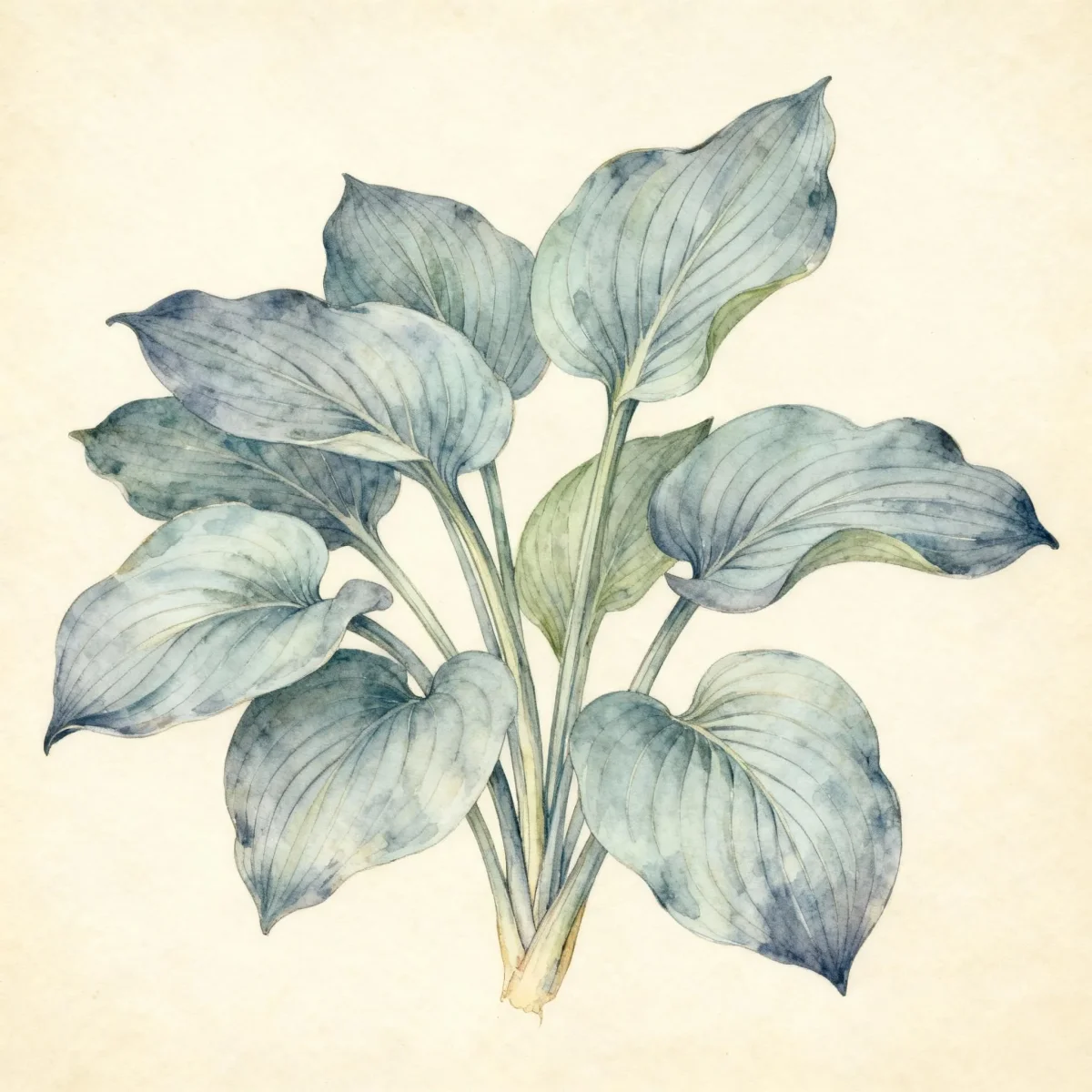
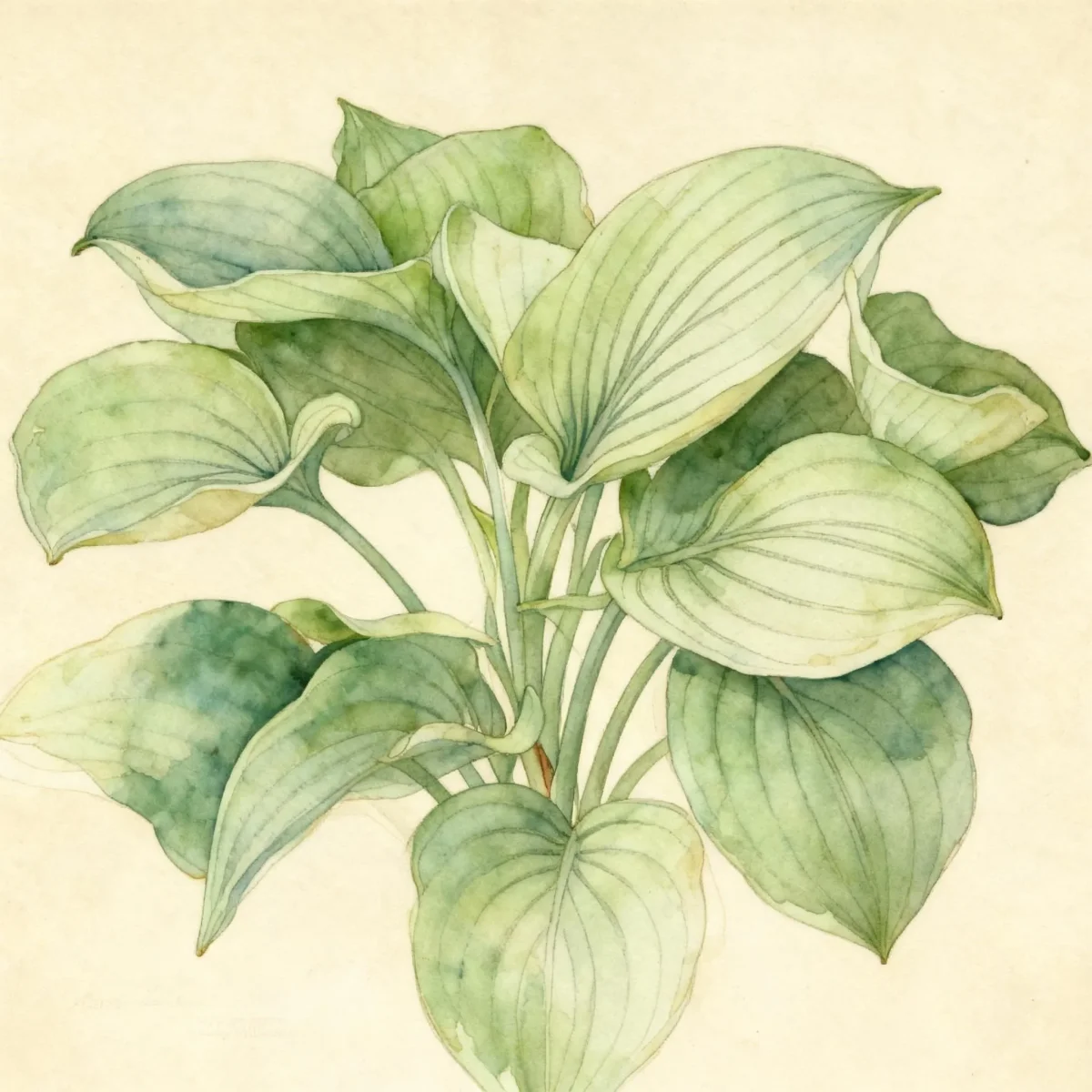
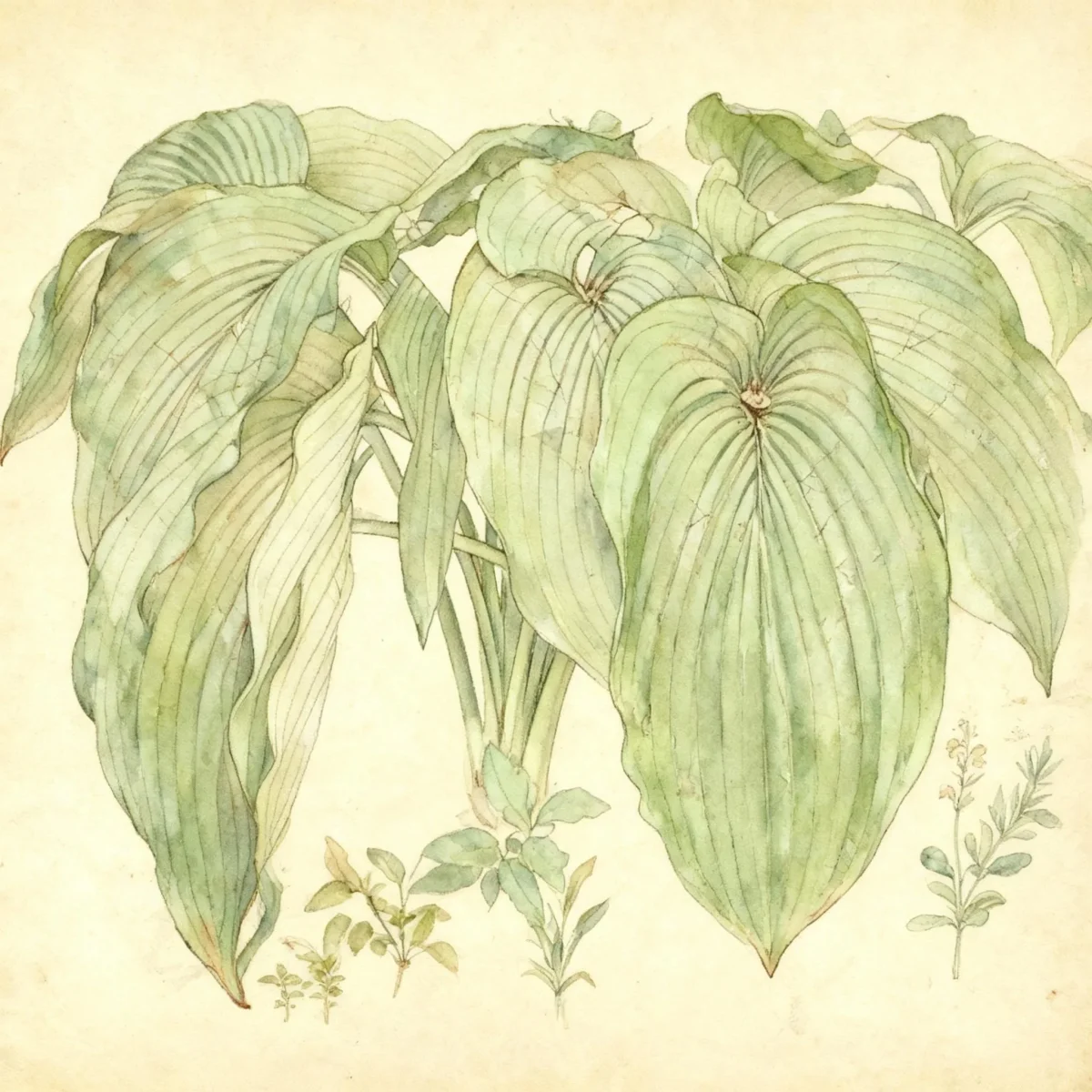
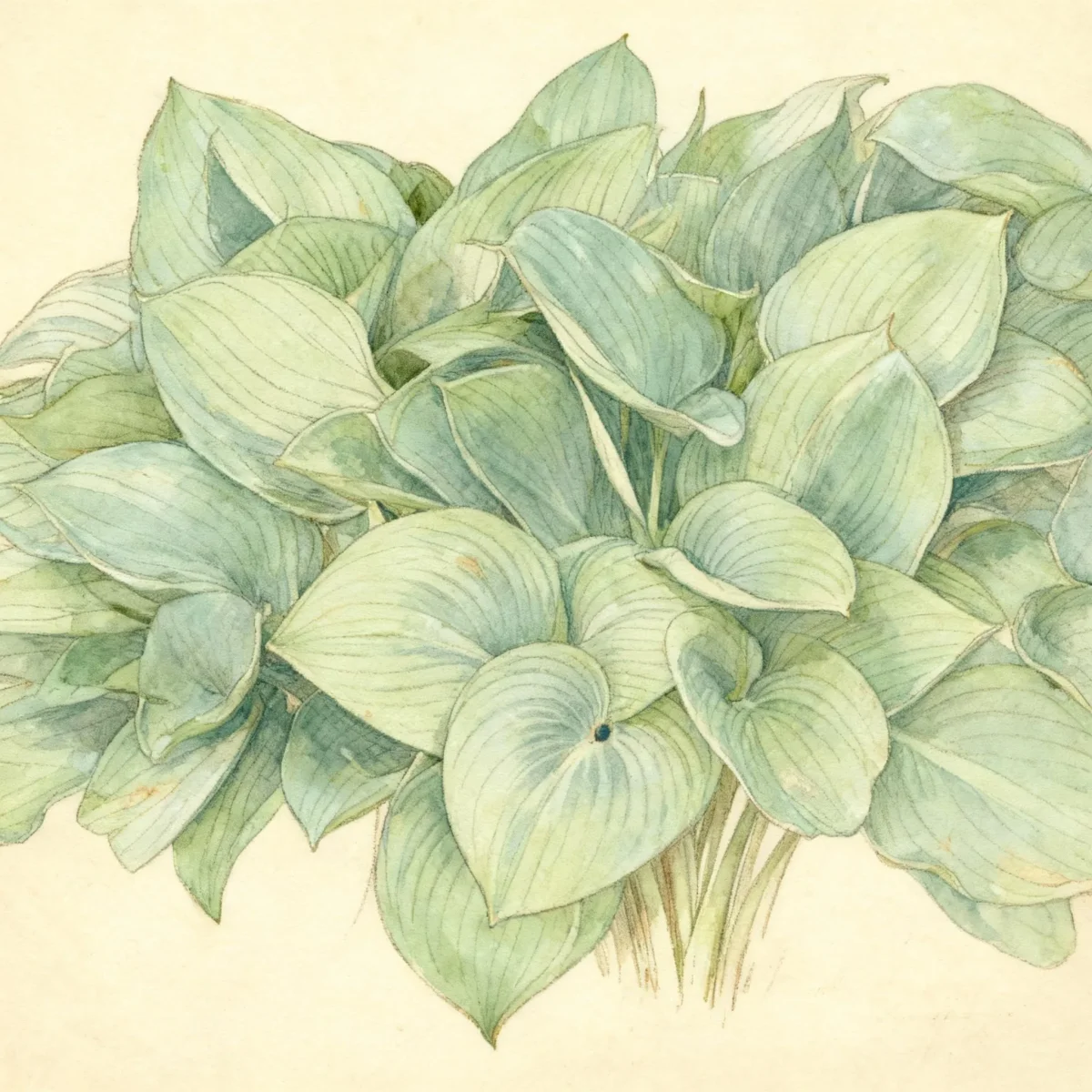
Hosta (Hosta 'El Nino')
Hosta 'El Nino' is a stunning herbaceous perennial known for its thick, blue-green leaves edged in white, thriving in deep shade.
Scroll down to discover growing tips, care requirements, companion plants, and more
Complete Plant Information
Overview
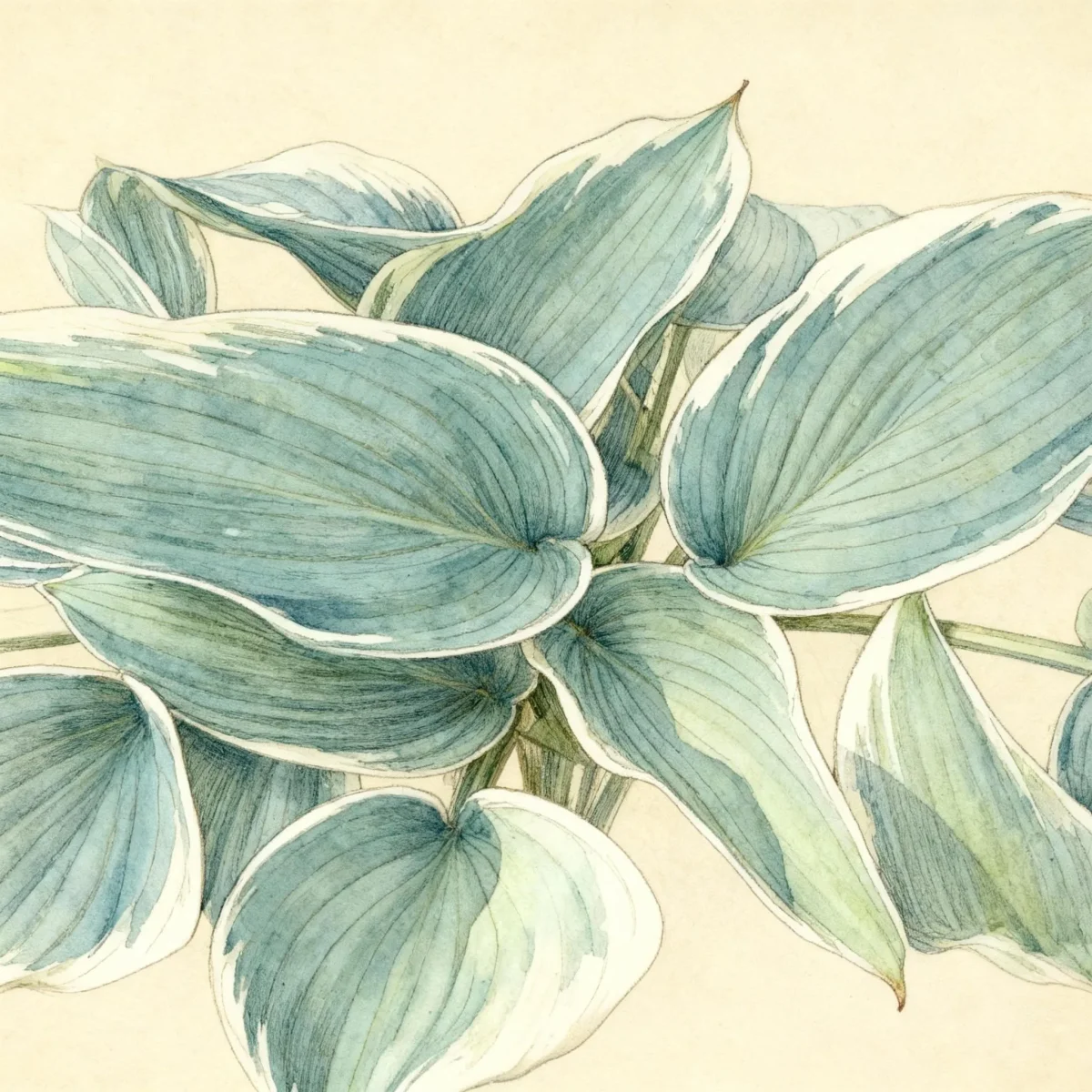
Hosta ‘El Nino’ is prized by shade gardeners for its exceptional foliage, which creates a dense, mounding presence in dark corners of the landscape. This cultivar features prominently thick, heart-shaped leaves washed in blue-green, sharply contrasted with clean, streaky white margins, offering year-round texture. As a classic Hosta variety, ‘El Nino’ brings low-maintenance elegance and reliability to woodland settings.
This herbaceous perennial is valued for its vigor and refined appearance, blooming with classic lavender flowers atop tall scapes in midsummer. While the flowers are attractive, the foliage remains the main draw, ensuring that Hosta ‘El Nino’ performs well in conditions where many other flowering plants struggle. Its dense clump forms an excellent groundcover substitute.
Introduced from Dutch origins, Hosta ‘El Nino’ demonstrates the genus’s primary ornamental strength: providing diverse texture, color, and form specifically designed for shady environments. It excels as a foundation plant or mass planting where consistent moisture and protection from harsh afternoon sun are provided.
Fast Facts
- Plant Family: Asparagaceae
- Plant Type: Herbaceous perennial
- Hardiness Zones: USDA Zones 3-8
- Size at Maturity:
- Height: 1-1.5 ft
- Spread: 2.5-3 ft
- Bloom Time: July to August
- Bloom Description: Lavender
- Sun Exposure: Part shade to full shade
- Water Needs: Medium
- Maintenance Level: Low
How to Grow
The optimal time for planting Hosta ‘El Nino’ is spring or autumn, ensuring the plant is established before extreme weather arrives. These plants thrive in organically rich, well-drained soils. While they prefer part shade, achieving the best color definition and quality occurs when they receive dappled light or some gentle morning sun.
Consistent moisture is crucial for achieving the full size and desirable leaf quality of Hosta ‘El Nino’. Water deeply and directly to the soil beneath the leaves rather than wetting the foliage, which can sometimes encourage disease. As low-maintenance perennials, they generally do not require heavy fertilization.
Divide clumps as needed, usually in early spring just before the leaves unfurl, or in the autumn. Always ensure plants are sited in locations protected from strong winds, as the thick leaves, while somewhat resistant, can still suffer damage. Established Hosta plants exhibit some drought tolerance, particularly in dry shade, but consistent watering encourages peak performance.
Landscape Uses
Hostas are indispensable mainstays for any shade garden, where their ornamental foliage lights up dark areas. Hosta ‘El Nino’, with its contrasted margins, is exceptionally effective when used in mass plantings or grouped for dramatic impact along shady borders. Its uniform, rounded mound creates excellent visual structure.
This variety serves beautifully as a background plant beneath taller trees or large shrubs, providing a clean, solid foundation layer. The cool tones of the blue-green foliage contrast wonderfully with acid-loving companions like Astilbe or bleeding hearts, which share similar moisture and light requirements.
For woodland gardens, massing several clumps of Hosta ‘El Nino’ creates a flowing river of texture. They also perform adequately in containers, provided the potting medium is high quality and moisture is monitored closely, enhancing patios or covered porches that never receive direct sun.
Standout Features
Flower Qualities
- Showy
- Good Cut
Noteworthy Characteristics
Hosta is renowned for its foliage, rising in clumps from a central rhizomatous crown, featuring conspicuously veined leaves in numerous shapes and colors. Hosta ‘El Nino’ specifically is a mid-sized cultivar with very thick, heart-shaped, blue-green leaves accented by streaky white margins, originating as a cross between two Tardiana Group hostas. It produces bell-shaped, lavender flowers in midsummer atop scapes that rise well above the foliage mound.
Tolerances
- Heavy Shade
- Black Walnut
Potential Problems
The primary aesthetic threat to any Hosta, including Hosta ‘El Nino’, comes from slugs and snails, which chew irregular, jagged holes in the leaves. Deer and rabbits also commonly graze on the foliage. To manage pests, maintain a clean garden area, use slug baits where necessary, and remember that the thick leaves of ‘El Nino’ are reputed to offer excellent slug resistance compared to thinner-leaved types.
Less common but more serious issues include foliar nematodes, which cause interveinal browning. Viral infections like Hosta Virus X (HVX) require the immediate removal and destruction of the infected plant to prevent spread. Protection from hail is also advisable, as exposed leaves can be easily lacerated by severe storms.
Frequently Asked Questions
What hardiness zones is Hosta ‘El Nino’ suitable for?
Hosta ‘El Nino’ is robustly hardy across USDA Zones 3 through 8, making it a reliable choice for a wide range of climates.
How large does Hosta ‘El Nino’ grow?
This cultivar reaches a moderate size, typically growing between 1 and 1.5 feet tall, with a spread usually spanning 2.5 to 3 feet wide.
What sun exposure does Hosta ‘El Nino’ need?
Hosta ‘El Nino’ performs best in deep shade to part shade conditions, ideally protected from intense afternoon sun exposure.
When does Hosta bloom?
This Hosta variety produces its lavender flowers atop distinct scapes primarily between July and August.
Conclusion
Hosta ‘El Nino’ remains a cornerstone of shade gardening due to its vigorous growth, low maintenance requirements, and stunning bicolor foliage that brightens dim areas. By providing consistent moisture and protecting this reliable Hosta from excessive sunlight, you can ensure years of ornamental pleasure from your Hosta ‘El Nino’. Check your local USDA zone compatibility before planning your spring or fall planting schedule.
Companion Planting
Hostas thrive alongside plants that share their love for moisture and protection from harsh sun, making companion planting strategic in a woodland setting. Consider pairing Hosta ‘El Nino’ with flowering perennials like Astilbe or Hellebores (Lenten Rose), whose upright spikes provide vertical contrast to the low mounds of foliage. Ferns, such as Japanese Painted Fern or Autumn Ferns, amplify the woodland texture and share similar cultural needs.
When designing shaded borders, use textural contrast. Broad-leaved Hosta sits nicely against plants with fine, airy foliage, such as various ornamental grasses suited for shade or Tiarella (Foamflower). Since Hosta ‘El Nino’ has a low maintenance level, select companions that also require minimal fuss, creating a cohesive, long-lasting vignette under tree canopies.
Design Ideas for Foliage Contrast
The effectiveness of Hosta ‘El Nino’ in garden design stems from its sharp color separation—deep blue-green centers and brilliant white edges. Use this contrast intentionally against solid green or gold foliage neighbors to create visual “pop.” Plant ‘El Nino’ near the edge of a shaded woodland path where its bright margins can catch ambient light.
For modern shade gardens, consider using Hosta exclusively, focusing on mass plantings of three or five different Hosta varieties that vary only in height or leaf shape, rather than color. Hosta ‘El Nino’ can serve as the mid-layer, providing necessary variegation between a low carpet of soft green moss and taller, dark-leaved shrubs acting as a backdrop.