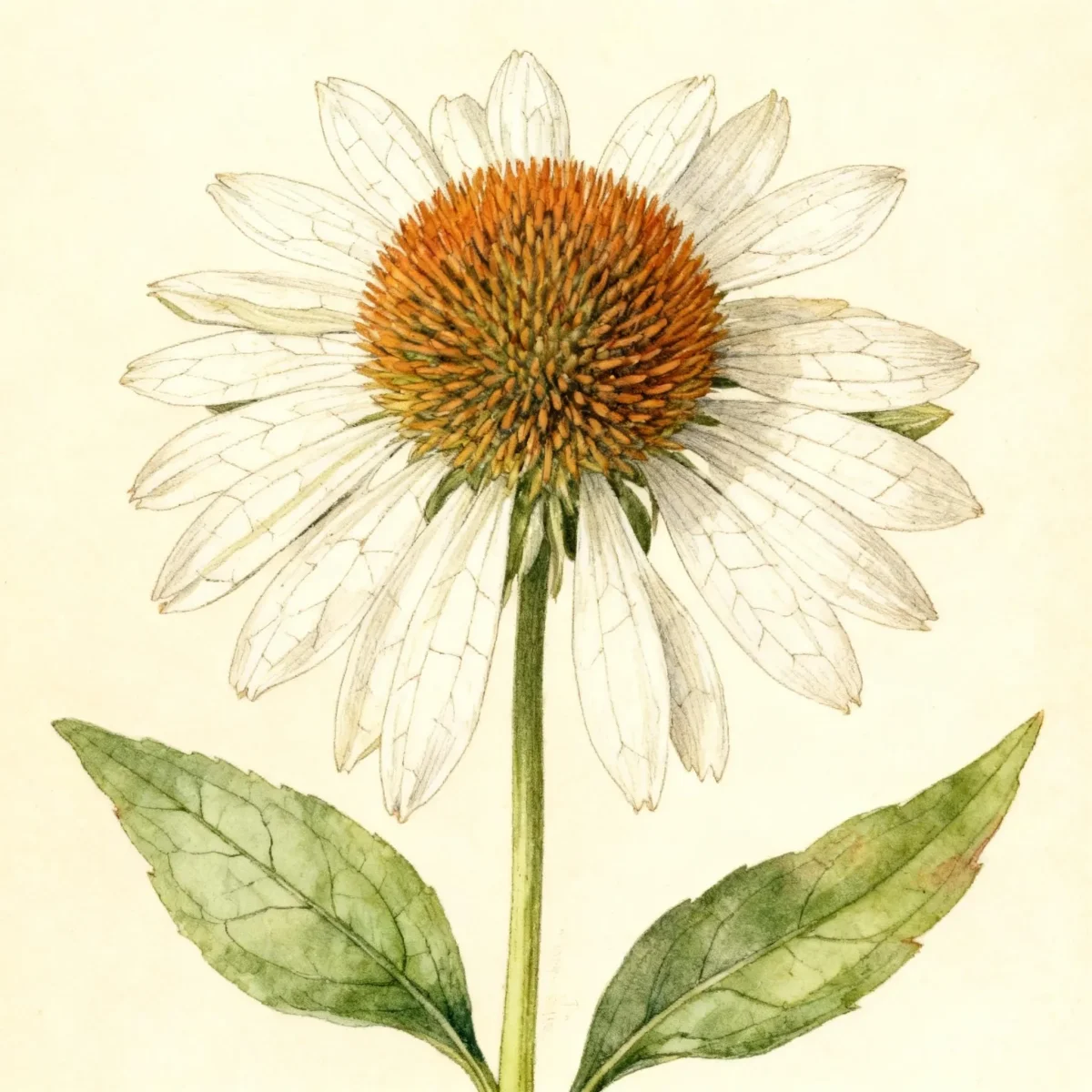
Coneflower (Echinacea 'White Mist')
Echinacea 'White Mist' Coneflower offers showy, white blooms from June-August. Low maintenance, drought-tolerant perennial for sunny borders.
Scroll down to discover growing tips, care requirements, companion plants, and more
Complete Plant Information
Overview
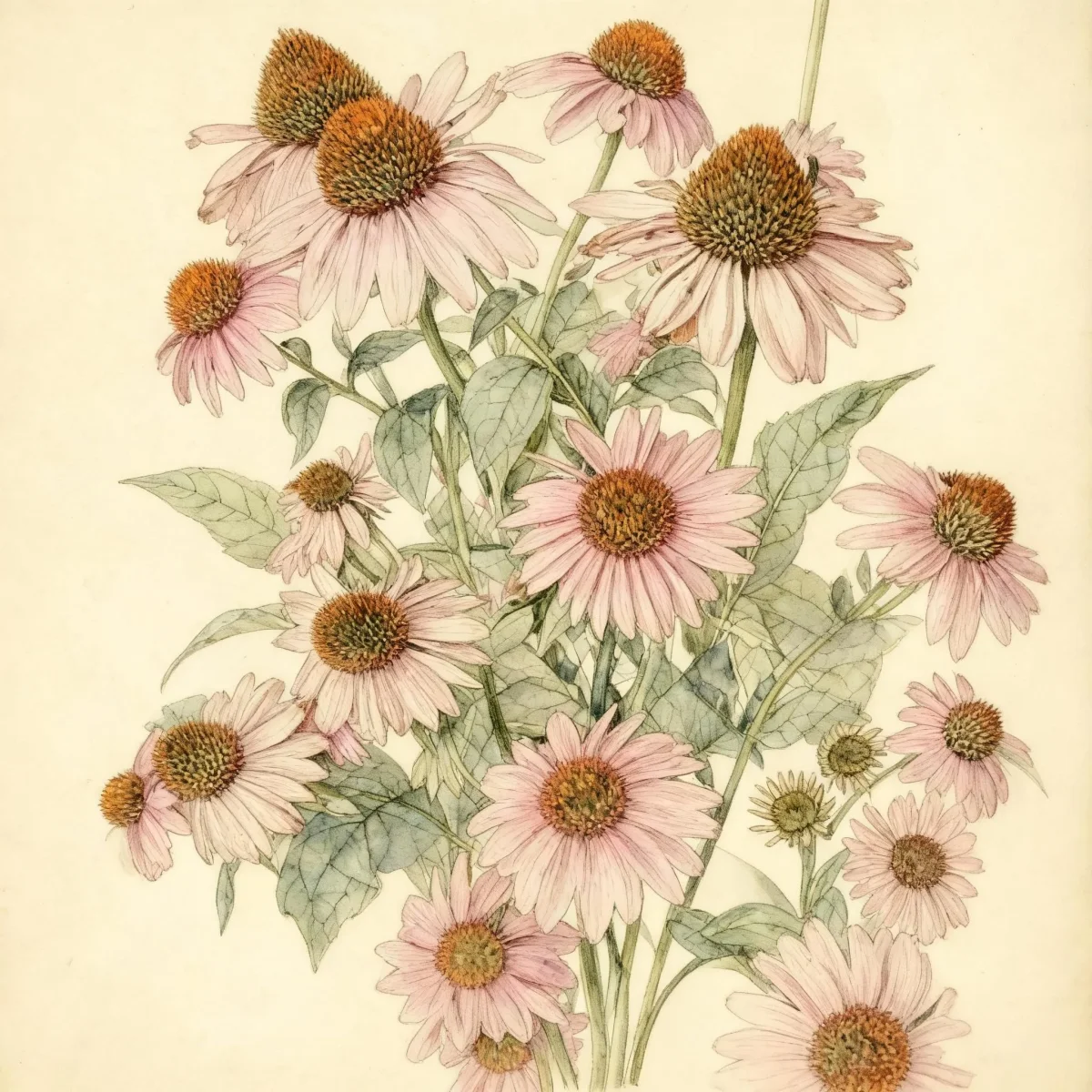
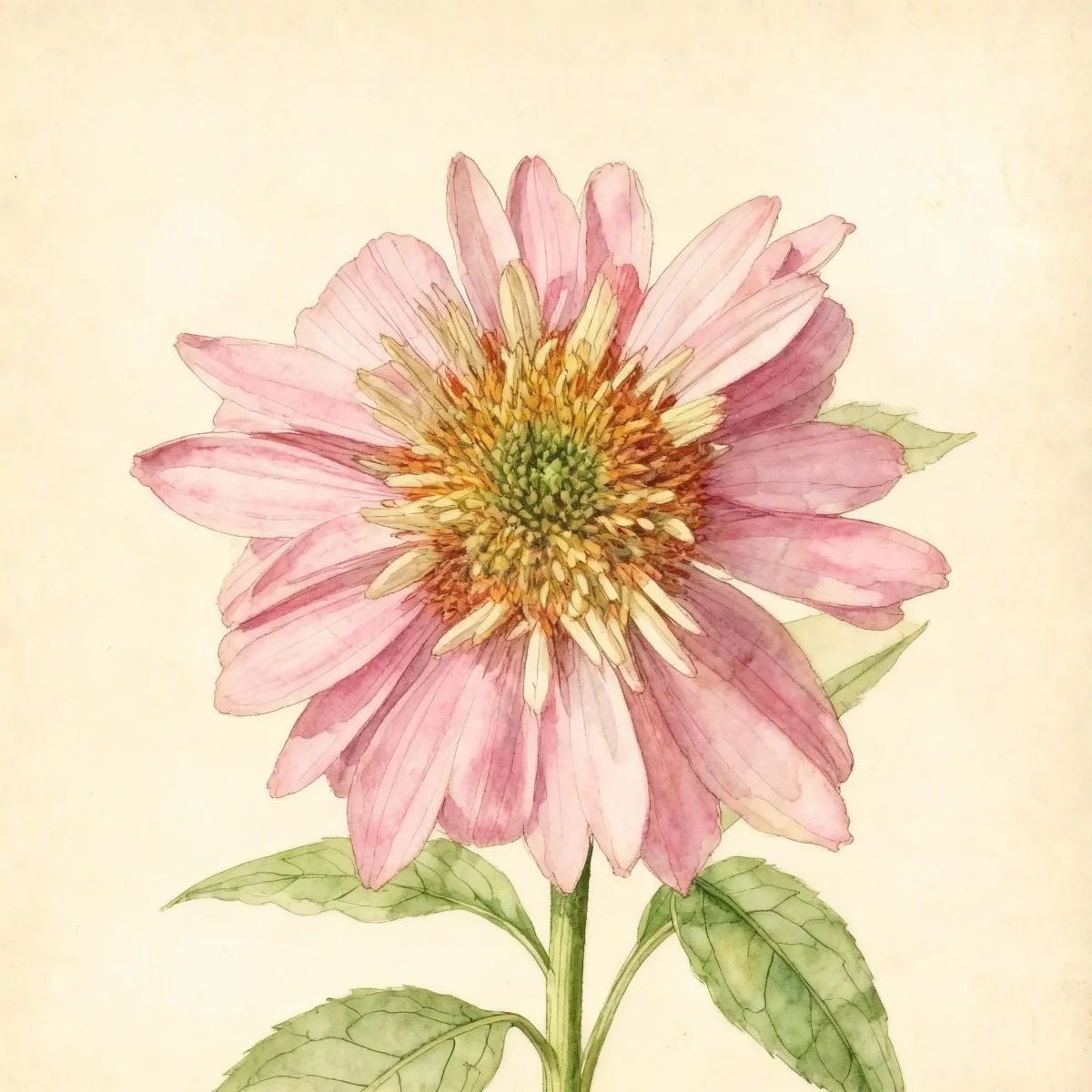
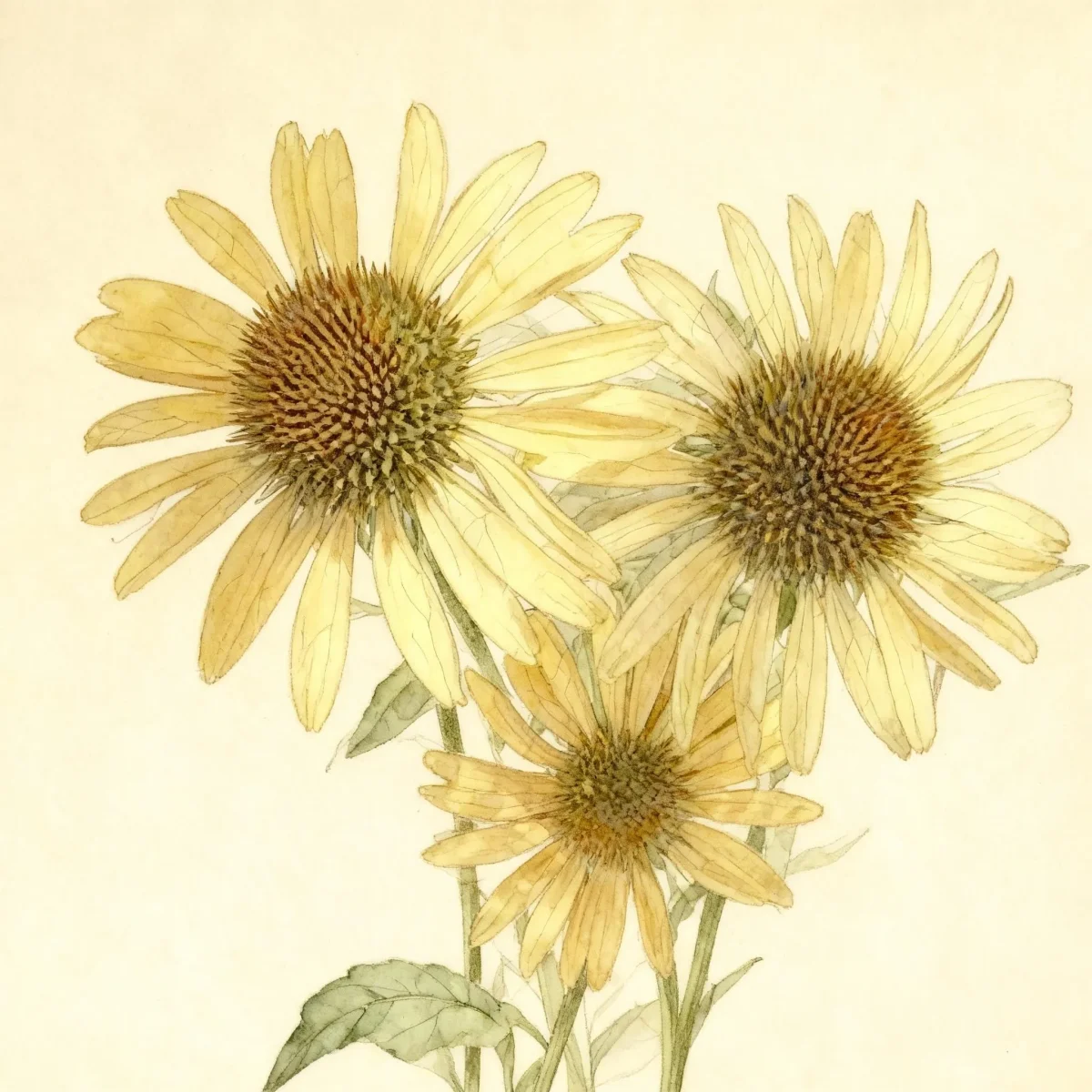
Echinacea ‘White Mist’ is a fantastic choice for gardeners seeking reliable late-season color combined with wildlife appeal. This cultivar of Coneflower stands out with its bright, downward-arching white ray petals surrounding a contrasting yellow center cone, providing a striking, clean look in the perennial border. As an adaptable, low-maintenance herbaceous perennial, it establishes quickly and thrives through challenging conditions.
This robust plant offers exceptional value, blooming consistently from early summer through late August, often providing sporadic repeat flowering until frost. Beyond its aesthetic appeal, the Coneflower supports local ecosystems by attracting butterflies and various insect pollinators essential for garden health. Echinacea ‘White Mist’ forms a tidy, upright containerized clump, rarely requiring staking, making it highly desirable for structured plantings.
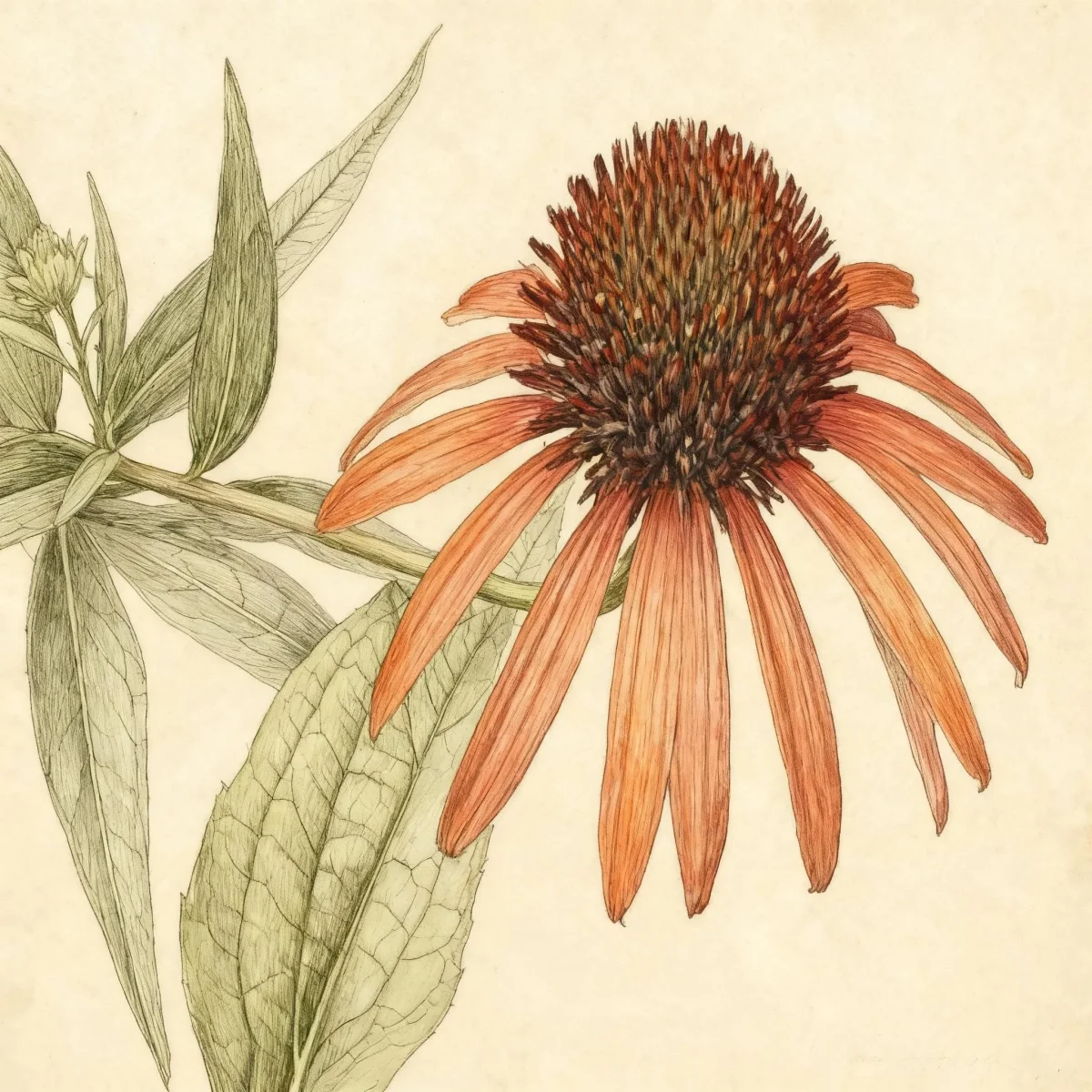
Its genus name, Echinacea, reflects the hedgehog-like appearance of its spiny center cones, a characteristic enjoyed by seed-eating birds like goldfinches throughout winter. Planting this variety ensures consistent interest, from the initial summer display to the persistent structural seed heads left standing after the final frost.
Fast Facts
- Plant Family: Asteraceae
- Plant Type: Herbaceous perennial
- Hardiness Zones: USDA Zones 3-8
- Size at Maturity:
- Height: 1.5-2 ft
- Spread: 1-1.5 ft
- Bloom Time: June to August
- Bloom Description: White rays with yellow center cone
- Sun Exposure: Full sun to part shade
- Water Needs: Dry to medium
- Maintenance Level: Low
How to Grow
Establish Echinacea ‘White Mist’ in a location receiving full sun for the best performance, though partial shade is tolerated. Plant in average soils that drain well, as this Coneflower strongly dislikes excessive wetness, particularly in winter. This species thrives when planted in spring or fall, allowing it adequate time to establish a strong root system before facing summer heat.
Care for established Echinacea ‘White Mist’ is minimal; it is highly tolerant of drought, heat, and poor soils once mature. Water moderately during periods of extreme dryness, but generally, dry to medium moisture levels suffice. Fertilization is rarely necessary; over-fertilizing can result in floppy growth.
While this Coneflower reblooms well without intervention, prompt removal of spent blossoms will encourage a tidier appearance and a higher volume of flowers. If you prioritize winter interest or bird feeding, leave the seed heads standing into winter. Divide overcrowded clumps every four years to maintain vigor and prevent crowding.
Landscape Uses
Echinacea ‘White Mist’ excels along border fronts where its clean white blooms contrast beautifully with brighter summer colors. Given its manageable 1.5 to 2-foot stature, it functions perfectly as an intermediate layer in mixed perennial borders, providing structure without blocking shorter foreground plants. This plant also shines when massed together, creating drifts of bright, reflective white that brighten partially shaded woodland garden edges.
Consider using this drought-tolerant selection in rock gardens or xeriscape designs where its ability to handle dry, shallow, or even clay soil provides reliability. For a classic cottage garden look, pair the Coneflower with contrasting textures such as fine-leaved ornamental grasses, deep blue salvias, or traditional lavender companions.
This specific white cultivar is also an extremely useful accent plant, used sparingly to break up masses of darker foliage or as a specimen against evergreen backdrops. Its sturdy stems ensure that the flowers remain upright and presentable, making Echinacea ‘White Mist’ an excellent material for fresh cut flower arrangements.
Standout Features
Flower Qualities
- Showy
- Good Cut
- Good Dried
Noteworthy Characteristics
The genus Echinacea is native to central and eastern North America, known for its impressive daisy-like flowers. Echinacea ‘White Mist’ is a compact variety, typically reaching 15-20 inches tall on strong, well-branched stems that do not require staking. The prominent yellow cones and pure white rays make it a standout feature from late spring well into the summer months.
Tolerances
- Deer
- Drought
- Clay Soil
- Dry Soil
- Shallow-Rocky Soil
Potential Problems
All coneflowers are susceptible to aster yellows, a serious disease transmitted by leafhoppers that distorts growth and turns flowers green. Cultural issues like fungal and bacterial leaf spots can occur, particularly in overly humid or crowded conditions. Preventative cultural care, such as ensuring good air circulation and avoiding overhead watering, mitigates many issues. Gardeners should also watch for pests such as erythroid mites and Japanese beetles, treating infestations promptly according to best practices.
Frequently Asked Questions
What hardiness zones is Coneflower suitable for?
Echinacea ‘White Mist’ is reliably hardy in USDA Zones 3 through 8.
How large does Echinacea ‘White Mist’ grow?
This perennial typically matures to a height between 1.5 and 2 feet tall, with a spread of 1 to 1.5 feet wide.
When does Coneflower bloom?
This variety of Coneflower displays its white rays with yellow center cones prominently from June through August, often with sporadic repeat bloom.
What sun exposure does Echinacea ‘White Mist’ need?
The preferred condition for Echinacea ‘White Mist’ is full sun, although it will tolerate part shade environments.
Conclusion
Echinacea ‘White Mist’ stands out as a versatile, tough, and beautiful perennial valued for its clean white flowers and outstanding adaptability to various soil types. Incorporating this low-maintenance Coneflower into your sunny garden spots will ensure season-long interest and support local pollinator populations. Before planting, confirm your site’s hardiness zone compatibility and prepare dry, well-drained soil for optimal results.
Companion Planting
Selecting appropriate companions ensures that your Echinacea ‘White Mist’ looks its best throughout the growing season. Plants that share similar sun and water needs thrive alongside this drought-tolerant Coneflower. Consider pairing it with plants that provide contrasting foliage color or texture, such as blue or silver-leafed Russian Sage (Perovskia atriplicifolia) or the fine texture of switchgrass (Panicum virgatum).
For color harmony, aim for deep purples or blues that make the white blooms of the Coneflower pop visually. Good partners include Russian Sage, Tall Garden Phlox (Phlox paniculata varieties), or various ornamental salvias that bloom concurrently in mid-summer. Ensure companions do not grow too densely, as good air circulation is key to preventing fungal issues on the Coneflower foliage.
Wildlife Benefits
The genus Echinacea is recognized as a significant nectar source for beneficial insects. The flat rays and prominent center cone structure of Echinacea ‘White Mist’ are particularly attractive targets for various butterflies throughout the summer months. Furthermore, the stiff, persistent seed heads left standing in the fall provide essential food sources for goldfinches and other small seed-eating birds during the colder months.
By leaving the spent flower heads intact over winter, you extend the garden’s ecological usefulness beyond the primary growing season. The structure also offers minor winter protection for beneficial insects overwintering near the base of the plant. Planting a generous swath of this native American genus significantly boosts local biodiversity.