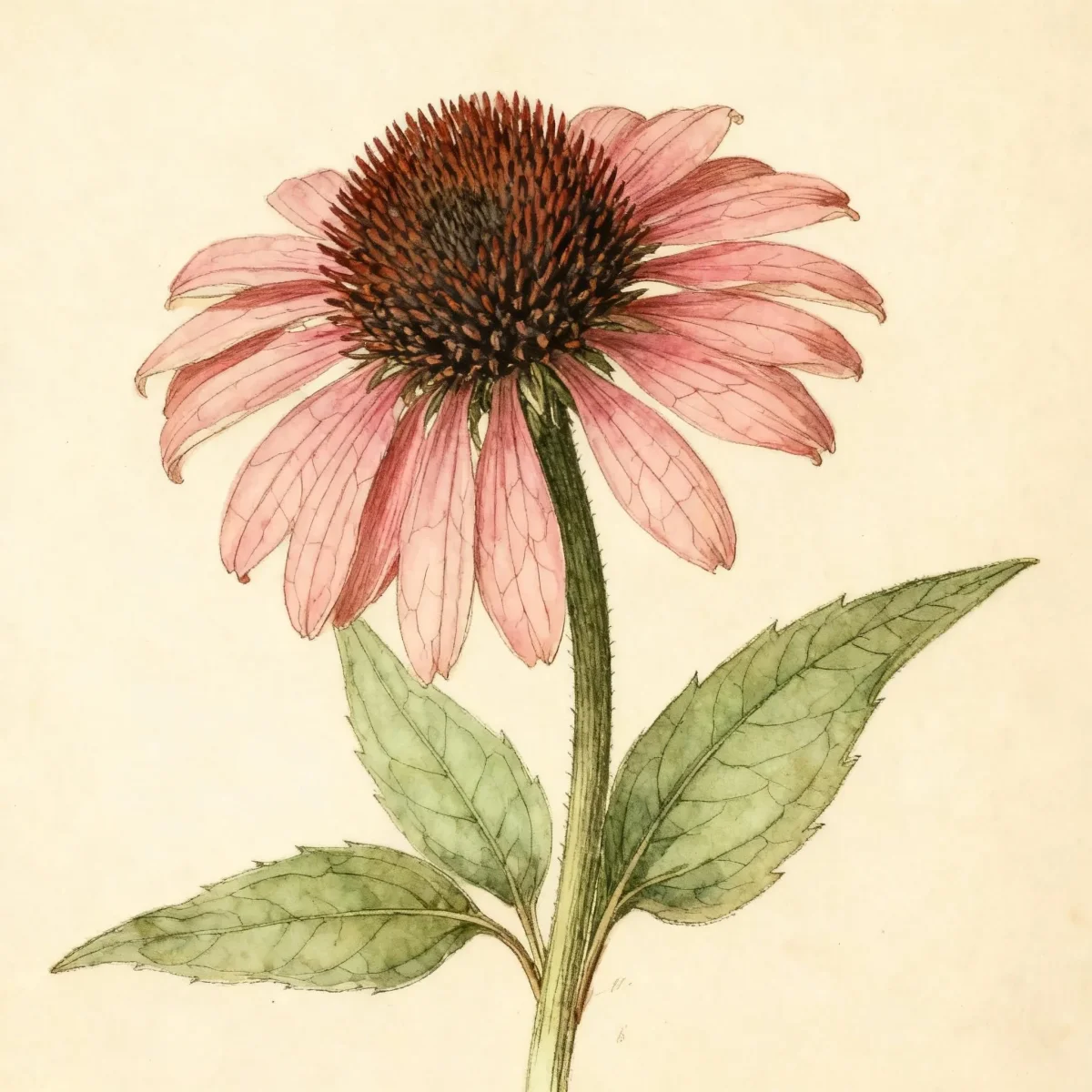
Coneflower (Echinacea 'Coral Reef')
Echinacea 'Coral Reef' is a standout double Coneflower, offering showy coral blooms. Low maintenance, drought-tolerant perennial for Zones 3-8.
Scroll down to discover growing tips, care requirements, companion plants, and more
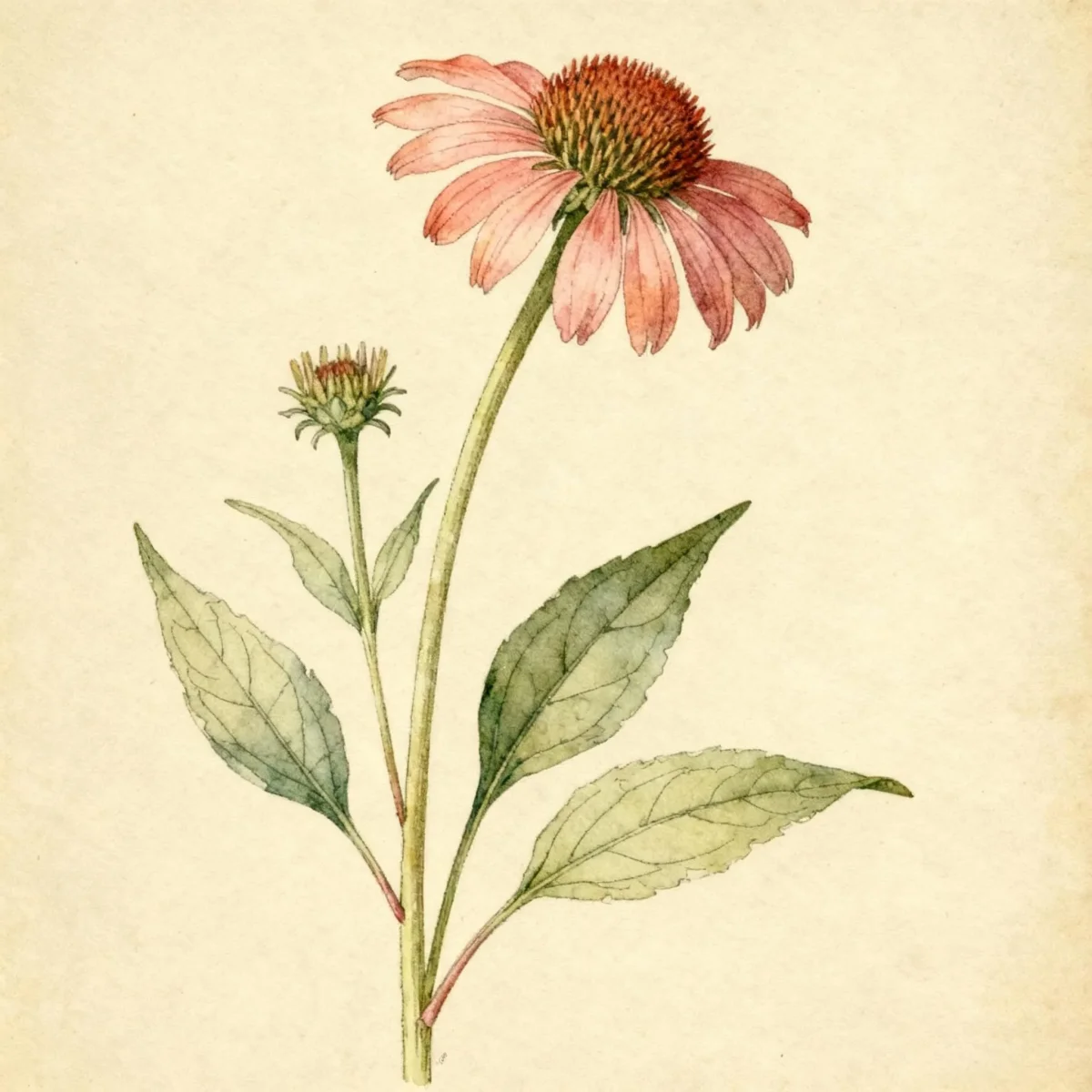
Complete Plant Information
Overview
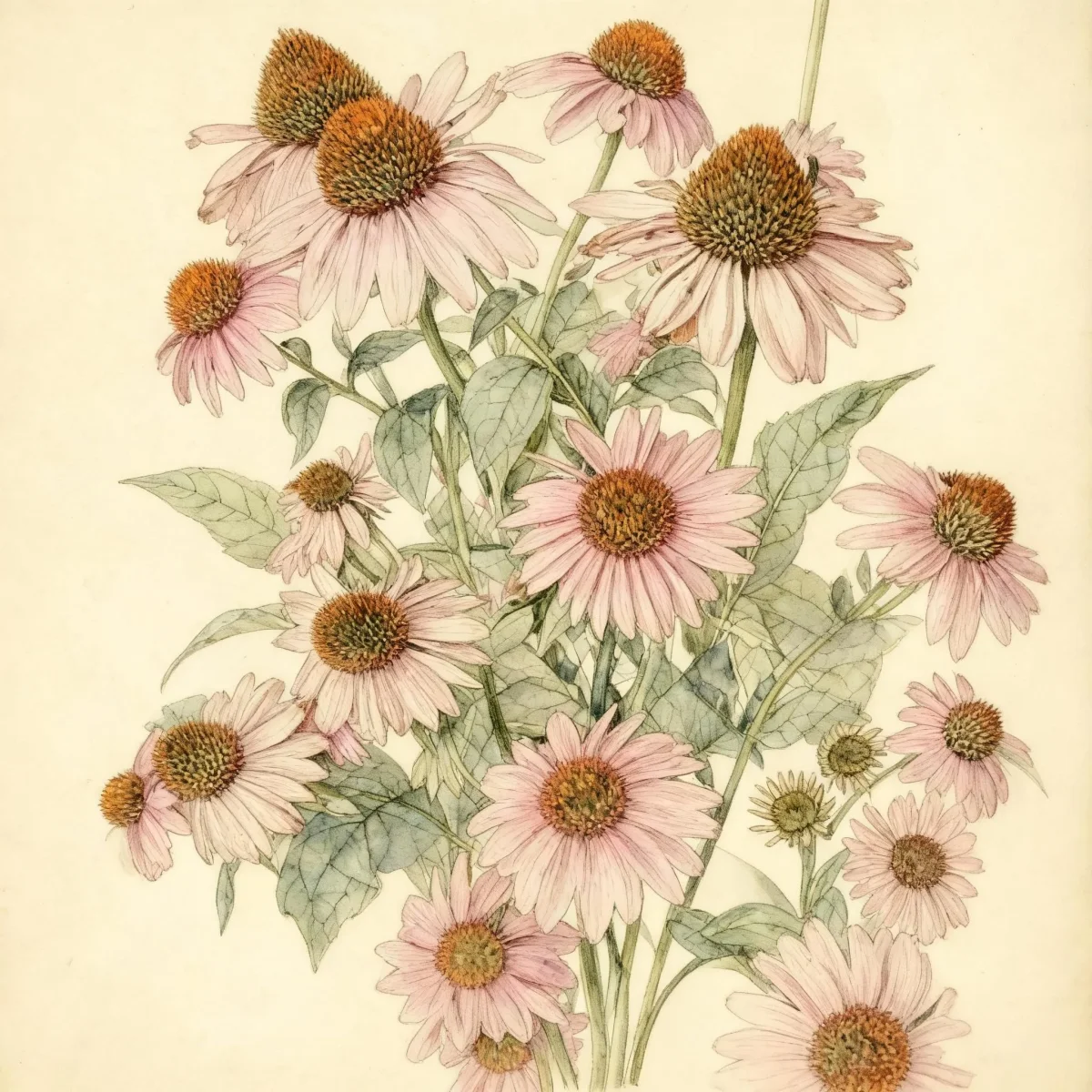
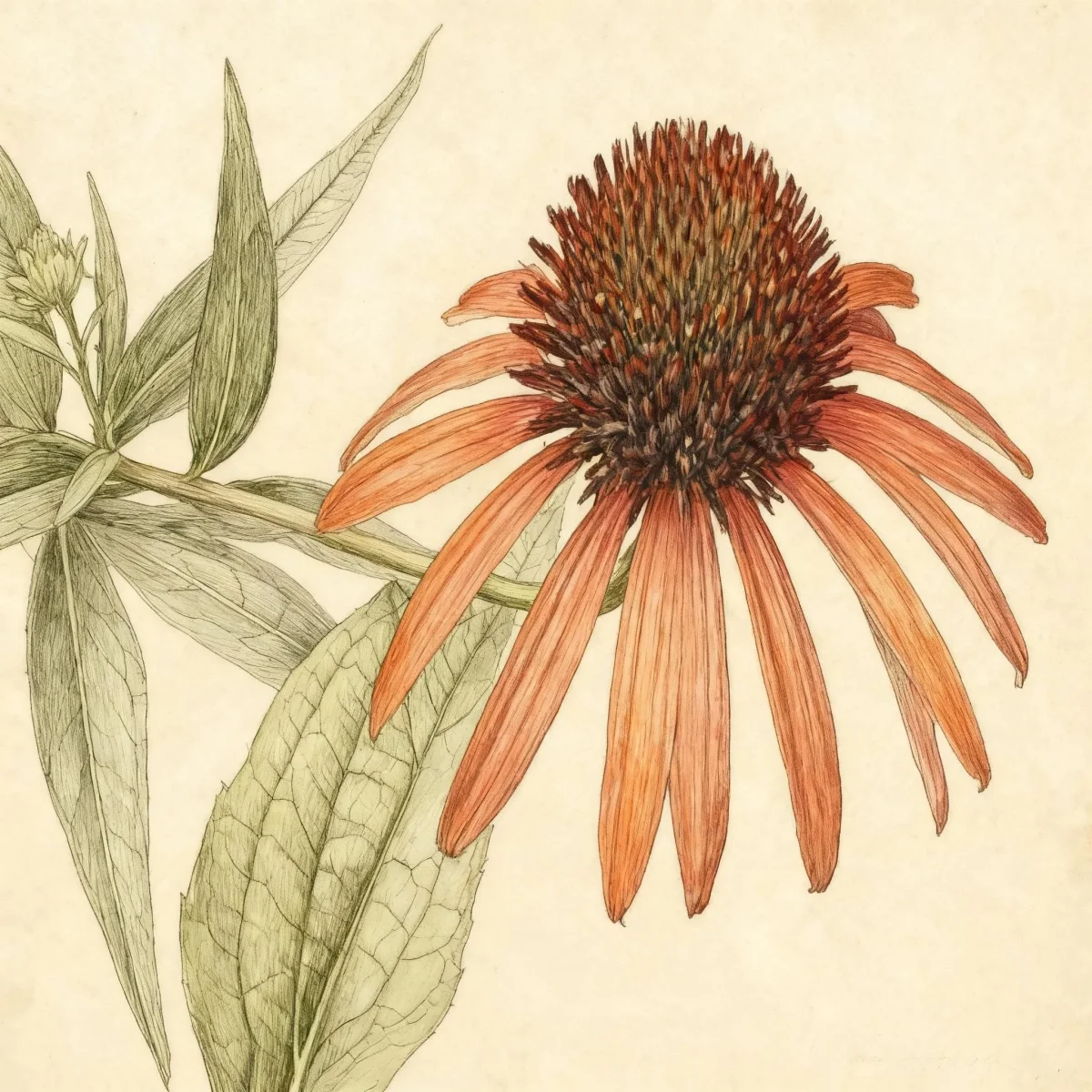
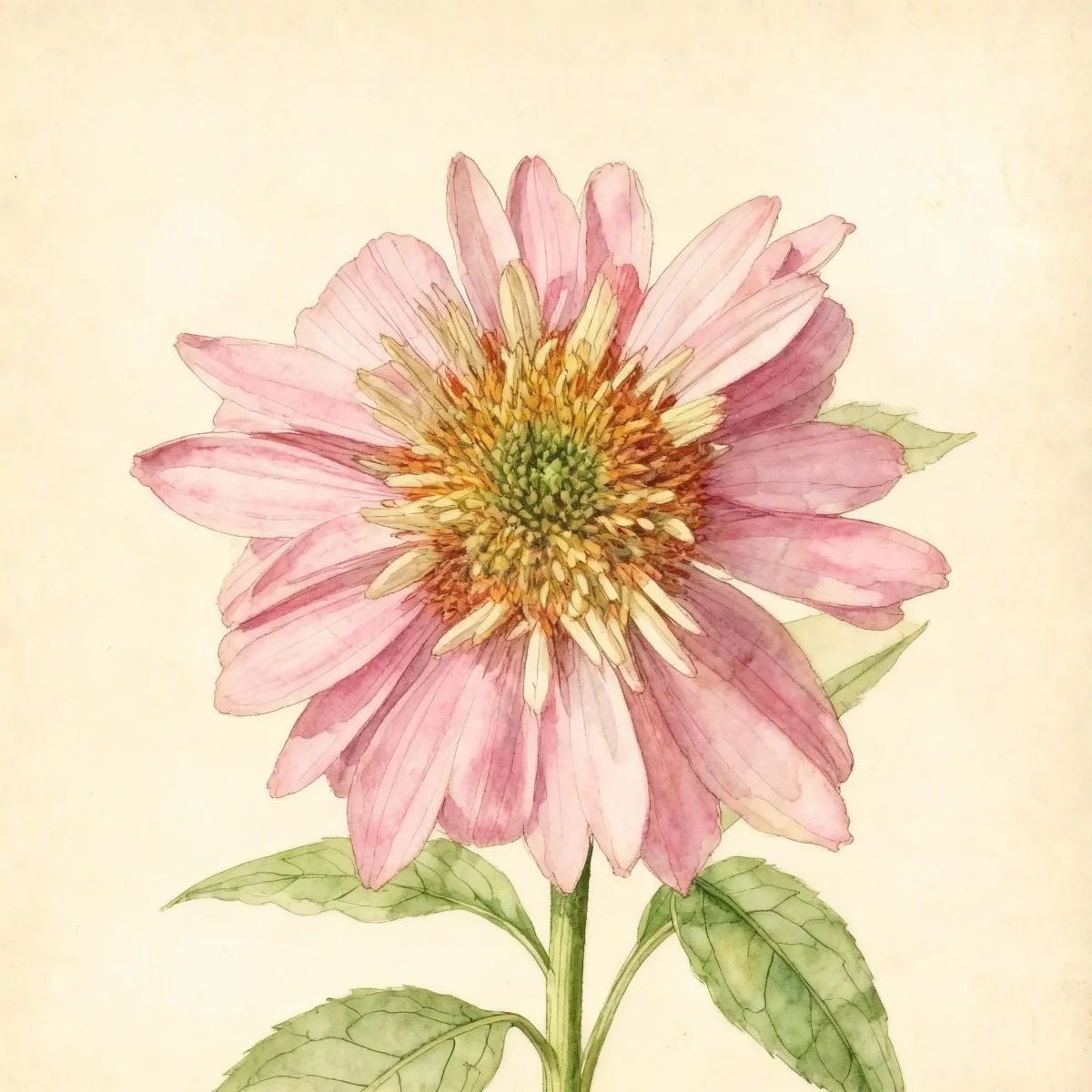
Echinacea ‘Coral Reef’ is a highly desirable cultivar of the native Coneflower, celebrated for its unique, two-toned double flower structure. This variety showcases striking coral-colored rays gracefully surrounding a densely packed, dark coral-red center cone, providing excellent visual interest from mid-summer into autumn. As an herbaceous perennial, this Coneflower establishes reliably, offering long-lasting performance with minimal gardener intervention.
This adaptable plant thrives in full sun, though it tolerates part shade, and is noteworthy for its resilience against heat, humidity, and poor soil conditions. Beyond its aesthetic appeal—making it attractive to pollinators—Echinacea ‘Coral Reef’ offers practical benefits, lending structure to the garden even after its primary bloom period ends.
For a striking display, incorporate the robust, upright stems of Echinacea ‘Coral Reef’ into your perennial beds. It is known for its sturdy habit, often reaching heights of 2 to 3 feet, making it an excellent mid-border anchor or specimen plant that enhances any North American native garden design.
Fast Facts
- Plant Family: Asteraceae
- Plant Type: Herbaceous perennial
- Hardiness Zones: USDA Zones 3-8
- Size at Maturity:
- Height: 2-3 ft
- Spread: 1.5-2.5 ft
- Bloom Time: June to August
- Bloom Description: Coral rays with dark coral red center cone (double)
- Sun Exposure: Full sun to part shade
- Water Needs: Dry to medium
- Maintenance Level: Low
How to Grow
Planting Echinacea ‘Coral Reef’ is best done in spring or early fall, allowing the roots time to establish before intense weather arrives. For optimal flowering, select a location providing full sun, although they manage well in partial shade. This adaptable plant thrives in average soils, provided they are well-drained, tolerating dry to medium moisture levels, clay soil, and even shallow, rocky conditions.
Once established, care requirements remain wonderfully low. Water deeply during extended dry spells, but generally, this Coneflower tolerates drought exceptionally well. Fertilizing is rarely necessary; over-fertilizing can lead to weak, floppy stems. If aesthetic appeal requires it, prompt deadheading can encourage a tidier appearance and potentially some sporadic rebloom after the main flush in June through August.
Dividing established clumps is recommended approximately every four years when they start to become overcrowded, which rejuvenates the plant vigor. Even without deadheading, the structural dead flower stems remain erect well into winter, offering structure and seed heads for appreciative birds like goldfinches.
Landscape Uses
Echinacea ‘Coral Reef’ is versatile, perfectly suited for border fronts where its mid-height structure anchors taller plants behind it. Due to its strong tolerance for less-than-ideal conditions, it excels in rock gardens or in the sharper sunlight areas of open woodland settings. This Coneflower looks particularly effective when planted in groups or masses, where the massed coral blooms create a significant visual impact.
Consider pairing Echinacea ‘Coral Reef’ with other structurally similar, drought-tolerant perennials that share similar light requirements. Good companions might include ornamental grasses, Russian Sage (Perovskia), or other sturdy coneflowers and black-eyed Susans (Rudbeckia). Its upright habit also makes it an attractive accent or specimen plant where the unique double flower can be appreciated up close.
Standout Features
Flower Qualities
- Showy
- Good Cut
- Good Dried
Noteworthy Characteristics
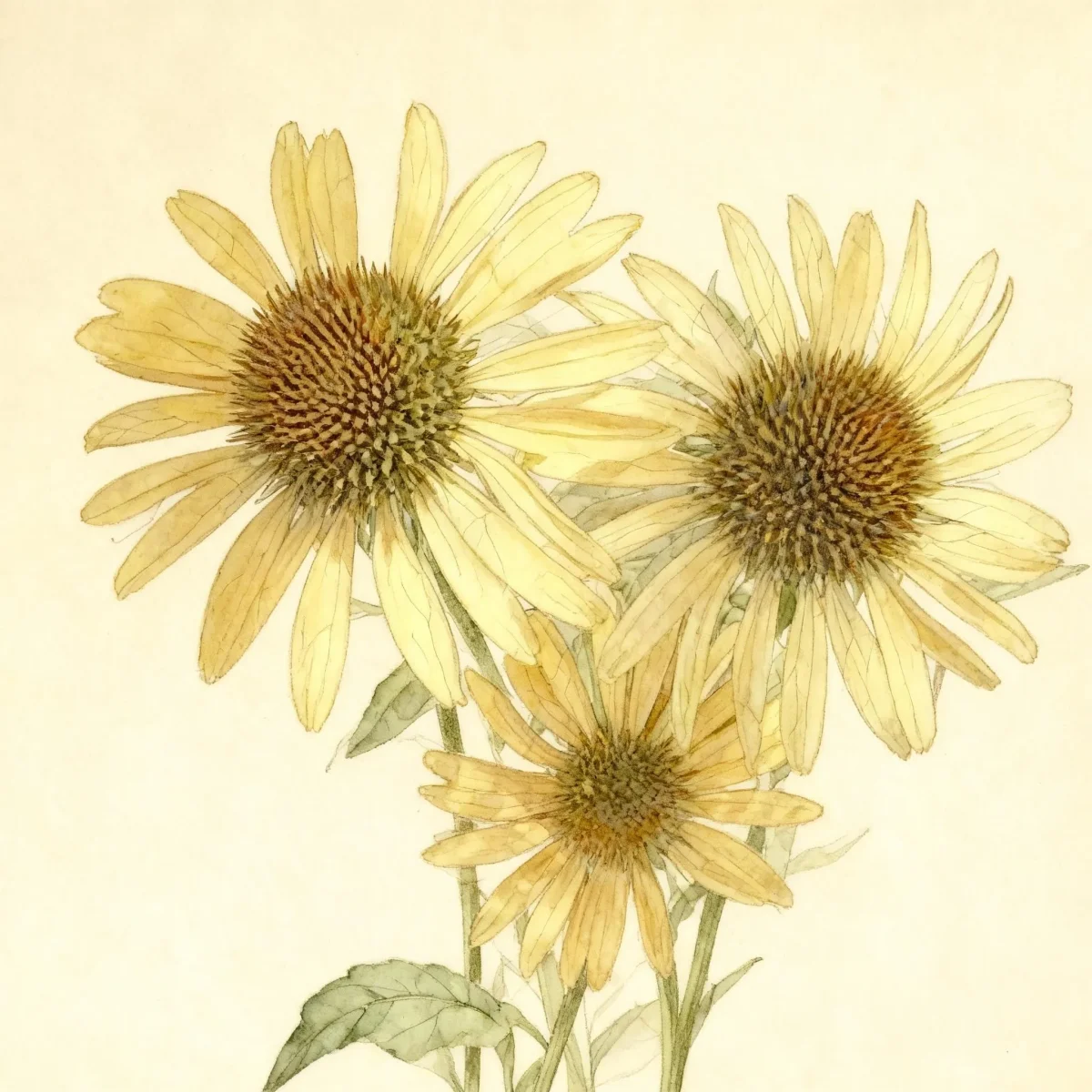
The genus Echinacea is celebrated, with species endemic through eastern and central North America, blooming generally from June through August. The name Echinacea derives from the Greek word echinos, referring to the hedgehog-like spiny center cone characteristic of most flowers in the genus. Specifically, ‘Coral Reef’ is a stunning double coneflower defined by its downward-sloping coral rays wrapped around a darker coral-red, multi-petaled center cone, reaching 3-4 inches in diameter on stems that rarely require staking.
Tolerances
- Deer
- Drought
- Clay Soil
- Dry Soil
- Shallow-Rocky Soil
Potential Problems
Like many members of the Asteraceae family, all coneflowers are susceptible to certain health issues, notably aster yellows, which can cause bizarre, greenish growth. Fungal and bacterial leaf spots can also develop, particularly in humid conditions or when air circulation is poor. Gardeners should visually inspect the foliage regularly for these spots and watch for pests like erythroid mites or the common Japanese beetle, which enjoys feeding on the blooms. Maintaining good spacing, as advised when dividing overcrowded clumps, promotes airflow and minimizes the risk of fungal outbreaks.
Frequently Asked Questions
What hardiness zones is Coneflower suitable for?
Echinacea ‘Coral Reef’ is hardy across a wide range, thriving in USDA Zones 3 through 8, making it a reliable perennial for much of the country.
How large does Echinacea ‘Coral Reef’ grow?
This upright Coneflower typically achieves a height range of 2 to 3 feet, with a spread between 1.5 and 2.5 feet at maturity.
What sun exposure does Coneflower need?
Echinacea ‘Coral Reef’ prefers full sun for the most vigorous blooming, although it can successfully grow in areas that receive part shade.
When does Coneflower bloom?
This variety offers its main display from June to August, featuring its distinctive coral rays with a dark coral-red double center cone.
Conclusion
Echinacea ‘Coral Reef’ stands out as a low-maintenance star, delivering vibrant, uniquely doubled coral color throughout the summer months while demonstrating excellent tolerance for difficult site conditions common in many gardens. By ensuring proper drainage and adequate sun exposure, you can successfully integrate this beautiful Coneflower into your landscape design. Before purchasing, always confirm that USDA Zones 3-8 align with your local growing conditions.
Wildlife Benefits
The genus Echinacea is a significant asset to beneficial insect populations in the garden. Not only are the large, showy blooms of Echinacea ‘Coral Reef’ highly attractive to butterflies and various insect pollinators during their bloom time, but they also serve a vital function later in the season. If spent flower heads are left standing through autumn and winter—a common practice for this sturdy perennial—the dark, blackened cones provide a crucial food source for goldfinches and other seed-eating birds.
Companion Planting Suggestions
As a drought and heat-tolerant plant that prefers well-drained soil, Echinacea ‘Coral Reef’ pairs beautifully with other prairie natives and Mediterranean-style garden staples. Combine them with lavender (Lavandula) for contrasting texture and complementary toughness, or plant alongside Russian Sage for blue accents that don’t compete for water. For summer-long color that requires shared cultural conditions, intersperse lower-growing Sedums or silvery Lamb’s Ears (Stachys byzantina) along the front edge.