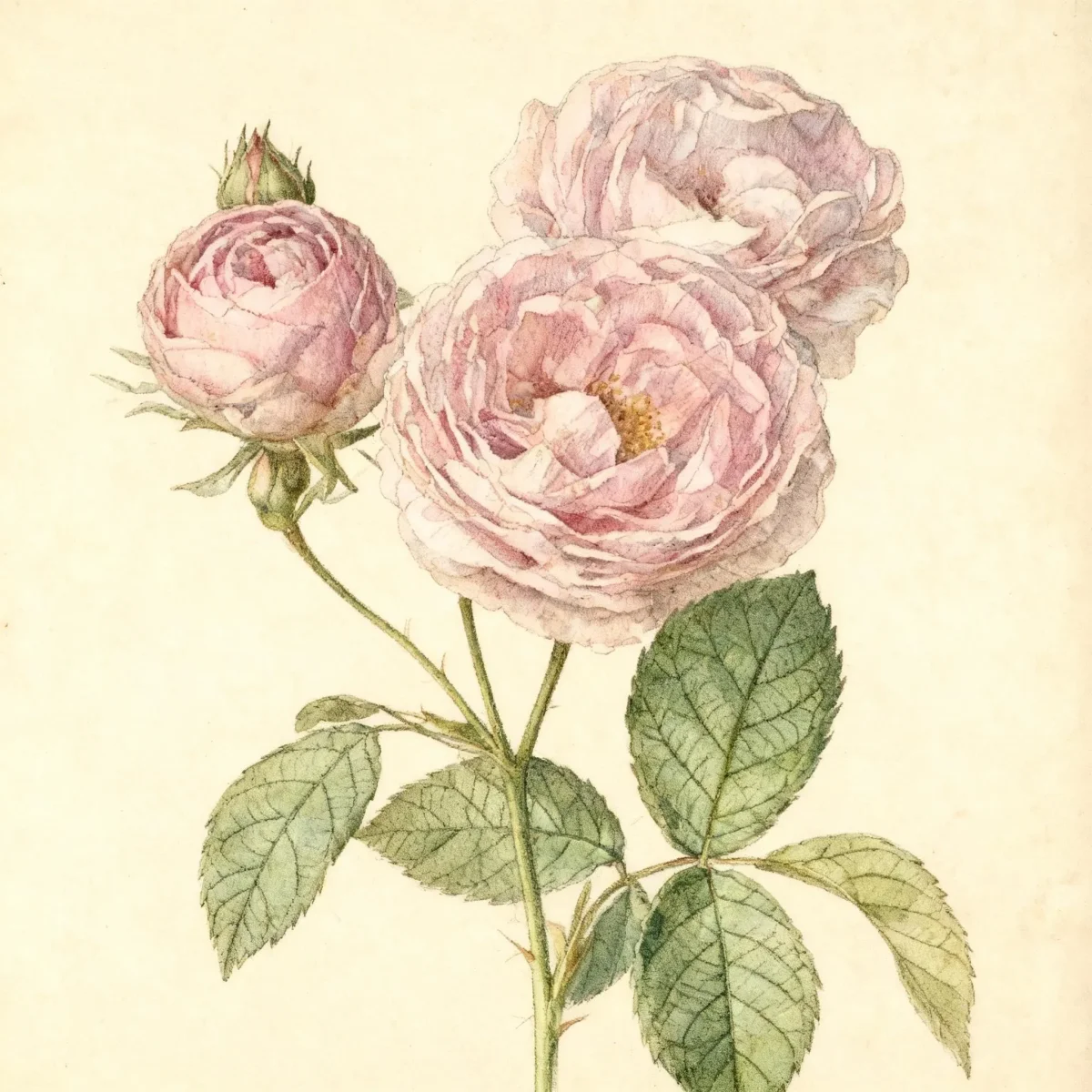
Shrub rose (Rosa 'Quietness')
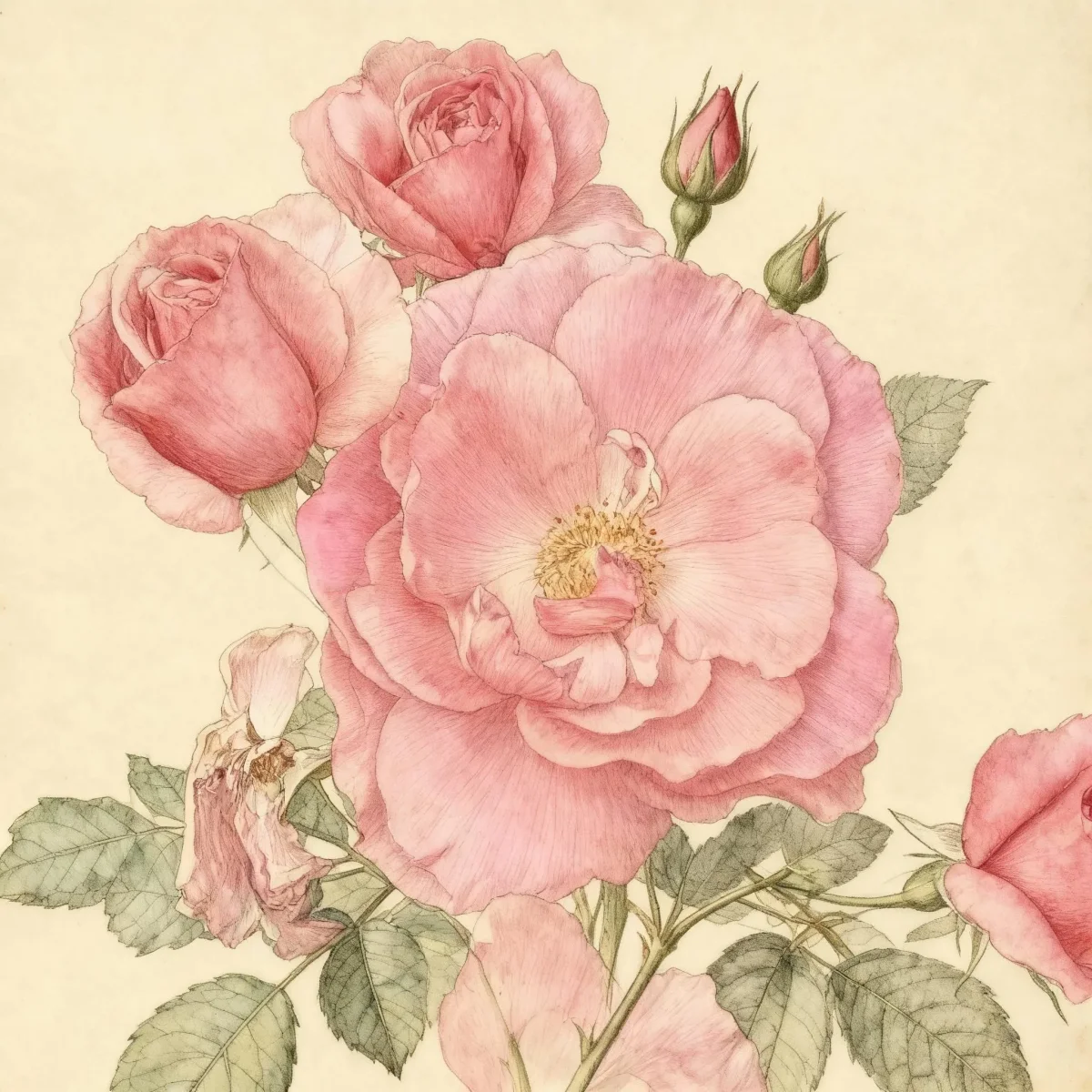
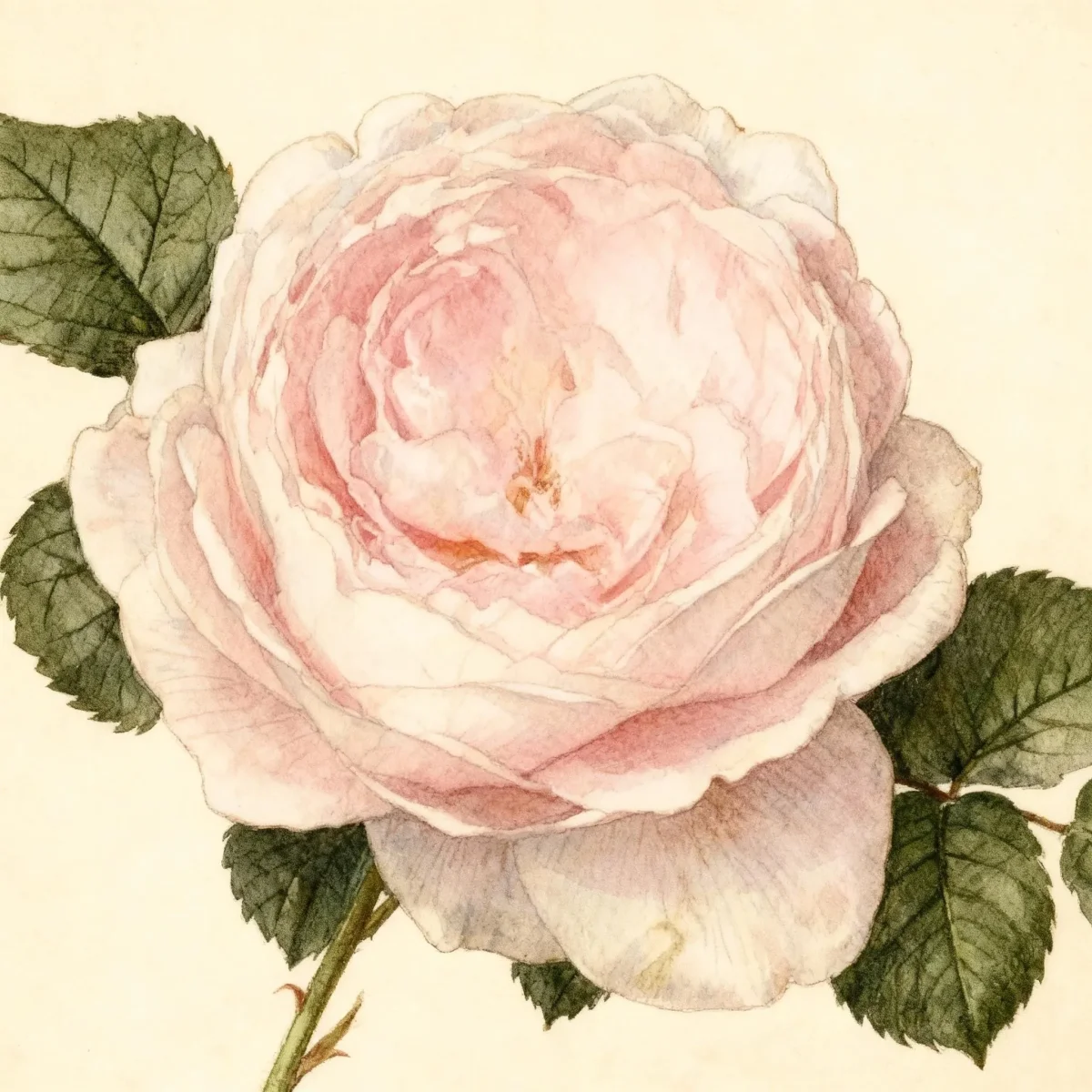
Rosa 'Quietness' is a robust, low-maintenance Shrub rose offering showy, fragrant soft pink blooms from May to October.
Scroll down to discover growing tips, care requirements, companion plants, and more
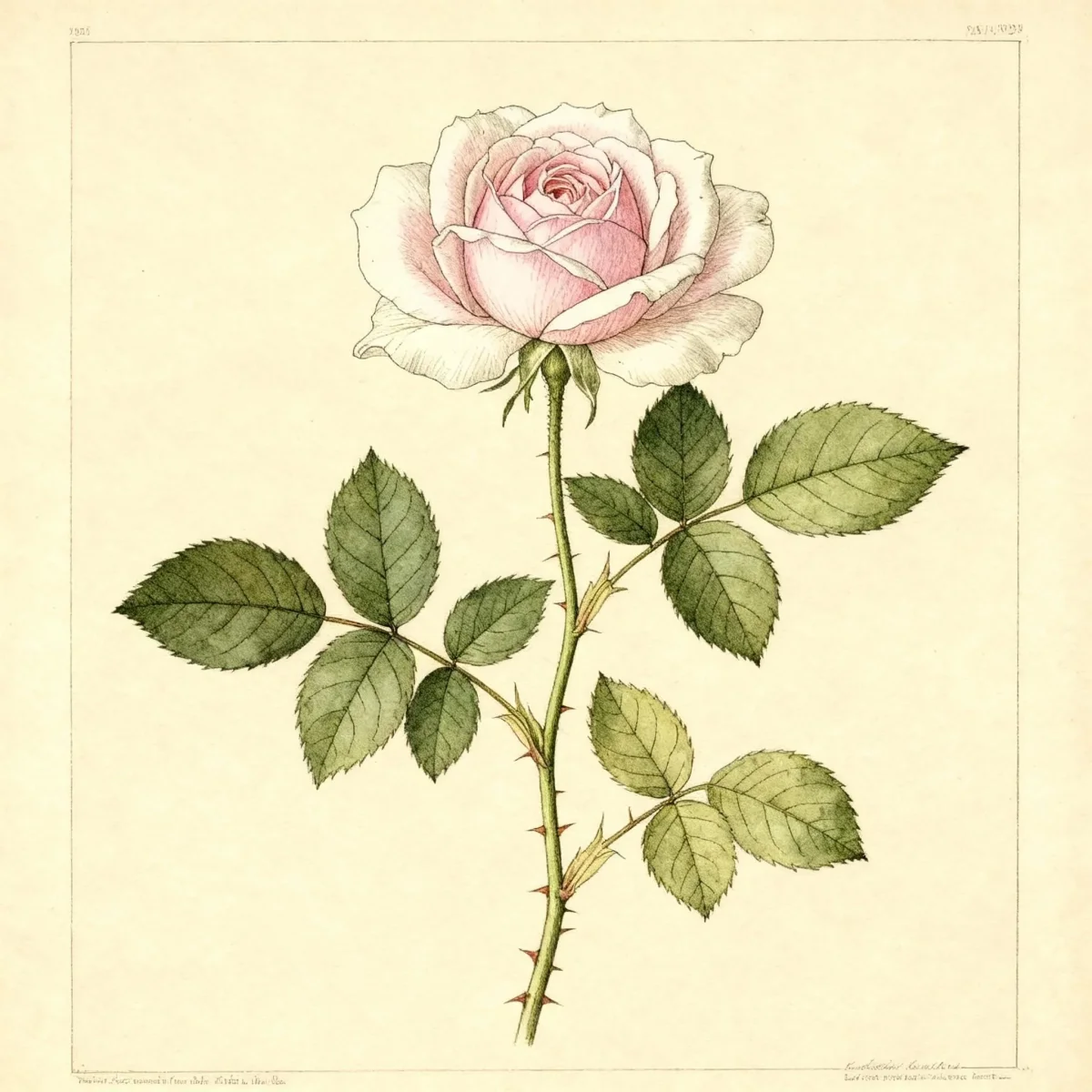
Complete Plant Information
Overview
Rosa ‘Quietness’ is a highly valued Shrub rose, celebrated by gardeners for its compact, robust nature and continuous bloom cycle extending from late spring well into autumn. This reliable variety, introduced in 2003, provides a display of fully double, soft pink flowers that draw attention while requiring relatively low effort compared to other hybrid roses. Its glossy, medium green foliage contributes significantly to its appeal throughout the growing season.
As a low-maintenance Shrub rose, Rosa ‘Quietness’ is recognized for its excellent disease resistance, making garden management simpler. It forms an attractive, mounding shape, typically reaching 3 to 4 feet tall and wide, fitting neatly into defined borders or serving as excellent mass plantings. Gardeners appreciate this plant for blending reliable performance with classic rose beauty.
The long flowering period of Rosa ‘Quietness’ ensures sustained color, making it an excellent candidate for cottage gardens or as a backdrop element where its substantial flowering structure can be best appreciated. Planning its placement to maximize sun exposure will yield the greatest rewards in both bloom quantity and plant health.
Fast Facts
- Plant Family: Rosaceae
- Plant Type: Deciduous shrub
- Hardiness Zones: USDA Zones 5-9
- Size at Maturity:
- Height: 3-4 ft
- Spread: 3-4 ft
- Bloom Time: May to October
- Bloom Description: Soft pink (double)
- Sun Exposure: Full sun
- Water Needs: Medium
- Maintenance Level: Medium
How to Grow
Planting Rosa ‘Quietness’ is best achieved in medium moisture, slightly acidic, well-drained garden loams. While it tolerates part shade, optimizing its environment by placing the Shrub rose in full sun will significantly boost both flowering performance and disease resistance. Ensure good spacing to promote air circulation, a critical factor in keeping foliage healthy.
Watering should be deep and consistent, ideally performed in the mornings to allow foliage to dry before evening. Avoid overhead watering whenever possible. Applying a summer mulch will help conserve soil moisture during hot periods, keep the root zone cool, and effectively suppress weeds around the base of your Rosa ‘Quietness’.
Maintenance involves routine cleanup and pruning. Deadhead (remove spent flowers) regularly throughout the season to encourage the plant to continue producing new blooms until October. Prune the shrub rose as needed in late winter or early spring to shape the plant and remove unproductive wood.
For colder areas within its range, such as Zone 5 winters, providing winter protection for the crowns of the Rosa ‘Quietness’ is a necessary step to ensure survival and vigorous spring regrowth. Always remove and destroy diseased or dead leaves from the ground around the plant during dormancy for thorough winter sanitation.
Landscape Uses
This versatile Shrub rose performs admirably across various landscape applications. Recommended uses highlight its effectiveness when planted as a specimen where its mounding shape can stand alone, or incorporated into small groups within traditional borders or formal rose gardens. Its manageable size also makes it suitable for foundation plantings, softening vertical lines near structures.
The recommendation to grow Rosa ‘Quietness’ as a hedge is particularly practical, as its robust nature and continuous bloom provide excellent structure and color along property lines or pathways throughout the long season. When planning companion plants, select materials that also thrive in full sun and require medium water, ensuring uniform care across the planting bed.
Standout Features
Flower Qualities
- Showy
- Fragrant
- Good Cut
Noteworthy Characteristics
Rosa ‘Quietness’ is a compact, robust, mounding, reblooming, low-maintenance shrub rose that typically grows to 3-4’ tall and as wide and is noted for its fully double soft pink flowers, long May to fall bloom period, glossy medium green foliage and excellent disease resistance. Flowers (3-4” across) appear singly or in small clusters on upright stems. A Griffin Buck rose introduced in 2003, it offers leathery, glossy, medium green leaves.
Tolerances
Potential Problems
Roses, including the Shrub rose Rosa ‘Quietness’, are targets for numerous fungal issues, primarily black spot, powdery mildew, and rust. Insect pests such as aphids, scale, and spider mites can also cause damage. The first and best line of defense involves implementing excellent cultural practices, especially ensuring sunlight and good air circulation to keep leaves dry.
In high-humidity environments, preventative fungicide treatments applied regularly throughout the active growing season are highly recommended by rose experts, particularly in regions experiencing frequent rainfall. Always remove and destroy fallen or infected foliage immediately to reduce the overwintering sources of disease inoculum for the next season.
Frequently Asked Questions
What hardiness zones is Shrub rose suitable for?
The Rosa ‘Quietness’ Shrub rose is generally suitable for USDA Hardiness Zones 5 through 9.
How large does Rosa ‘Quietness’ grow?
This Shrub rose typically matures to a height between 3 to 4 feet and spreads to a similar width, forming a dense, mounding shape.
When does Rosa ‘Quietness’ bloom?
You can expect blooms on Rosa ‘Quietness’ consistently from May all the way through October, featuring double soft pink flowers.
What sun exposure does Rosa ‘Quietness’ need?
For best flowering and strongest disease resistance, Rosa ‘Quietness’ requires full sun exposure throughout the day.
Conclusion
The abundance of bloom, coupled with its renowned disease resistance and manageable size, establishes Rosa ‘Quietness’ as an exceptional choice in modern rose cultivation. This reliable Shrub rose delivers enduring beauty, making it indispensable for gardeners seeking low-fuss elegance. Before planting, ensure your garden site provides full sun exposure and plan for consistent, deep watering practices.
Companion Planting for Rosa ‘Quietness’
Choosing companions for Rosa ‘Quietness’ involves selecting plants that share similar needs for full sun and medium moisture levels. Integrate low-growing perennials like Catmint (Nepeta) or Hardy Geraniums closer to the front of borders; these plants offer contrasting foliage textures and their need for dryness helps improve air circulation near the rose base.
Consider incorporating aromatic herbs such as Lavender (Lavandula) or Chives (Allium) nearby. Not only do their moderate water needs align well, but their strong scents can occasionally help deter certain surface-level pests without relying solely on chemical applications. Always maintain space between the Shrub rose and its neighbors.
When designing, look for silver or blue foliage to contrast sharply with the glossy green leaves of Rosa ‘Quietness’. Tall ornamental grasses can also be placed strategically behind this Shrub rose to add vertical interest without competing heavily for nutrients or substantially blocking necessary airflow.
Seasonal Care Calendar for Shrub Roses
Early spring, just as dormancy breaks, is the perfect time for your main pruning session on the Shrub rose. Remove any winter protection, clean up all remaining dead leaves from the previous season, and prune back dead or crossing wood to shape the plant for the coming year.
Throughout the summer months, focus intensely on watering deeply during dry spells and diligent deadheading. Removing faded flower heads promptly signals the plant to redirect energy into producing new buds rather than setting hips. If black spot is a recurring issue, begin preventative fungicide sprays now.
As autumn approaches, gradually reduce deep watering to signal dormancy to the Rosa ‘Quietness’. In late fall, after the first significant hard frost but before the ground freezes solid, apply a layer of mulch around the base and consider wrapping the crown if you are in the colder reaches of USDA Zone 5.