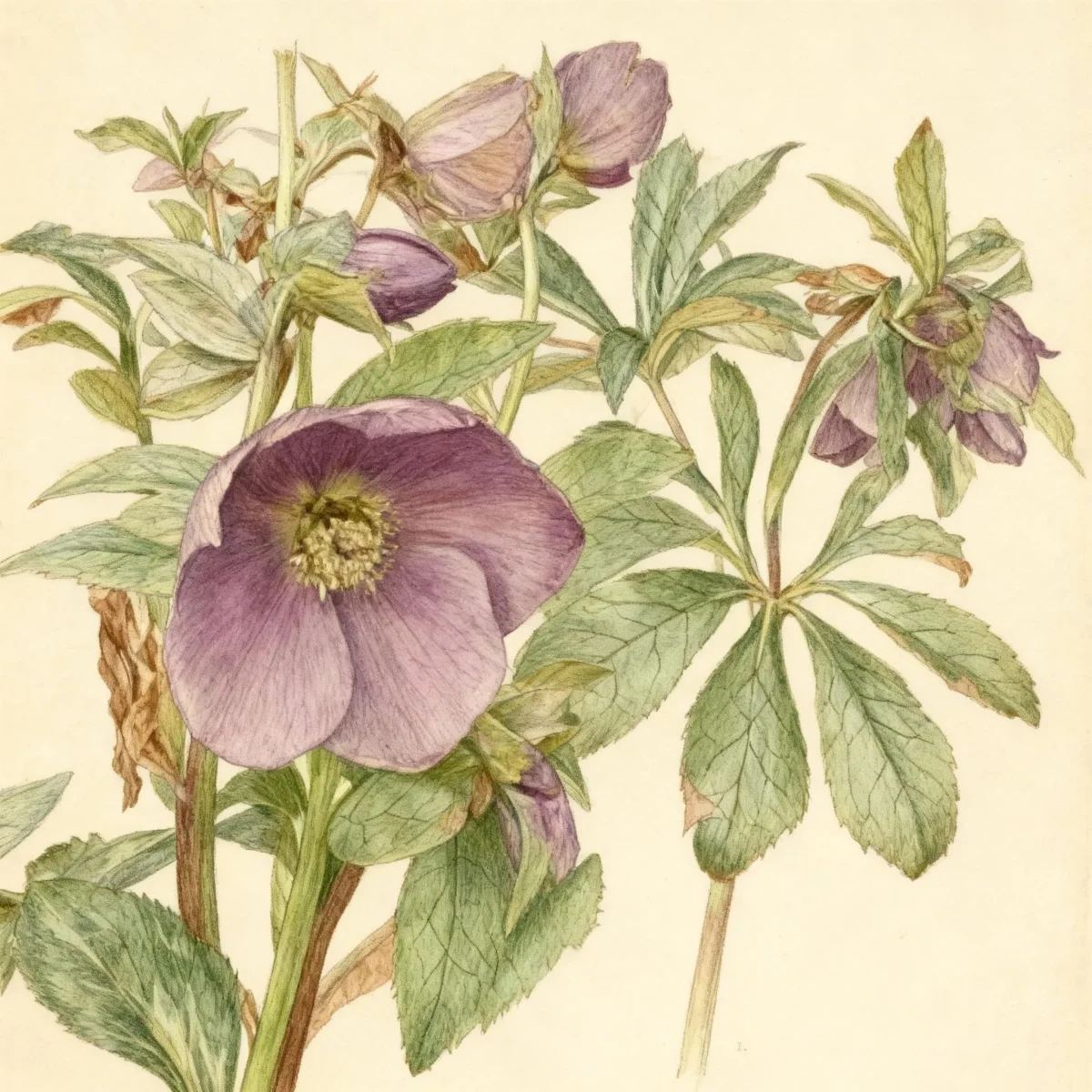
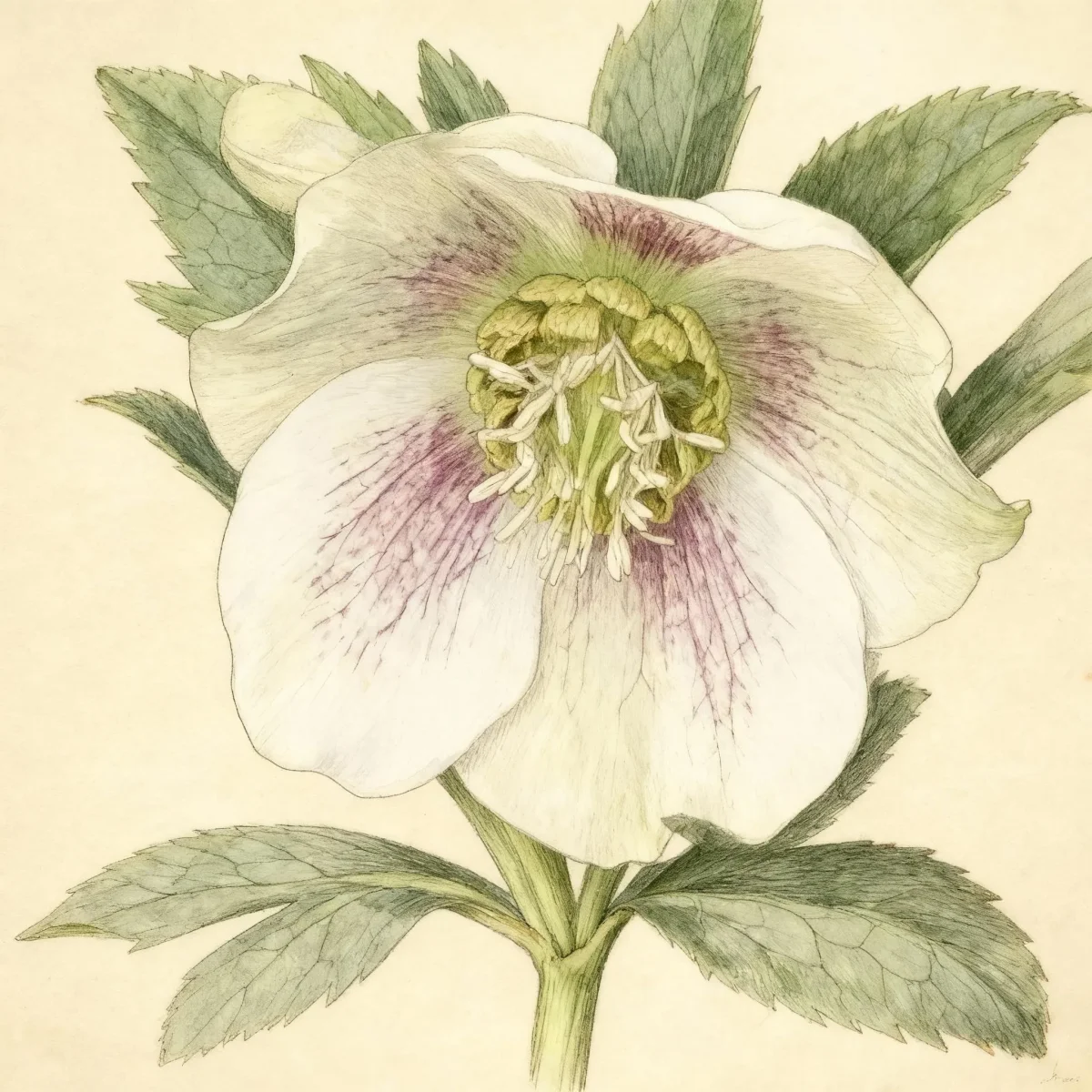
Hellebore (Helleborus 'Brushstrokes Strain')
Durable Helleborus 'Brushstrokes Strain' Hellebore offers low-maintenance blooms from March to May in shades of purple, pink, and red.
Scroll down to discover growing tips, care requirements, companion plants, and more
Complete Plant Information
Overview
The Helleborus ‘Brushstrokes Strain’ Hellebore is a prized evergreen perennial, providing vital color when little else is growing. This strain is celebrated for its single, cup-shaped flowers that burst forth in late winter, signaling the approach of spring in even the coldest gardens. Valued for its longevity both in the garden and as a cut flower, this Hellebore thrives in dappled light.
As a bushy, clump-forming perennial, Helleborus ‘Brushstrokes Strain’ features glossy, dark green foliage that maintains its structure year-round. Its ability to establish in deep shade makes it an incredibly versatile choice for woodland borders and under mature trees. Gardeners appreciate the low maintenance required once established, allowing the Hellebore to naturalize slowly over time.
Producing blooms in a vibrant palette including purple, pink, red, yellow, and green, Helleborus ‘Brushstrokes Strain’ adds necessary brightness to the late-season garden. This hybrid Lenten rose is an excellent investment for long-term structure and reliable early color where few other plants dare to establish.
Fast Facts
- Plant Family: Ranunculaceae
- Plant Type: Herbaceous perennial
- Hardiness Zones: USDA Zones 4-9
- Size at Maturity:
- Height: 0.5-1 ft
- Spread: 1-2 ft
- Bloom Time: March to May
- Bloom Description: Purple, pink, red, yellow and green
- Sun Exposure: Part shade to full shade
- Water Needs: Medium
- Maintenance Level: Low
How to Grow
Helleborus ‘Brushstrokes Strain’ performs best when planted in early fall or early spring, ensuring root establishment before extreme weather hits. Select a location offering part shade to full shade; these plants strongly prefer light to moderate shade over exposed, hot afternoon sun. Soil preparation is key: ensure your planting area is organically rich, fertile, humusy, and well-drained. Alkaline soil is tolerated well.
Maintenance for this Hellebore is generally low. Water consistently to maintain medium moisture levels, especially during dry spells, though once established, they show good resilience. Fertilization is rarely necessary if the initial soil preparation was adequate. To encourage fresh, lush foliage growth, cut back the spent flowering stems immediately after blooming finishes.
Be mindful of winter conditions, as the evergreen foliage of this Hellebore can sometimes become tattered or scorched in severe winters. Siting plants where they are shielded from harsh winter winds or insulated by snow cover provides protection. If plants become overly congested after several years, division can occur in the late summer or early fall period. Remember, plants grown from seed may take two years to produce their first flowers.
Landscape Uses
The reliable, early blooming schedule of the Helleborus ‘Brushstrokes Strain’ makes it indispensable for brightening dark, persistent shade areas. Grouping these plants creates significant visual impact as spring approaches, particularly when located near walkways, patios, or windows where their early display of purple, pink, and red flowers can be fully appreciated. They are ideal for creating year-round structure beneath taller deciduous trees or large shrubs.
Consider integrating the Hellebore into naturalized woodland settings. Their clumps tend to slowly spread via self-seeding, creating attractive drifts over time, offering a low-effort, natural groundcover solution throughout the seasons. For year-round contrast, pair the glossy, dark green leaves of the Helleborus ‘Brushstrokes Strain’ with spring ephemeral bulbs or late-season bloomers that share similar shade preferences.
Standout Features
Flower Qualities
- Showy
Noteworthy Characteristics
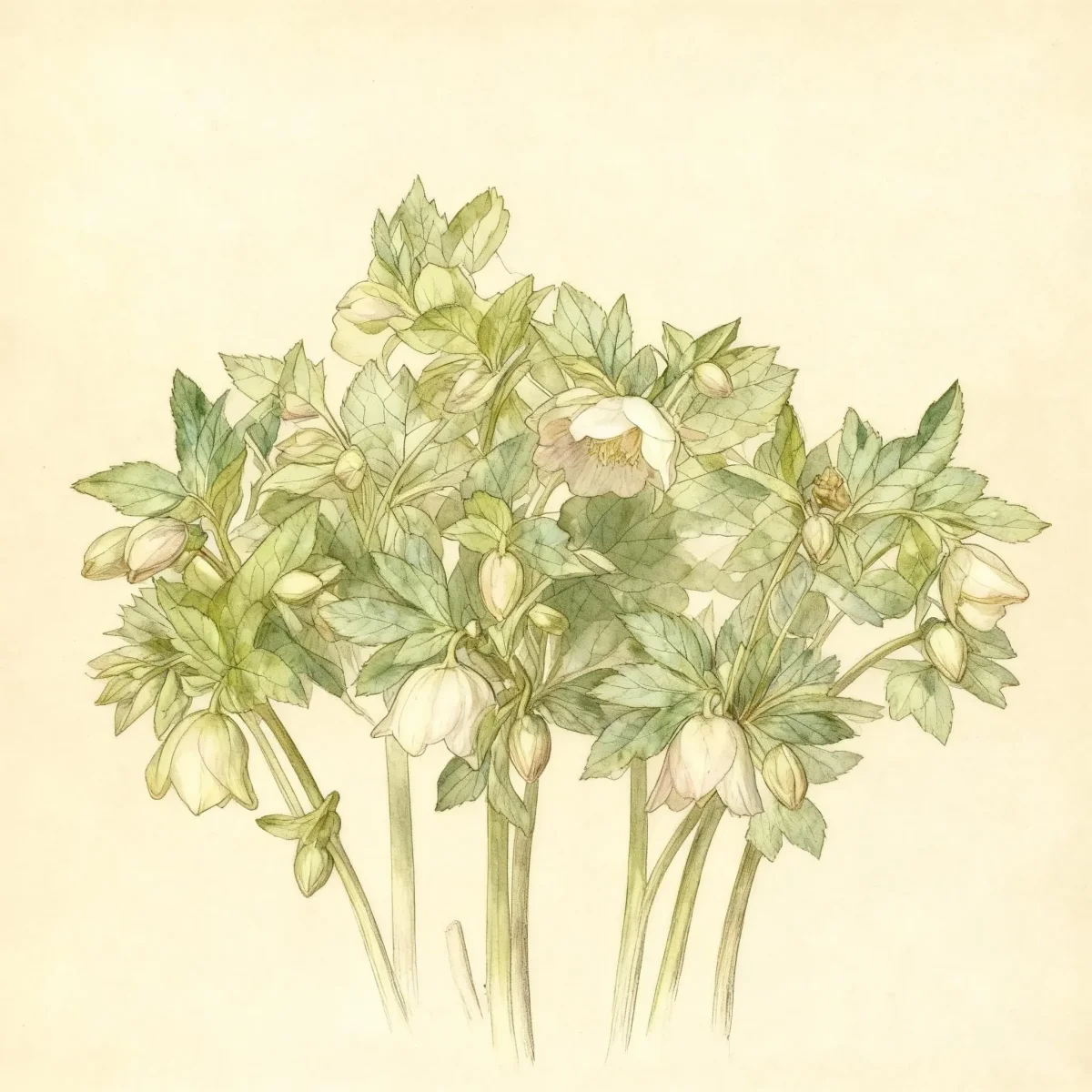
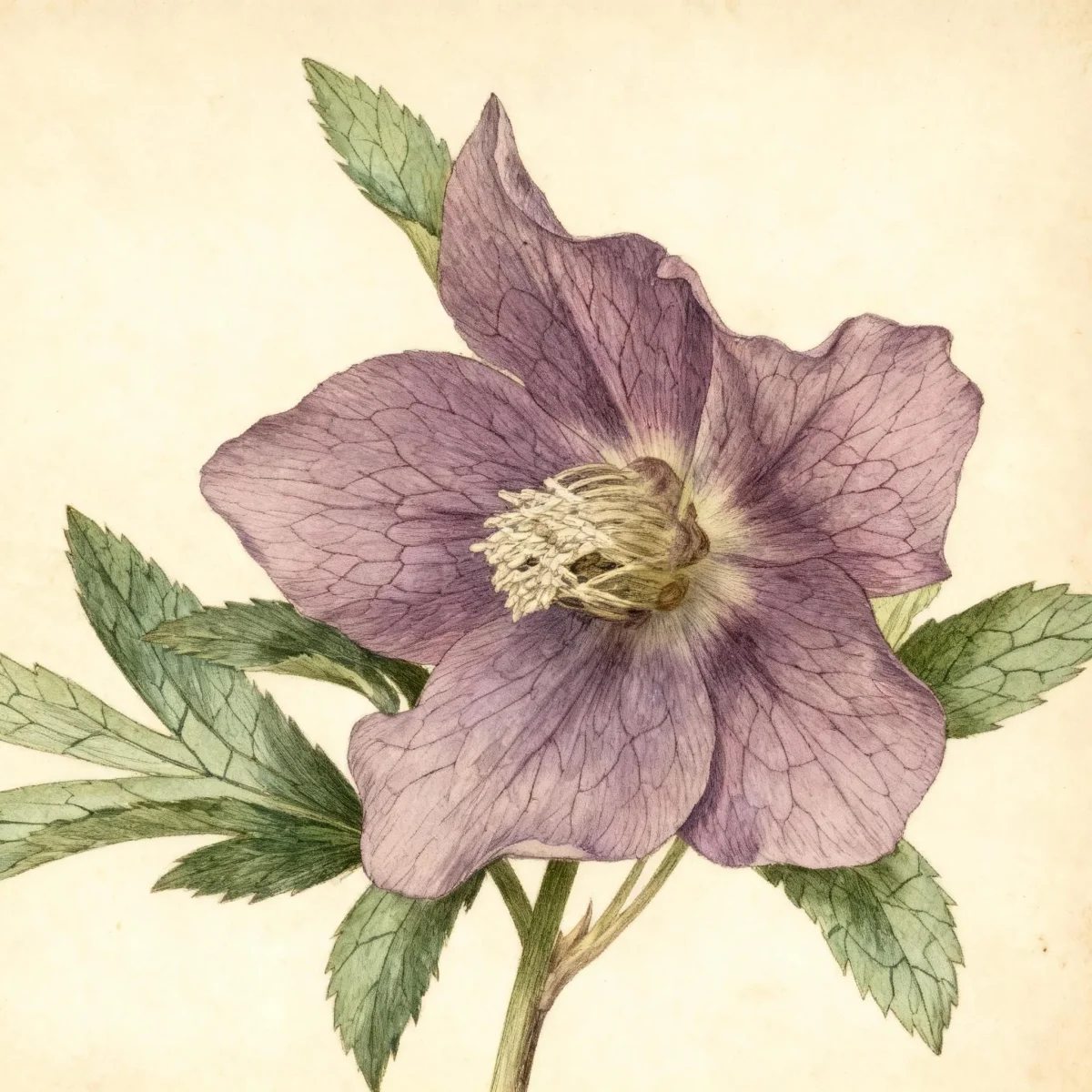
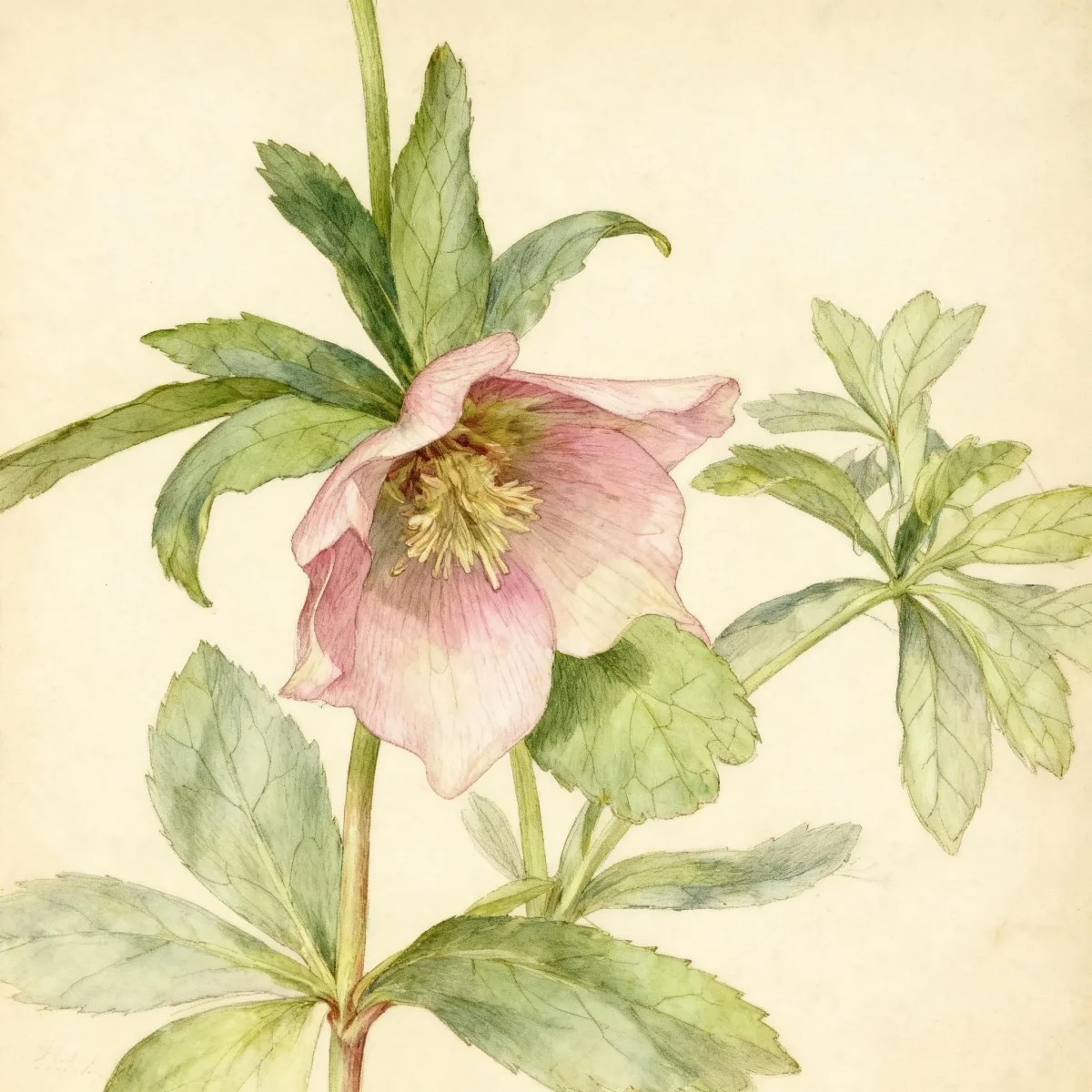
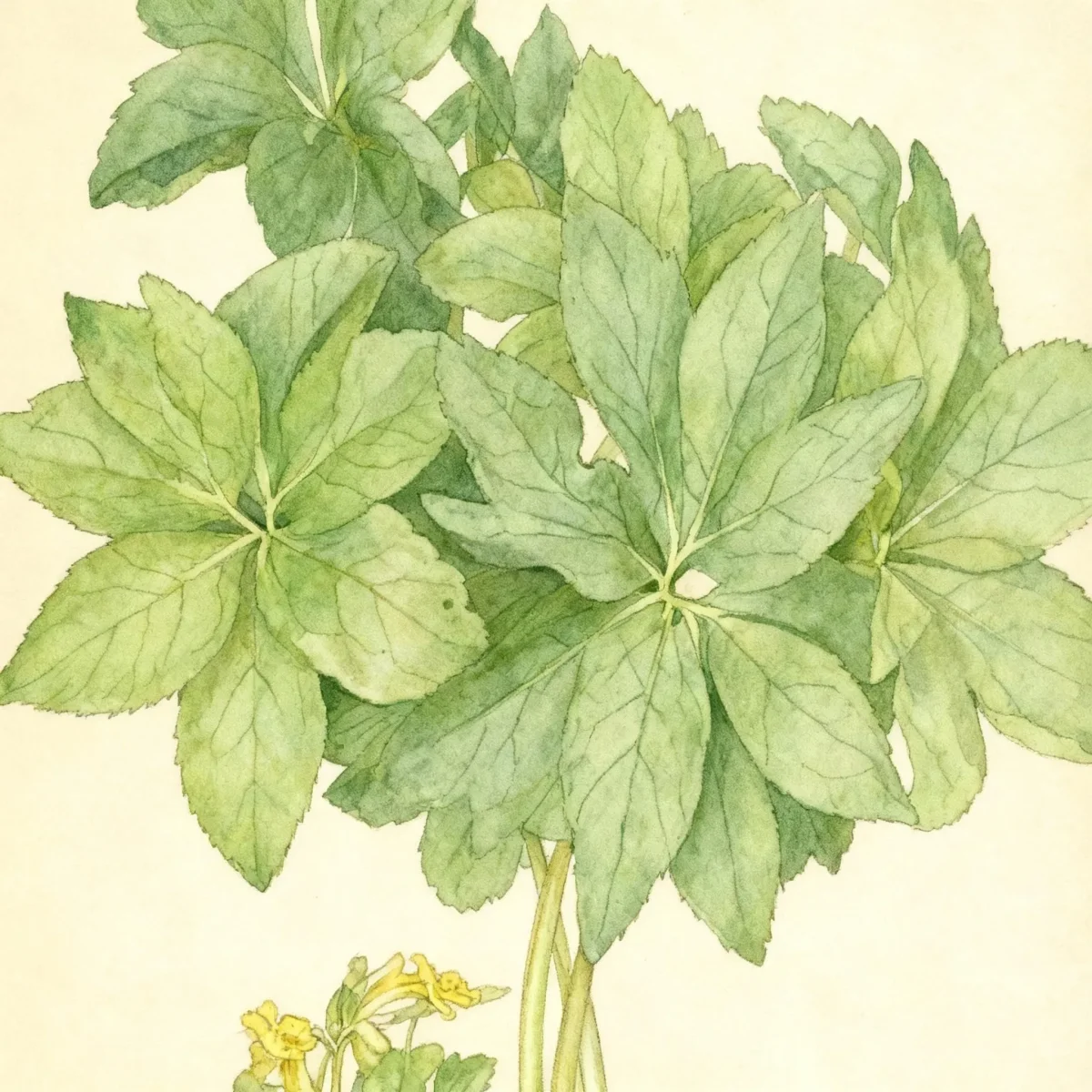
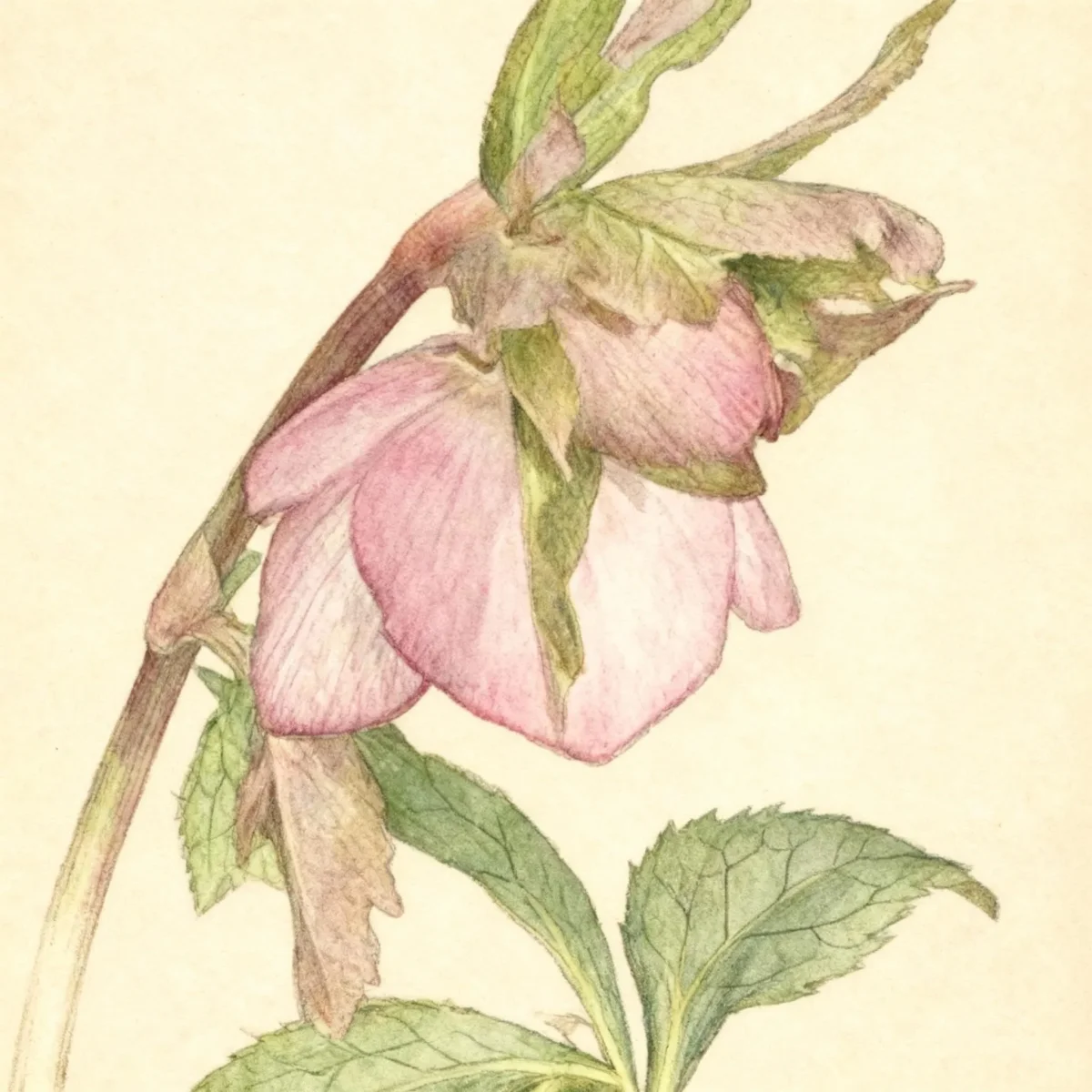
Hybrid hellebores, sometimes commonly called hybrid Lenten roses or hybrid winter roses, are bushy, clump-forming perennials which typically grow to 12-15” tall. They are noted for producing single, cup-shaped flowers (typically 2-3” diameter) with five showy, usually overlapping petals (technically sepals), but sometimes come in a double flowered form. Flowers bloom in a large variety of colors, including various shades and tints of white, pink, red, purple, and yellow, and sometimes have inside spotting. Bloom typically commences in late winter extending into early spring. Flowers appear at the tips of branched stems clad with evergreen dark green leaves which are divided into glossy, leathery, deeply-lobed, often toothed, lanceolate to elliptic segments.Genus name comes from the Greek words bora meaning “food” and helein meaning “injures/destroys” in reference to the plant’s toxic leaves, stems and roots which are poisonous to humans if ingested.Hellebores is the old Greek name for H. Orientalis.‘Brushstrokes Strain’ is a bushy, clump-forming evergreen strain of single-flowered hellebores introduced by hellebore breeder Marietta O’Byrne. These are acaulescent (without stems) hybrids that typically grow to 8-12” tall and to 12-24” wide, and are noted for their glossy, leathery, evergreen, dark green leaves (7-9 segments) and late winter to early spring bloom (March to May) of single flowers (2-3” diameter) which appear in a variety of rich colors including purple, pink, red, yellow and green, often further adorned with ornamental blotches, spots and splashes (essentially a mixture of some of the best single-flowering hellebores previously hybridized by the breeder). Each flower has five large, showy, petal-like sepals (petals are quite small and inconspicuous). Flowers are long-lasting in the garden in large part because sepals last longer than petals.
Tolerances
- Deer
- Heavy Shade
Potential Problems
This Hellebore is generally robust, exhibiting no serious insect or disease problems under ideal conditions. Occasionally, gardeners may observe issues like crown rot, particularly if drainage is poor, or leaf spot. Prevention involves ensuring excellent soil drainage and avoiding overhead watering late in the day. It is essential to remember that all parts of the Helleborus ‘Brushstrokes Strain’ are poisonous if ingested by humans or pets; handle with gloves if necessary, especially when dividing. Fortunately, deer and rabbits typically ignore this plant.
Frequently Asked Questions
What hardiness zones is Hellebore suitable for?
This plant is highly adaptable, thriving in USDA Zones 4 through 9.
How large does Hellebore grow?
Helleborus ‘Brushstrokes Strain’ typically reaches a height between 0.5 and 1 foot tall, spreading to a width of 1 to 2 feet.
When does Hellebore bloom?
The bloom time spans from March to May, presenting flowers in many shades including purple, pink, red, yellow and green.
What sun exposure does Hellebore need?
Helleborus ‘Brushstrokes Strain’ requires part shade to full shade conditions for optimal health and flowering.
Conclusion
The Helleborus ‘Brushstrokes Strain’ Hellebore offers unmatched early-season color and evergreen structure, making it an essential cornerstone for shaded garden areas. Its low maintenance needs and deer resistance solidify its popularity among dedicated gardeners. Ensure adequate drainage specific to your area before planting this fantastic Hellebore to enjoy its robust performance for years to come.
Companion Planting in Shade
When placing Helleborus ‘Brushstrokes Strain’, consider companions that emerge slightly later or appreciate similar deep shade. Hostas are excellent partners, offering contrasting foliage texture while thriving under the same tree canopy. Astilbes, which enjoy humus-rich soil and partial shade, can fill in the gap left by the Hellebore’s early fading stems. For evergreen layering beneath the Hellebore, consider low-growing varieties of Pachysandra or evergreen ferns that appreciate the cool, protected microclimate this plant helps create.
Seasonal Care Calendar
Early spring, just as the Helleborus ‘Brushstrokes Strain’ finishes blooming, is the prime time for cleanup. Cut back the old flower stalks at the base to allow fresh, unblemished foliage to emerge unimpeded. During summer droughts, consistent, deep watering is beneficial to help the Hellebore store adequate moisture for the following winter’s bloom. In late fall, apply a light mulch layer of compost around the base, avoiding piling it directly against the crown, which aids in insulating the roots against the freeze-thaw cycles common in Zones 4-6.