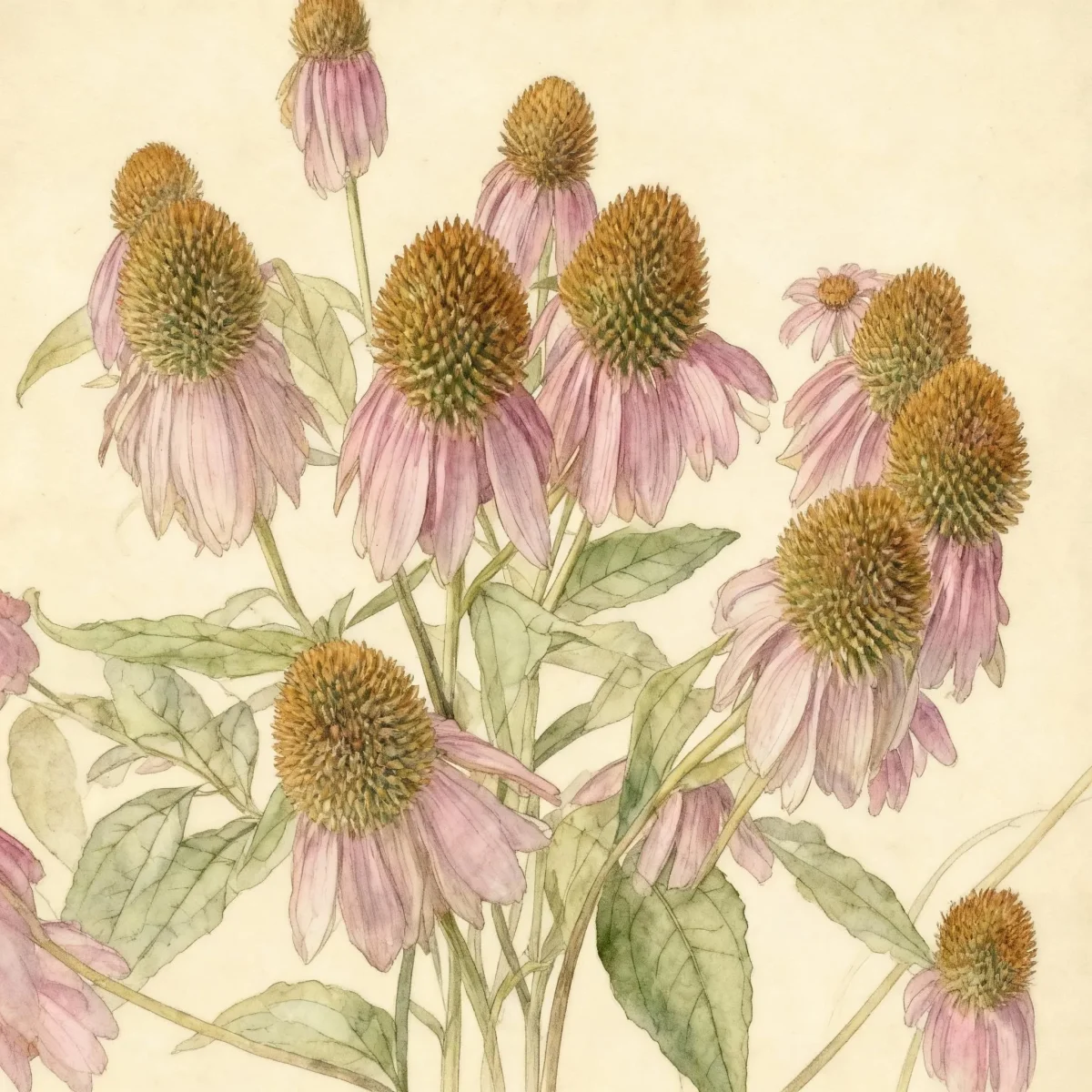
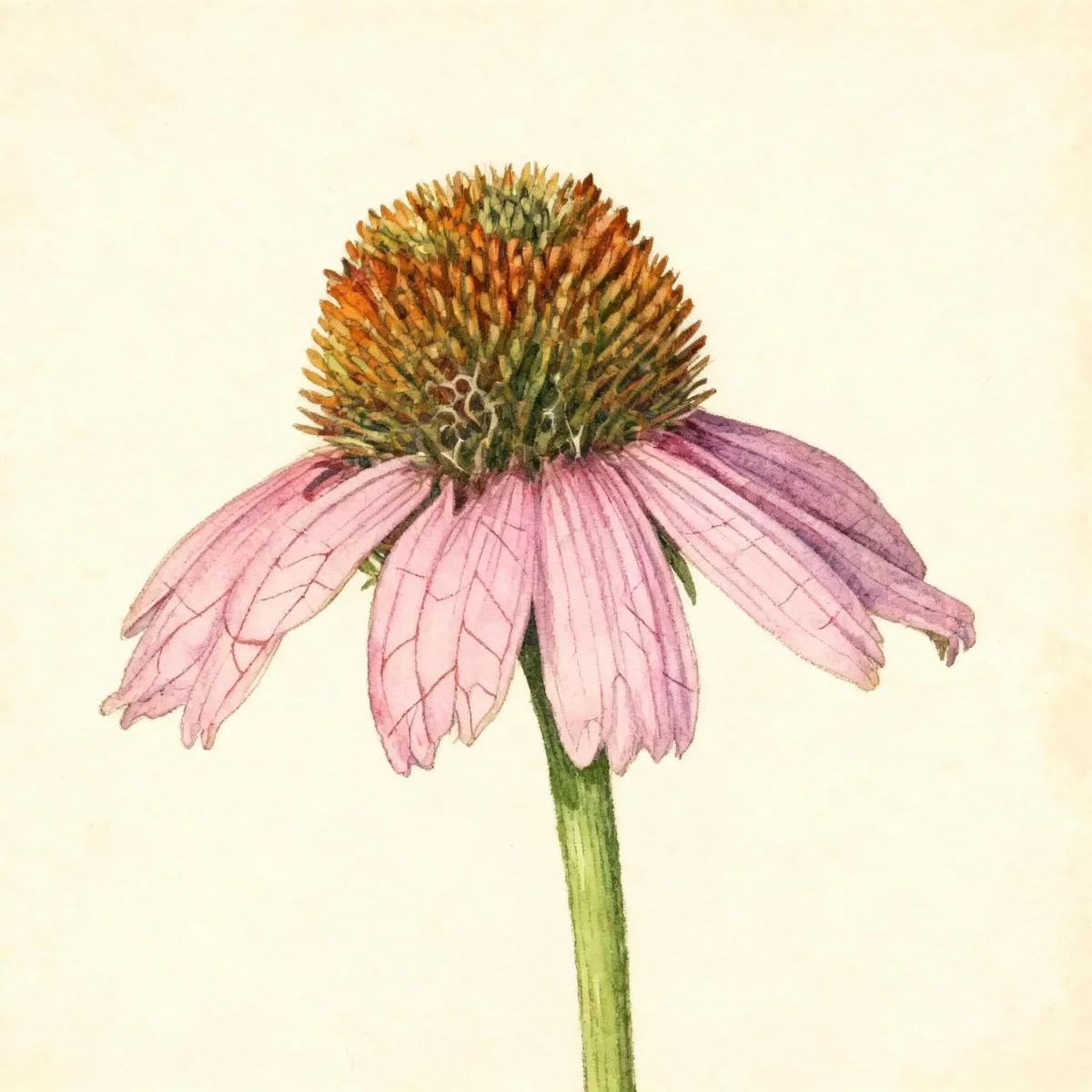
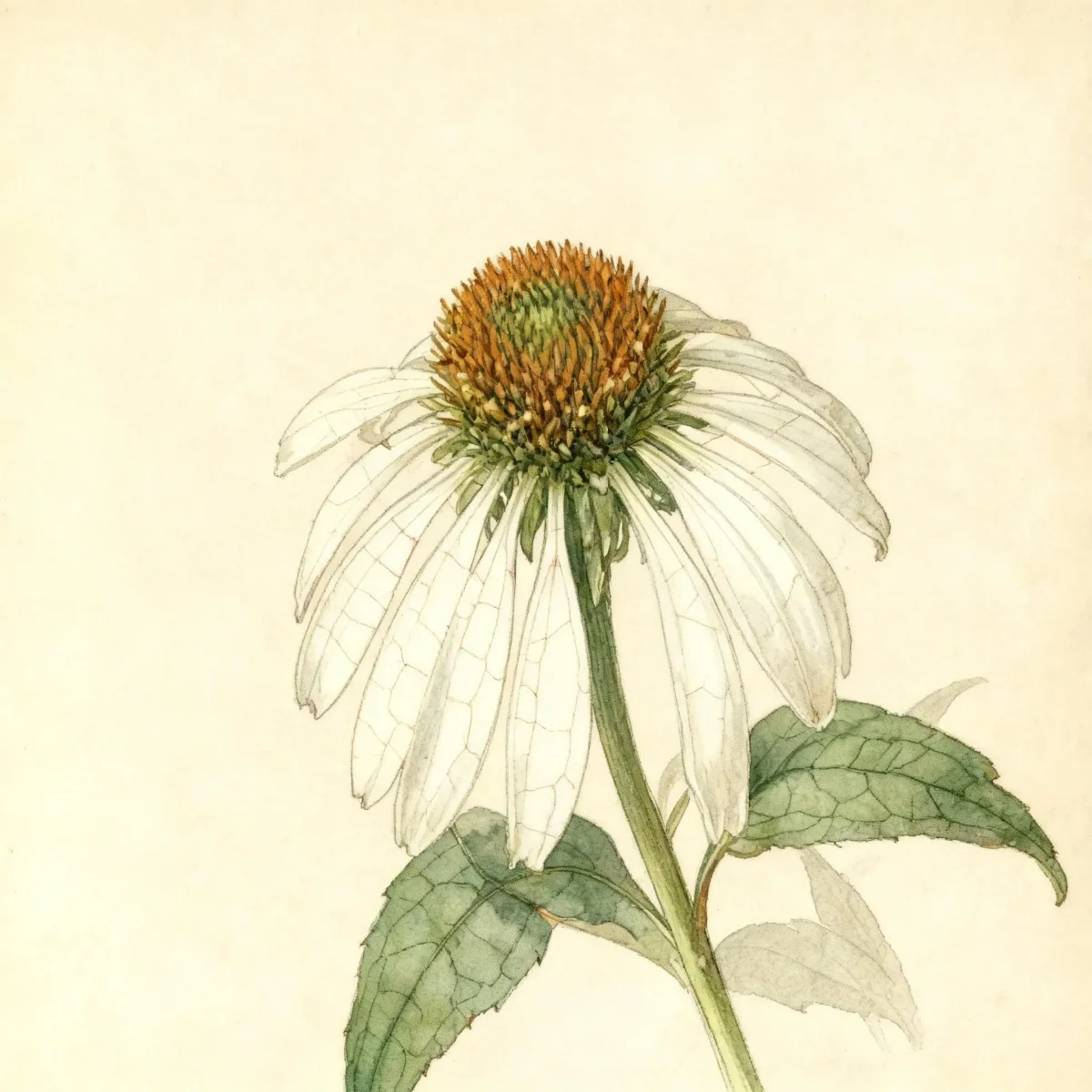
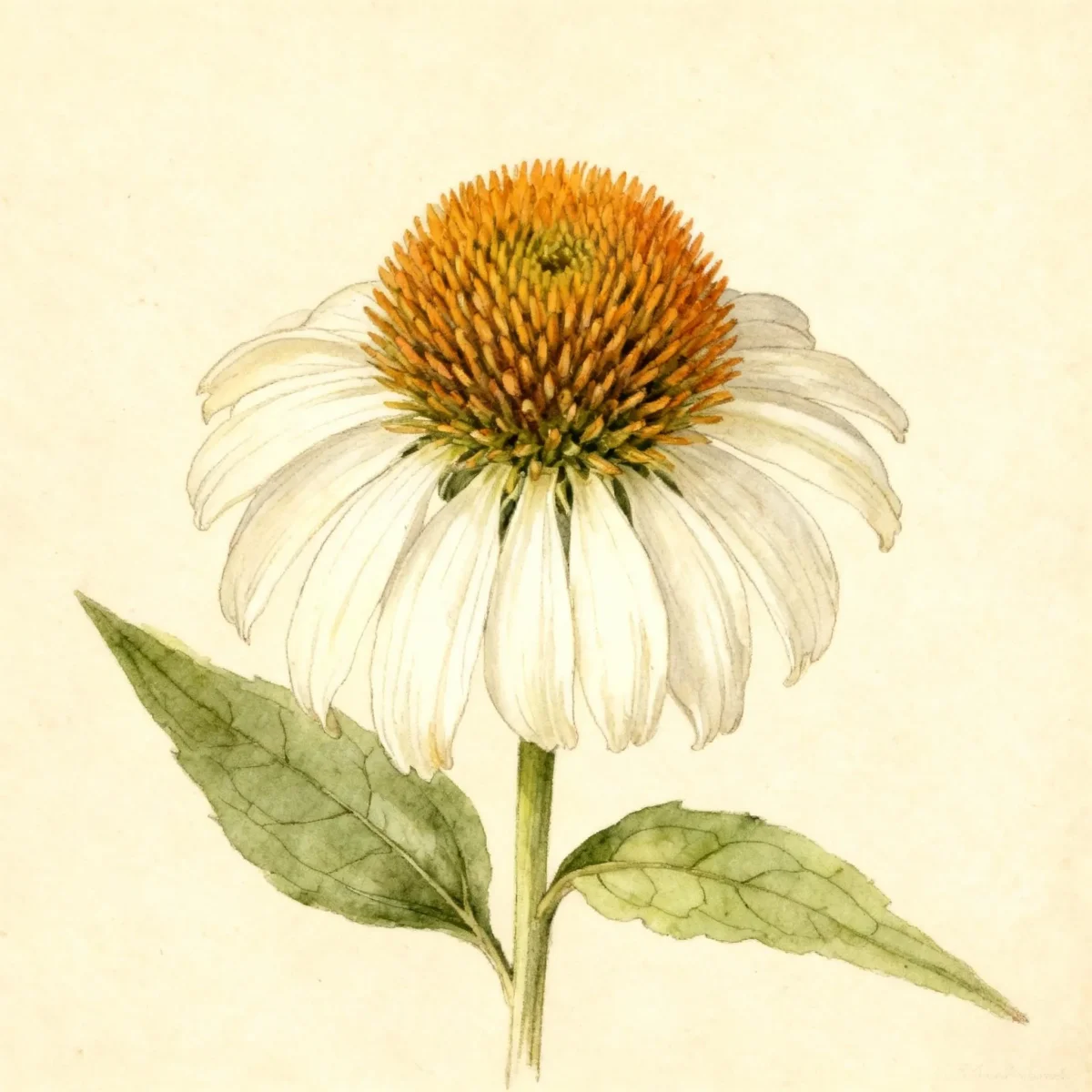
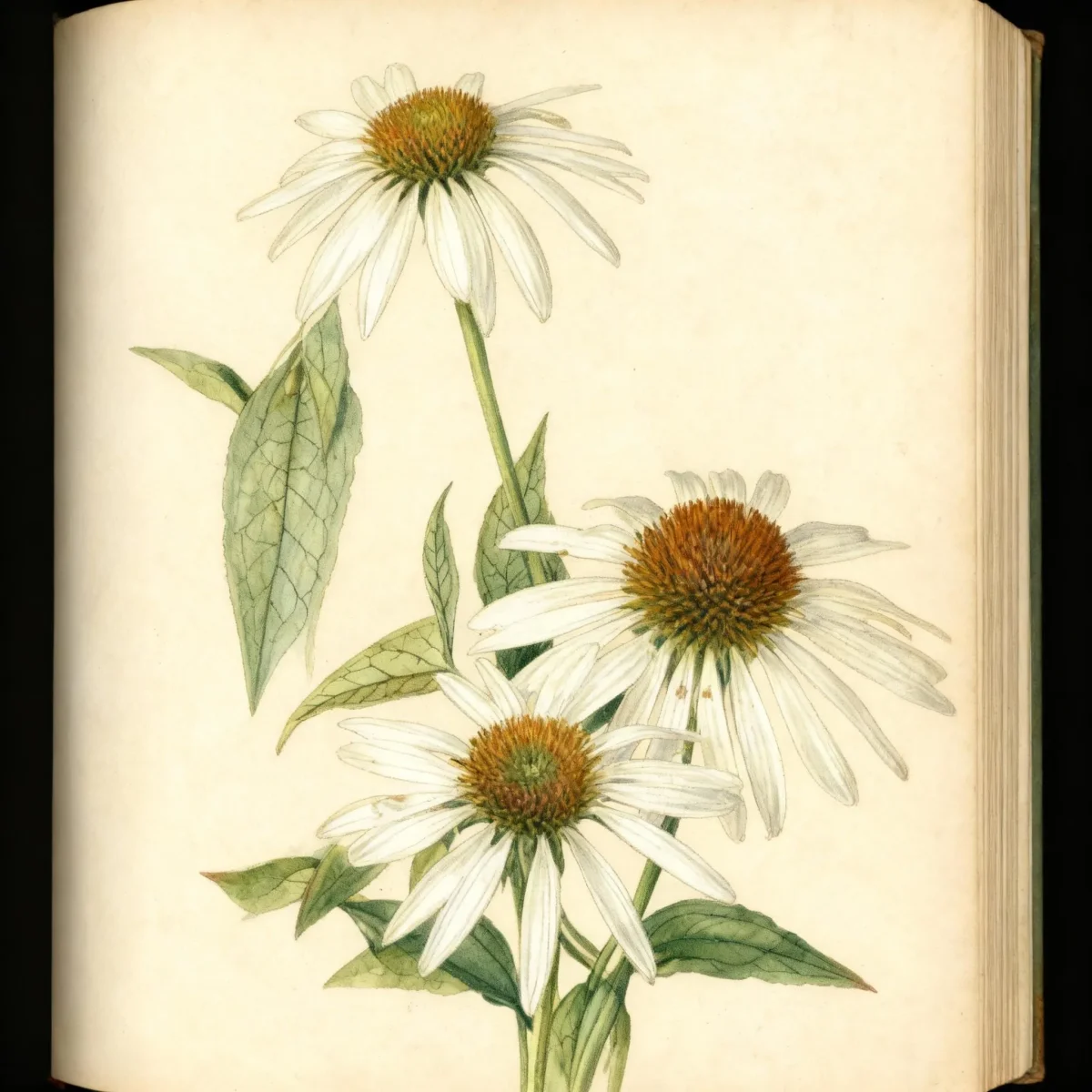
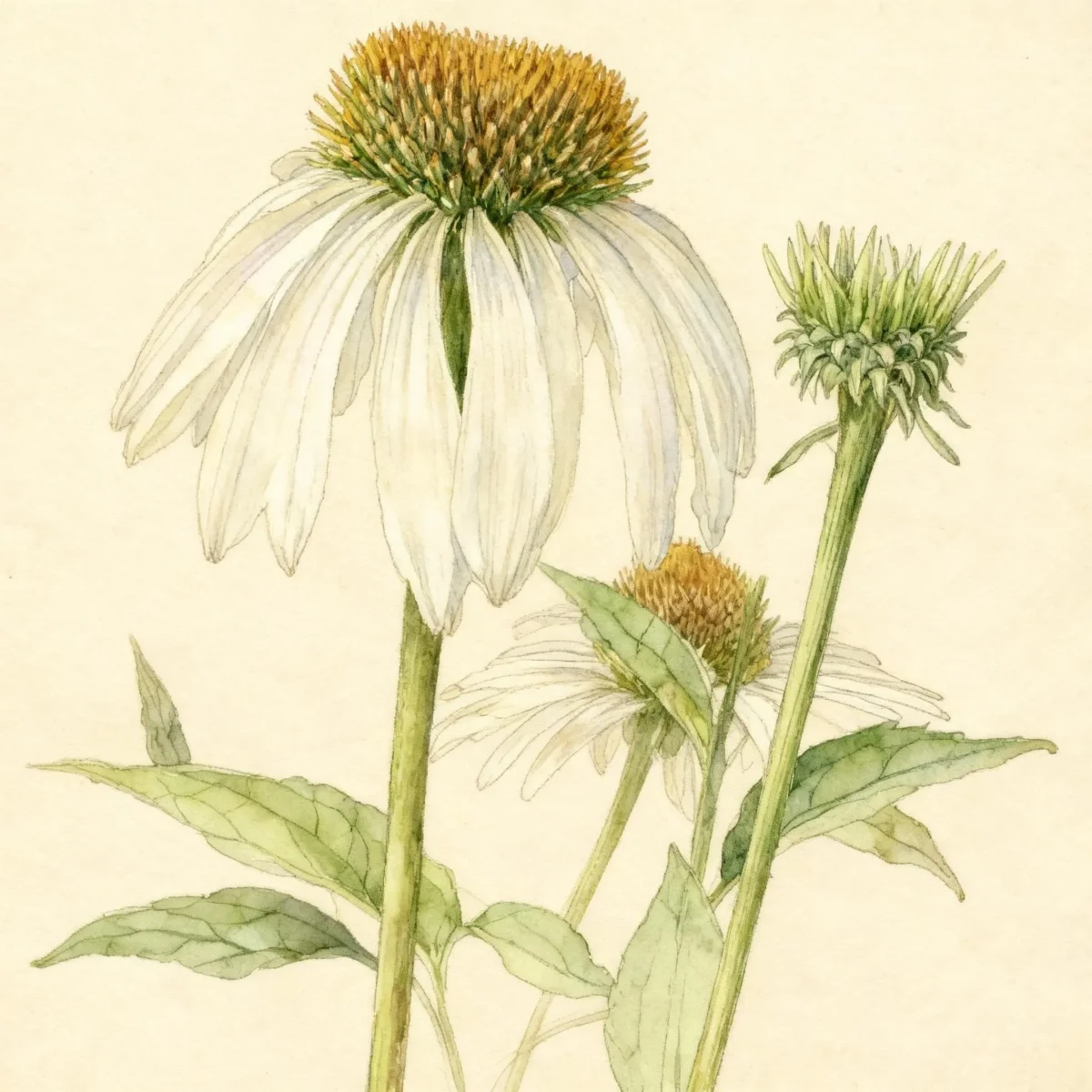
Purple coneflower (Echinacea purpurea 'Prairie Splendor')
Echinacea purpurea 'Prairie Splendor' offers showy, rose-magenta blooms from June to August, perfect for low-stress, drought-tolerant gardens.
Scroll down to discover growing tips, care requirements, companion plants, and more
Complete Plant Information
Overview
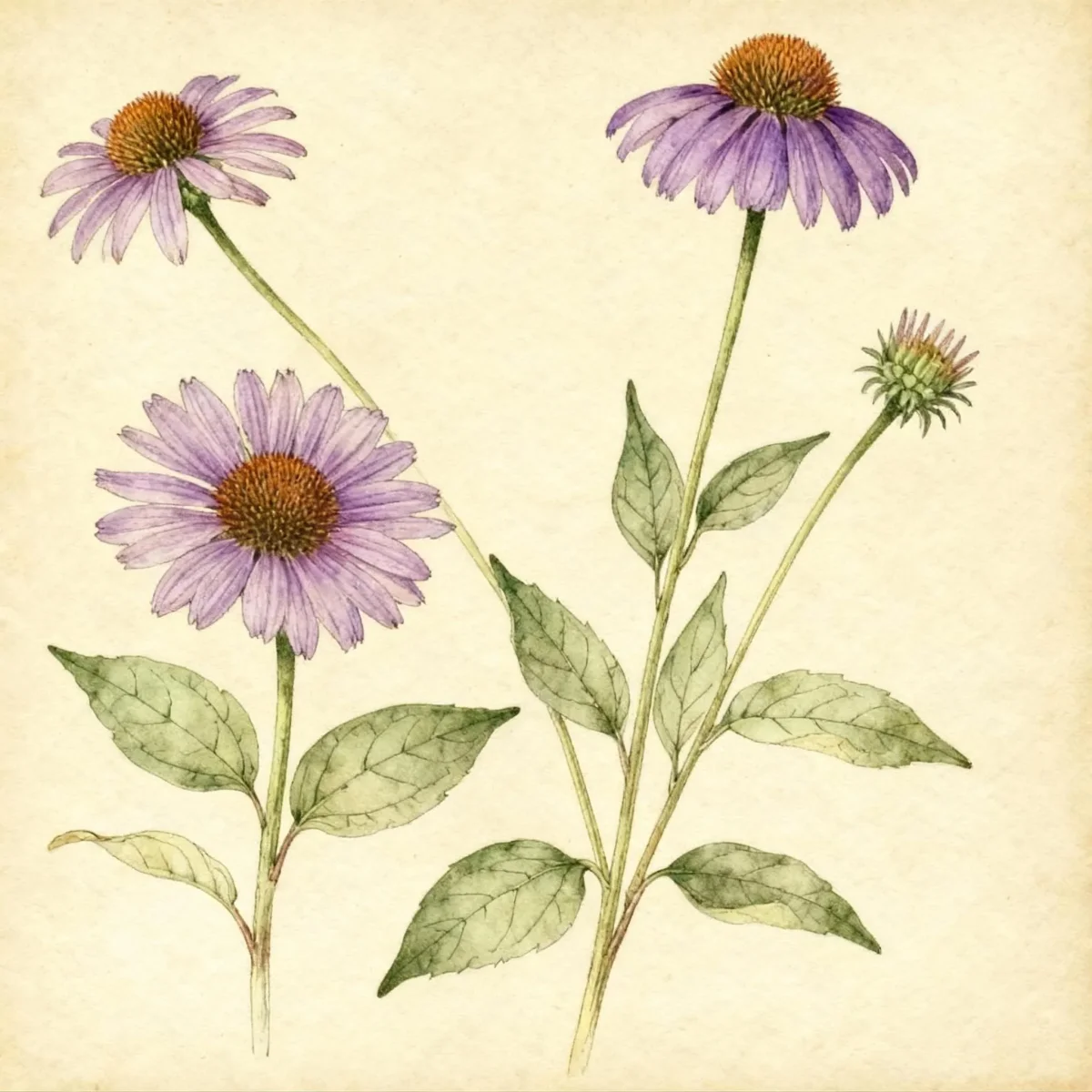
The Echinacea purpurea ‘Prairie Splendor’, or Purple coneflower, is a highly valued, tough, and adaptable flowering perennial perfect for adding sustained summer color to sunny borders. This cultivar is celebrated for its compact nature and robust performance in challenging soil conditions, making it a cornerstone of modern low-maintenance landscapes. Its striking daisy-like flowers feature bright rose-magenta rays arching around a prominent orange center cone, providing excellent visual interest.
This specific variety, Echinacea purpurea ‘Prairie Splendor’, offers reliable blooms generally starting two weeks earlier than many standard coneflowers, extending your season of color from early summer well into late summer. As an herbaceous perennial, it requires minimal fuss once established, tolerating heat, humidity, and poor soils with ease—key factors for busy gardeners seeking reliable performance.
Beyond its aesthetic value as a Purple coneflower, the spent seed heads of Echinacea purpurea ‘Prairie Splendor’ provide crucial winter structure and attract goldfinches looking for a tasty snack. Its combination of low maintenance requirements and significant ecological contribution makes it an essential choice for native gardens, wildflower meadows, and mixed perennial beds.
Fast Facts
- Plant Family: Asteraceae
- Plant Type: Herbaceous perennial
- Hardiness Zones: USDA Zones 3-8
- Size at Maturity:
- Height: 1-2 ft
- Spread: 1-2 ft
- Bloom Time: June to August
- Bloom Description: Rose-magenta rays with orange center cone
- Sun Exposure: Full sun to part shade
- Water Needs: Dry to medium
- Maintenance Level: Low
How to Grow
Plant Echinacea purpurea ‘Prairie Splendor’ in the spring or fall, ensuring it settles into average, dry to medium, well-drained soil. While it tolerates part shade, full sun encourages the most prolific blooming, maximizing the impact of the rose-magenta rays. This adaptable plant thrives in conditions where others might struggle, proving tolerant of drought, heat, and even clay soil once roots are established.
Water sparingly; the requirement is dry to medium, reflecting its native prairie heritage. Overwatering can lead to problems, so allow the soil to dry out between irrigation sessions, especially once established. Fertilization is generally unnecessary due to its tolerance for poor soils.
Maintenance is thankfully low for this Purple coneflower. While plants usually rebloom without intervention, prompt removal of spent flowers improves the overall appearance of the clump throughout the summer. To encourage natural reseeding for drifts of color next year, leave some of the blackened centers standing through winter for bird foraging. Divide clumps approximately every four years when they become overcrowded to maintain vigorous blooming.
Landscape Uses
The compact habit of Echinacea purpurea ‘Prairie Splendor’ makes it exceptionally versatile. It functions beautifully when massed in the front or middle of perennial borders, offering continuous, bright color alongside other drought-tolerant favorites. Because it handles dry, sunny conditions so well, it is an excellent anchor plant for genuine meadow plantings or naturalized areas where heavy irrigation is avoided.
Consider pairing this variety of Purple coneflower with other sun-lovers like Rudbeckia (black-eyed Susans) for classic contrast, or with ornamental grasses to soften the upright structure of its stiff stems. It looks fantastic in native plant gardens, reflecting its heritage in the central and southeastern United States prairies and open woods.
This cultivar’s durability also makes it suitable for less formal settings, such as woodland garden edges that receive ample dappled light, provided the soil remains well-drained. Its sturdy vertical form ensures that its 4-5 inch diameter flowers stand tall as focal points throughout the summer months.
Standout Features
Flower Qualities
- Showy
- Good Cut
- Good Dried
Noteworthy Characteristics
Echinacea purpurea, commonly called purple coneflower, is a coarse, rough-hairy, herbaceous perennial native to moist prairies and open woods. Showy daisy-like purple coneflowers bloom robustly throughout summer atop stiff stems clad with coarse, dark green leaves. The cultivar ‘Prairie Splendor’ features bright rose-magenta rays surrounding a dark orange center cone, blooming earlier than many species and earning a European Fleuroselect 2007 Gold Medal.
Tolerances
- Deer
- Drought
- Clay Soil
- Dry Soil
- Shallow-Rocky Soil
Potential Problems
The Purple coneflower is generally robust, but gardeners should monitor for occasional insect pests like the Japanese beetle, which may chew on foliage or flowers. Fungal issues, such as leaf spot, can occasionally appear, particularly in humid conditions or if air circulation is poor; ensure adequate spacing during planting to mitigate this risk. Susceptibility to aster yellows disease, transmitted by leafhoppers, means immediate removal of infected plants is crucial to prevent spread within your Echinacea purpurea ‘Prairie Splendor’ patch.
Frequently Asked Questions
What hardiness zones is Echinacea purpurea ‘Prairie Splendor’ suitable for?
This durable plant is reliably hardy across USDA Zones 3 through 8, making it a versatile choice for many climates.
How large does Purple coneflower grow?
Echinacea purpurea ‘Prairie Splendor’ is a relatively compact variety, typically reaching a height between 1 and 2 feet and spreading about 1 to 2 feet wide at maturity.
When does Purple coneflower bloom?
This specific cultivar provides a generous blooming season stretching from June through August, featuring distinctive rose-magenta rays with an orange center cone.
What sun exposure does Echinacea purpurea ‘Prairie Splendor’ need?
For best performance and maximum flower production, provide full sun, though it can tolerate partial shade to maintain its structure.
Conclusion
The Echinacea purpurea ‘Prairie Splendor’ provides exceptional value through its long bloom time, dependable low-maintenance care, and proven tolerance for difficult, dry soils. Incorporating this vibrant Purple coneflower into your garden ensures reliable summer color and valuable habitat for local wildlife. Before planting, confirm that your site receives sufficient sunlight and possesses well-drained soil to experience the full benefits of this award-winning specimen.
Companion Planting
Selecting companions with similar cultural needs—full sun and dry to medium water—will enhance the longevity of your Echinacea purpurea ‘Prairie Splendor’. Consider pairing it with other native prairie stalwarts such as Salvia nemorosa cultivars, which bloom slightly earlier or later to stagger color. The fine texture of grasses like Little Bluestem (Schizachyrium scoparium) creates a wonderful contrast against the bold, daisy-like heads of the coneflower.
Wildlife Benefits
Beyond the noted benefit of attracting seed-eating birds in winter, the large central cones of Purple coneflower are a magnet for various pollinators throughout the summer. Bees and butterflies often congregate on the sturdy flowers of Echinacea purpurea ‘Prairie Splendor’ while foraging for nectar, supporting local insect populations. Planting these in masses maximizes their impact as a reliable pollen and nectar source in the landscape design.