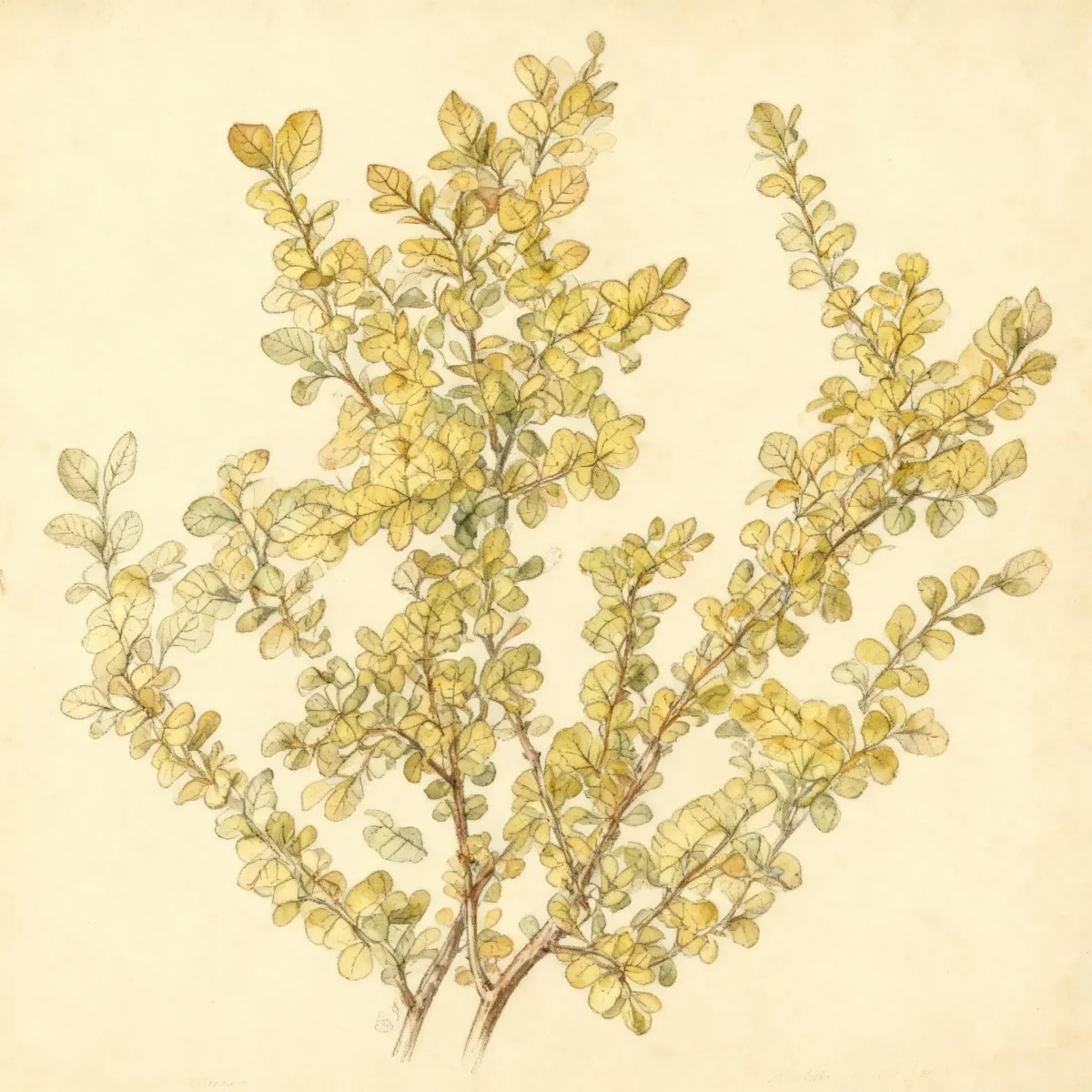
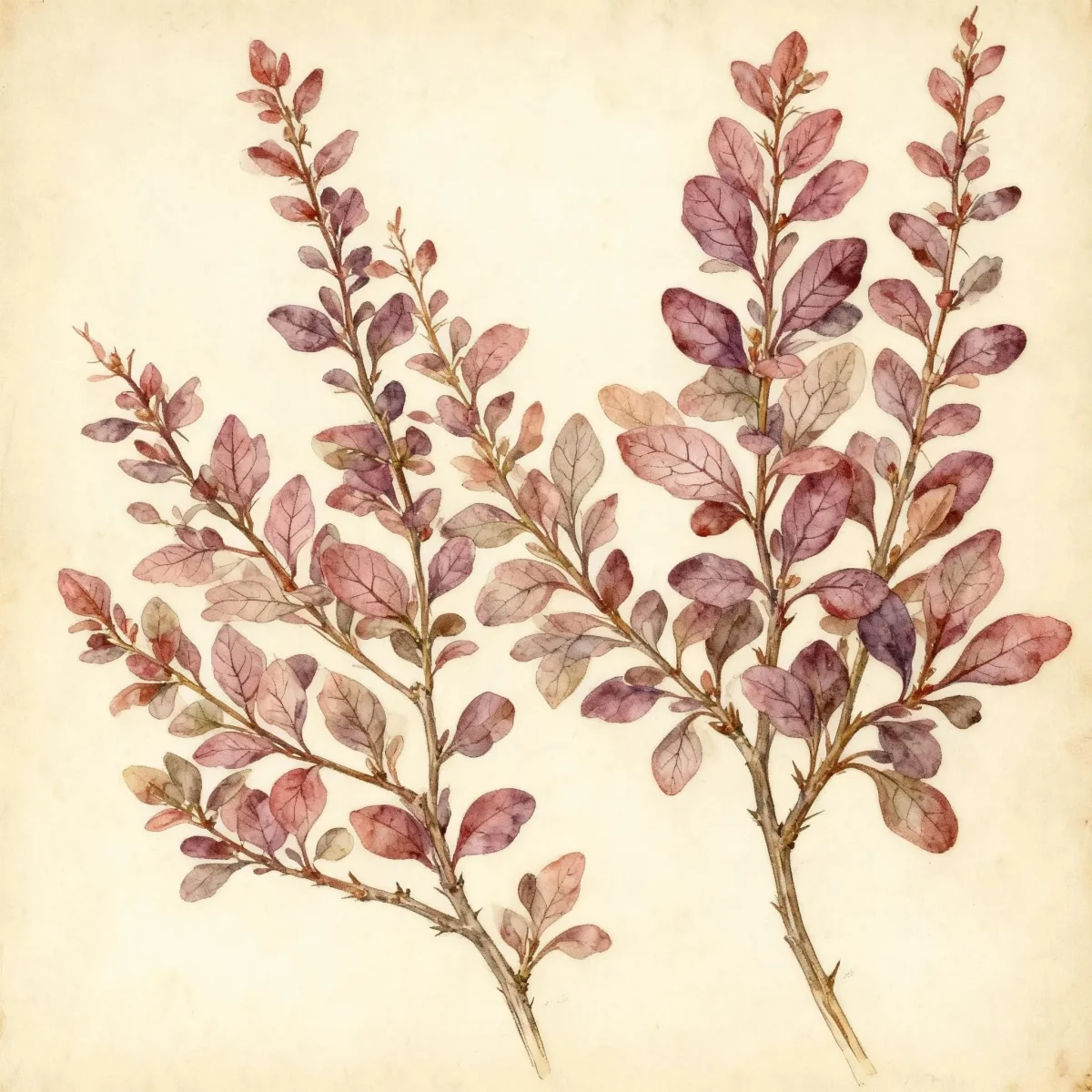
Japanese barberry (Berberis thunbergii f. atropurpurea 'Golden Ring')
Discover Japanese barberry, Berberis thunbergii f. atropurpurea 'Golden Ring', a low-maintenance shrub perfect for hedges, offering striking red-purple leaves bordered in gold.
Scroll down to discover growing tips, care requirements, companion plants, and more
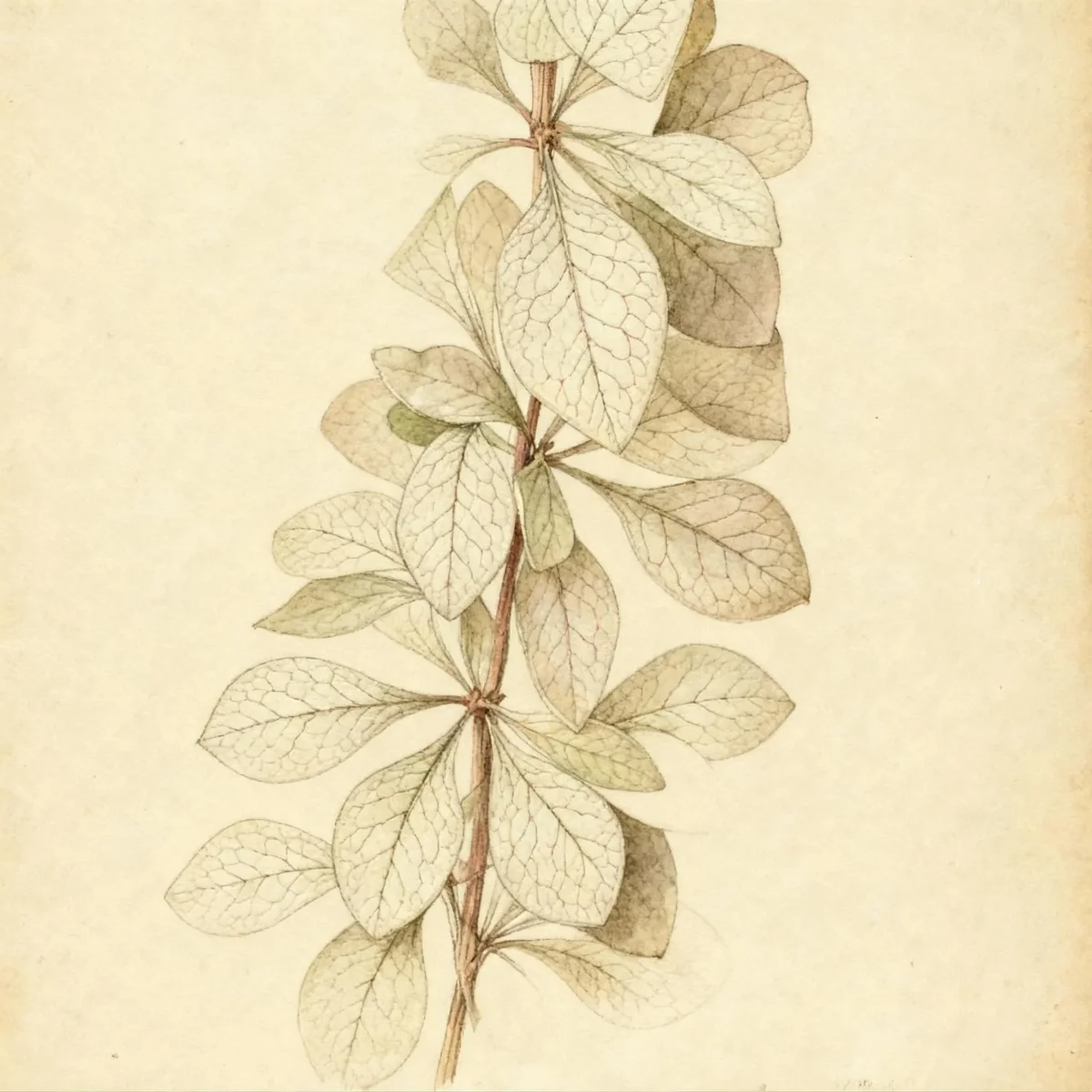
Complete Plant Information
Overview
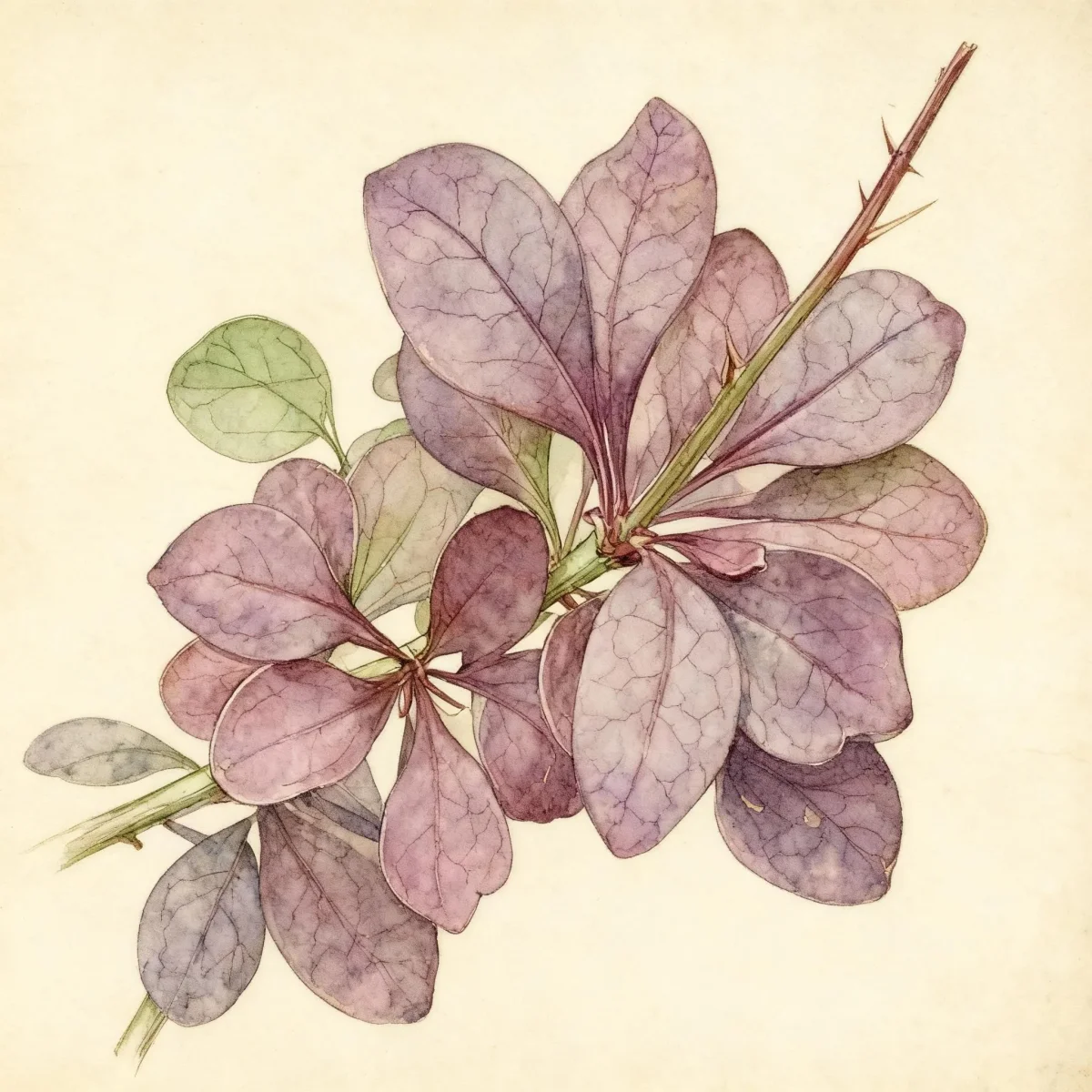
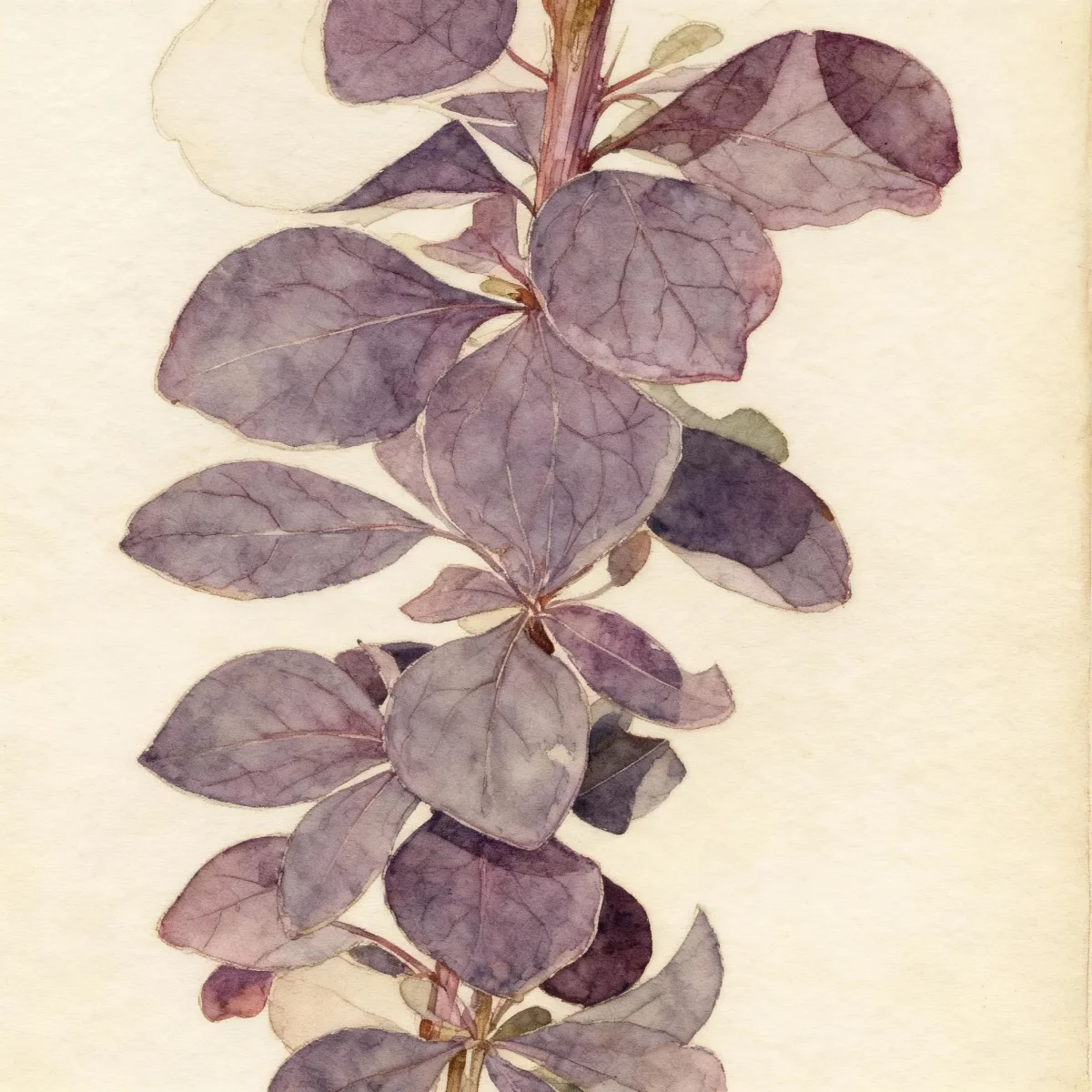
The Berberis thunbergii f. atropurpurea ‘Golden Ring’, commonly known as Japanese barberry, is highly valued for its striking seasonal color and exceptionally low maintenance requirements. This cultivar is specifically desirable because its reddish-purple foliage features a distinct, thin golden margin, creating a “golden ring” effect that brightens the landscape. As a compact, broad-rounded deciduous shrub, it provides excellent structure and fine texture throughout the growing season.
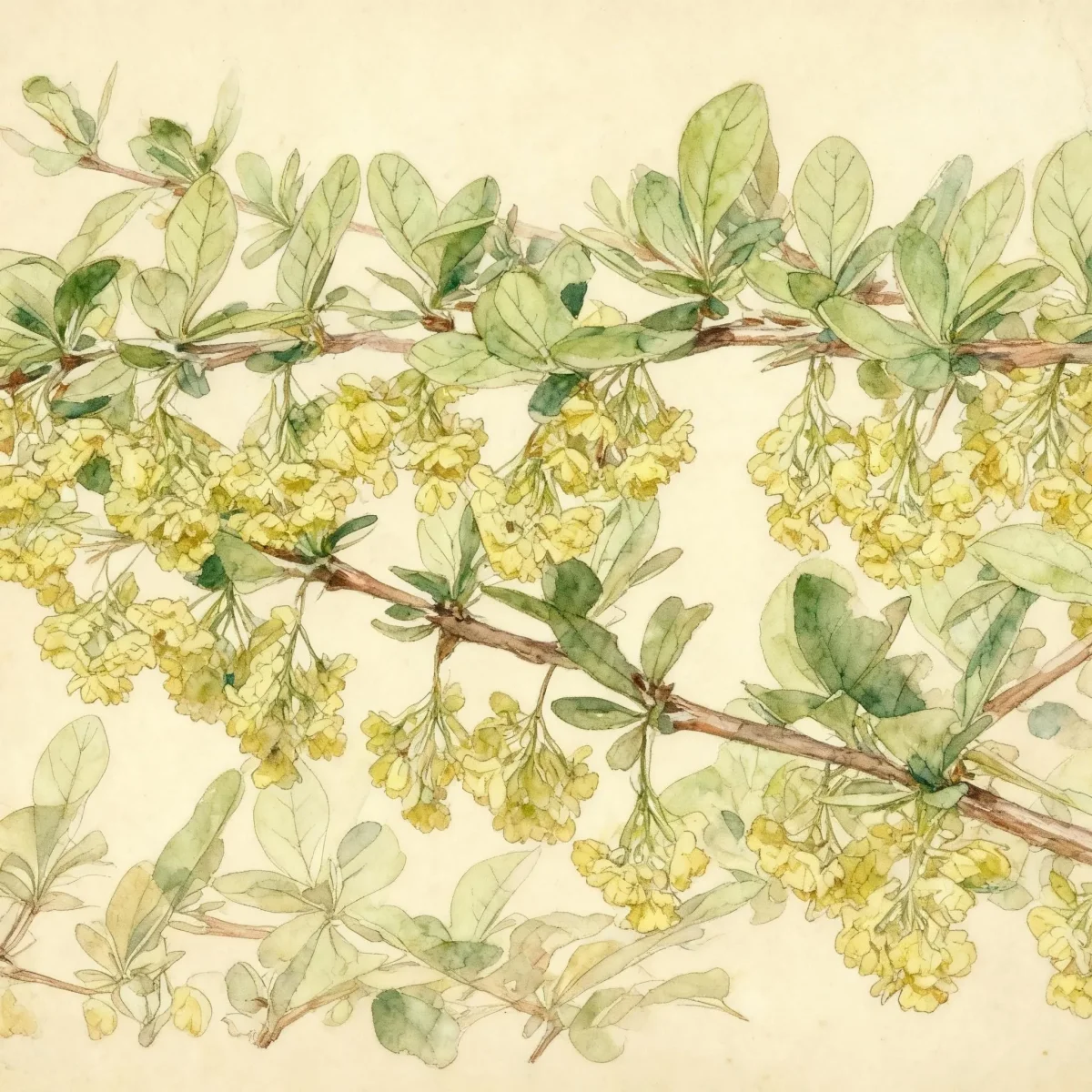
This highly adaptable Japanese barberry excels in tough conditions, tolerating urban pollution, heat, and drought once established. Its mature size averages 3 to 4 feet tall and wide, making it an excellent choice for defined plantings where space must be controlled. Complementing its foliage, the shrub produces insignificant pale yellow flowers in spring, followed by attractive, glossy red berries that persist into winter.
Functionally attractive, Berberis thunbergii f. Atropurpurea ‘Golden Ring’ creates dense, spiny hedges or attractive individual accents. Gardeners appreciate its hardiness and longevity, though aware modern gardeners should consider its spreading tendencies in certain regions. Its tolerance for various soil types, provided they are well-drained, ensures easy integration into many garden settings.
Fast Facts
- Plant Family: Berberidaceae
- Plant Type: Deciduous shrub
- Hardiness Zones: USDA Zones 4-8
- Size at Maturity:
- Height: 3-4 ft
- Spread: 3-4 ft
- Bloom Time: March to April
- Bloom Description: Pale yellow
- Sun Exposure: Full sun
- Water Needs: Dry to medium
- Maintenance Level: Low
How to Grow
Planting Berberis thunbergii f. atropurpurea ‘Golden Ring’ is best done in spring or fall in an average, well-drained soil location. While it thrives in full sun, which maximizes the vibrancy of the foliage, it can handle part shade; however, performance and leaf color richness are best when exposed to ample sunlight. Good drainage is paramount, as this shrub is generally intolerant of poorly-drained or consistently wet soils.
Maintenance for this adaptable shrub is exceptionally low. Watering should remain dry to medium; once established, its drought tolerance means supplemental watering is rarely necessary. Fertilization is usually not required unless soil quality is extremely poor. Pruning is simple: use heavy-duty hand pruners to shape it into hedges or maintain its natural mound shape. Propagation is typically accomplished via cuttings.
Be aware that Berberis thunbergii can spread slowly by creeping roots, and its fruits attract birds which can distribute seeds, leading to self-seeding in some areas. Furthermore, the spiny stems, while beneficial for creating barriers, notoriously snag and hold windblown debris, requiring occasional cleanup to maintain a pristine appearance.
Landscape Uses
The primary utility of Japanese barberry in the landscape is the creation of dense, eye-catching barriers or formal hedges, thanks to its compact growth habit and sharp spines. The Berberis thunbergii f. atropurpurea ‘Golden Ring’ cultivar brings necessary color contrast to evergreen plantings or monochromatic designs where its reddish-purple and gold margins can truly stand out.
Beyond hedges, this cultivar functions excellently when planted in groups to create mass plantings that offer season-long interest, or used as a specimen plant for small, defined areas. Foundation plantings benefit from its neat, rounded form, and it makes an effective, low-maintenance border front due to its manageable height of 3 to 4 feet.
Standout Features
Flower Qualities
- Insignificant
Fruit Qualities
- Showy
Noteworthy Characteristics
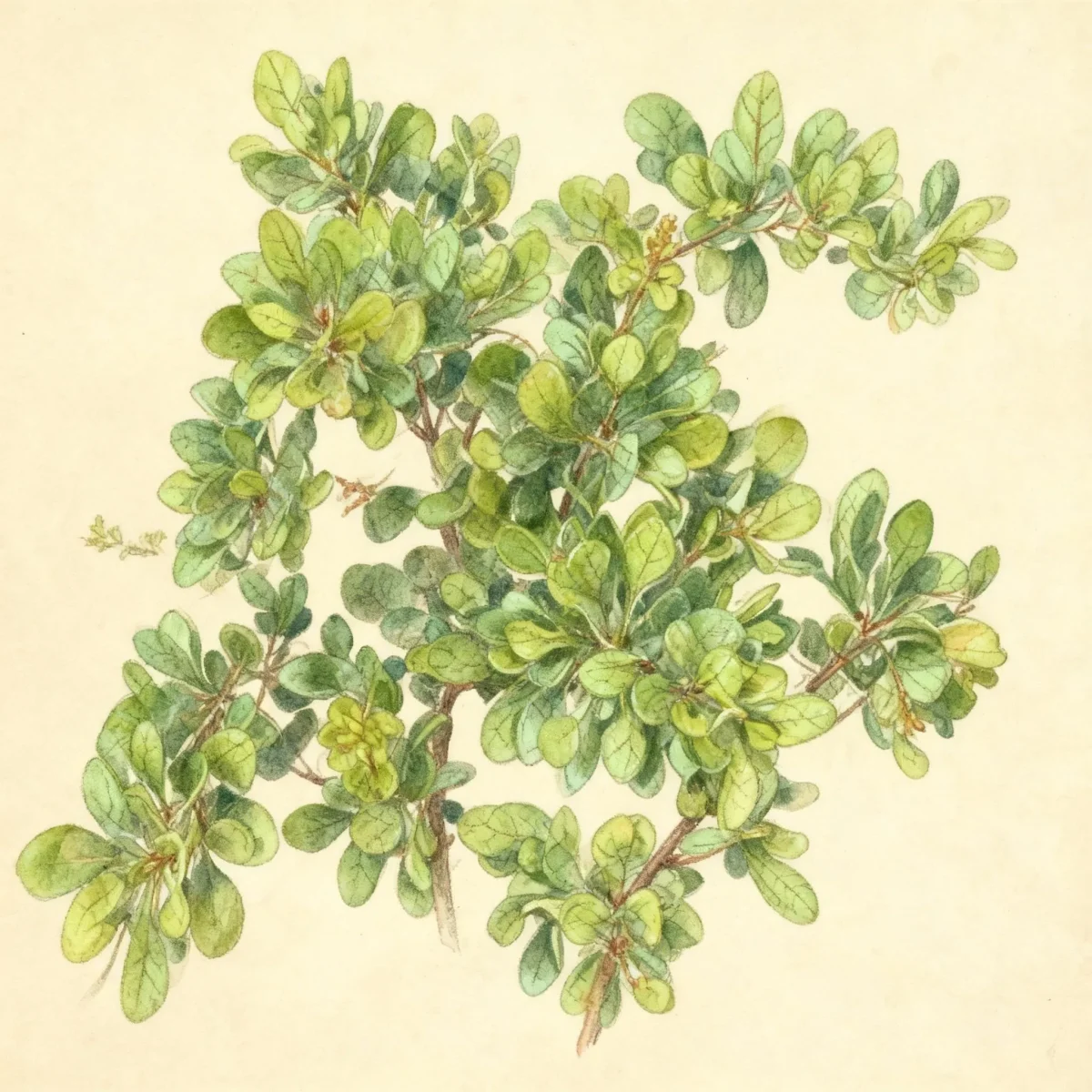
Berberis thunbergii, commonly called Japanese barberry, is a spiny, broad-rounded, deciduous shrub with obovate green leaves that mature to shades of orange, yellow, and red in the fall. The cultivar ‘Golden Ring’ displays reddish purple foliage highlighted by a very thin golden margin on each leaf, emerging in the spring. Following the pale yellow blooms, glossy, bright red berries mature in autumn and often remain visible throughout the winter, providing excellent textural contrast.
Tolerances
- Deer
- Drought
- Clay Soil
- Dry Soil
Potential Problems
While generally regarded as a robust shrub, gardeners should monitor for specific issues. Bacterial leaf spot, anthracnose, root rots, and wilt can affect susceptible plants, often exacerbated by overly wet conditions or poor air circulation. Aphids, the barberry webworm, and scale insects are periodic pest concerns requiring targeted treatment. A nuisance unique to this spiny plant is that its dense branches effectively trap and hold unsightly wind-blown litter, necessitating periodic hands-on cleanout.
Frequently Asked Questions
What hardiness zones is Japanese barberry suitable for?
The Berberis thunbergii f. atropurpurea ‘Golden Ring’ is suitable for USDA Hardiness Zones 4 through 8.
How large does Berberis thunbergii f. atropurpurea ‘Golden Ring’ grow?
This cultivar typically matures to a height between 3 and 4 feet, with a similar spread of 3 to 4 feet.
What sun exposure does Japanese barberry need?
For the best performance and most vibrant leaf coloration, Berberis thunbergii f. Atropurpurea ‘Golden Ring’ requires full sun exposure.
When does Japanese barberry bloom?
This plant features pale yellow flowers that appear relatively early in the season, typically blooming from March into April.
Conclusion
The Berberis thunbergii f. atropurpurea ‘Golden Ring’ offers exceptional value to the landscape designer seeking structure, low maintenance, and remarkable seasonal color. Its combination of drought tolerance and striking reddish-purple leaves edged in gold ensures year-round visual appeal. Before incorporating this popular Japanese barberry into your plan, confirm that your site falls within USDA Zones 4-8 and offers the necessary full sun exposure.
Companion Planting
When selecting neighbors for your Berberis thunbergii f. atropurpurea ‘Golden Ring’, focus on plants that contrast beautifully with its deep foliage and tolerate similar dry, full-sun conditions. White or light-colored groundcovers visually amplify the golden margins of this cultivar. Consider low-growing Sedums or hardy Geraniums for the front of the border, as these thrive in dry soil and complement its moderate size.
Another effective strategy is pairing it with plants that offer different foliage textures, such as fine-needled junipers or grasses, to enhance the visual impact of the dense Japanese barberry. These compatible partners will not compete heavily for light or water, allowing each specimen to maintain its optimal growth habit.
Wildlife Benefits
While the sharp thorns of the Berberis thunbergii f. Atropurpurea ‘Golden Ring’ deter larger browsing animals like deer, the resulting glossy, bright red berries offer nutritional support for many native bird species. Birds readily consume the fruit, effectively aiding in the wildlife cycle, especially as the berries persist into the leaner winter months when other food sources are scarce.
The dense, thorny thicket created by this shrub also provides excellent protective cover for smaller songbirds against predators. Although the flowers themselves are insignificant, they contribute to the early spring nectar flow for emerging beneficial insects, providing a valuable early resource for the garden ecosystem before later bloomers emerge.