Flowering crabapple (Malus 'Leprechaun')
Malus 'Leprechaun' is a low-maintenance Flowering crabapple, blooming pink to white, ideal for specimen planting in Zones 4-8.
Scroll down to discover growing tips, care requirements, companion plants, and more
Complete Plant Information
Overview
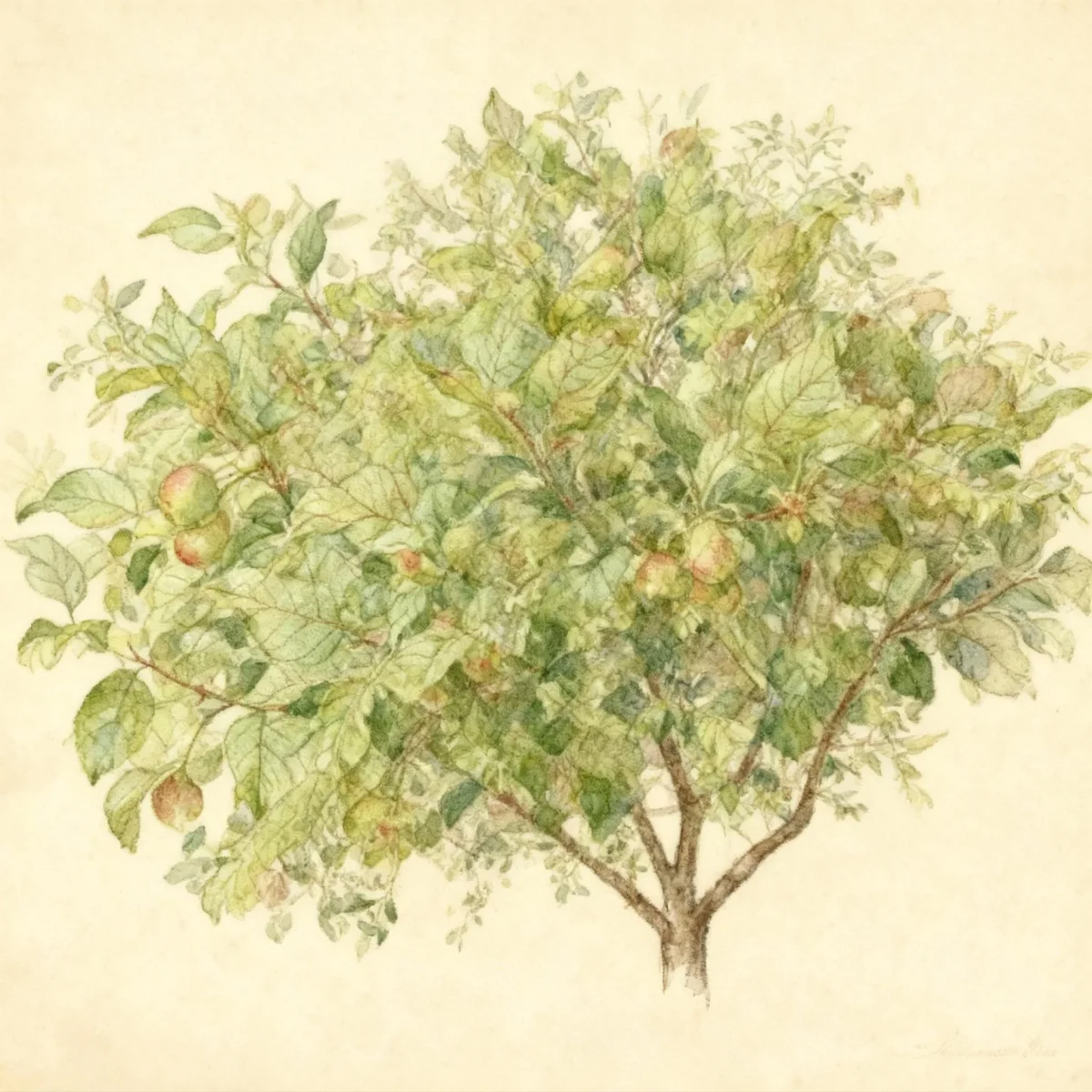
The Malus ‘Leprechaun’ is an excellent choice for gardeners seeking a compact, high-impact specimen tree. This Flowering crabapple cultivar offers vibrant spring color and persistent fall fruit, making it attractive across multiple seasons. It maintains an upright-spreading form, ensuring it fits well even in smaller landscape spaces.
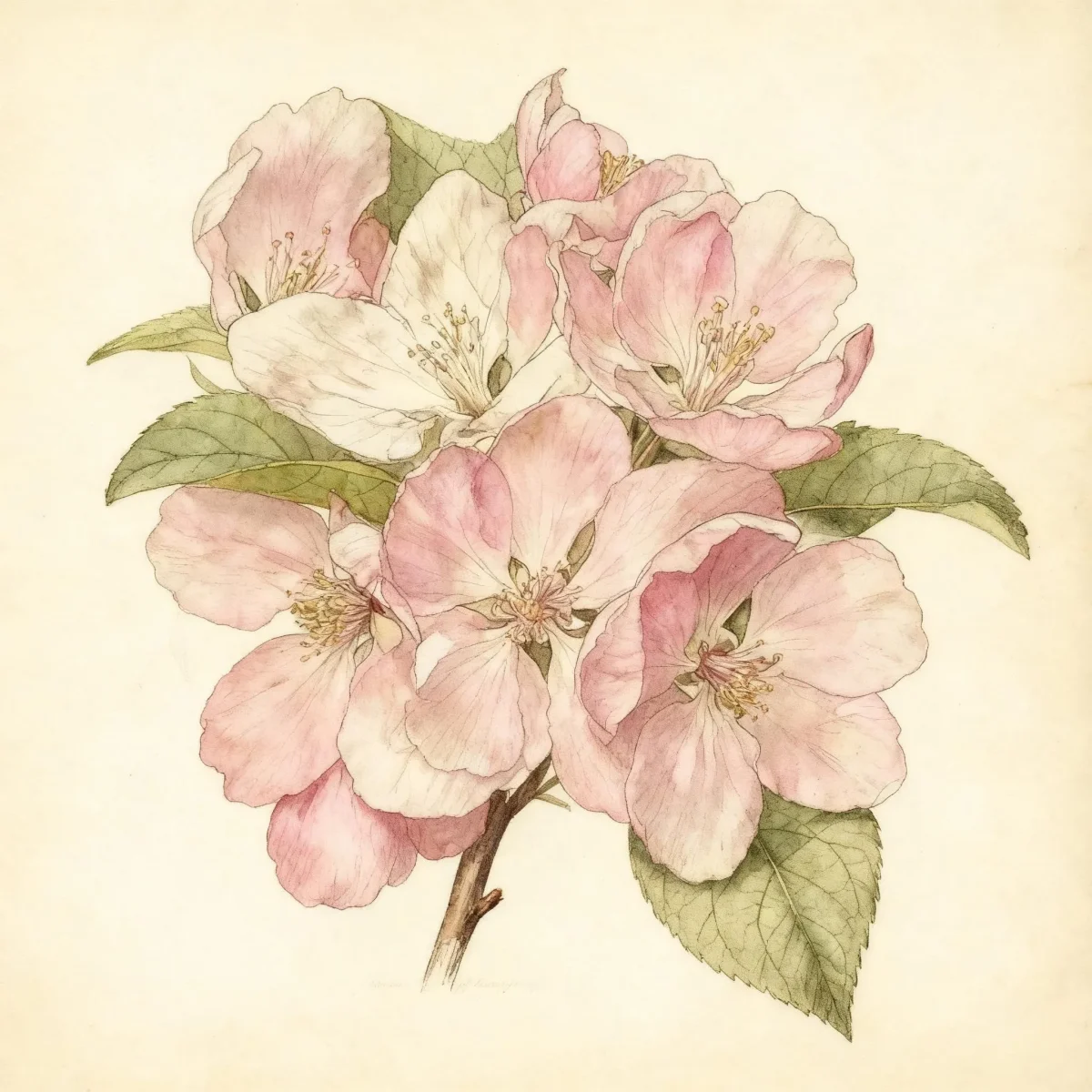
Maturing typically around 8 feet tall and wide, Malus ‘Leprechaun’ provides seasonal interest from its fragrant pink flowers that delicately mature to white. Its low maintenance level makes it particularly appealing for commercial sites or busy homeowners who still desire significant ornamental value.
Beyond its spring display, the cherry-red crabapples that follow are attractive to birds and may even be utilized for preserves, adding functional value to this beautiful Flowering crabapple.
Fast Facts
- Plant Family: Rosaceae
- Plant Type: Tree
- Hardiness Zones: USDA Zones 4-8
- Size at Maturity:
- Height: 6-8 ft
- Spread: 6-8 ft
- Bloom Time: April
- Bloom Description: Pink maturing to white
- Sun Exposure: Full sun
- Water Needs: Medium
- Maintenance Level: Low
How to Grow
For optimal establishment, plant Malus ‘Leprechaun’ during the dormant season, either early spring or late fall, allowing its roots to settle before the stress of summer heat. This variety thrives when situated in full sun, which promotes abundant flowering and fruit set. Its ideal soil composition involves medium moisture, well-drained, acidic loams, though it is adaptable to a wide range of soil types.
Watering should be consistent, aiming for the medium requirement, especially during establishment. Once mature, established trees gain some degree of drought tolerance, though deep, infrequent watering during dry spells is beneficial. Fertilization is rarely necessary unless the soil is extremely depleted.
Pruning this Flowering crabapple should be done sparingly, primarily as needed in late winter while the tree is dormant. It is crucial to avoid spring pruning, as any fresh, open cuts create entry points for the fireblight bacterium, causing a serious disease risk.
Landscape Uses
The manageable size of Malus ‘Leprechaun’ makes it an excellent choice for use as a specimen or accent plant, drawing the eye with its seasonal displays. It performs well planted in small groups or integrated into general landscape use where a tree of 6 to 8 feet is desired. Furthermore, its relative tolerance to environmental stressors supports its use as a street tree where hardier specimens are required.
Its structure lends itself well to contemporary or cottage garden designs, providing vertical interest without overwhelming surrounding foundation plantings. Consider pairing this early-blooming tree with later-blooming perennials that can take advantage of the filtered light provided by its canopy before the leaves fully develop.
Standout Features
Flower Qualities
- Showy
- Fragrant
Fruit Qualities
- Showy
- Edible
Noteworthy Characteristics
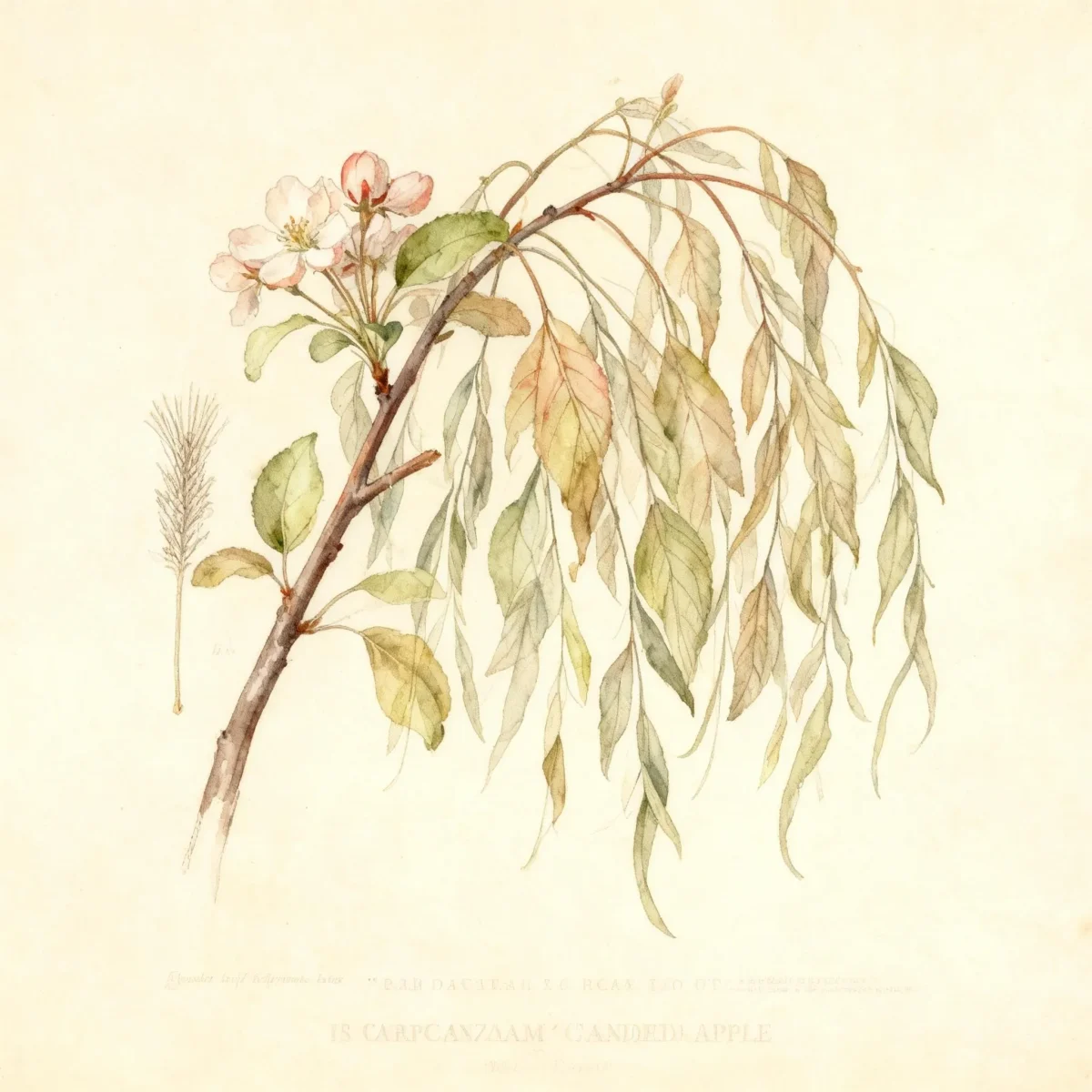
Malus is a genus containing approximately 35 species of deciduous trees and shrubs native to Europe, Asia, and North America; the genus name derives from the ancient Latin name for apple. The cultivar ‘Leprechaun’ is specifically noted for its upright-spreading habit, maturing to about 8 feet tall. Its single, fragrant, pink flowers bloom reliably in spring, fading to white as they age, and are attractive to beneficial bees. The tree produces cherry-red crabapples, about 1/4 inch in diameter, which persist into early winter and attract birds, with fruits suitable for making preserves.
Tolerances
- Air Pollution
Potential Problems
While Malus ‘Leprechaun’ generally exhibits good disease resistance compared to other crabapples, gardeners should remain vigilant against common challenges. The primary diseases to monitor for include scab, rusts, leaf spot, and powdery mildew. Fire blight remains a significant concern, emphasizing the importance of avoiding late pruning.
Potential insect pests are usually of lesser concern, but watch for aphids, Japanese beetles, borers, scale, and tent caterpillars. In case of mite activity, spider mites may occasionally occur. Proactive care, such as ensuring good air circulation through proper planting distance, helps mitigate fungal issues.
Frequently Asked Questions
What hardiness zones is Flowering crabapple suitable for?
The Malus ‘Leprechaun’ thrives in USDA Hardiness Zones 4 through 8, offering reliable performance across a wide geographical area.
How large does Malus ‘Leprechaun’ grow?
This specific cultivar reaches a mature height between 6 and 8 feet, with a comparable spread of 6 to 8 feet, maintaining a compact, upright form.
What sun exposure does Malus ‘Leprechaun’ need?
This Flowering crabapple requires full sun exposure to achieve the best bloom density and overall health.
When does Malus ‘Leprechaun’ bloom?
The typical bloom time for Malus ‘Leprechaun’ is April, featuring flowers described as pink maturing to white.
Conclusion
The Malus ‘Leprechaun’ provides outstanding structural interest, early spring fragrance, and seasonal fruit display, all within a manageable, low-maintenance package. This desirable Flowering crabapple easily integrates into small or formal gardens due to its dwarf, upright nature. Before planting, confirm that your site offers full sun exposure and well-drained soil to ensure the best longevity.
Wildlife Benefits
The springtime blossoms of the Malus ‘Leprechaun’ are highly attractive to early-season pollinators, particularly bees, supporting local insect populations as they emerge from winter. Later in the season, the persistent cherry-red crabapples provide a valuable late-season food source for various bird species.
Birds are often observed feeding on the fruit well into early winter, offering winter interest in the landscape after the leaves have dropped. Consider planting near a window (with appropriate baffling) to enjoy these natural interactions.
Companion Planting
Given that Malus ‘Leprechaun’ prefers medium moisture and full sun, companion plants should share similar basic cultural requirements. Low-growing, acid-loving perennials make excellent foreground plantings that don’t compete heavily for root space or sunlight.
Consider pairing this crabapple with early spring bulbs like Daffodils (Narcissus) or utility tulips, whose foliage will die back just as the tree’s leaves fully emerge. Ground covers that handle partial shade later in the season, such as Hostas or low-growing Astilbe, work well at the dripline, provided they do not require excessive moisture that might promote shallow crabapple roots.