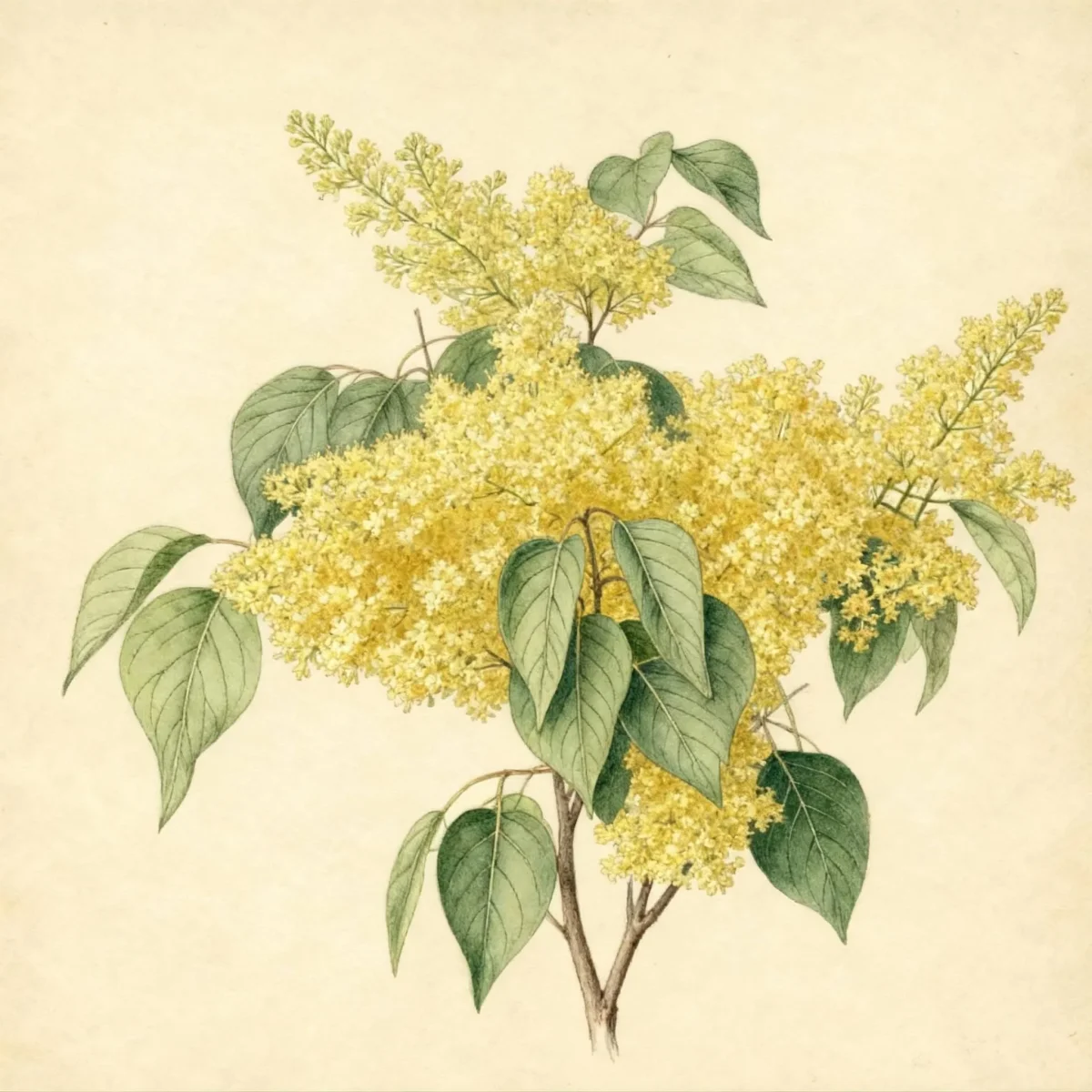
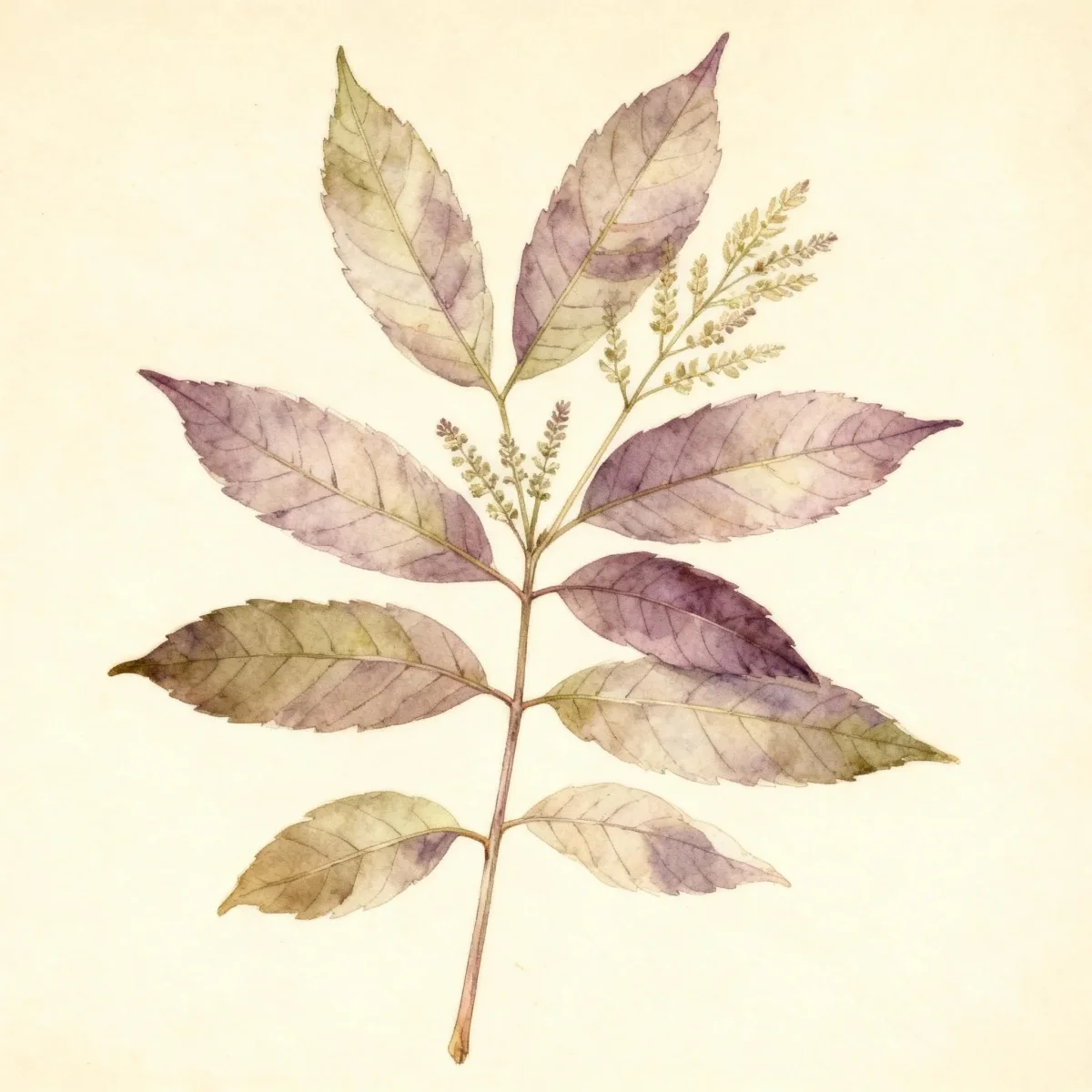
Common lilac (Syringa vulgaris 'Avalanche')
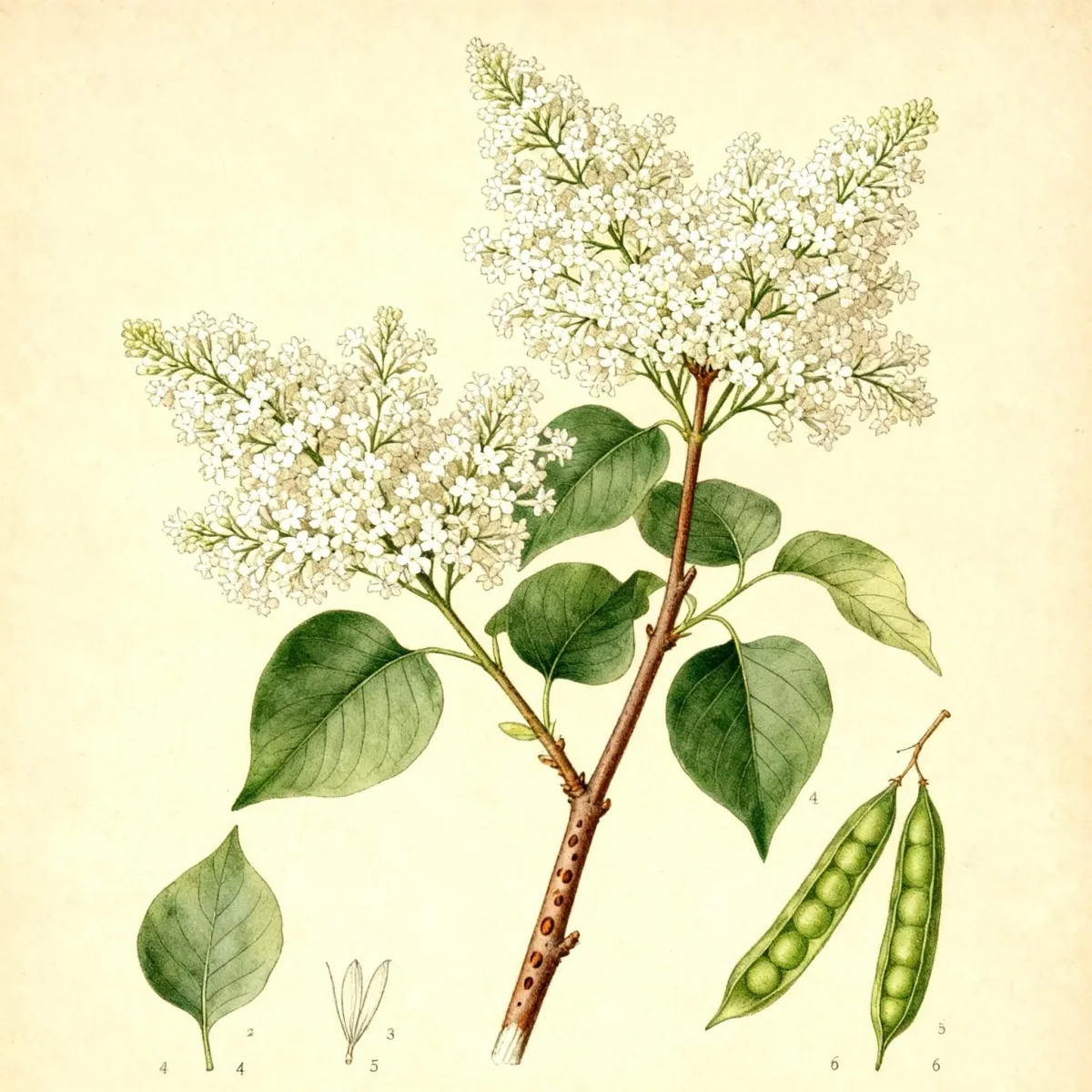
The Syringa vulgaris 'Avalanche' offers fragrant, showy white blooms in spring, ideal for cold winter landscapes. A low-maintenance Common lilac.
Scroll down to discover growing tips, care requirements, companion plants, and more
Complete Plant Information
Overview
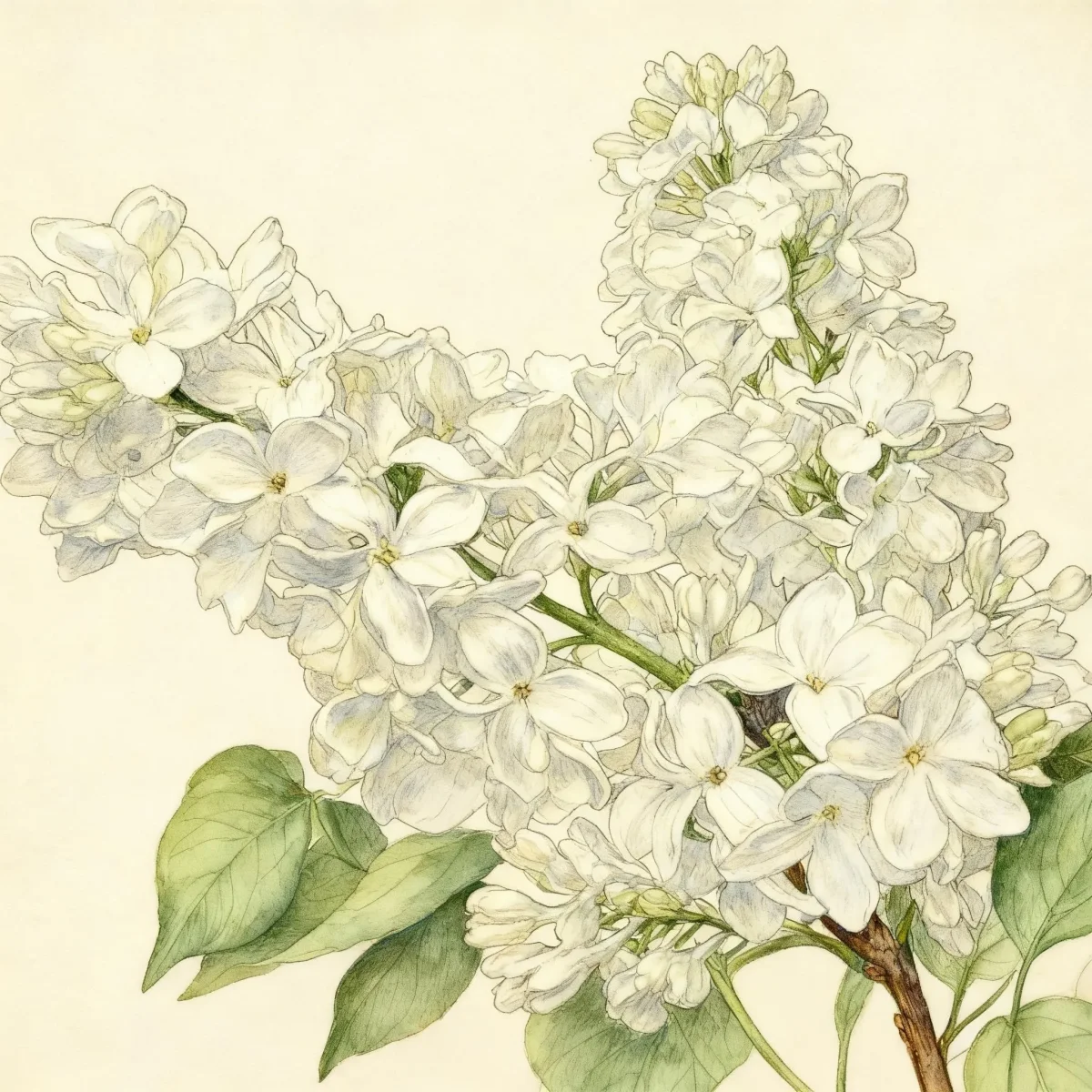
The Syringa vulgaris ‘Avalanche’, a choice cultivar of the Common lilac, is highly valued for its stunning display of intensely fragrant, pure white flowers that appear reliably in mid-to-late spring. This cultivar provides the classic lilac experience but in a refined size, maturing between 7 and 9 feet tall, making it excellent for smaller gardens or defined borders. While many lilacs have long been celebrated, the ‘Avalanche’ selection stands out for its consistent performance in colder climates.
As a deciduous shrub, this plant thrives when provided with ample sunlight, which is crucial for maximizing its prolific white blooms. Gardeners should note that the Common lilac generally requires cool summers and cold winters to initiate flowering correctly. With its low maintenance needs, Syringa vulgaris ‘Avalanche’ offers substantial aesthetic rewards without demanding excessive attention throughout the growing season.
The fragrant flowers of the ‘Avalanche’ make it invaluable for cottage gardens or near patios where the scent can be fully appreciated. Though the general species can become quite large, the smaller stature of this cultivar allows it to function well in structured hedges or as a striking specimen against evergreen backdrops. Enjoying reliable deer tolerance further increases its appeal in diverse landscape settings.
Fast Facts
- Plant Family: Oleaceae
- Plant Type: Tree
- Hardiness Zones: USDA Zones 4-7
- Size at Maturity:
- Height: 7-9 ft
- Spread: 7-9 ft
- Bloom Time: April
- Bloom Description: White
- Sun Exposure: Full sun
- Water Needs: Medium
- Maintenance Level: Low
How to Grow
Plant Syringa vulgaris ‘Avalanche’ in autumn or early spring, avoiding the heat of mid-summer. Select a location offering full sun; while it tolerates light shade, best bloom performance requires direct sun exposure for most of the day. This shrub prefers fertile, organically rich soils with good drainage, and it handles somewhat acidic to slightly alkaline pH ranges effectively. Never allow the soil to become soggy, as this hinders root health.
Water deeply and regularly when newly planted until the root system is established. Established plants require medium water, meaning supplemental water during extended dry spells is beneficial but generally not required weekly. Fertilize sparingly, if at all, using a balanced fertilizer just as dormancy breaks in spring, focusing instead on maintaining healthy soil structure. Pruning is best done immediately after the spring bloom concludes to avoid removing next year’s flower buds.
When pruning, promptly remove faded flower panicles to discourage seed set, which diverts energy from vegetative growth. You must also promptly remove any vigorous root suckers that emerge, especially if your ‘Avalanche’ is a grafted specimen, to maintain its intended form. Growers in very hot, humid climates (Zones 8 and above) should exercise caution, as insufficient chilling hours can result in unreliable flowering for the Common lilac.
Landscape Uses
The Syringa vulgaris ‘Avalanche’ excels as a reliable spring highlight in cold winter landscapes. Its moderate size, reaching up to 9 feet tall and wide, makes it perfectly suited for use in shrub borders where it can anchor the middle layer of planting. Utilize this cultivar in small groups to create an impactful mass of white fragrance earlier in the season than many other shrubs.
As noted by its classification, this shrub functions excellently as a hedge or screen, providing seasonal fragrance and structure. It is also highly recommended for cottage gardens where its classic appeal pairs beautifully with peonies and early roses. Furthermore, the fragrant blooms are highly sought after and cut well for indoor enjoyment, lending themselves perfectly to creating informal, scented bouquets.
Standout Features
Flower Qualities
- Showy
- Fragrant
- Good Cut
Noteworthy Characteristics
The parent species, Syringa vulgaris (Common lilac), is an upright, multi-stemmed, suckering deciduous shrub native to southeastern Europe, widely spread across cultivation since the 1500s. The ‘Avalanche’ cultivar specifically features fragrant, single, white flowers blooming in impressive upright panicles throughout April and May. While the characteristic fragrance is a major draw, note that common lilac generally lacks significant fall foliage color and may suffer from powdery mildew later in the season.
Tolerances
- Deer
- Clay Soil
Potential Problems
The most frequent cosmetic issue affecting Common lilac varieties, including ‘Avalanche,’ is powdery mildew, which develops as unsightly whitish-gray patches on the foliage during the summer. While this typically does not cause permanent harm to the shrub, it detracts significantly from summer appearance; planting mildew-resistant cultivars or ensuring good air circulation can mitigate this. Other disease risks include various blights and wilts, while pests like scales and borers can occasionally pose issues. Thorough sanitation and selecting a sunny location with good air flow are essential preventative measures for maintaining healthy foliage on your Syringa vulgaris ‘Avalanche’.
Frequently Asked Questions
What hardiness zones is Common lilac suitable for?
The Syringa vulgaris ‘Avalanche’ is suitable for USDA Hardiness Zones 4 through 7.
How large does Common lilac grow?
This cultivar typically reaches a mature height between 7 and 9 feet, with a spread ranging from 7 to 9 feet.
When does Syringa vulgaris ‘Avalanche’ bloom?
This variety blooms reliably in April, producing beautiful white flowers.
What sun exposure does Syringa vulgaris ‘Avalanche’ need?
For the best possible bloom display, this plant requires full sun exposure.
Conclusion
The Syringa vulgaris ‘Avalanche’ represents a fantastic choice for gardeners seeking the quintessential fragrance and beauty of the Common lilac in a manageable, robust package. Its showy white flowers and low maintenance make it a staple for cold-climate spring gardens, and its deer tolerance adds practical value. Before planting, ensure your location provides full sun and confirm you are situated within USDA Zones 4-7 to guarantee successful, fragrant blooms next spring.
Companion Planting
When planning an area around your Syringa vulgaris ‘Avalanche’, consider plants that share similar cultural needs regarding sun and medium moisture levels. Early-flowering bulbs like Narcissus (Daffodils) or Tulips provide groundwork color before the lilac fully leafs out. For summer interest after the bloom cycle finishes, pair it with later-blooming shrubs or perennials, such as Peonies or German Iris, which appreciate the partial shade the lilac might cast later in the season while enjoying similarly well-drained soil.
Propagation Tips
While the Common lilac can be tricky to propagate due to its suckering nature, the ‘Avalanche’ cultivar can be successfully increased via cuttings. The expert method suggests taking semi-hardwood cuttings in the spring, just as the plant shows good new growth but before the season heats up significantly. Ensure cuttings are placed in a rooting medium under humid, semi-shaded conditions to encourage root development. Removing root suckers, though necessary for grooming grafted plants, can also be considered a form of vegetative propagation, though these offspring may not genetically match the desired cultivar unless the mother plant is ungrafted.