Witch hazel (Hamamelis × intermedia 'Spanish Spider')
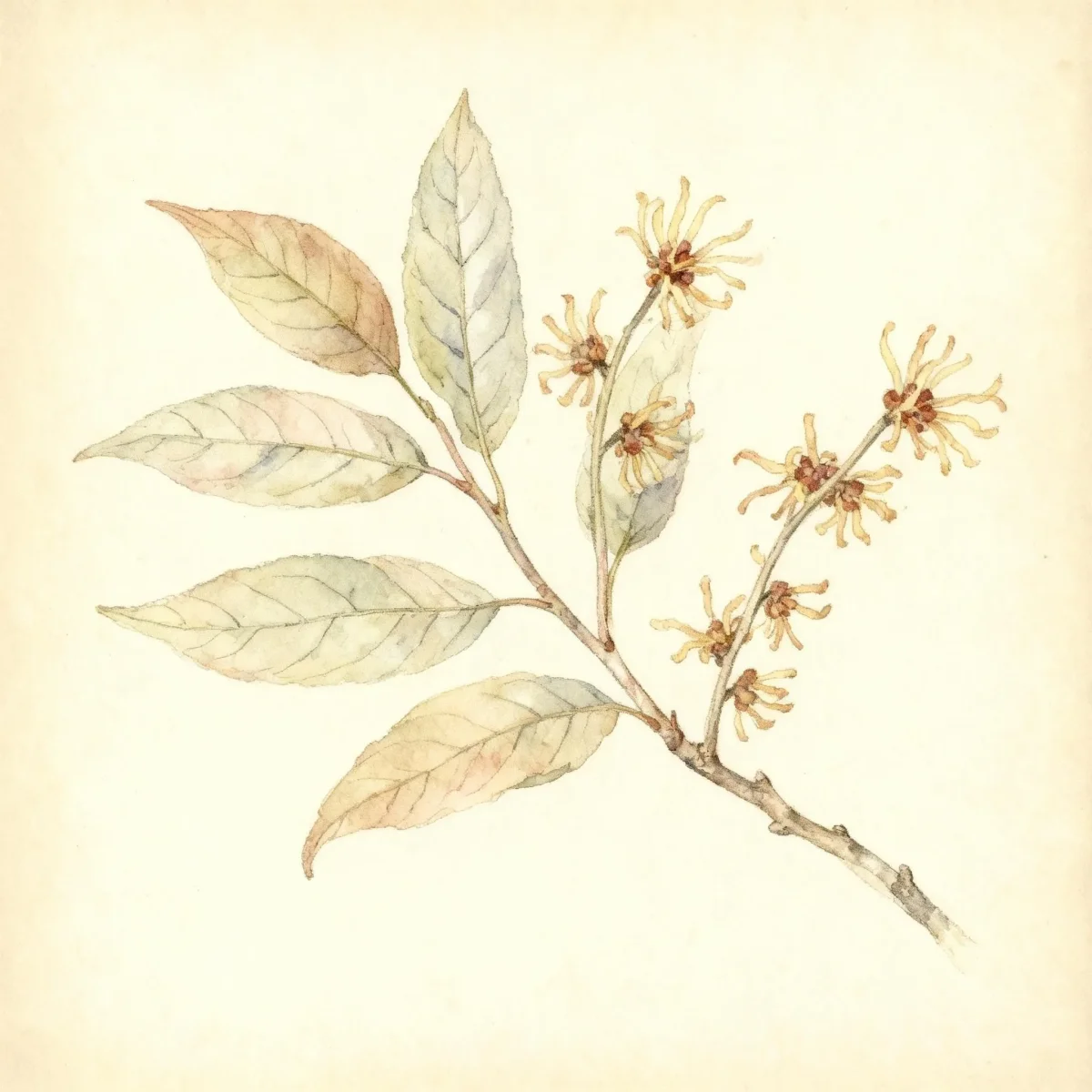
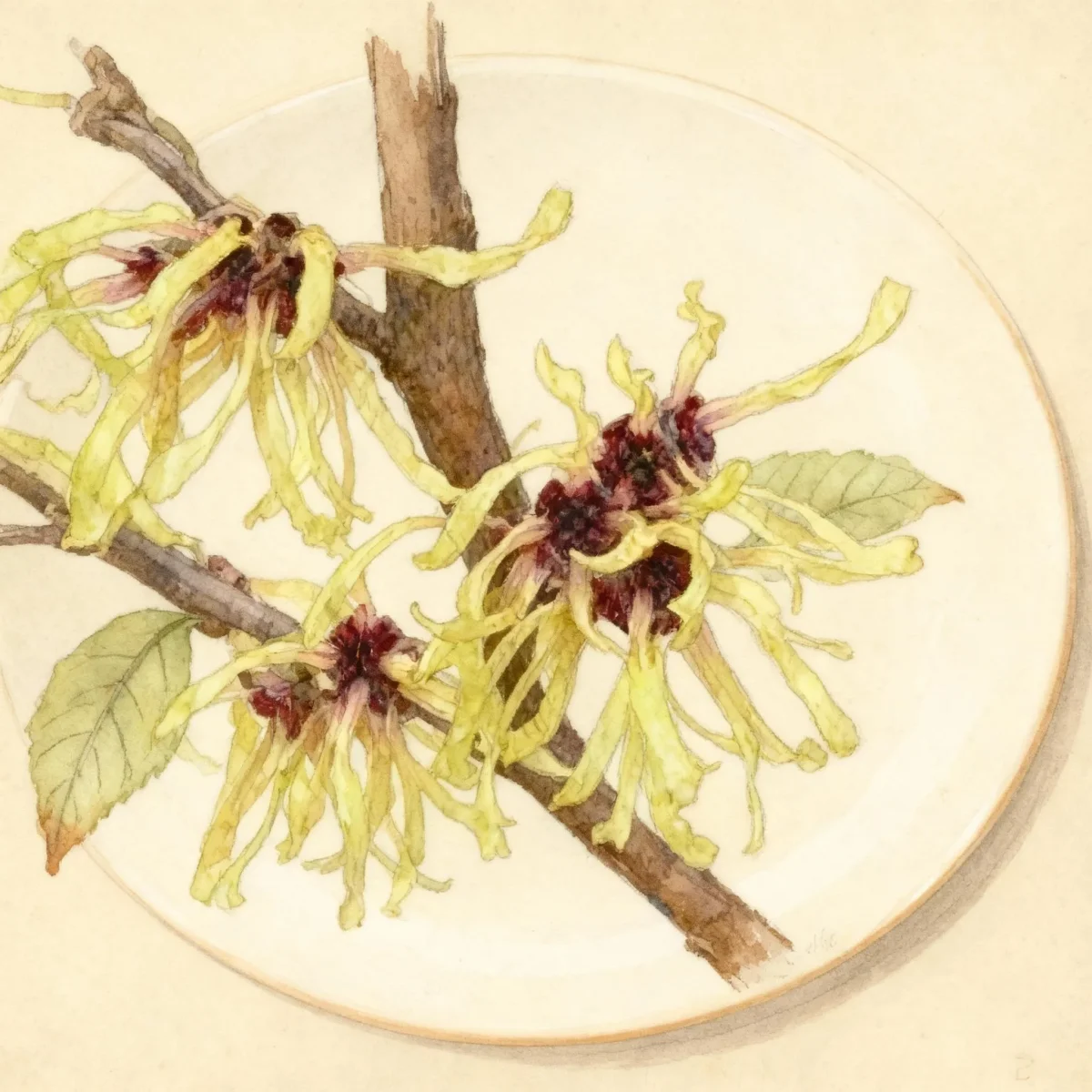
Hamamelis × intermedia 'Spanish Spider' is a striking Witch hazel known for its mid-winter yellow blooms on bare stems.
Scroll down to discover growing tips, care requirements, companion plants, and more
Complete Plant Information
Overview
Hamamelis × intermedia ‘Spanish Spider’ is a sensational deciduous shrub, highly valued for injecting vibrant color into the dormant winter landscape. As a prized Witch hazel hybrid, it offers a dramatic display of spidery, yellow-tinged-with-red flowers along bare branches when few other plants are active. This upright shrub typically reaches 10 to 12 feet tall, making it an excellent structural component in any garden scheme. Gardeners appreciate the Hamamelis × intermedia ‘Spanish Spider’ for its low maintenance needs and robust adaptability once established, providing essential late winter interest.
Fast Facts
- Plant Family: Hamamelidaceae
- Plant Type: Deciduous shrub
- Hardiness Zones: USDA Zones 5-8
- Size at Maturity:
- Height: 10-12 ft
- Spread: 6-9 ft
- Bloom Time: January to March
- Bloom Description: Yellow petals
- Sun Exposure: Full sun to part shade
- Water Needs: Medium
- Maintenance Level: Low
How to Grow
Plant Hamamelis × intermedia ‘Spanish Spider’ during the dormant season, ideally in fall or early spring, ensuring its location receives full sun for the best winter flowering performance. This Witch hazel thrives in average, medium-moisture, well-drained soils. It particularly favors soils that are acidic and organically rich, so amending heavy sites with compost is beneficial.
Maintain medium soil moisture levels throughout the growing season, as consistent water is best; inconsistent watering can lead to leaf scorch during summer drought periods. While this shrub tolerates clay soils, ensure drainage remains good to prevent root issues. Fertilization is rarely necessary if the soil is rich; focus instead on keeping the area around the base well-mulched.
Pruning should be performed promptly in the spring immediately after the flowering period concludes, allowing you to shape the shrub or control size. A crucial aspect of Hamamelis care is removing any root suckers that arise, especially those originating below the graft union, to maintain the desired cultivar integrity and prevent unwanted colonial spread of the Witch hazel.
Landscape Uses
The upright structure of Hamamelis × intermedia ‘Spanish Spider’ makes it superb as a specimen plant, drawing the eye during winter months. It serves wonderfully as a screen or tall hedge due to its dense, woody habit when leafless. Incorporate this Witch hazel into woodland gardens where dappled winter sun can reach the branches, or use it within shrub borders to anchor seasonal color transitions.
Due to its tolerance for varying conditions, it fits well alongside other durable, late-season interest plants. Consider pairing it with evergreen structure plants that offer contrast when the ‘Spanish Spider’ is bare, such as dark green pines or broadleaf evergreens, ensuring year-round garden structure.
Standout Features
Flower Qualities
- Showy
Noteworthy Characteristics
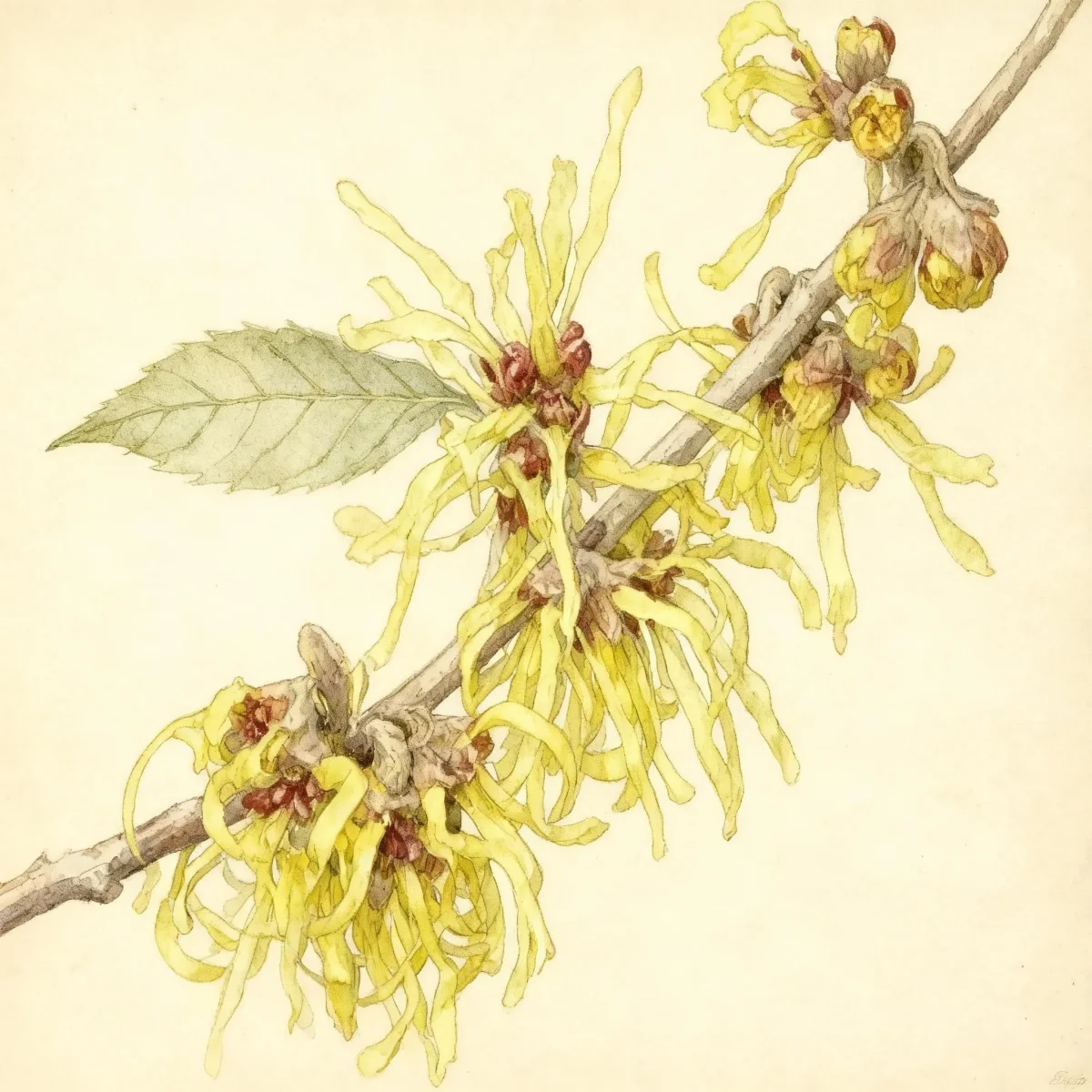
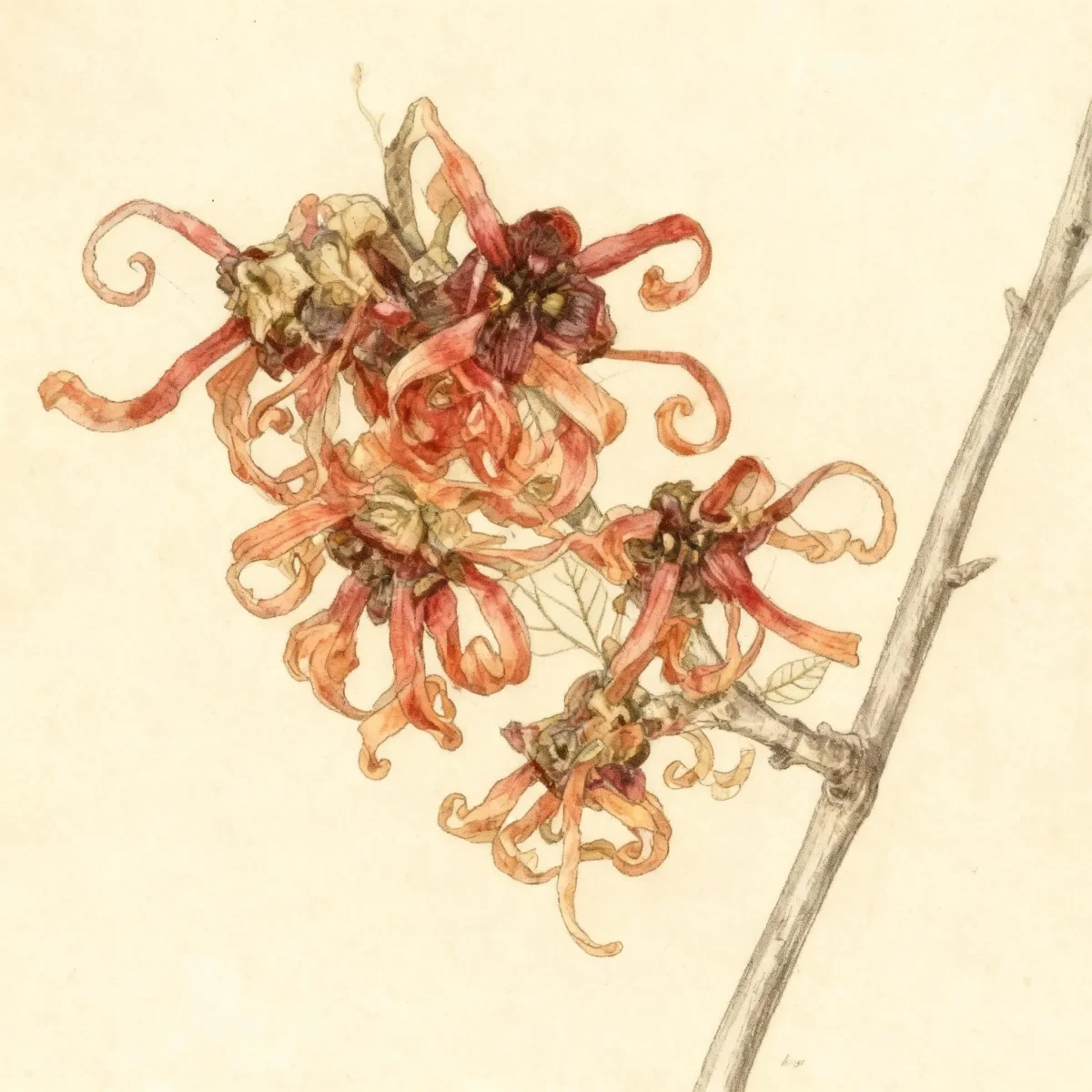
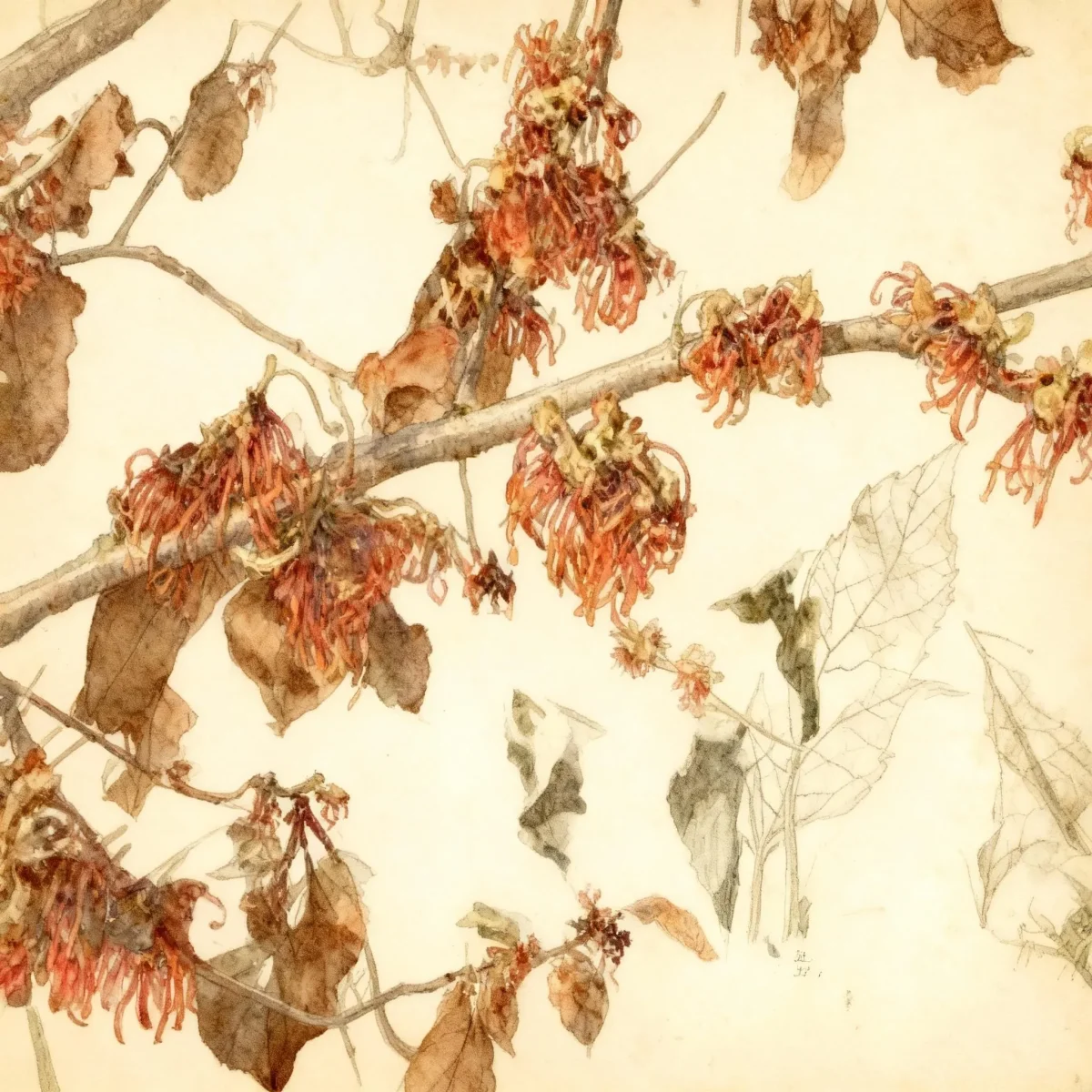
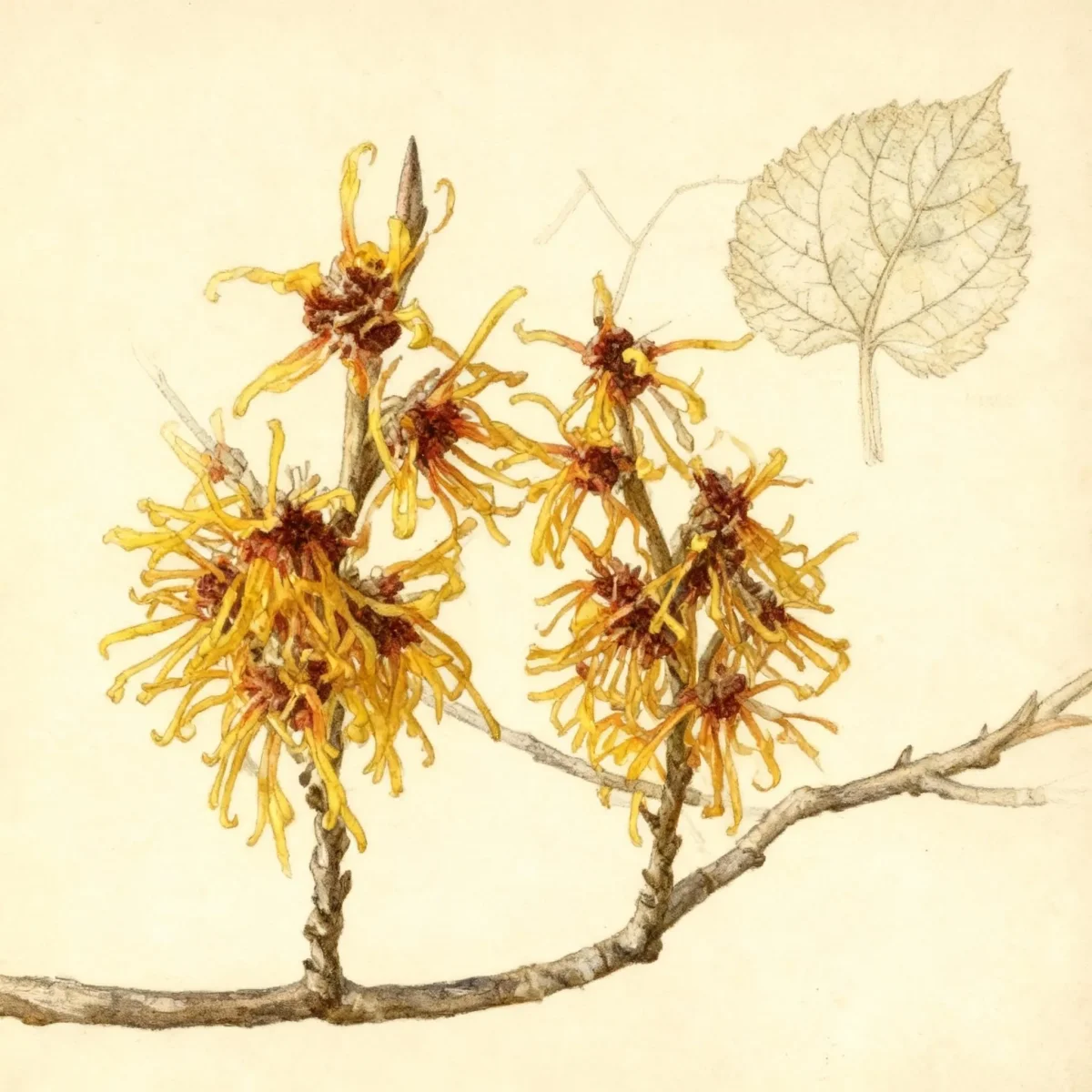
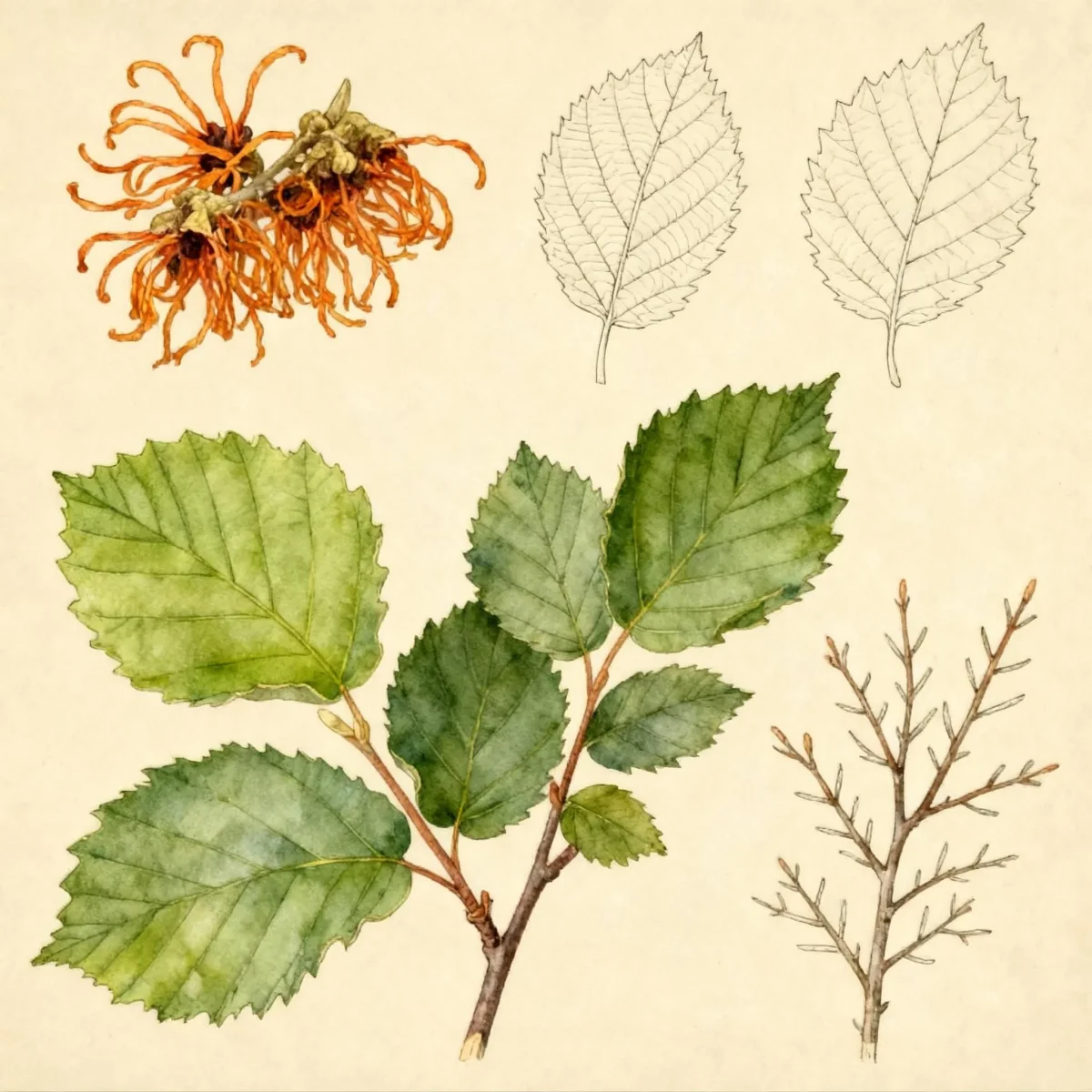
Hamamelis × intermedia hybrids are crosses between Japanese witch hazel (H. Japonica) and Chinese witch hazel (H. Mollis). They are particularly noted for their spidery, mid- to late winter flowers which appear before the spring foliage emerges. ‘Spanish Spider’ features distinctive yellow flowers tinged with red, presenting narrow, ribbon-like, twisted petals along the bare stems starting in mid- to late winter. The young leaves emerge yellowish green with reddish-brown tints before maturing and turning yellow in the fall.
Tolerances
- Deer
- Erosion
- Clay Soil
Potential Problems
Insect and disease issues affecting Hamamelis × intermedia ‘Spanish Spider’ are generally minor and seldom require intensive chemical intervention. Caterpillars and Japanese beetles might chew on the summer foliage. Be observant for potential pests like gall aphids, scale insects, leafrollers, and leafminers. Potential diseases include powdery mildew, occasional leaf spots, and soil-related rots. Maintaining good air circulation and providing consistent moisture helps keep the plant vigorous and less susceptible to issues.
Frequently Asked Questions
What hardiness zones is Witch hazel suitable for?
This Witch hazel hybrid, Hamamelis × intermedia ‘Spanish Spider’, is typically suited for USDA Hardiness Zones 5 through 8.
How large does Hamamelis × intermedia ‘Spanish Spider’ grow?
At full maturity, this upright shrub generally achieves a height between 10 and 12 feet, with a spread ranging from 6 to 9 feet wide.
What sun exposure does Witch hazel need?
For the absolute best flowering performance from your Hamamelis × intermedia ‘Spanish Spider’, aim for full sun, though it will tolerate partial shade.
When does Hamamelis × intermedia ‘Spanish Spider’ bloom?
This variety provides spectacular color from January through March, displaying its unique yellow petals before leaf-out.
Conclusion
The striking winter flowers of Hamamelis × intermedia ‘Spanish Spider’ make this Witch hazel a cornerstone in cold-weather landscaping. Its reliable performance, coupled with seasonal interest from changing foliage in autumn, guarantees year-round garden value. Ensure your planting site offers good drainage and consider the full sun requirement to maximize the signature winter bloom of this excellent shrub.
Design Ideas
When planning your winter garden layout, consider the Hamamelis × intermedia ‘Spanish Spider’ as a focal point near gathering areas or visible windows. Its unique bloom time means it needs companions that either offer strong evergreen structure or provide contrasting color in late winter, such as deep purple hellebores or hardy, dark-leafed grasses. Position it where its subtle winter structure can be appreciated against a dark backdrop, highlighting the delicate yellow ribbons of its flowers.
Companion Planting
The culturally similar Japanese Witch hazel (Hamamelis japonica) or Chinese Witch hazel (Hamamelis mollis) share similar soil and sun needs, making them excellent companions for textural variation without complicated care adjustments. If you need mid-level screening around the base, consider low-growing evergreen groundcovers or early-blooming spring bulbs like snowdrops (Galanthus) or winter aconite (Eranthis), which emerge just as the Hamamelis bloom fades.