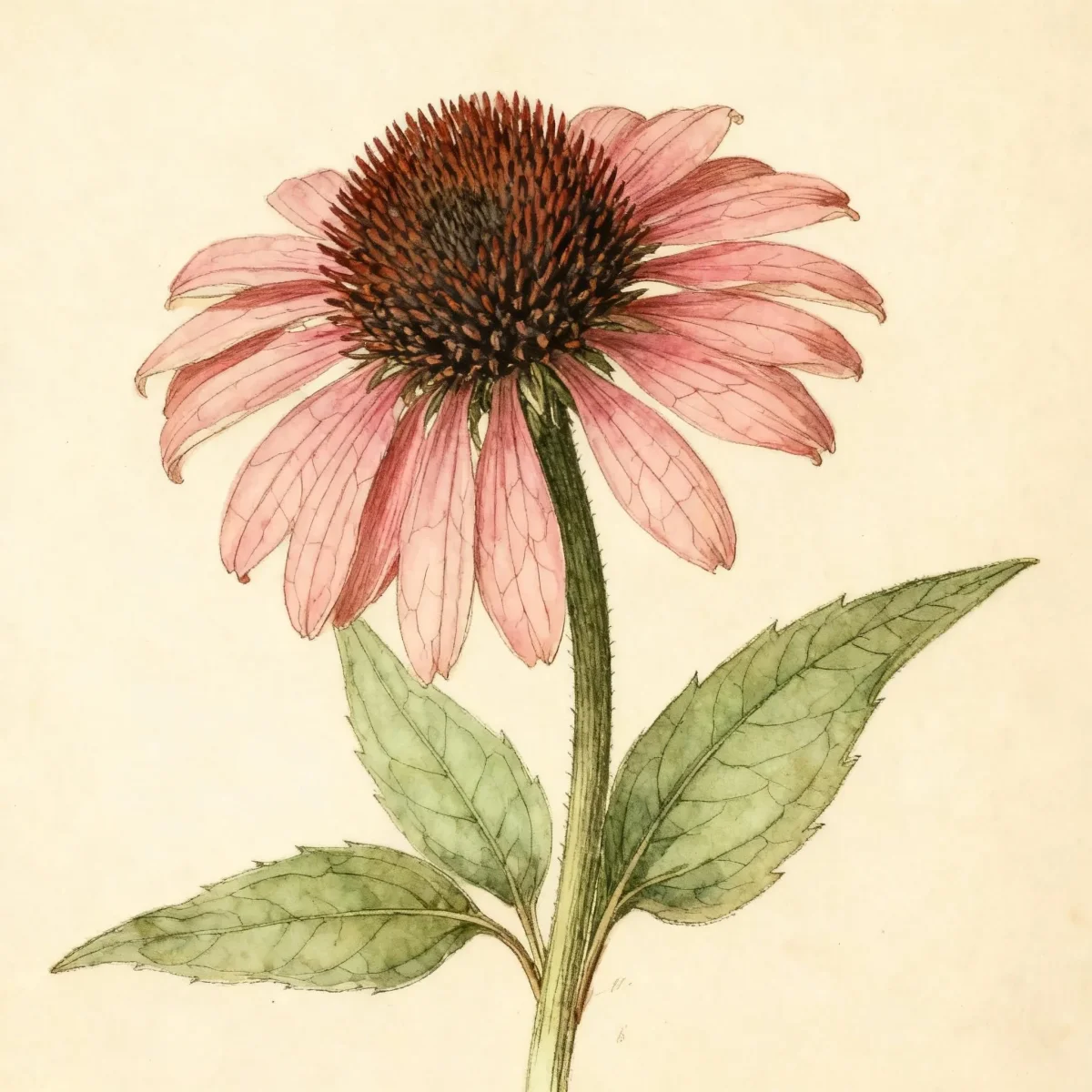
Coneflower (Echinacea 'Flame Thrower')
Vibrant Echinacea 'Flame Thrower' Coneflower boasts orange/yellow blooms, handles drought, and attracts pollinators. Low maintenance.
Scroll down to discover growing tips, care requirements, companion plants, and more
Complete Plant Information
Overview
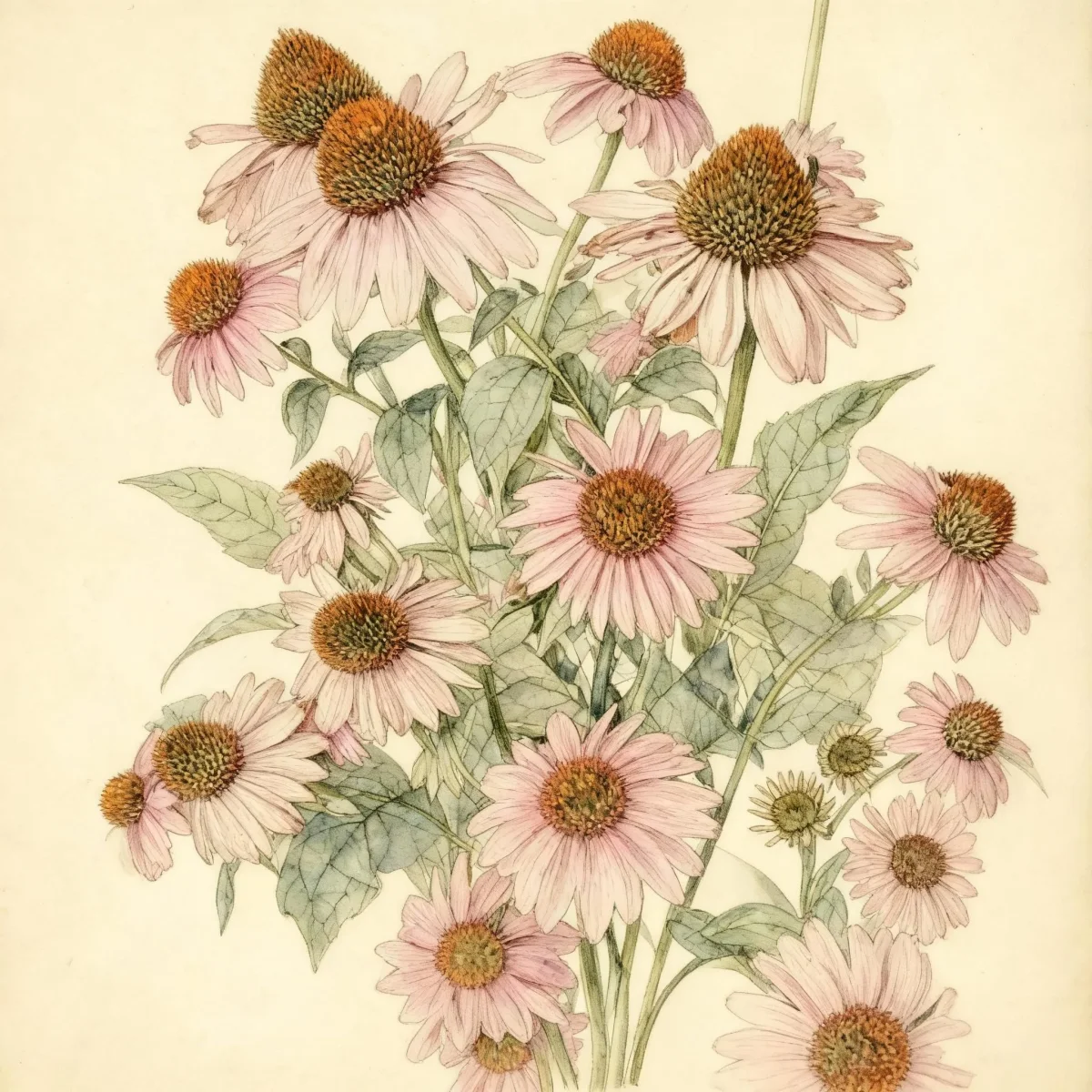
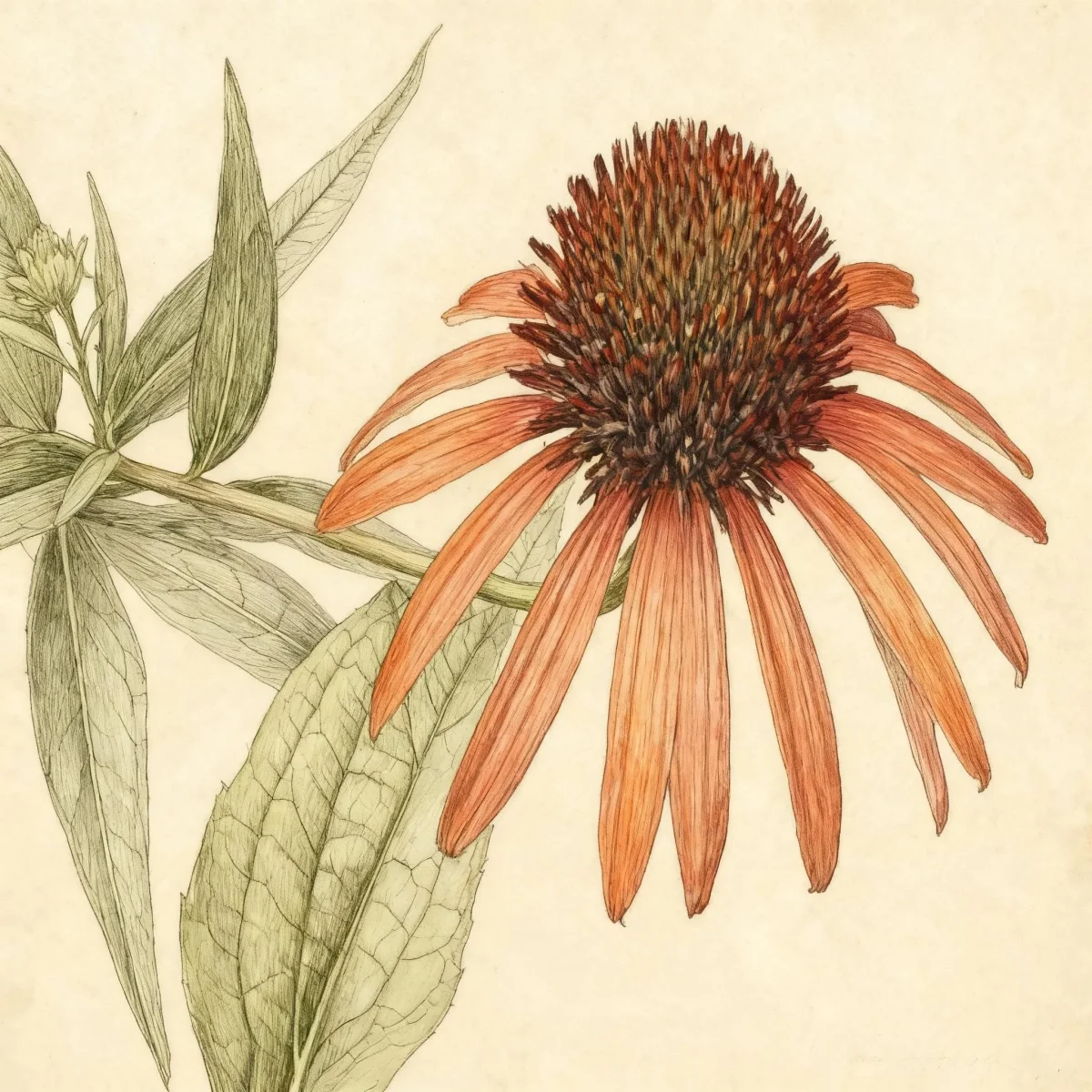
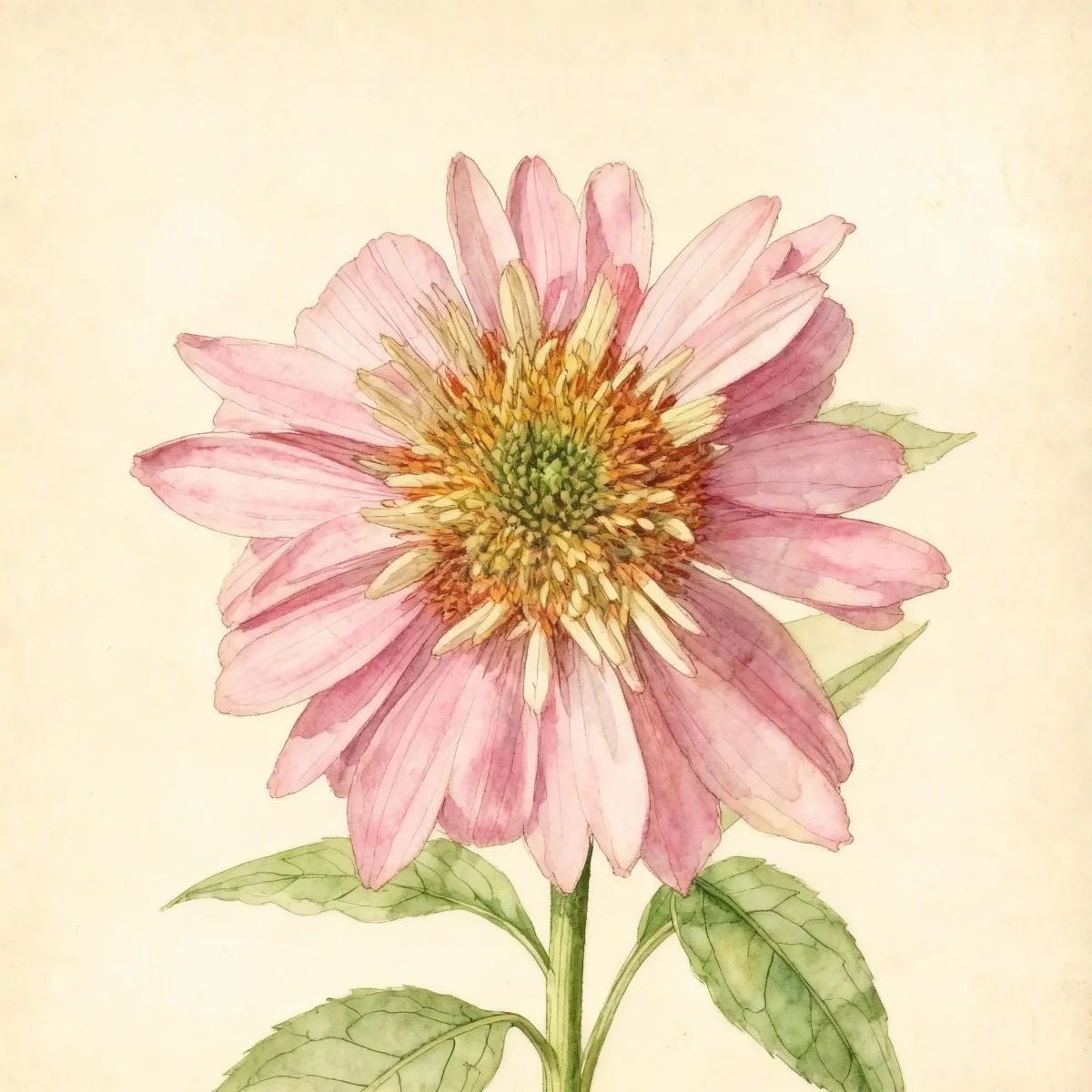
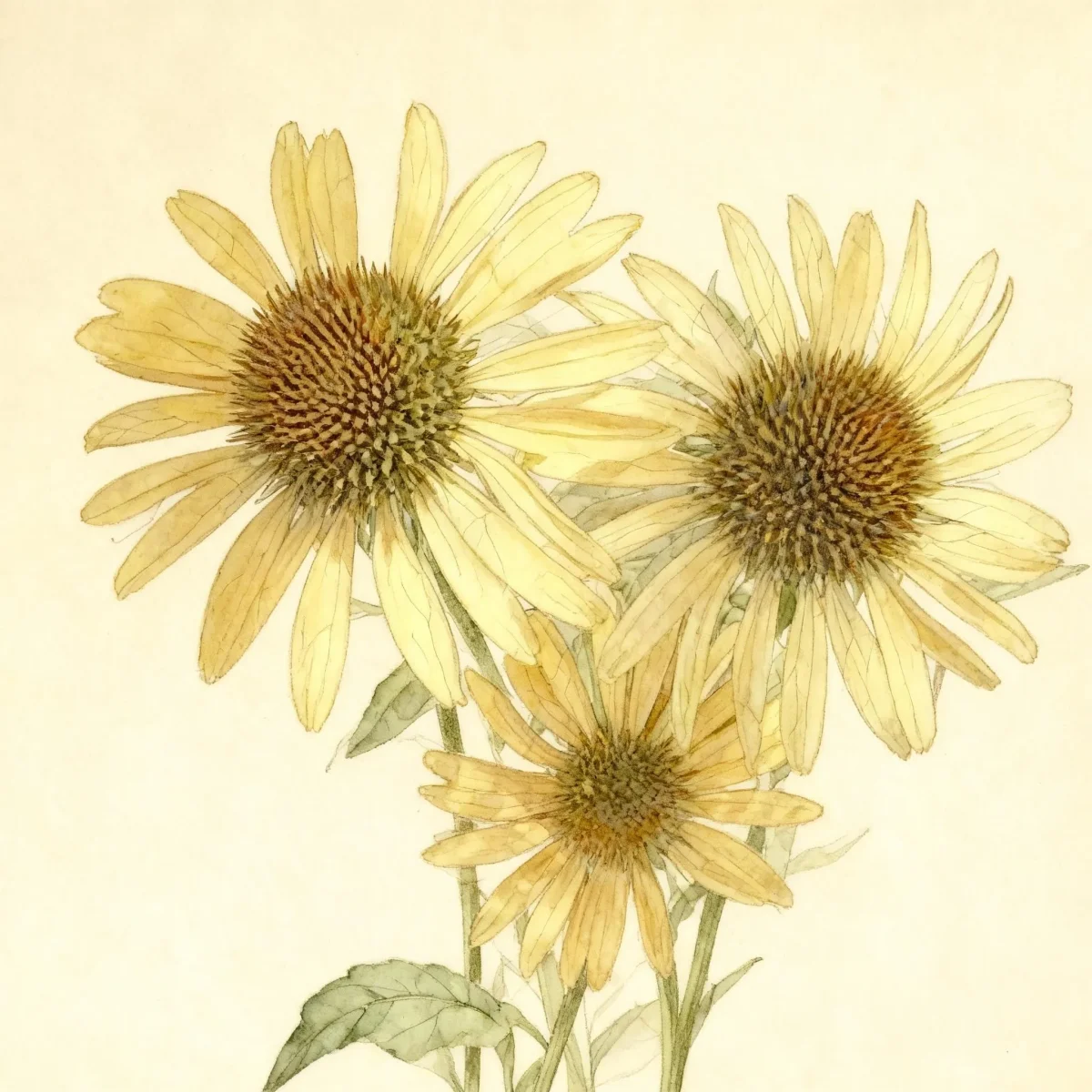
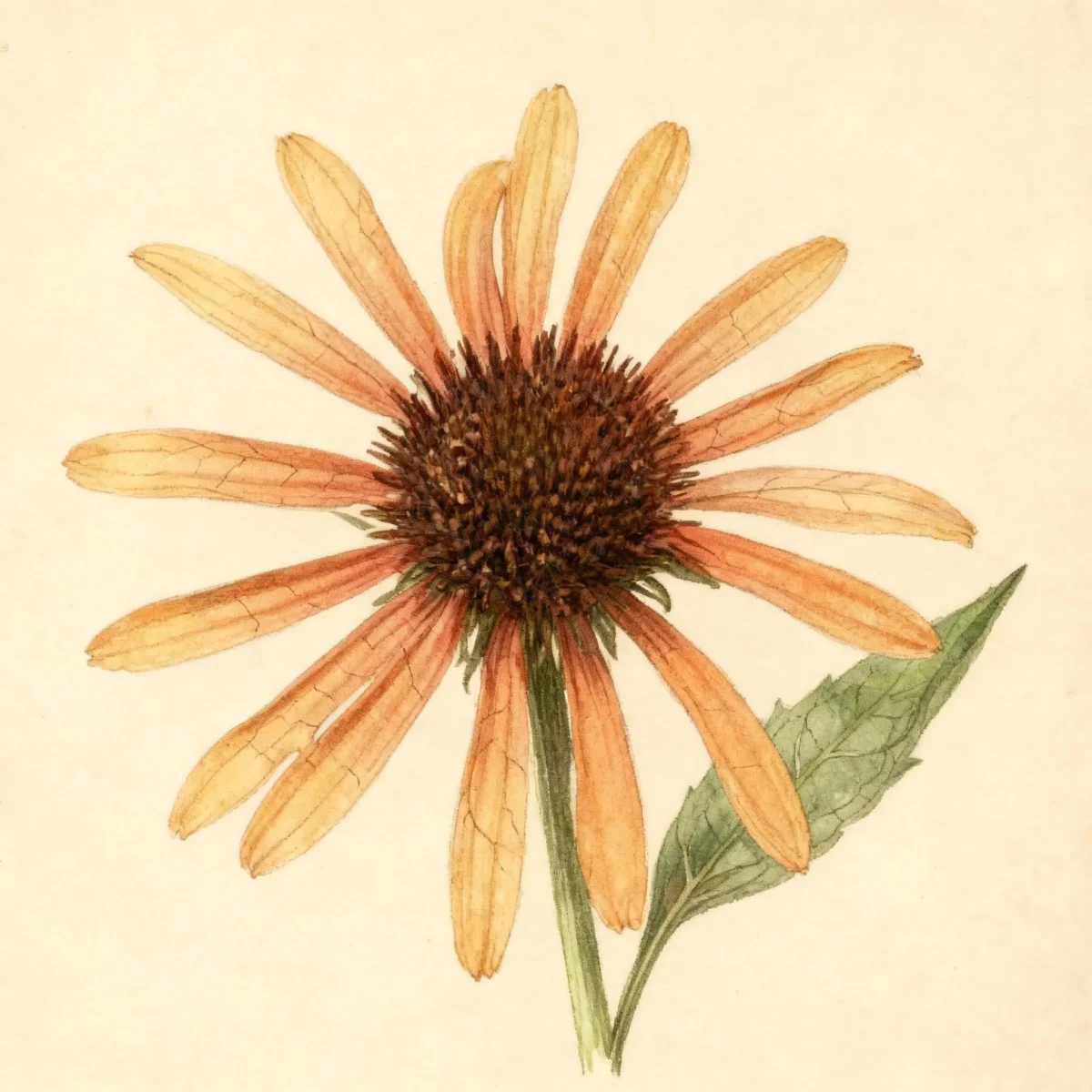
Echinacea ‘Flame Thrower’ brings intense, two-toned color to the summer garden, defined by its striking orange and yellow ray flowers surrounding a dark amber cone. As a standout cultivar of the popular Coneflower, it maintains the rugged constitution the genus is known for while providing exceptional visual impact. Gardeners prize this variety for its sturdy, well-branched stems, achieving heights up to 3 feet without needing support.
This herbaceous perennial is highly adaptable, thriving even in challenging conditions once established. Its primary beauty lies in its long bloom period, showering warm tones across the landscape from early summer through late August. Planting Echinacea ‘Flame Thrower’ ensures ongoing interest, as the spent dark cones remain standing, offering valuable winter texture and bird food.
The robust nature of the Coneflower makes it a low-effort addition to perennial borders. It attracts essential pollinators like butterflies and provides excellent material for both fresh cuts and dried arrangements. Deciding where to plant Echinacea ‘Flame Thrower’ is easy given its tolerance for heat and humidity.
Fast Facts
- Plant Family: Asteraceae
- Plant Type: Herbaceous perennial
- Hardiness Zones: USDA Zones 3-8
- Size at Maturity:
- Height: 2.5-3 ft
- Spread: 2.5-3 ft
- Bloom Time: June to August
- Bloom Description: Orange/yellow rays with orange center cone
- Sun Exposure: Full sun to part shade
- Water Needs: Dry to medium
- Maintenance Level: Low
How to Grow
For optimal performance, plant Echinacea ‘Flame Thrower’ in the spring or early fall when conditions are moderate. The plant demands full sun for the best flowering, although it will tolerate part shade, which may result in fewer blooms. It thrives in average soils, provided they are well-drained. Excellent drainage is key, as standing water exasperates root issues common to many perennials.
Maintenance for this Coneflower is refreshingly low. Water deeply but infrequently once established, as this variety is highly tolerant of drought, heat, and humidity. Fertilizing is generally unnecessary, especially if the native soil is moderately rich. While plants rebloom well without deadheading, prompt removal of spent flowers encourages a continuation of bloom throughout the season and keeps the clump looking tidy.
Division is only needed when the clumps become overcrowded, typically every three to four years. This is the best time to propagate new plants, although Echinacea ‘Flame Thrower’ can also be grown from seed if desired. Minimal winter preparation is required; leaving the dried seed heads standing provides winter interest and food for goldfinches.
Landscape Uses
Echinacea ‘Flame Thrower’ excels when used to anchor the middle or back of a sunny border, providing reliable vertical accents. Its vivid orange and yellow tones create striking contrast against cooler blues and purples, making it an ideal partner for Salvia or Russian Sage. For a dramatic effect that maximizes visual impact, mass planting or using them in large groupings is highly recommended.
This robust Coneflower also performs beautifully in more naturalized settings, such as rock gardens or the drier fringes of woodland areas where it still receives adequate sunlight. Due to its tolerance for dry, shallow, or rocky soils, it is a perfect choice for xeriscaping or difficult slopes where less adaptable plants fail. The upright habit of Echinacea ‘Flame Thrower’ ensures that the garden structure remains intact late into the season.
Standout Features
Flower Qualities
- Showy
- Fragrant
Noteworthy Characteristics
Genus name of Echinacea comes from the Greek word echinos meaning hedgehog or sea urchin in reference to the spiny center cone found on most flowers in the genus. ‘Flame Thrower’ is a bright, two-toned, orange and yellow coneflower, typically growing to 34-40” tall on sturdy, well-branched stems. These large, daisy-like flowers feature vibrant rays surrounding a dark burnt amber center cone, ensuring high visibility.
Tolerances
- Deer
- Drought
- Clay Soil
- Dry Soil
- Shallow-Rocky Soil
Potential Problems
All coneflowers, including Echinacea ‘Flame Thrower’, can occasionally suffer from aster yellows, a systemic disease that distorts growth. Fungal and bacterial leaf spots may also appear; ensure good air circulation around the plants to mitigate humidity-related issues. Pests to watch for include erythroid mites and Japanese beetles, both of which can chew on the foliage and blooms. Early detection and sometimes removal or targeted treatment are necessary if infestations become severe.
Frequently Asked Questions
What hardiness zones is Coneflower suitable for?
Echinacea ‘Flame Thrower’ is well-suited for USDA Zones 3 through 8.
How large does Coneflower (Echinacea ‘Flame Thrower’) grow?
This variety typically reaches a height between 2.5 and 3 feet, spreading out to a similar width of 2.5 to 3 feet.
What sun exposure does Coneflower need?
It performs best in full sun exposure but is adaptable enough to handle light or part shade scenarios.
When does Echinacea ‘Flame Thrower’ bloom?
This Coneflower blooms reliably from June through August, displaying attractive orange/yellow rays with an orange center cone.
Conclusion
Echinacea ‘Flame Thrower’ offers striking, long-lasting color and exceptional hardiness, making it a cornerstone plant for sustainable summer gardens. Its resilience against drought and poor soil quality, combined with its appeal to pollinators, confirms the value of this superb Coneflower cultivar. Verify your local USDA zone compatibility before planting this magnificent perennial this season.
Wildlife Benefits
Coneflowers are superstars for supporting local ecosystems, and Echinacea ‘Flame Thrower’ is no exception. The large, open flower structure provides an excellent landing platform for numerous butterfly species, offering them abundant nectar throughout the active summer months. Beyond the flowers, the dried, darkened cones left standing in winter become vital food sources.
Goldfinches are particularly fond of the seeds contained within the center cone of the Coneflower. Leaving the stems standing through fall and winter ensures these birds have a consistent, high-energy food supply when other resources are scarce. This dual benefit—summer nectar for insects and winter seed for birds—boosts the ecological value of this plant significantly.
Companion Planting
Because Echinacea ‘Flame Thrower’ prefers well-drained, average to dry soil and full sun, companion plants should share similar cultural requirements to promote healthy, low-maintenance gardening. Excellent partners include drought-tolerant native grasses like Little Bluestem (Schizachyrium scoparium) for texture contrast. Other reliable dryland companions include Russian Sage (Perovskia atriplicifolia) or various Sedums which harmonize beautifully with the Coneflower’s structure.
Avoid planting this variety directly next to moisture-loving plants, as the resulting competition for drainage can stress the Echinacea. Aim for drifts of perennials that bloom slightly before or after the mid-summer peak of the Coneflower to ensure continuous color interest across the entire growing season.