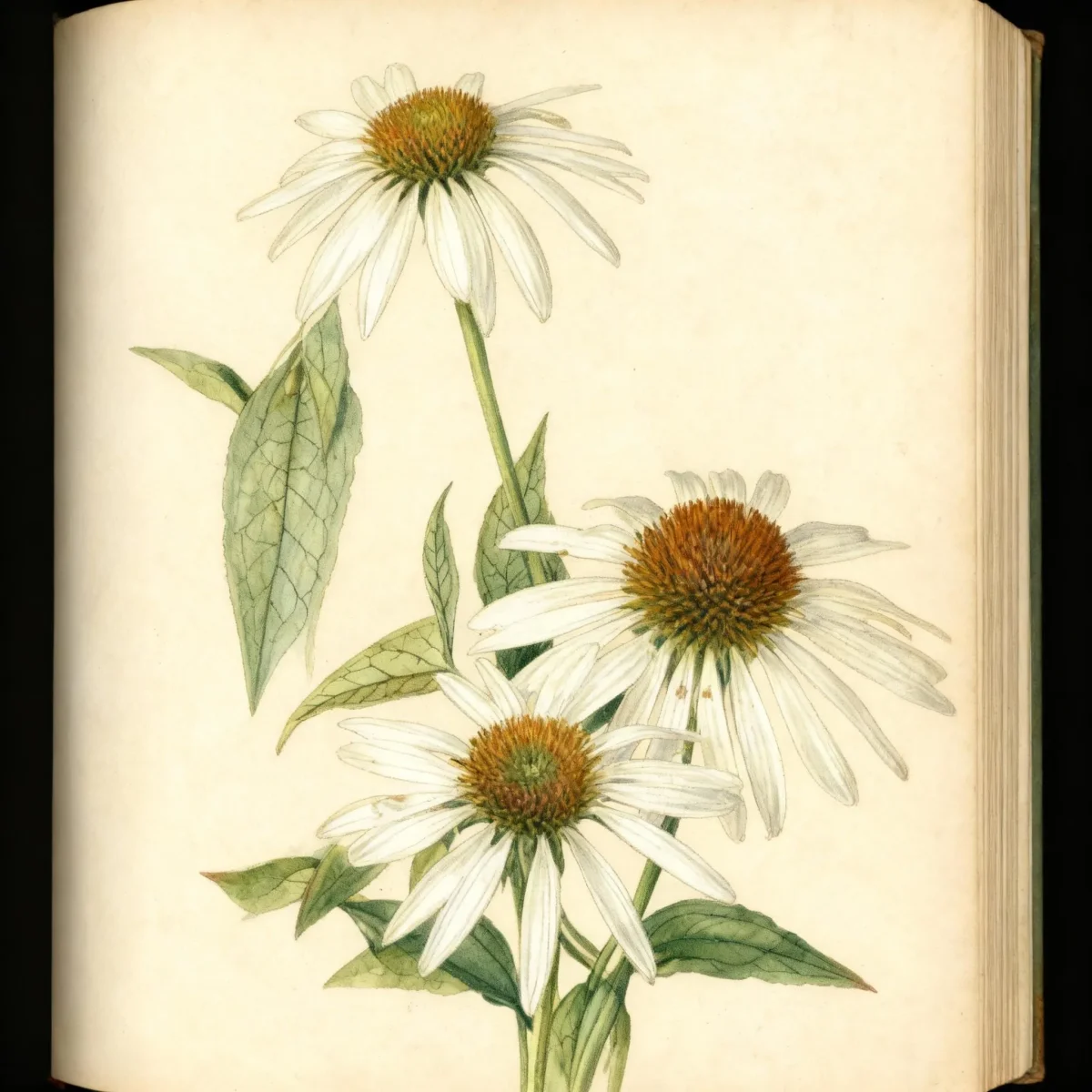
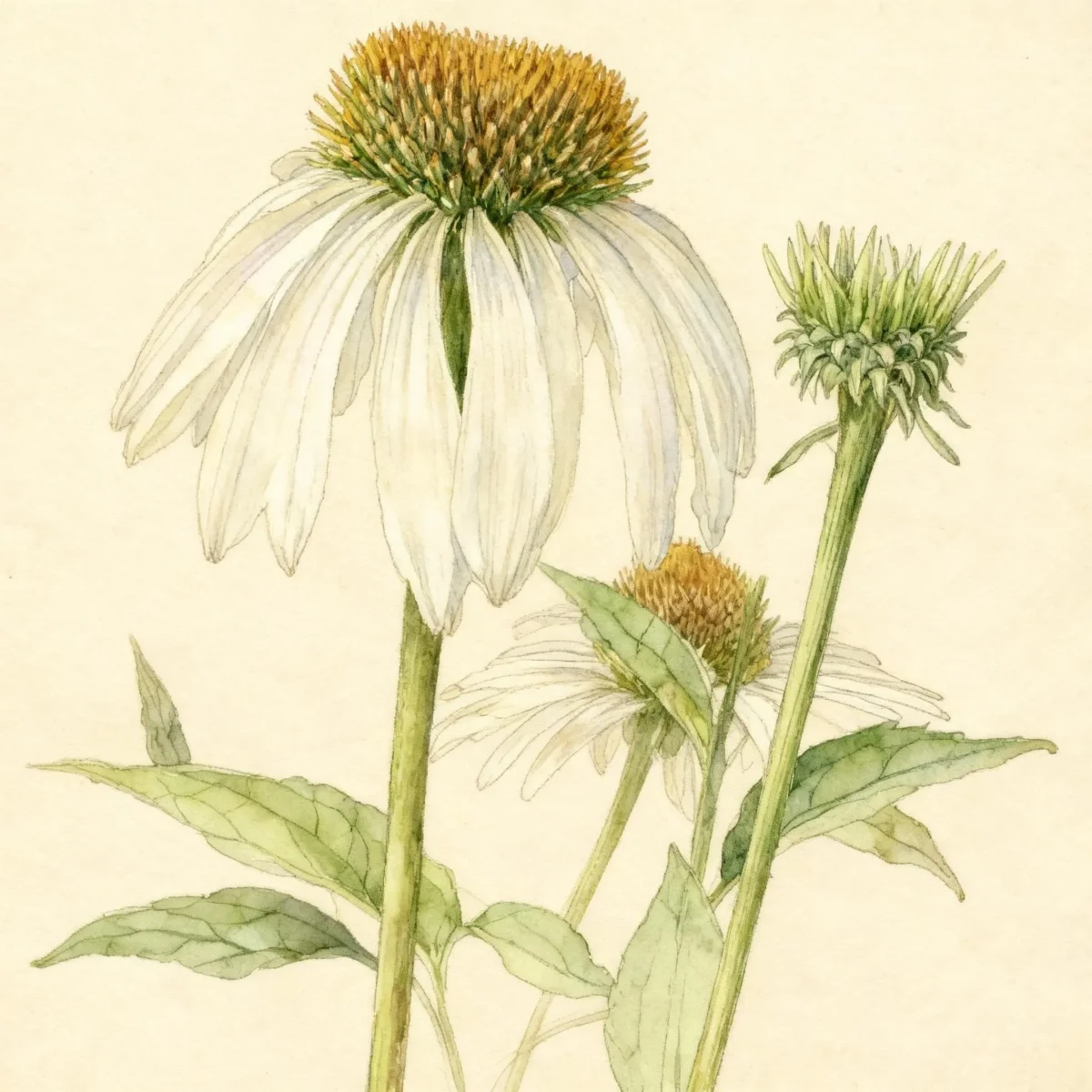
Purple coneflower (Echinacea purpurea 'Green Eyes')
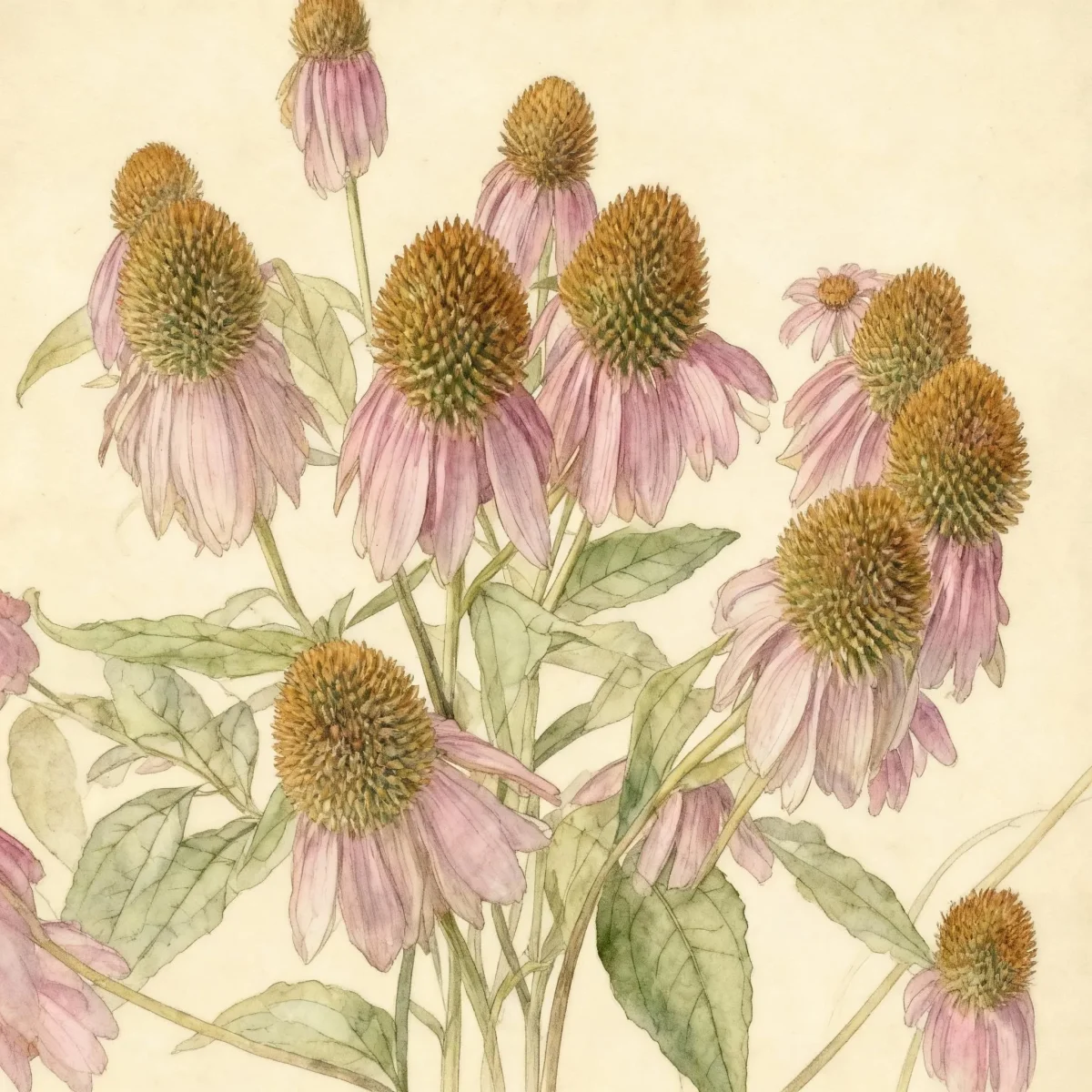
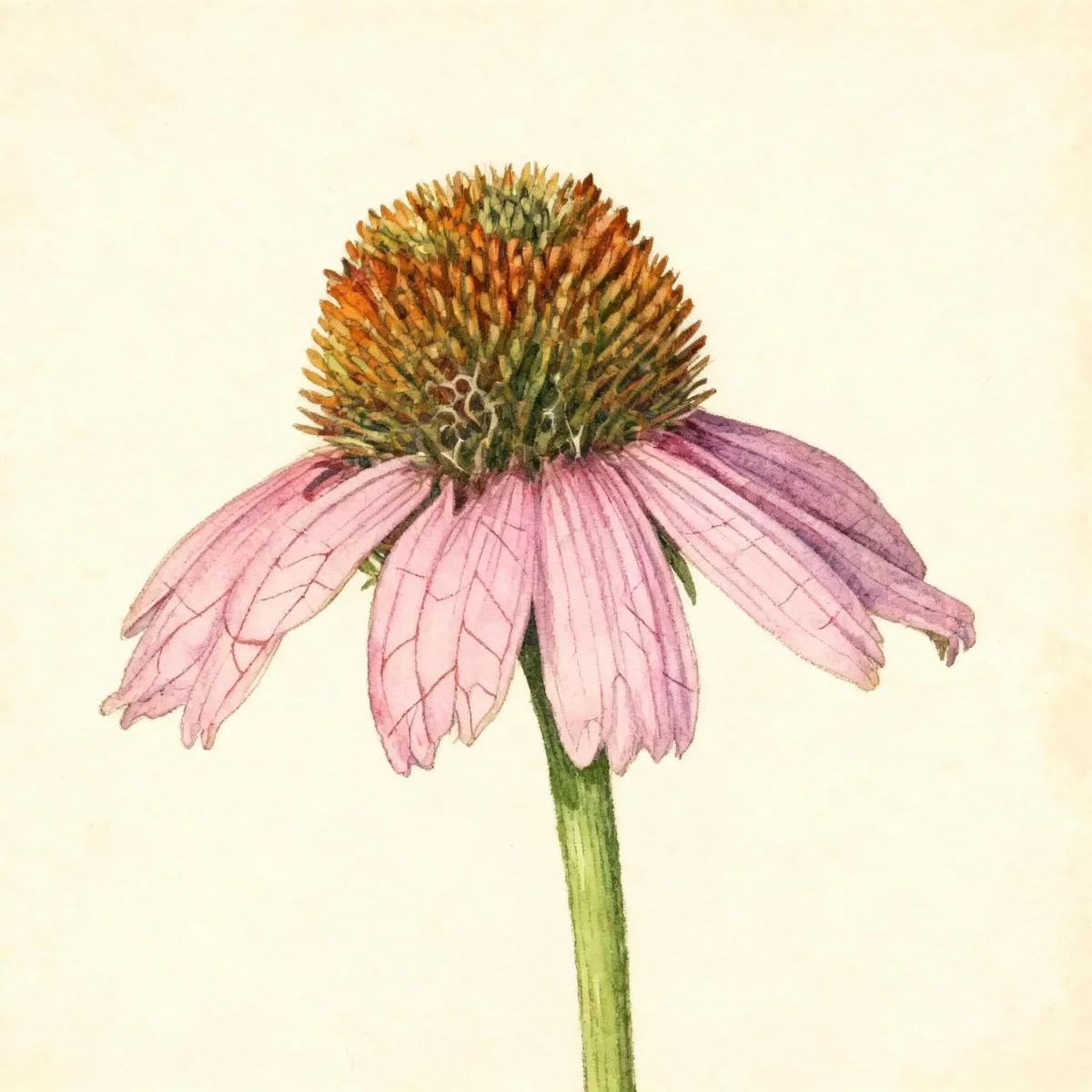
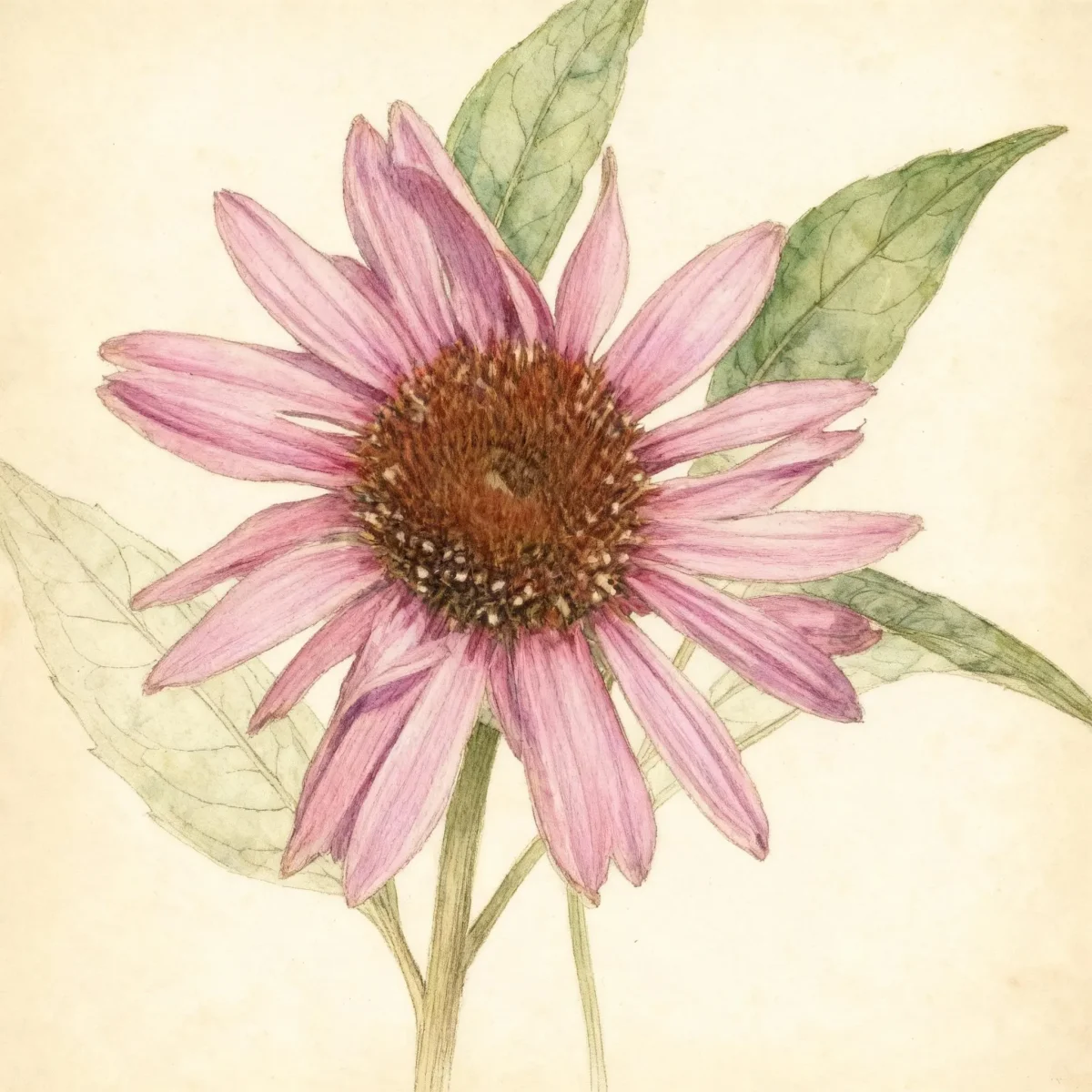
Echinacea purpurea 'Green Eyes' is a stunning Purple coneflower cultivar producing magenta-pink rays and a unique lime green cone.
Scroll down to discover growing tips, care requirements, companion plants, and more
Complete Plant Information
Overview
Echinacea purpurea ‘Green Eyes’ is a highly desirable cultivar of the beloved Purple coneflower, celebrated for its vibrant yet unusual coloration. This herbaceous perennial catches the eye with its brilliant magenta-pink ray flowers contrasting sharply against a domed cone that matures from striking lime green to golden orange. It offers a long, floriferous bloom period, making it a staple for summer color in perennial borders.
As an adaptable plant, Echinacea purpurea ‘Green Eyes’ thrives in average, well-drained soils and tolerates conditions that challenge other perennials, including drought and humidity. Its sturdy, upright clump provides excellent structural interest in the garden even after the primary bloom fades.
Gardeners prize this Purple coneflower not only for its beauty but also for its low-maintenance nature and reliability. It reliably returns year after year, drawing in pollinators while offering excellent texture and height variation in mixed plantings.
Fast Facts
- Plant Family: Asteraceae
- Plant Type: Herbaceous perennial
- Hardiness Zones: USDA Zones 3-8
- Size at Maturity:
- Height: 2-3 ft
- Spread: 1-1.5 ft
- Bloom Time: June to August
- Bloom Description: Magenta-pink rays with green to orange cone
- Sun Exposure: Full sun to part shade
- Water Needs: Dry to medium
- Maintenance Level: Low
How to Grow
For best results, plant Echinacea purpurea ‘Green Eyes’ in the spring or fall after the danger of hard frost has passed. These plants prefer full sun, which ensures the strongest stems and most abundant flowering, although they tolerate part shade. The key to success is ensuring the soil is well-drained, as moisture retention around the roots, particularly in winter, can be detrimental.
These adaptable plants require dry to medium moisture. Once established, this Purple coneflower exhibits excellent drought tolerance, requiring supplemental water primarily during prolonged dry spells. Fertilization is generally unnecessary; over-fertilizing can lead to floppy growth instead of sturdy stems, which this cultivar typically possesses naturally.
Maintenance is minimal for Echinacea purpurea ‘Green Eyes’. While the plants usually rebloom without deadheading, prompt removal of spent flowers will improve the overall appearance of the clump. For naturalists, leaving some seed heads intact over winter provides valuable food sources for birds like goldfinches. Divide overcrowded clumps every four years to maintain vigor.
Landscape Uses
Echinacea purpurea ‘Green Eyes’ is an excellent, long-blooming performer perfect for massing to create significant drifts of color in the border. Its upright habit makes it an ideal middle-to-back-of-the-border plant, providing vertical accent among shorter perennials. Consider using it in meadow plantings or naturalized areas where its native heritage can shine.
This cultivar integrates beautifully into native plant gardens or traditional mixed perennial beds. It combines exceptionally well with other sun-loving perennials that share similar dry soil tolerances. A classic pairing is utilizing mass plantings of black-eyed Susans (Rudbeckias) alongside masses of the Purple coneflower.
Allowing plants to self-seed adds a charming, informal feel to the landscape, ensuring future generations of this beautiful flower. For sharper definition, edge groupings of Echinacea purpurea ‘Green Eyes’ with low-mounding ornamental grasses or salvias.
Standout Features
Flower Qualities
- Showy
- Fragrant
Noteworthy Characteristics
Echinacea purpurea, commonly called purple coneflower, is a coarse, rough-hairy, herbaceous perennial native to moist prairies, meadows, and open woods of the central to southeastern United States. Showy daisy-like purple coneflowers bloom throughout summer atop stiff stems. The genus name Echinacea references the Greek word for hedgehog, referring to the spiny center cone. ‘Green Eyes’ is particularly noted for having a distinctive lime green center cone on its magenta-pink flowers, which changes to golden orange as the bloom matures, sometimes reaching 4-5 inches in diameter.
Tolerances
- Deer
- Drought
- Clay Soil
- Dry Soil
- Shallow-Rocky Soil
Potential Problems
Occasional pest problems include minor nibbling from Japanese beetles and the potential for leaf spot, especially in humid conditions or crowded plantings. Susceptibility to aster yellows disease is the most serious potential ailment, which is typically spread by leafhoppers. Prevention centers on good air circulation; ensure adequate space between plants during establishment to reduce humidity and fungal risks.
Frequently Asked Questions
What hardiness zones is Purple coneflower suitable for?
Echinacea purpurea ‘Green Eyes’ is reliably hardy in USDA Zones 3 through 8, offering robust performance across much of the temperate gardening spectrum.
How large does Echinacea purpurea ‘Green Eyes’ grow?
This cultivar typically reaches a mature height between 2 and 3 feet, with a manageable spread of 1 to 1.5 feet wide, usually requiring no staking.
What sun exposure does Purple coneflower need?
It performs optimally in full sun but is flexible enough to tolerate part shade conditions, though flowering may be slightly reduced in less light.
When does Echinacea purpurea ‘Green Eyes’ bloom?
This variety offers a floriferous season starting in June and continuing strongly through August, often sporadically blooming until the first hard frost returns.
Conclusion
The unique lime-green center cone distinguishes Echinacea purpurea ‘Green Eyes’ as a superior selection within the popular Purple coneflower group. Its low maintenance needs and significant drought tolerance make it a practical choice for gardeners seeking long-lasting summer color and wildlife support. Confirm your USDA zone compatibility before purchasing and plant this adaptable perennial in full sun this spring for season-long enjoyment.
Companion Planting
Selecting appropriate neighbors is key to maximizing the aesthetic and health benefits of your coneflowers. Since Echinacea purpurea ‘Green Eyes’ thrives on dryness and sun, pair it with other drought-tolerant perennials. Good companions include ornamental grasses like Schizachyrium scoparium (Little Bluestem) or Panicum virgatum (Switchgrass), which provide fine texture contrast.
Other excellent partners that share cultural needs include Salvia nemorosa cultivars, Achillea millefolium (Yarrow), and, as specifically suggested in its culture notes, various Rudbeckia species. These combinations create a vibrant, long-blooming tapestry that evokes a native prairie, requiring little fuss once established.
Wildlife Benefits
Coneflowers are indispensable for supporting local ecosystems. The central cones of Echinacea purpurea ‘Green Eyes’ are rich in seeds, which become a crucial food source for goldfinches and other seed-eating birds later in the season. Leaving the stems standing through winter maximizes this benefit.
Furthermore, the open, accessible flower structure makes the blooming Echinacea purpurea ‘Green Eyes’ highly attractive to a wide range of native bees, butterflies, and beneficial insects seeking nectar. Planting these robust coneflowers helps ensure continuous forage throughout the summer months.