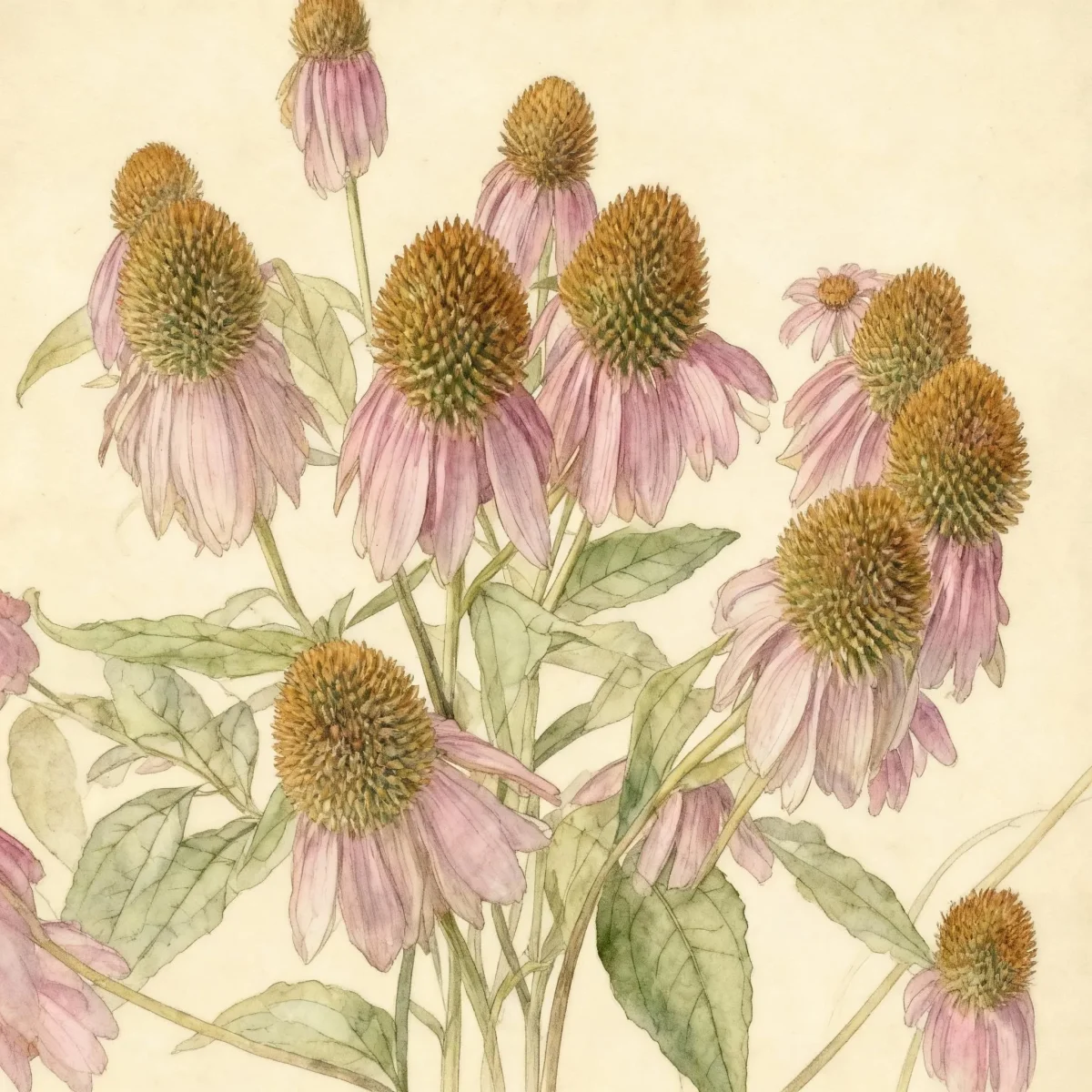
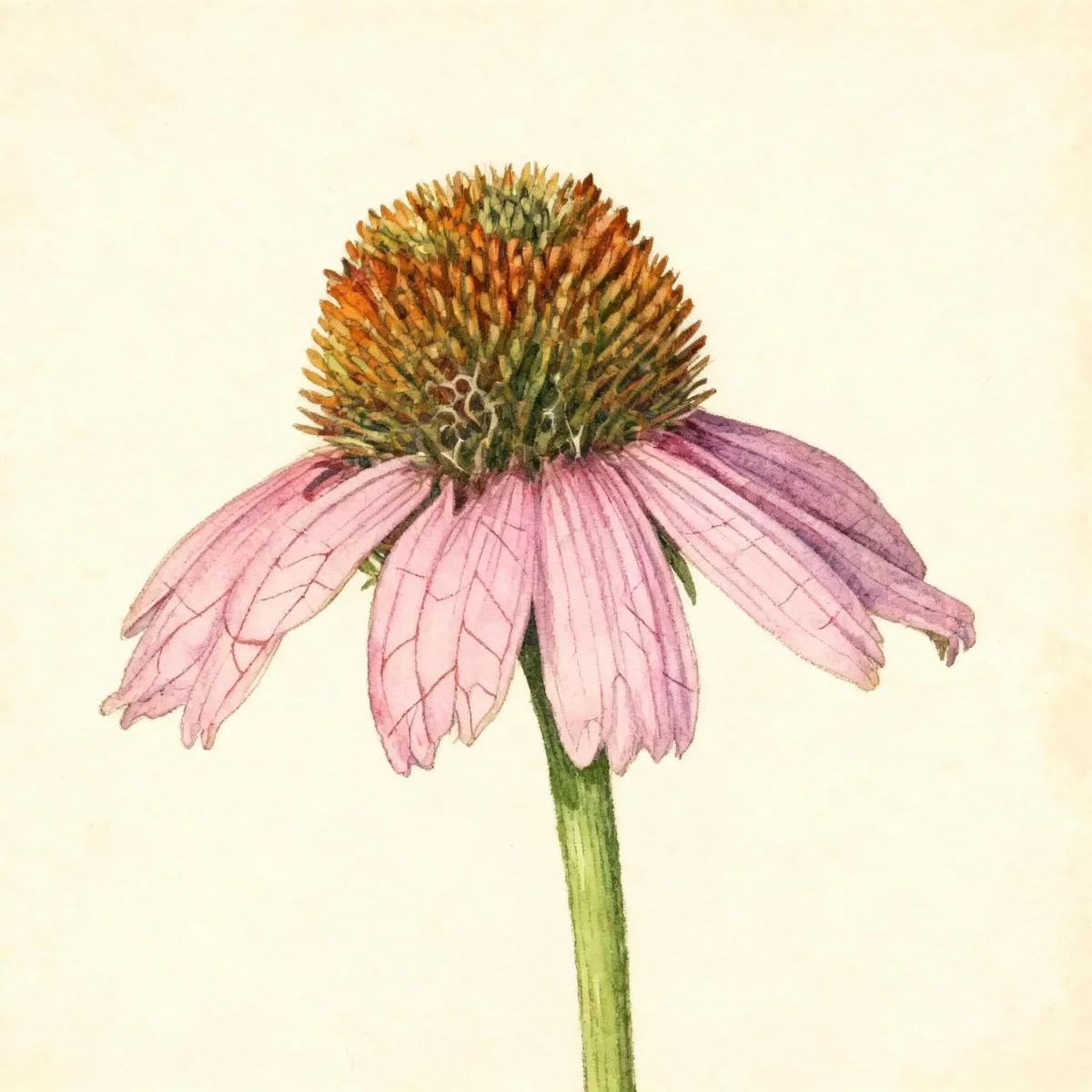
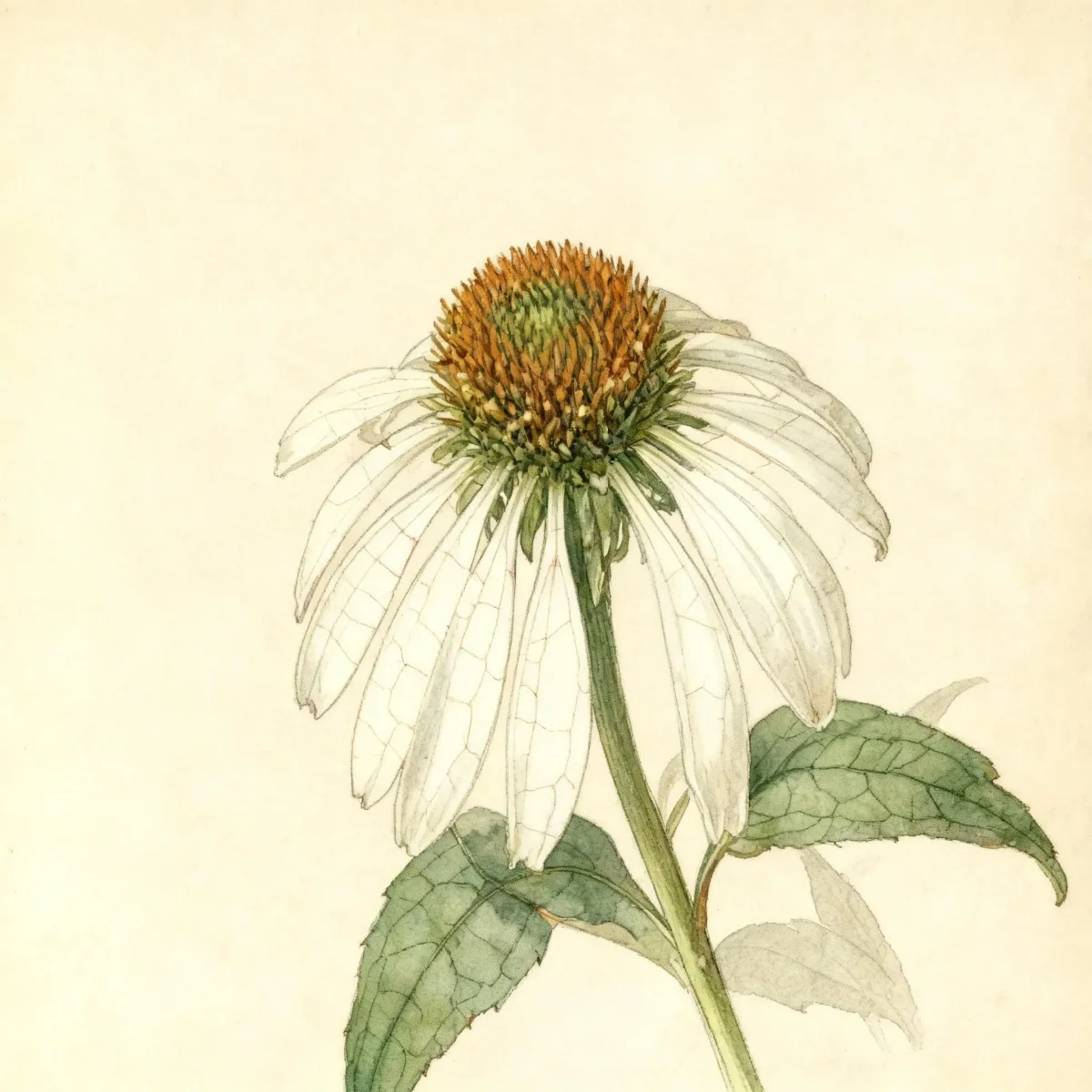
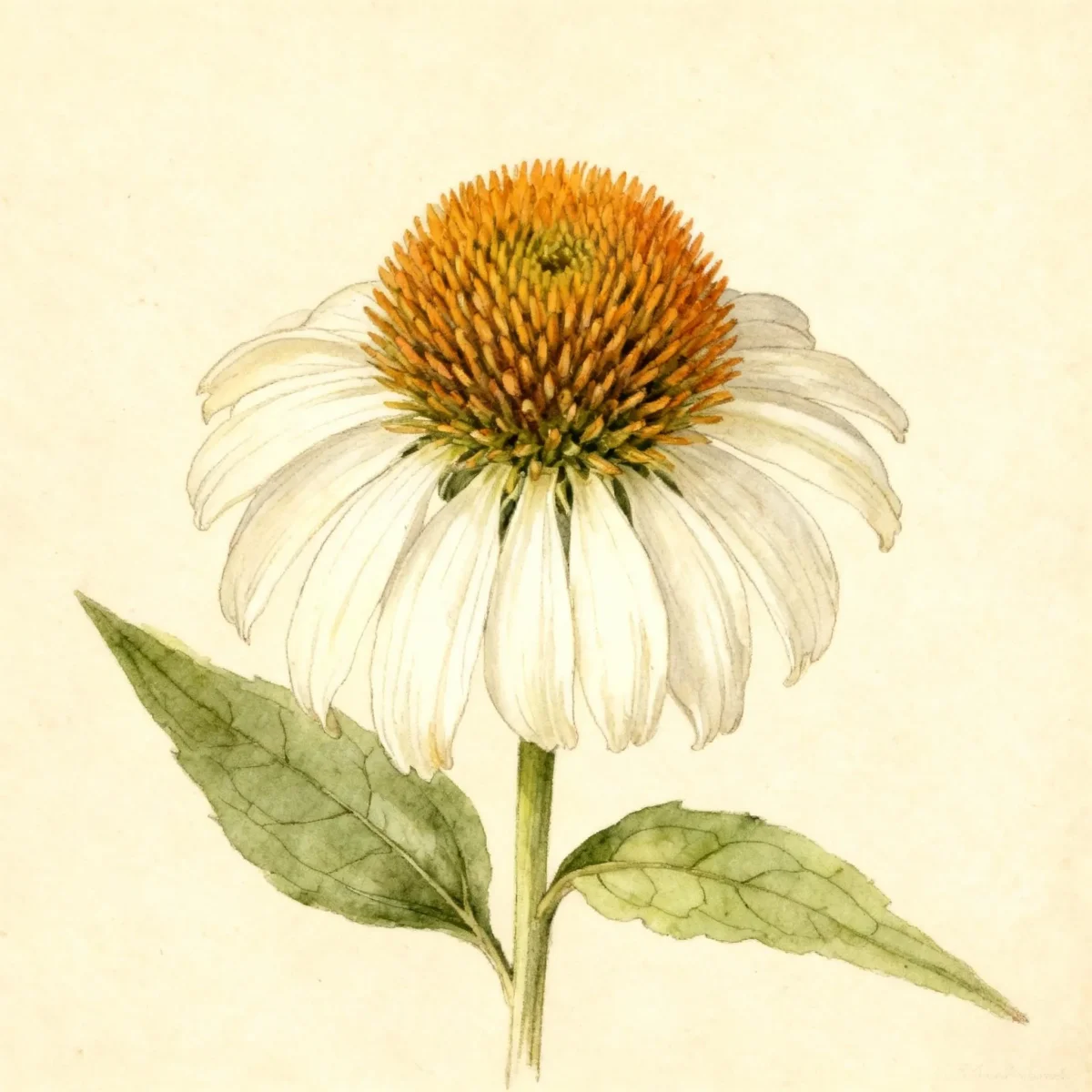
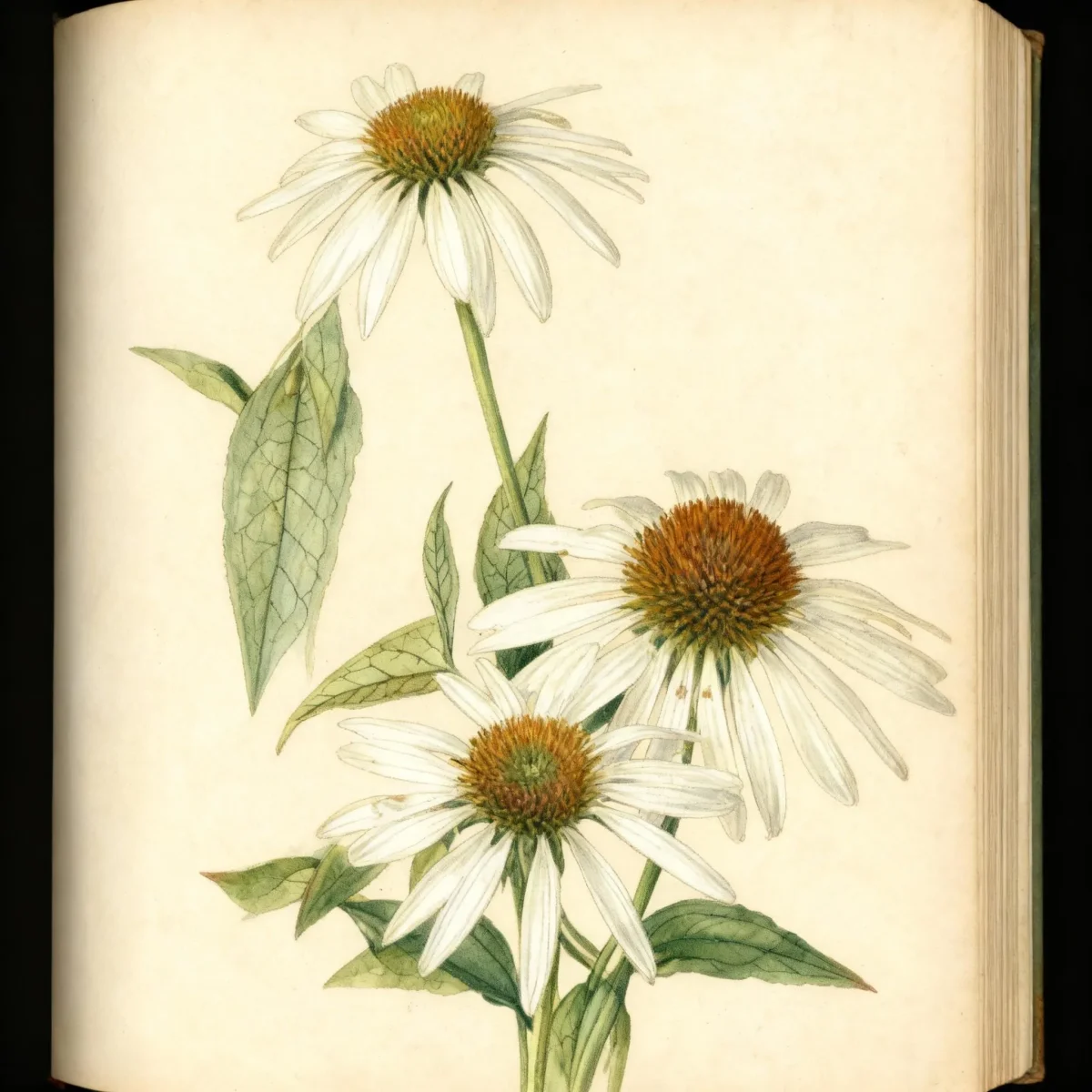
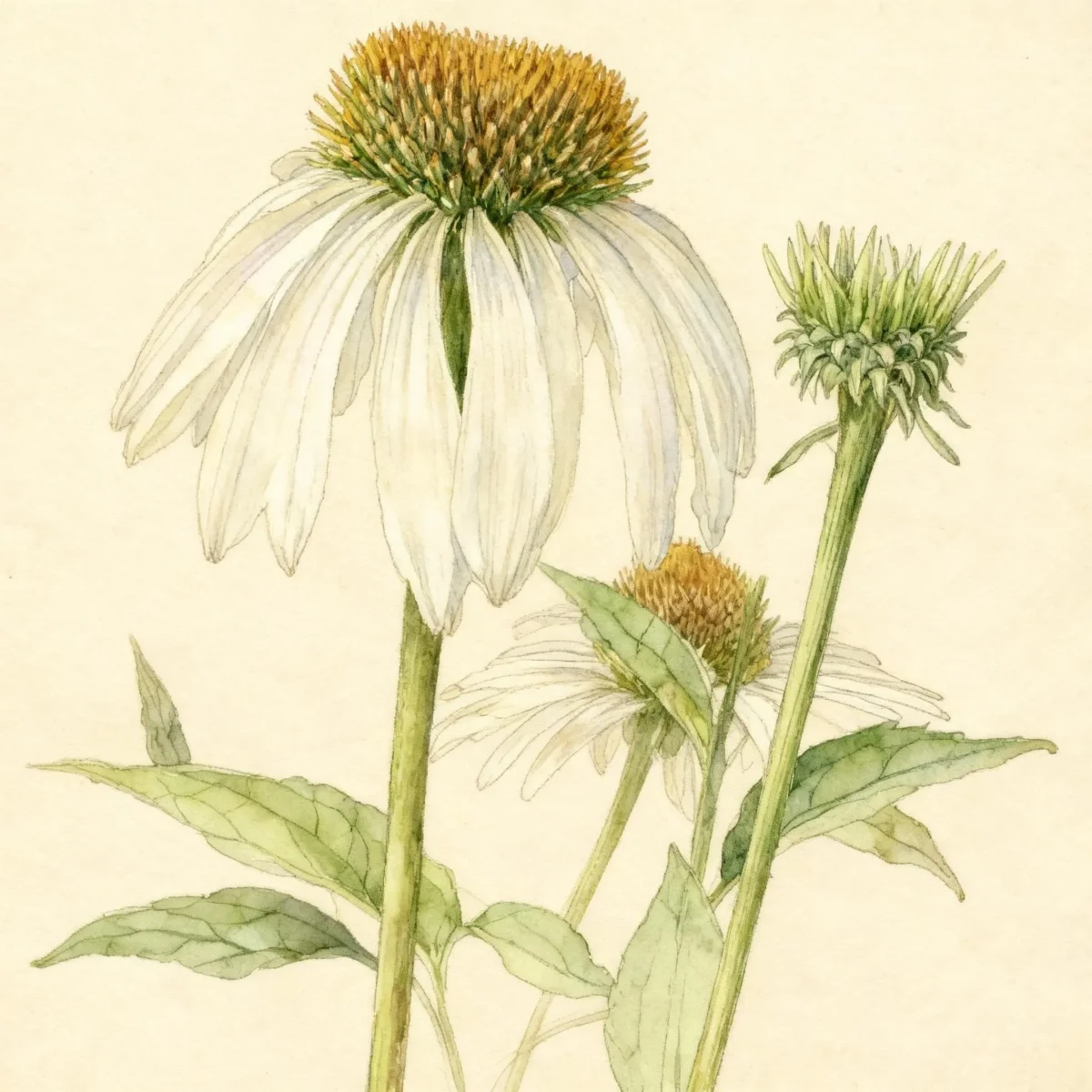
Purple coneflower (Echinacea purpurea 'Sir Lancelot')
Echinacea purpurea 'Sir Lancelot' is a stunning, low-maintenance Purple coneflower known for its dark pink pom-pom blooms, thriving in full sun.
Scroll down to discover growing tips, care requirements, companion plants, and more
Complete Plant Information
Overview
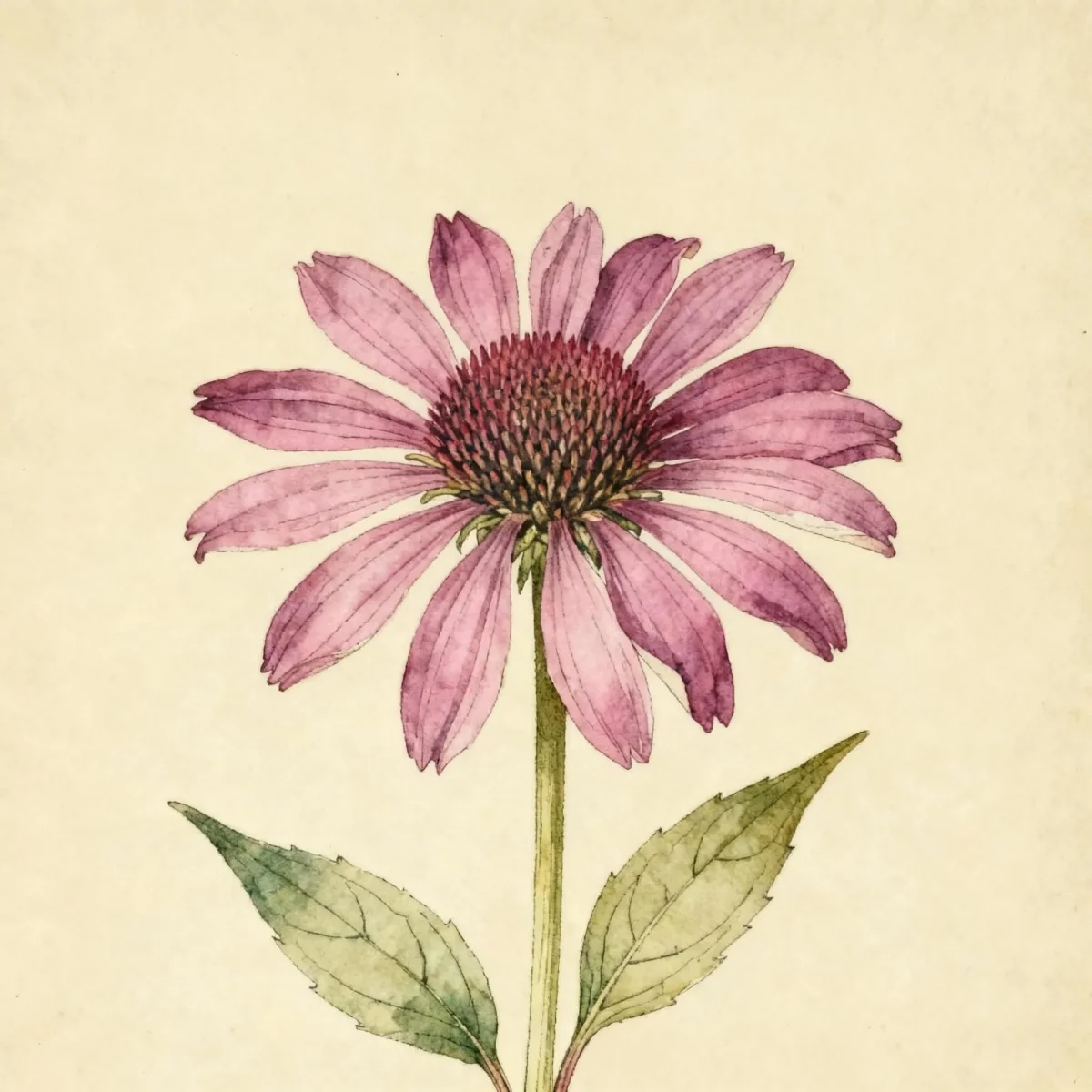
Echinacea purpurea ‘Sir Lancelot’ is a highly sought-after cultivar of the classic Purple coneflower, valued for its dense, pom-pom-like flowers in a striking dark pink hue. This herbaceous perennial brings reliable summer color to the garden while offering excellent durability against common garden stresses. It establishes quickly into an upright clump, showcasing sturdy stems that resist flopping, making it an essential component in mixed borders and native plantings.
As an adaptable member of the Asteraceae family, the Purple coneflower variety ‘Sir Lancelot’ performs wonderfully when placed in full sun, though it tolerates light afternoon shade. Its robust nature means gardeners can rely on its low maintenance needs, as it handles heat, humidity, and various soil conditions with ease. Furthermore, leaving the spent seed heads provides winter interest and food for local wildlife, enhancing the structure of the winter garden.
The genus name Echinacea references the spiny cones, descriptive of the central feature of the flower. Cultivars like Echinacea purpurea ‘Sir Lancelot’ maintain this recognizable form, even with their double blooms, providing vibrant, late-season focal points that define the look of a successful summer perennial border.
Fast Facts
- Plant Family: Asteraceae
- Plant Type: Herbaceous perennial
- Hardiness Zones: USDA Zones 3-8
- Size at Maturity:
- Height: 2-2.5 ft
- Spread: 1.5-2 ft
- Bloom Time: June to August
- Bloom Description: Pink
- Sun Exposure: Full sun to part shade
- Water Needs: Dry to medium
- Maintenance Level: Low
How to Grow
The best time to establish Echinacea purpurea ‘Sir Lancelot’ is in spring or early fall, ensuring the plant has time to develop a strong root system before extreme weather. Plant these Purple coneflowers where they receive full sun for the best flowering performance, although part shade is tolerated. They are highly adaptable, thriving in average soil, but ensure it is well-drained, as consistent wet feet can cause issues.
Once established, Echinacea purpurea ‘Sir Lancelot’ requires minimal supplemental watering, tolerating drought conditions well, which makes it excellent for xeriscaping or low-water gardens. Fertilizing is generally unnecessary; these perennials prefer soils that are not overly rich. Clumps of this Purple coneflower benefit from division about every four years when they begin to look crowded, which rejuvenates the plant’s vigor.
While prompt removal of spent flowers (deadheading) improves the overall appearance by encouraging sporadic rebloom until frost, be mindful that leaving some seed heads benefits birds like goldfinches. In spring, perform a cleanup of dead foliage, clearing the way for new upright growth from your returning Echinacea purpurea ‘Sir Lancelot’.
Landscape Uses
The structural form and long bloom time of the Purple coneflower make it invaluable throughout the garden landscape. Echinacea purpurea ‘Sir Lancelot’ is excellent for massing along borders where its deep pink pom-pom blooms create a solid sweep of color from early to late summer. It integrates beautifully into native plant gardens and naturalized areas, providing authentic, pollinator-friendly structure.
For dynamic cottage-style borders, mass this variety alongside rudbeckias (black-eyed Susans) as suggested, utilizing their contrasting shapes and complementary bloom times. It also serves well in drier woodland garden edges that receive partial sun, offering stability where other more delicate plants might struggle. Its strong form also lends itself to fresh bouquets, and the dried flower stems add texture to winter arrangements.
Standout Features
Flower Qualities
- Showy
Noteworthy Characteristics
Echinacea purpurea, commonly called purple coneflower, is noted for being a coarse, rough-hairy, herbaceous perennial native to moist prairies and open woods across the central and southeastern United States. Showy daisy-like flowers, which can reach up to 5” in diameter on wild types, bloom throughout the summer atop stiff stems. Specifically, ‘Sir Lancelot’ is distinguished by its unique dark pink, pom-pom-like flowers, growing generally up to 32” tall on sturdy, well-branched stems that seldom require support.
Tolerances
- Deer
- Drought
- Clay Soil
- Dry Soil
- Shallow-Rocky Soil
Potential Problems
This variety of Purple coneflower generally exhibits low maintenance but warrants awareness regarding a few occasional pests and diseases. Japanese beetles may sometimes target the foliage, requiring manual removal or spot treatment if infestation is severe. Leaf spot diseases can occur, especially in humid conditions or when air circulation is poor, which is often exacerbated by overly dense planting.
For long-term health, be vigilant against aster yellows disease, which is viral and must be managed by immediately removing infected plants to prevent spread. Proper spacing, as inherent to good garden practice, helps ensure air movement around the established clumps of Echinacea purpurea ‘Sir Lancelot’, minimizing fungal issues.
Frequently Asked Questions
What hardiness zones is Purple coneflower suitable for?
Echinacea purpurea ‘Sir Lancelot’ is reliably hardy across USDA Zones 3 through 8, offering broad adaptability for many gardeners.
How large does Echinacea purpurea ‘Sir Lancelot’ grow?
This cultivar typically reaches a mature height between 2 and 2.5 feet tall, spreading moderately to 1.5–2 feet wide.
When does Purple coneflower bloom?
The primary bloom time for Echinacea purpurea ‘Sir Lancelot’ is generally from June through August, featuring its distinctive pink flowers intermittently until frost if spent blooms are managed.
What sun exposure does Echinacea purpurea ‘Sir Lancelot’ need?
This perennial performs best in full sun but is adaptable enough to thrive in locations receiving part shade.
Conclusion
The Echinacea purpurea ‘Sir Lancelot’ offers gardeners a visually impactful and remarkably tough perennial solution for summer color. Its low water needs and tolerance for poor soils, combined with the attractive dark pink pom-pom blooms, secure its place as a favorite Purple coneflower. Be sure to assess your site conditions and plant this stunning cultivar during the optimal spring or fall window for the best establishment success.
Companion Planting
Selecting appropriate neighbors is key to maximizing the visual impact and managing soil moisture for Echinacea purpurea ‘Sir Lancelot’. Because this coneflower prefers dry to medium soil and full sun, pair it with other drought-tolerant prairie natives that share similar light requirements. Excellent companions include Russian Sage (Perovskia atriplicifolia) for height and silver texture, or various Rudbeckia varieties, echoing the daisy-like form but offering yellow tones instead of pink. Avoid grouping them closely with plants that demand constant moisture, as this can create unnecessary cultural conflicts in the garden bed.
Wildlife Benefits
While the double blooms of Echinacea purpurea ‘Sir Lancelot’ offer fewer pollen and nectar resources than single-flowered Echinacea varieties, the plant remains beneficial for landscape structure and birds. Leaving the sturdy, upright flower stems intact throughout the winter months is vital, as the dried cones provide crucial late-season foraging opportunities for seed-eating birds, notably goldfinches. These cones remain highly decorative against winter snow, adding textural contrast until late cleanup in spring.