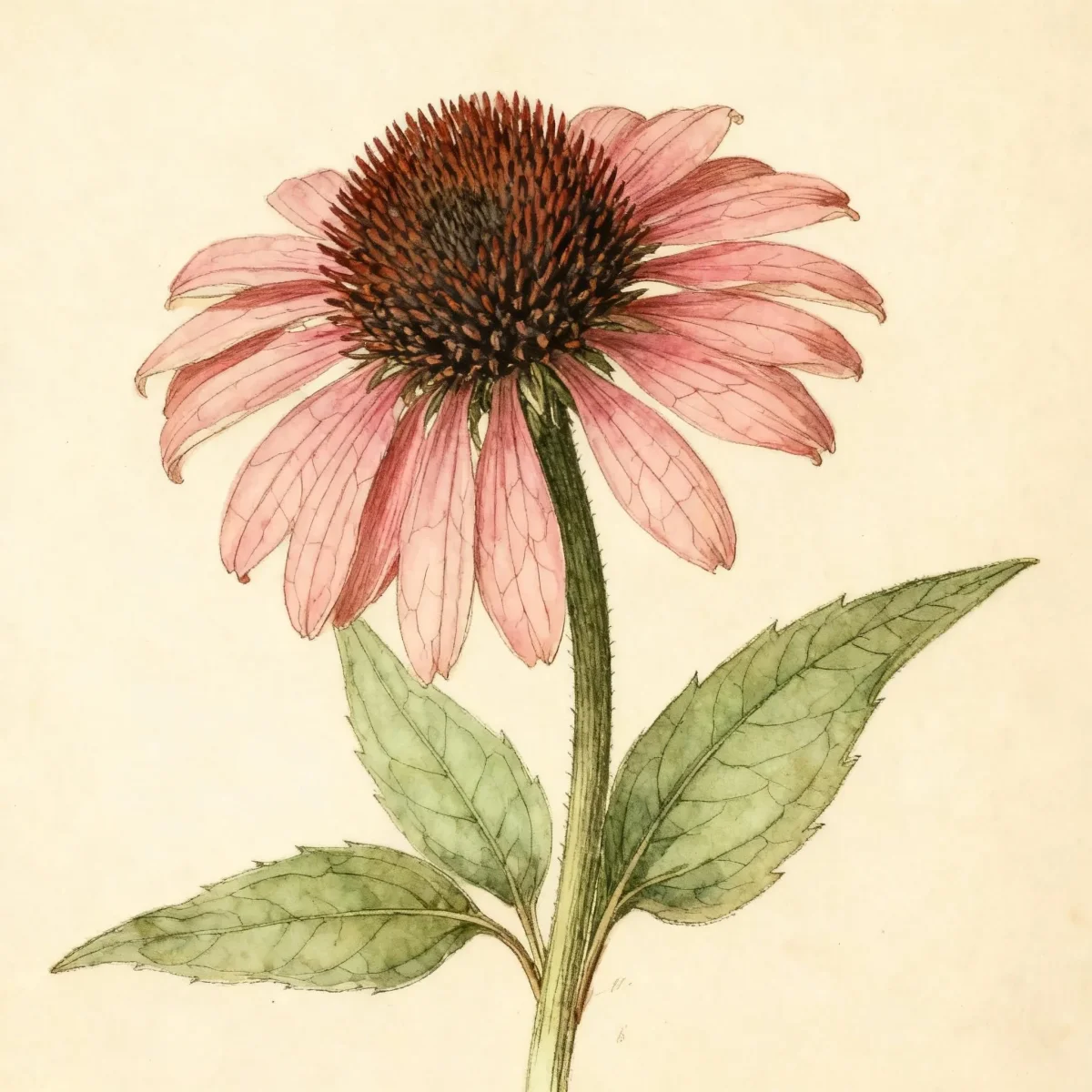
Coneflower (Echinacea 'Tangerine Dream')
Echinacea 'Tangerine Dream' Coneflower offers showy, fragrant orange blooms from June to August. Low maintenance and drought tolerant.
Scroll down to discover growing tips, care requirements, companion plants, and more
Complete Plant Information
Overview
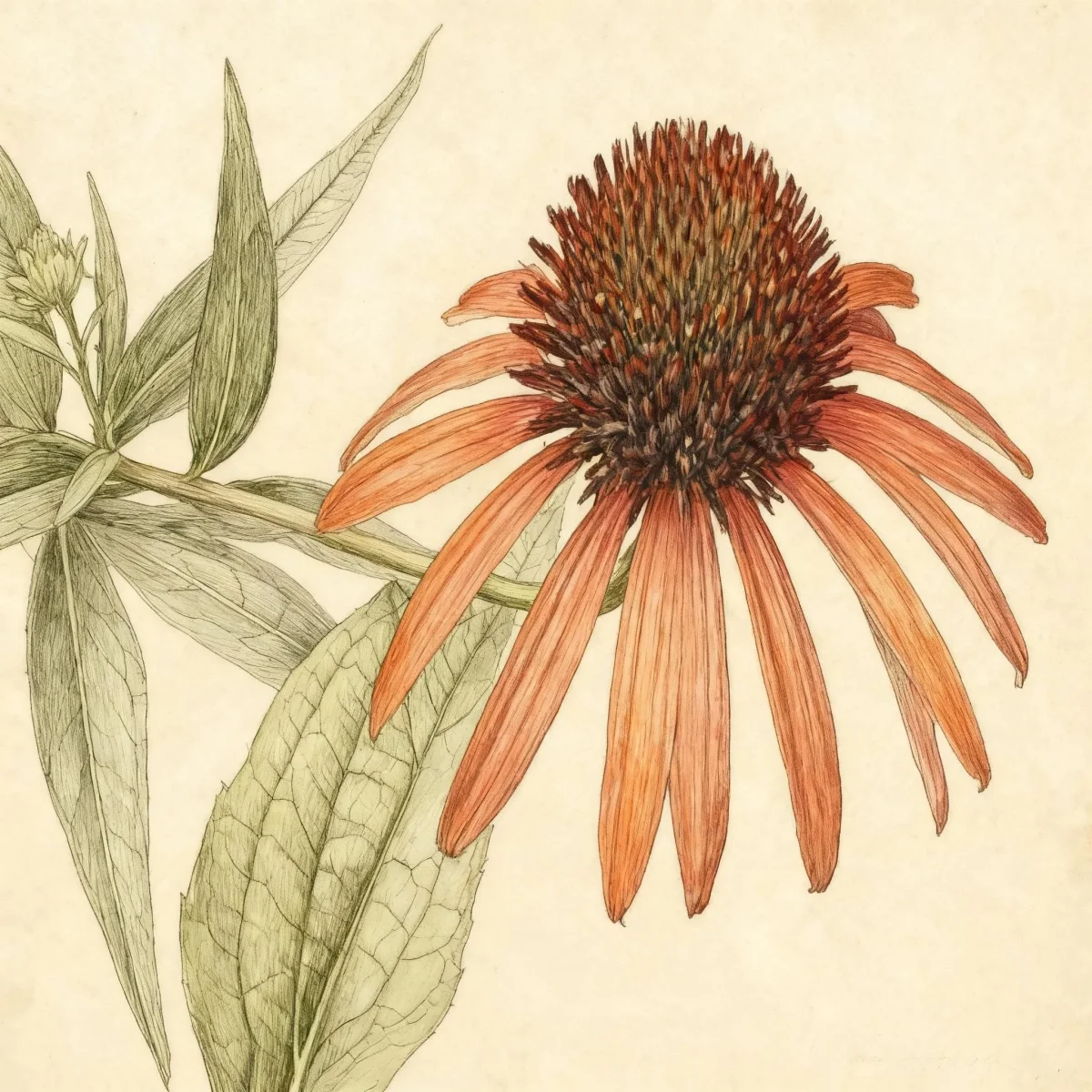
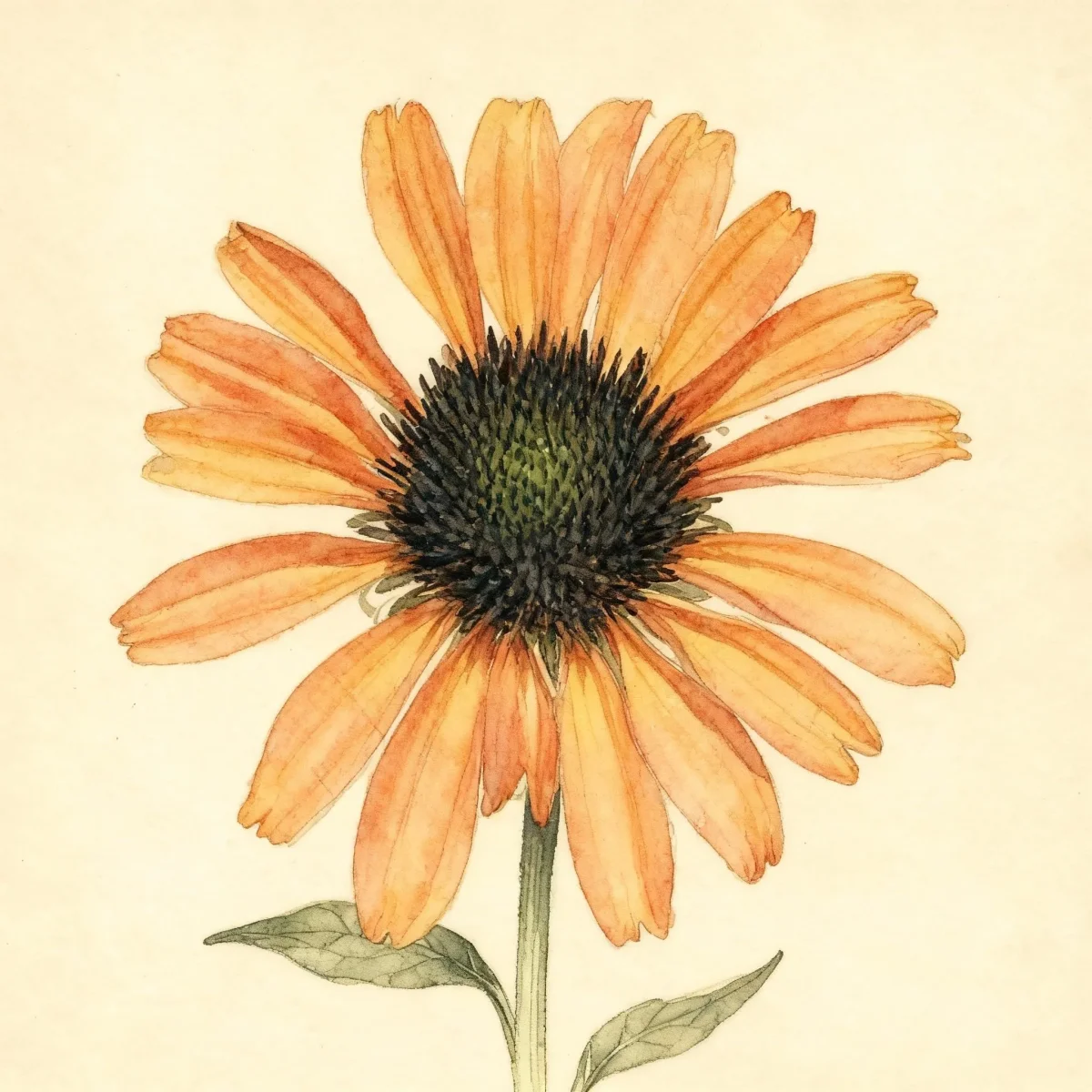
Echinacea ‘Tangerine Dream’ is a highly desirable, upright, clump-forming cultivar renowned for its vibrant coloration and ease of care, making it a standout in any perennial border. This particular Coneflower typically matures between 1.5 to 2 feet tall, offering sturdy stems that resist flopping, showcasing unique orange ray petals around a prominent dark brown cone. Gardeners prize this plant not only for its extended bloom period from early summer into late August but also for its positive impact on local ecosystems, attracting diverse insect pollinators.
As an adaptable native perennial, Coneflower thrives across a significant range of conditions, exhibiting strong tolerance for heat, humidity, and even poorer soils, making Echinacea ‘Tangerine Dream’ a reliable staple for mass plantings or as an accent specimen. Its structure retains interest long after flowering concludes, providing texture into the winter landscape.
For optimal performance, plant Echinacea ‘Tangerine Dream’ where it receives ample sunlight, though partial shade is tolerated, ensuring the longevity and vibrant flowering expected from this classic American perennial.
Fast Facts
- Plant Family: Asteraceae
- Plant Type: Herbaceous perennial
- Hardiness Zones: USDA Zones 3-8
- Size at Maturity:
- Height: 1.5–2 ft
- Spread: 1.5–2.5 ft
- Bloom Time: June to August
- Bloom Description: Orange rays with dark brown center cone
- Sun Exposure: Full sun to part shade
- Water Needs: Dry to medium
- Maintenance Level: Low
How to Grow
Plant the Coneflower during the spring or fall when conditions are cooler, allowing the roots time to establish before summer heat arrives. Ensure the soil is well-drained; this species prefers average moisture but tolerates dryness once established, thriving best in average conditions with full sun exposure. While Echinacea ‘Tangerine Dream’ is highly adaptable to heat and poor soils, excellent drainage remains crucial to prolonged success.
Water sparingly once mature, relying on natural rainfall unless prolonged drought occurs, especially if growing in very dry or shallow-rocky soil. Maintenance for Echinacea ‘Tangerine Dream’ is generally low. Although the plant reblooms well without intervention, prompt removal of spent flowers encourages more prolific flowering and tidies the appearance for the remainder of the season.
Divide clumps of the Coneflower every four years or so if they begin to look crowded, typically performed in early spring. Leave the dried seed heads standing through winter to provide food for goldfinches and enhance winter structure before cutting them down during the spring cleanup.
Landscape Uses
Echinacea ‘Tangerine Dream’ excels when used to bring brilliant, lasting color to the middle or front of perennial borders, contrasting beautifully with cooler blue or purple companions. Its upright habit and sturdy stems make it an attractive specimen plant, especially when massed, creating drifts of warm orange hues that guide the eye through the garden design.
Consider planting this vibrant Coneflower near structures, where its afternoon sun exposure is maximized, or group it with silvery foliage plants or fine-textured ornamental grasses to complement the broader, serrated leaves of the Echinacea. It also performs wonderfully in rock gardens, provided the soil drains freely, or integrated into woodland edges where dappled afternoon shade softens the intense summer sun.
Standout Features
Flower Qualities
- Showy
- Fragrant
Noteworthy Characteristics
Echinacea is a genus of seven species all endemic to eastern and central North America. Coneflowers bloom from June to August with some sporadic later bloom, and they are attractive to butterflies and other insect pollinators. The dead flower stems remain erect well into the winter, and the blackened cones may be visited by goldfinches that feed on the seeds. ‘Tangerine Dream’ specifically is an upright, widely-branched, clump-forming, orange-flowered coneflower that typically grows to 18-24” tall, featuring flowers up to 4” in diameter with slightly reflexed orange rays surrounding a large dark brown center cone.
Tolerances
- Deer
- Drought
- Clay Soil
- Dry Soil
- Shallow-Rocky Soil
Potential Problems
All coneflowers, including Echinacea ‘Tangerine Dream’, are susceptible to aster yellows, a serious disease, and various fungal or bacterial leaf spots. Fungal issues are often exacerbated by high humidity or overhead watering that keeps foliage wet. To minimize disease, ensure excellent air circulation when planting and avoid wetting the leaves during irrigation. Gardeners should also watch for common pests like erythroid mites and Japanese beetles, which can chew on the foliage and flowers.
Frequently Asked Questions
What hardiness zones is Coneflower suitable for?
Echinacea ‘Tangerine Dream’ Coneflower is reliably hardy across USDA Zones 3 through 8.
How large does Echinacea ‘Tangerine Dream’ grow?
This herbaceous perennial typically reaches a height between 1.5 and 2 feet, spreading out to occupy a space of 1.5 to 2.5 feet wide.
When does Coneflower bloom?
Echinacea ‘Tangerine Dream’ primarily blooms throughout June to August, presenting vivid orange rays with a dark brown center cone.
What sun exposure does Echinacea ‘Tangerine Dream’ need?
This plant performs best in full sun, though it can tolerate partial shade, especially in the hottest regions.
Conclusion
Echinacea ‘Tangerine Dream’ offers exceptional value through its low-maintenance nature, robust tolerances, and spectacular, long-lasting orange blooms, making it a superior choice for summer garden structure. Integrate this easy-to-grow Coneflower into your landscape plans soon, ensuring you select a planting site that offers as much full sun as possible for the most impressive display.
Wildlife Benefits
The open center cone structure of Echinacea ‘Tangerine Dream’ is a crucial design element for attracting beneficial wildlife throughout the growing season. As a member of the Coneflower group, its flowers provide rich nectar sources that fuel butterflies, bees, and various beneficial insects from early summer until the season wanes.
Furthermore, the seed heads left standing through fall and winter become vital feeding stations for seed-eating birds, most notably the delightful goldfinch, which actively extracts seeds from the dried cones. By allowing the spent flower heads of your Echinacea ‘Tangerine Dream’ to remain in place until spring cleanup, you provide essential late-season sustenance and winter visual interest.
Propagation Tips
While Echinacea ‘Tangerine Dream’ is often purchased as nursery stock, division remains a viable propagation method for established clumps. Perform this task in the early spring before new growth begins to emerge vigorously, or alternatively, in the early fall. Dig up the entire clump and gently use a sharp spade or knife to separate it into smaller sections, ensuring each division has a healthy portion of roots attached. Replant these divisions immediately into their new locations, watering well to minimize transplant shock.
Division is necessary approximately every four years for this Coneflower when the clump begins to look depleted in the center or flowering performance declines due to overcrowding. This rejuvenation technique helps maintain the vigor and strong clump-forming habit characteristic of Echinacea ‘Tangerine Dream’.