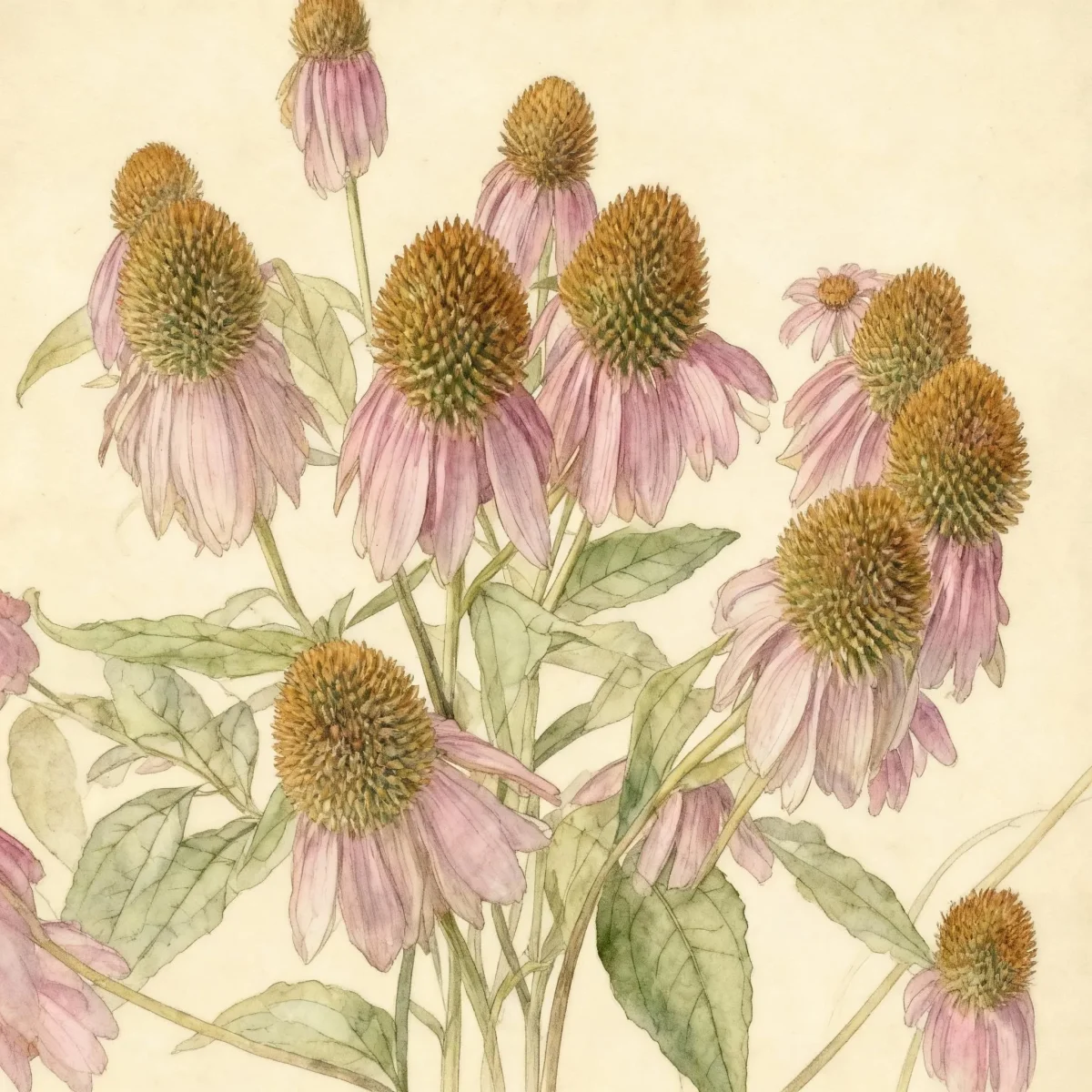
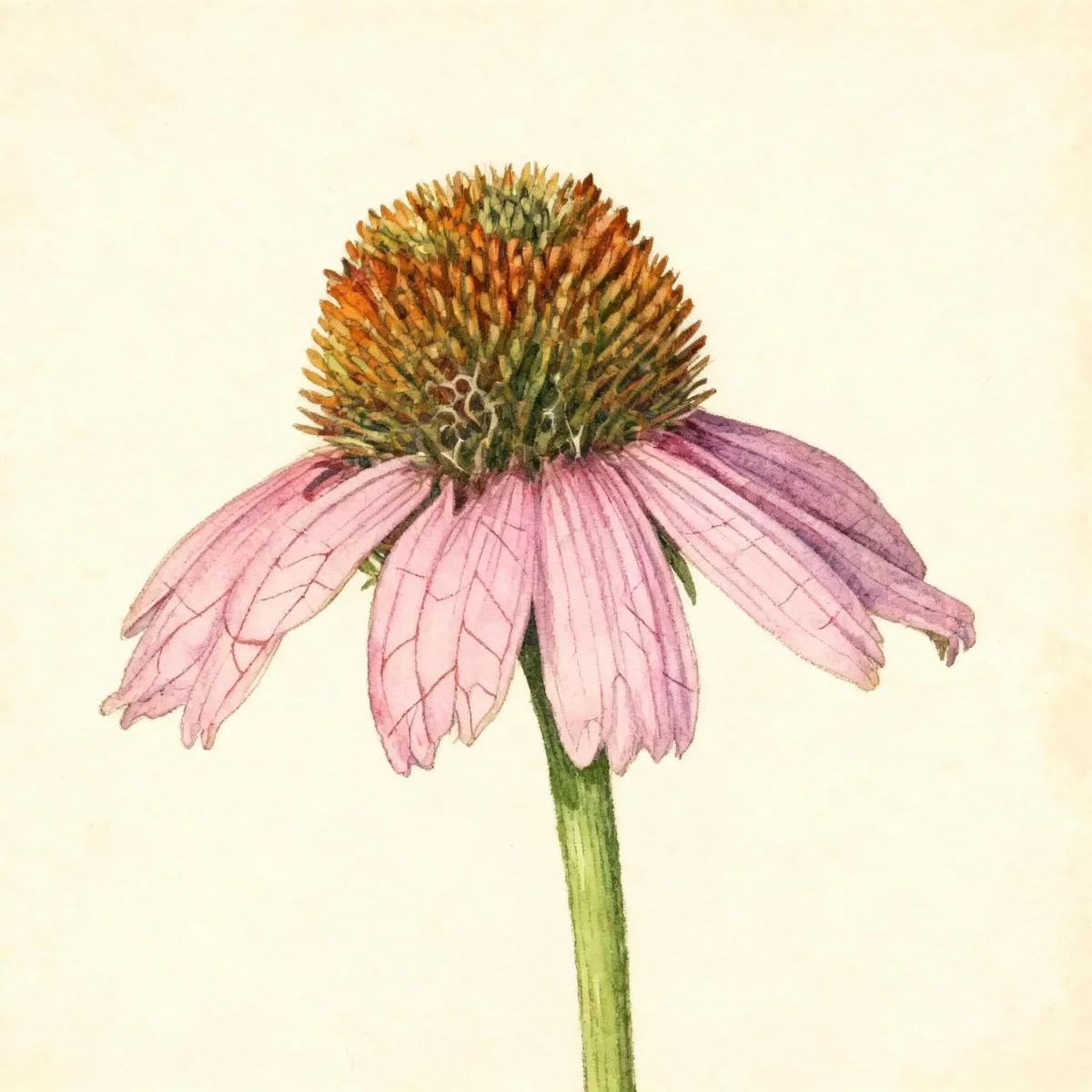
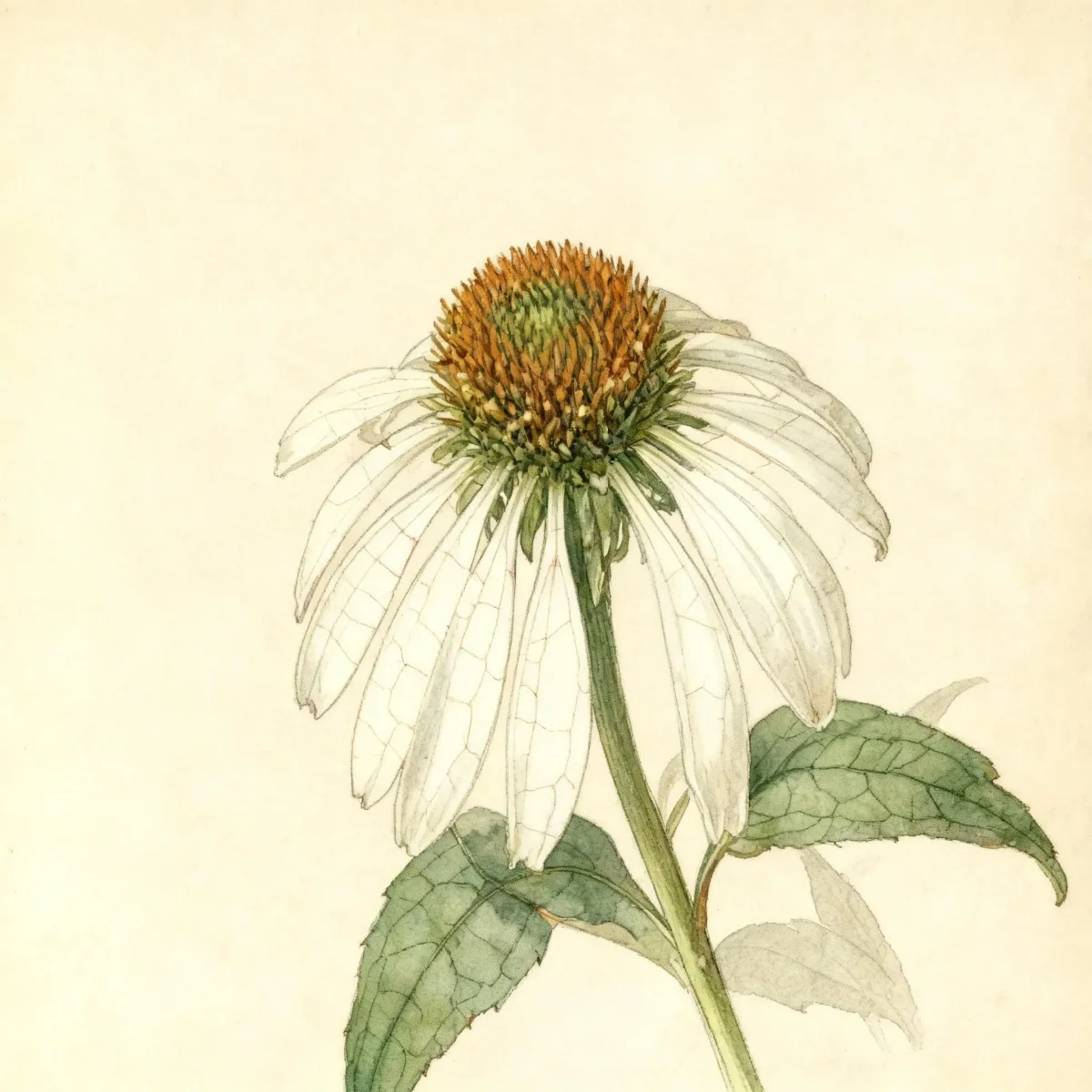
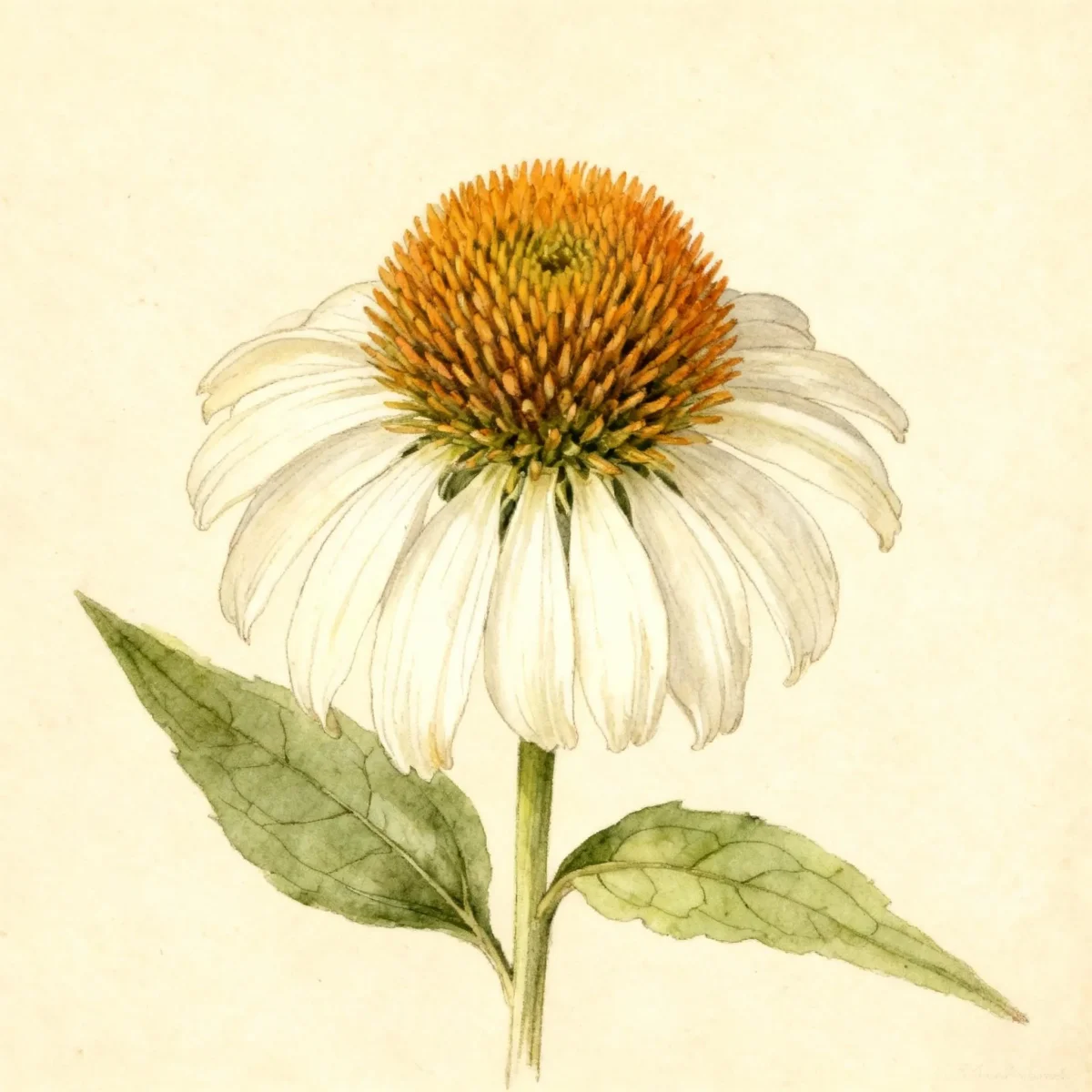
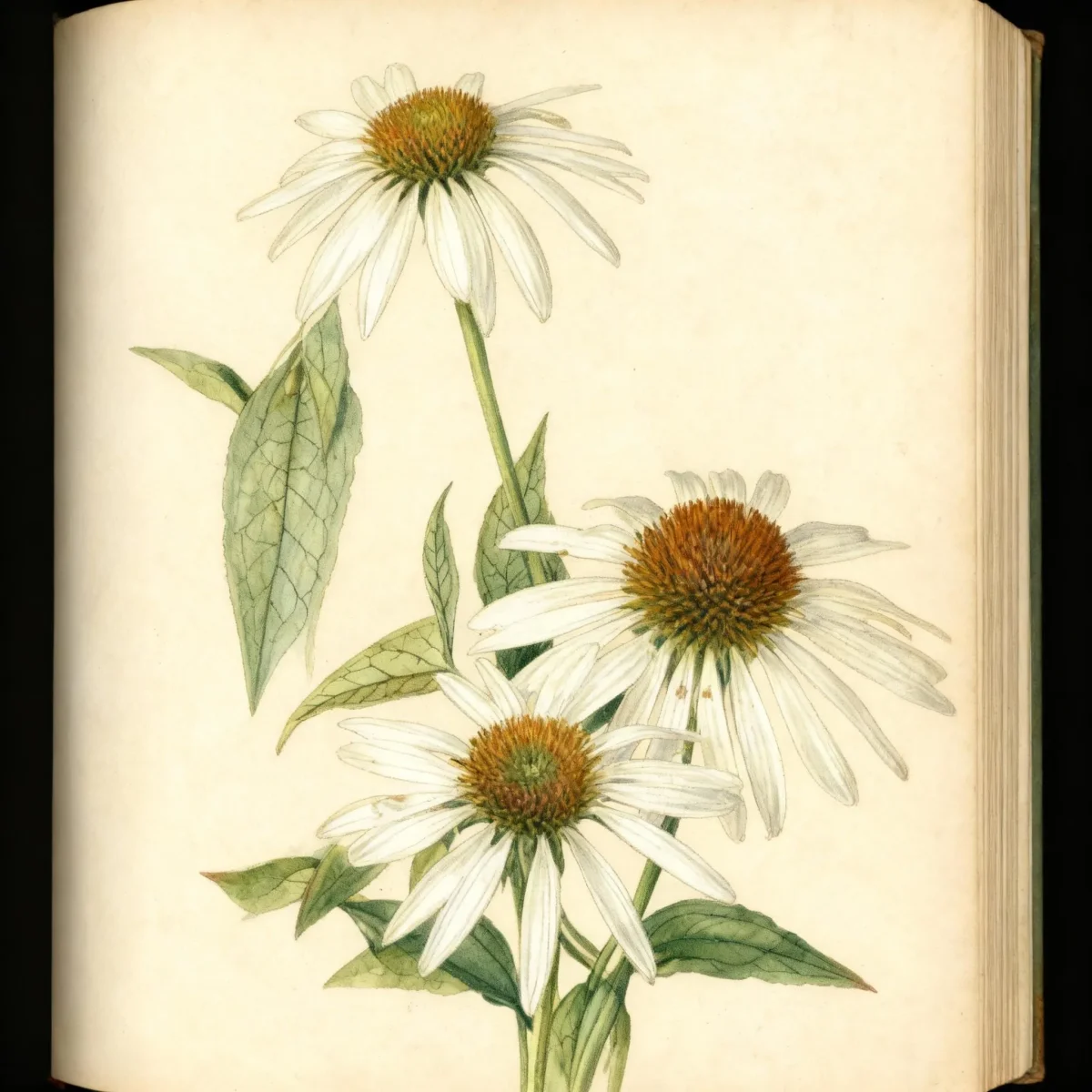
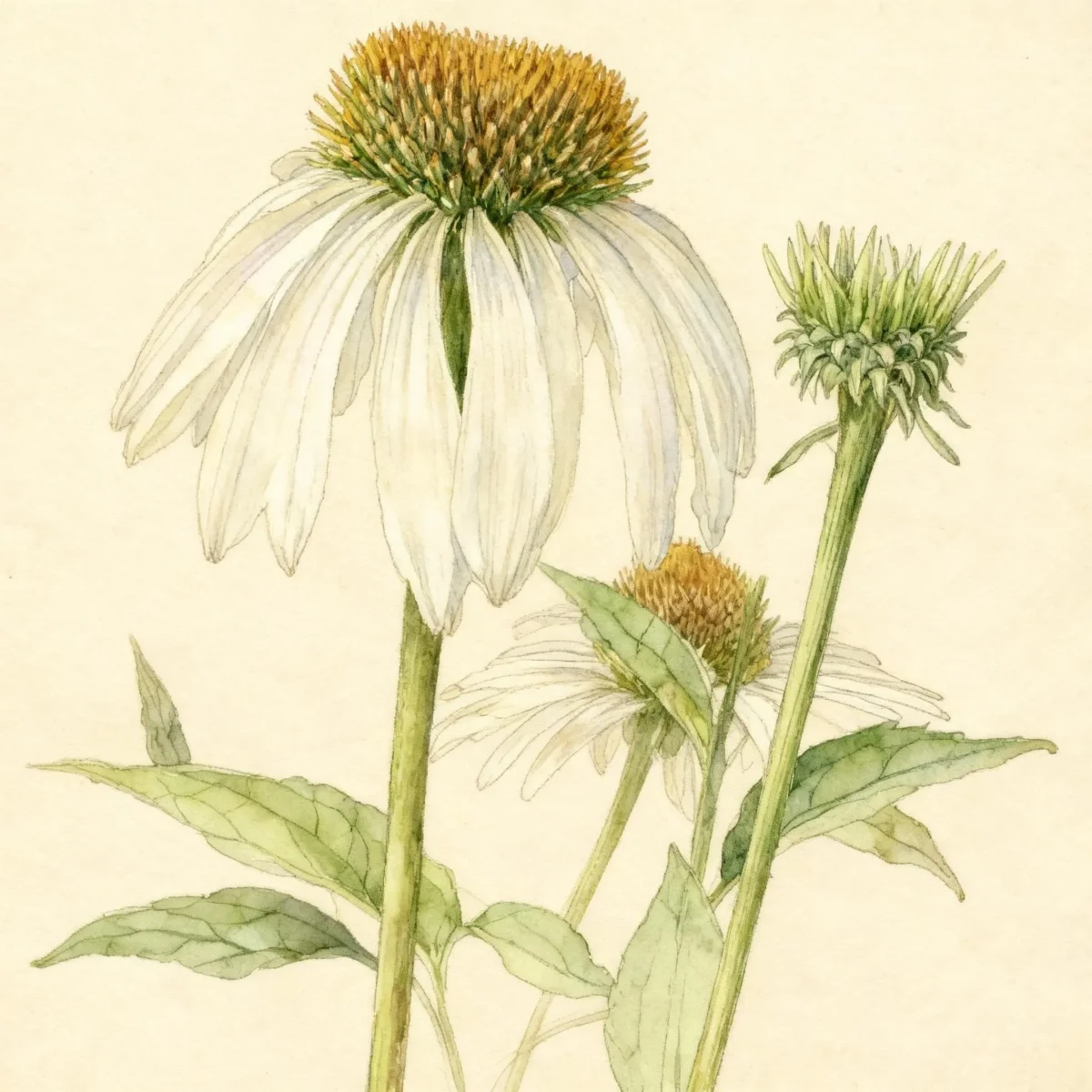
Purple coneflower (Echinacea purpurea 'Doubledecker')
Echinacea purpurea 'Doubledecker' offers unique two-tiered pink blooms, low maintenance, and excellent drought tolerance for sunny borders.
Scroll down to discover growing tips, care requirements, companion plants, and more
Complete Plant Information
Overview
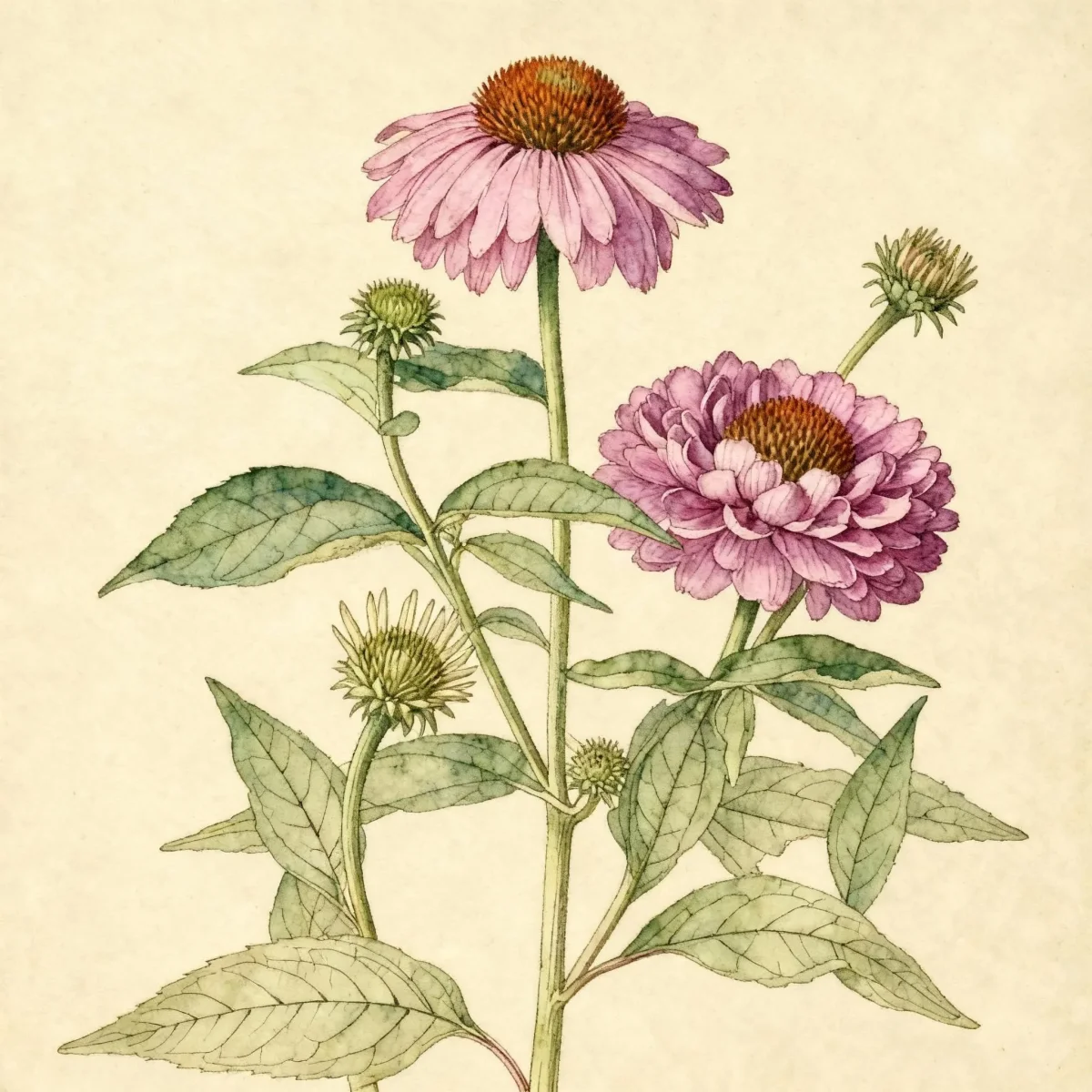
Echinacea purpurea ‘Doubledecker’, commonly known as Purple coneflower, stands out in the garden due to its strikingly unique summer blooms. Unlike typical single-ray coneflowers, this cultivar often produces a fascinating second tier of shorter pink rays erupting from the central cone, providing an added layer of texture and visual interest throughout the season. This adaptable herbaceous perennial thrives in sunny locations, offering reliable, coarse-textured foliage and robust stems that hold the distinctive flowers high.
The appeal of the Purple coneflower extends beyond its aesthetics; it is remarkably resilient once established. Tolerant of heat, humidity, and poorer soil conditions, Echinacea purpurea ‘Doubledecker’ requires minimal fuss from the gardener. Its low maintenance profile, combined with its long bloom period from June to August, makes it an essential backbone plant for creating vibrant, sustainable summer displays.
Beyond the garden border, this cultivar provides valuable ecological function. The spent flower heads offer late-season sustenance for songbirds like goldfinches, who feed on the seeds held within the blackened cones over winter. Cultivating Echinacea purpurea ‘Doubledecker’ ensures a long season of color while supporting local wildlife.
Fast Facts
- Plant Family: Asteraceae
- Plant Type: Herbaceous perennial
- Hardiness Zones: USDA Zones 3-8
- Size at Maturity:
- Height: 2.5-3 ft
- Spread: 2-3.5 ft
- Bloom Time: June to August
- Bloom Description: Pink (two-tiered)
- Sun Exposure: Full sun to part shade
- Water Needs: Dry to medium
- Maintenance Level: Low
How to Grow
For the best performance, plant Echinacea purpurea ‘Doubledecker’ in the spring or fall. Locate it where it can receive full sun, although it will tolerate partial shade, knowing that blooms are most profuse in brighter conditions. This coneflower adapts well to average, dry to medium, well-drained soil. Its tolerance for clay, dry, and shallow-rocky soils underscores its flexibility.
Water new plantings regularly until they become established. Once mature, this Purple coneflower variety exhibits excellent drought tolerance, requiring only supplemental water during prolonged dry spells. Generally, fertilizing is unnecessary, especially if planted in average garden soil. While plants often rebloom without attention, immediate removal of spent flowers enhances the overall appearance of the clump.
Dividing clumps is recommended approximately every four years when they become overcrowded, which also helps maintain vigor. Dead flower stems left standing provide visual interest and food for birds throughout winter. Remember that Echinacea purpurea ‘Doubledecker’ may also be grown readily from seed.
Landscape Uses
The structural upright habit of the Purple coneflower, reaching up to three feet tall on sturdy stems, makes it ideal for mass planting in the middle or rear of perennial borders. Massing these plants creates significant visual impact when they are in full bloom with their two-tiered pink flowers. They pair exceptionally well with plants that require similar conditions, such as rudbeckias (black-eyed Susans) or ornamental grasses.
Consider incorporating Echinacea purpurea ‘Doubledecker’ into native plant gardens, meadow settings, or naturalized areas where their resilience shines. They also suit the edge of a woodland garden that receives part shade. Their long bloom time ensures continuity in the landscape, transitioning beautifully between spring bloomers and late-season asters.
Standout Features
Flower Qualities
- Showy
Noteworthy Characteristics
Echinacea purpurea, commonly called purple coneflower, is a coarse, rough-hairy, herbaceous perennial that is native to moist prairies, meadows and open woods of the central to southeastern United States. Showy daisy-like purple coneflowers bloom throughout summer atop stiff stems clad with coarse, dark green leaves. The ‘Doubledecker’ cultivar presents a unique two-tiered bloom structure, where a second small tier of pink rays emerges from the center cone beginning in the second growing season. The genus name refers to the spiny center cone, resembling a hedgehog.
Tolerances
- Deer
- Drought
- Clay Soil
- Dry Soil
- Shallow-Rocky Soil
Potential Problems
Occasional minor issues include susceptibility to Japanese beetle feeding and fungal leaf spot diseases. Gardeners should monitor for these, especially in humid weather or while the plant is young. Aster yellows disease is a recognized susceptibility, which can distort growth; prompt removal of infected plants is necessary as this disease is not curable in the coneflower.
Frequently Asked Questions
What hardiness zones is Purple coneflower suitable for?
Echinacea purpurea ‘Doubledecker’ is a robust herbaceous perennial suitable for USDA Zones 3 through 8.
How large does Purple coneflower grow?
This variety typically matures to a height between 2.5 and 3 feet tall, spreading marginally between 2 and 3.5 feet wide.
What sun exposure does Purple coneflower need?
The ideal location for Echinacea purpurea ‘Doubledecker’ is full sun, though the plant is quite adaptable and will perform adequately in partial shade conditions.
When does Purple coneflower bloom?
You can expect blooms from this variety primarily between June and August, featuring its distinctive two-tiered pink flowers.
Conclusion
The exceptional adaptability and unique, long-lasting blooms make Echinacea purpurea ‘Doubledecker’ a superior selection for drought-tolerant summer gardens. By integrating this resilient variety of Purple coneflower into your landscape, you gain structure, color, and vital support for pollinators and birds. Before planting, confirm your site receives adequate annual sunlight to maximize the spectacular two-tiered flowering display of the Echinacea purpurea ‘Doubledecker’.
Companion Planting
Selecting companions carefully enhances the overall aesthetic and health of your planting area. Since this coneflower prefers full sun and dry to medium moisture, pair it with other tough perennials that share similar cultural needs. Excellent partners include Russian Sage (Perovskia atriplicifolia), which echoes the upright form in silvery tones, or various Ornamental Grasses that provide movement and contrast against the dense structure of the Purple coneflower.
For color theory, consider planting Echinacea purpurea ‘Doubledecker’ alongside yellow-flowering companions like Black-Eyed Susans (Rudbeckia)—a common recommended pairing—or Coreopsis varieties. These combinations create classic, warm-toned prairie-style borders that require minimal supplemental summer watering once established, leveraging the drought tolerance of the coneflower effectively.
Wildlife Benefits
The central cones of all coneflowers, including the unique Echinacea purpurea ‘Doubledecker’, are highly valuable resources late in the growing season. Allowing some of these flower heads to mature and dry on the stem provides crucial winter forage for seed-eating birds, most notably various species of goldfinches. This feature means that keeping the plant standing through the dormant season contributes significantly to garden biodiversity.
Furthermore, the prominent, open flower structure is architecturally perfect for attracting a wide range of pollinators throughout the summer. Bees and butterflies frequently visit the large pink blooms of the Purple coneflower, aiding in pollination while providing bright color and nectar sources across the longest possible duration of the season.