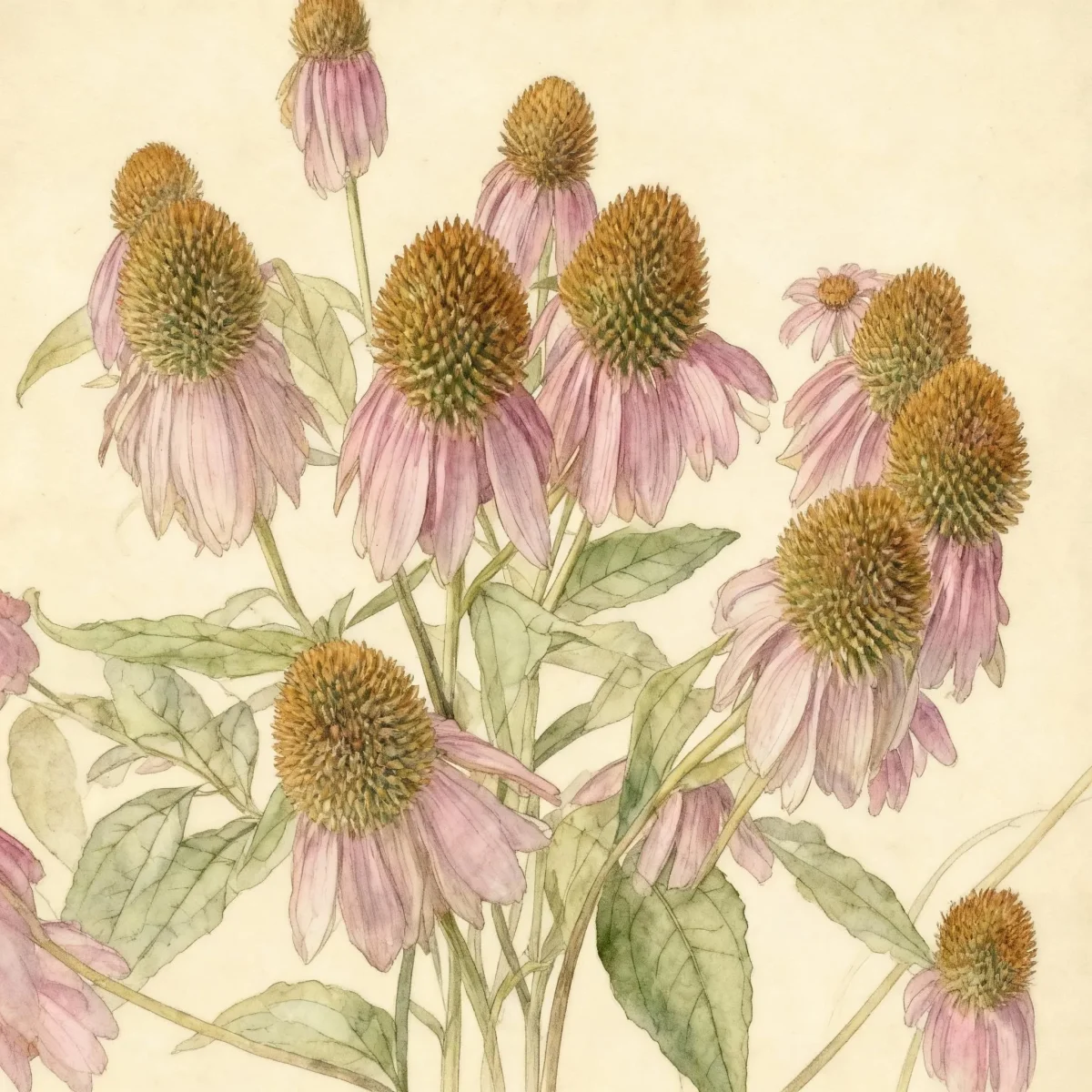
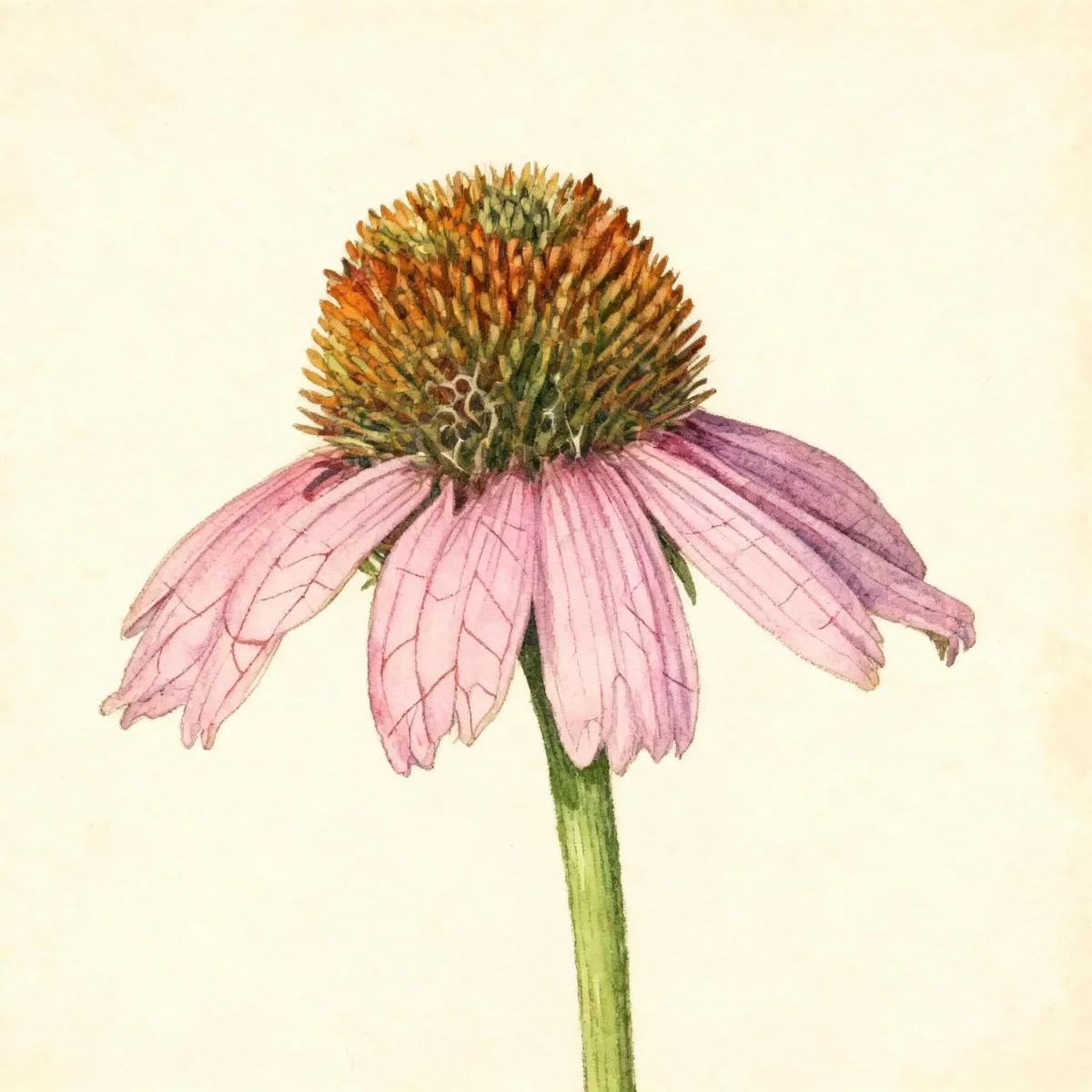
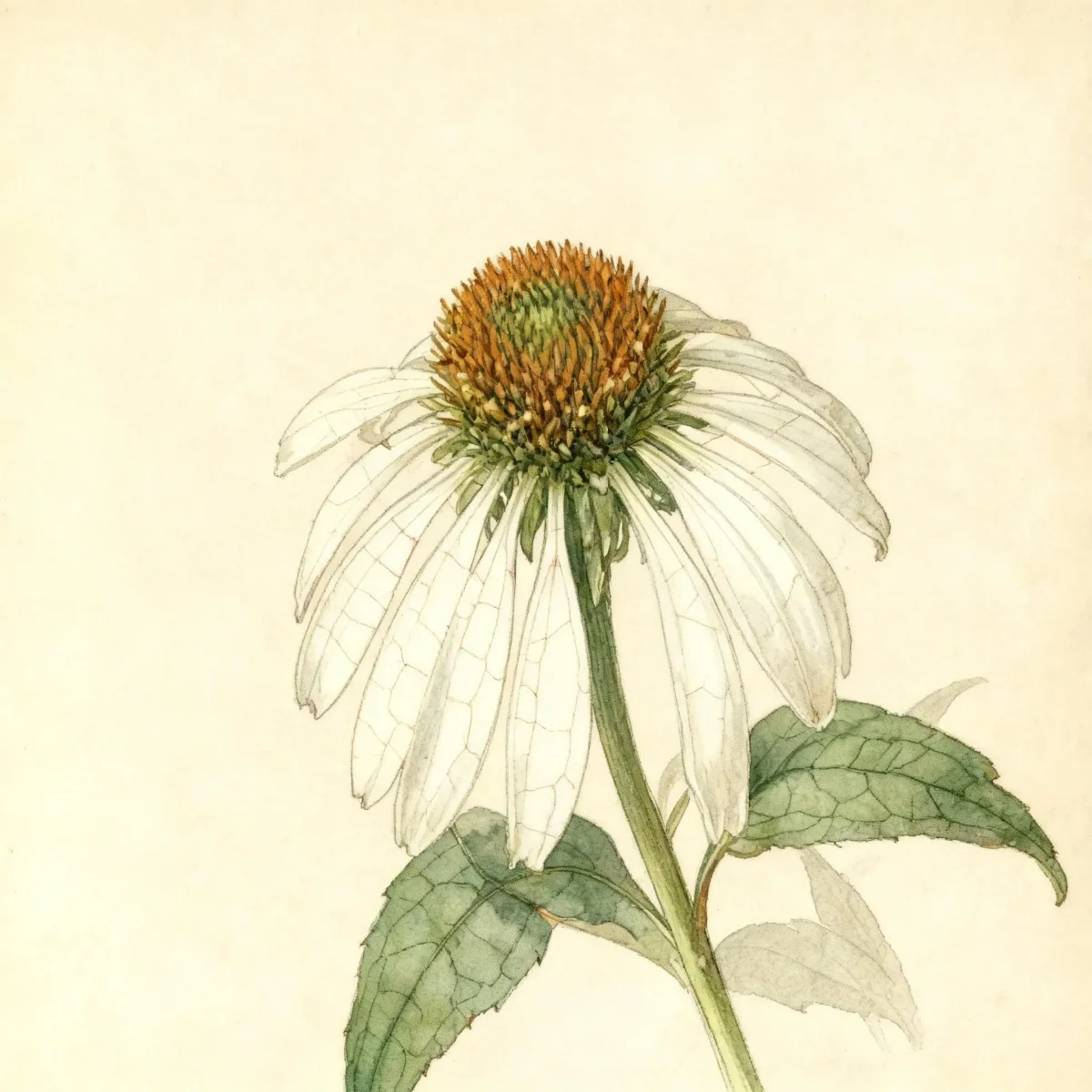
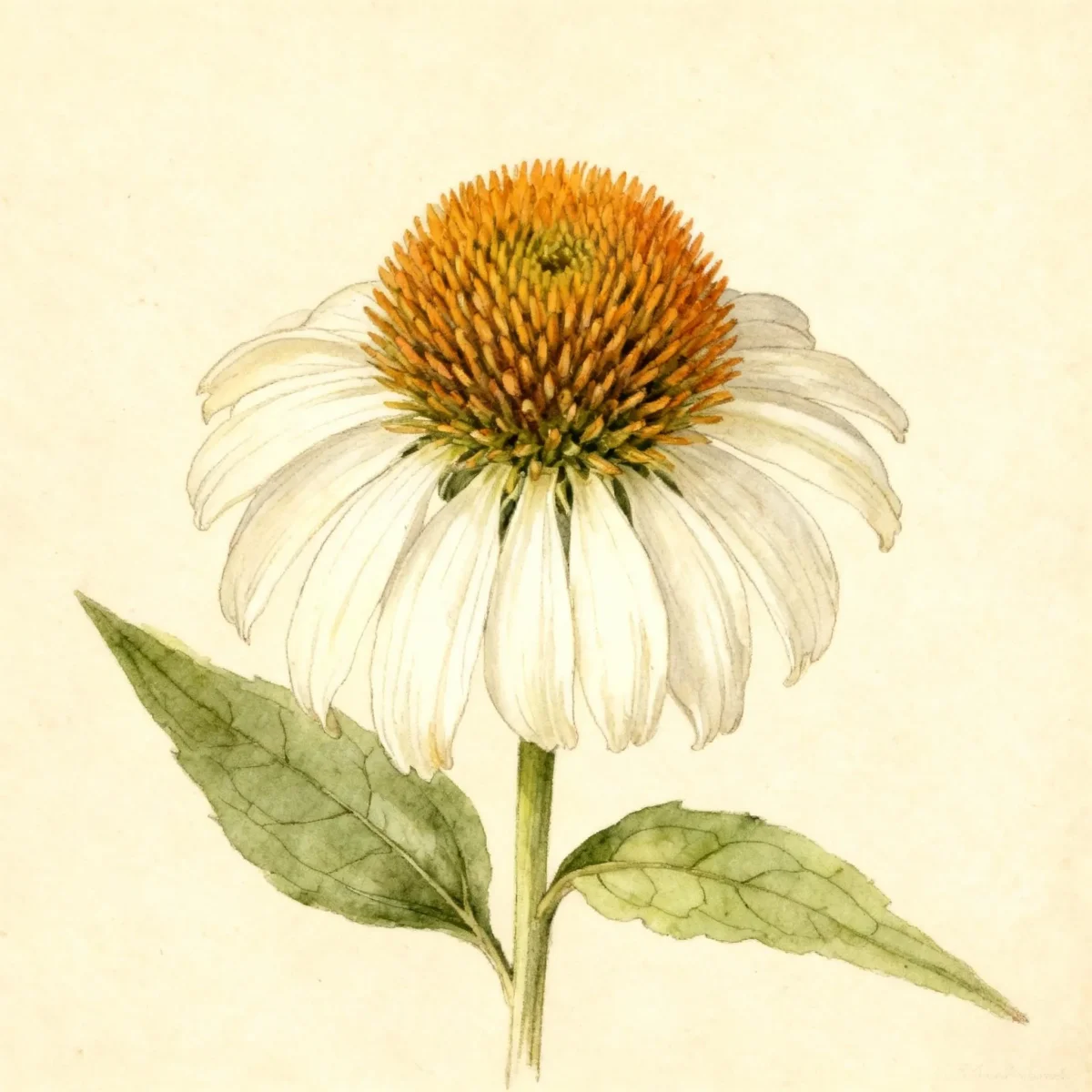
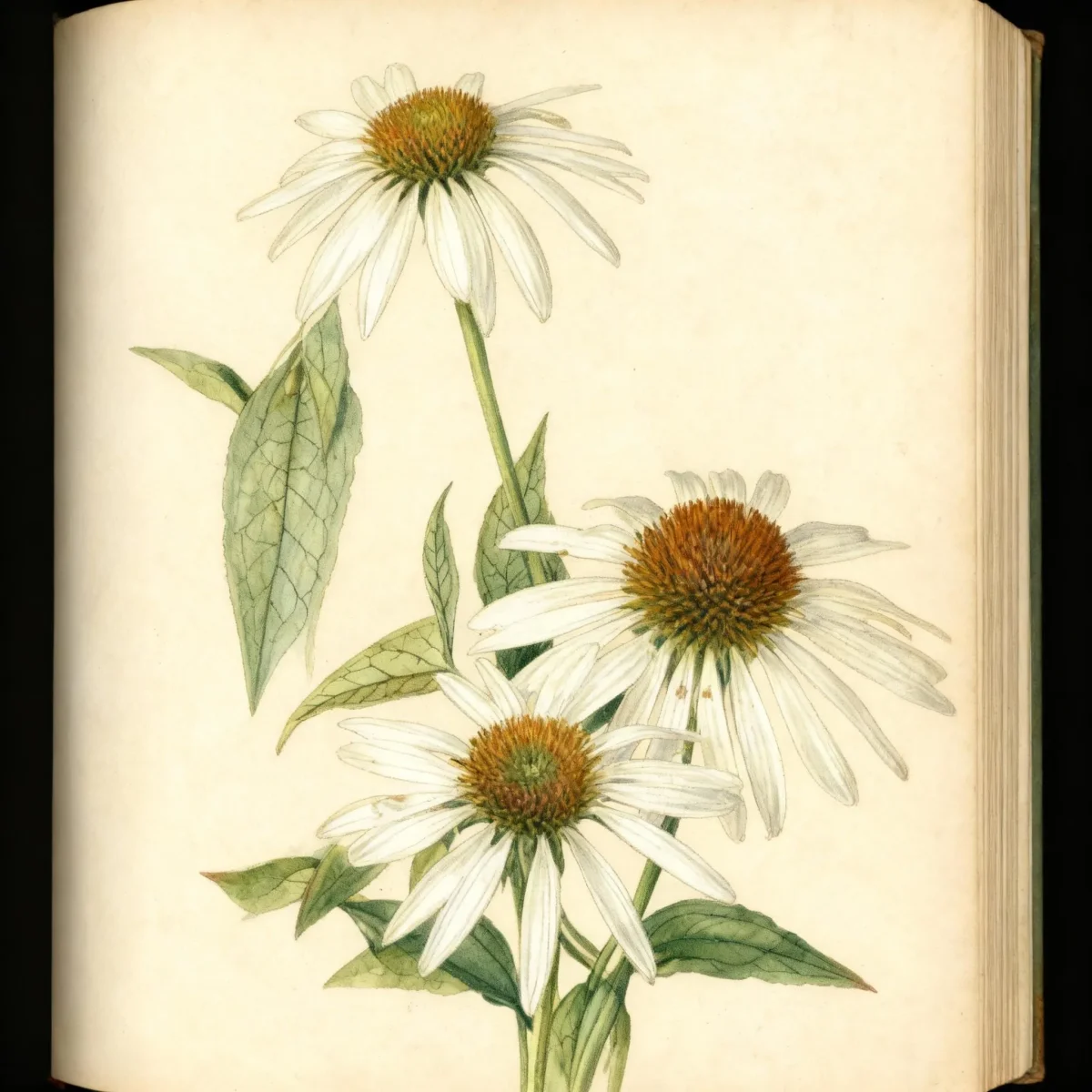
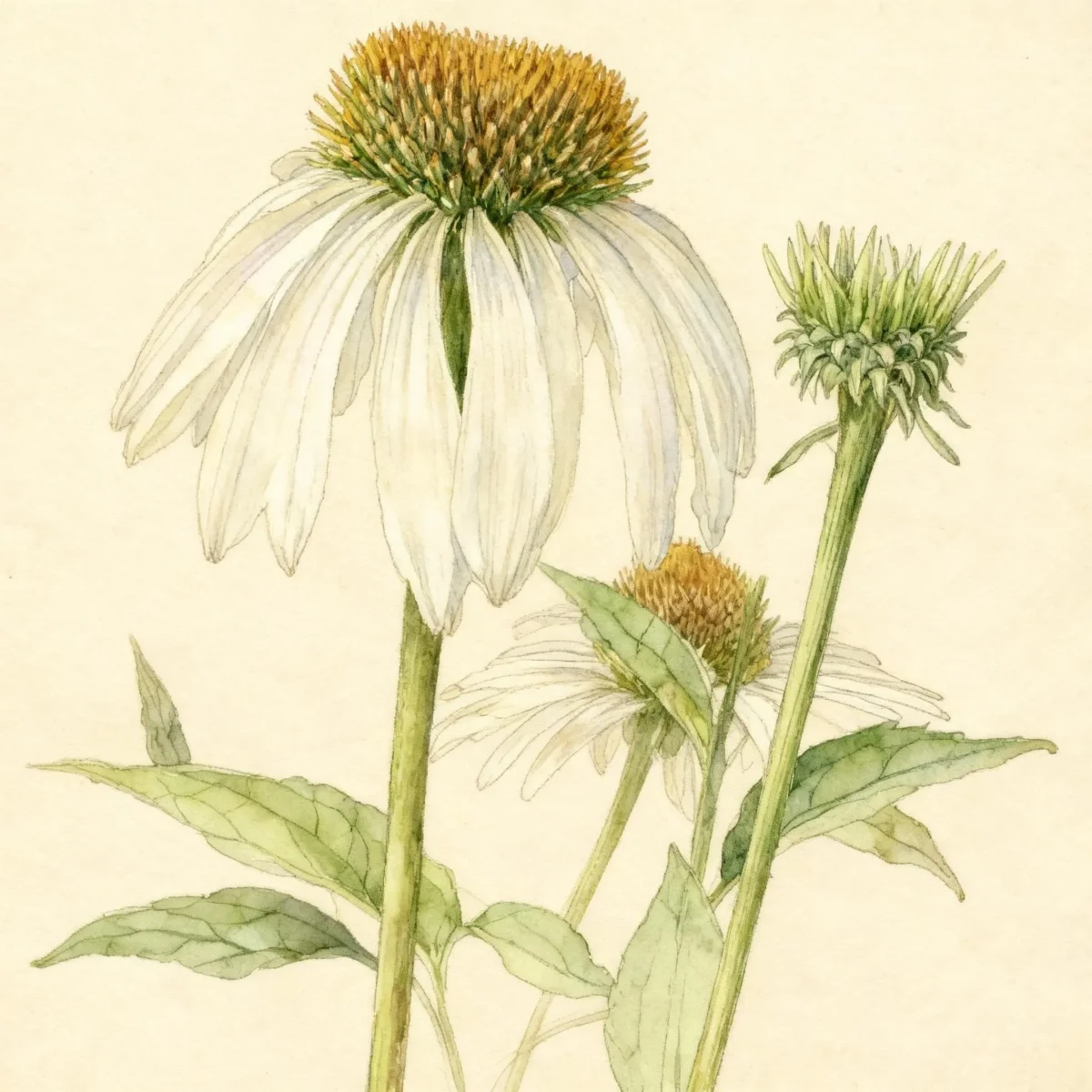
Purple coneflower (Echinacea purpurea 'Pink Double Delight')
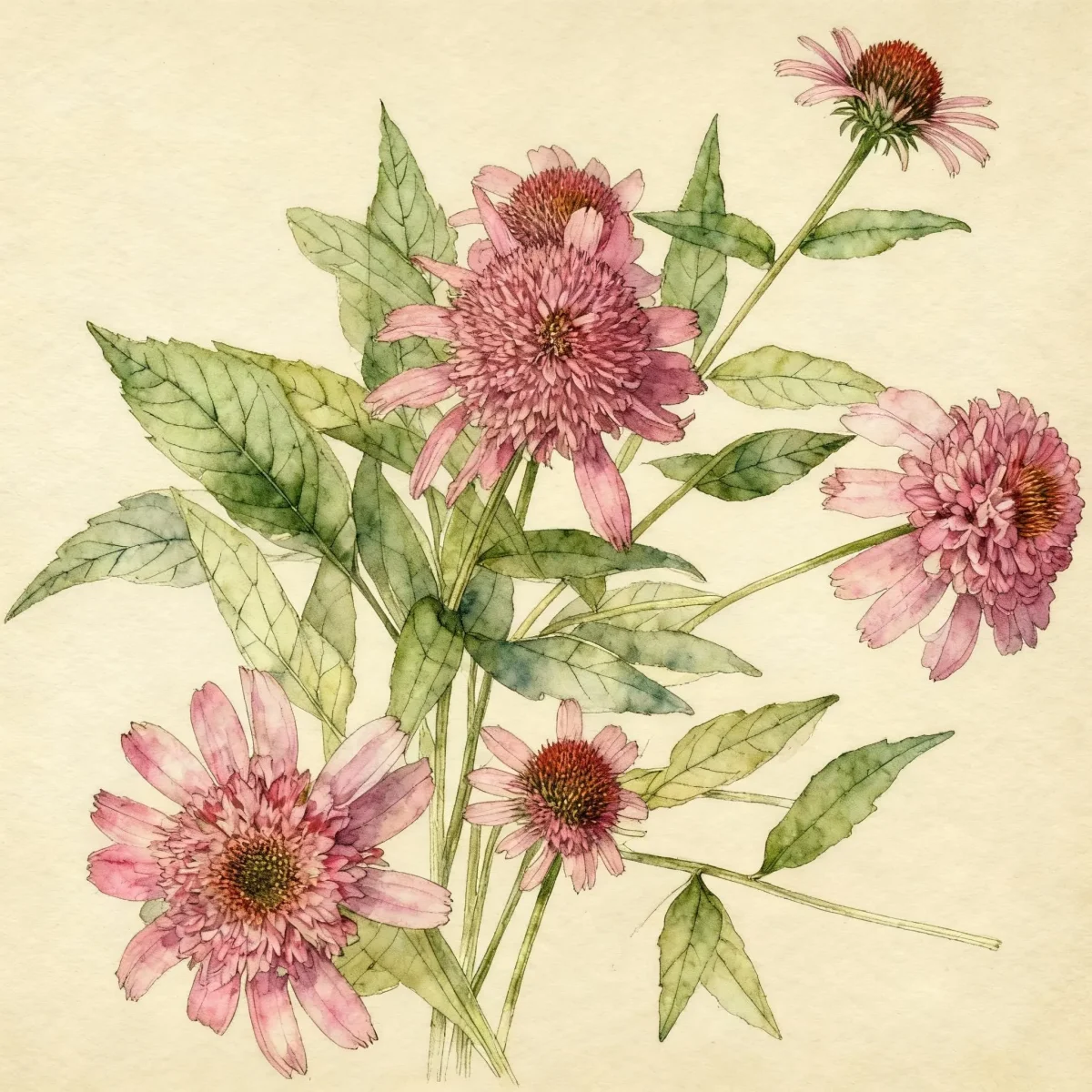
Echinacea purpurea 'Pink Double Delight' offers showy, pom-pom-like pink double blooms. This Purple coneflower is low maintenance and drought tolerant.
Scroll down to discover growing tips, care requirements, companion plants, and more
Complete Plant Information
Overview
Echinacea purpurea ‘Pink Double Delight’ is a highly desirable cultivar prized for its unique, pom-pom-like double flowers, setting it apart from the classic single-rayed Purple coneflower. This herbaceous perennial provides long-lasting color, blooming profusely from early summer into late summer. Gardeners value this selection for its durability and adaptability across varied soil conditions.
This particular variety of Purple coneflower typically forms a sturdy, upright clump, reaching heights around 1.5 to 2 feet, making it an excellent mid-border specimen. As an adaptable plant, Echinacea purpurea ‘Pink Double Delight’ thrives in full sun areas, tolerating drought, heat, and even less-than-ideal clay soils once established.
While standard coneflowers are famous for supporting wildlife, it is important to note that the double blooms of ‘Pink Double Delight’ offer less practical benefit to pollinators than single-flowering types, due to reduced nectar and pollen production. Nonetheless, its robust growth habit and exceptional pink coloration ensure that Echinacea purpurea ‘Pink Double Delight’ remains a visually stunning and easy-to-manage addition to perennial borders.
Fast Facts
- Plant Family: Asteraceae
- Plant Type: Herbaceous perennial
- Hardiness Zones: USDA Zones 3-8
- Size at Maturity:
- Height: 1.5-2 ft
- Spread: 1-1.5 ft
- Bloom Time: June to August
- Bloom Description: Pink (double)
- Sun Exposure: Full sun to part shade
- Water Needs: Dry to medium
- Maintenance Level: Low
How to Grow
Plant Echinacea purpurea ‘Pink Double Delight’ in the spring or fall, ensuring it settles into average, well-drained soil. While they succeed in part shade, these plants produce their best, most consistent double blooms when sited in full sun. Since they are highly adaptable perennials, they manage well in poor soils, including dry or clay types, provided drainage isn’t completely absent.
Once established, the watering needs for this Purple coneflower are minimal, as it possesses significant drought tolerance. Water deeply but infrequently, allowing soil to dry out between waterings, which helps promote robust root development. Fertilizing is generally unnecessary; excessive nutrients can lead to floppier growth, which detracts from the sturdy nature of this specific cultivar.
For optimal continuous flowering, prompt removal of spent blooms is recommended to encourage reblooming spikes throughout the season, although plants will often bloom without deadheading. If clumps become overcrowded after about four years, divide them during the early spring or fall. Leaving a few faded cones standing through winter can add winter interest.
Landscape Uses
The manageable size and extended summer bloom period make Echinacea purpurea ‘Pink Double Delight’ exceptionally versatile in garden design. Use mass plantings of this pink selection along borders to create dramatic drifts of color that catch the eye. Its sturdy, well-branched stems mean little to no staking is required, ensuring tidy perennial beds.
Consider grouping this cultivar with plants that share similar dry, full-sun preferences, such as ornamental grasses, Rudbeckia (black-eyed Susans, which look lovely massed alongside coneflowers), or Salvia. Its medium green foliage provides a solid backdrop for flashier annuals or other summer perennials. It performs beautifully in native plant gardens or naturalized sunny meadows where low maintenance is a priority.
If container growing, ensure pots are large enough to accommodate the developing root system and use a fast-draining potting mix, remembering that containers dry out quicker than garden soil, requiring slightly more diligent monitoring of moisture.
Standout Features
Flower Qualities
- Showy
Noteworthy Characteristics
Echinacea purpurea ‘Pink Double Delight’ showcases pink, pom-pom-like double flowers, contrasting with the typical daisy form of the species. These flowers reach up to 3 inches in diameter, featuring numerous densely packed disc florets in the center surrounded by downward-sloping pink ray petals. This specific cultivar grows compactly, usually reaching 18-24 inches tall on sturdy stems, making it an excellent, compact display of the classic Purple coneflower form.
Tolerances
- Deer
- Drought
- Clay Soil
- Dry Soil
- Shallow-Rocky Soil
Potential Problems
Japanese beetle activity can sometimes target the foliage, and an occasional fungal issue like leaf spot may appear, especially in humid weather with poor air circulation. Susceptibility to aster yellows disease is a concern, which is a viral-like condition transmitted by leafhoppers that causes distorted, greenish flowers. To mitigate potential problems, ensure strong air flow when planting and maintain good garden hygiene by promptly removing any diseased foliage.
Frequently Asked Questions
What hardiness zones is Echinacea purpurea ‘Pink Double Delight’ suitable for?
This robust Purple coneflower variety is well-suited for USDA Hardiness Zones 3 through 8, offering reliable perennial performance across a wide range of climates.
How large does Purple coneflower grow?
Echinacea purpurea ‘Pink Double Delight’ typically reaches a mature height between 1.5 and 2 feet, with a spread of 1 to 1.5 feet, forming a compact and sturdy clump.
When does Echinacea purpurea ‘Pink Double Delight’ bloom?
This cultivar is known for its floriferous display, generally blooming consistently from June into August, featuring those distinct Pink (double) flowers.
What sun exposure does Purple coneflower need?
For the best performance, aim for full sun exposure, though Echinacea purpurea ‘Pink Double Delight’ can still perform adequately with part shade.
Conclusion
Echinacea purpurea ‘Pink Double Delight’ offers gardeners a low-maintenance splash of unique pink color, acting as a structural element in summer borders. This adaptable Purple coneflower withstands heat and varying soils, solidifying its place as a garden staple. Plan your planting now to enjoy the distinctive, long-blooming beauty of Echinacea purpurea ‘Pink Double Delight’ next season.
Companion Planting
Selecting suitable companions ensures your Echinacea purpurea ‘Pink Double Delight’ looks its best and thrives under similar cultural conditions. Plants that prefer lean, well-drained soil and full sun are the best mates. Consider pairing it with Russian Sage (Perovskia atriplicifolia) for airy texture or Coreopsis verticillata for delicate, contrasting yellow blooms that share the drought tolerance.
Avoid overcrowding, as this can impede air circulation, which is crucial for keeping fungal issues like leaf spot at bay, particularly for cultivars like this one noted for their dense foliage. Grouping these perennials together simplifies watering routines since they all prefer dry to medium conditions once established.
Wildlife Benefits (Considerations)
While Echinacea purpurea is famed for attracting butterflies and providing seeds later for goldfinches, gardeners should note that the breeding that created the double blooms of ‘Pink Double Delight’ often compromises pollinator resources. Because the central cone is modified into extra petals, pollen and nectar availability are significantly reduced compared to the native species.
If your primary goal is robust pollinator support, consider planting a single-flowered cultivar nearby or leaving some native coneflowers in the garden. However, the structural interest of the dried seed heads of this variety still offers some winter texture, even if they are less attractive to foraging birds than those with open cones.