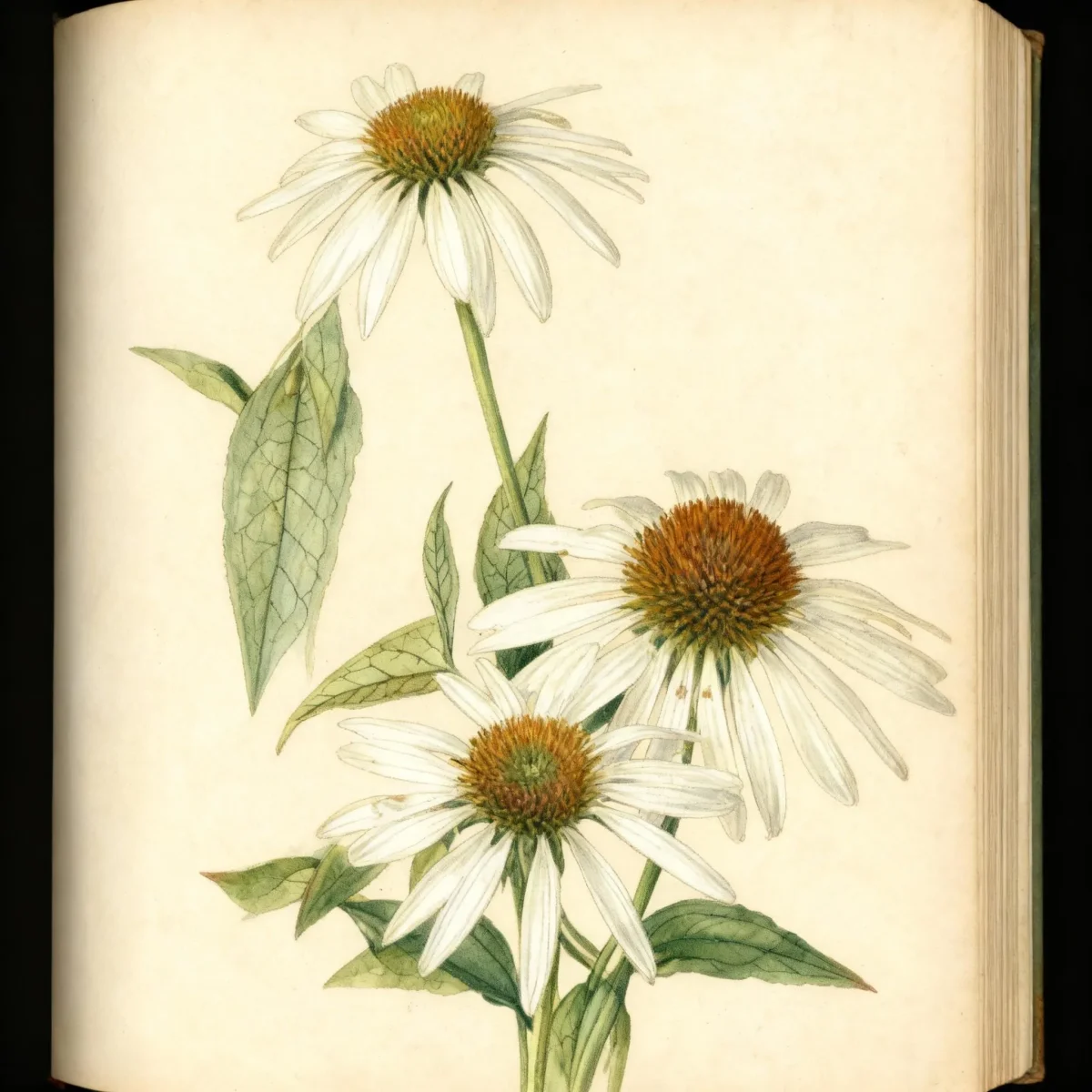
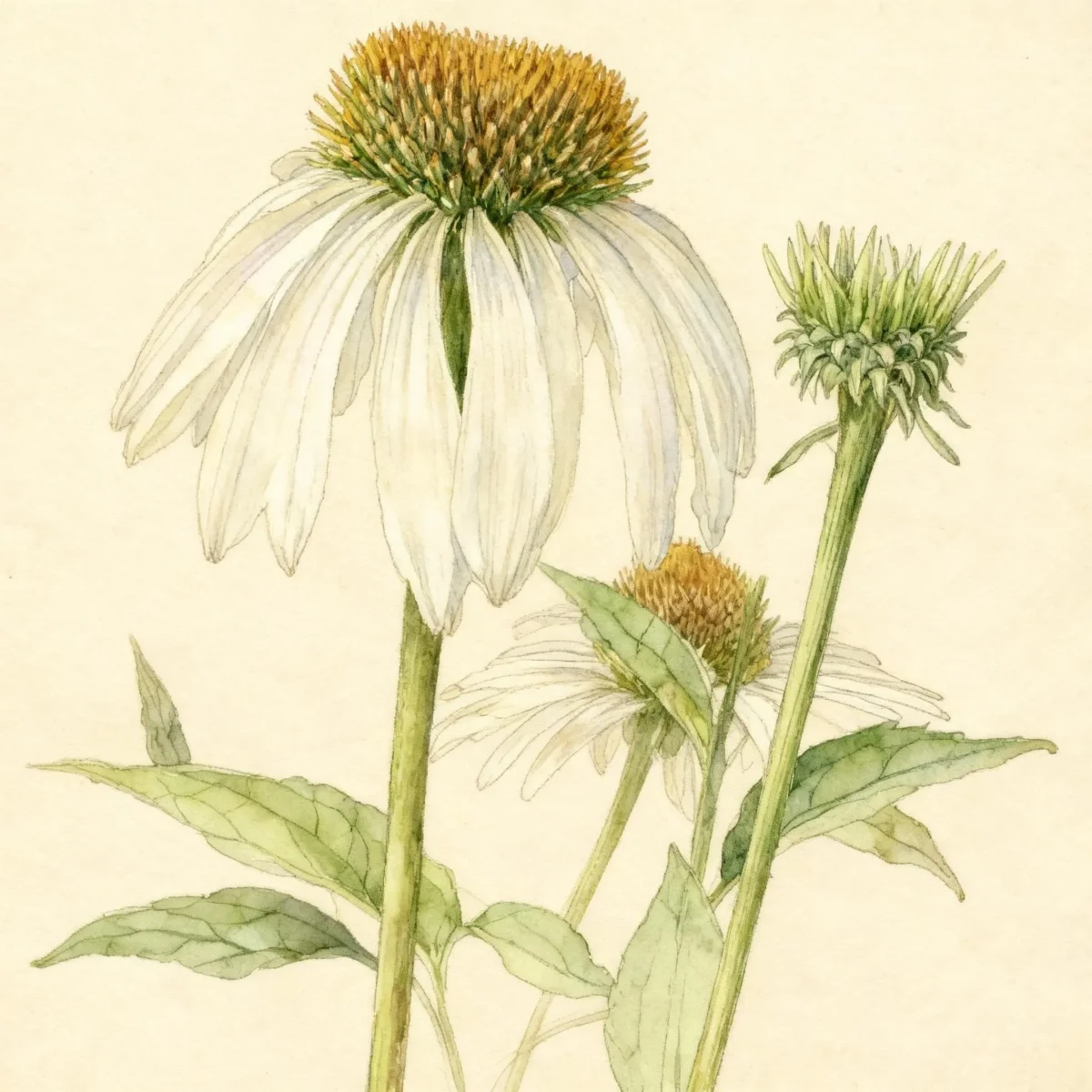
Purple coneflower (Echinacea purpurea 'Elbrook' ELTON KNIGHT)
Echinacea purpurea 'Elbrook' ELTON KNIGHT, a compact Purple coneflower, offers magenta-pink blooms from June to August. Low maintenance and highly adaptable.
Scroll down to discover growing tips, care requirements, companion plants, and more

Complete Plant Information
Overview
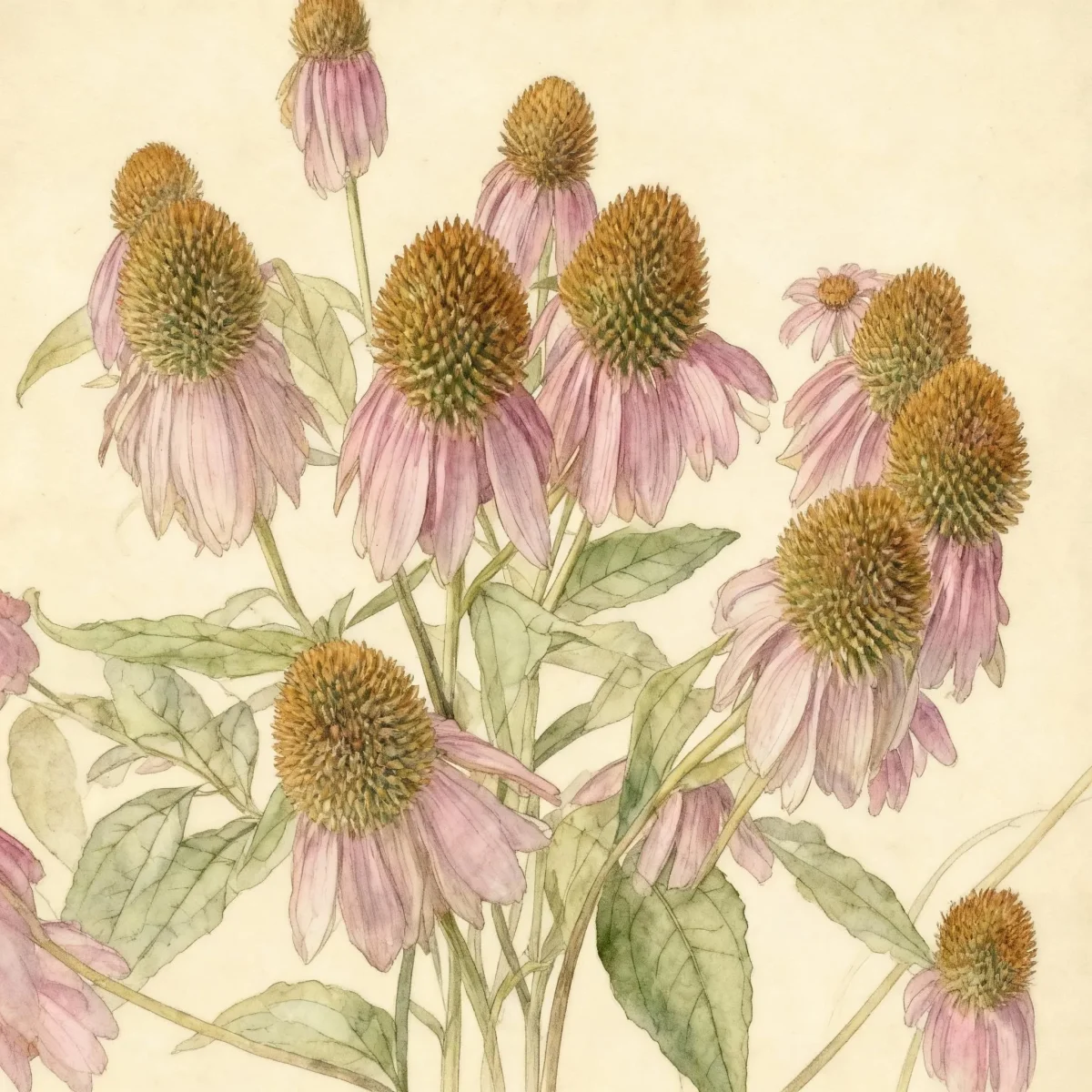
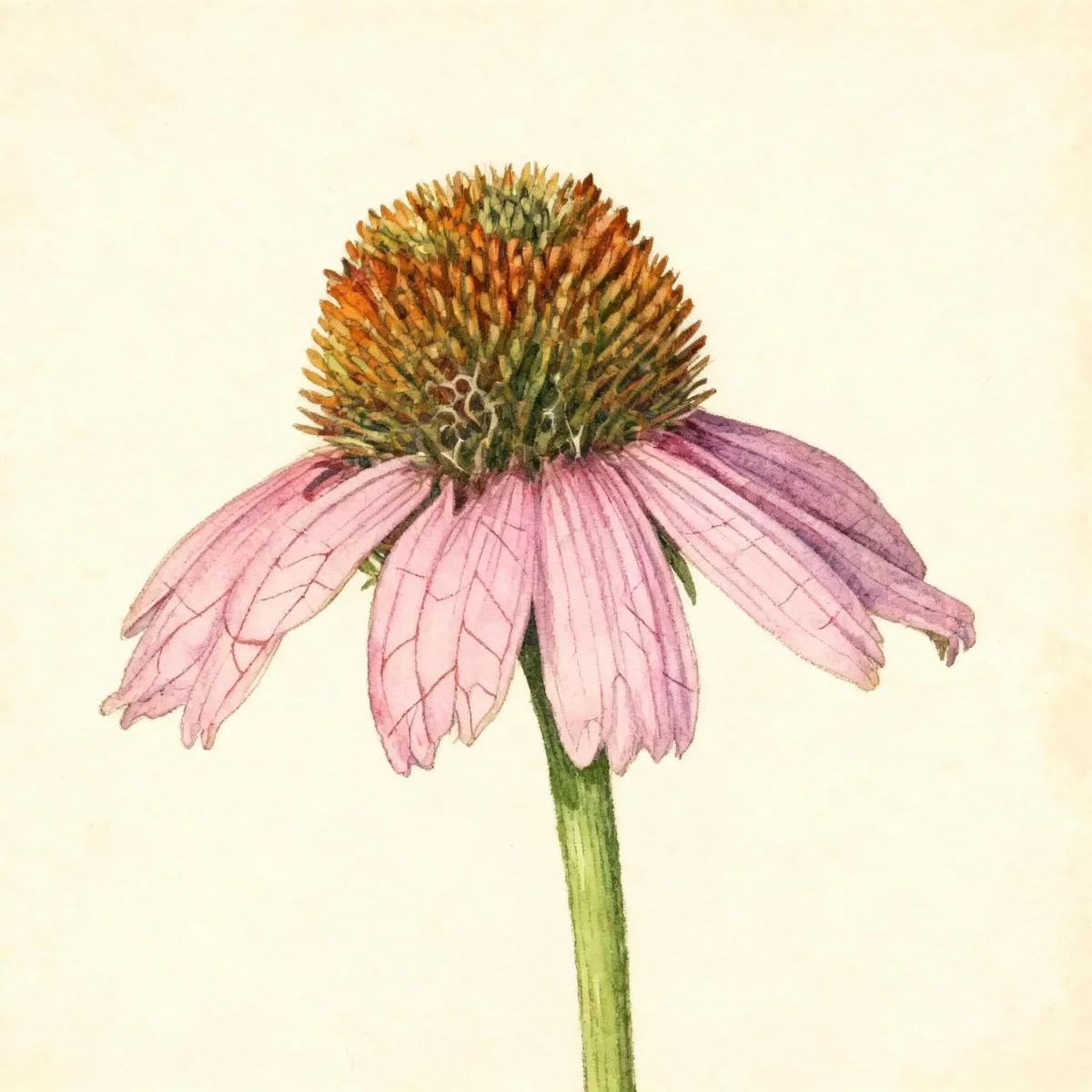
Echinacea purpurea ‘Elbrook’ ELTON KNIGHT is a standout cultivar celebrated for its robust, compact habit and vibrant flowers. Unlike some taller coneflowers, this variety maintains a tidy, upright clump, making management simpler in mixed borders. Its visual appeal comes from the bright magenta-pink ray petals surrounding a prominent, bronze-orange center cone.
This adaptable herbaceous perennial thrives in various conditions, providing reliable summer color. As a low-maintenance selection, the Purple coneflower contributes structural interest long after the main bloom period concludes. It brings native North American beauty into modern garden designs while requiring minimal intervention from the gardener.
The long bloom period, stretching from June through August, ensures excellent seasonal performance. Gardeners value Echinacea purpurea ‘Elbrook’ ELTON KNIGHT not only for its aesthetics but also for its resilience against heat and humidity once established.
Fast Facts
- Plant Family: Asteraceae
- Plant Type: Herbaceous perennial
- Hardiness Zones: USDA Zones 3-8
- Size at Maturity:
- Height: 1.5-2 ft
- Spread: 1-1.5 ft
- Bloom Time: June to August
- Bloom Description: Magenta-pink with bronze-orange center cone
- Sun Exposure: Full sun to part shade
- Water Needs: Dry to medium
- Maintenance Level: Low
How to Grow
The best time to plant Echinacea purpurea ‘Elbrook’ ELTON KNIGHT is typically in spring or fall after the danger of hard frost has passed. Ensure the planting location provides full sun for the most prolific flowering, though it tolerates part shade. This adaptable plant prefers average soil that is dry to medium in moisture content, provided it is well-drained. It possesses remarkable tolerance for drought, heat, humidity, and even poor or clay-heavy soils.
Water regularly until the Purple coneflower is established, after which its drought tolerance allows for reduced supplemental watering. Fertilizing is generally unnecessary; over-fertilizing can lead to weak, floppy stems. While plants often rebloom without interference, prompt removal of spent flowers (deadheading) improves the general appearance throughout the season.
If clumps of Echinacea purpurea ‘Elbrook’ ELTON KNIGHT become overcrowded, plan to divide them approximately every four years to maintain vigor. If you desire naturalized seed dispersal and winter interest, leave some seed heads standing; these provide food for goldfinches and excellent structure well into winter.
Landscape Uses
The compact nature of Echinacea purpurea ‘Elbrook’ ELTON KNIGHT makes it an excellent choice for mass plantings in the perennial border where repetition creates impact. It functions beautifully in meadow plantings or naturalized areas, integrating well with native plant schemes. Because it is so sturdy and blooms continuously, it serves as a fantastic mid-border anchor.
Consider grouping this Purple coneflower with other strong summer performers. It pairs excellently with Black-eyed Susans (Rudbeckia), which share similar sun and soil preferences, creating a classic prairie palette. Its upright habit also complements softer textures like ornamental grasses or taller salvias.
It is equally suitable for woodland garden edges where it receives afternoon shade protection, or even in containers where its manageable size prevents it from becoming unwieldy. The persistent structural remains of the dried cones add winter architecture to drier spots in the landscape.
Standout Features
Flower Qualities
- Showy
Noteworthy Characteristics
The genus name Echinacea originates from the Greek word echinos, meaning hedgehog or sea urchin, referencing the spiny center cone common to most flowers in the genus. Echinacea purpurea, the common Purple coneflower, is generally a coarse, rough-hairy perennial native to central and southeastern US prairies and open woods. The cultivar ELTON KNIGHT creates a compact plant reaching 18-24” tall, featuring bright, perpendicular magenta-pink rays surrounding a domed, bronze-orange center cone, resulting from a specific 1992 cross. This variety is noted for its sturdy, well-branched purple stems that typically require no staking, offering good fresh cut or dried flower material.
Tolerances
- Deer
- Drought
- Clay Soil
- Dry Soil
- Shallow-Rocky Soil
Potential Problems
While generally robust, Echinacea purpurea varieties can occasionally suffer from pest or disease issues. Japanese beetles are known infrequent visitors, often chewing unsightly holes in the petals. Leaf spot fungal diseases can also occur, especially in humid conditions or if air circulation is poor around dense plantings.
Management often involves ensuring proper spacing during planting to encourage airflow, which minimizes fungal development. If pests like Japanese beetles become numerous, physical removal or targeted late-season treatments may be necessary. Overall, the susceptibility to aster yellows disease is a concern, though careful sourcing and good sanitation practices can mitigate many health risks for your Purple coneflower.
Frequently Asked Questions
What hardiness zones is Purple coneflower suitable for?
Echinacea purpurea ‘Elbrook’ ELTON KNIGHT is well-suited for USDA Hardiness Zones 3 through 8.
How large does Purple coneflower grow?
This specific cultivar typically reaches a height between 1.5 and 2 feet and spreads between 1 and 1.5 feet wide, forming a tidy, upright clump.
What sun exposure does Echinacea purpurea ‘Elbrook’ ELTON KNIGHT need?
This plant performs best in full sun but adapts well to locations receiving partial shade.
When does Purple coneflower bloom?
The major bloom time for Echinacea purpurea ‘Elbrook’ ELTON KNIGHT is from June to August, presenting its characteristic magenta-pink flowers with bronze-orange centers.
Conclusion
Echinacea purpurea ‘Elbrook’ ELTON KNIGHT provides dependable, upright structure and brilliant color throughout the summer months with minimal effort required from the gardener. Its tolerance for poor soils and drought makes this specific Purple coneflower a foundational element for sustainable landscape design. Check your local hardiness zone compatibility before planting to ensure years of glorious performance from these tough, showy perennials.
Companion Planting
When selecting companions for Echinacea purpurea ‘Elbrook’ ELTON KNIGHT, focus on plants that share its love for full sun and dry to medium soil conditions. Good vertical partners that contrast nicely in texture include ornamental grasses like Schizachyrium scoparium (Little Bluestem) or upright Salvia species. For mid-season color pairings, consider plants that bloom just before or after its main flush, such as coreopsis or Russian Sage, which thrive in similar sun exposure.
To create a classic prairie look reminiscent of its native habitat, mass planting this compact coneflower alongside yellow-flowered Rudbeckia (Black-eyed Susans) is highly effective. These combinations not only look wonderful but also provide continuous forage for pollinators throughout the mid-to-late summer season.
Wildlife Benefits
The distinctive center cones of the Purple coneflower are far more than just decorative elements; they serve as vital food sources for wildlife. Once the flowering period concludes in late summer, leave the seed heads standing, as they attract goldfinches and other seed-eating birds throughout the fall and winter months. These sturdy cones provide necessary sustenance when other food sources dwindle.
Beyond bird interest, the large, accessible flowers of Echinacea purpurea ‘Elbrook’ ELTON KNIGHT are magnets for a wide array of beneficial insects. Native bees, butterflies, and other pollinators readily visit the daisy-like blooms during the long flowering cycle, making this variety essential for supporting local ecological health in any garden setting.