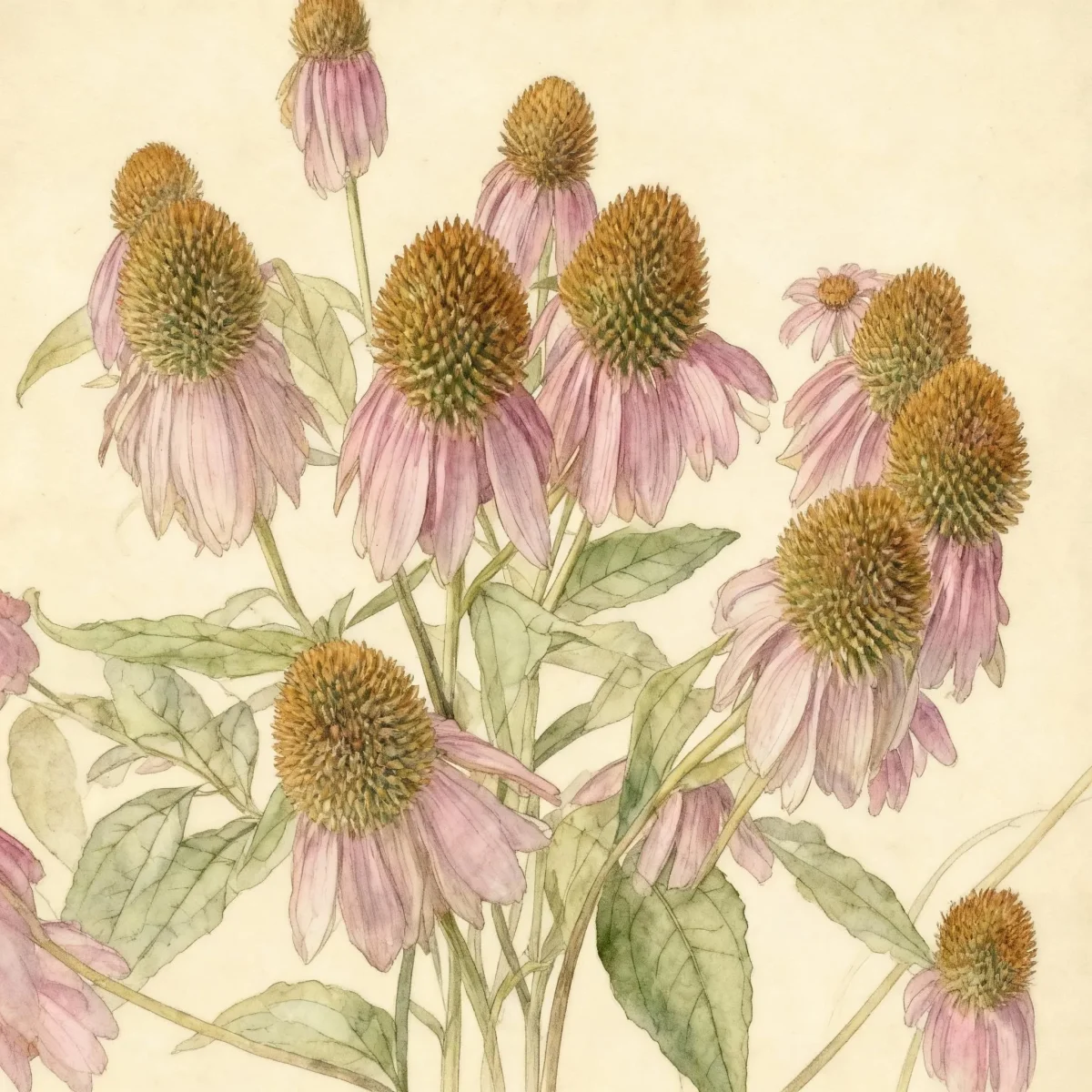
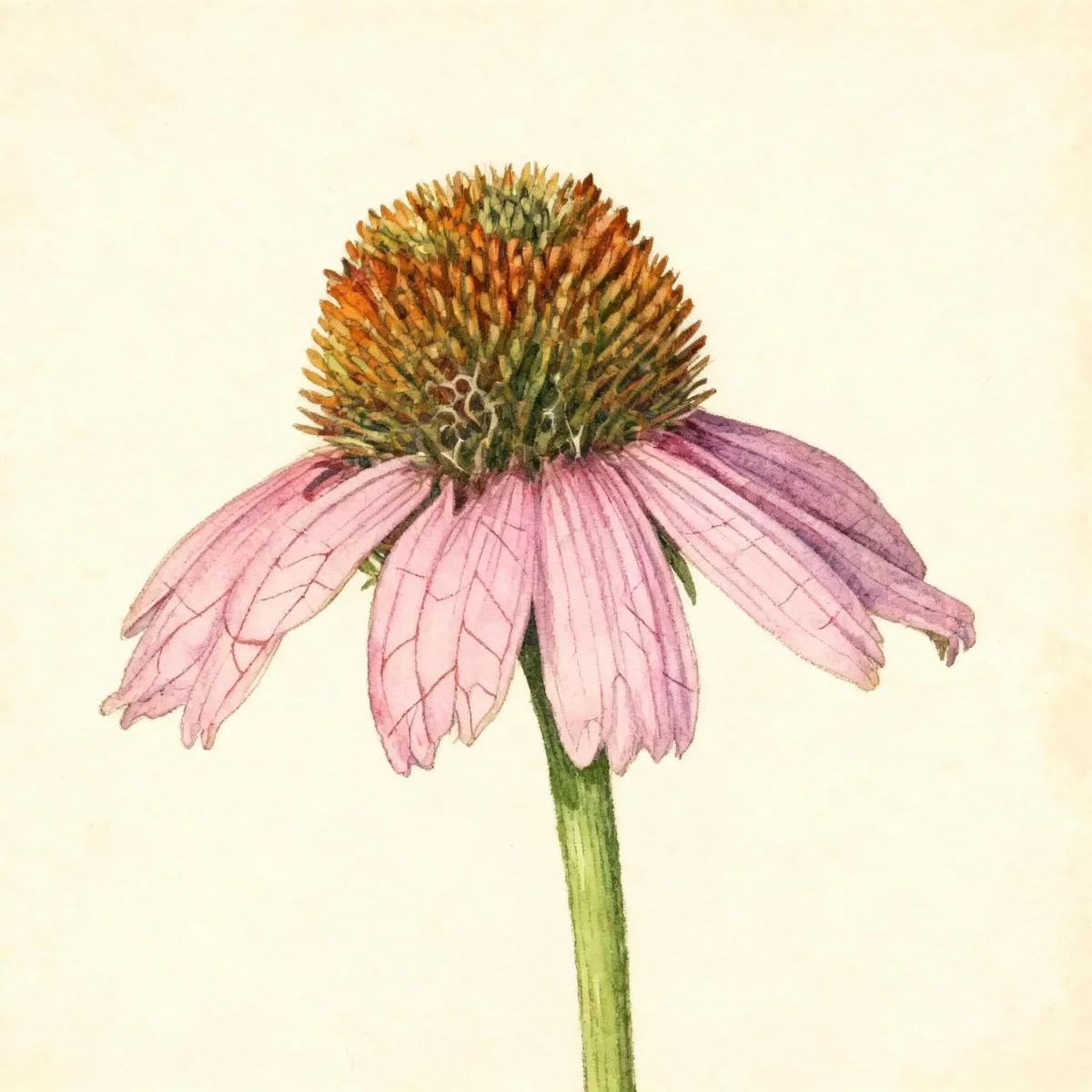
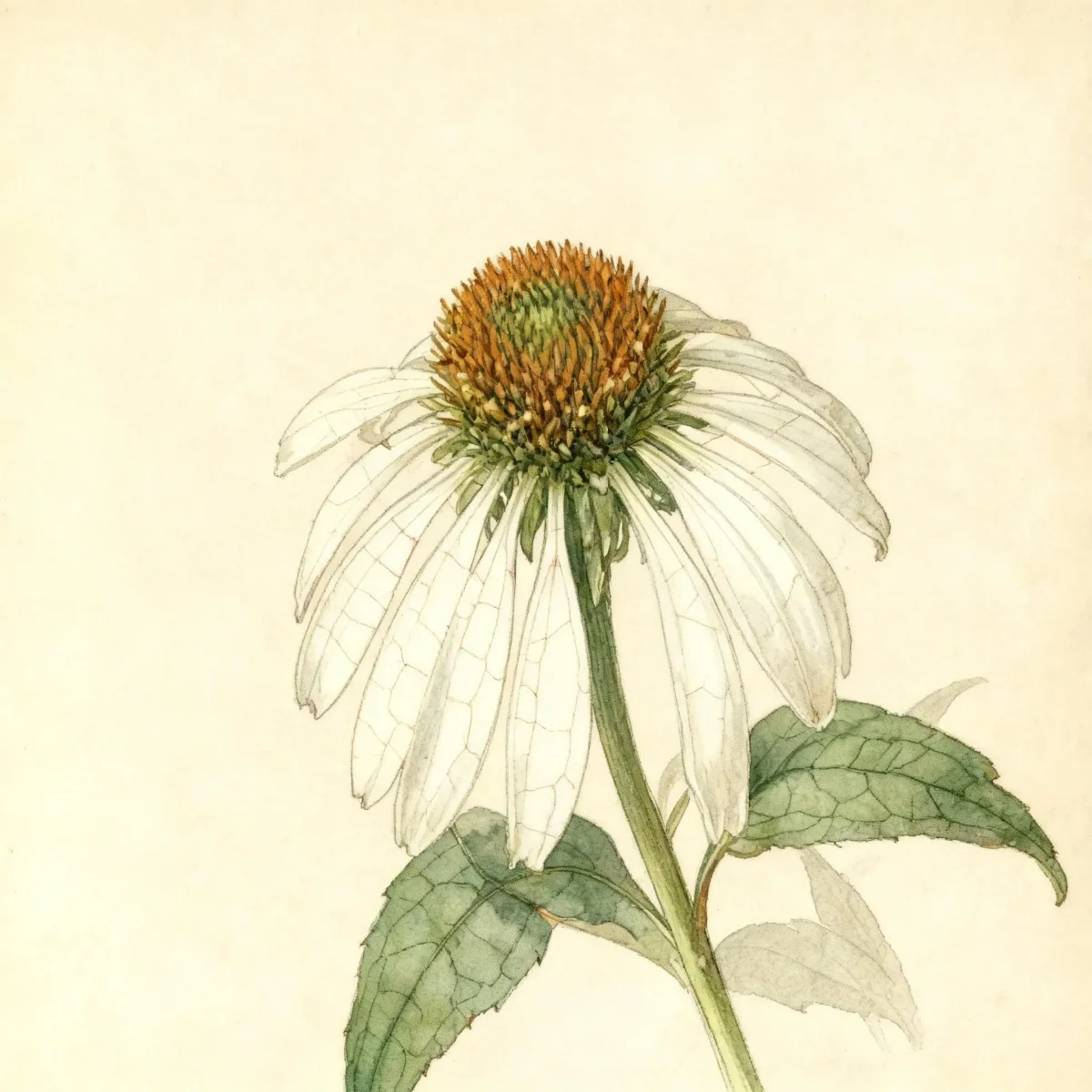
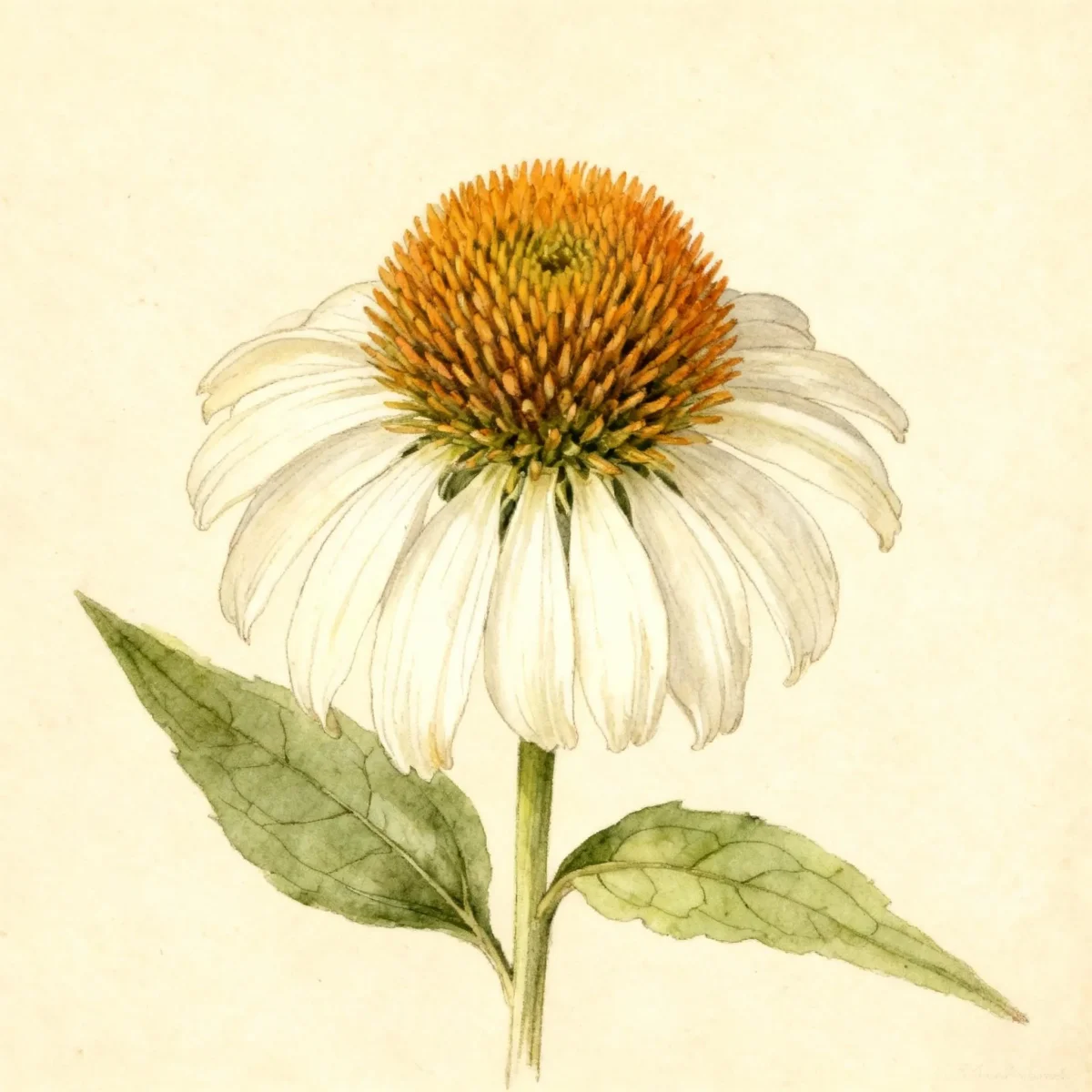
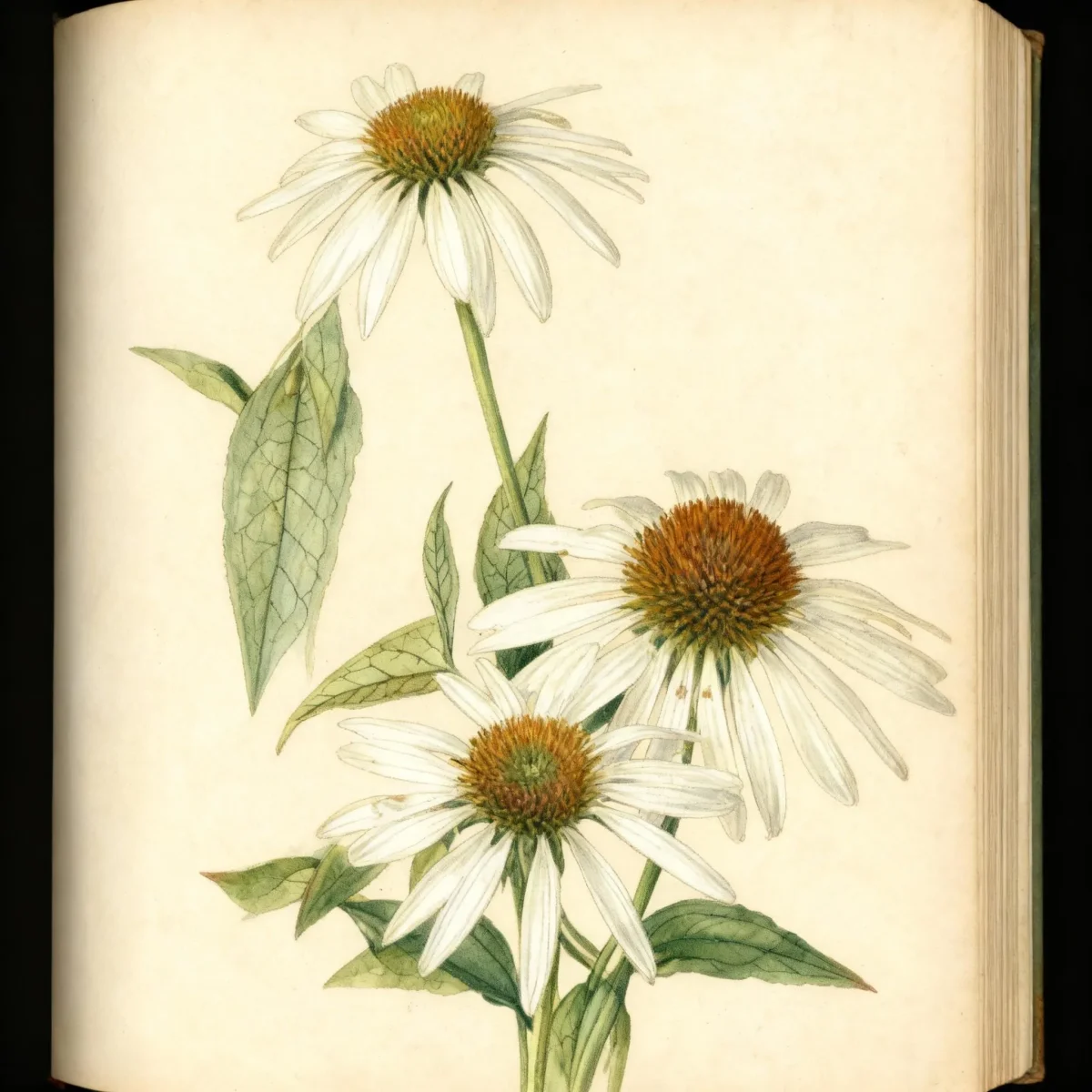
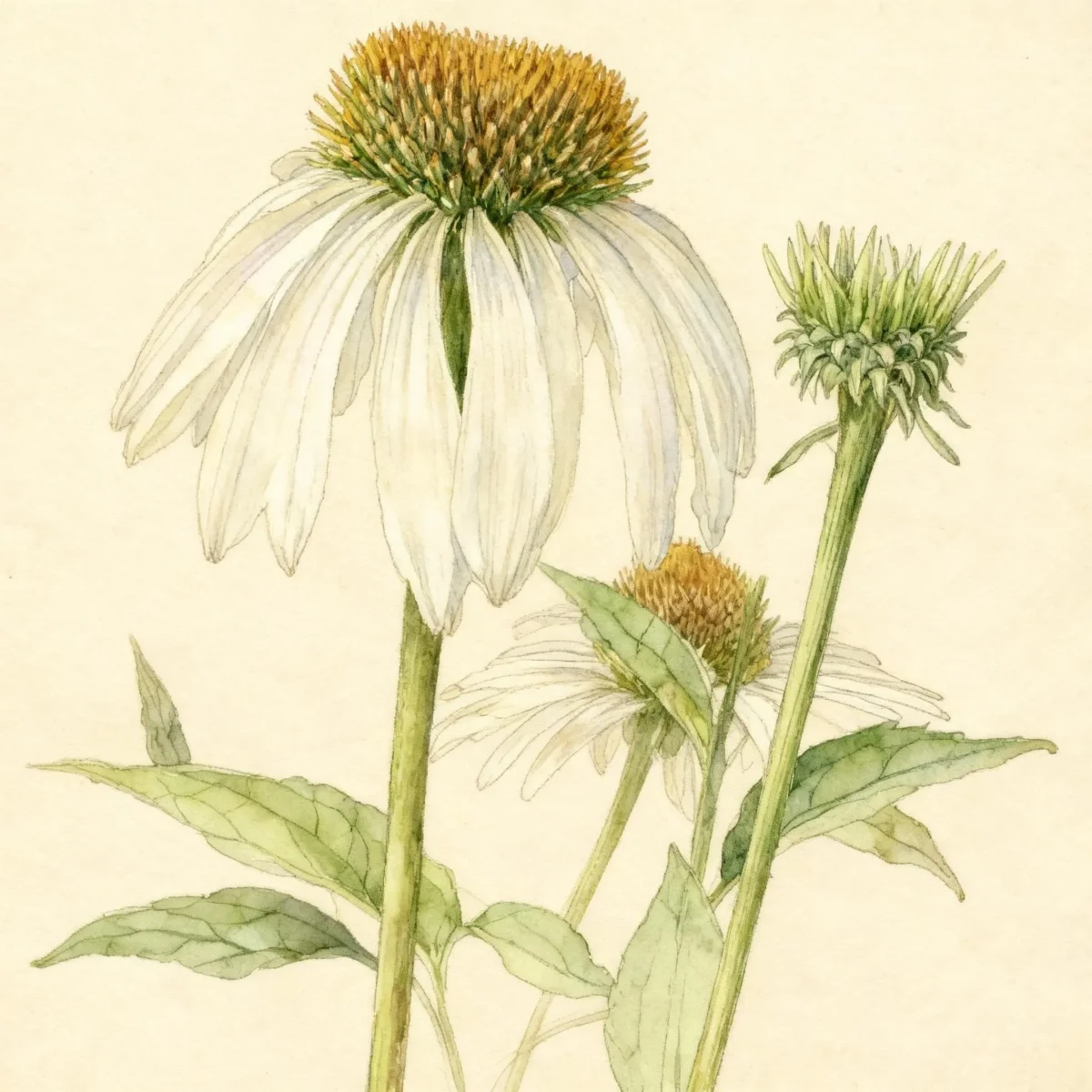
Purple coneflower (Echinacea purpurea 'Mistral')
Echinacea purpurea 'Mistral' is a low-maintenance, compact Purple coneflower offering bright pink blooms from June to August.
Scroll down to discover growing tips, care requirements, companion plants, and more
Complete Plant Information
Overview
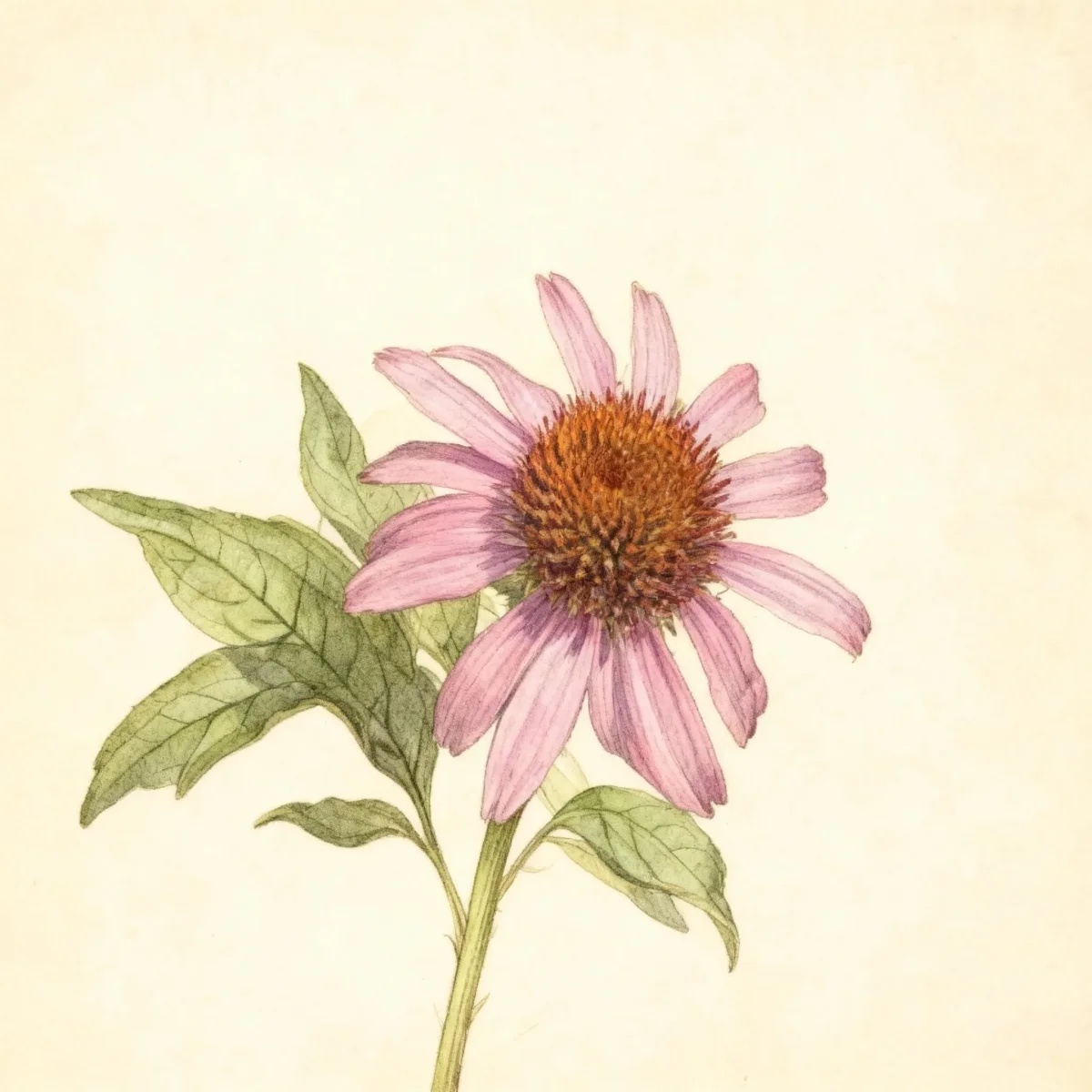
Echinacea purpurea ‘Mistral’ is a highly valued cultivar of the popular Purple coneflower, prized for its robust, compact habit and vibrant flowering display. This specific selection offers clear, bright pink ray flowers surrounding a prominent, domed bronze-orange center cone, providing excellent season-long color from early summer into late August. As an herbaceous perennial, it reliably returns each year, offering fantastic structural value even after the flowers fade.
This adaptable cultivar is exceptionally easy to grow, thriving in average conditions, which makes Echinacea purpurea ‘Mistral’ a staple for both novice and experienced gardeners. It tolerates heat, humidity, and poorer soils with ease, contributing both significant aesthetic appeal and ecological benefits to sunny borders and naturalized settings. Expect consistent performance from this sturdy plant.
The genus name Echinacea references the spiny central cone, resembling a hedgehog, a feature that remains attractive and provides winter interest. The sturdy stems of this specific selection ensure that the beautiful flowers of the Purple coneflower remain upright without the need for staking, providing reliable structure in the garden.
Fast Facts
- Plant Family: Asteraceae
- Plant Type: Herbaceous perennial
- Hardiness Zones: USDA Zones 3-8
- Size at Maturity:
- Height: 1-1.5 ft
- Spread: 1-1.5 ft
- Bloom Time: June to August
- Bloom Description: Pink with bronze-orange center cone
- Sun Exposure: Full sun to part shade
- Water Needs: Dry to medium
- Maintenance Level: Low
How to Grow
Plant Purple coneflower in the spring or fall, aiming for locations achieving full sun for the best flower production, although they tolerate light afternoon shade. This plant prefers average, well-drained soil, but Echinacea purpurea ‘Mistral’ is remarkably adaptable, handling dry, clay, or even somewhat shallow and rocky soils well. Ensure excellent drainage, as standing water will quickly compromise its health.
Once established, this perennial requires minimal input. It is tolerant of significant drought, meaning regular supplemental watering is usually unnecessary unless experiencing prolonged, severe dry spells. Fertilization is rarely required; over-fertilizing can lead to weak, floppy growth instead of sturdy stems.
For best garden appearance, you may choose to deadhead spent blooms to encourage repeat flowering into the late season. However, if you wish to feed winter birds, leave the seed heads intact, as the dried cones of the Purple coneflower are highly attractive to goldfinches. Clumps of Echinacea purpurea ‘Mistral’ benefit from division every four years if they become too crowded, best executed in early spring.
Landscape Uses
Echinacea purpurea ‘Mistral’ excels when used in mass plantings, where drifts of pink provide a significant visual impact throughout summer. It functions beautifully as a mid-border plant, bridging shorter foreground annuals with taller background elements. It is an excellent component for native plant gardens, wildflower meadows, or xeriscaped areas due to its drought tolerance.
Consider planting the compact Echinacea purpurea ‘Mistral’ alongside contrasting textures and colors, such as ornamental grasses or silver-leaved plants. It pairs classically with Rudbeckia (black-eyed Susans) to create that iconic, sun-drenched meadow look, though it performs well in slightly shadier woodland garden edges too.
Standout Features
Flower Qualities
- Showy
Noteworthy Characteristics
The species, Echinacea purpurea, is a coarse, rough-hairy perennial native to moist central US plains and open woods. The specific cultivar, ‘Mistral’, is highly manageable, reaching only 15-18 inches tall on well-branched stems that do not require staking. Its flowers, measuring up to 3.5 inches across, feature clear pink rays surrounding the characteristic domed cone. The genus name Echinacea refers to the spiny center cone, resembling a sea urchin or hedgehog.
Tolerances
- Deer
- Drought
- Clay Soil
- Dry Soil
- Shallow-Rocky Soil
Potential Problems
Occasional pest issues may include damage from Japanese beetles, which sometimes feed on the flower petals. Fungal concerns like leaf spot can appear, particularly in humid conditions or when air circulation is poor; planting in full sun helps mitigate this risk. Be aware that the plant is susceptible to aster yellows disease, which can cause unusual, sterile growth; promptly removing infected plants is recommended cultural practice.
Frequently Asked Questions
What hardiness zones is Purple coneflower suitable for?
Echinacea purpurea ‘Mistral’ is well-suited for USDA Zones 3 through 8, offering reliable perennial performance across much of the continental US.
How large does Echinacea purpurea ‘Mistral’ grow?
This compact Purple coneflower typically reaches a height between 1 and 1.5 feet tall, spreading to a similar width of 1 to 1.5 feet.
When does Purple coneflower bloom?
Echinacea purpurea ‘Mistral’ provides a floriferous bloom starting in June and continuing robustly through August, featuring lovely pink flowers with bronze-orange centers.
What sun exposure does Purple coneflower need?
For the most prolific flowering, this plant performs best in full sun, though it can tolerate partial shade exposure.
Conclusion
Echinacea purpurea ‘Mistral’ is a truly valuable perennial offering low-maintenance cultivation coupled with high visual impact, making it dependable for long-lasting summer color. Integrating this durable Purple coneflower into your garden ensures excellent drought tolerance and structural beauty. Always check your local USDA hardiness zone before planting to guarantee the long-term success of your Echinacea purpurea ‘Mistral’.
Companion Planting Guide
When designing sunny perennial borders, the robust nature of Echinacea purpurea ‘Mistral’ pairs wonderfully with other drought-tolerant companions. Plant it alongside Russian Sage (Perovskia atriplicifolia) for contrasting silvery foliage and vertical accents that bloom later in the season. Similarly, other sturdy prairie natives like various Liatris species or Sedum varieties provide texture and color coordination that complement the structure of the Purple coneflower.
In more naturalized settings, group them with grasses such as Little Bluestem (Schizachyrium scoparium). These combinations honor the native ecosystems from which the genus originates, ensuring good air flow and shared cultural needs (full sun, dry to medium soil).
Seasonal Care Calendar
Early Spring: This is the ideal time to clean up any remaining dried stems from the previous season (if you didn’t leave them for winter interest) and to divide overcrowded clumps of Echinacea purpurea ‘Mistral’. Avoid heavy fertilization at this time.
Late Spring/Early Summer (Bloom Initiation): Keep the soil consistently moist while the plant is establishing its initial growth flush. Monitor for any signs of Japanese beetle activity, which often begins as the first flowers open, allowing for early control measures.
Mid-Summer (Peak Bloom): Deadheading spent flowers will encourage the plant to put energy into producing more of its signature pink blooms, extending the season for your Purple coneflower. Water deeply but infrequently during any unexpected dry spells.
Fall: Cut back spent flower heads selectively if you desire a tidy look through winter or wish to control self-seeding. If left standing, the dried cones provide essential foraging opportunities for birds like goldfinches.