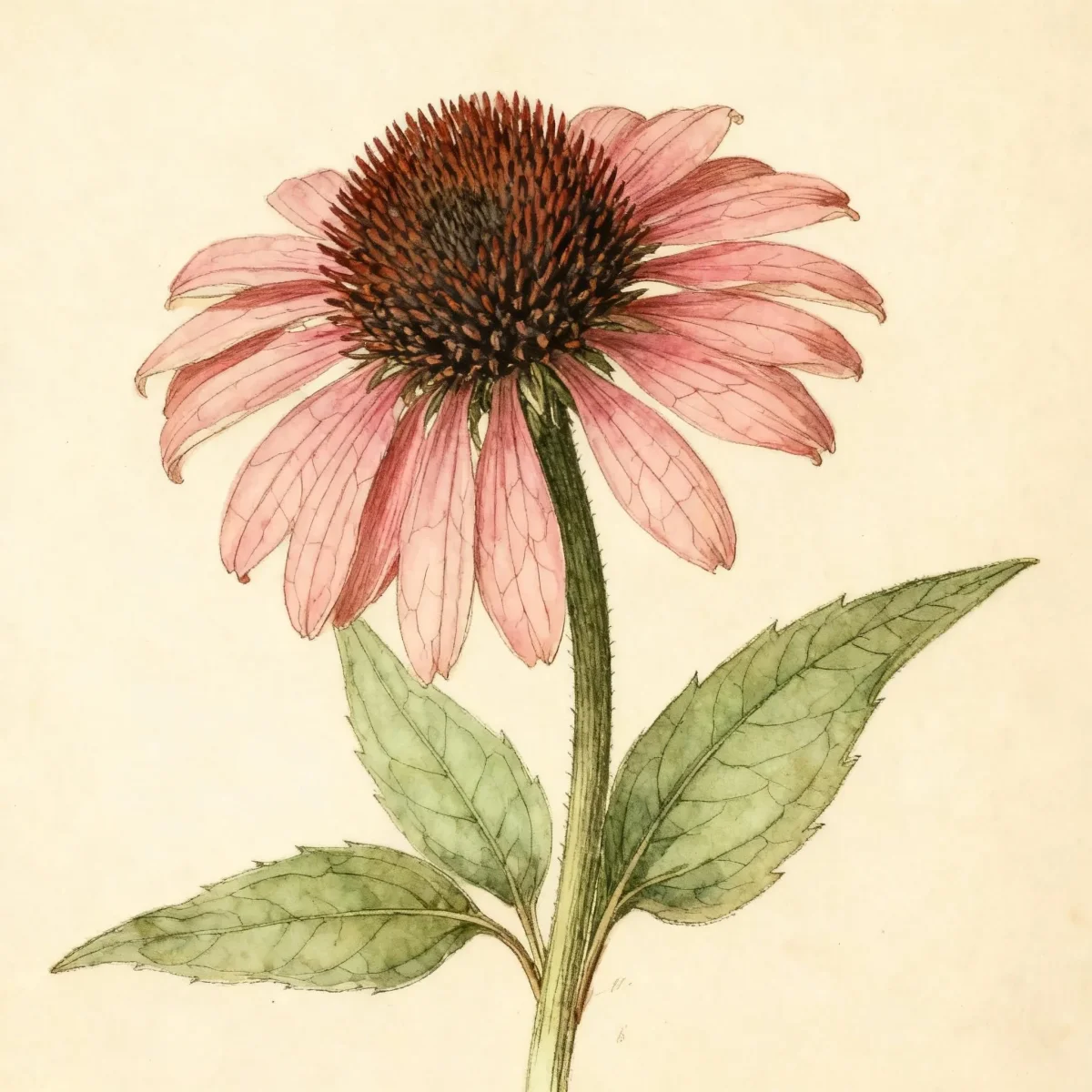
Coneflower (Echinacea 'All that Jazz')
Echinacea 'All that Jazz' Coneflower offers unique quilled lavender-pink petals, thrives in full sun, and boasts low maintenance.
Scroll down to discover growing tips, care requirements, companion plants, and more
Complete Plant Information
Overview
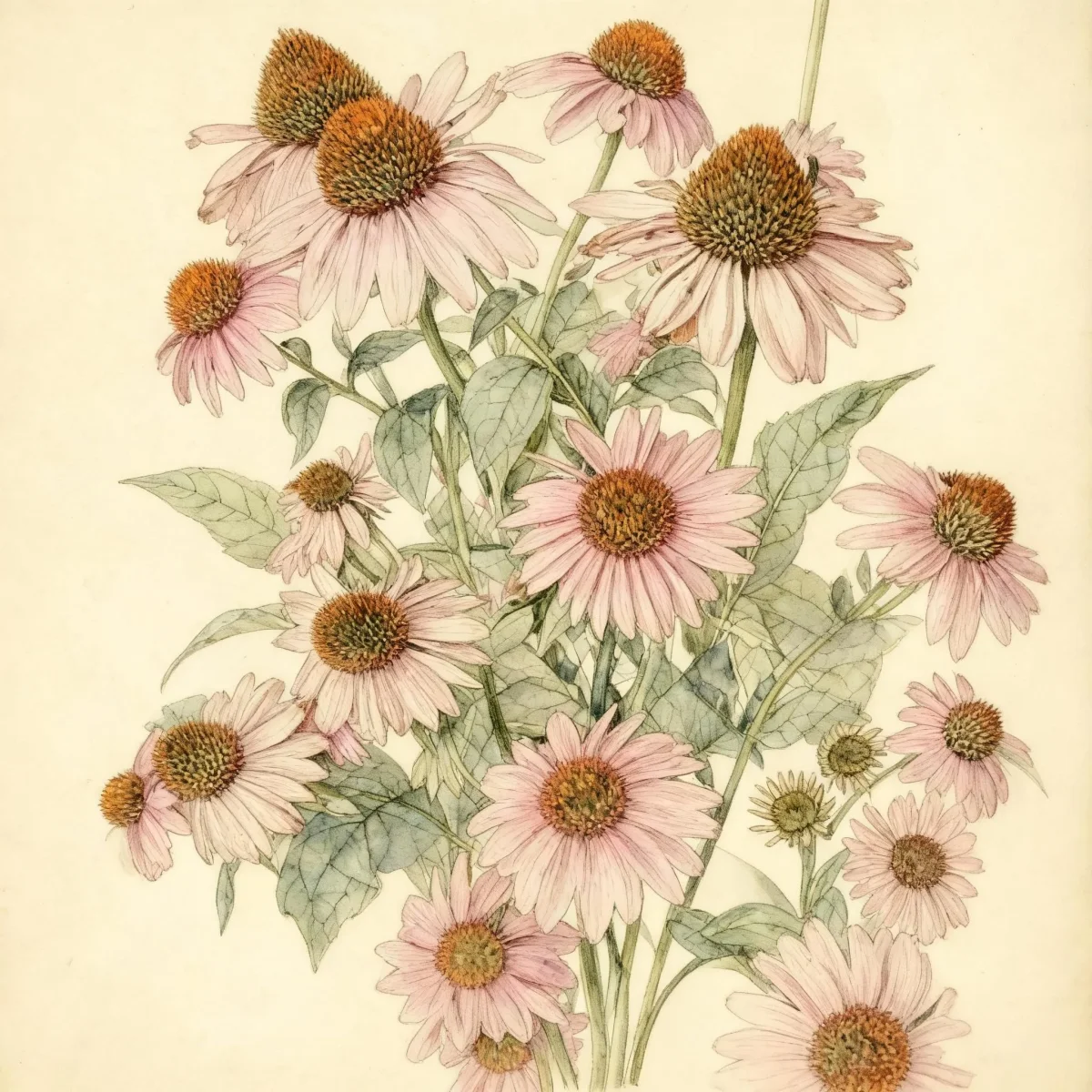
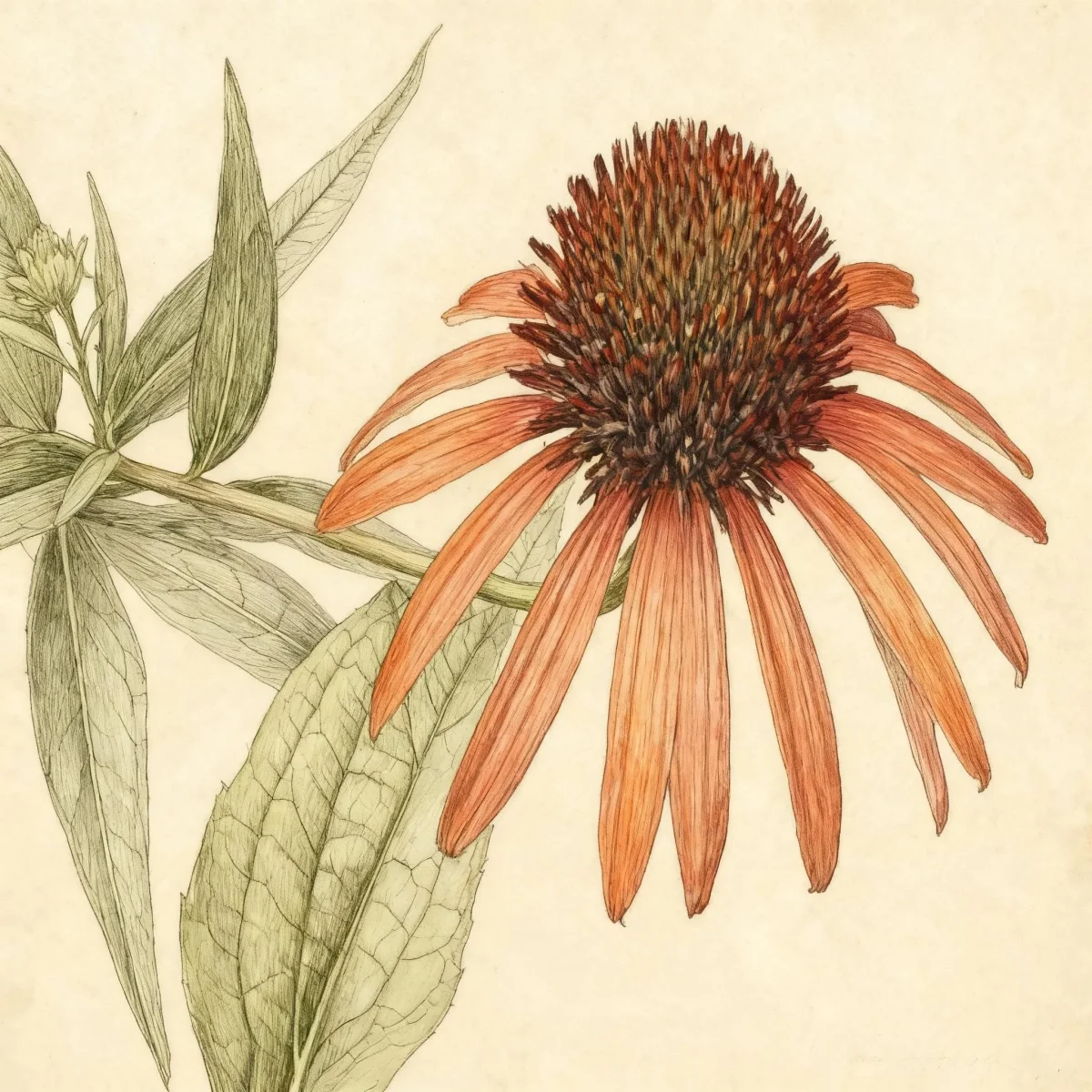
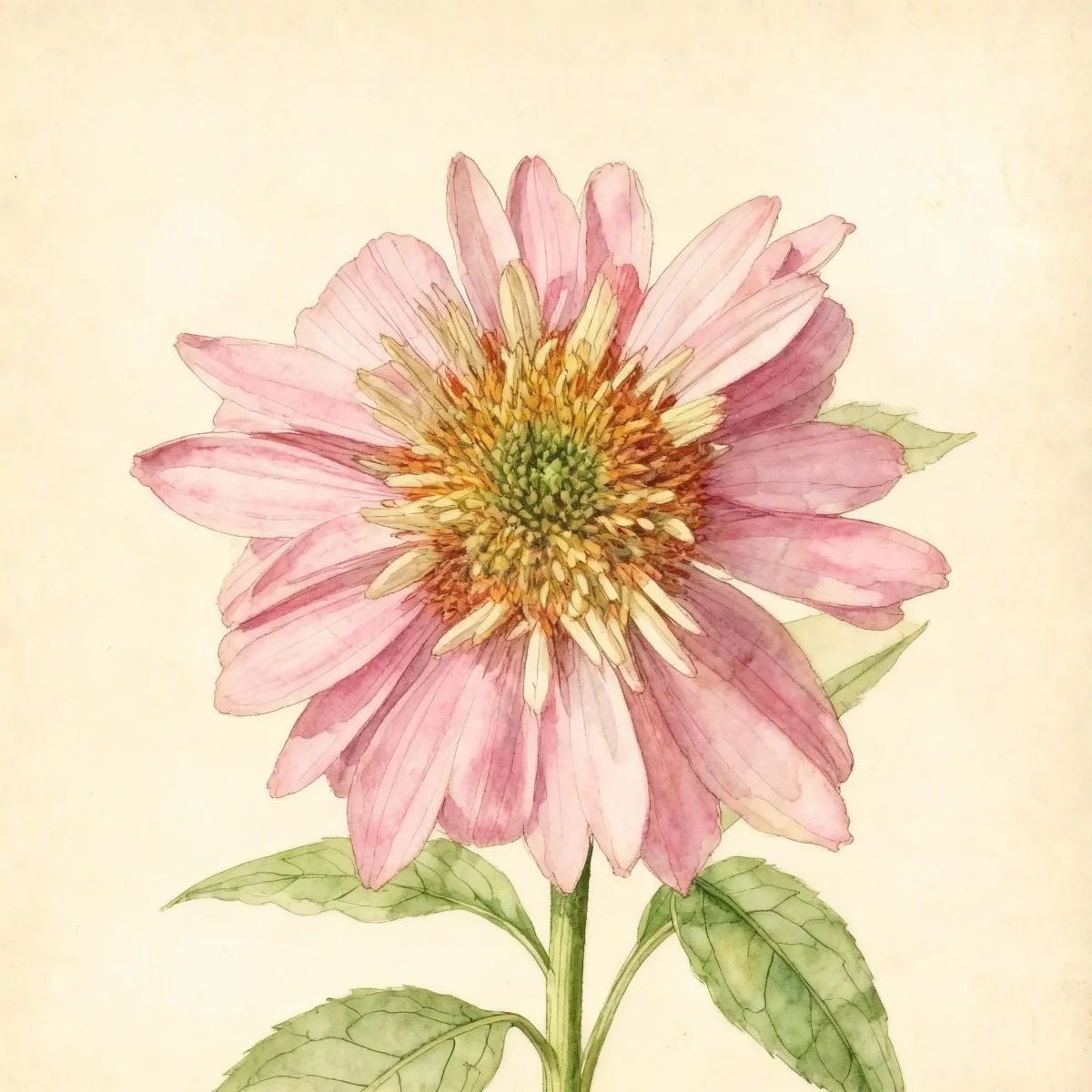
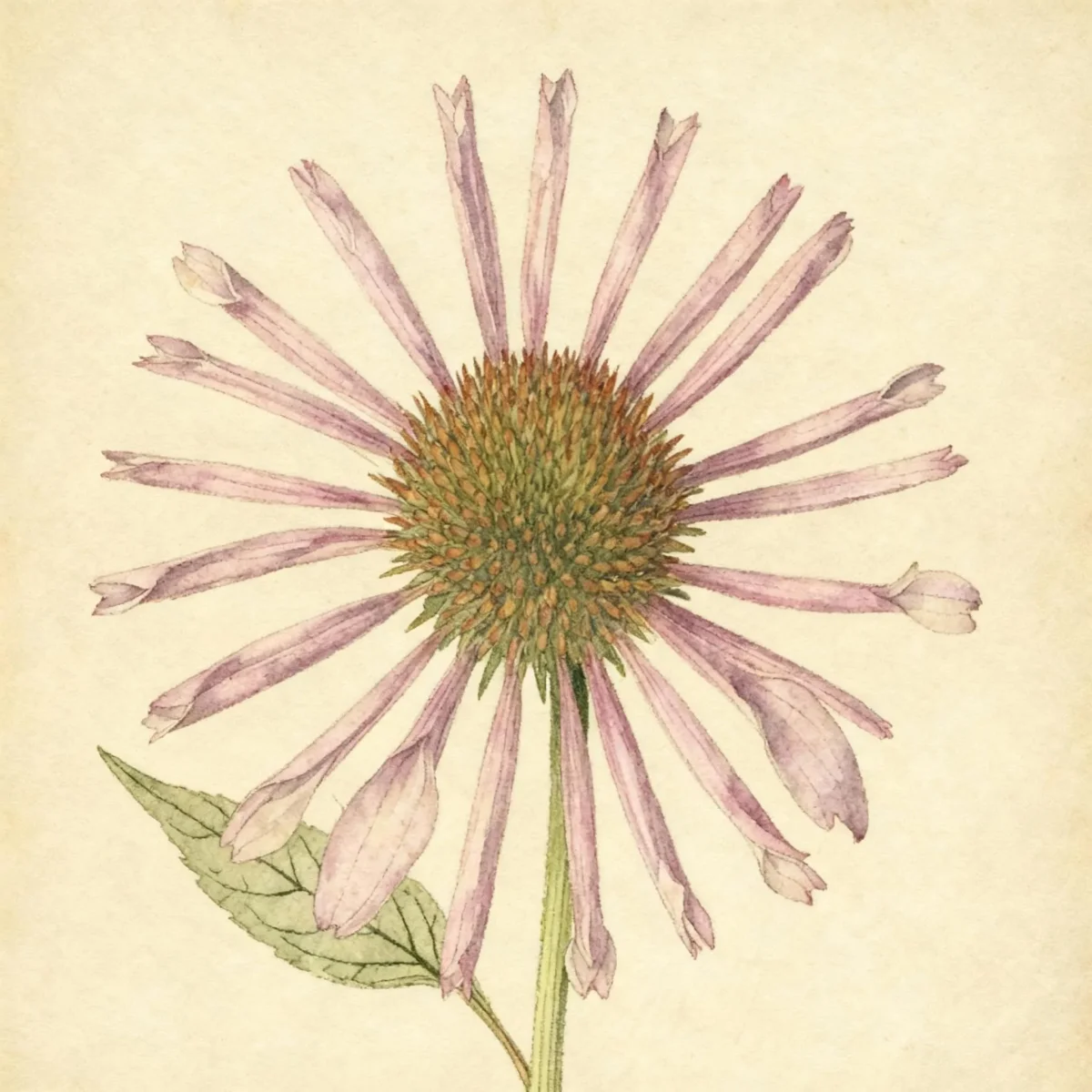
Echinacea ‘All that Jazz’ is a remarkable variety of Coneflower celebrated for its distinctly quilled, lavender-pink ray petals surrounding a prominent orange cone. This upright, clump-forming perennial provides excellent structure and color, flowering profusely from early summer through late summer. Gardeners value this plant not only for its unique aesthetics but also for its adaptability and resilience in the landscape.
As a classic North American native genus, Echinacea ‘All that Jazz’ offers significant ecological benefits by attracting butterflies and various insect pollinators during its long bloom season. Its strong stems typically reach 2.5 to 3 feet tall, maintaining an excellent upright habit without needing staking, ensuring reliable vertical interest in perennial beds.
This adaptable Coneflower thrives in various conditions, tolerating heat, humidity, and poorer soils, making it a low-maintenance staple for sunny borders. Planting Echinacea ‘All that Jazz’ ensures a steady supply of beautiful color while supporting local pollinator populations throughout the peak growing months.
Fast Facts
- Plant Family: Asteraceae
- Plant Type: Herbaceous perennial
- Hardiness Zones: USDA Zones 3-8
- Size at Maturity:
- Height: 2.5-3 ft
- Spread: 1-1.5 ft
- Bloom Time: June to August
- Bloom Description: Lavender pink rays with orange center cone
- Sun Exposure: Full sun to part shade
- Water Needs: Dry to medium
- Maintenance Level: Low
How to Grow
Start planting Echinacea ‘All that Jazz’ in spring or early fall, ensuring the site receives full sun for the most robust flowering, though part shade is tolerated. This Coneflower prefers average soils, provided they are well-drained. It is highly adaptable and handles dryness, heat, humidity, and even clay or poor soils once established.
Water sparingly; this perennial thrives in dry to medium moisture conditions and excels in drought situations. Fertilizing is rarely necessary, as rich soil can sometimes lead to flopping stems. If the clump becomes severely overcrowded, plan to divide the roots every four years, typically in early spring or autumn.
While deadheading spent flowers is not strictly required—as the remaining stiff stems and blackened cones offer winter interest and feed birds—prompt removal encourages more prolific reblooming throughout the season immediately following the June to August peak. Minimal pruning beyond cleanup in early spring is usually all the maintenance needed for this reliable Coneflower.
Landscape Uses
The strong vertical lines and reliable summer color of Echinacea ‘All that Jazz’ make it an outstanding choice for the middle to back of perennial borders. Use this unique Coneflower in drifts or mass plantings to maximize visual impact where its lavender-pink blooms command attention. Its tolerance for less-than-ideal soil conditions also makes it suitable for dry rock gardens or woodland edge plantings that need reliable performers.
Consider pairing Echinacea ‘All that Jazz’ with plants that share similar sun and water needs, such as Ornamental Grasses, Rudbeckia (Black-Eyed Susan), or ornamental Salvias. Its medium height ensures it complements taller background specimens without obscuring lower-growing border fronts. Plant it near seating areas where its beautiful quilled flowers and pollinator activity can be easily observed.
Standout Features
Flower Qualities
- Showy
Noteworthy Characteristics
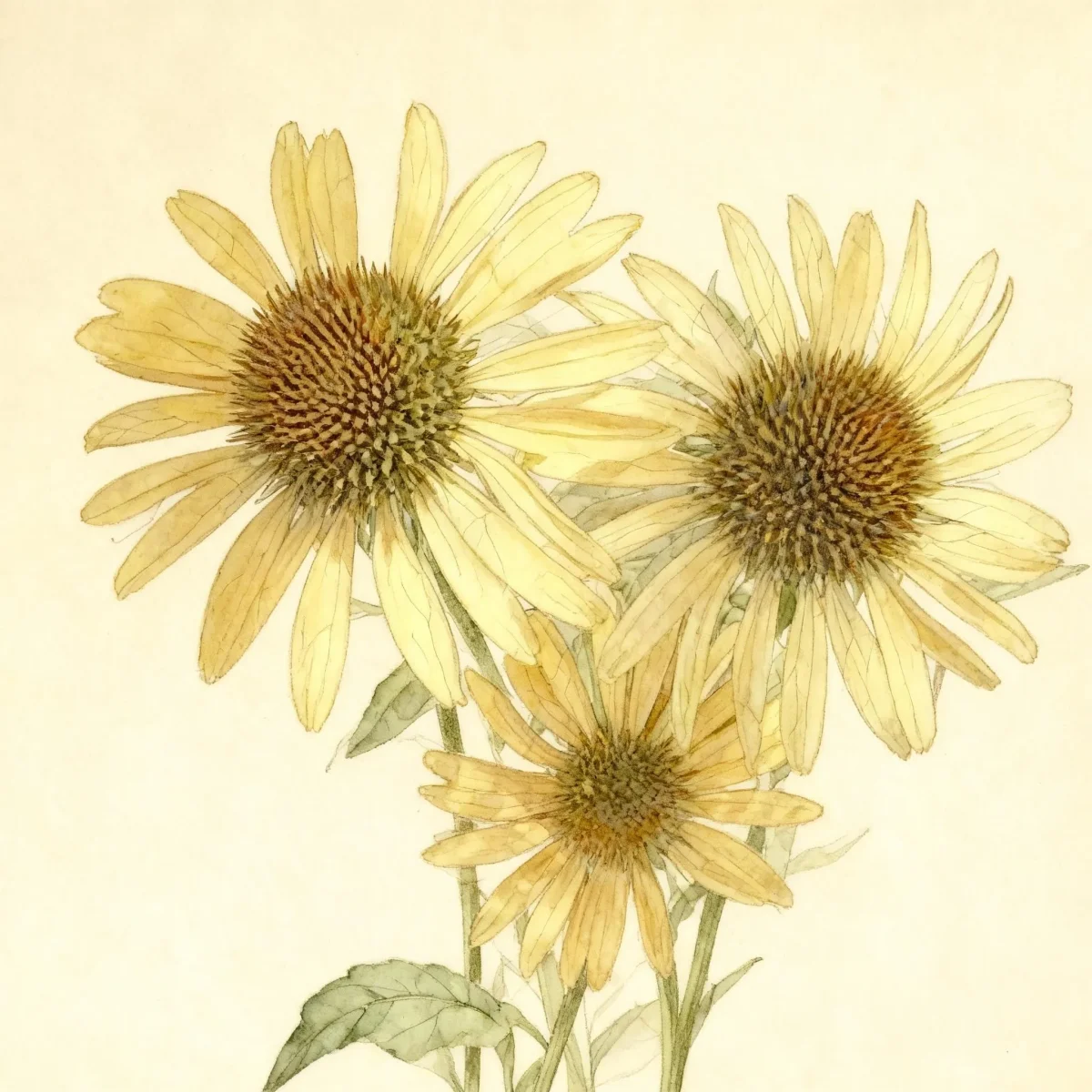
Genus name of Echinacea comes from the Greek word echinos meaning hedgehog or sea urchin in reference to the spiny center cone found on most flowers in the genus. ‘All That Jazz’ is an upright, clump-forming coneflower that is particularly noted for its completely quilled ray petals. Flowers appear in a floriferous bloom from late spring to late summer, surrounding a large, domed, orange center cone. Good fresh cut or dried flower.
Tolerances
- Deer
- Drought
- Clay Soil
- Dry Soil
- Shallow-Rocky Soil
Potential Problems
All Coneflowers, including Echinacea ‘All that Jazz’, are generally tough but can occasionally suffer from aster yellows or various fungal and bacterial leaf spots. Ensure optimal air circulation by providing adequate space during planting to minimize fungal issues. Monitor for pests such as erythroid mites or Japanese beetles, treating immediately if infestations threaten plant health.
Frequently Asked Questions
What hardiness zones is Coneflower suitable for?
Echinacea ‘All that Jazz’ is reliably hardy across USDA Zones 3 through 8.
How large does Echinacea ‘All that Jazz’ grow?
When mature, this Coneflower typically reaches a height between 2.5 and 3 feet, spreading about 1 to 1.5 feet wide.
When does Coneflower bloom?
This variety blooms consistently from June through August, showcasing its lavender pink rays.
What sun exposure does Echinacea ‘All that Jazz’ need?
For the best performance, Echinacea ‘All that Jazz’ requires full sun, although it tolerates light shade or part shade conditions.
Conclusion
Echinacea ‘All that Jazz’ offers gardeners a unique, resilient perennial with highly distinctive quilled flowers and exceptional adaptability to challenging soil and drought conditions. This handsome Coneflower supports vital insect pollinators while requiring very little attention once established. Before ordering, confirm that your garden sits within USDA Zones 3-8 and you can provide a sunny, well-drained spot for this star performer.
Companion Planting
Selecting appropriate partners enhances the visual appeal and vitality of your Coneflower groupings. Since Echinacea ‘All that Jazz’ prefers dryness and full sun, pair it with other prairie natives that share these requirements, such as Russian Sage (Perovskia atriplicifolia) or various hardy Sedums that bloom slightly earlier or later. Avoid planting it too close to moisture-loving plants, which could increase the risk of overly wet feet during the growing season.
Wildlife Benefits
Coneflowers are indispensable for supporting local insect life, and Echinacea ‘All that Jazz’ is no exception. The prominent central cone, rich in nectar and seeds, provides an excellent landing pad and food source for numerous butterflies, bees, and beneficial insects throughout the summer. Furthermore, leaving the dead flower heads standing through winter offers essential overwintering habitat and reliable birdseed for goldfinches and other small backyard birds.