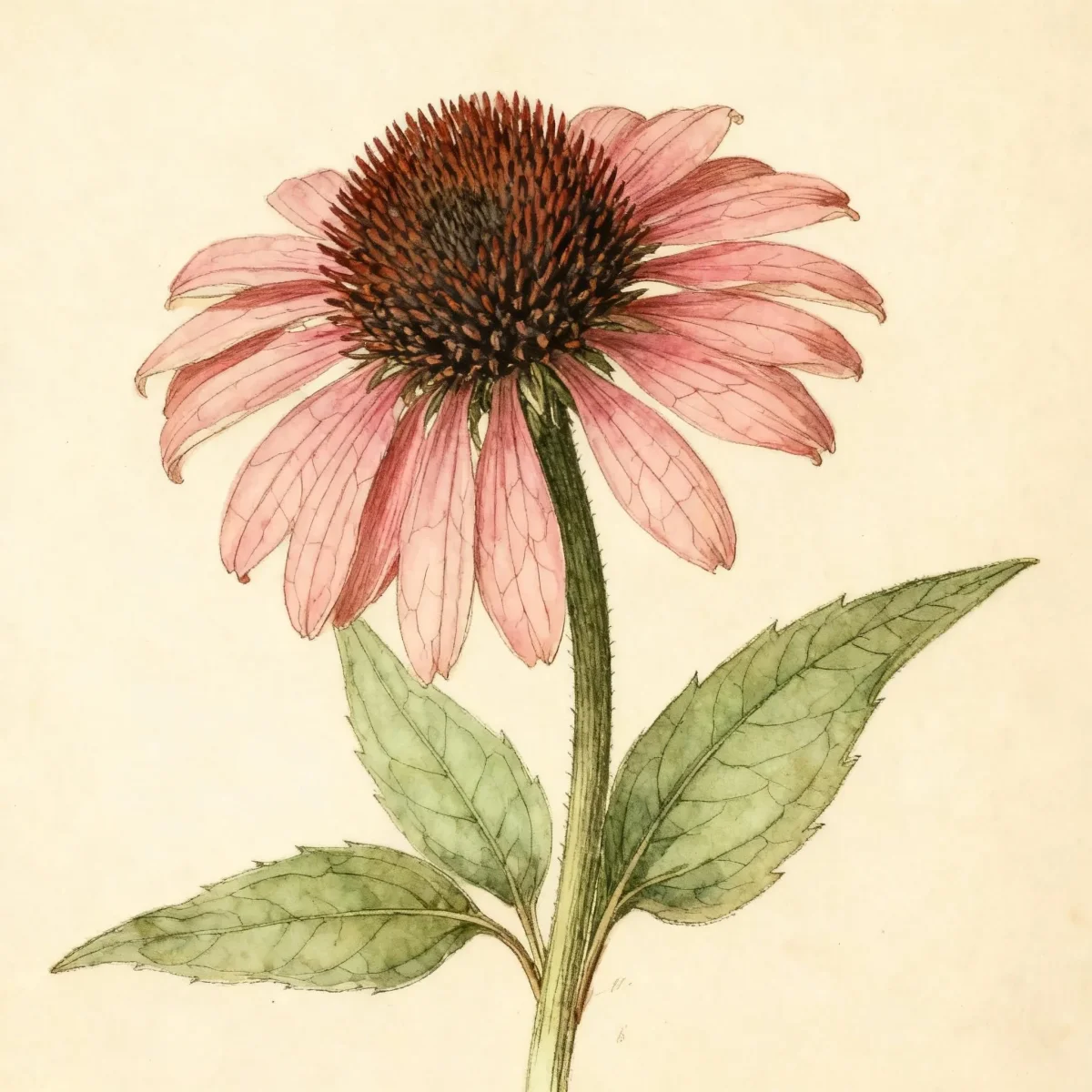
Coneflower (Echinacea 'Matthew Saul' BIG SKY HARVEST MOON)
Vibrant Coneflower, Echinacea 'Matthew Saul' BIG SKY HARVEST MOON features golden yellow blooms. Hardy, low-maintenance, drought-tolerant perennial for full sun.
Scroll down to discover growing tips, care requirements, companion plants, and more
Complete Plant Information
Overview
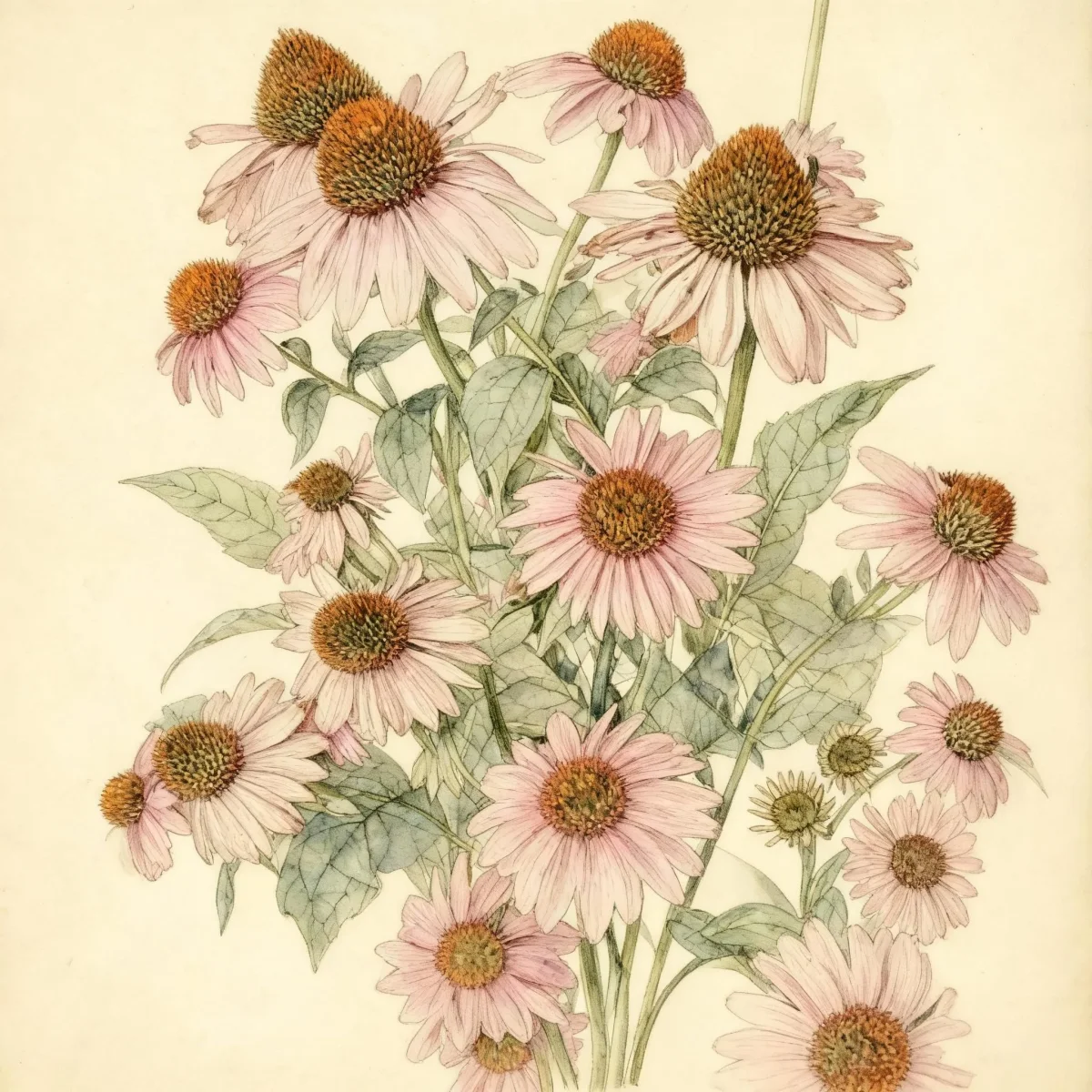
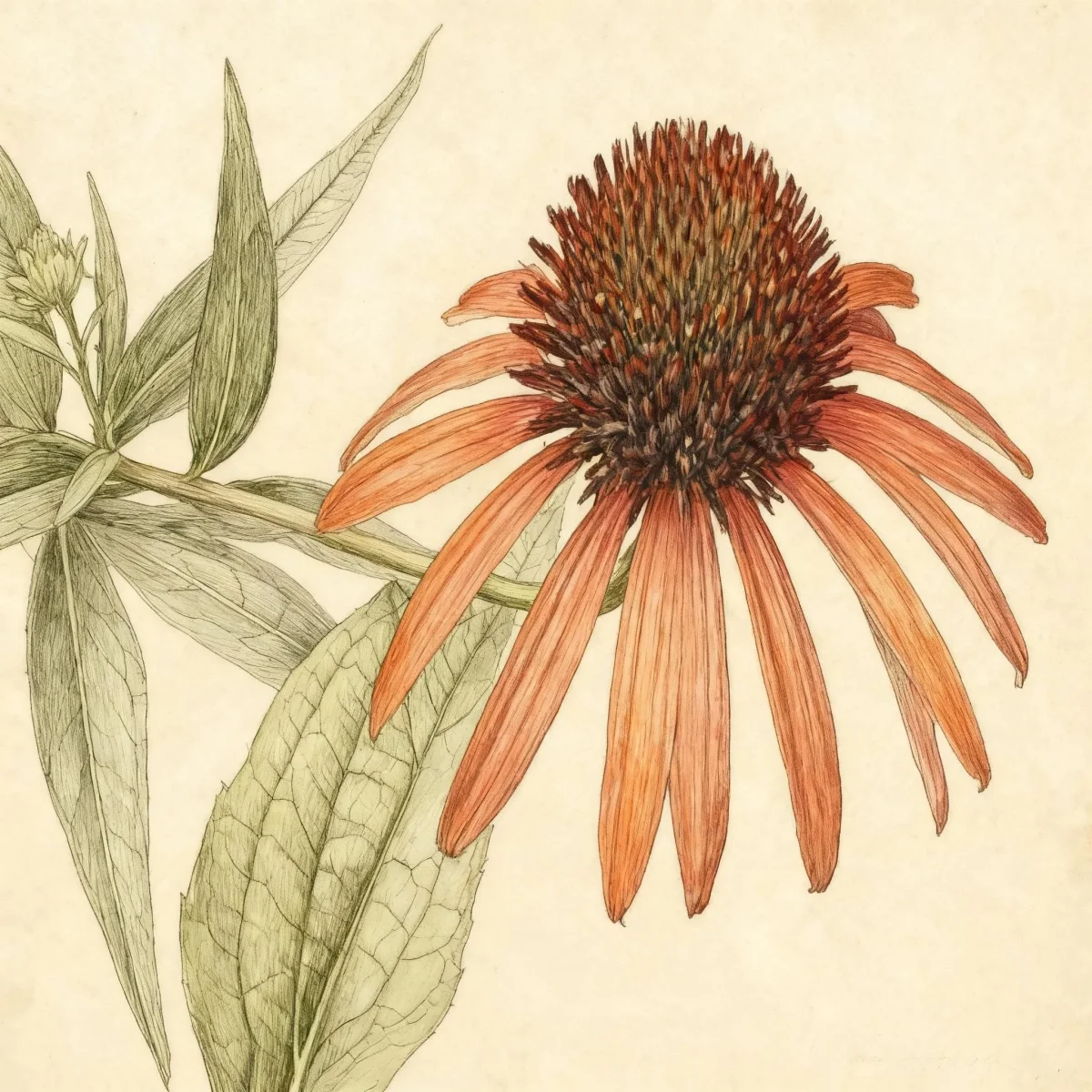
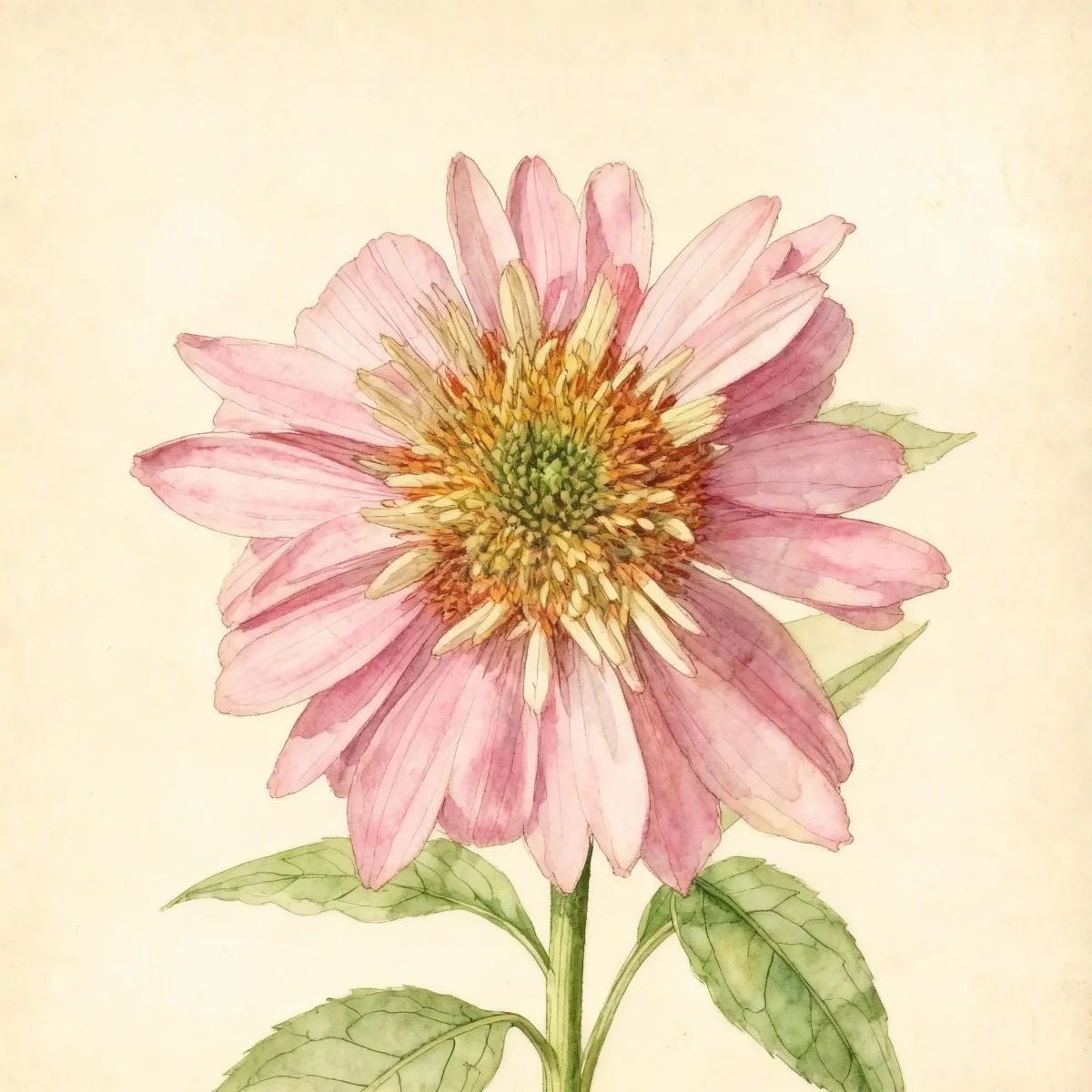
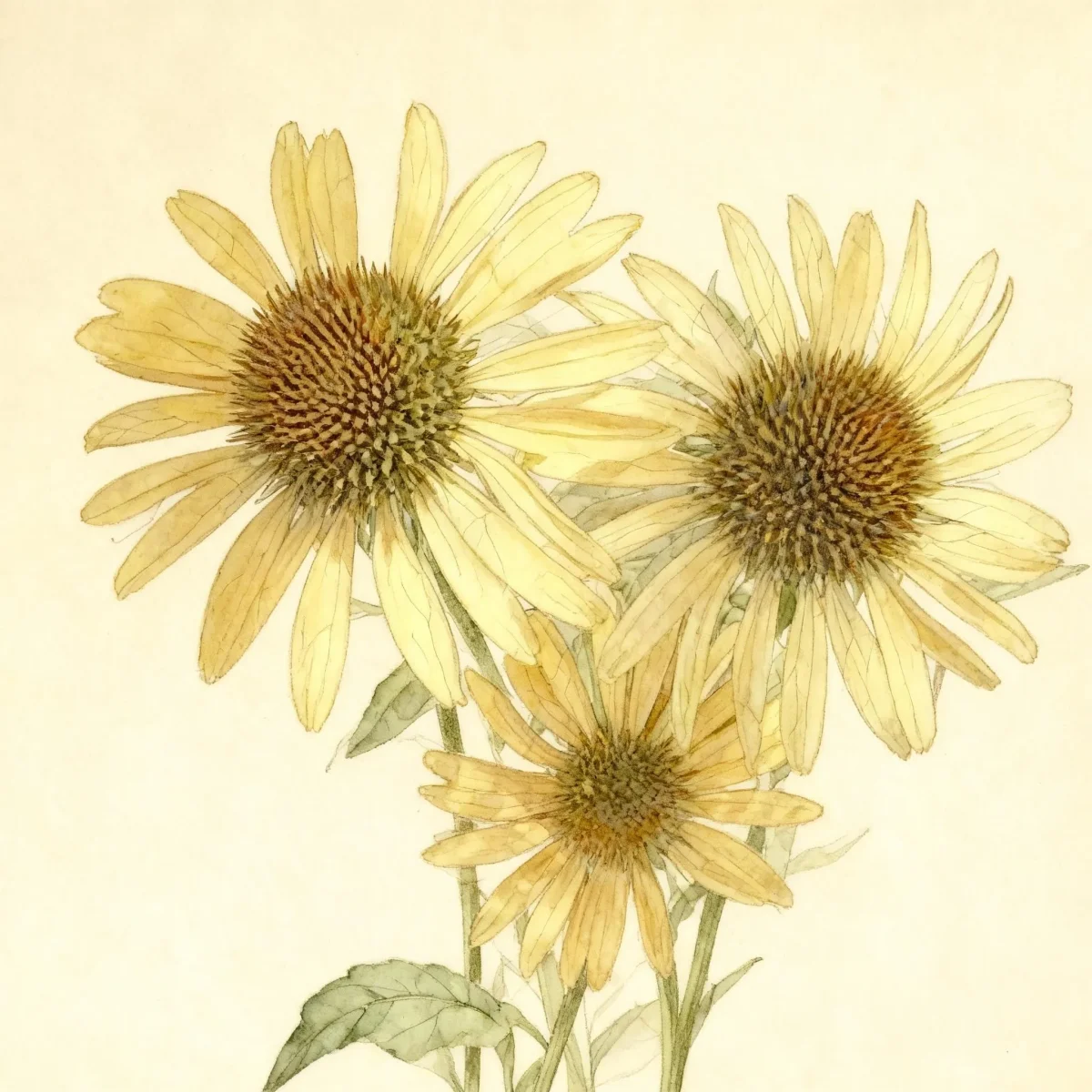
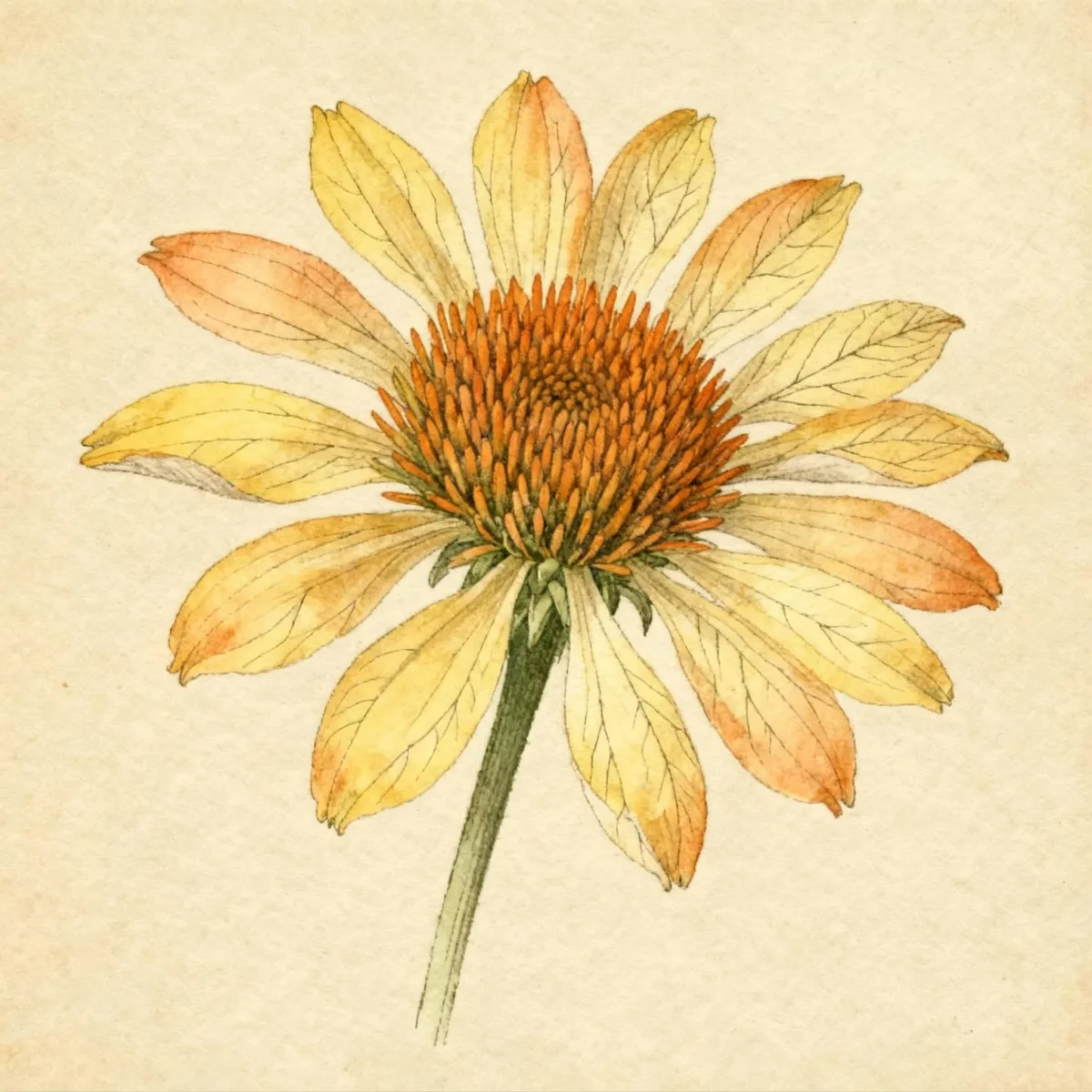
Echinacea ‘Matthew Saul’ BIG SKY HARVEST MOON, a spectacular cultivar of Coneflower, offers gardeners substantial visual appeal with its rich, golden-yellow ray florets surrounding a prominent orange center cone. This herbaceous perennial belongs to the Big Sky Series and provides reliable summer color, blooming robustly from June through August. Its upright, columnar habit makes it a sturdy addition to mixed borders, providing strong vertical accents without needing staking.
This specific Coneflower blend is highly valued for its adaptability and low-maintenance nature once established in the garden. It thrives across a wide range of conditions, handling heat, humidity, and various soil types reasonably well. Gardeners appreciate the enduring structure of the dead flower heads well into winter, offering continued visual interest and food for winter birds.
As an American native genus member, Echinacea contributes positively to local ecosystems, attracting essential pollinators throughout the blooming season. Planting Echinacea ‘Matthew Saul’ BIG SKY HARVEST MOON ensures a reliable source of color and structural integrity year after year, making it a cornerstone plant for sunny perennial beds.
Fast Facts
- Plant Family: Asteraceae
- Plant Type: Herbaceous perennial
- Hardiness Zones: USDA Zones 3-8
- Size at Maturity:
- Height: 2-2.5 ft
- Spread: 1-1.5 ft
- Bloom Time: June to August
- Bloom Description: Golden yellow rays with orange center cone
- Sun Exposure: Full sun to part shade
- Water Needs: Dry to medium
- Maintenance Level: Low
How to Grow
For optimal performance, plant Echinacea ‘Matthew Saul’ BIG SKY HARVEST MOON in spring or early fall when temperatures are moderate. It prefers well-drained soil, ideally receiving full sun exposure, though it tolerates part shade gracefully. Its remarkable adaptability means that while average, moist conditions are fine, it truly excels once established in drier, average soils, demonstrating tolerance for drought conditions.
Maintenance for this resilient Coneflower is generally low. Water consistently until the root system is fully developed, but established plants require only dry to medium moisture levels and rarely need supplemental irrigation unless experiencing prolonged drought. While plants rebloom well even without intervention, prompt removal of spent flowers (deadheading) encourages more prolific blooming and maintains a tidier appearance throughout mid-summer.
Clumps of this durable Echinacea should be divided approximately every four years if they become overcrowded, revitalizing the plant’s vigor. Because it is tolerant of humidity and poor soil, fertilizing is rarely necessary; rich amendments can sometimes lead to floppier growth, so err on the side of leaner conditions for the sturdiest stems.
Landscape Uses
Echinacea ‘Matthew Saul’ BIG SKY HARVEST MOON truly shines when used in groupings, providing sweeping drifts of golden color across the middle or back of a border. Its relatively compact stature, reaching about 2 to 2.5 feet tall, makes it perfect for border fronts where shorter specimens might otherwise be obscured. Consider massing this cultivar near rock gardens or in lightly shaded areas of open woodland borders for textural contrast against finer-leaved plants.
This versatile Coneflower acts as an excellent architectural accent due to its sturdy, non-flopping stems and vibrant flower color. Pair it with silver-leafed plants or deep purple salvias to make the golden rays truly pop. Because it handles dry soil well, it complements tough, drought-tolerant companions like Russian Sage (Perovskia) or various ornamental grasses.
Standout Features
Flower Qualities
- Showy
- Fragrant
Noteworthy Characteristics
Echinacea is a genus of seven species all endemic to eastern and central North America. Coneflowers bloom from June to August with some sporadic later bloom, offering excellent attraction for butterflies and other insect pollinators. HARVEST MOON is a notable hybrid coneflower in the Big Sky Series, resulting in large, slightly-fragrant blooms to 2 1/2” diameter, featuring deep golden yellow rays with orange center cones on strong, upright stems. The genus name, Echinacea, derives from the Greek word echinos, referencing the characteristic spiny center cone found on these flowers.
Tolerances
- Deer
- Drought
- Clay Soil
- Dry Soil
- Shallow-Rocky Soil
Potential Problems
All coneflowers, including Echinacea ‘Matthew Saul’ BIG SKY HARVEST MOON, are susceptible to certain issues, primarily aster yellows and various fungal or bacterial leaf spots. Fungal leaf spots are typically managed by ensuring good air circulation through proper spacing and avoiding overhead watering late in the day. Gardeners should also monitor for pests such as erythroid mites and Japanese beetles, which may feed on the foliage or flowers. Proactive pest management and observing cultural requirements are the best defenses against these common ailments.
Frequently Asked Questions
What hardiness zones is Coneflower suitable for?
This specific Coneflower cultivar is hardy across USDA Zones 3 through 8, offering a long window of reliability across much of North America.
How large does Echinacea ‘Matthew Saul’ BIG SKY HARVEST MOON grow?
This plant typically matures to a height between 2 and 2.5 feet tall, with a spread of 1 to 1.5 feet, maintaining a neat, columnar presence in the garden.
What sun exposure does Echinacea ‘Matthew Saul’ BIG SKY HARVEST MOON need?
It performs best when planted in full sun, though it will tolerate partial shade, which may slightly reduce the density of its spectacular bloom period.
When does Coneflower bloom?
Echinacea ‘Matthew Saul’ BIG SKY HARVEST MOON produces its main flush of golden yellow rays with orange center cones from June through August.
Conclusion
Echinacea ‘Matthew Saul’ BIG SKY HARVEST MOON is an exceptionally valuable perennial, offering vibrant color, low ongoing maintenance, and excellent drought tolerance to any sunny landscape. This striking Coneflower is a magnet for pollinators and adds robust texture that lasts well into the cold season. Confirm that your planting site falls within USDA Zones 3-8 and ensure that your soil drains well before planting this beautiful addition.
Wildlife Benefits
The Coneflower genus is foundational for supporting local invertebrate populations during the growing season. Echinacea ‘Matthew Saul’ BIG SKY HARVEST MOON, with its persistent nectar-rich blooms from June to August, is highly attractive to butterflies and various insect pollinators seeking nourishment. Furthermore, gardeners often observe goldfinches and other seed-eating birds landing on the blackened cones after the petals fade. Leaving the stems standing through winter ensures birds have access to the seeds housed within these cones, turning your garden into a winter feeding station.
Design Ideas
Incorporating Echinacea ‘Matthew Saul’ BIG SKY HARVEST MOON into contemporary or cottage garden designs works exceptionally well due to its clear structure and bright color palette. For a sophisticated cottage look, plant this golden Coneflower next to contrasting blues like catmint (Nepeta) or deeper purple Salvia greggii cultivars. In modern designs, use the plant in structured drifts against clean lines of paving or low walls where its vertical repetition enhances order. Because it handles dry soil, this plant is ideal for Xeriscape borders where water conservation is a priority, providing necessary height without demanding frequent drinks.