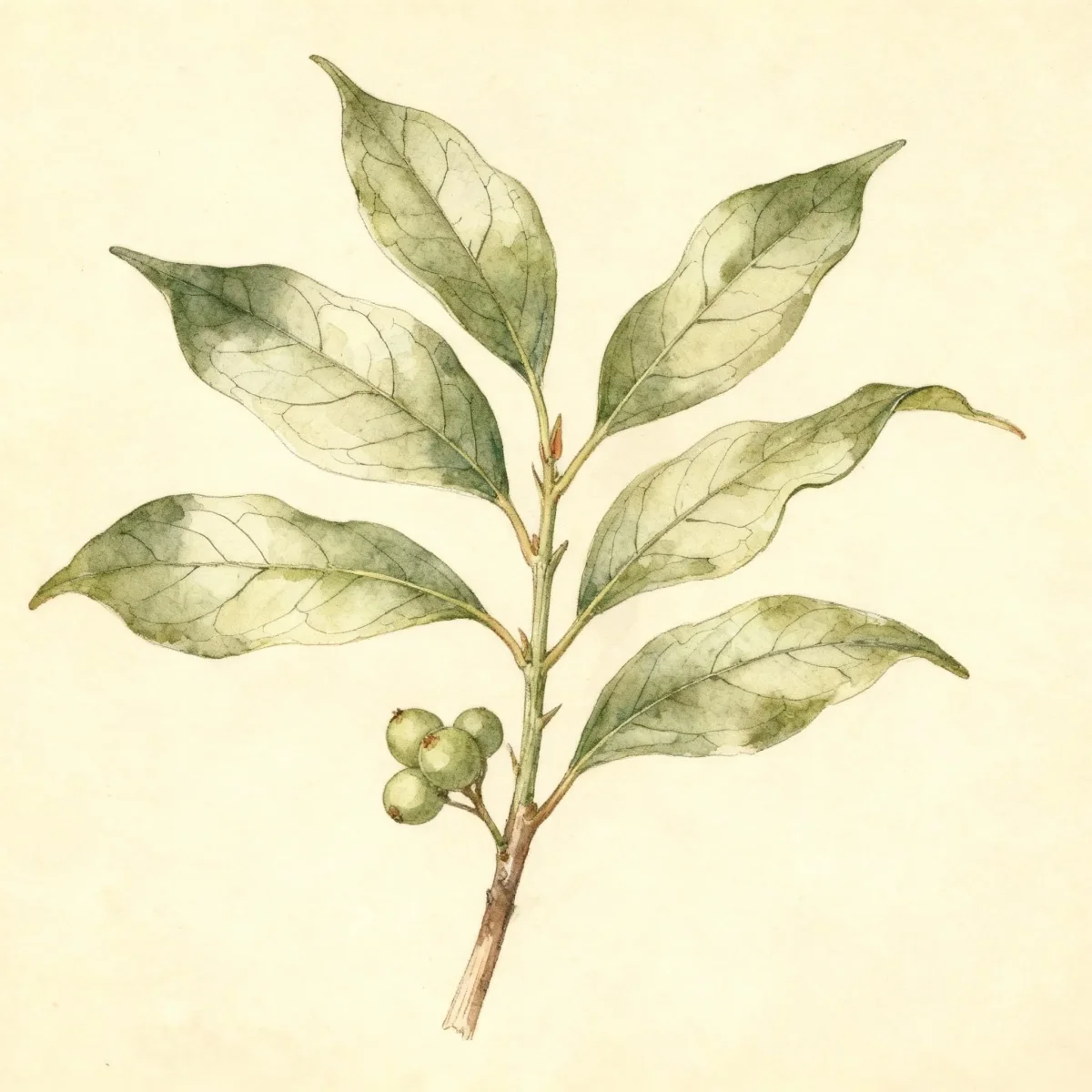
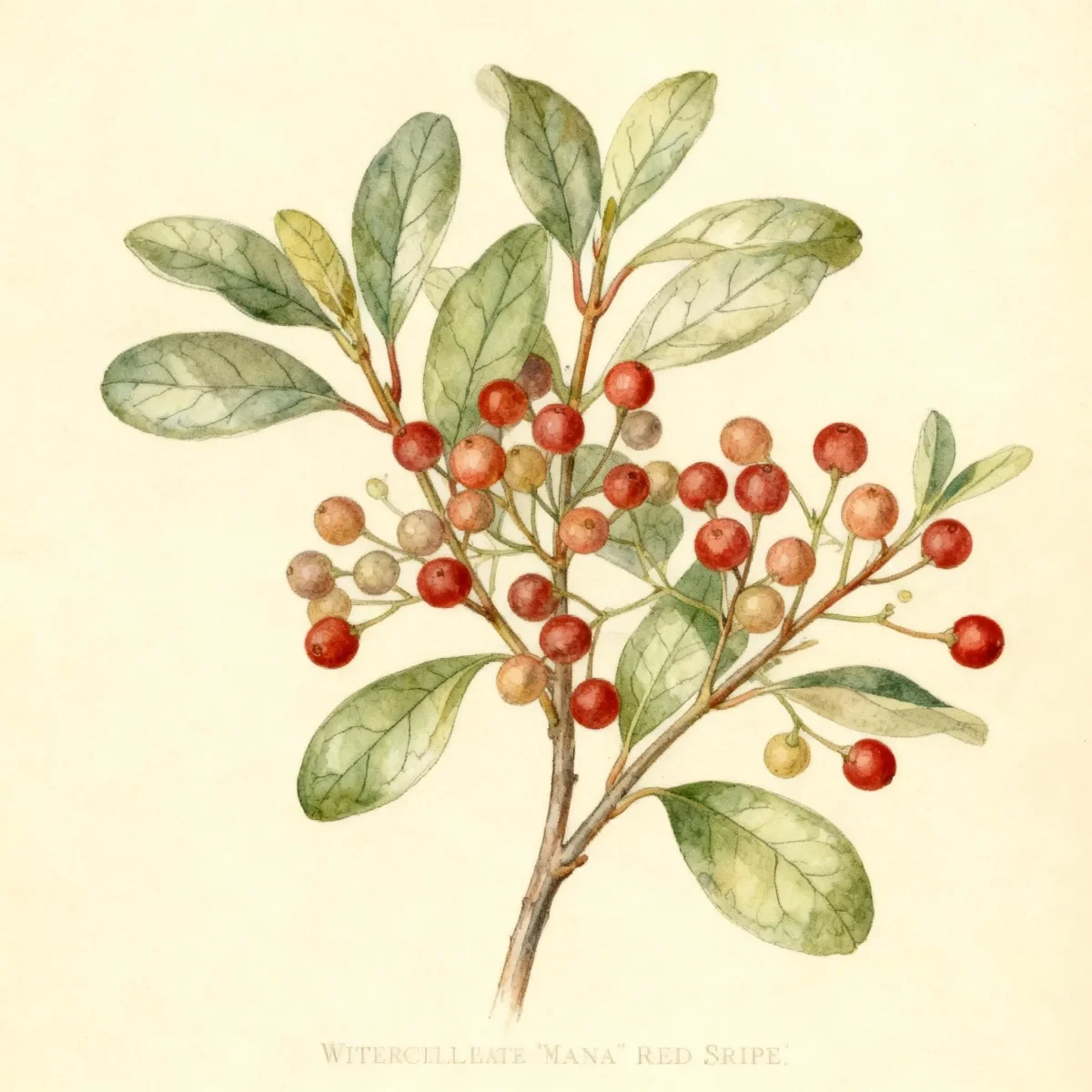
Winterberry (Ilex verticillata 'Goldfinch')
Discover Ilex verticillata 'Goldfinch' Winterberry, a low-maintenance deciduous shrub prized for persistent, vibrant red berries in winter.
Scroll down to discover growing tips, care requirements, companion plants, and more
Complete Plant Information
Overview
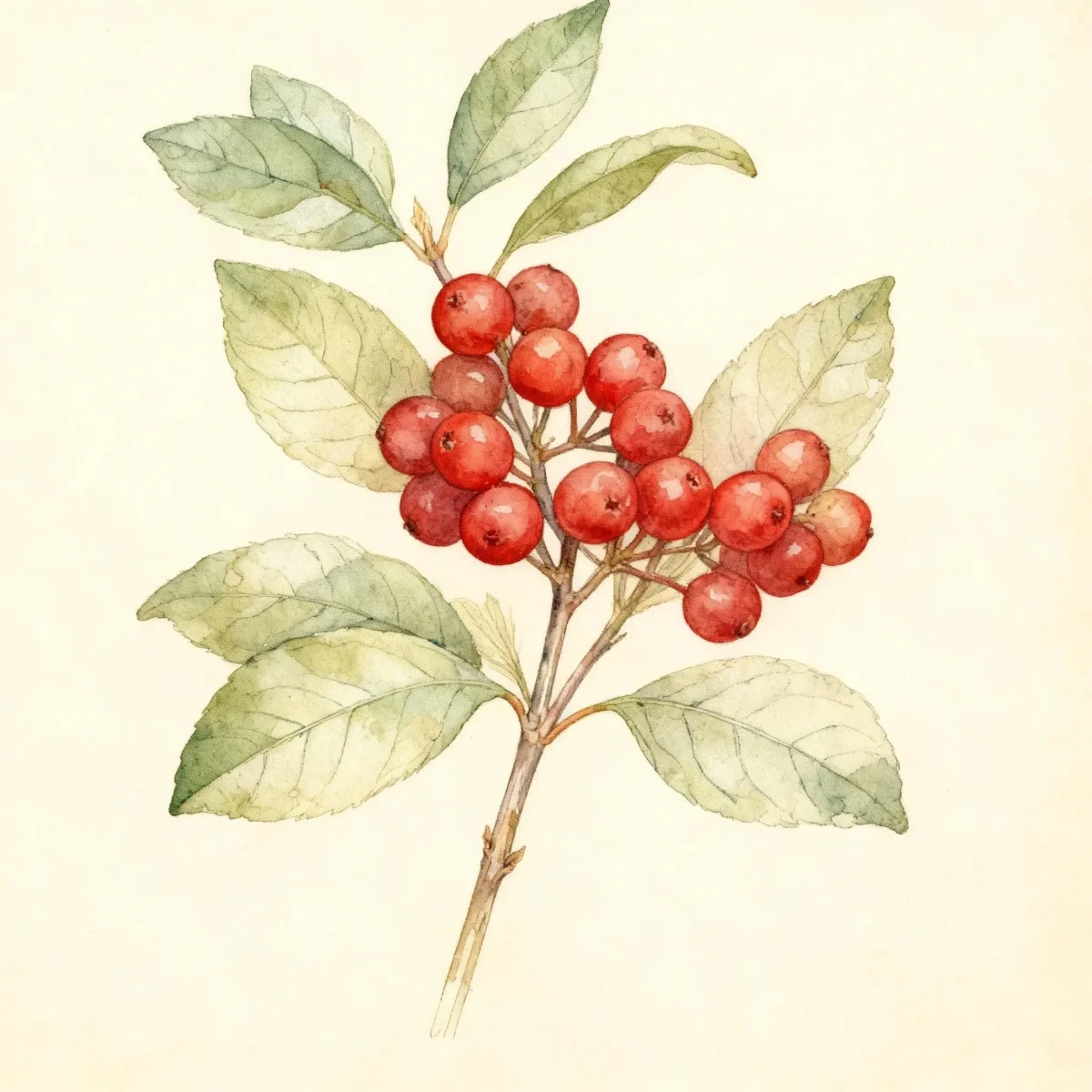
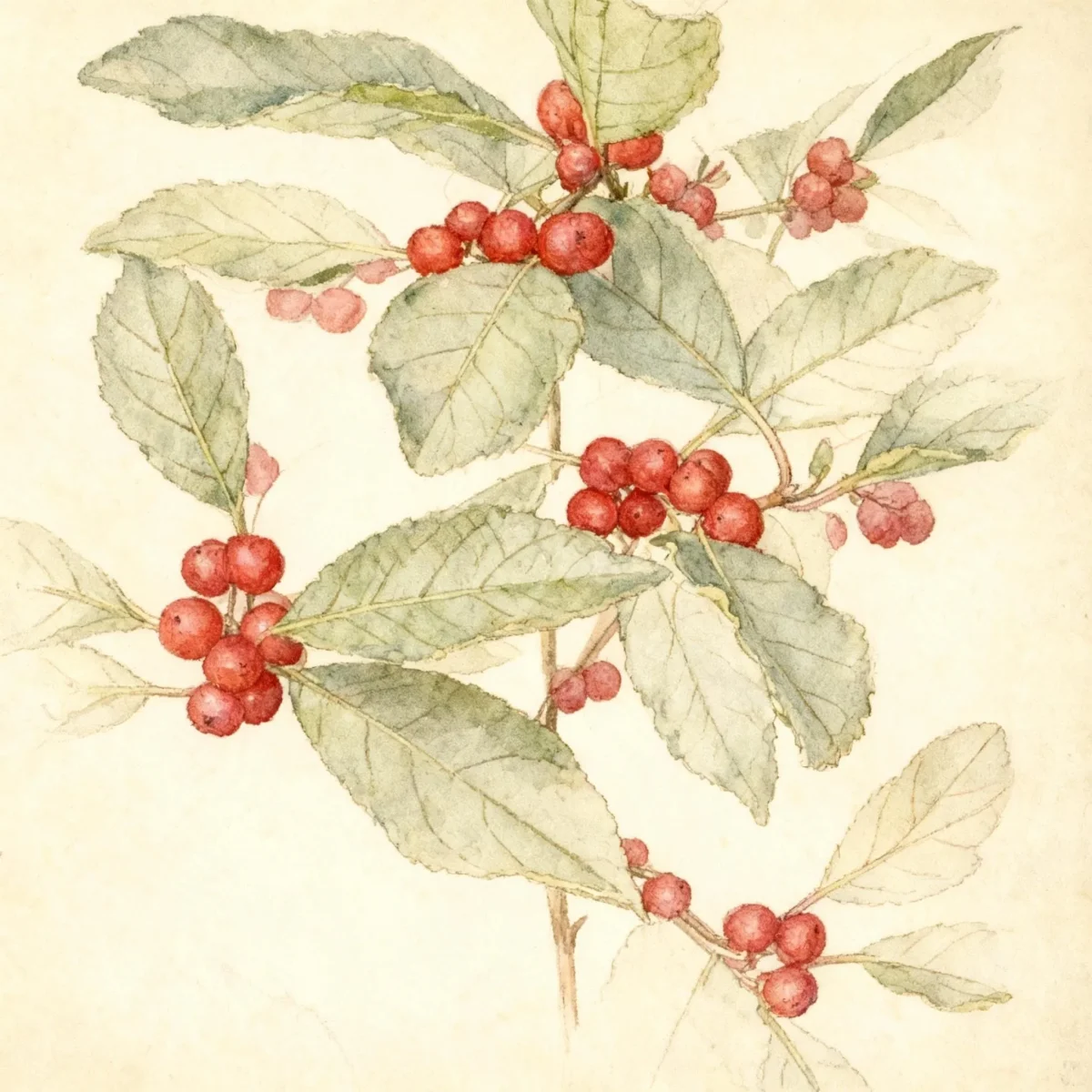
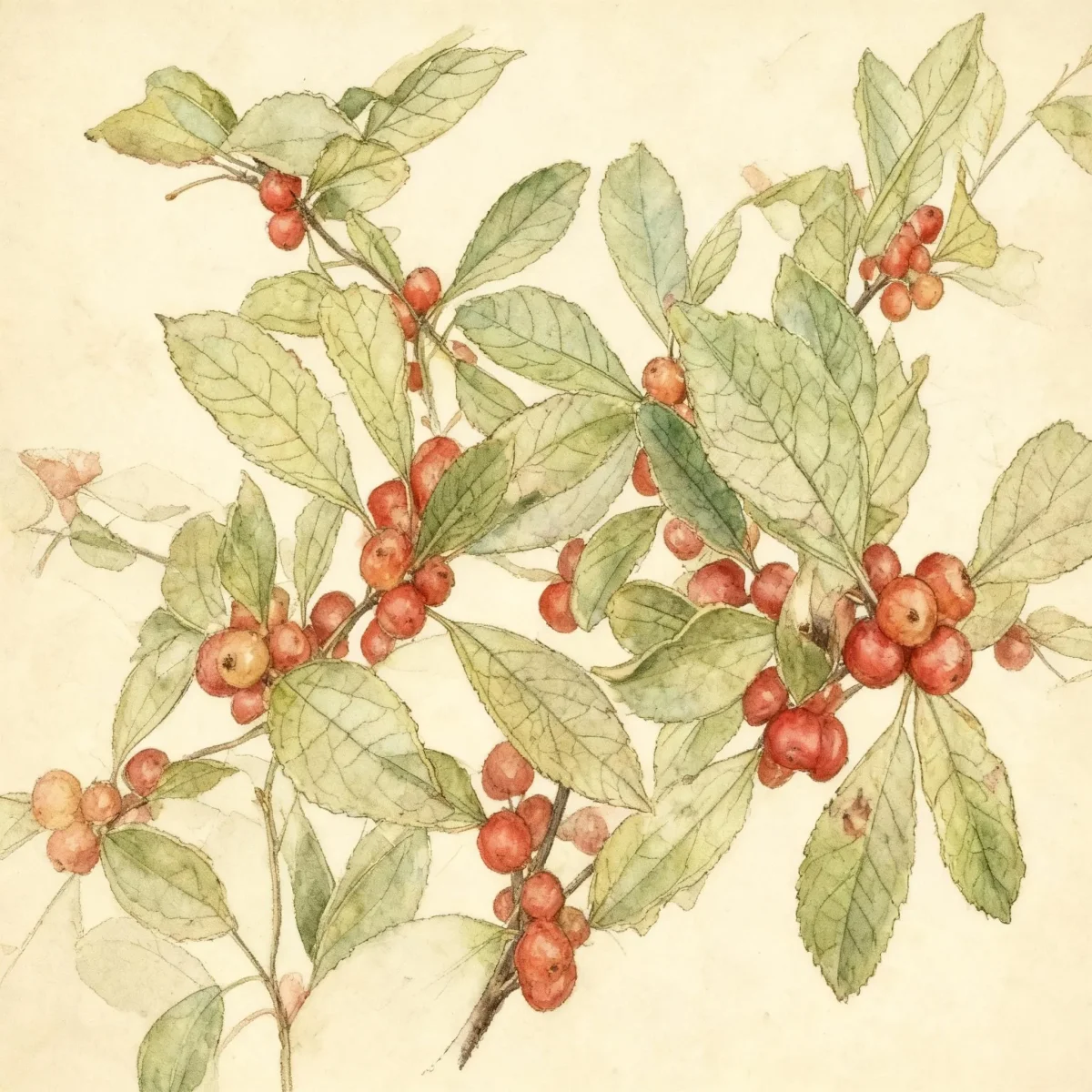
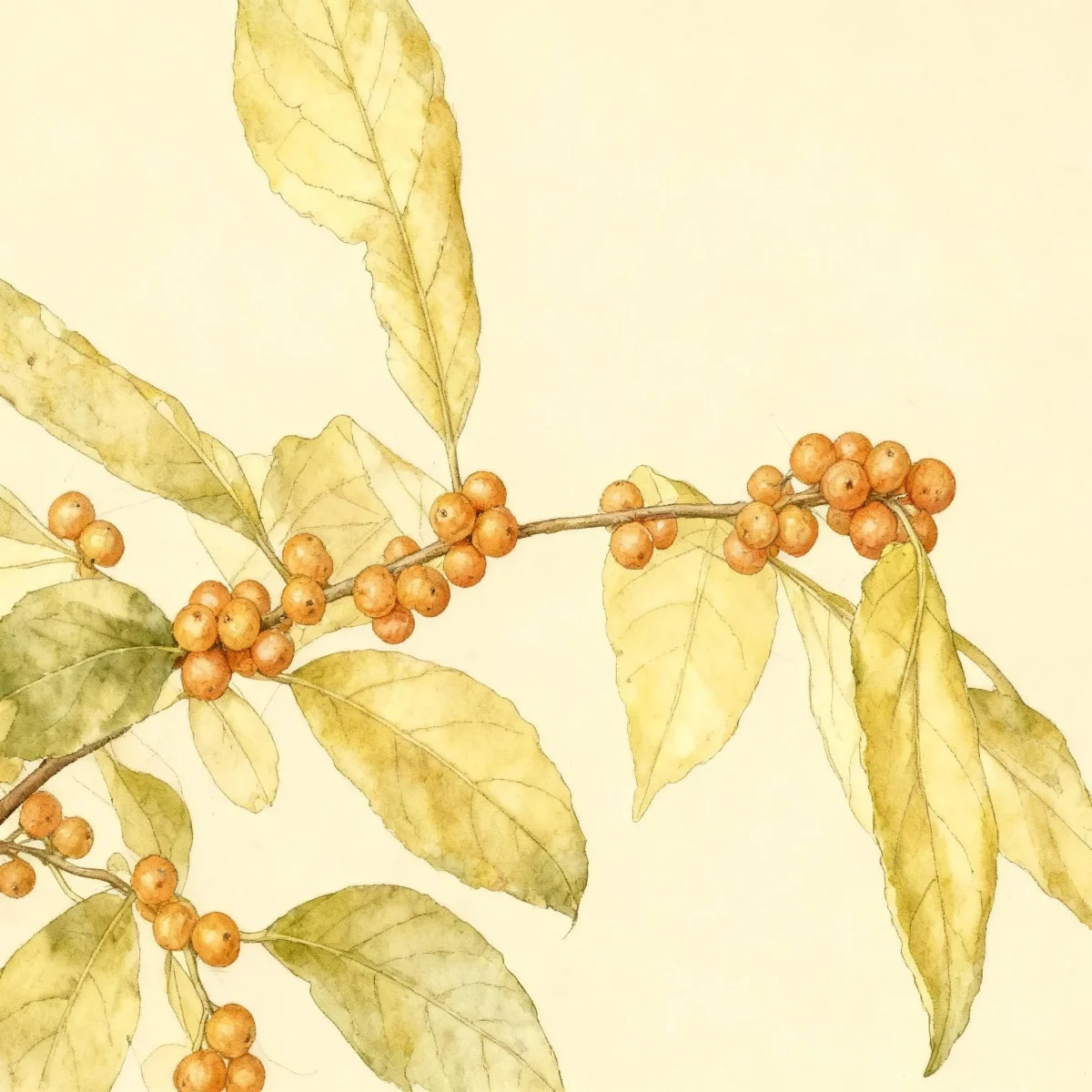
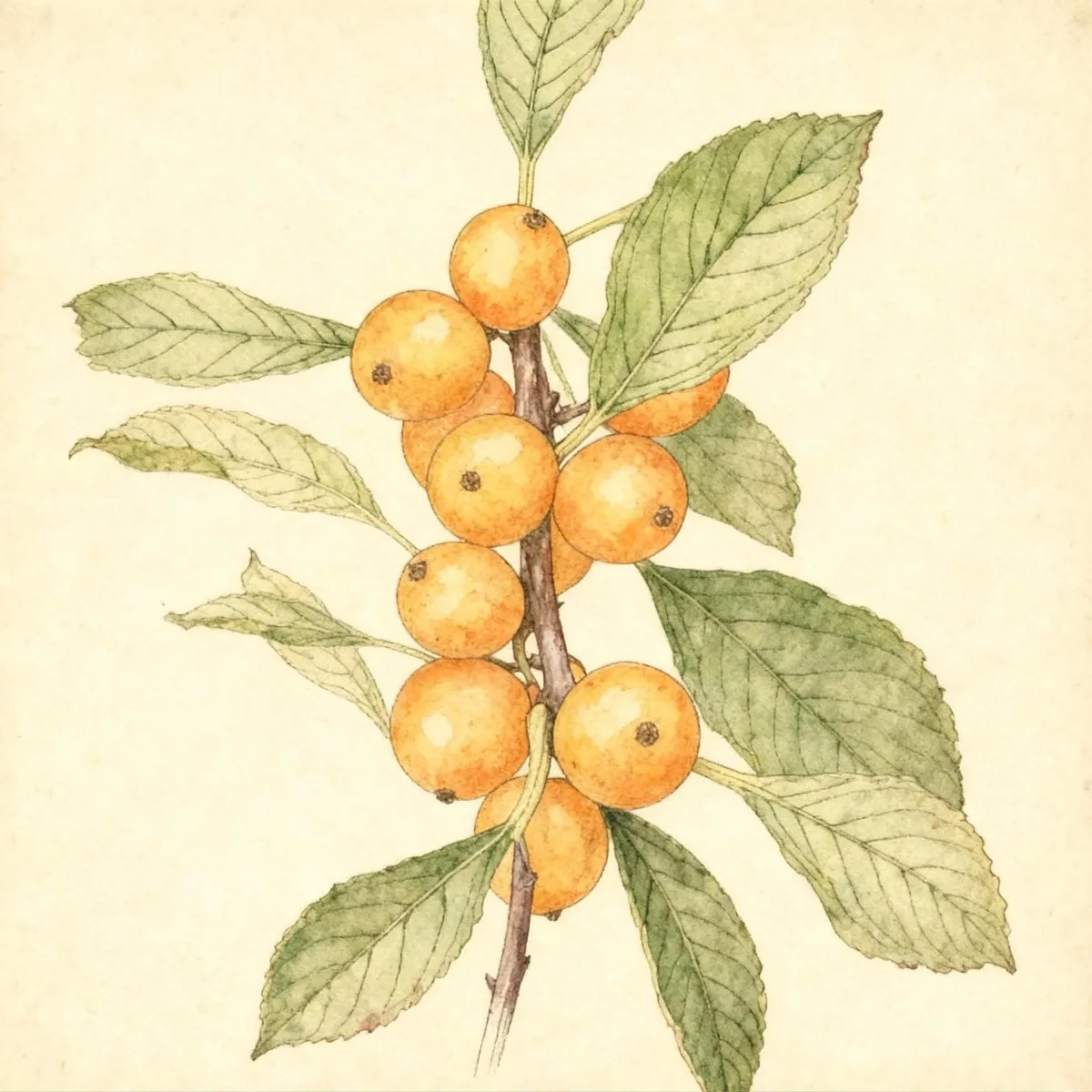
Ilex verticillata ‘Goldfinch’, commonly known as Winterberry, is highly valued in the landscape for providing exceptional late-season and winter interest. Unlike broadleaf hollies, this deciduous shrub sheds its leaves, showcasing masses of bright red berries against the bare branches. This makes the ‘Goldfinch’ cultivar a standout choice for adding structure and color when most other plants are dormant.
Growing successfully in moist to wet conditions, this adaptable shrub thrives in the low spots of the landscape where many other specimens struggle due to poor drainage. Its low maintenance requirements only enhance its appeal for gardeners seeking reliable performance with minimal fuss. The berries, which appear after successful pollination, persist well into winter, offering crucial food for birds.
For optimal berry production, remember that Winterberry requires separate male and female plants, though the compact stature of the ‘Goldfinch’ cultivar makes it an excellent choice for smaller gardens or foundation plantings. Incorporate Ilex verticillata ‘Goldfinch’ for reliable winter color and excellent adaptability to challenging, damp sites.
Fast Facts
- Plant Family: Aquifoliaceae
- Plant Type: Deciduous shrub
- Hardiness Zones: USDA Zones 3-9
- Size at Maturity:
- Height: 3-7 ft
- Spread: 3-7 ft
- Bloom Time: June to July
- Bloom Description: Greenish-white
- Sun Exposure: Full sun to part shade
- Water Needs: Medium to wet
- Maintenance Level: Low
How to Grow
Plant Ilex verticillata ‘Goldfinch’ during the fall or early spring, ensuring the chosen location receives full sun to partial shade. This Winterberry variety thrives in average, acidic soils, performing best in moist, organic loams. While adaptable to heavy soils, avoid neutral or alkaline conditions, as these can induce chlorosis and stress the plant.
Watering should be consistent, especially when establishing. Given its preference for medium to wet conditions, locations near ponds, streams, or in rain gardens are ideal. This species tolerates wet, boggy ground very well, reflecting its native habitat in swampy Eastern North America. Fertilization is rarely necessary if the soil contains adequate organic matter.
Pruning is best performed in early spring just before new growth commences. This is the time to shape the shrub or remove any crossing branches. Remember that flowers bloom on new growth, and only fertilized female plants produce the signature berries. Generally, one male plant can pollinate up to ten female Winterberry shrubs.
Landscape Uses
The persistent fruit display makes Winterberry incredibly useful for adding four-season interest, particularly when dormant. Ilex verticillata ‘Goldfinch’ is structurally sound, functioning excellently when massed or grouped to form a natural hedge within a shrub border or along property lines. Because of its tolerance for moisture, it is a premier choice for stabilizing banks and integrating into native plant or rain garden designs near water features.
For winter visual impact, place this deciduous holly where its bare, berry-laden stems can be viewed against evergreens or evergreen structure. Branches cut in late fall provide long-lasting material for winter floral arrangements, bringing the exterior color indoors. The shrub’s ability to handle poorly drained soils means it fills niches where foundation plantings or traditional hedging might fail.
Standout Features
Flower Qualities
- Insignificant
Fruit Qualities
- Showy
Noteworthy Characteristics
Ilex verticillata, commonly called winterberry, is a deciduous holly that is native to eastern North America where it typically occurs in swamps, damp thickets, low woods and along ponds and streams. The foliage is a larval food source for the Harris’ three-spot and pawpaw sphinx moths, whose flowers are attractive to small bees and flies. The cultivar ‘Goldfinch’ is known for being compact, typically reaching 3-7 feet tall, and it requires a pollinator like I. verticillata ‘Jim Dandy’ to set its showy fruit.
Tolerances
- Erosion
- Clay Soil
- Wet Soil
- Air Pollution
Potential Problems
There are very few serious insect or disease issues associated with healthy Winterberry plantings. Occasional problems include minor leaf spots or powdery mildew, usually related to poor air circulation or overly humid conditions. The most significant cultural problem arises when the soil pH is too high; plants struggle or fail in neutral to alkaline soils, often showing symptoms of chlorosis (yellowing leaves) which can ultimately lead to plant decline. Maintain acidic soil conditions through appropriate soil amendments to ensure robust health for your Ilex verticillata ‘Goldfinch’.
Frequently Asked Questions
What hardiness zones is Winterberry suitable for?
Ilex verticillata ‘Goldfinch’ is reliably hardy across USDA Zones 3 through 9.
How large does Winterberry grow?
This compact cultivar typically matures to a height between 3 to 7 feet, with a similar spread of 3 to 7 feet.
What sun exposure does Ilex verticillata ‘Goldfinch’ need?
It performs best in full sun, but it will also tolerate conditions ranging from full sun to light part shade.
When does Winterberry bloom?
The inconspicuous greenish-white flowers appear relatively late in the season, generally from June to July.
Conclusion
The Ilex verticillata ‘Goldfinch’ offers unparalleled winter interest through its dense covering of bright berries, all while demanding surprisingly little from the gardener. As a hardy, adaptable, and low-maintenance deciduous shrub, the Winterberry secures its spot in year-round landscape planning, especially in moist areas. Before planting, confirm your site offers the slightly acidic soil pH that this holly variety requires for thriving.
Companion Planting
When selecting partners for your Winterberry, focus on plants that share similar high moisture requirements and lower pH preferences. Tall ornamental grasses, such as Switchgrass (Panicum virgatum), provide excellent vertical contrast to the mounding shape of the Ilex verticillata ‘Goldfinch’ throughout the seasons. For ground cover beneath the canopy, consider native woodland plants like certain ferns or vibrant blue flag iris (Iris versicolor), which appreciate consistently damp feet.
Wildlife Benefits
While the flowers are small, they attract beneficial small solitary bees and flies during the summer bloom period. The primary wildlife value of the Winterberry, however, comes after leaf drop. The persistent berries are a critical, calorie-rich food source for many species of birds, including robins and mockingbirds, throughout the colder months. Planting mass groups of ‘Goldfinch’ along a feeding corridor helps sustain local fauna when natural food sources become scarce.