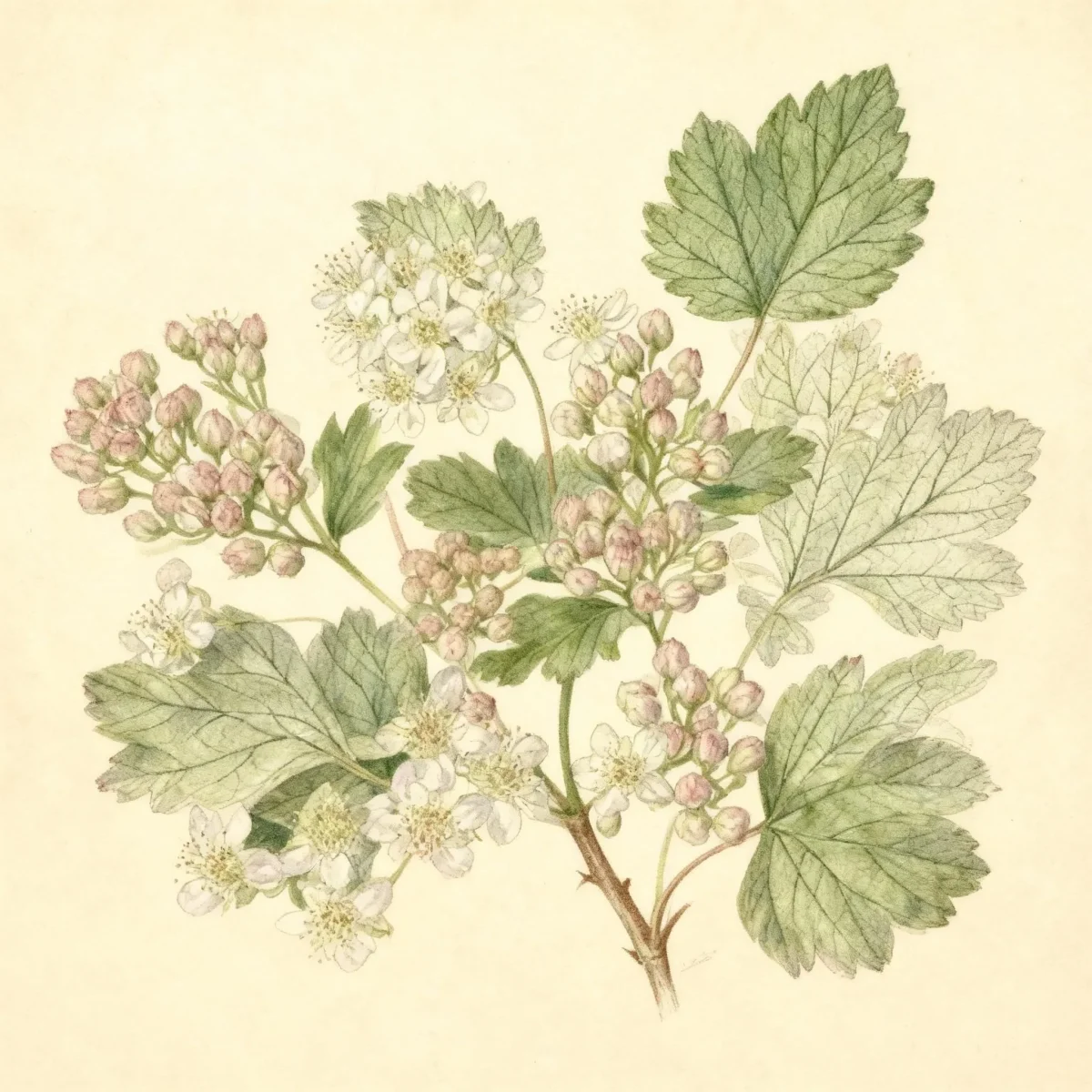
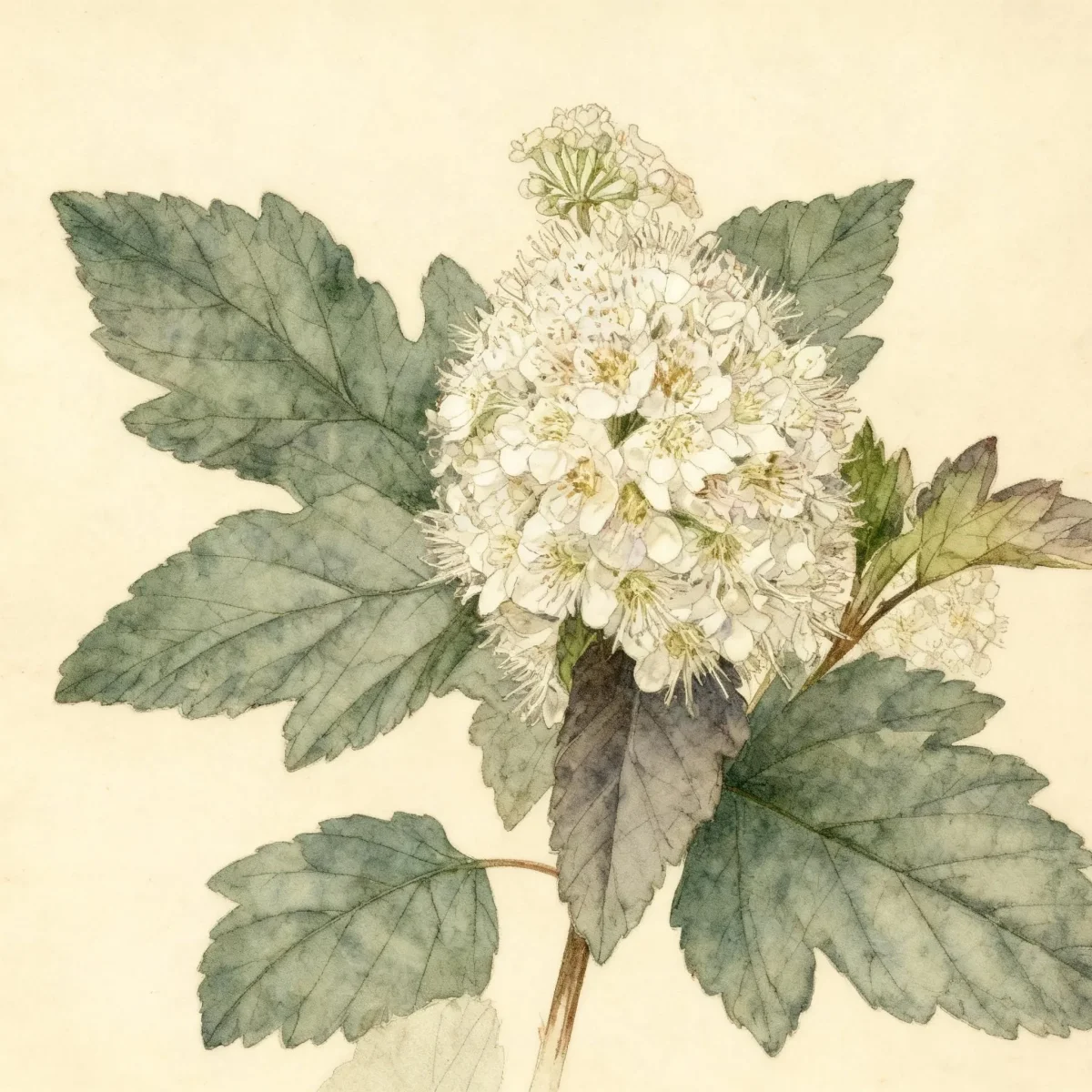
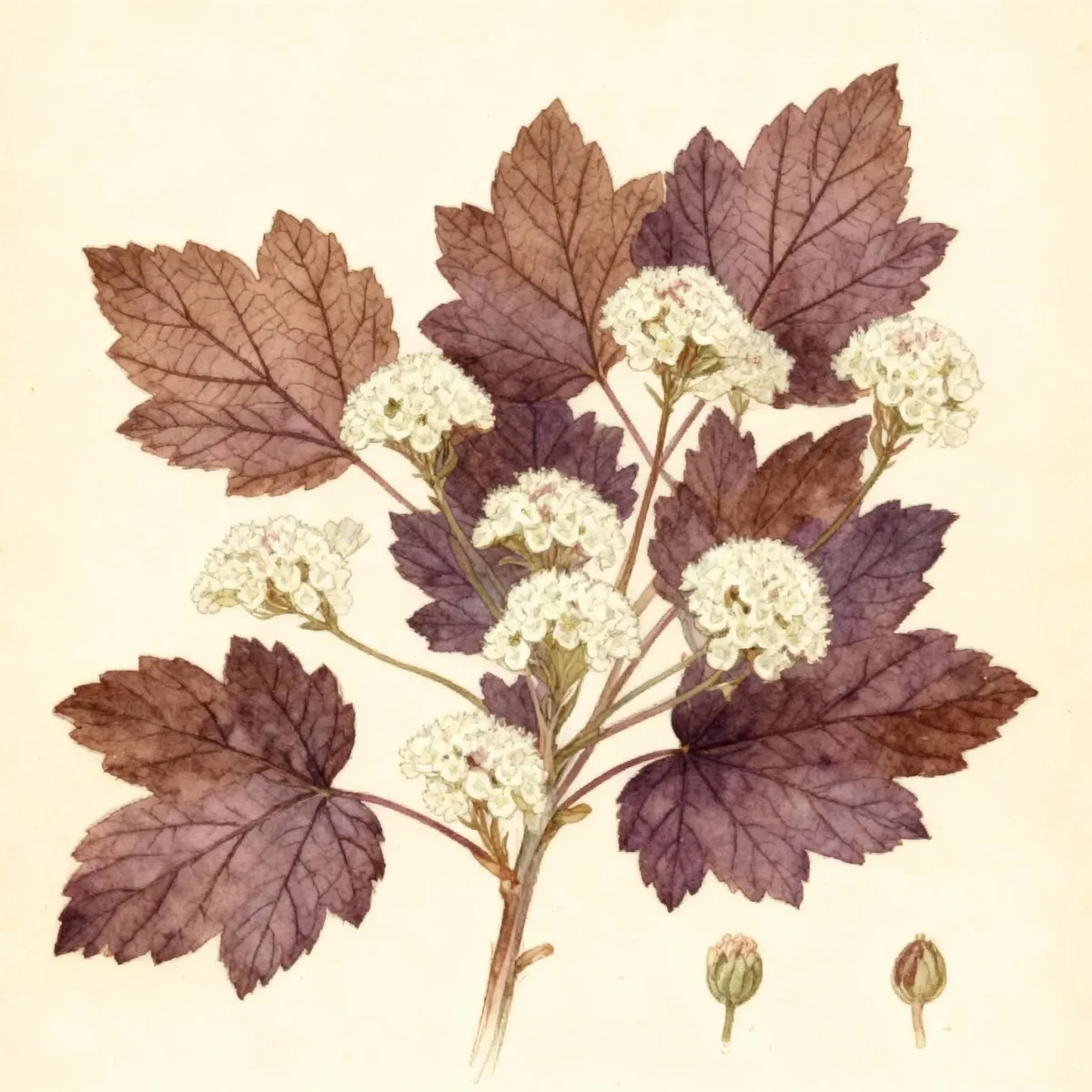
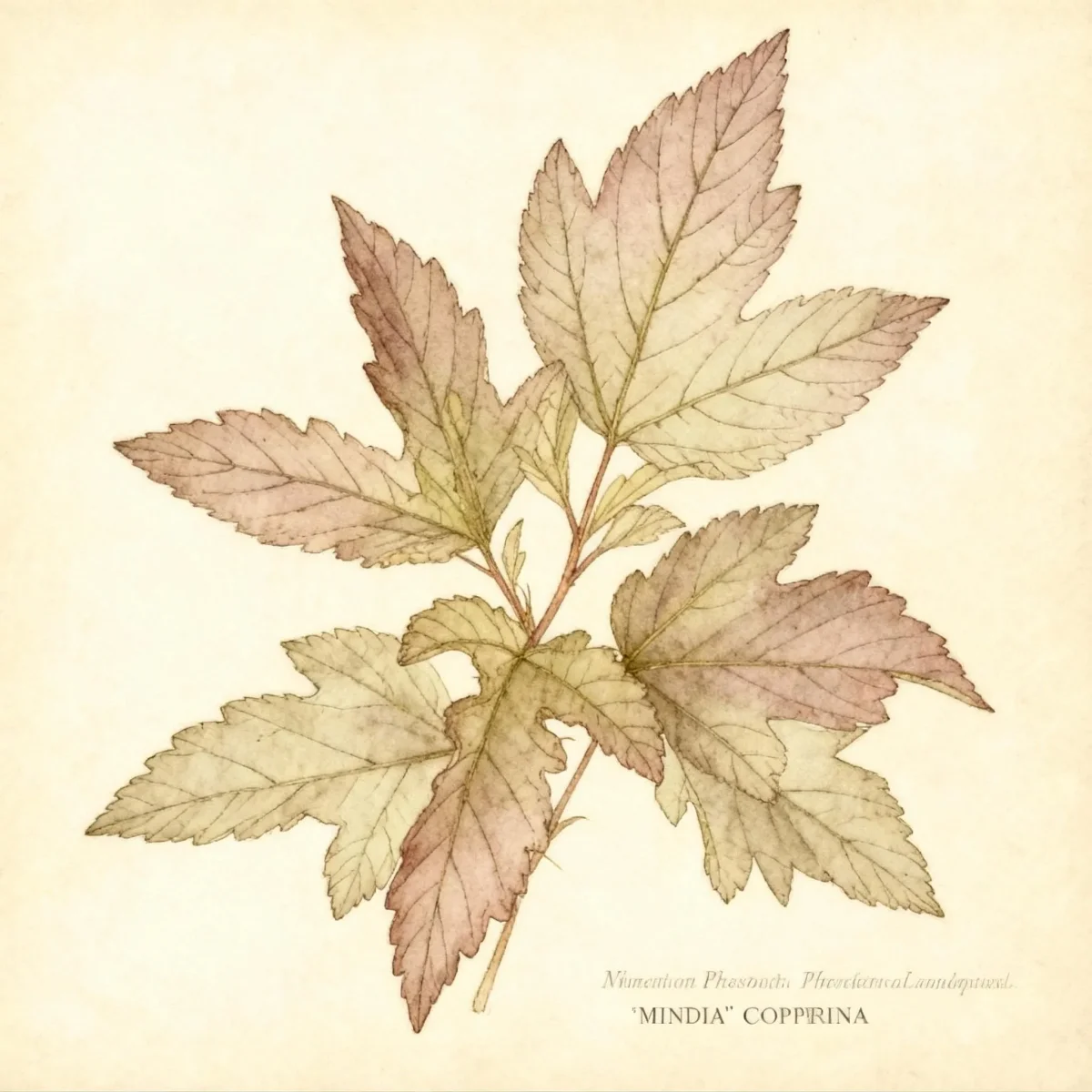
Ninebark (Physocarpus opulifolius 'Ruby Spice')
Physocarpus opulifolius 'Ruby Spice' Ninebark offers vibrant pink blooms and dark burgundy foliage, thriving in tough conditions.
Scroll down to discover growing tips, care requirements, companion plants, and more
Complete Plant Information
Overview
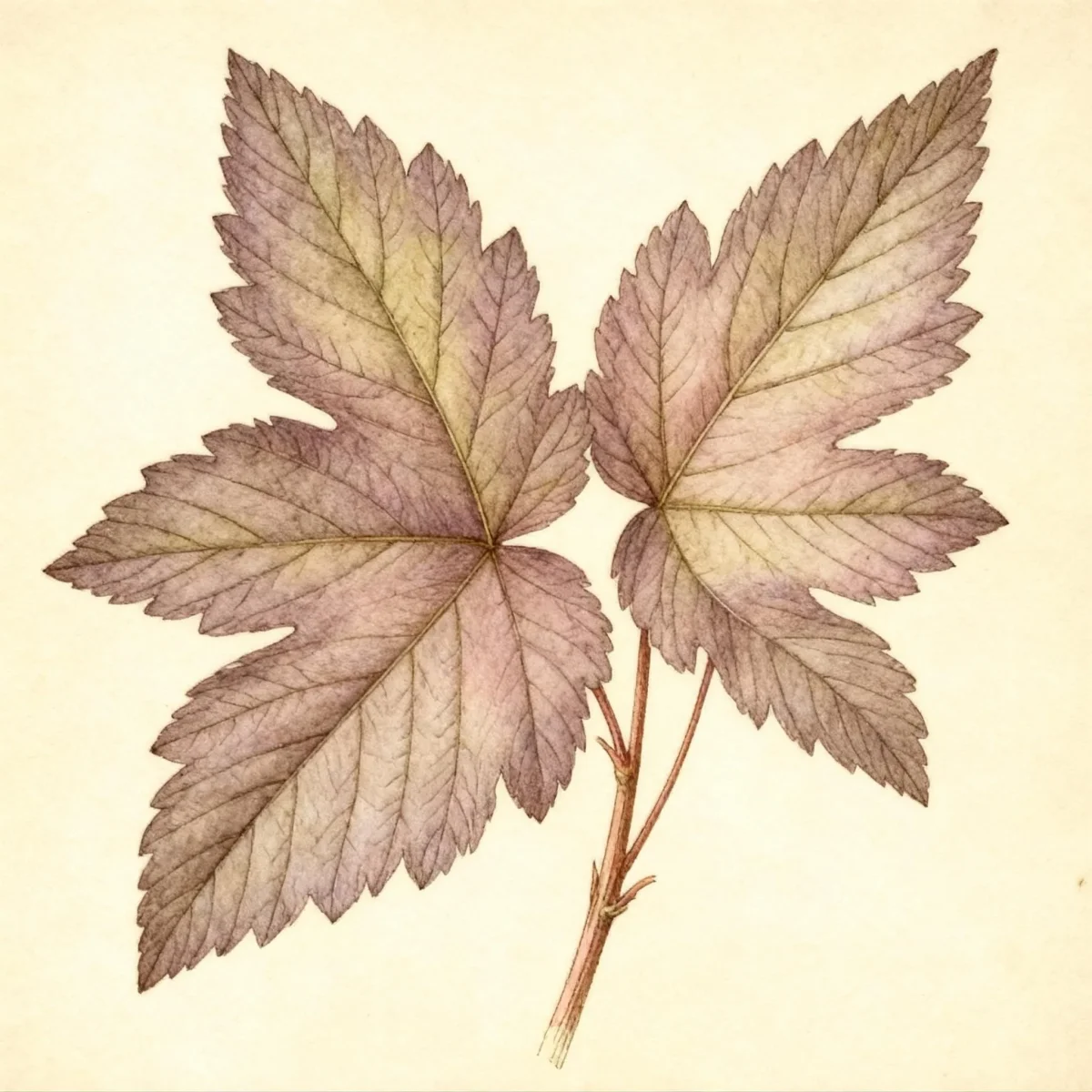
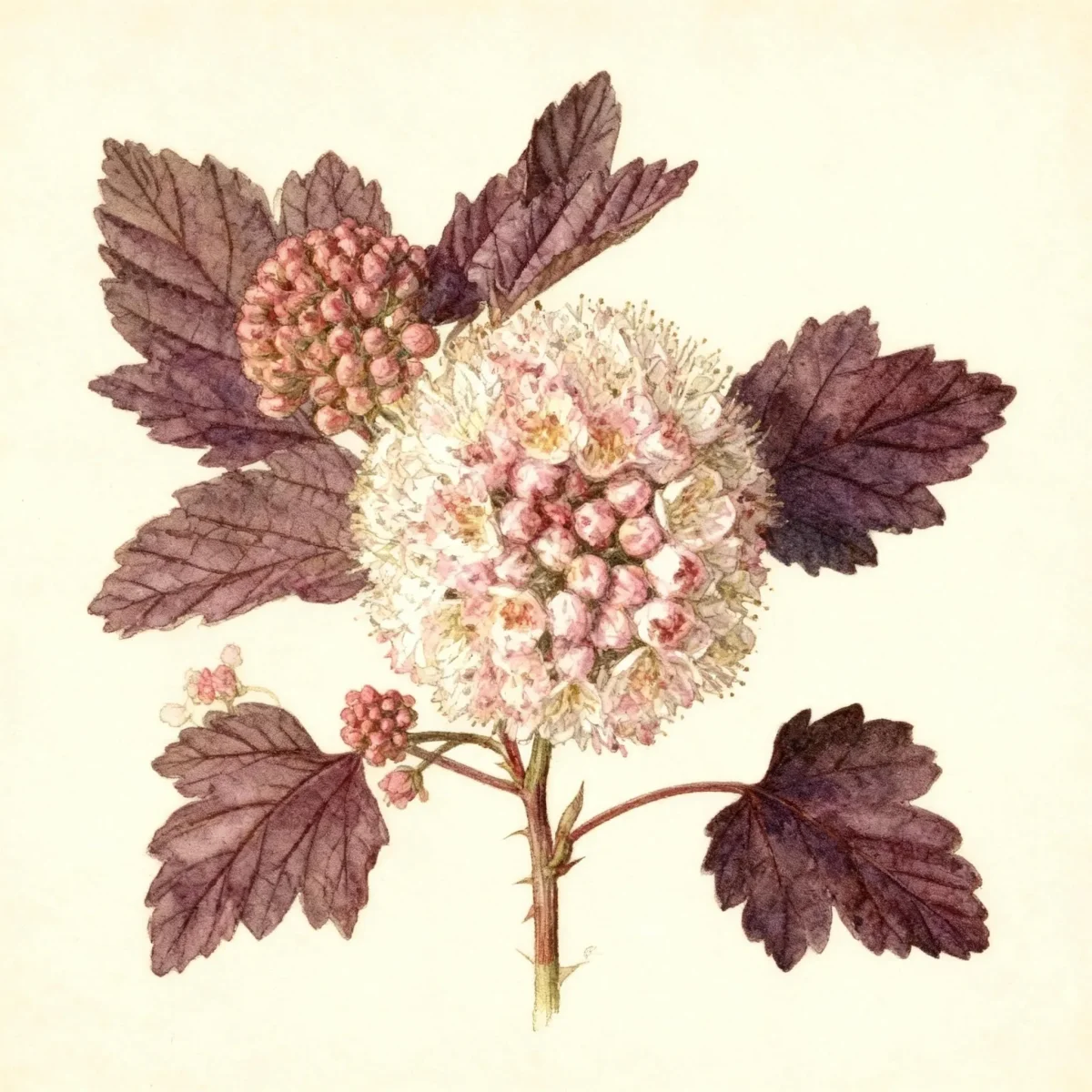
The Physocarpus opulifolius ‘Ruby Spice’, commonly known as Ninebark, is a highly valuable deciduous shrub celebrated for its manageable size and vibrant year-round color display. This cultivar provides striking visual interest starting with red spring foliage that deepens to a rich, dark burgundy throughout the summer months. As a tough, adaptable plant, the Ninebark offers superb structural appeal even in early spring and late fall.
This species is closely related to Spiraea and brings texture and color to borders and hedges. Physocarpus opulifolius ‘Ruby Spice’ is noted for being a free-branching shrub that matures at a convenient 3 to 5 feet tall, making it an excellent choice for modern landscape designs where high-impact color is desired without overwhelming scale.
Functionally, the Ninebark is renowned for its resilience, tolerating a wide spectrum of challenging soil conditions while contributing strongly to landscape stability. Its exfoliating bark provides subtle winter architecture, ensuring the garden remains visually active even after the foliage has dropped.
Fast Facts
- Plant Family: Rosaceae
- Plant Type: Deciduous shrub
- Hardiness Zones: USDA Zones 2-8
- Size at Maturity:
- Height: 3-5 ft
- Spread: 4-5 ft
- Bloom Time: May to June
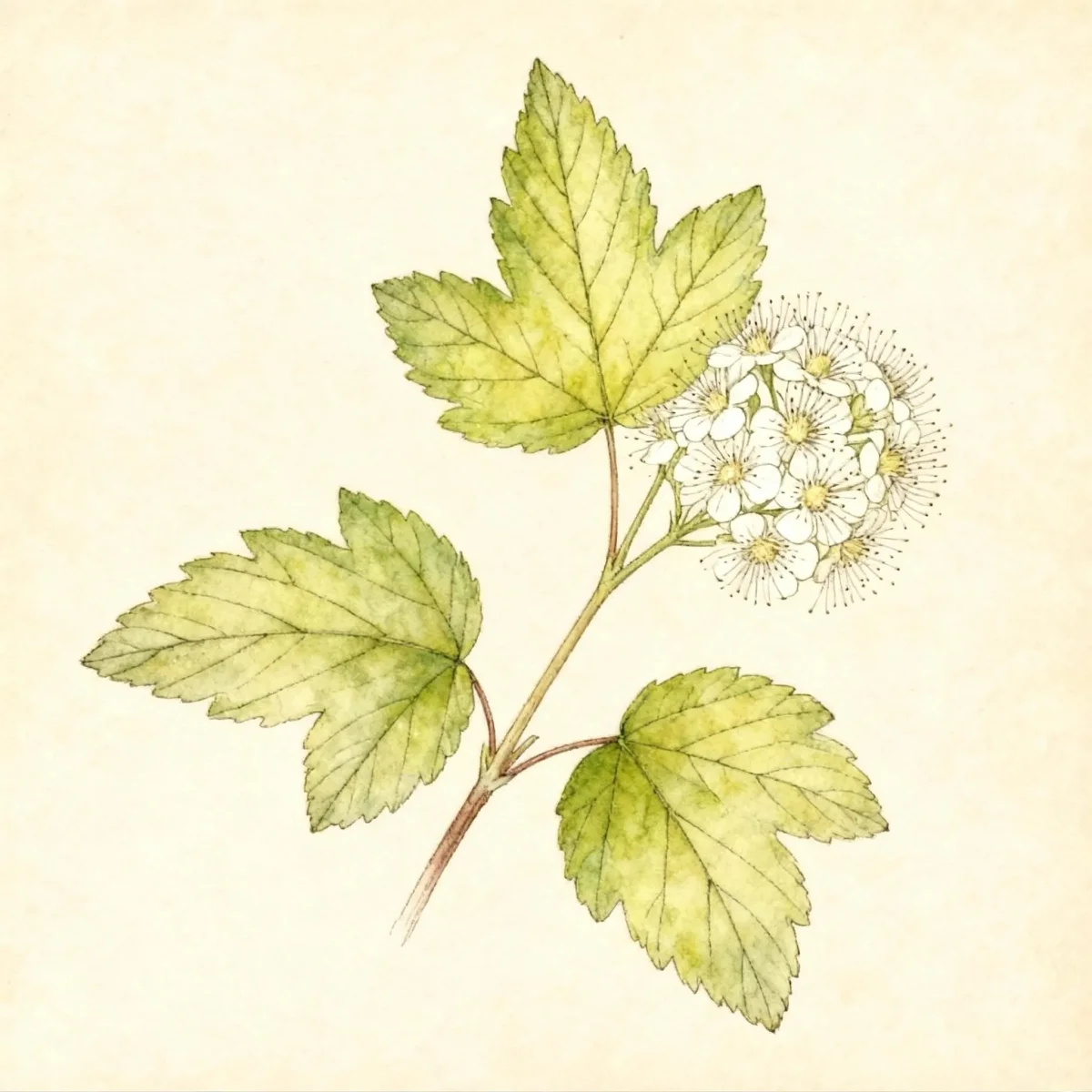
- Bloom Description: Pink or white
- Sun Exposure: Full sun to part shade
- Water Needs: Dry to medium
- Maintenance Level: Medium
How to Grow
Planting the Ninebark is best done in average, slightly acidic soil that is well-drained, although this plant is remarkably tolerant of poorer media. While it handles full sun well, especially in cooler climates, providing some afternoon shade in hot, humid summers will help retain the best foliage color. Ensure the site drainage is adequate, as Ninebark thrives best in dry to medium moisture conditions.
Once established, watering requirements are relatively low; allow the soil to dry slightly between waterings. Maintenance is considered medium. Pruning should be conducted immediately after the short bloom period in May or June, stopping no later than mid-August to ensure winter hardiness. For complete rejuvenation of older plants, they can be cut close to the ground in early spring.
A significant advantage of the ‘Ruby Spice’ selection is its reduced tendency to sucker compared to the straight species, leading to a cleaner, more controlled presence in the perennial border or hedge row. This durable shrub handles various soil types, making it a reliable workhorse in difficult planting spots.
Landscape Uses
The Physocarpus opulifolius ‘Ruby Spice’ excels when used formally as a hedge or screen due to its manageable size and dense branching structure. It works perfectly massed within shrub borders, providing a dark, burgundy backdrop that makes neighboring lighter-colored flowers truly pop.
For erosion control, this tough Ninebark is highly effective lining banks and slopes. Because it adapts to harsh conditions, consider placing Physocarpus opulifolius ‘Ruby Spice’ in native plant gardens where resilience is key. Its dark foliage contrasts beautifully with chartreuse grasses or silver-leaved perennials.
Standout Features
Flower Qualities
- Showy
Noteworthy Characteristics
Physocarpus opulifolius, commonly called ninebark, is an upright, spreading, somewhat coarse, deciduous, Missouri-native shrub which is closely related to the genus Spiraea. It is noted for its exfoliating bark which peels in strips to reveal inner bark layers, providing visual interest. The cultivar ‘Ruby Spice’ is particularly valued for its red spring foliage that matures to a darker burgundy red, complemented by abundant pink flowers in early summer and a naturally free-branching habit.
Tolerances
- Drought
- Erosion
- Clay Soil
- Dry Soil
- Shallow-Rocky Soil
Potential Problems
Ninebark shrubs are generally robust, but they can occasionally be susceptible to certain fungal issues. Watch for fireblight, powdery mildew, and minor leaf spot diseases, especially if air circulation is poor or humidity is persistently high. Managing these issues often involves ensuring proper spacing during planting and adhering to the correct pruning schedule immediately after flowering.
Frequently Asked Questions
What hardiness zones is Ninebark suitable for?
The Physocarpus opulifolius ‘Ruby Spice’ Ninebark performs reliably across USDA Hardiness Zones 2 through 8.
How large does Physocarpus opulifolius ‘Ruby Spice’ grow?
This cultivar typically reaches a mature height between 3 and 5 feet, with a spread ranging from 4 to 5 feet wide.
When does Ninebark bloom?
The pink or white flowers of this Ninebark variety usually appear in late spring to early summer, specifically between May and June.
What sun exposure does Physocarpus opulifolius ‘Ruby Spice’ need?
It requires full sun for the best color saturation, though it can tolerate part shade, especially where summers are intensely hot.
Conclusion
The Physocarpus opulifolius ‘Ruby Spice’ is an outstanding choice for gardeners needing reliable color, texture, and resilience across a wide range of zones. This Ninebark cultivar provides year-round structure with its deep burgundy leaves and exfoliating bark, making it a dynamic addition to any landscape composition. Before planting, verify that your site conditions align with its dry to medium water needs and confirm zone compatibility.
Companion Planting
When selecting companions for Physocarpus opulifolius ‘Ruby Spice’, focus on plants that either contrast well with its dark burgundy foliage or share similar cultural preferences for sun and dry soil tolerance. Consider pairing it with plants that offer bright yellow or lime-green foliage, such as certain varieties of ornamental grasses or Hakonechloa macra cultivars, to maximize the visual impact of the dark Ninebark leaves. Plants that enjoy full sun and tolerate drier conditions, such as many traditional perennial salvias or Russian Sage (Perovskia atriplicifolia), will thrive alongside this tough shrub.
Seasonal Care Calendar
Spring preparation for your Ninebark should focus on rejuvenation pruning if necessary; remember to cut hard pruning back completed by mid-August last year. Once flowering concludes in early summer (late May/June), perform any shaping or light trimming required to maintain hedge integrity. Throughout the summer, monitor for powdery mildew, especially if planted in a crowded area, ensuring adequate air movement. In the fall, the foliage offers little dramatic change, but enjoy the mature bark texture as the leaves drop, preparing the shrub for its winter dormancy.