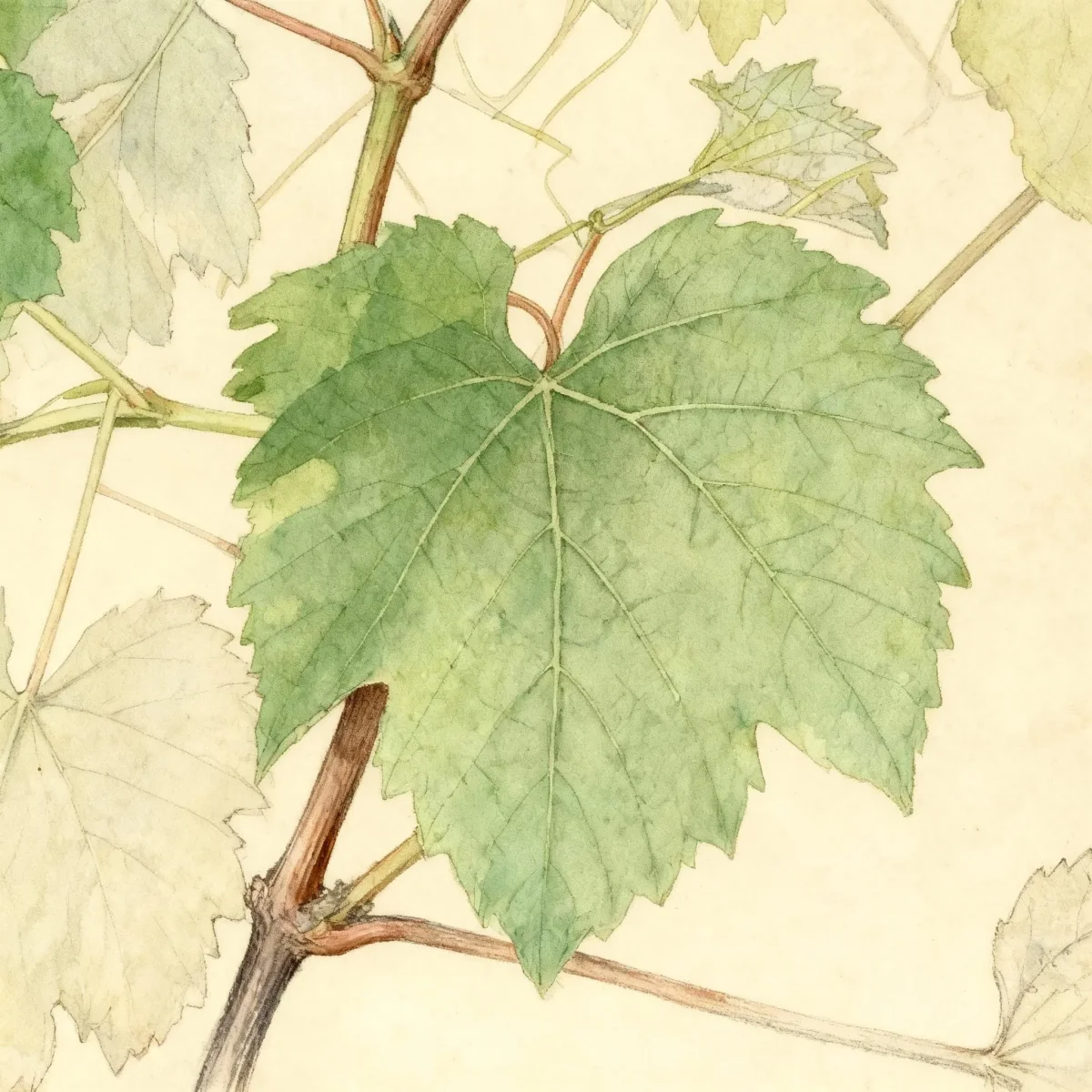
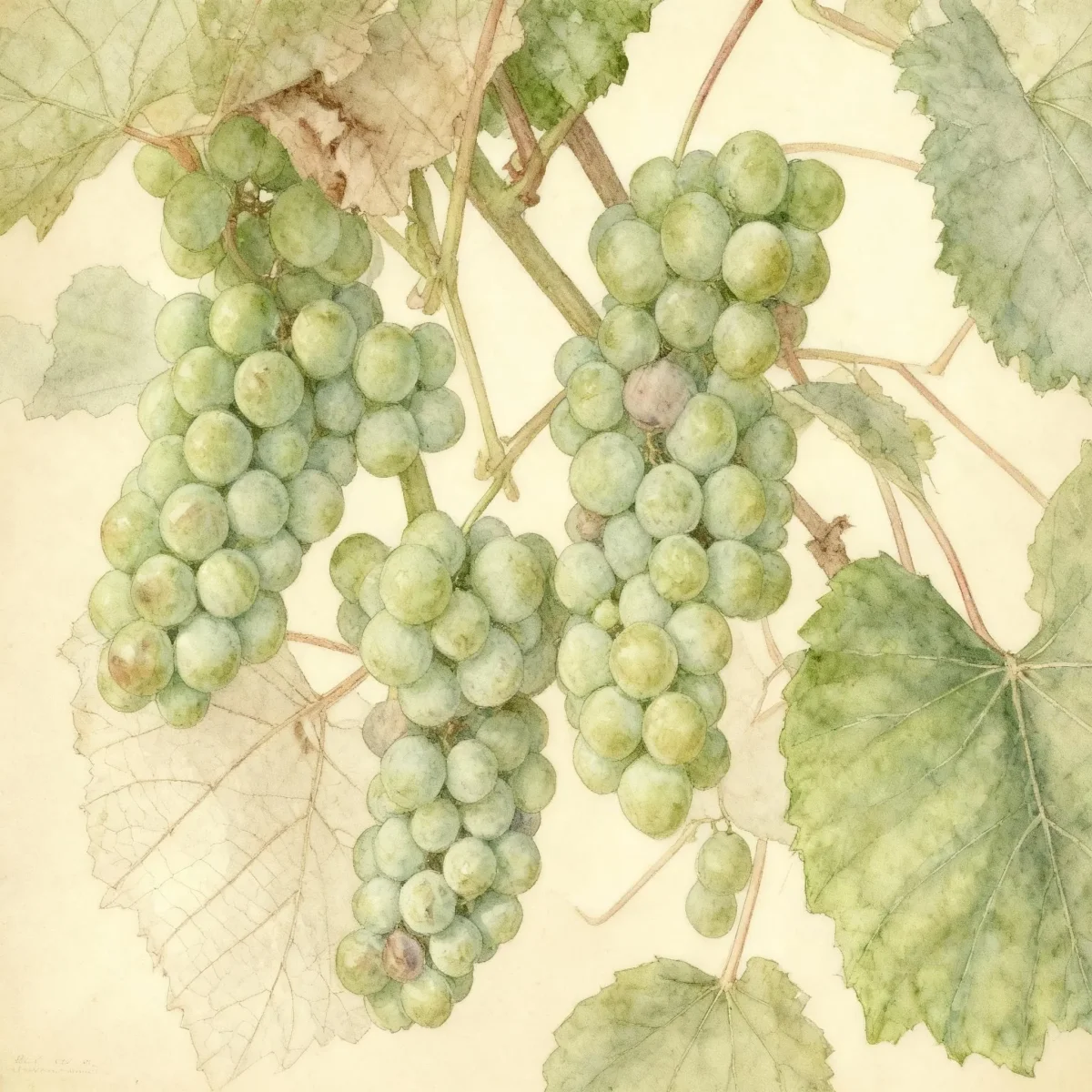
Fox grape (Vitis labrusca 'Niagara')
The Vitis labrusca 'Niagara' Fox grape is a leading white juice grape, offering fragrant spring blooms and sweet, edible fruit in eastern North America.
Scroll down to discover growing tips, care requirements, companion plants, and more
Complete Plant Information
Overview
The $Vitis$ $labrusca$ ‘$Niagara$’ cultivar, widely known as the Fox grape, is a cornerstone variety, especially valued as the leading green grape used for juice production in North America. This woody, deciduous vine provides functional interest with its bold foliage and productive fruit yield, thriving in the diverse, sometimes severe, weather patterns of the Eastern and Midwestern US. Gardeners should note that achieving quality fruit production from this self-pollinating grape requires dedication, demanding structural support, regular pruning, and protection. While the flowers are subtly fragrant in spring, the main attraction of the Fox grape is its mid-season harvest of seedless, white grapes, making $Vitis$ $labrusca$ ‘$Niagara$’ a highly rewarding, albeit high-maintenance, addition to home fruit gardens.
Fast Facts
- Plant Family: Vitaceae
- Plant Type: Fruit
- Hardiness Zones: USDA Zones 5-8
- Size at Maturity:
- Height: 15-20 ft
- Spread: 15-20 ft
- Bloom Time: May to June
- Bloom Description: Greenish
- Sun Exposure: Full sun
- Water Needs: Medium
- Maintenance Level: High
How to Grow
The best results for $Vitis$ $labrusca$ ‘$Niagara$’ are achieved when planted in deep, loamy, humus-rich soils that maintain medium moisture but offer excellent drainage. Site selection is crucial; this grape demands full sun—the more sun received, the sweeter the fruit will be—and should be placed where it is sheltered from harsh winter winds, ideally on a southern-facing slope, away from frost pockets where late spring frosts can damage new growth. Growers must immediately plan for a robust support system, such as trellises or arbors, as this vine requires training to maximize fruit production effectively.
Care for the Fox grape is intensive. Maintain a medium watering schedule, being careful not to overwater, which can compromise drainage. Since this is a high-yielding variety, regular fertilization tailored for fruit production is necessary. The most critical maintenance task is consistent, aggressive pruning performed when dormant; this ensures good air circulation, reduces disease pressure, and directs the vine’s energy into producing high-quality clusters rather than excess foliage.
Furthermore, due to the humid summers common in its native range, regular spraying or preventative treatments against common grape diseases like powdery mildew and black rot is frequently necessary to maintain yield. Although $Vitis$ $labrusca$ ‘$Niagara$’ is hardy against cold winters, its spring growth remains vulnerable to late frosts. Remember that while these vines spread via self-seeding in the wild, propagation for home gardeners must be asexual, using grafts or cuttings to ensure true ‘Niagara’ characteristics.
Landscape Uses
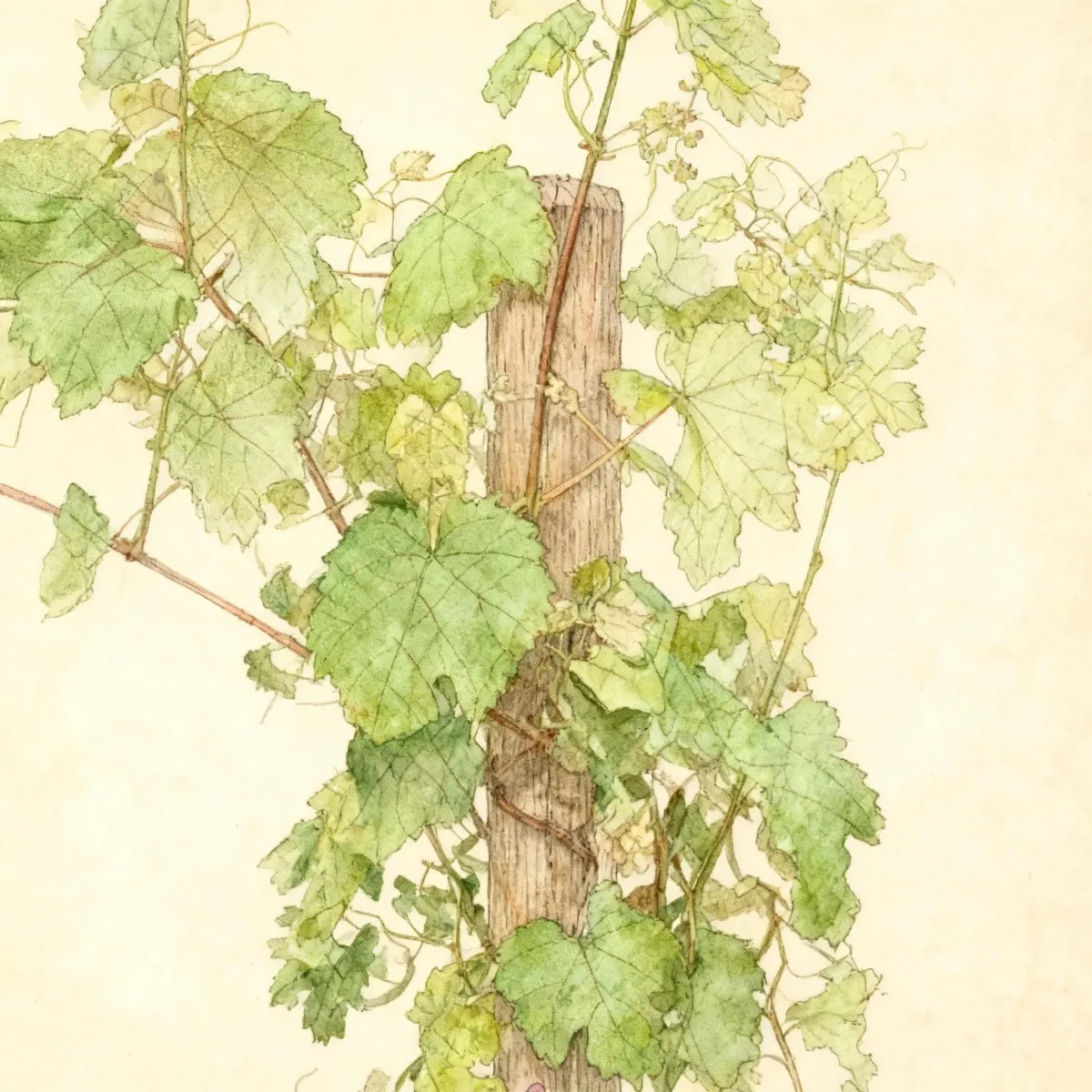
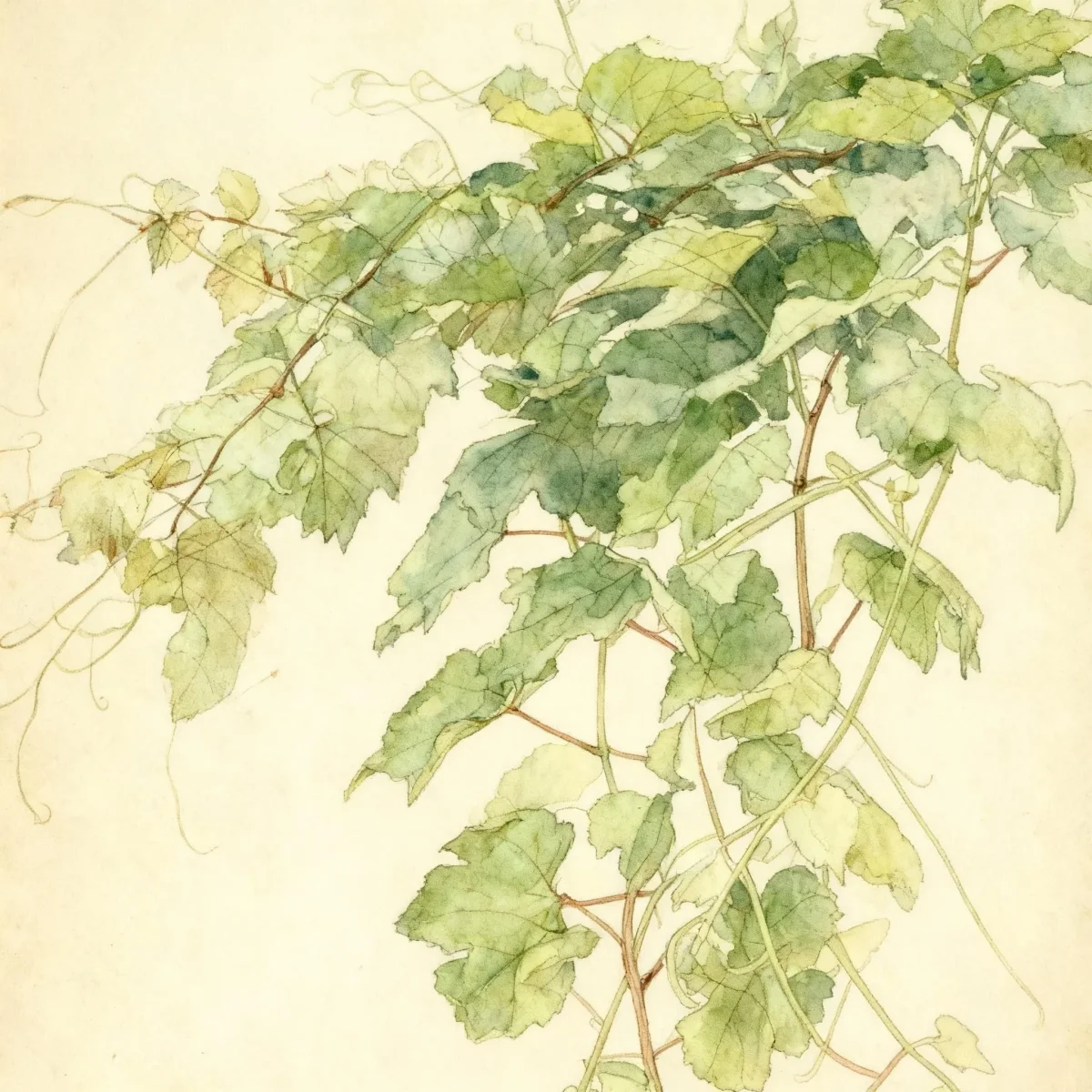
While primarily grown for its fruit production, the Fox grape offers significant ornamental value throughout the year. The vine features bold, textural summer foliage that provides excellent dense screening when grown against structures like fences, walls, or pergolas, offering welcome shade to structures below. In winter, the visible, shaggy, twisted bark and branching patterns add sculptural interest to the dormant landscape.
Utilize the climbing nature of $Vitis$ $labrusca$ ‘$Niagara$’ to soften harsh architectural lines or create living roofs over arbors. The plant looks particularly effective trained over sturdy open structures where its mid-season fruit display is highlighted against the dark green leaves. Though fruit attracts wildlife, providing clusters of mature $Vitis$ $labrusca$ ‘$Niagara$’ can serve as a seasonal food source for beneficial birds, integrating wildlife value into your design.
Standout Features
Flower Qualities
- Fragrant
- Insignificant
Fruit Qualities
- Showy
- Edible
Noteworthy Characteristics
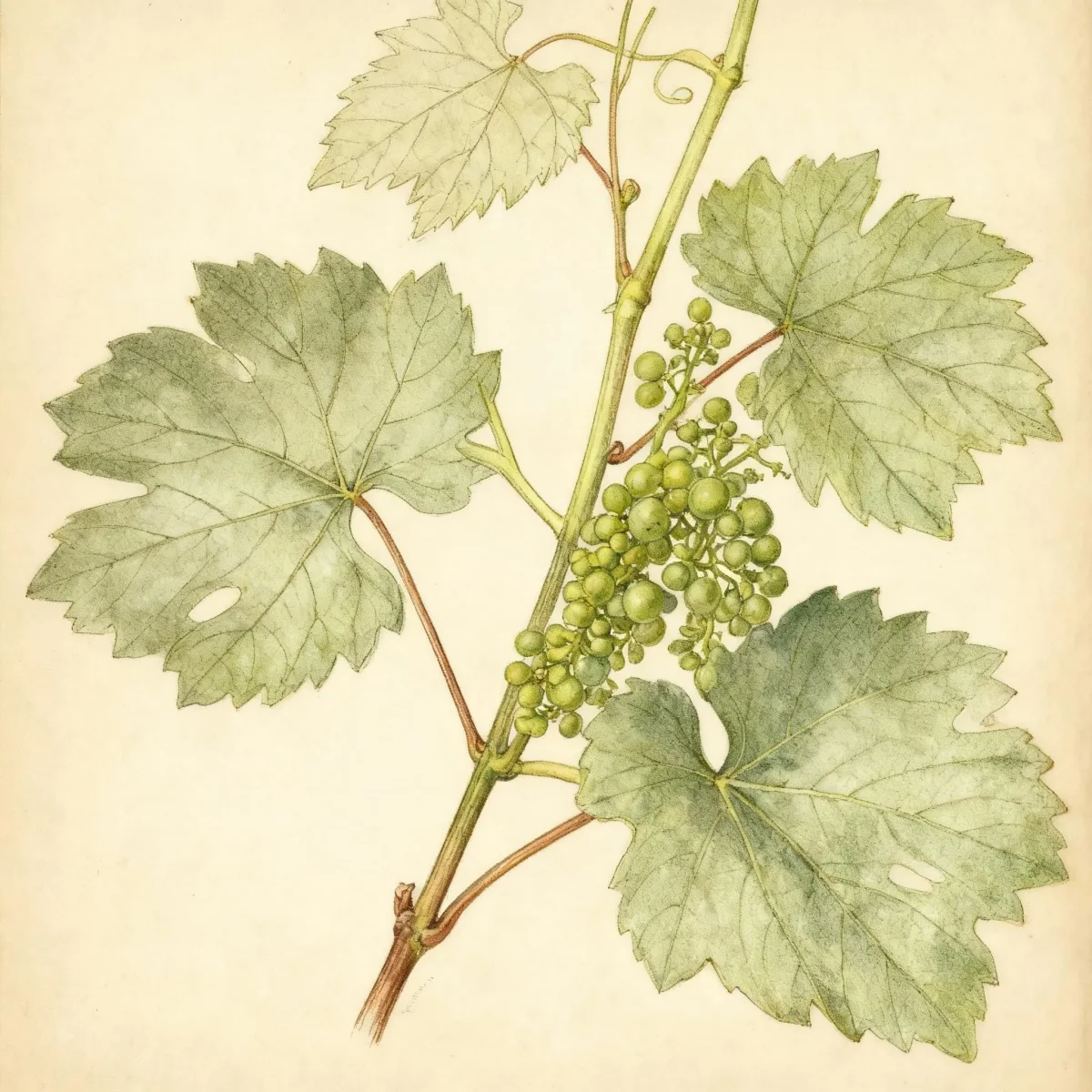
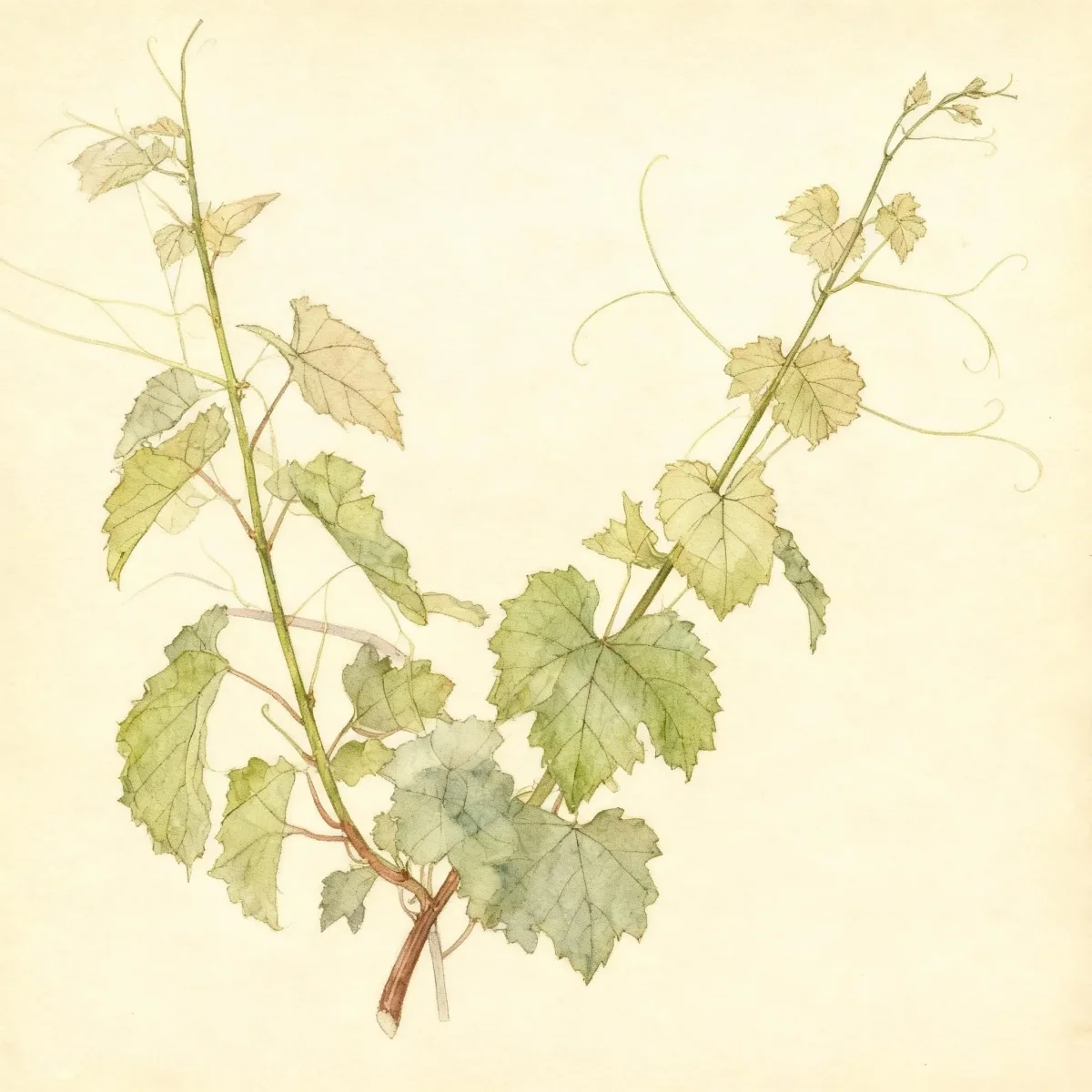
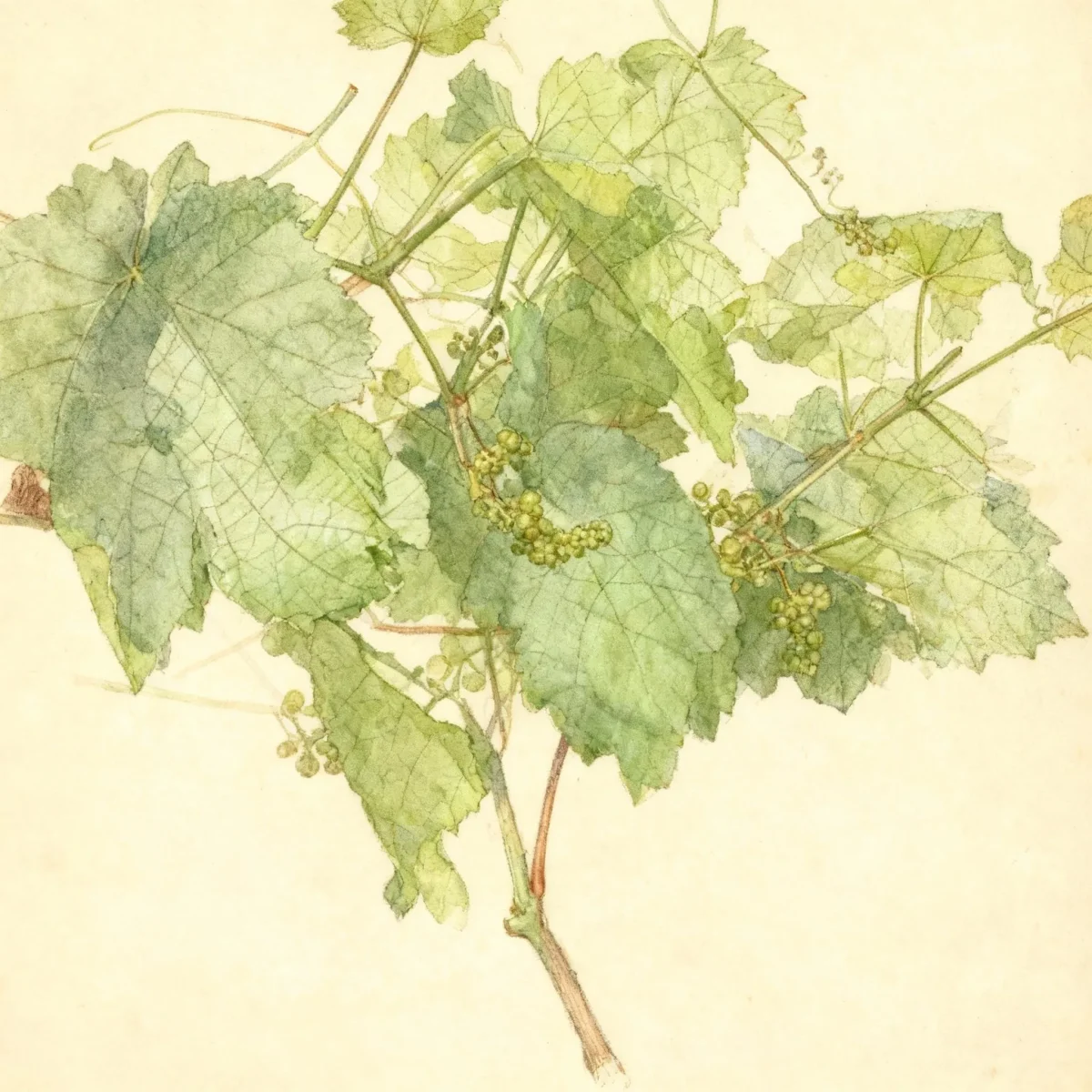
$Vitis$ $labrusca$, commonly known as fox grape, is a woody, deciduous vine that climbs by tendrils to extensive lengths. Flowers appear in spring, followed by drooping clusters of white, seedless grapes that ripen mid-season. This specific cultivar, ‘$Niagara$’, is notable for being the primary source for white grape juice in North America and has a distinct musky flavor profile typical of the fox grape species.
Tolerances
- Rabbit
- Deer
Potential Problems
Grapes, including the high-yielding ‘Niagara’ variety, are classified as high-maintenance plants due to their susceptibility to numerous pests and diseases, particularly in humid environments. Fungal issues like downy mildew, powdery mildew, and black rot pose significant threats, necessitating regular prophylactic spraying regimens. Insect pests range from borers like phylloxera to leaf-feeding pests like the Japanese beetle.
Managing these risks involves cultural practices woven into the pruning schedule; ensuring ample air circulation through diligent thinning and the use of structural supports reduces fungal risk significantly. For vertebrate pests, birds are often the most destructive by consuming ripe clusters, requiring netting, while deer may browse on young shoots and foliage early in the season. Consistent scouting and prompt treatment are essential for maximizing the harvest of your Fox grape vines.
Frequently Asked Questions
What hardiness zones is Fox grape suitable for?
The $Vitis$ $labrusca$ ‘$Niagara$’ Fox grape is suitable for USDA Hardiness Zones 5 through 8.
How large does Vitis labrusca ‘Niagara’ grow?
This woody vine typically reaches a height and spread between 15 and 20 feet at maturity unless pruned back for fruiting management.
What sun exposure does Vitis labrusca ‘Niagara’ need?
This grape requires full sun exposure to ensure the best sweetness and production of its edible fruit.
When does Fox grape bloom?
The Fox grape typically blooms between May and June, producing clusters of small, greenish flowers that are noted for being fragrant.
Conclusion
The $Vitis$ $labrusca$ ‘$Niagara$’ is an outstanding choice for gardeners seeking highly flavorful, seedless white grapes suitable for juice and fresh eating, offering rewarding aesthetic structure when trained onto supports. Successful cultivation of this Fox grape requires commitment to its high maintenance needs, particularly concerning pruning and pest management in humid climates. Before planting this vigorous vine, confirm that your growing location falls within USDA Zones 5-8 and that you can dedicate the necessary full sun exposure and structural support.
Propagation Tips
Since ‘$Niagara$’ will not grow true to seed, asexual propagation is the only viable method for home gardeners wishing to multiply their stock. The most common and successful propagation technique involves taking hardwood cuttings during the dormant season, usually late fall or winter after pruning. These cuttings—which should include several nodes—are stored in cool, moist conditions until spring, or they can be placed directly into well-draining soil outdoors if the ground is not frozen. Grafting onto vigorous rootstock is another professional method used to ensure superior performance and disease resistance.
Wildlife Benefits
While gardeners must actively protect the high-value fruit from birds, the dense, climbing habit of the $Vitis$ $labrusca$ ‘$Niagara$’ vine provides essential habitat structure. The canopy offers excellent cover for various songbirds seeking shelter from predators or harsh weather. Furthermore, the grapes, when abundant, serve as a seasonal food source, attracting birds like robins and starlings, thereby integrating the vine into the local ecosystem’s food web.