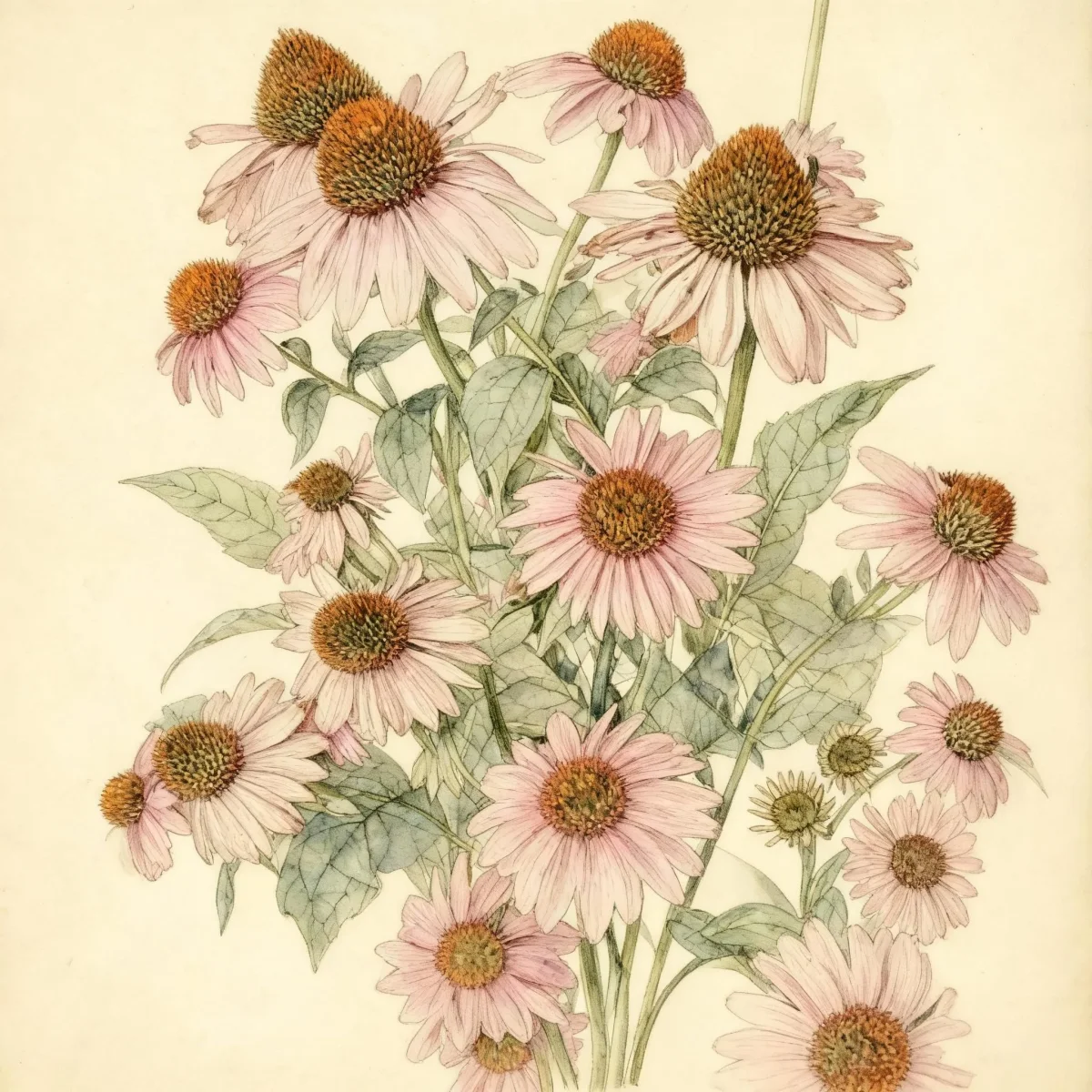
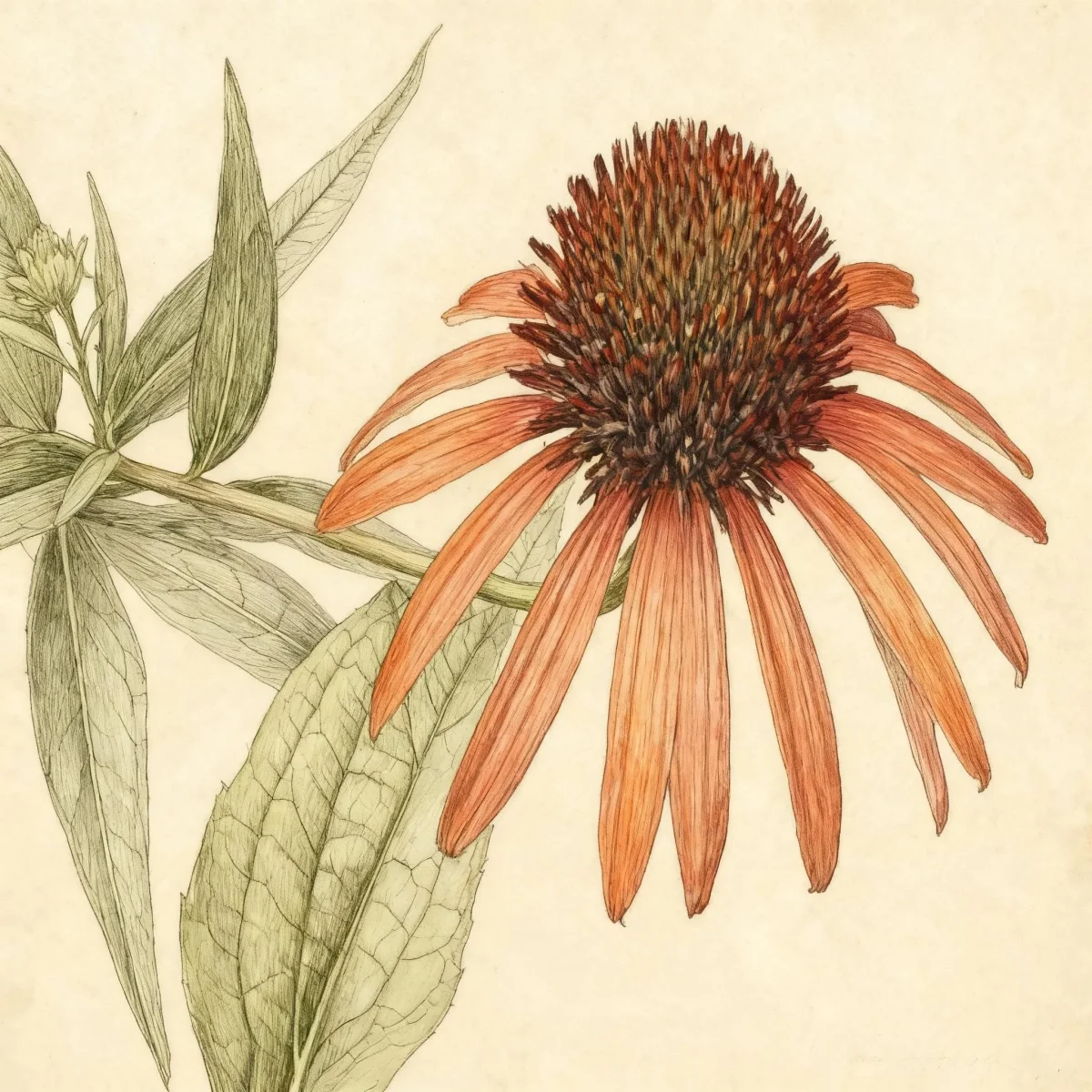
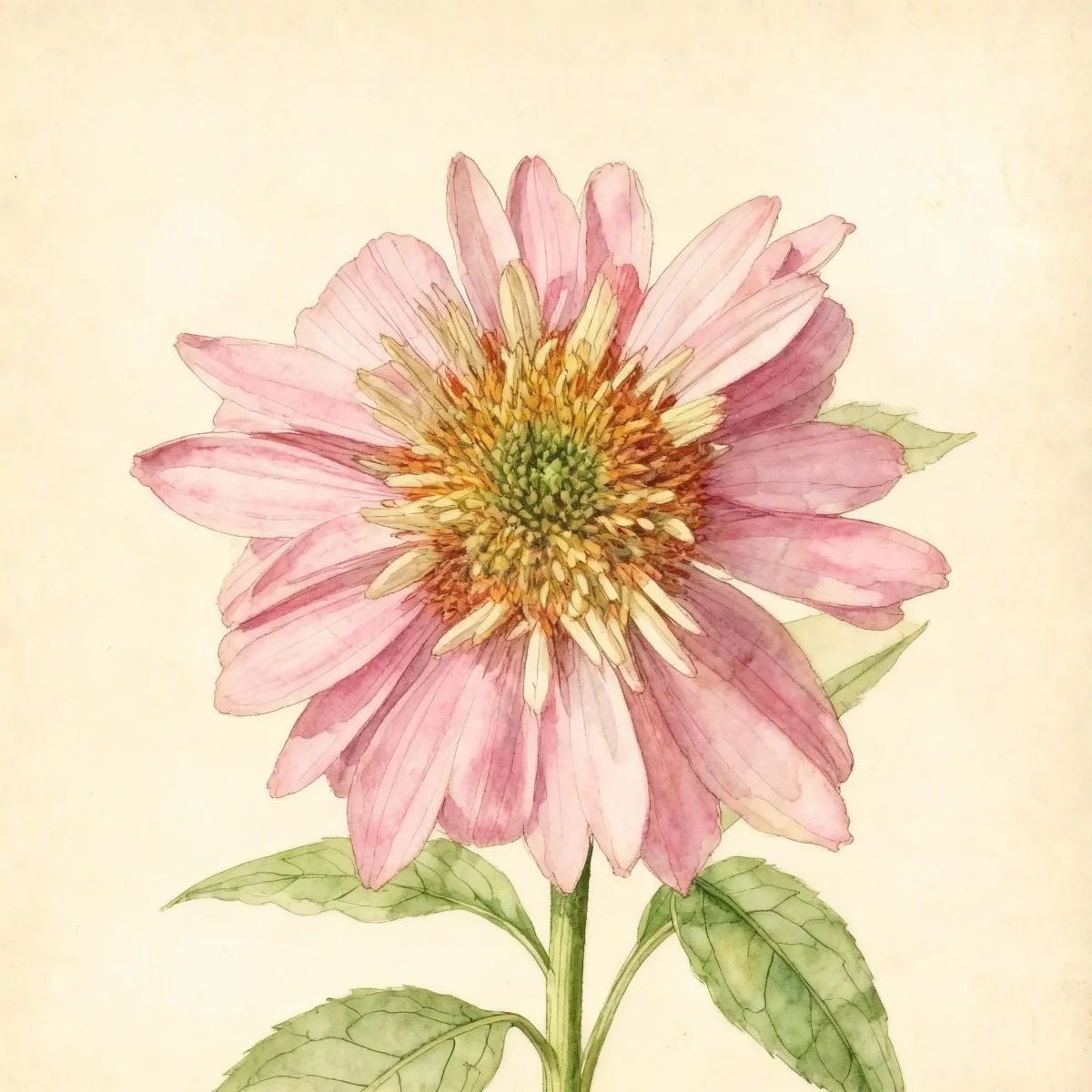
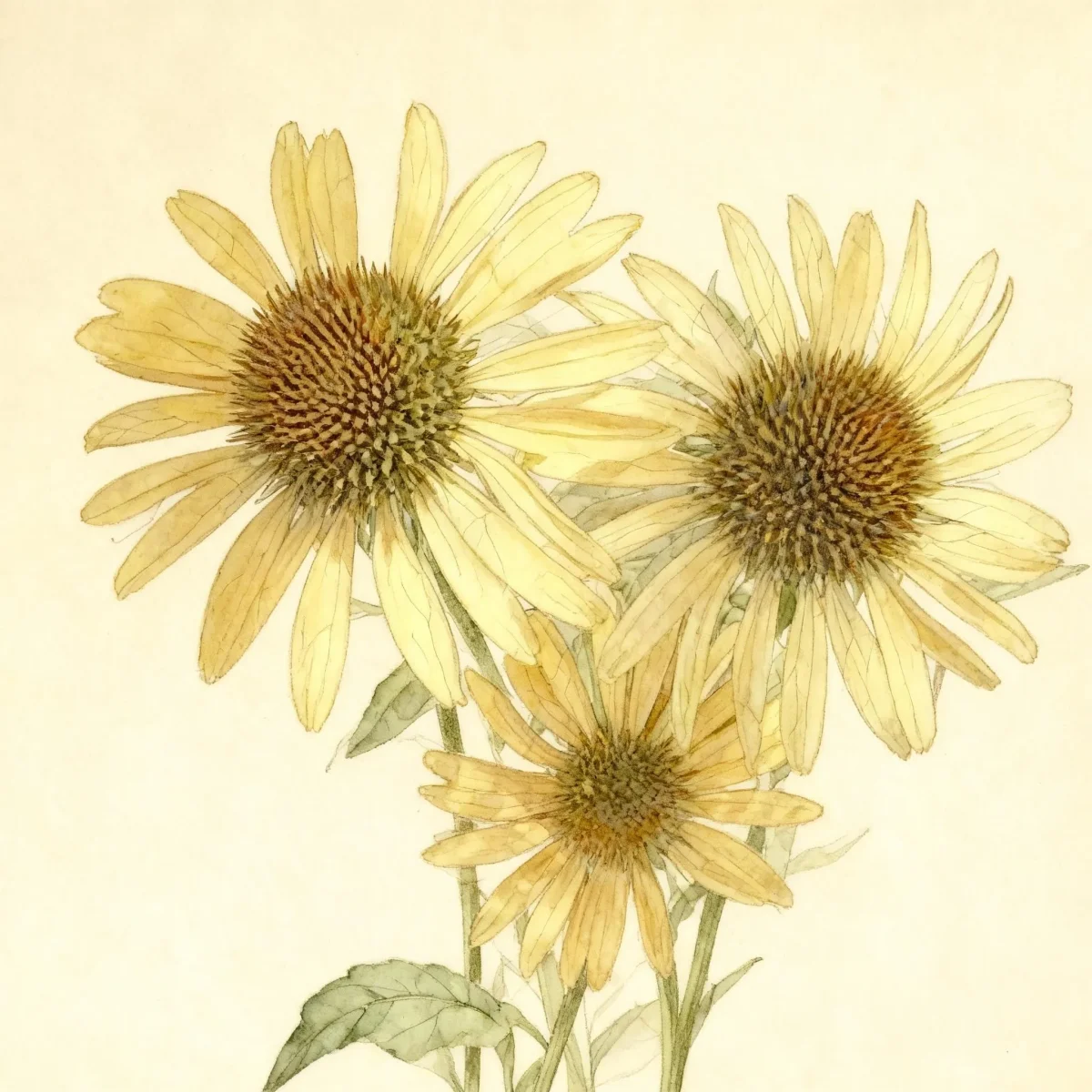
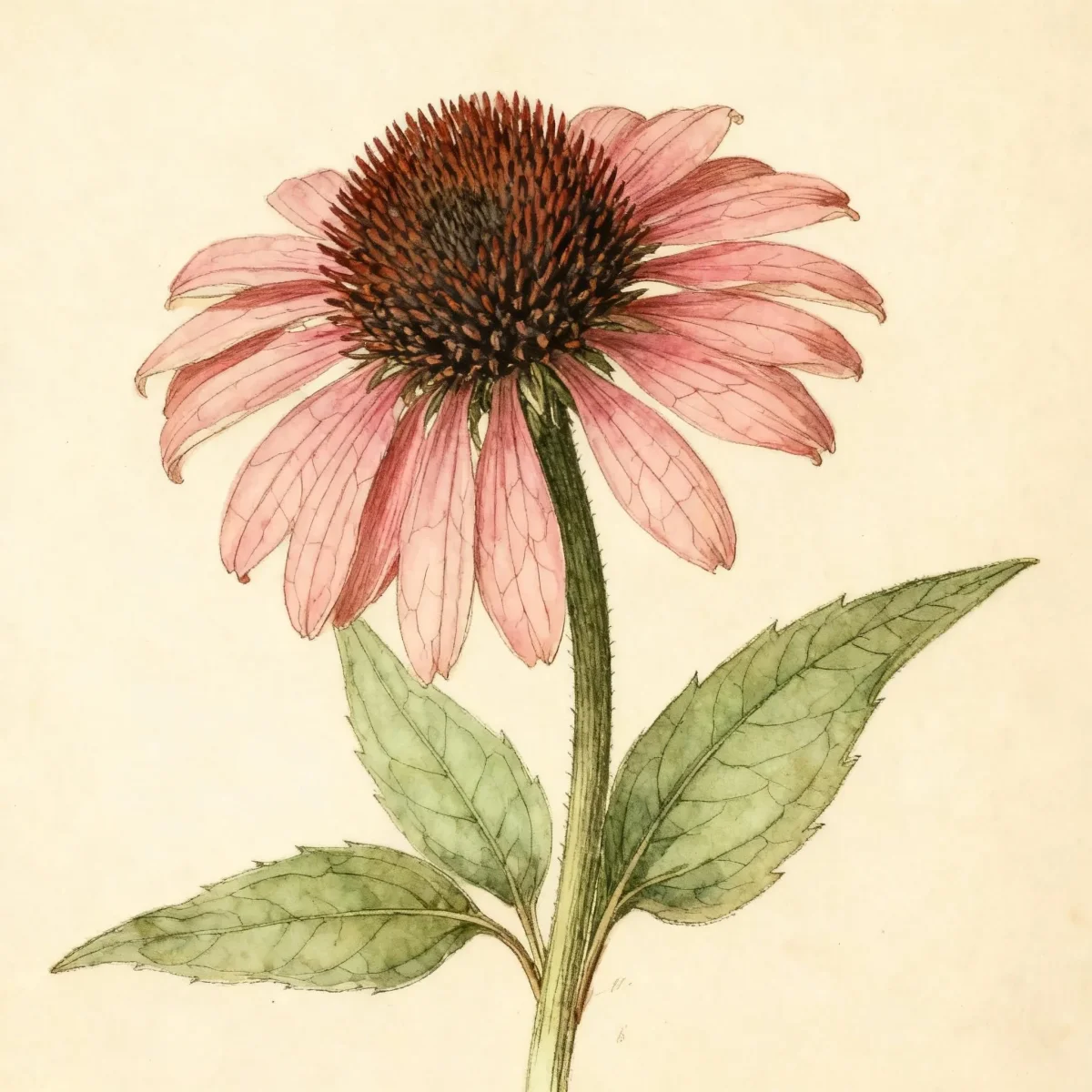
Coneflower (Echinacea 'Maui Sunshine')
Vibrant yellow Coneflower, Echinacea 'Maui Sunshine', offers low-maintenance color from June to August. Drought tolerant and deer resistant.
Scroll down to discover growing tips, care requirements, companion plants, and more
Complete Plant Information
Overview
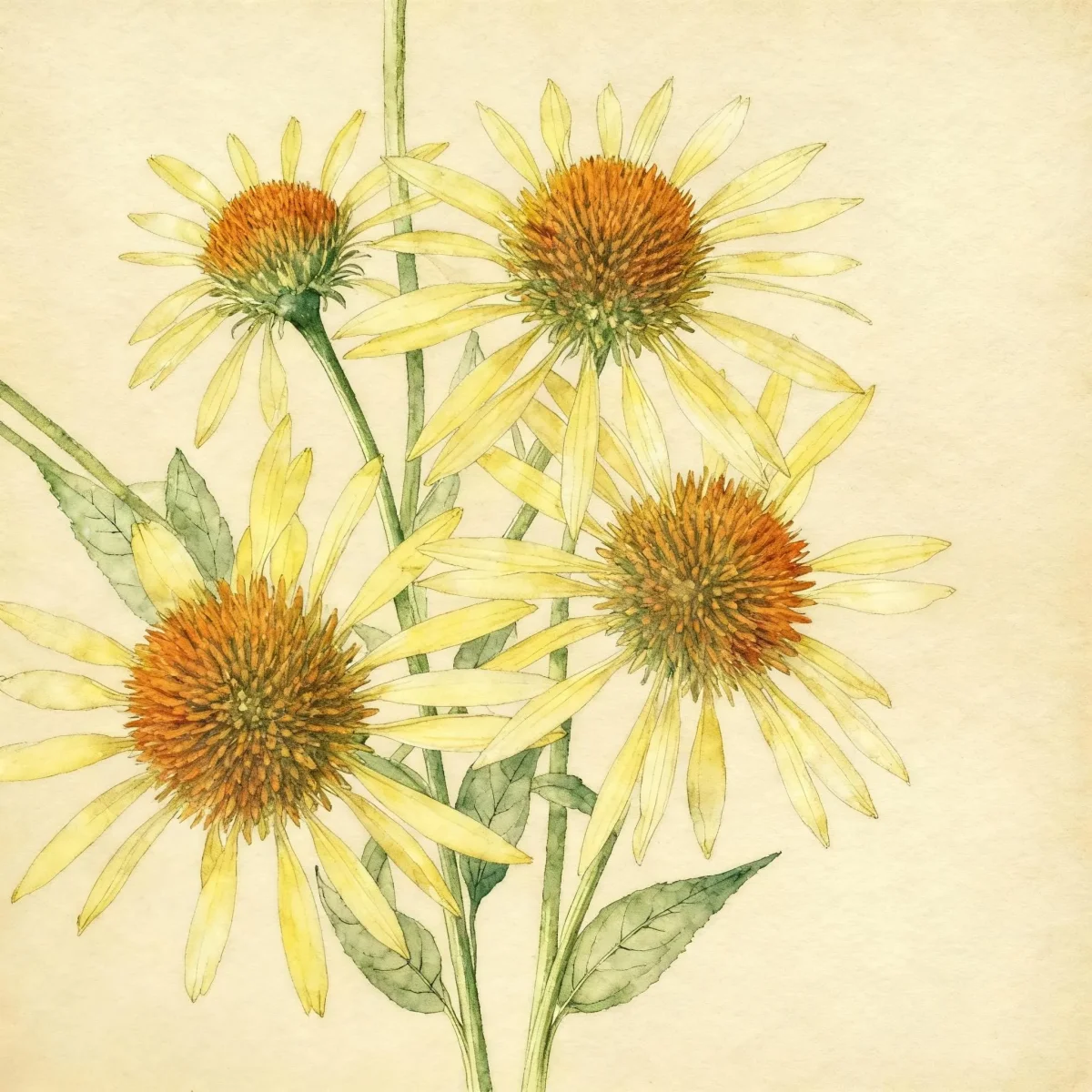
Echinacea ‘Maui Sunshine’ is a standout herbaceous perennial prized for its long season of cheerful, bright yellow blooms. This specific Coneflower variety offers a lively, warm color palette, featuring downward-arching yellow rays surrounding a rich orange central cone. It is an excellent, adaptable choice for gardeners seeking reliable summer color that requires minimal fuss.
This cultivar is celebrated for its robust nature, handling challenging conditions like heat, humidity, and poor soils with ease. As a classic North American native genus, the Coneflower supports local ecosystems by attracting numerous insect pollinators during its primary bloom windows from June through August. Echinacea ‘Maui Sunshine’ provides both aesthetic appeal and functional value in the landscape.
Growing to a manageable height of 2 to 3 feet, this Echinacea develops sturdy, well-branched stems that rarely require staking. Its excellent drought tolerance, combined with its low maintenance requirements, establishes Echinacea ‘Maui Sunshine’ as a cornerstone plant for sunny borders and naturalized plantings alike.
Fast Facts
- Plant Family: Asteraceae
- Plant Type: Herbaceous perennial
- Hardiness Zones: USDA Zones 3-8
- Size at Maturity:
- Height: 2-3 ft
- Spread: 1.5-2.5 ft
- Bloom Time: June to August
- Bloom Description: Yellow rays with orange center cone
- Sun Exposure: Full sun to part shade
- Water Needs: Dry to medium
- Maintenance Level: Low
How to Grow
Planting Echinacea ‘Maui Sunshine’ is best accomplished in spring or fall in well-drained soil. While this Coneflower appreciates average moisture initially, it thrives once established, tolerating dry conditions exceptionally well. Locate it in an area receiving full sun for the best flower production, although it will tolerate light afternoon shade.
Ongoing care for this variety is truly low maintenance. While plants rebloom well without deadheading, prompt removal of spent flowers (deadheading) encourages a tidier appearance and stimulates additional sporadic blooming closer to frost. Water moderately during establishment, but mature plants are highly drought tolerant. Avoid the temptation to over-fertilize, which can lead to weak, floppy growth.
When clumps become overcrowded, typically every four years, it is time to divide them. This division helps maintain vigor and promotes better flowering for your Echinacea ‘Maui Sunshine’. Furthermore, leaving dried flower heads standing through winter offers textural contrast and provides a food source for seed-eating birds like goldfinches.
Landscape Uses
Coneflower, especially vibrant selections like Echinacea ‘Maui Sunshine’, excels when used to define the middle or front of perennial borders. Its upright, sturdy form makes it ideal for massing or grouping, creating bright pools of yellow color that draw the eye across the garden space. It serves beautifully as an accent plant when used near pathways or entryways.
Consider pairing this yellow-flowering Echinacea with plants sharing similar low-water needs and sun preferences. Excellent companions include ornamental grasses, Russian Sage (Perovskia), ornamental salvias, or other sturdy coneflowers in contrasting colors like purple or white. The sturdy structure of Echinacea ‘Maui Sunshine’ also works well integrated into rock gardens or informal woodland edges where sunlight occasionally filters through.
Standout Features
Flower Qualities
- Showy
- Fragrant
- Good Cut
- Good Dried
Noteworthy Characteristics
Echinacea is a genus rooted in eastern and central North America, widely recognized for its spiny center cones (hence the name referencing a hedgehog). The cultivar ‘Maui Sunshine’ exhibits downward-arching, bright yellow ray flowers surrounding a dominant orange cone, typically growing 30-36 inches tall. These flowers are fragrant and are excellent for attracting butterflies, while the persistent dried heads provide crucial winter interest for birds.
Tolerances
- Deer
- Drought
- Clay Soil
- Dry Soil
- Shallow-Rocky Soil
Potential Problems
All coneflowers are susceptible to aster yellows, a disease that results in distorted, greenish flower heads. Fungal and bacterial leaf spots can also occur, particularly in overly humid or crowded conditions. Gardeners should regularly inspect the foliage for signs of damage. To manage potential issues, ensure good air circulation by not planting too closely, and watch specifically for pests like erythroid mites and Japanese beetles during the active growing season.
Frequently Asked Questions
What hardiness zones is Coneflower suitable for?
Echinacea ‘Maui Sunshine’ is well-suited for USDA Zones 3 through 8, offering reliable perennial performance across a wide range of climates.
How large does Echinacea ‘Maui Sunshine’ grow?
This selection typically reaches a mature height between 2 and 3 feet, with a spread ranging from 1.5 to 2.5 feet wide.
When does Coneflower bloom?
Echinacea ‘Maui Sunshine’ offers its primary display of yellow rays with an orange center cone from June through August, often providing sporadic repeat blooms afterward.
What sun exposure does Echinacea ‘Maui Sunshine’ need?
For optimal performance and robust flowering, this Coneflower needs full sun, though it will tolerate conditions slightly leaning toward part shade.
Conclusion
Echinacea ‘Maui Sunshine’ brings reliable, low-maintenance cheer to the summer garden with its vibrant yellow hues and sturdy constitution. This drought-tolerant Coneflower supports pollinators while offering long-lasting interest, making it indispensable for sunny borders. Verify your garden falls within USDA Zones 3-8 before planning your planting scheme this spring.
Companion Planting
Selecting appropriate companions ensures Echinacea ‘Maui Sunshine’ thrives alongside plants with similar cultural needs. Since this Coneflower demands full sun and tolerates dry soil, look toward other prairie natives or Mediterranean herbs. Grouping it with plants like Salvia nemorosa varieties or Nepeta (Catmint) provides textural contrast while maintaining excellent drought tolerance once established.
Consider the final height of your companions to prevent shading out the mid-sized Coneflower. Taller grasses, such as Schizachyrium scoparium (Little Bluestem), offer fantastic movement and backdrop texture behind the upright stems of Echinacea ‘Maui Sunshine’, ensuring the bright yellow flowers remain the focal point of the border.
Wildlife Benefits
The entire genus Echinacea is celebrated for its exceptional value to beneficial insects. The distinct, domed central cone of Echinacea ‘Maui Sunshine’ is an invaluable landing pad and nectar source for many butterfly species throughout the summer months. Ensuring a consistent population of these flowers supports biodiversity in your landscape.
As blooms fade, the seeds held within the blackening cones become critical winter forage. Leaving the seed heads intact directly benefits goldfinches and other small songbirds that rely on these structures as a late-season and winter food cache. This dual benefit—supporting pollinators in summer and birds in winter—adds significant ecological value.