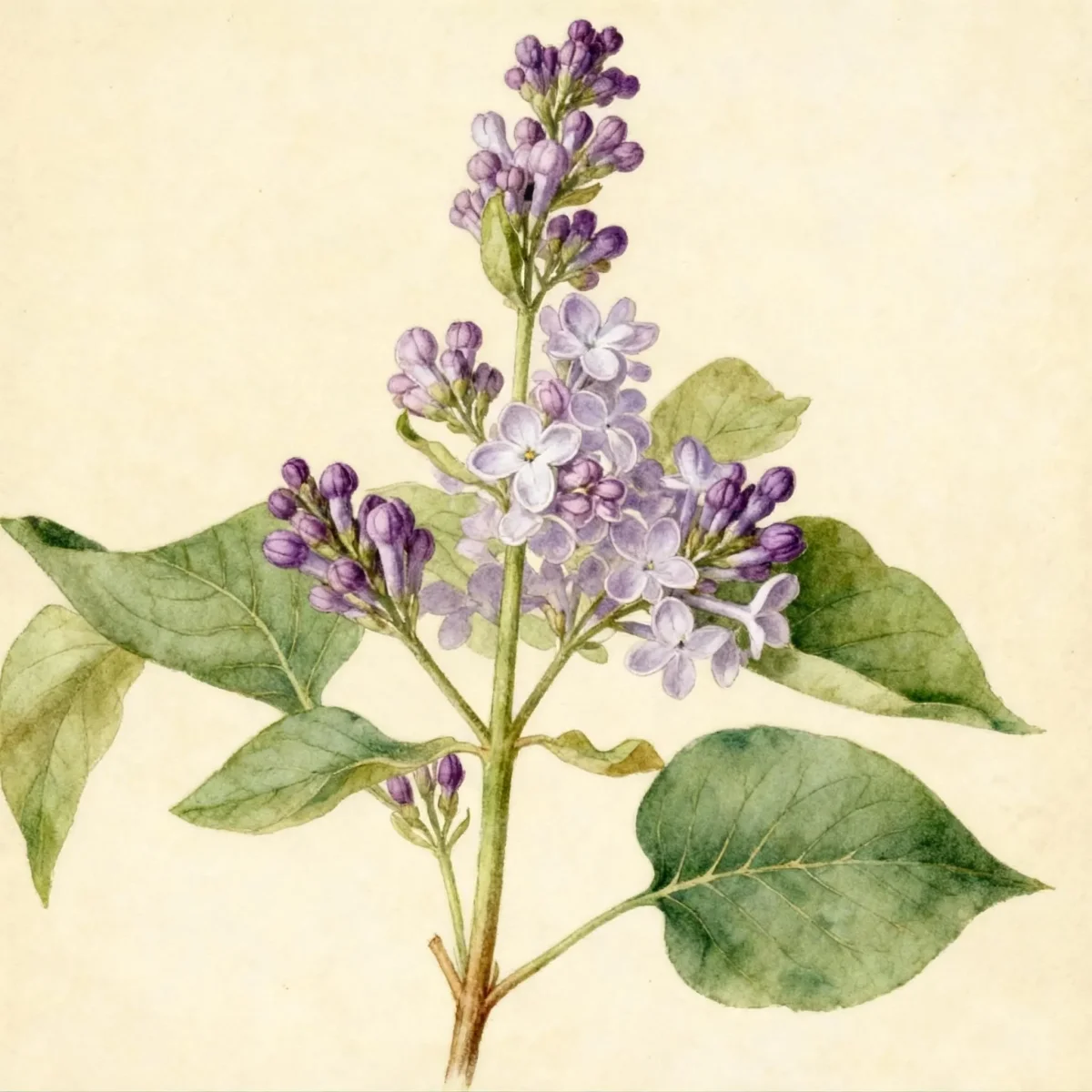
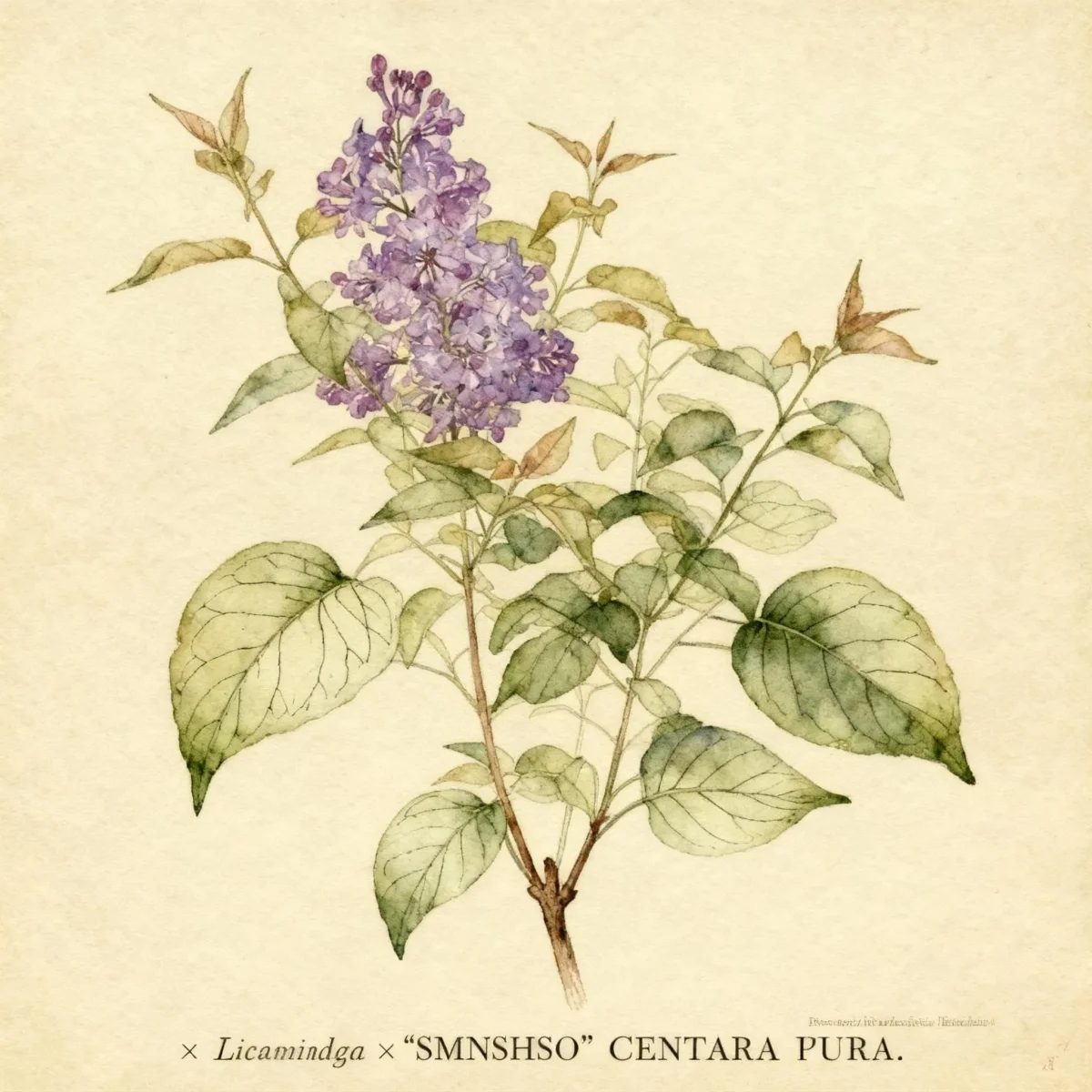
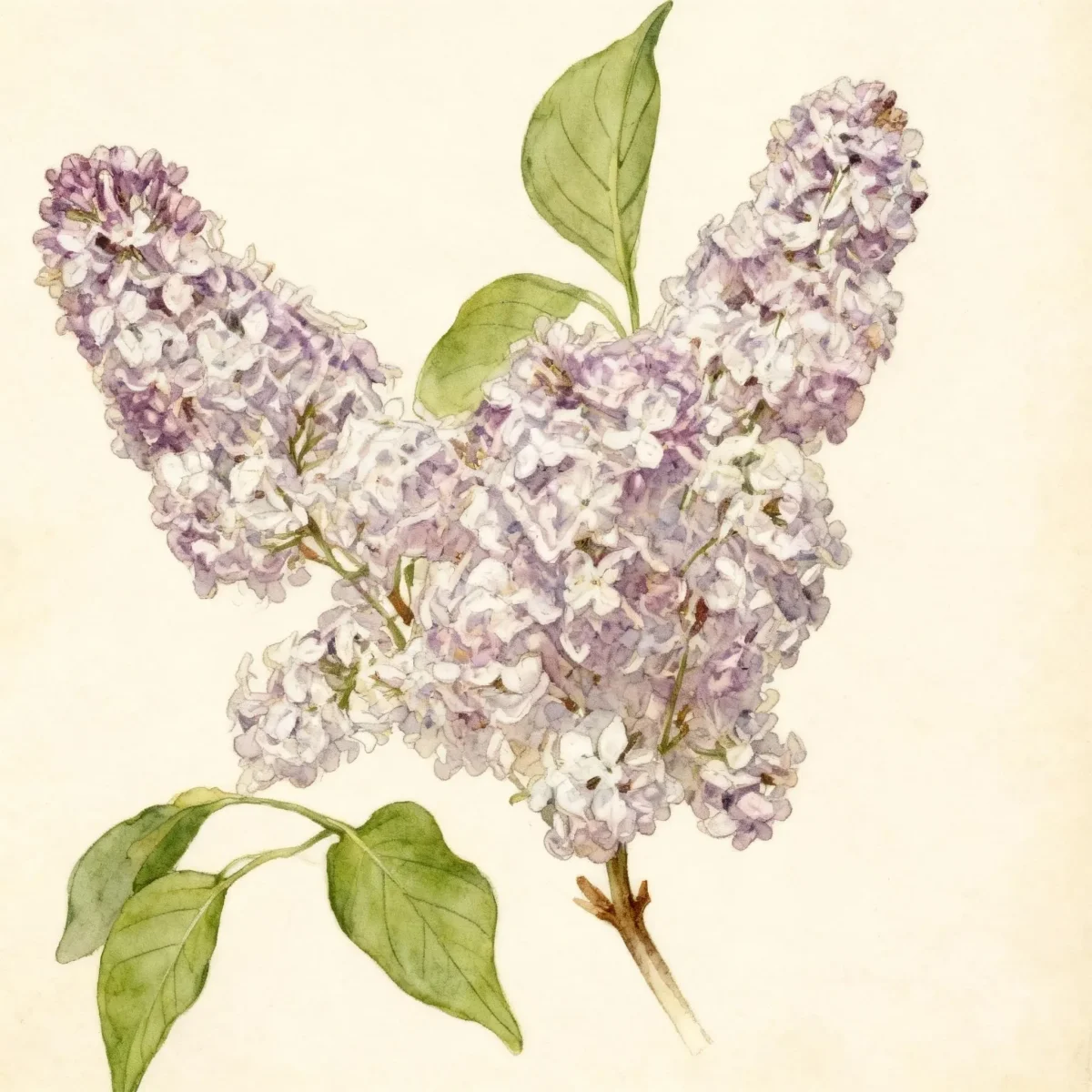
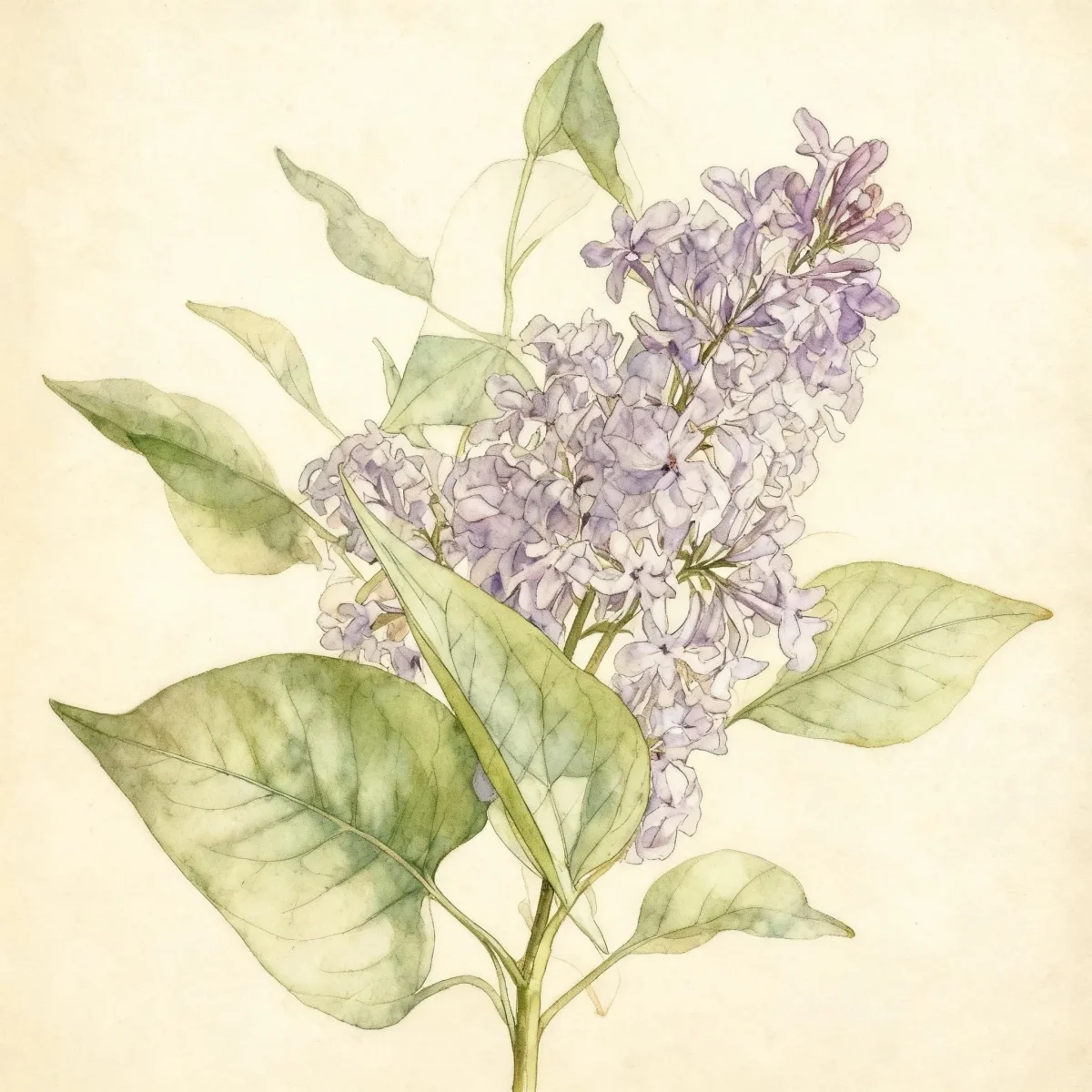
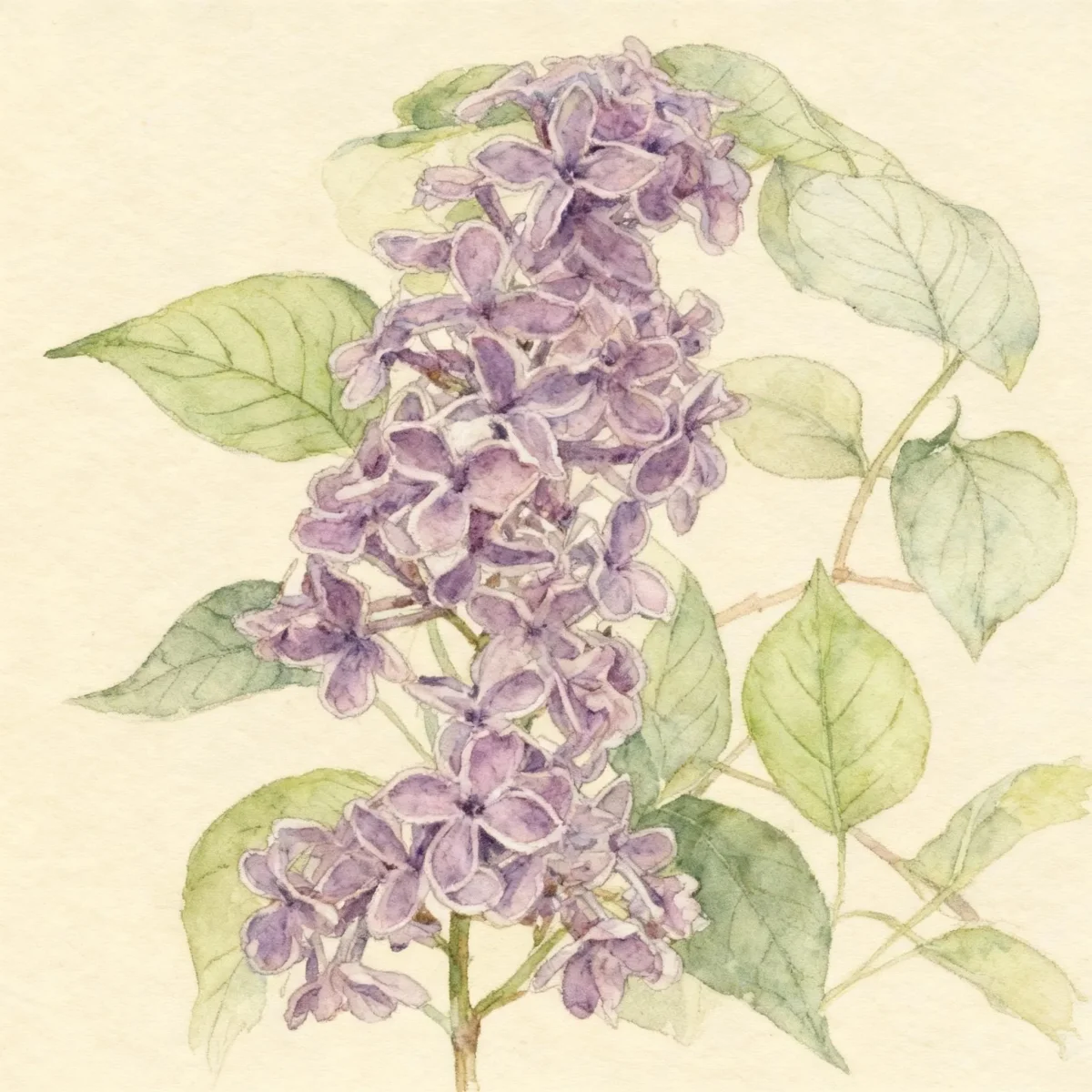
Common lilac (Syringa vulgaris 'Andenken an Ludwig Spath')
Syringa vulgaris 'Andenken an Ludwig Spath' is a Common lilac featuring deep purple-red blooms. Hardy in Zones 3-7, it thrives in full sun.
Scroll down to discover growing tips, care requirements, companion plants, and more
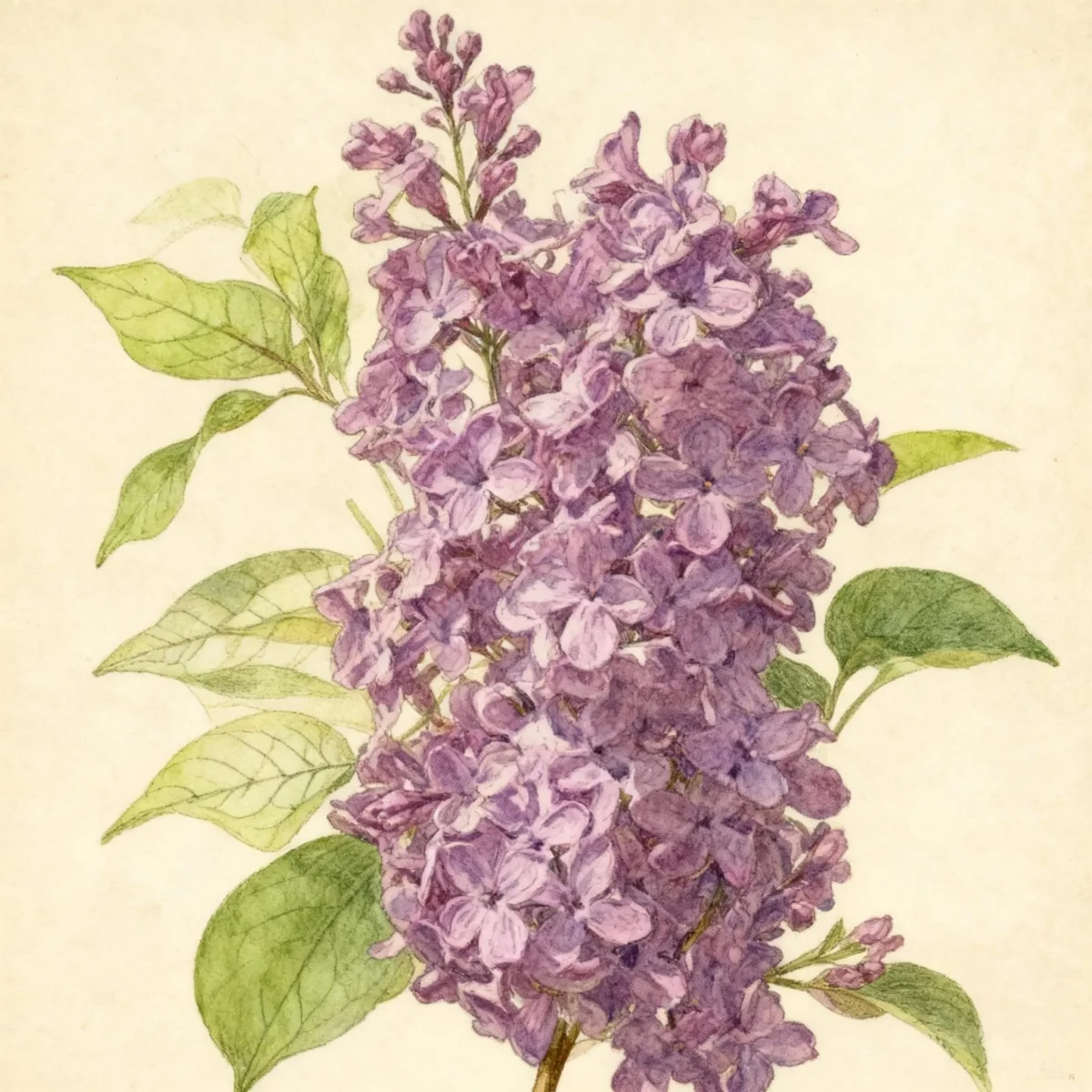
Complete Plant Information
Overview
Syringa vulgaris ‘Andenken an Ludwig Spath’ is a sought-after cultivar of the Common lilac, prized by gardeners for its exceptionally rich, deep purple-red flowers that appear slightly later than the species, often extending the coveted lilac bloom season. This upright, multi-stemmed deciduous shrub brings robust fragrance and color to late spring landscapes, making it an excellent choice for structure and scent. While it is native to southeastern Europe, this variety has become a staple in colder climate gardens across North America.
The Common lilac, particularly this cultivar, is best suited for areas experiencing cool summers and cold winters, as it requires sufficient chilling hours for reliable flowering. It requires full sun to achieve its best performance, though it can tolerate some light shade, and is generally recognized for its medium maintenance needs once established in suitable conditions. Its dense structure and beautiful blooms make Syringa vulgaris ‘Andenken an Ludwig Spath’ highly valuable for both formal and informal garden settings.
Fast Facts
- Plant Family: Oleaceae
- Plant Type: Deciduous shrub
- Hardiness Zones: USDA Zones 3-7
- Size at Maturity:
- Height: 9-12 ft
- Spread: 6-8 ft
- Bloom Time: May
- Bloom Description: Purple-red
- Sun Exposure: Full sun
- Water Needs: Medium
- Maintenance Level: Medium
How to Grow
Planting the Common lilac should ideally occur in spring or fall, ensuring the shrub has time to establish deep roots before facing extreme heat or cold. Select a location that receives full sun, as insufficient light drastically reduces flowering ability. This plant adapts well to average, medium moisture, well-drained soil, though it prefers fertile, organically rich conditions that range from slightly acidic to slightly alkaline. Crucially, avoid soggy soils, as good drainage is essential for long-term health.
Routine care involves consistent medium watering, especially during dry periods. Pruning should be executed strategically: immediately after flowering fades, remove faded panicles to encourage better bloom set next year. Promptly remove root suckers, particularly if the plant is grafted, to maintain the intended shrub form and prevent unwanted colonial spread. This specific cultivar, Syringa vulgaris ‘Andenken an Ludwig Spath’, benefits from pruning practices that enhance air circulation, which helps mitigate common late-season foliage issues.
As the foliage of the Common lilac is sometimes prone to aesthetic issues later in the season, remember that this plant is grown primarily for its spectacular spring display. If planted in colder climates, it generally requires minimal winter protection. For gardeners in hot, humid areas (Zones 8+), flowering may be unreliable due to insufficient chilling, so site selection based on local climate is vital for success with this variety.
Landscape Uses
The structure and significant bloom time of Syringa vulgaris ‘Andenken an Ludwig Spath’ make it a reliable performer in cold winter landscapes. It shines as an outstanding specimen plant, drawing attention with its deep purple-red color, or when placed in small groupings for a mass impact of fragrance. These shrubs are excellent candidates for use in traditional cottage gardens where their romantic appeal is fully appreciated.
Functionally, the Common lilac works well when employed as a hedge or screen due to its upright, multi-stemmed habit. For a more naturalized look, plant them at the margins of woodland gardens where they can mingle with understory plantings. Because they make lovely cut flowers, ensure they are positioned close to the house or patio where their fragrance can be easily enjoyed indoors or out.
Standout Features
Flower Qualities
- Showy
- Fragrant
- Good Cut
Noteworthy Characteristics
Syringa vulgaris, commonly known as common lilac, is an upright, multi-stemmed, suckering, deciduous shrub in the olive family that typically matures to 12-16’ (20’) tall with a spread to 8-12’ (15’) wide. Syringa vulgaris ‘Andenken an Ludwig Spath’ is particularly notable for its dark purple-red flowers appearing on panicles that are longer and narrower than those of the standard species, helping to extend the overall lilac bloom season into early June. Though the species has few notable post-bloom features, these shrubs are overwhelmingly cultivated for their intoxicating fragrance and spring floral display.
Tolerances
- Rabbit
- Deer
- Clay Soil
Potential Problems
Powdery mildew is the most common cosmetic issue affecting the leaves of the Common lilac during the summer, presenting as unsightly whitish-gray patches. While this rarely causes permanent damage to the shrub’s structure or health, consistent mildew can detract significantly from the foliage appearance during part of the growing season. To manage potential mildew, ensure adequate air circulation during planting and consider selecting mildew-resistant cultivars if this issue is persistent in your region.
Beyond mildew, the Common lilac can also face threats from various blights, leaf spots, wilts, ring spot virus, and honey fungus. Insect pests such as borers, scales, leaf miners, thrips, and caterpillars occasionally attack, requiring vigilance. Fortunately, deer tend to avoid established plants, offering some protection against browsing pressure in suburban habitats.
Frequently Asked Questions
What hardiness zones is Common lilac suitable for?
Syringa vulgaris ‘Andenken an Ludwig Spath’ is hardy and performs best in USDA Zones 3 through 7, requiring cool winters for dependable spring flowering.
How large does Common lilac grow?
At maturity, this cultivar typically reaches a height between 9 and 12 feet, with a mature spread generally spanning 6 to 8 feet wide.
What sun exposure does Common lilac need?
For optimal performance, bloom quantity, and color intensity, Syringa vulgaris ‘Andenken an Ludwig Spath’ requires full sun exposure throughout the day.
When does Common lilac bloom?
This specific variety of Common lilac generally blooms in May, often later than the species, displaying its signature deep purple-red flowers.
Conclusion
The Syringa vulgaris ‘Andenken an Ludwig Spath’ remains a superb choice for gardeners seeking high fragrance and reliable, richly colored spring blooms, offering a dark purple-red alternative to classic lilacs. Its suitability for hedges, screens, and specimen planting secures its place in many landscape designs, provided your location falls within USDA Zones 3-7. Before planting, ensure your site offers full sun and well-drained soil to maximize the gorgeous floral performance of this established Common lilac.
Companion Planting
When planning the garden around your Syringa vulgaris ‘Andenken an Ludwig Spath’, consider plants that offer summer interest, as the lilac’s notable features are concentrated in the spring. Good companions include late-blooming perennials like Coneflower (Echinacea) or Black-Eyed Susan (Rudbeckia), which thrive in the same full sun conditions. Alternatively, place them near plants with contrasting foliage texture, such as ferns or Hostas placed slightly outside the drip line in areas receiving dappled shade, to soften the shrub’s sometimes leggy base structure post-bloom.
For a truly traditional cottage effect that complements the fragrant nature of the Common lilac, plant early-blooming spring bulbs like Daffodils and Tulips nearby. These will provide color while the lilacs are still developing their buds or just beginning to flower. Since this shrub prefers fertile, organically rich soil, applying compost annually helps maintain the overall soil health needed by neighboring ornamentals.
Design Ideas for Lilacs
The upright habit of Syringa vulgaris ‘Andenken an Ludwig Spath’ makes it a natural fit for mixed shrub borders where height transition is necessary. Planted in an evergreen screen, the lilac provides a spectacular seasonal highlight against a dark backdrop, making the purple-red flowers truly pop. Use groups of three or five for a more dramatic visual effect rather than single, isolated specimens.
For smaller landscapes where height might be slightly too large, consider the vigorous removal of suckers and selective pruning immediately after flowering to control spread and maintain a dense, refined shape suitable for foundational plantings near a wall or fence. While it isn’t ideal for containers due to its size potential and suckering nature, treating it as a backdrop specimen allows you to feature smaller, more colorful shrubs beneath it.