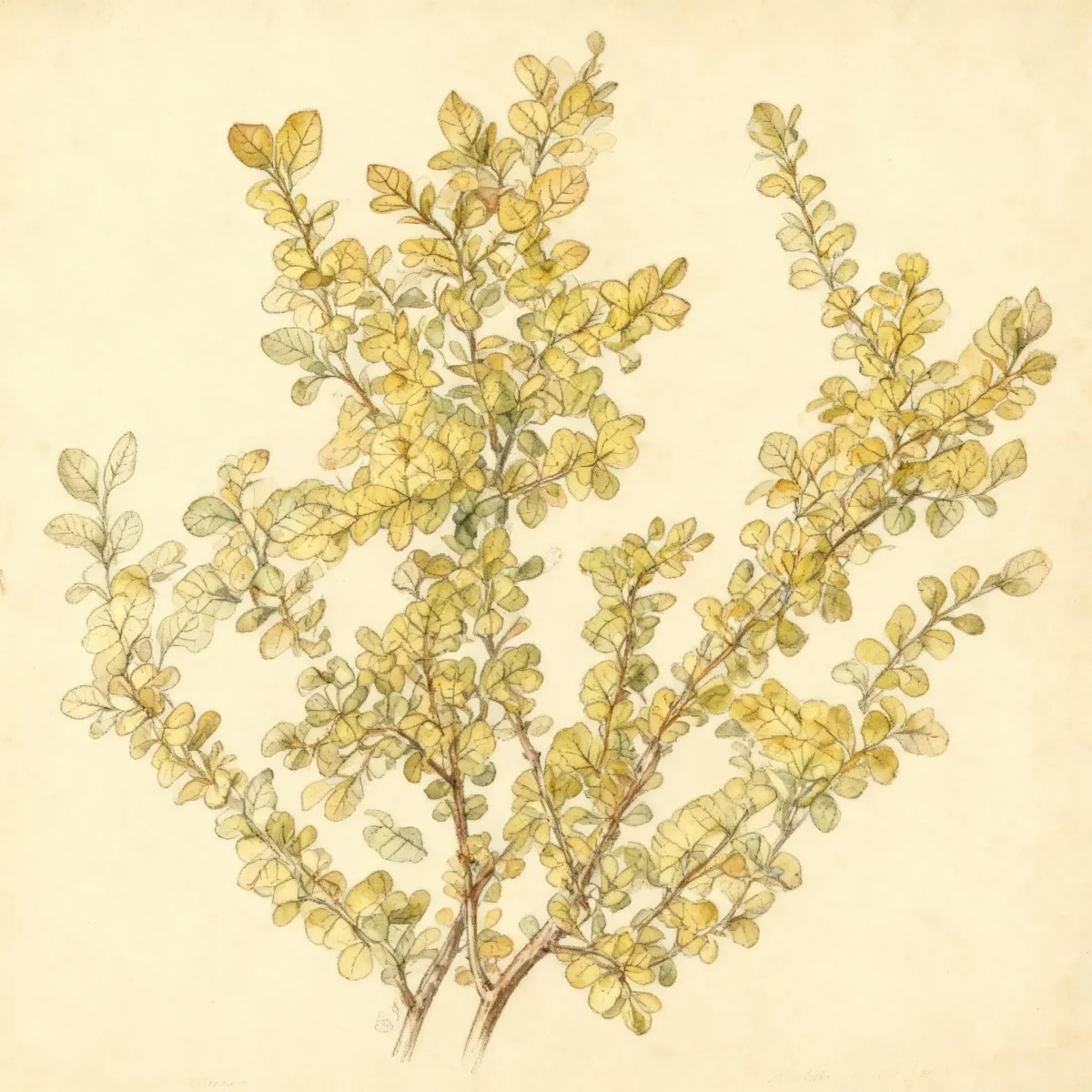
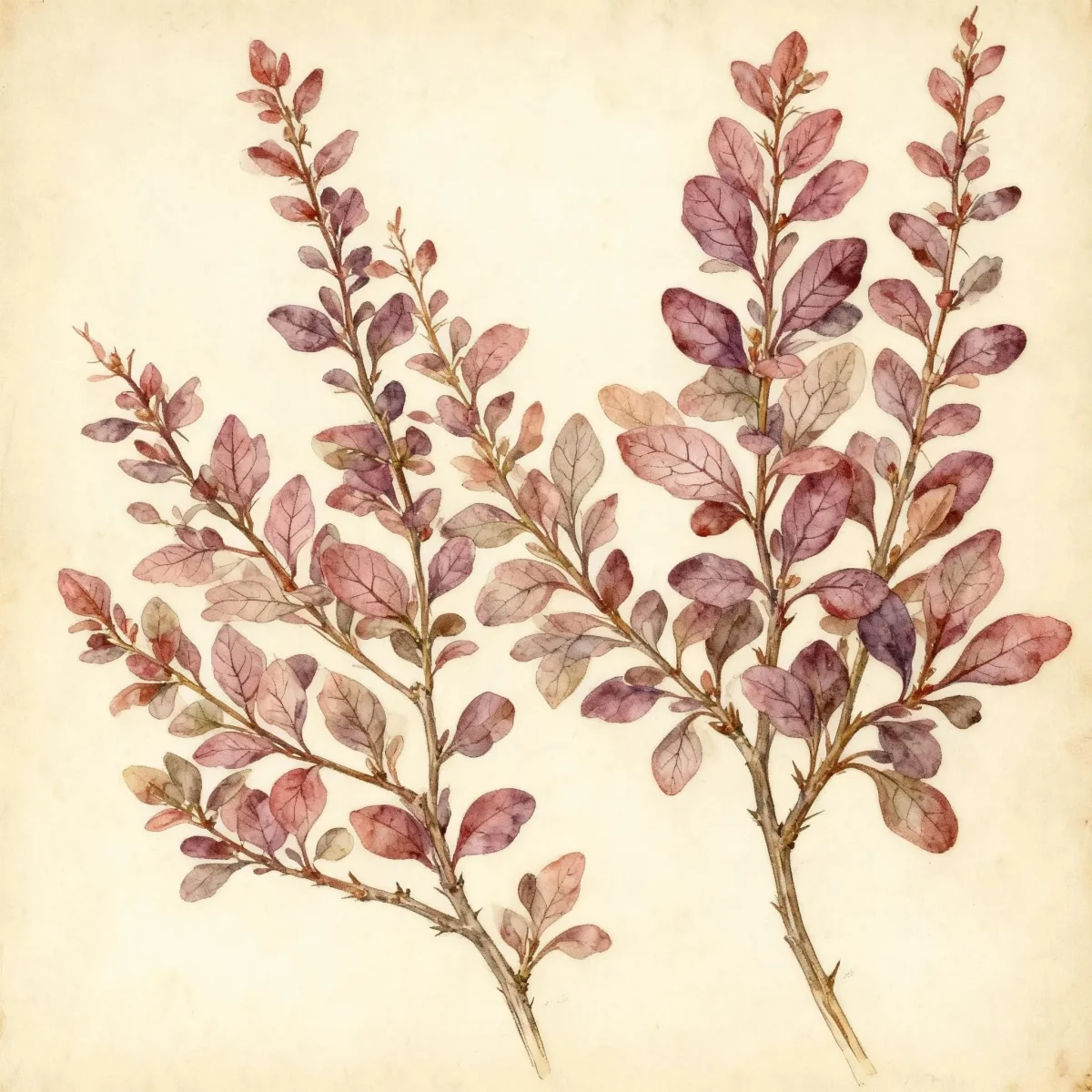
Japanese barberry (Berberis thunbergii f. atropurpurea 'Gentry' ROYAL BURGUNDY)
Discover Berberis thunbergii f. atropurpurea 'Gentry' ROYAL BURGUNDY, a low-maintenance Japanese barberry with rich burgundy leaves, ideal for dry, sunny sites.
Scroll down to discover growing tips, care requirements, companion plants, and more
Complete Plant Information
Overview
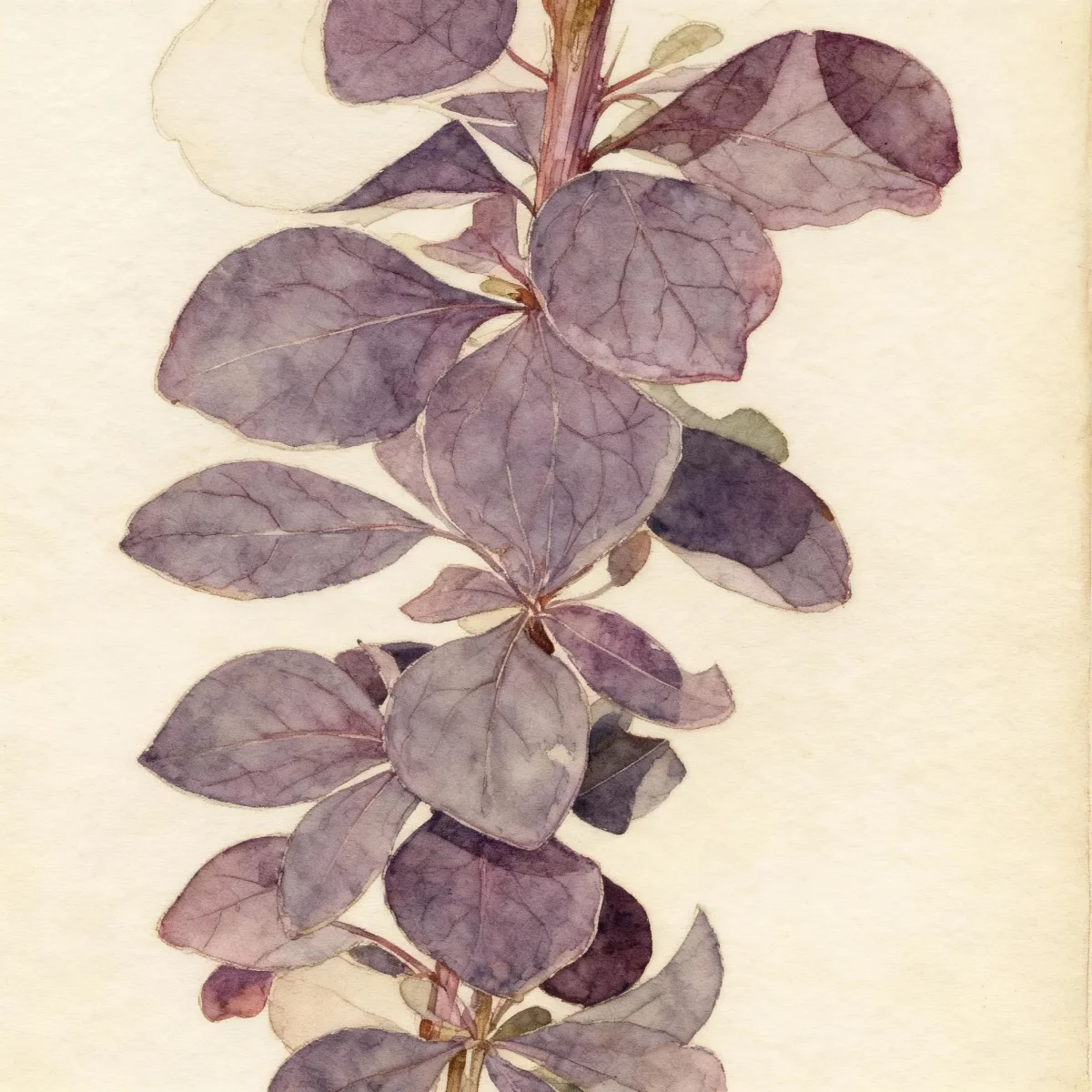
The Berberis thunbergii f. atropurpurea ‘Gentry’ ROYAL BURGUNDY provides outstanding, dense color throughout the growing season, establishing itself as a low-maintenance landscape star. This cultivar of the popular Japanese barberry is treasured for its compact, low-mounding habit and consistently rich, reddish-black foliage that emerges burgundy in spring. It offers significant year-round structure, along with attractive red fall berries, making it a superior choice for formal or informal plantings where a defined border is desired.
Known commonly as Japanese barberry, this specific plant, Berberis thunbergii f. Atropurpurea ‘Gentry’ ROYAL BURGUNDY, is highly adaptable. It thrives in full sun, which intensifies its deep coloration, but handles some part shade gracefully. Gardeners value its low input requirements, particularly its tolerance for dry, established conditions once settled.
While some forms of Japanese barberry present landscape challenges regarding invasiveness, the ROYAL BURGUNDY cultivar is specifically noted for being reportedly sterile, mitigating seed dispersal concerns common with older varieties. Its dense, spiny nature makes it an effective, living barrier or hedge specimen where architectural interest and security are needed.
Fast Facts
- Plant Family: Berberidaceae
- Plant Type: Deciduous shrub
- Hardiness Zones: USDA Zones 4-8
- Size at Maturity:
- Height: 2-2.5 ft
- Spread: 2-3 ft
- Bloom Time: March to April
- Bloom Description: Pale yellow
- Sun Exposure: Full sun
- Water Needs: Dry to medium
- Maintenance Level: Low
How to Grow
Planting Berberis thunbergii f. atropurpurea ‘Gentry’ ROYAL BURGUNDY is best done when dormant, either in early spring or autumn, ensuring it establishes roots before intense weather stresses the plant. It performs optimally in average, well-drained soil but shows remarkable adaptability to clay soils and dry conditions once established. Full sun is crucial for achieving the deepest burgundy leaf coloration; while it tolerates light shade, the color will likely revert toward green in deeper shade.
Maintenance for this low-input shrub is minimal. Water regularly until the plant is established (the first year), shifting to infrequent deep watering in dry periods thereafter, reflecting its drought tolerance. Fertilizing is rarely necessary unless the soil is extremely poor. Pruning, if required, should focus on maintaining its compact shape immediately after flowering, but generally, this cultivar requires little intervention.
Be aware that like other barberries, this species can have slow-spreading roots. However, the ROYAL BURGUNDY cultivar is specifically noted as being sterile, meaning it will not self-seed, reducing spread risks. Its spiny nature means branches can sometimes trap wind-blown debris, which might require occasional removal to maintain peak visual appeal.
Landscape Uses
The compact structure and deep purple hue of the Japanese barberry make it an outstanding choice for formal landscape applications. Its robust nature means it excels when used to form neat, short hedges or protective barriers along property lines or pathways where its spines deter unwanted entry. Furthermore, it serves beautifully as a defined border front, providing a strong color contrast against lighter-colored hardscaping or spring-blooming perennials.
Because Berberis thunbergii f. Atropurpurea ‘Gentry’ ROYAL BURGUNDY maintains a dense, low profile, it is highly effective as foundation planting adjacent to homes, preventing the overly leggy look common in taller shrubs. Group planting showcases its uniform texture and color effectively, creating sweeps of burgundy that anchor garden designs. Its noted tolerance for heat and urban stress further expands its utility in challenging garden settings.
Standout Features
Flower Qualities
- Insignificant
Fruit Qualities
- Showy
- Glossy, ellipsoid, bright red berries that persist into winter
Noteworthy Characteristics
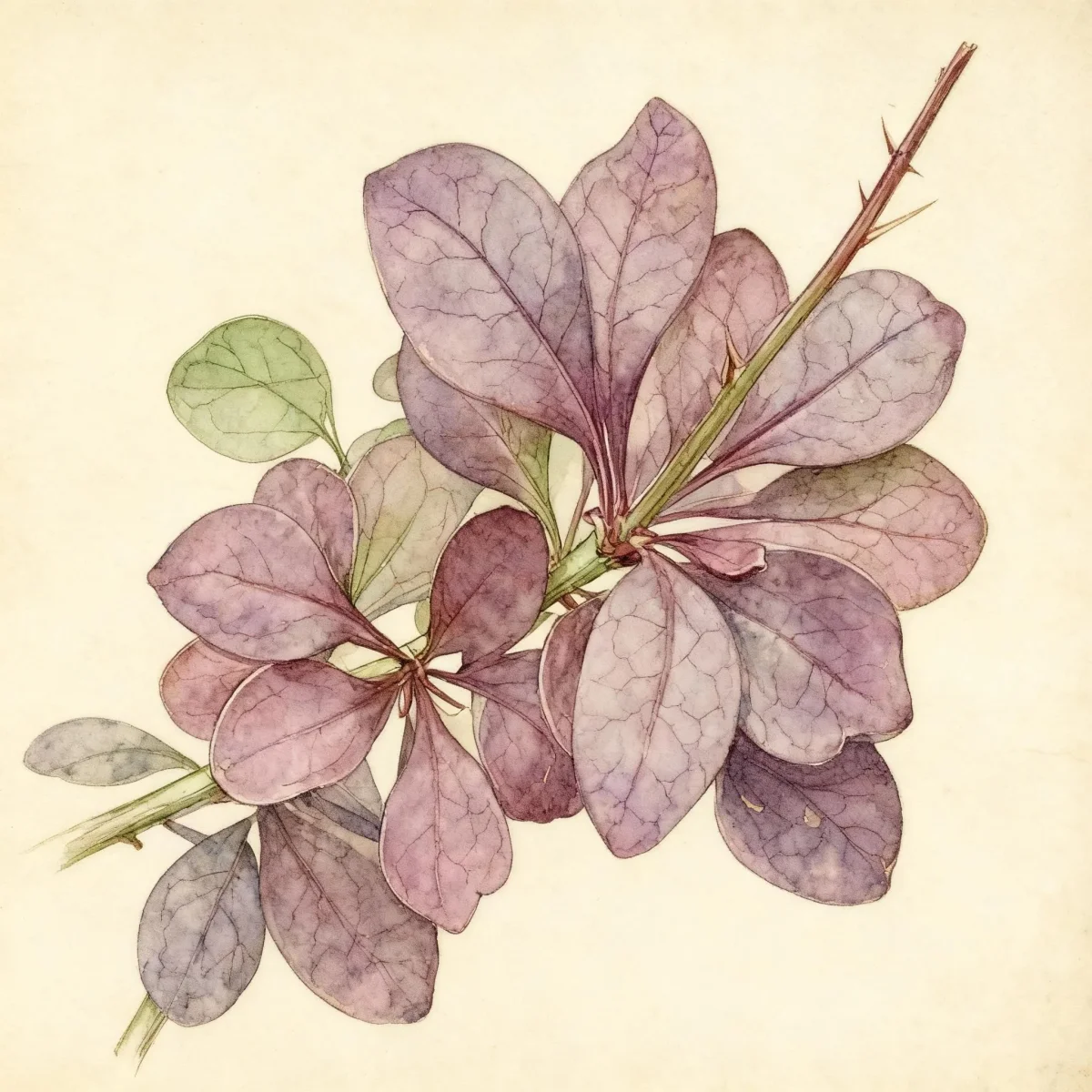
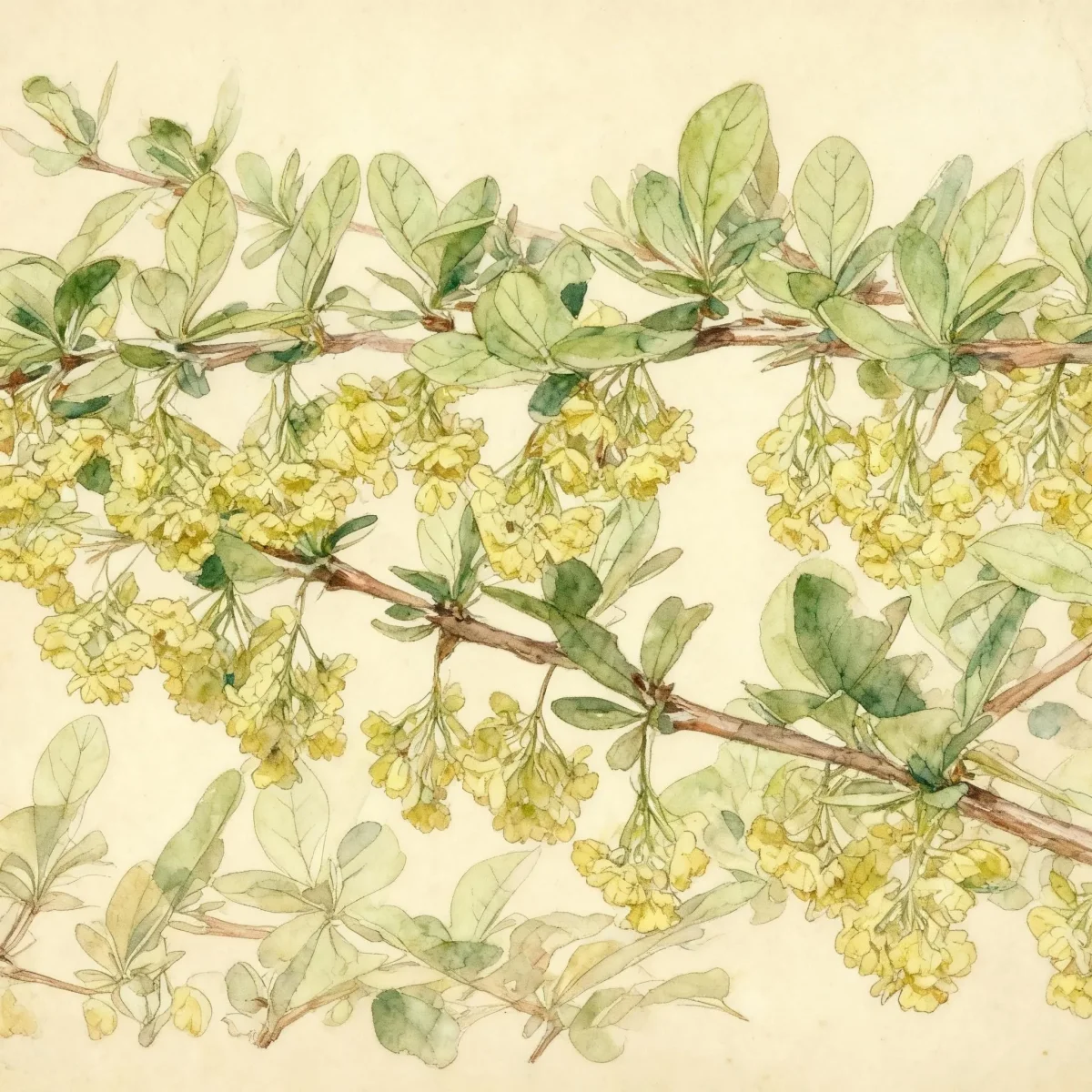
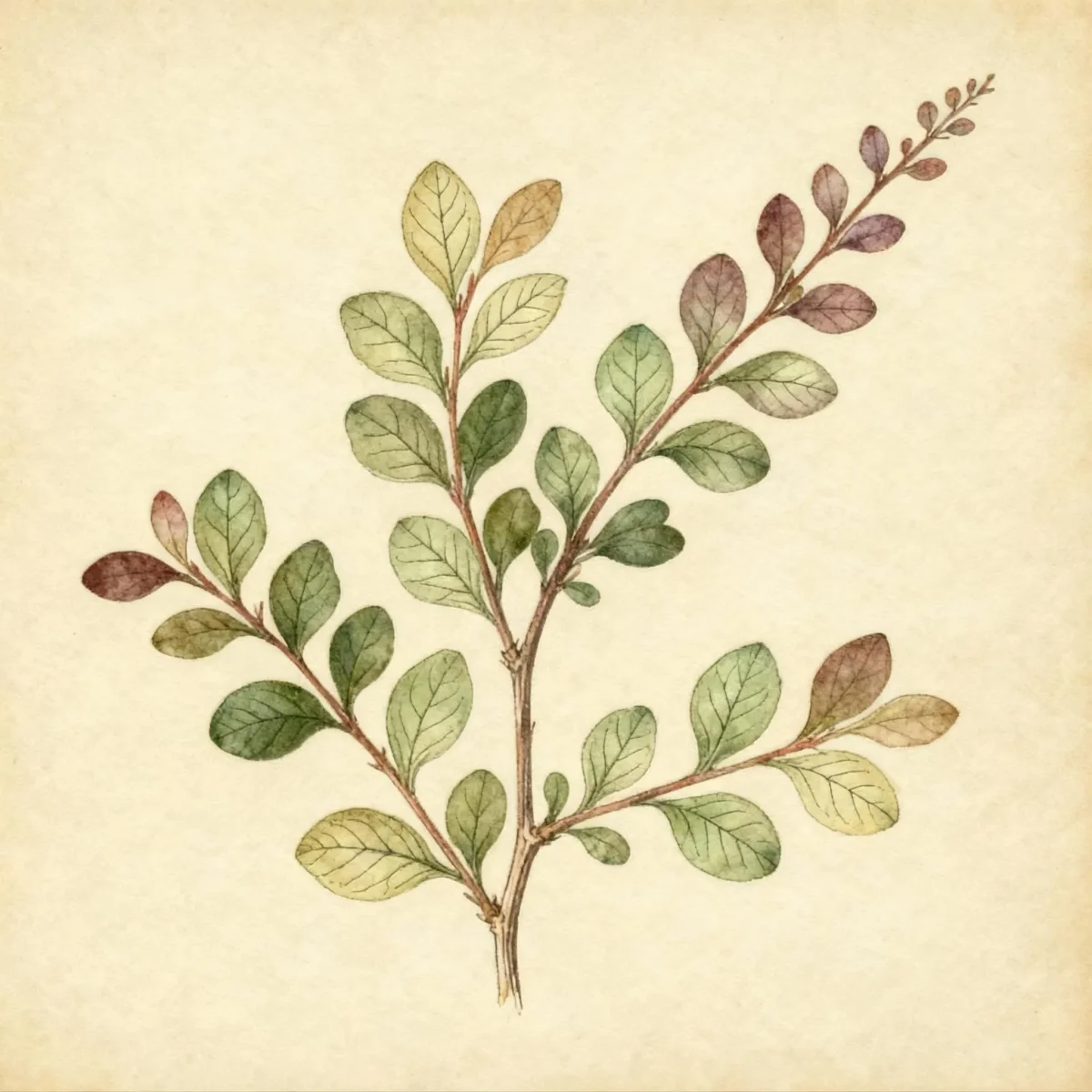
Berberis thunbergii, commonly called Japanese barberry, is a spiny, broad-rounded, deciduous shrub that typically matures larger than this cultivar. The specific selection ‘Gentry’, sold as ROYAL BURGUNDY, is dense, compact, and low-mounding, growing only to about 24-30 inches tall and 40 inches wide. Its leaves emerge rich burgundy in spring, maturing to a soft reddish-black, complemented by tiny, bell-shaped, pale yellow flowers blooming early in spring along its spiny, reddish-purple stems.
Tolerances
- Deer
- Drought
- Clay Soil
- Dry Soil
Potential Problems
The Japanese barberry is generally a resilient plant with few serious issues, especially the Berberis thunbergii f. atropurpurea ‘Gentry’ ROYAL BURGUNDY. The primary management concern is purely aesthetic: its spiny stems have a tendency to trap wind-blown trash, dust, and leaf litter, which may require periodic manual cleaning to keep the specimen looking tidy.
While uncommon, susceptibility exists to fungal issues like bacterial leaf spot and anthracnose, often exacerbated by overly wet or poorly drained soil conditions—a situation this drought-tolerant shrub actively avoids if sited correctly. Pest issues are minor and may include scale or the barberry webworm. Prompt cleanup of debris helps reduce potential overwintering sites for pests and fungal spores, maintaining the health of your Berberis thunbergii f. Atropurpurea ‘Gentry’ ROYAL BURGUNDY.
Frequently Asked Questions
What hardiness zones is Japanese barberry suitable for?
This cultivar of Japanese barberry is reliably hardy in USDA Zones 4 through 8, offering flexibility across many temperate regions.
How large does Berberis thunbergii f. atropurpurea ‘Gentry’ ROYAL BURGUNDY grow?
This dense, compact cultivar typically matures to a height between 2 and 2.5 feet and spreads between 2 and 3 feet wide.
What sun exposure does Berberis thunbergii f. atropurpurea ‘Gentry’ ROYAL BURGUNDY need?
It requires full sun exposure for the best, deepest burgundy foliage color, though it will manage in partial shade.
When does ROYAL BURGUNDY bloom?
The pale yellow flowers appear relatively early in the season, typically blooming from March to April.
Conclusion
The Berberis thunbergii f. atropurpurea ‘Gentry’ ROYAL BURGUNDY stands out as an exceptional low-maintenance, colorful accent shrub perfect for providing year-round structure and vibrant, deep purple tones to the landscape. Its tolerance for drought and poor soils, combined with its compact size, makes the Japanese barberry an invaluable choice for sharp edging and barrier plantings. Before adding this plant to your garden, confirm that your site receives ample sun and confirm compatibility with your local USDA hardiness zone.
Companion Planting
When selecting neighbors for your Berberis thunbergii f. Atropurpurea ‘Gentry’ ROYAL BURGUNDY, focus on plants that appreciate similar dry, well-drained conditions and full sun exposure. Because the barberry offers intense, dense color and sharp texture, pairing it with plants that provide soft texture or contrasting chartreuse or silver foliage creates dynamic interest. Consider pairing it with Artemisia varieties, Silver Mound Moundwormwood, or shorter, mounding ornamental grasses that thrive in similar dry environments.
Another excellent strategy is using spring-blooming bulbs, such as Daffodils or Tulips, planted beneath the shrub. The early color display of the bulbs fades nicely as the ROYAL BURGUNDY foliage reaches its mature richness. Avoid placing it near moisture-loving ferns or moisture-sensitive evergreens, as the barberry will quickly dry out the surrounding soil.
Design Ideas for Compact Shrubs
The small mature size of this cultivar means it is perfectly suited for modern, structured garden designs where space is at a premium. Plant it in geometric patterns, such as repeating triangles or squares, to establish visual rhythm along a walkway. Because it tolerates pruning well, ROYAL BURGUNDY can even be incorporated into low, formal knot gardens, provided the thorny nature is noted by foot traffic areas.
For a dramatic specimen planting, place the Japanese barberry in front of a neutral backdrop, such as a light gray slate wall or a simple cedar fence. Its dense, low mound acts as a visual anchor, drawing the eye before it moves to taller, looser plantings behind it. This effective use of contrasting form and color maximizes the impact of this highly rated, adaptable shrub.