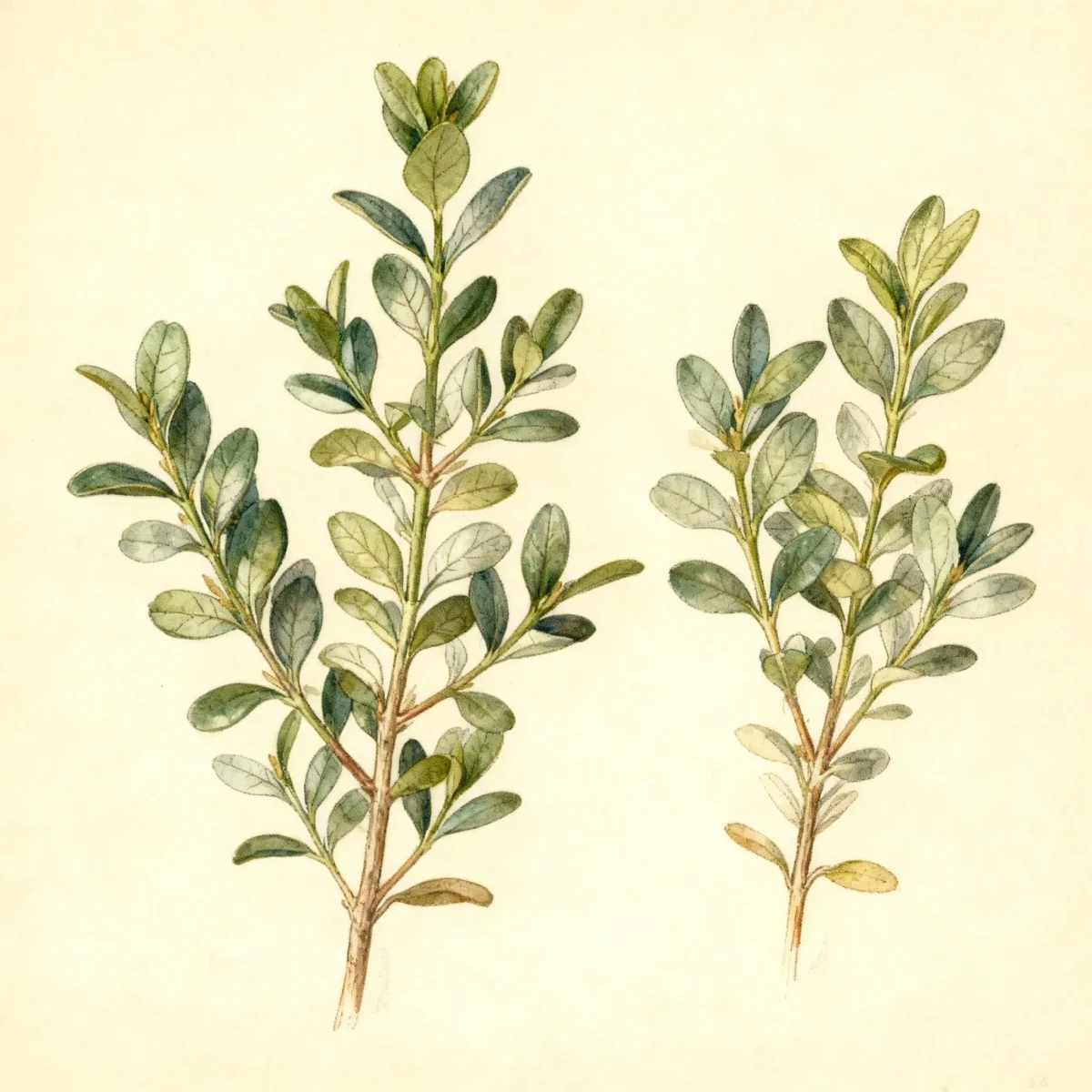
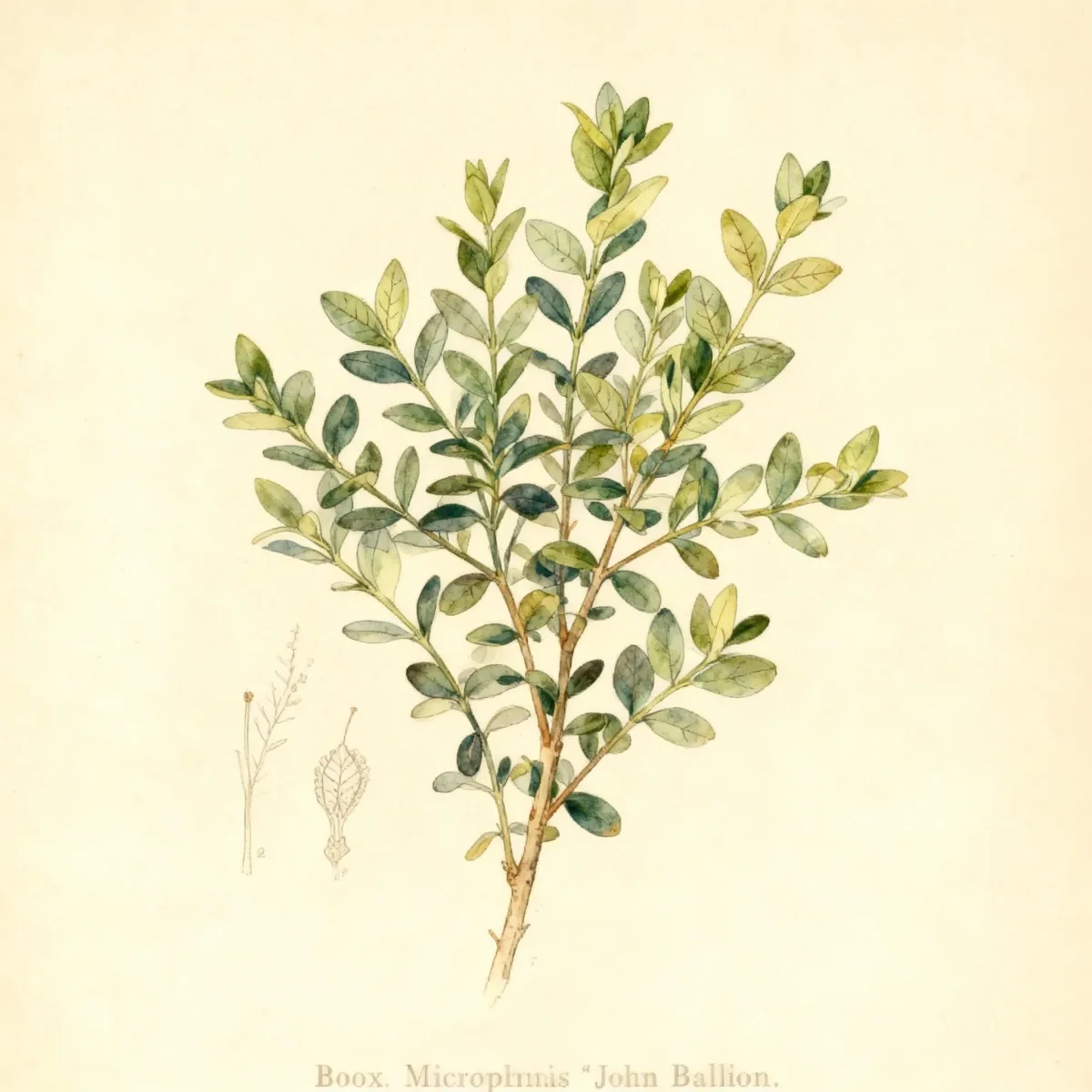
Boxwood (Buxus sempervirens 'Rochester')
Buxus sempervirens 'Rochester' Boxwood is a dense, slow-growing broadleaf evergreen ideal for formal hedges in USDA Zones 6-8.
Scroll down to discover growing tips, care requirements, companion plants, and more
Complete Plant Information
Overview
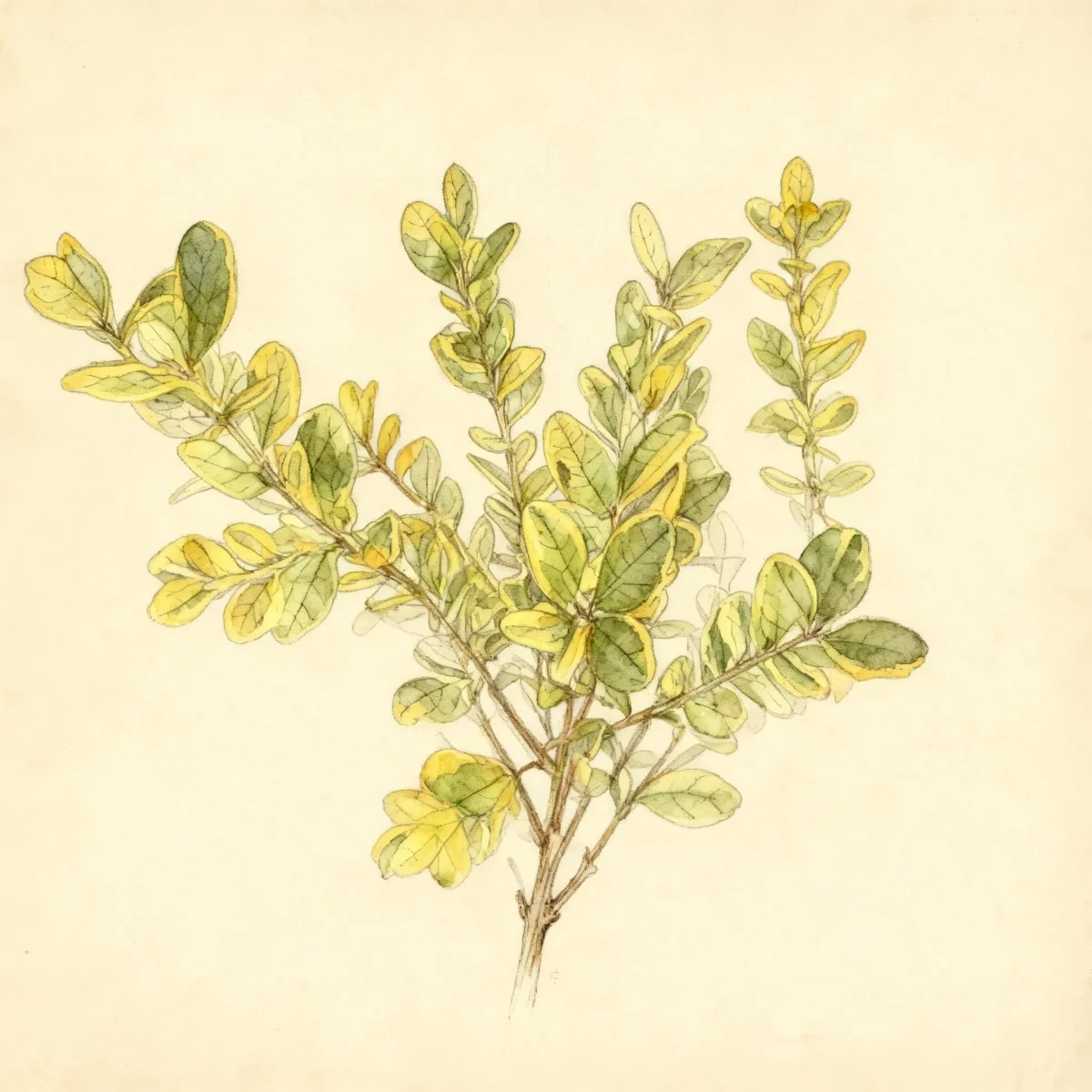
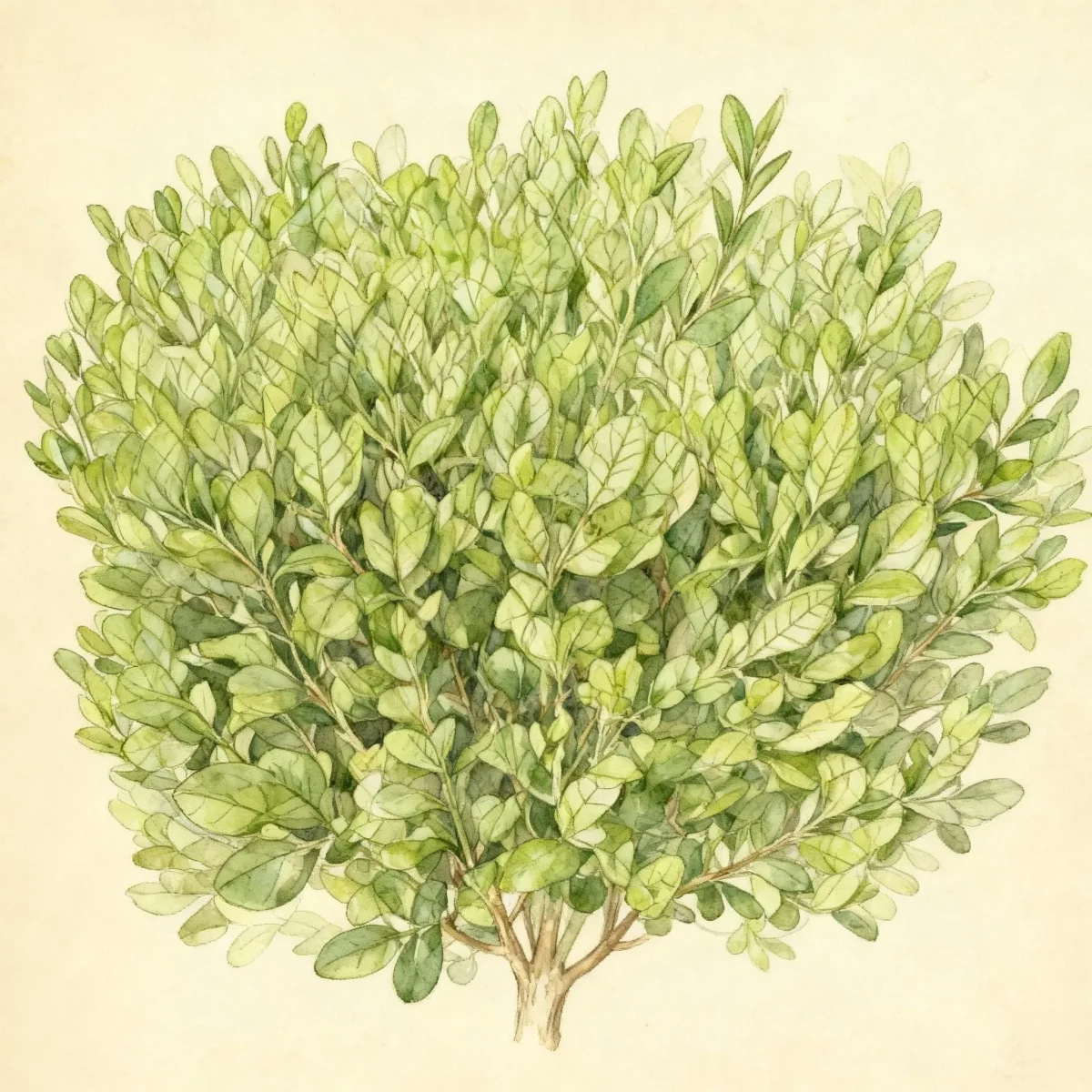
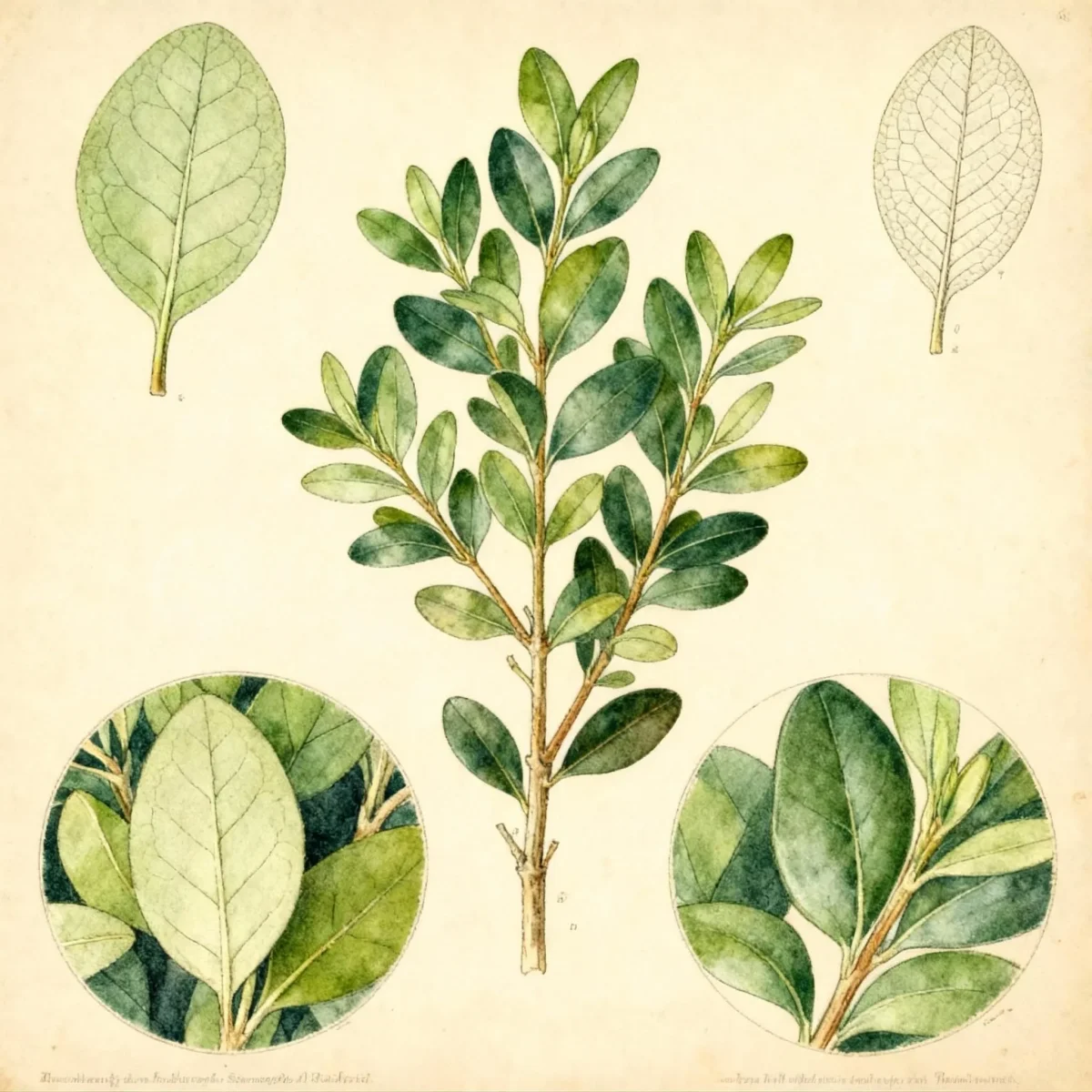
The cultivar Buxus sempervirens ‘Rochester’, commonly known as Boxwood, is highly valued for its dense, dark green, evergreen foliage, making it a superb choice for structured landscape designs. This slow-growing shrub forms a dense, broad-upright shape, maturing over time to provide year-round visual interest without aggressive spreading. As a classic choice for formal gardens, the Buxus sempervirens ‘Rochester’ offers excellent tolerance to pruning and shearing, vital for maintaining crisp outlines or tight hedges.
Functionally, this Boxwood excels where defined structure is required in USDA Zones 6 through 8. Its evergreen nature provides essential winter interest, contrasting nicely with deciduous plantings in the dormant season. Gardeners favor this cultivar for its manageable mature size, typically reaching 4 to 7 feet tall while maintaining a disciplined, upright habit throughout its lifespan.
While generally sturdy, placing this Boxwood where it receives protection from harsh winter winds and intense afternoon sun helps prevent foliage bronzing. Successfully cultivating the ‘Rochester’ Boxwood relies heavily on providing well-drained soil and respecting its shallow root system during cultivation.
Fast Facts
- Plant Family: Buxaceae
- Plant Type: Broadleaf evergreen
- Hardiness Zones: USDA Zones 6-8
- Size at Maturity:
- Height: 4-7 ft
- Spread: 3-5 ft
- Bloom Time: April to May
- Bloom Description: Greenish-cream
- Sun Exposure: Full sun to part shade
- Water Needs: Medium
- Maintenance Level: Medium
How to Grow
Planting Buxus sempervirens ‘Rochester’ should ideally occur in spring or fall when temperatures are moderate, ensuring the plant can establish its root system before heat or deep frost stress. This Boxwood thrives in evenly moist, well-drained loams, often performing well in a sand-clay mixture. While it tolerates a wide range of light conditions from full sun to part shade, sites offering dappled light or morning sun are preferred to minimize the risk of winter foliage scorch and mite infestations common in hot, exposed locations.
Ongoing cultural care centers on consistent moisture without waterlogging, as root rot is a risk in poorly drained soils. Because Boxwoods possess shallow roots, avoid cultivating the soil directly adjacent to the plant base; instead, apply a 1-2 inch layer of organic mulch, such as compost or bark, to conserve moisture and regulate soil temperature.
Pruning this Boxwood must be approached cautiously. Always wait until after the last spring frost date to perform shaping or shearing. Early spring pruning encourages tender new growth that is highly vulnerable to frost damage. Annual thinning to remove dead or damaged branches is recommended to improve internal air circulation, which helps prevent fungal issues like blight and leaf spot. Protecting Buxus sempervirens ‘Rochester’ from severe winter winds offers essential protection against winter dehydration and bronzing.
Landscape Uses
The consistent, dense structure of Buxus sempervirens ‘Rochester’ makes it an indispensable element in formal landscape designs. It functions exceptionally well when utilized as a low, evergreen hedge, providing permanent structure along property lines or garden borders. Its upright growth habit also lends itself perfectly to creating precise, geometric topiaries or defining edges in parterre gardens where razor-sharp precision is desired.
Beyond its formal roles, this Boxwood serves beautifully as an accent plant or foundation anchor. Consider placing individuals near entryways where their consistent color and texture offer a welcoming, formal anchor year-round. They pair effectively with larger, textural evergreens or colorful perennials planted outside the formal hedge line, providing a stable, dark green backdrop that allows brighter colors to pop.
For mass plantings, utilizing several ‘Rochester’ specimens creates broad sweeps of structured green texture. Ensure adequate spacing (3-5 ft spread) is allowed between plants, especially when establishing a hedge, to facilitate the necessary air circulation mentioned in its cultural needs.
Standout Features
Flower Qualities
- Insignificant
Noteworthy Characteristics
Buxus sempervirens is renowned for its evergreen, deep green foliage, which provides structure even in the depth of winter. The ‘Rochester’ cultivar specifically offers a dense, broad-upright form that matures slowly, usually reaching 4 to 7 feet tall over many years. This specific Boxwood was historically known as ‘Pride of Rochester,’ but ‘Rochester’ is chronologically the correct name for this reliable cultivar.
Tolerances
- Rabbit
- Deer
Potential Problems
Boxwood, including the Buxus sempervirens ‘Rochester’ variety, can exhibit bronzing—an unattractive brownish-yellow discoloration—in harsh winters, particularly when exposed to full winter sun and strong winds. To mitigate this, site the plant in a location sheltered from the worst winter weather patterns possible.
Fungal diseases are another concern, with susceptibility noted for blights and leaf spot, often exacerbated by poor air circulation in overly dense plantings or damp soil. Proper annual pruning for thinning improves airflow, offering preventative management. Furthermore, poor drainage is a significant hazard, leading directly to root rot, emphasizing the need for well-drained soil during installation.
Insects like the boxwood leafminer, mite, and psyllid commonly target boxwoods. Regular scouting, especially of the new spring growth, allows for early intervention using appropriate horticultural oils or insecticides if pest populations become problematic.
Frequently Asked Questions
What hardiness zones is Boxwood suitable for?
This Boxwood cultivar, Buxus sempervirens ‘Rochester’, is hardy in USDA Zones 6 through 8.
How large does Boxwood grow?
The ‘Rochester’ Boxwood typically matures to a height between 4 and 7 feet, with a spread ranging from 3 to 5 feet, maintaining a dense, broad-upright shape.
What sun exposure does Boxwood need?
Buxus sempervirens ‘Rochester’ performs best when sited in locations receiving full sun to partial shade. Morning sun exposure is often ideal to prevent winter bronze.
When does Boxwood bloom?
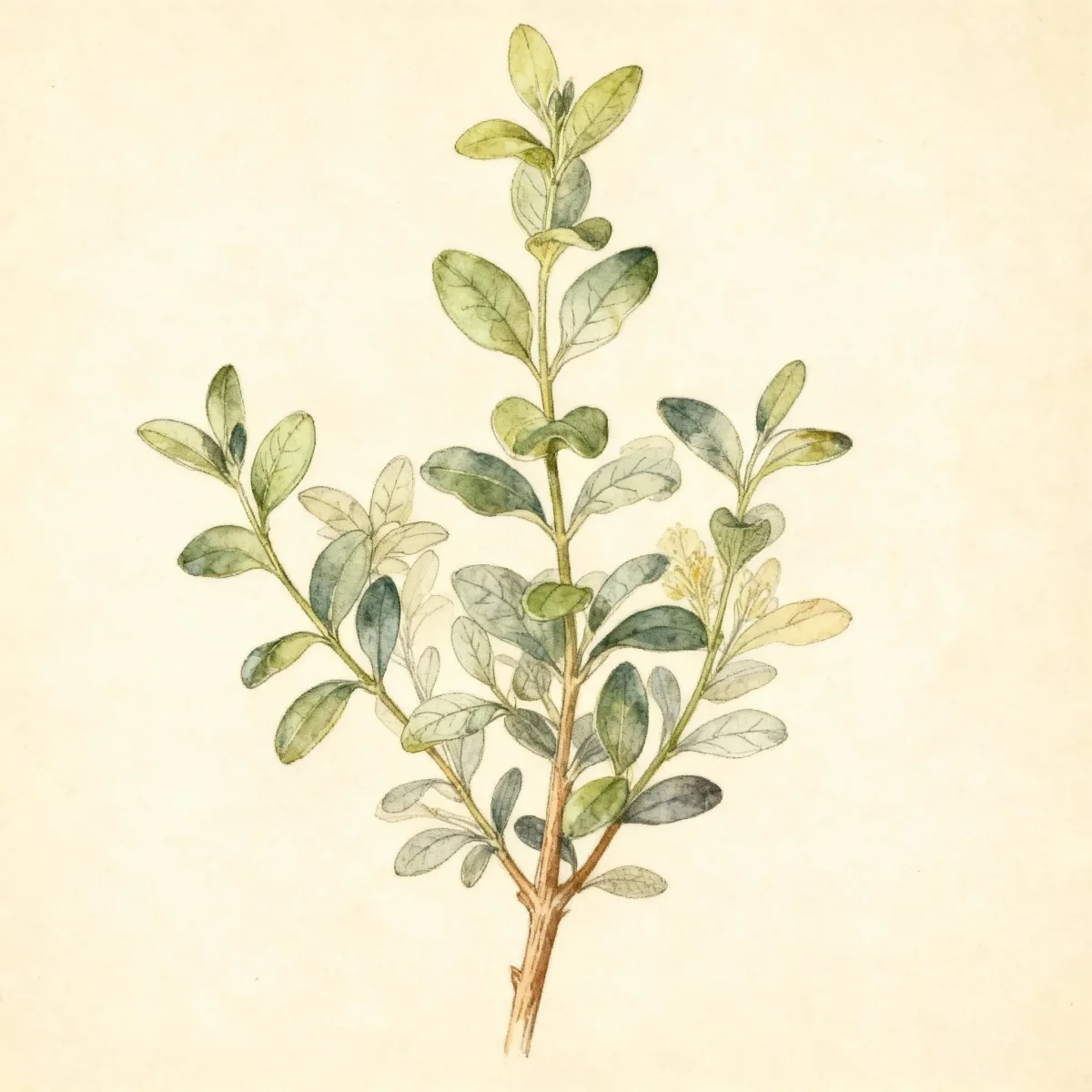
This Boxwood flowers between April and May, producing small, inconspicuous blooms described as greenish-cream in color.
Conclusion
The Buxus sempervirens ‘Rochester’ remains a foundational plant for gardeners seeking reliable structure, year-round green color, and excellent hedge-forming capabilities within USDA Zones 6-8. By respecting the shallow root system, avoiding late-season pruning, and siting it thoughtfully away from persistent winter wind tunnels, you ensure a long, vibrant life for your Boxwood specimen. Plan your installation during cooler seasons to give this slow-growing evergreen the best opportunity to establish success in your formal or traditional landscape design.
Companion Planting
When planning garden layouts around your Buxus sempervirens ‘Rochester’, select companions that share similar cultural needs—medium water in well-drained, slightly acidic to slightly alkaline soil. Plants that offer contrasting textures or seasonal color work beautifully against the uniform dark green of the Boxwood. Consider planting perennials like Hosta (in shadier spots) for broad texture, or Geraniums for a low-growing, colorful edge that does not require cultivation near the Boxwood’s shallow roots.
For taller backdrops, consider broadleaf specimens that contrast in form, such as Japanese maples pruned into open standards, which offer seasonal color while allowing light penetration to the Boxwood below. Avoid aggressive spreaders or deep-rooted plants that compete heavily with the shallow-feeding Boxwood for essential surface nutrients and moisture.
Seasonal Care Calendar
Spring is the crucial time for rejuvenating your Boxwood after winter stress. After the last anticipated frost, inspect the plant for any winter-damaged growth, thin out dense interior branches to improve air circulation, and apply fresh organic mulch around the base. Summer care primarily involves monitoring soil moisture levels; supplement watering during dry spells, remembering that consistent but moderate watering is key. In autumn, cease fertilizer applications to avoid encouraging tender growth before winter sets in. Winter protection mostly involves careful snow management—gently remove heavy snow accumulations to prevent branch breakage—and ensuring the plant is well-hydrated going into the hard freeze.