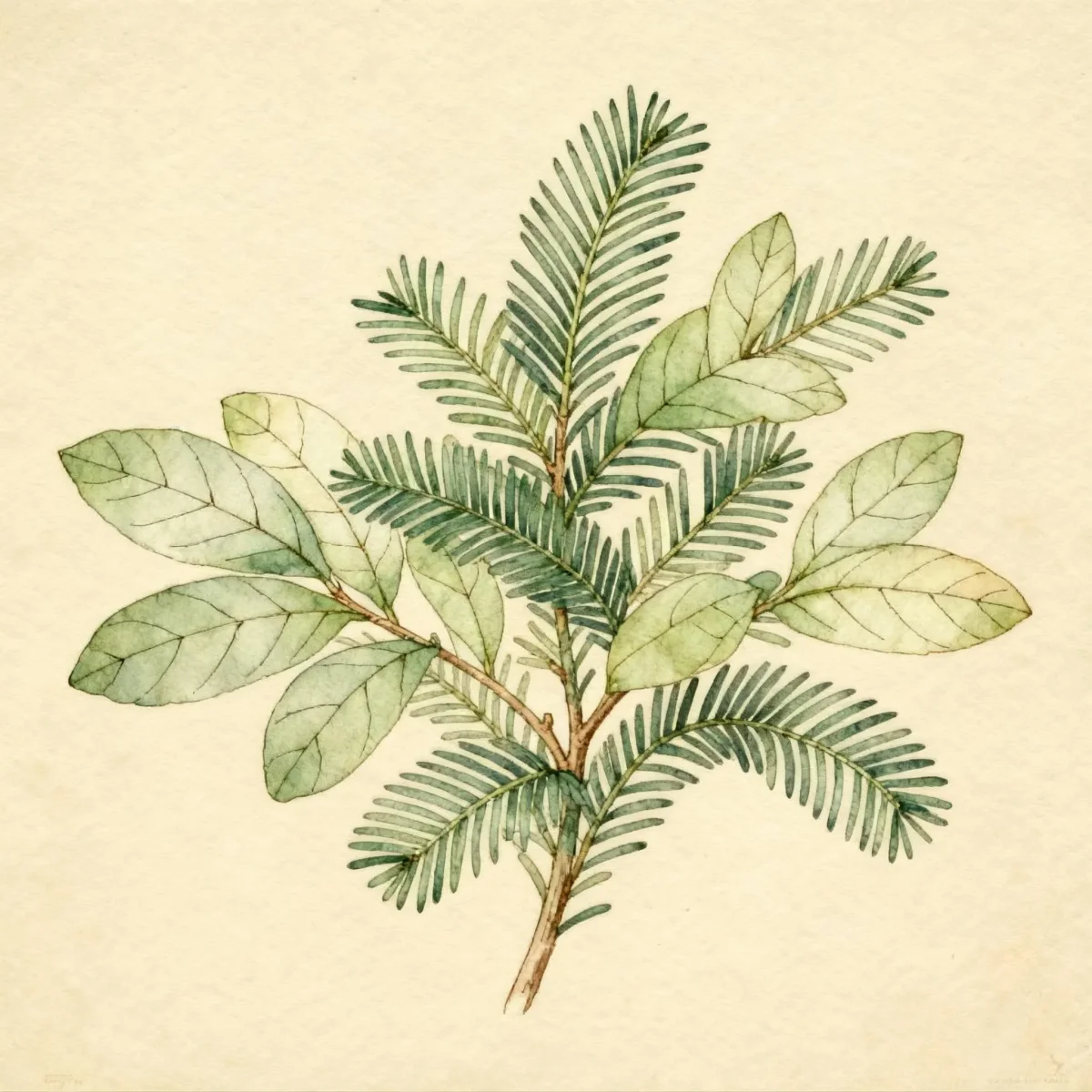
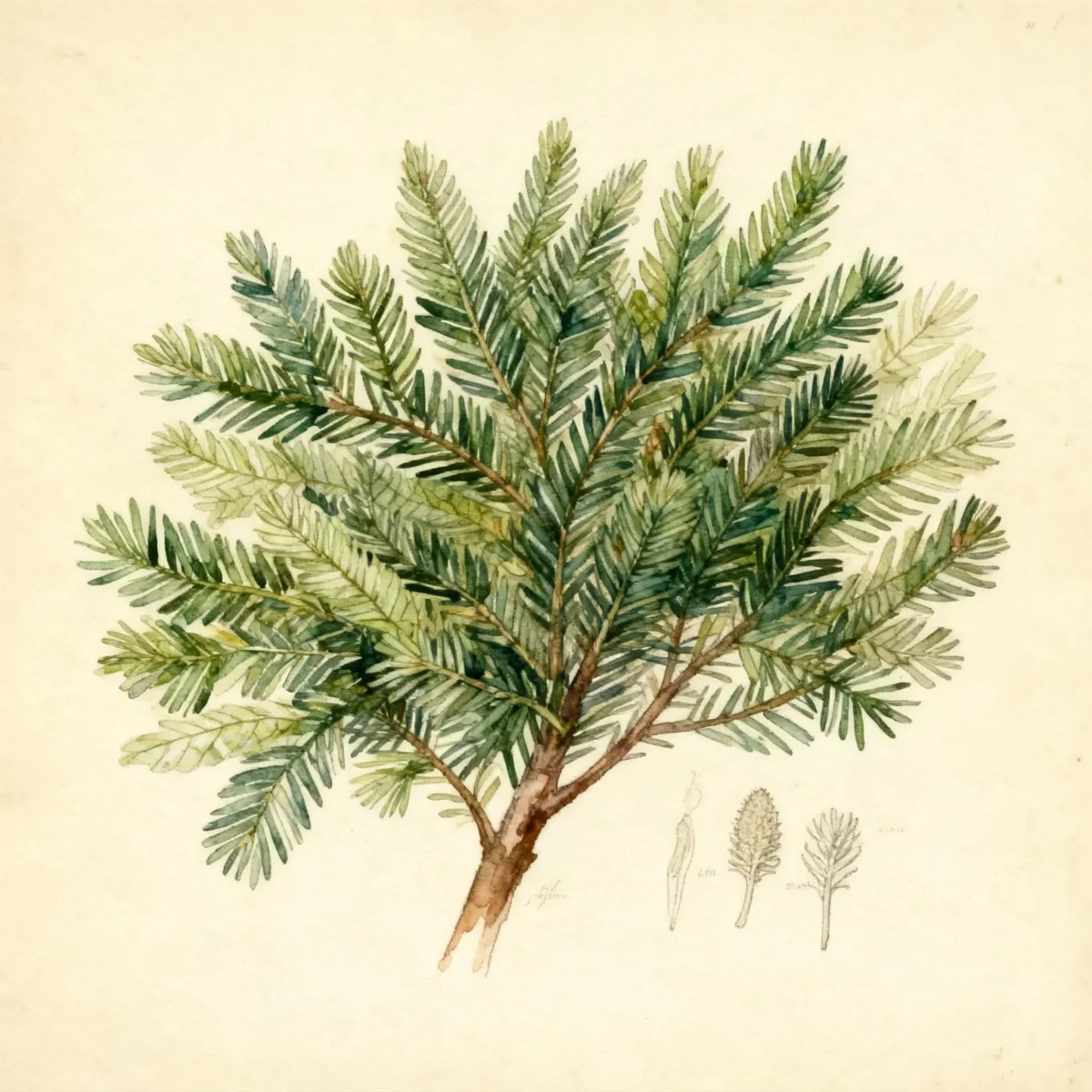
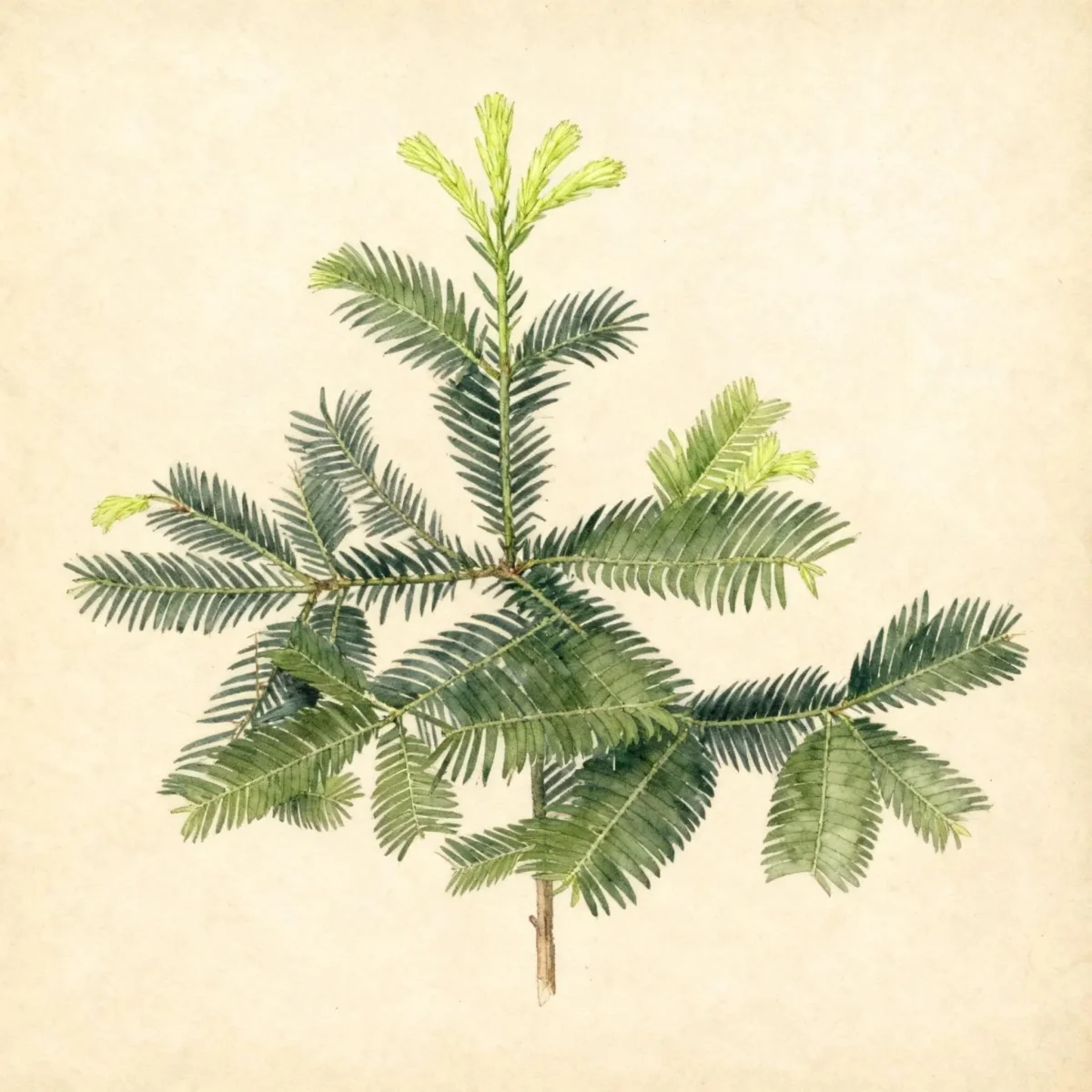
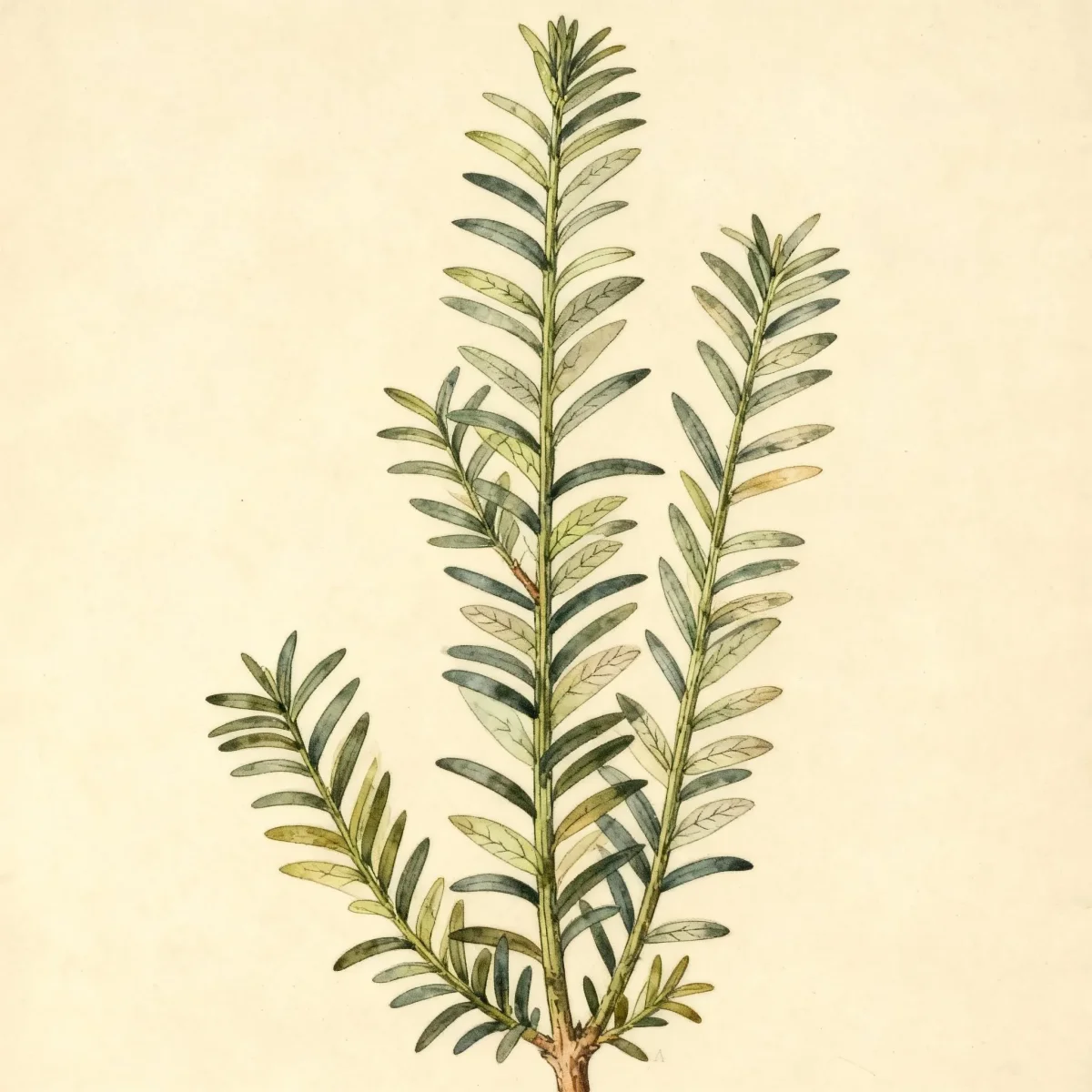
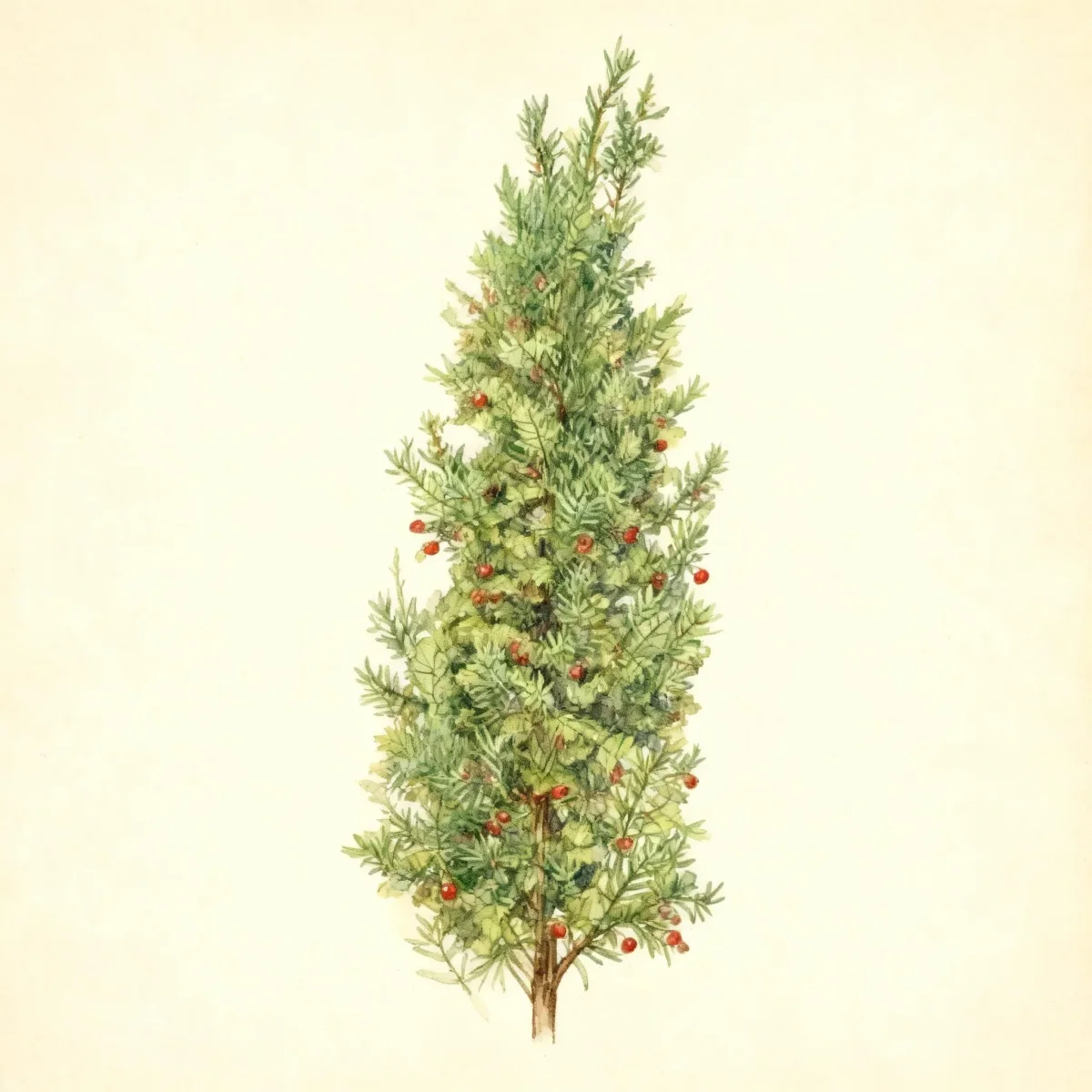
Japanese plum yew (Cephalotaxus harringtonia YEWTOPIA)
Cephalotaxus harringtonia YEWTOPIA, the Japanese plum yew, thrives in shade, offering deer resistance and medium water needs for Zones 6-9.
Scroll down to discover growing tips, care requirements, companion plants, and more
Complete Plant Information
Overview
The Japanese plum yew, specifically the compact selection Cephalotaxus harringtonia YEWTOPIA, offers gardeners a refined, slow-growing alternative to traditional yews. Renowned for its excellent tolerance of deep shade, this needled evergreen provides consistent texture throughout the year where many other conifers fail. Its growth habit is naturally dense and vase-shaped, making it an invaluable structural plant in shaded borders and foundation plantings.
This species, often called plum yew due to its foliage resemblance to true yews and the berry-like fruits on female plants, thrives where filtered light prevails. Unlike Taxus species, establishing Cephalotaxus harringtonia YEWTOPIA south of USDA Zone 7 is safely achievable because of its superior heat tolerance. This makes the Japanese plum yew a critical choice for evergreen structure in warmer, shadier landscapes.
Cephalotaxus harringtonia YEWTOPIA matures into a compact specimen, typically only 3 to 4 feet tall, requiring minimal effort to maintain its tidy form. Its versatility in providing year-round interest, combined with its hardiness profile, ensures its popularity as a dependable shade-loving accent plant.
Fast Facts
- Plant Family: Taxaceae
- Plant Type: Needled evergreen
- Hardiness Zones: USDA Zones 6-9
- Size at Maturity:
- Height: 3-4 ft
- Spread: 3-4 ft
- Bloom Time: Non-flowering
- Bloom Description: Non-flowering
- Sun Exposure: Part shade to full shade
- Water Needs: Medium
- Maintenance Level: Medium
How to Grow
Planting the Japanese plum yew is easiest in the fall or early spring when temperatures are mild, allowing the roots to establish before summer heat or winter freezes arrive. The most crucial site selection factor is soil quality: ensure placement in moist, sandy, and highly well-drained soil. While it tolerates full sun in cooler summer zones, Cephalotaxus harringtonia YEWTOPIA truly excels in part shade to full shade situations.
Watering should be consistent while the plant is establishing, adhering to its medium water needs. Once mature, this plant demonstrates good drought tolerance, reflecting its native habit in shaded woodland areas. Fertilization is rarely necessary in rich woodland soils, but an annual light application of slow-release, balanced fertilizer in early spring can support growth. Avoid heavy spring pruning; shaping should focus on light shearing in late spring or summer to preserve its natural vase shape.
Established plants can handle periods of dryness, but consistent moisture is key to maintaining the dense, dark foliage that makes the Japanese plum yew so desirable. If you are growing this plant outside Zone 6, ensure superb drainage and consider applying a thick layer of mulch to insulate the roots during winter, hedging your bets against sudden cold snaps.
Landscape Uses
The compact stature and deep green foliage make Cephalotaxus harringtonia YEWTOPIA an exceptional specimen for low hedges or foundation plantings where headroom is limited. Because of its unmatched shade tolerance compared to many other conifers, it is perfect for brightening dark corners of the garden border where other evergreens might brown out. Consider mass planting for a solid screen, or use individual specimens as structural anchors near entrances.
This variety works beautifully alongside moisture-loving shade perennials like Hosta, Japanese Forest Grass (Hakonechloa macra), or Astilbe, which appreciate similar soil conditions and dappled light. For container gardening, the Japanese plum yew provides excellent year-round structure, provided the container is large enough to prevent rapid freezing of the root ball and drainage is impeccable. The slow, predictable growth rate of this selection ensures it remains architecturally sound for years, requiring far less shearing than faster-growing shrubs.
Standout Features
Noteworthy Characteristics
Cephalotaxus harringtonia, commonly called plum yew, is noted for its spirally-arranged, yew-like evergreen leaves that create a distinctive V-shaped pattern on erect stems. The specific cultivar Cephalotaxus harringtonia YEWTOPIA is prized as a compact, shrubby selection maturing to a uniform 3-4 feet wide and tall. Its excellent tolerance for both shade and hot weather distinguishes it as a valuable substitute for true yews further south.
Tolerances
- Deer
- Drought
- Heavy Shade
Potential Problems
This plant generally faces no serious insect or disease problems, contributing significantly to its medium maintenance rating. Few pests bother the Japanese plum yew, which is a major advantage over susceptible Taxus relatives. Should minor issues arise, ensure the plant is sited correctly in well-drained soil to prevent root stress, which is the most common cause of decline in established specimens.
Frequently Asked Questions
What hardiness zones is Japanese plum yew suitable for?
Cephalotaxus harringtonia YEWTOPIA is reliably hardy across USDA Zones 6 through 9, offering dependable evergreen performance in these areas.
How large does Cephalotaxus harringtonia YEWTOPIA grow?
This selection is compact, typically reaching a mature height between 3 and 4 feet tall with a spread of 3 to 4 feet wide.
What sun exposure does Japanese plum yew need?
The ideal condition for this shrub is part shade to full shade, though it can tolerate full sun if planted in a region with naturally cool summers.
When does Cephalotaxus harringtonia YEWTOPIA bloom?
This plant is non-flowering, meaning it does not produce conspicuous blossoms, though female plants may develop fleshy, edible, plum-like fruits if a male pollinator is present.
Conclusion
The Cephalotaxus harringtonia YEWTOPIA is a superb choice for adding robust, low-maintenance structure to shaded garden areas. Its deer resistance and heat tolerance set the Japanese plum yew apart as a superior evergreen foundation plant for Zones 6-9. Before planting, confirm your site offers the required well-drained soil and part-to-full shade to ensure this compact conifer thrives for years to come.
Design Ideas
When planning borders, utilize the dense, uniform habit of Cephalotaxus harringtonia YEWTOPIA as a formal or semi-formal evergreen ground layer. Groupings of three or five specimens create a powerful repeating element along a walkway shaded by mature trees. Its fine texture contrasts beautifully with broad-leaved plants like Rhododendrons in spring or large-leaved Hydrangeas that bloom later in the season.
For contemporary landscapes requiring year-round structure without excessive height, container gardening with this compact plum yew is highly effective. Ensure containers are elevated slightly or placed on gravel to promote crucial drainage, as wet feet are detrimental. In mixed containers, use it as the central upright element, pairing it with trailing annuals or contrasting foliage like chartreuse Heuchera for dynamic seasonal interest.
Companion Planting
Because both Cephalotaxus harringtonia YEWTOPIA and many shade-loving companions require excellent soil moisture retention coupled with superior drainage, focus on woodland understory plants for natural pairings. Hostas featuring blues or variegated patterns create striking textural contrast against the dark green needles of the Japanese plum yew. For groundcover beneath or around the base, consider shade-tolerant ferns like the Japanese Painted Fern, whose silvery fronds offer seasonal color variation. Spring bulbs, such as snowdrops or hardy cyclamen, can emerge and bloom early before the Cephalotaxus fully fills out its lower canopy.