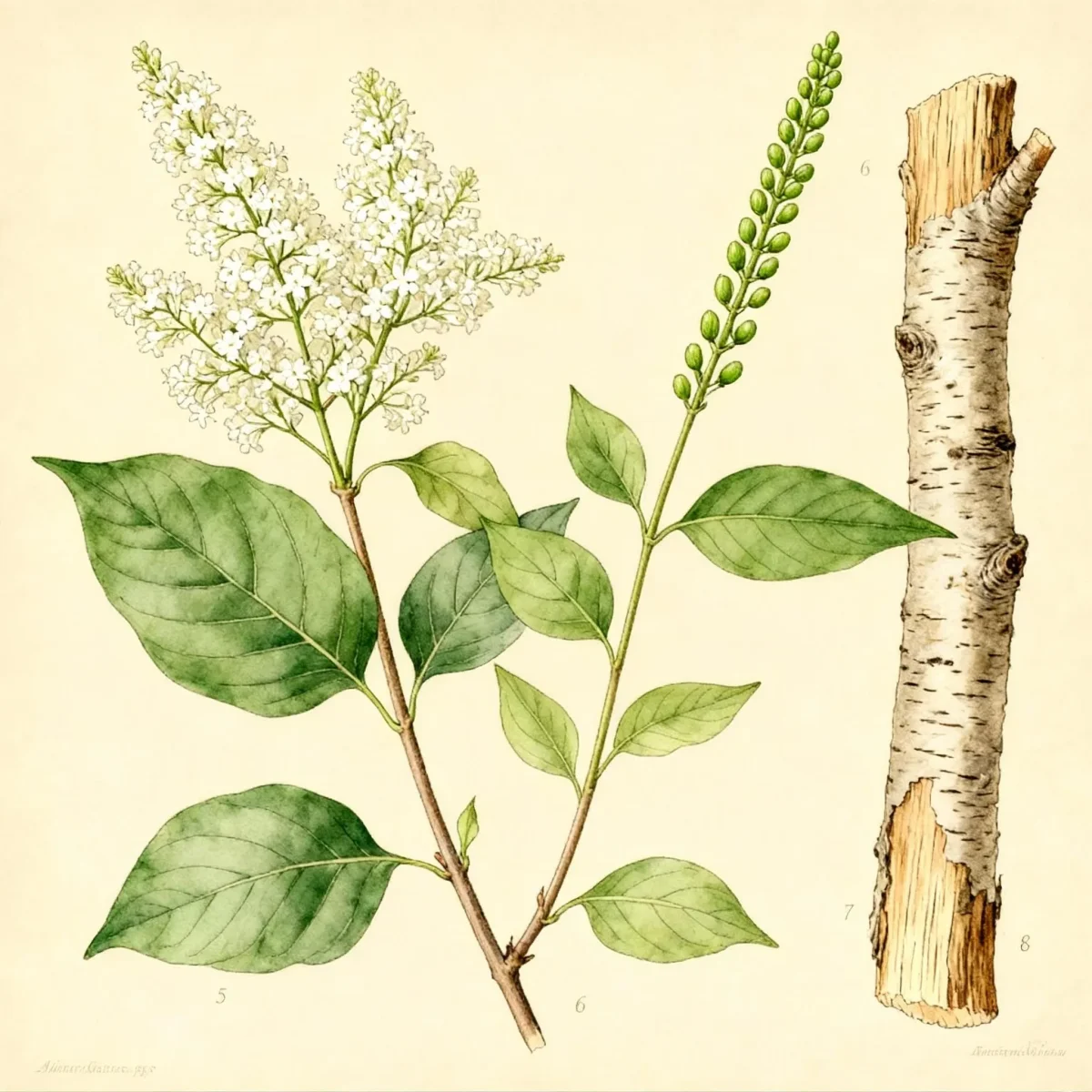
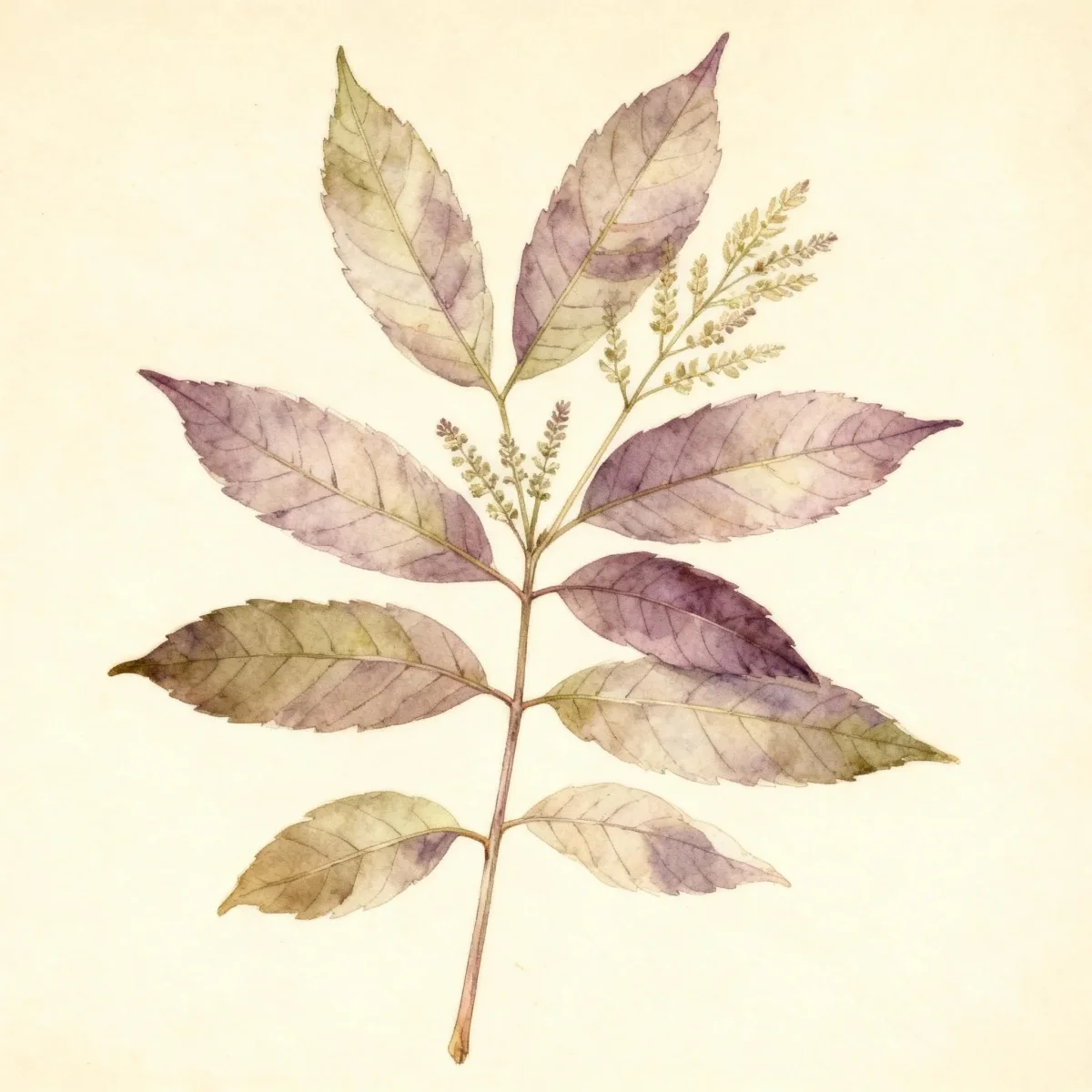
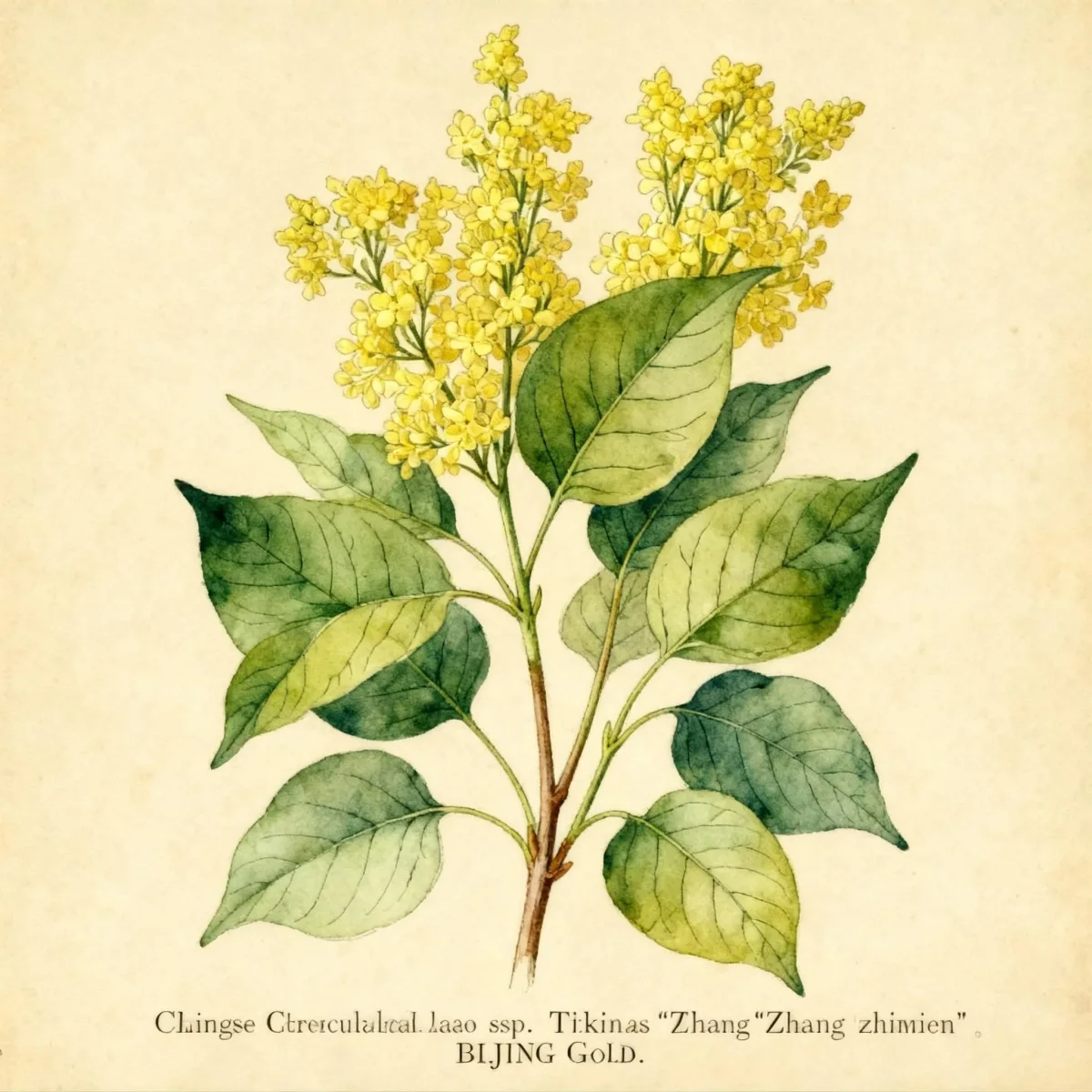
Chinese tree lilac (Syringa reticulata subsp. pekinensis 'Zhang Zhiming' BEIJING GOLD)
Discover Syringa reticulata subsp. pekinensis 'Zhang Zhiming' BEIJING GOLD, a low-maintenance Chinese tree lilac with primrose yellow blooms and exfoliating bark.
Scroll down to discover growing tips, care requirements, companion plants, and more
Complete Plant Information
Overview
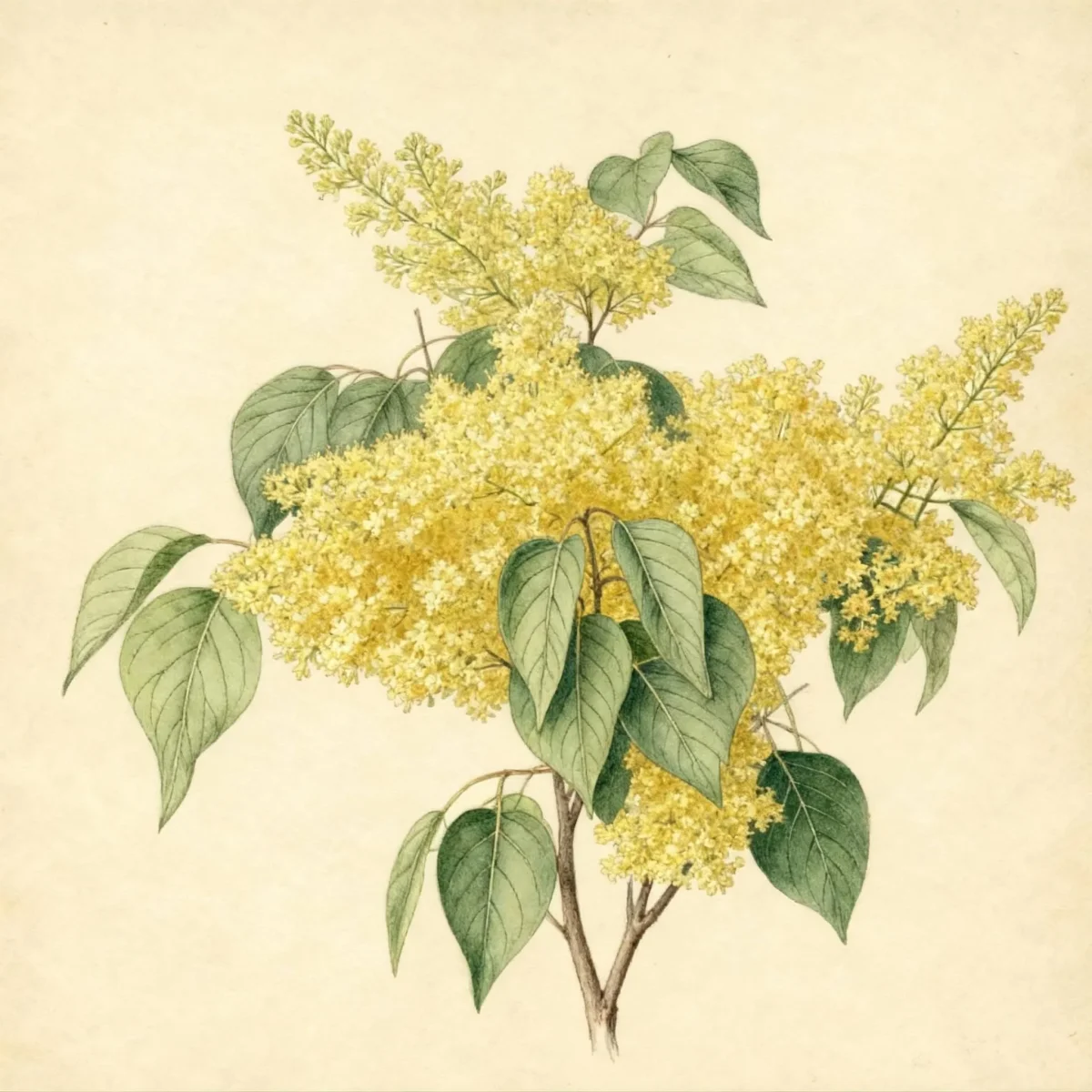
Syringa reticulata subsp. pekinensis ‘Zhang Zhiming’ BEIJING GOLD, known commonly as the Chinese tree lilac, offers gardeners a fantastic late-season flowering display combined with excellent structural interest. This cultivar stands out with its unique primrose yellow flowers, diverging from the typical white blooms of the species, providing excellent ornamental value. As a versatile small tree, it adapts well to urban environments while showcasing attractive exfoliating bark throughout the year.
This cultivar of Chinese tree lilac thrives when given full sun, ensuring the richest color development and best flowering performance. It is celebrated for being relatively tough, needing only medium water and low maintenance once established. Gardeners appreciate the hardiness of Syringa reticulata subsp. Pekinensis ‘Zhang Zhiming’ BEIJING GOLD, which can withstand colder temperatures down to Zone 3.
The appeal of Syringa reticulata subsp. pekinensis ‘Zhang Zhiming’ BEIJING GOLD lies in its blend of beauty and resilience. It delivers showy, fragrant blooms later than many other lilacs, extending the flowering season. Furthermore, its tolerance for clay soil and deer makes it a reliable choice for challenging landscape situations.
Fast Facts
- Plant Family: Oleaceae
- Plant Type: Tree
- Hardiness Zones: USDA Zones 3-7
- Size at Maturity:
- Height: 15-20 ft
- Spread: 10-15 ft
- Bloom Time: May to June
- Bloom Description: Primrose yellow
- Sun Exposure: Full sun
- Water Needs: Medium
- Maintenance Level: Low
How to Grow
Planting the Chinese tree lilac should ideally occur in spring or fall when conditions are cool, allowing the roots to establish before summer heat or winter freezes. Choose a location with full sun exposure for the most profuse primrose yellow blooms, though light shade is tolerated. Syringa reticulata subsp. pekinensis ‘Zhang Zhiming’ BEIJING GOLD prefers organically rich, moist, well-drained soil that is slightly acidic; good drainage is essential.
Once established, continue to provide medium water, ensuring the soil remains consistently moist but never saturated. This tree generally requires low maintenance. Pruning should be done sparingly, immediately after the flowering period concludes in early summer, to shape the specimen or remove any crossing branches.
Deadheading faded flower panicles, though sometimes time-consuming, is recommended before seed set to encourage better energy use next year. Because it tolerates urban conditions well, it often requires minimal intervention regarding air circulation issues common to other lilacs. Remember that best growth occurs in cooler summer climates, and planting south of Zone 7 is generally not recommended for Syringa reticulata subsp. pekinensis ‘Zhang Zhiming’ BEIJING GOLD.
Landscape Uses
The versatile structure of the Chinese tree lilac allows it to function effectively in several key landscape roles. Tree-form versions of Syringa reticulata subsp. pekinensis ‘Zhang Zhiming’ BEIJING GOLD excel as specimen plantings where their exfoliating bark and late flowers can be admired up close. They are particularly effective when placed along streets, integrating nicely into urban settings, or positioned near patios and decks.
For mass screening or creating property line definition, the shrub forms are excellent when planted in small groups or utilized in informal hedge rows. Their ability to tolerate clay soil broadens their applicability across various sites. Pair the yellow-flowering cultivar with dark green evergreen shrubs to make the bloom color truly pop during the May to June display.
Consider using this Chinese tree lilac near foundations where year-round interest from the bark is valued, or as a backdrop in mixed borders. Its medium height ensures it doesn’t overwhelm smaller foundational plantings while still providing significant canopy and flower mass.
Standout Features
Flower Qualities
- Showy
- Fragrant
Noteworthy Characteristics
The species, Syringa reticulata, commonly known as Chinese tree lilac, grows into a small tree or large shrub, sometimes reaching 30 feet tall in tree form with an oval crown. The cultivar ‘Zhang Zhiming’, sold as BEIJING GOLD, is distinguished by its highly attractive primrose yellow flowers and cinnamon-colored, exfoliated bark, along with notable yellow fall foliage. Native to northern China, this woody plant offers a later bloom period than many common lilacs.
Tolerances
- Deer
- Clay Soil
Potential Problems
The Chinese tree lilac generally presents few serious insect or disease issues, showing good resistance to common lilac problems like powdery mildew, scale, and borers. However, gardeners should be aware of potential susceptibility to fungal issues such as blights and leaf spots, as well as ring spot virus. Keep an eye out for caterpillars or leaf miners, treating them preventatively if infestations are severe. The main cultural challenge involves protecting the developing flower buds from late spring frosts, which can wipe out the anticipated May to June color display.
Frequently Asked Questions
What hardiness zones is Chinese tree lilac suitable for?
Syringa reticulata subsp. pekinensis ‘Zhang Zhiming’ BEIJING GOLD is well-suited for USDA Hardiness Zones 3 through 7.
How large does Syringa reticulata subsp. pekinensis ‘Zhang Zhiming’ BEIJING GOLD grow?
This cultivar typically matures to a height of 15 to 20 feet, with a spread ranging between 10 and 15 feet wide.
What sun exposure does Chinese tree lilac need?
For optimal blooming, this tree requires full sun exposure, though it can tolerate light shade.
When does Chinese tree lilac bloom?
The Chinese tree lilac blooms later than many other lilacs, typically from May through June, presenting lovely primrose yellow flowers.
Conclusion
The Syringa reticulata subsp. pekinensis ‘Zhang Zhiming’ BEIJING GOLD is invaluable for its reliable structure, low maintenance needs, and unique primrose yellow flowers that bloom late in the season. This superior cultivar of Chinese tree lilac proves its worth in diverse landscapes, from city streets to suburban yards. Before planting, confirm that your location falls within USDA Zones 3-7 and ensure you provide consistent sun exposure for the best performance.
Companion Planting
When selecting companions for Syringa reticulata subsp. pekinensis ‘Chinese tree lilac’, focus on plants that share similar cultural needs: full sun and medium, well-drained soil. Consider pairing it with plants that offer staggered bloom times to ensure continuous color interest throughout the season. For instance, spring-blooming bulbs provide early color before the lilac flowers appear.
In the mid-sized shrub layer, evergreen foundation plants that offer dark foliage create a strong contrast against the light structure and cinnamon bark of the lilac. Due to its tolerance for poorer soils, you can often successfully group it with tough native woodland edge species that thrive in similar conditions.
Design Ideas
Utilize the architectural quality of Syringa reticulata subsp. pekinensis ‘Zhang Zhiming’ BEIJING GOLD by planting it near seating areas where its fragrant (though sometimes polarizing) bloom can be appreciated. As a street tree substitute, its manageable size keeps overhead utility lines clear while adding substantial curb appeal and shade value.
For modern or highly structured gardens, emphasizing the clean lines of the tree form contrasts nicely with soft swathes of ornamental grasses planted beneath it. Since this Chinese tree lilac handles urban pollution better than some relatives, it works well as a specimen feature in small residential or commercial courtyards.