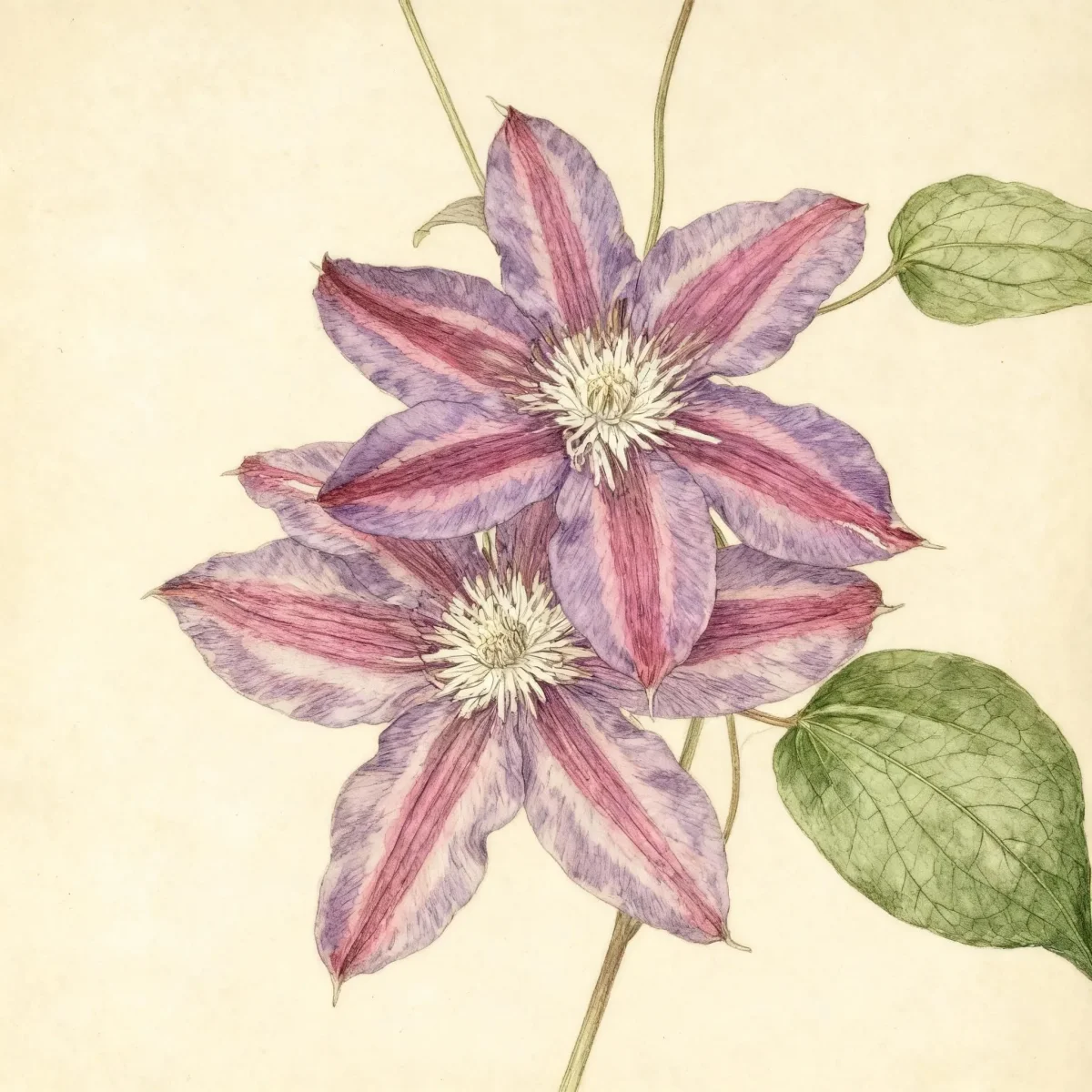
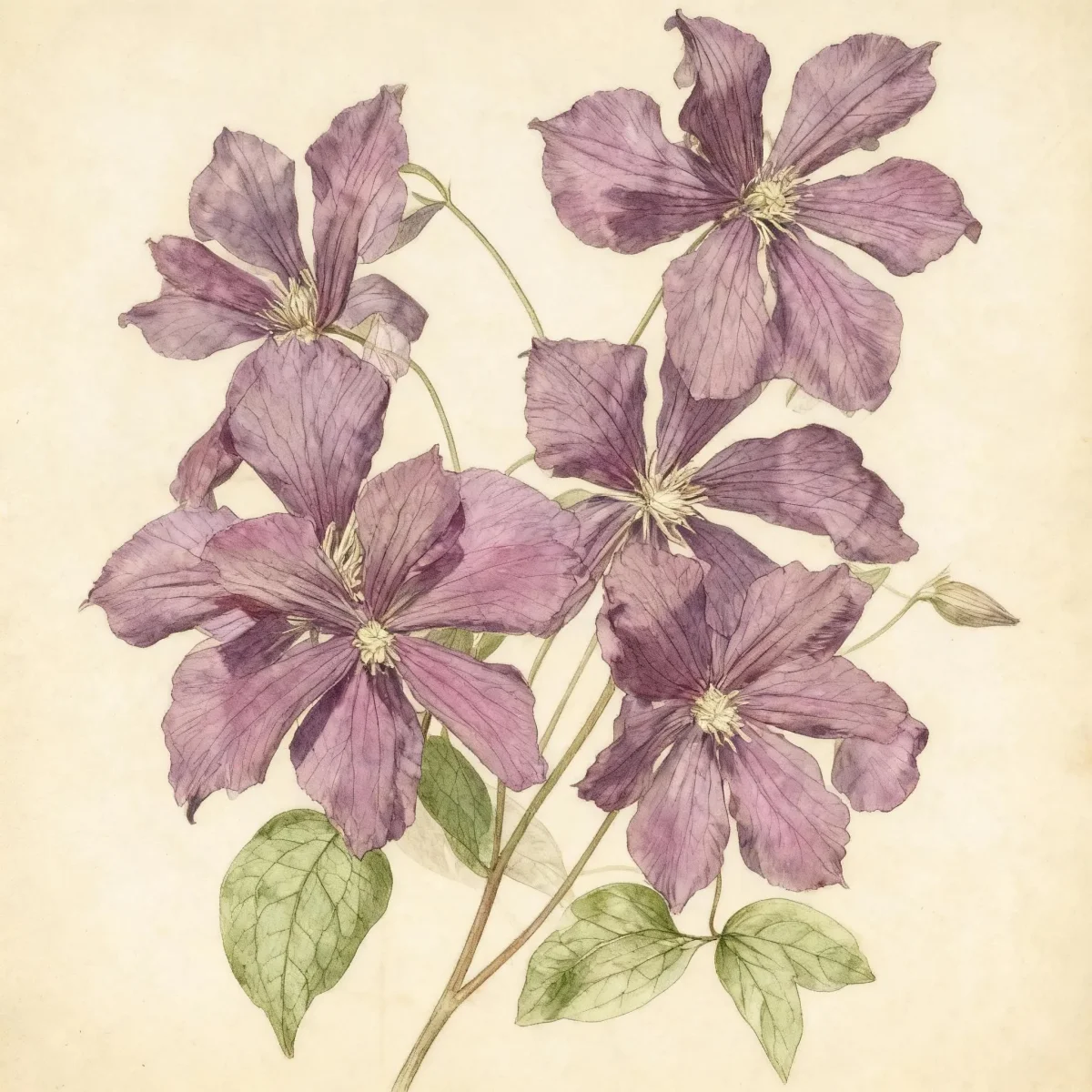
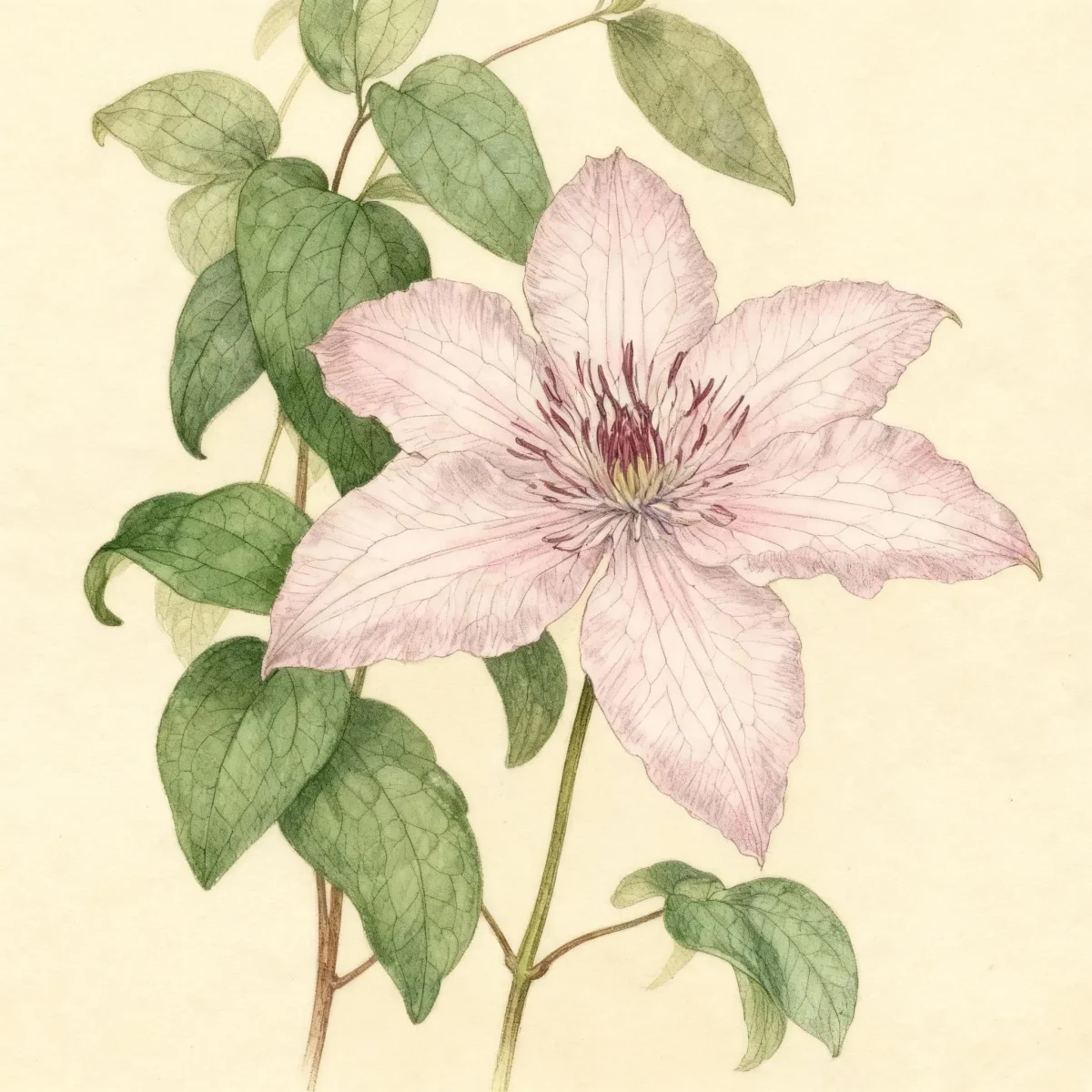
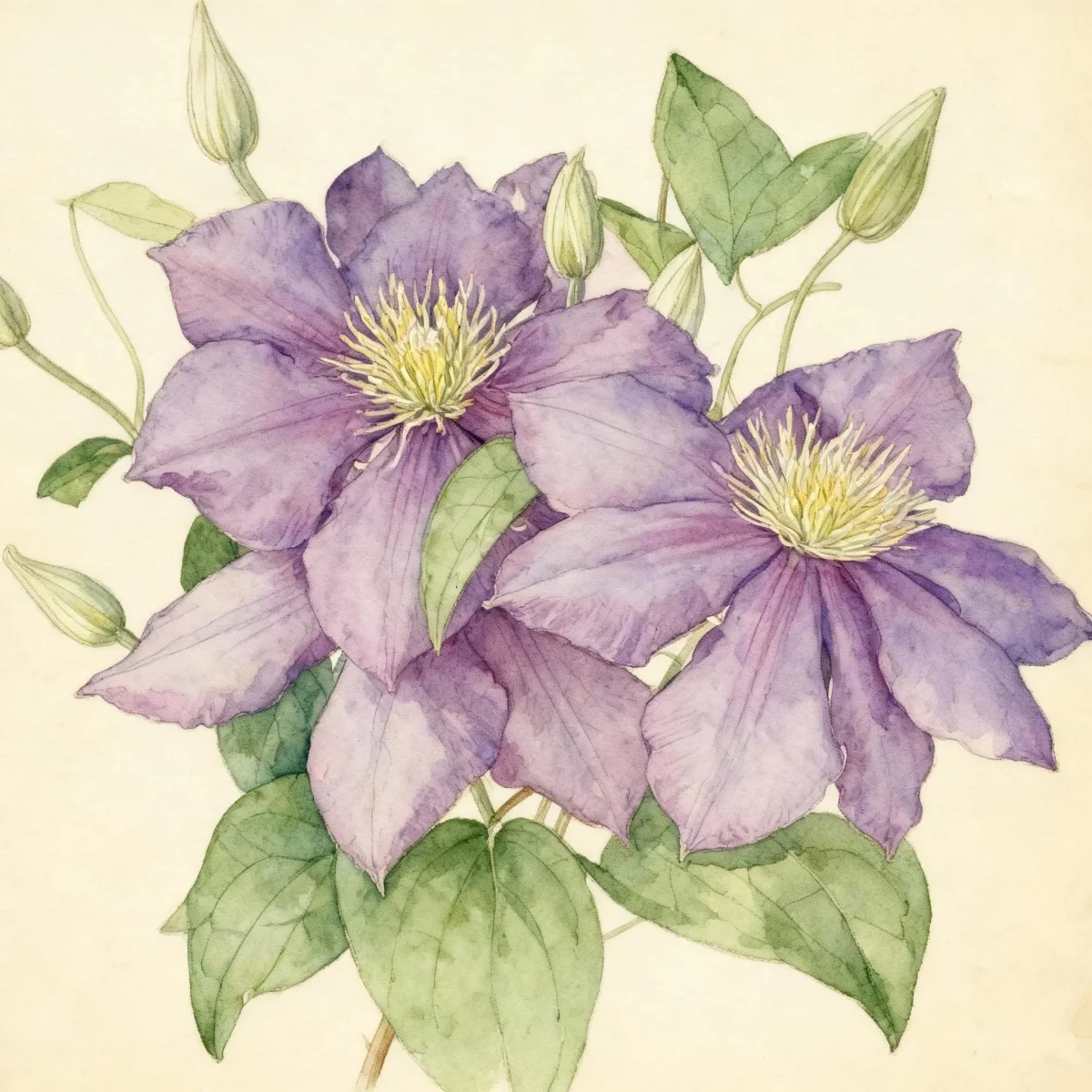
Clematis 'Candida' (Clematis 'Candida')
Discover the elegant Clematis 'Candida', a vigorous vine boasting showy white flowers from May to September. Ideal for zones 4-8.
Scroll down to discover growing tips, care requirements, companion plants, and more
Complete Plant Information
Overview
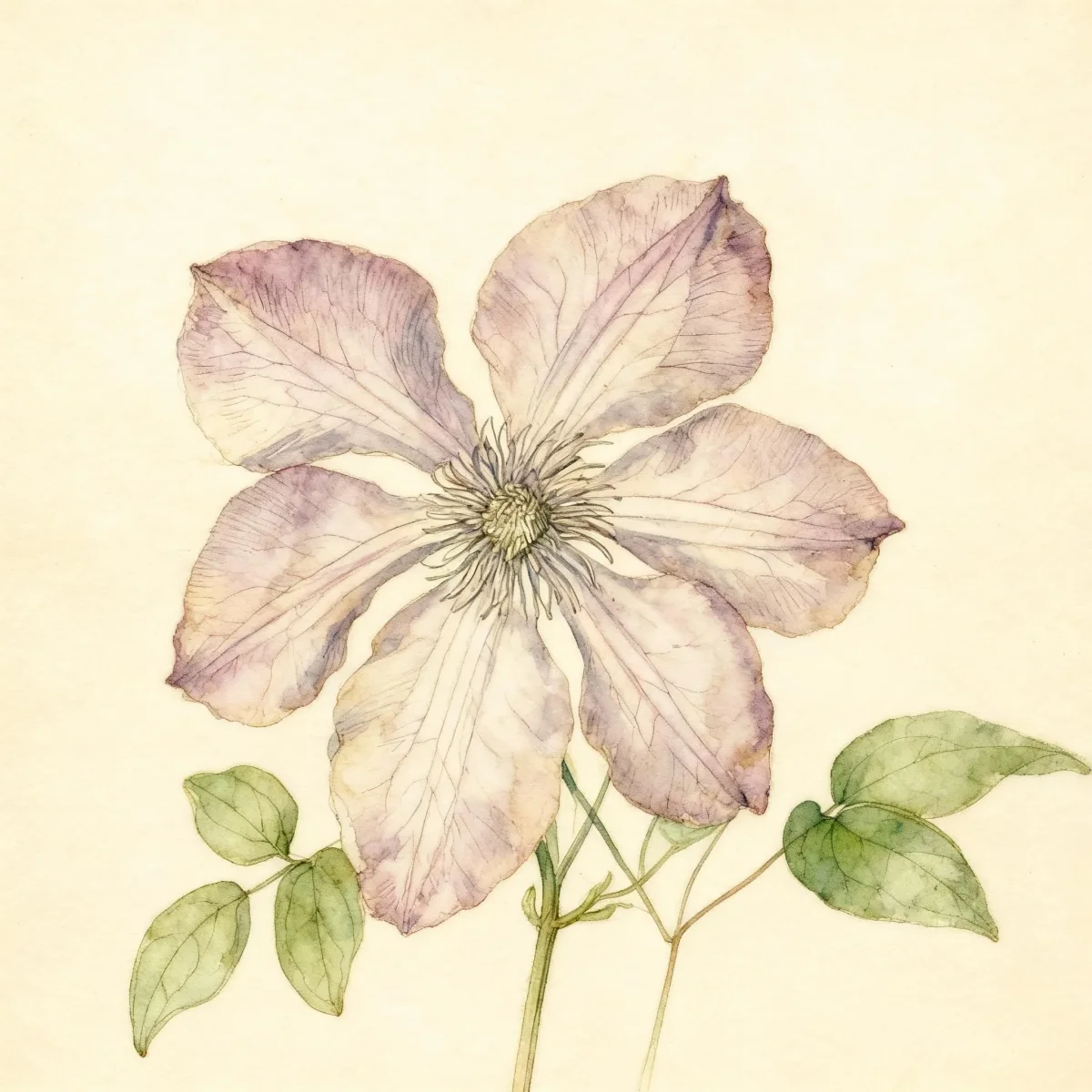
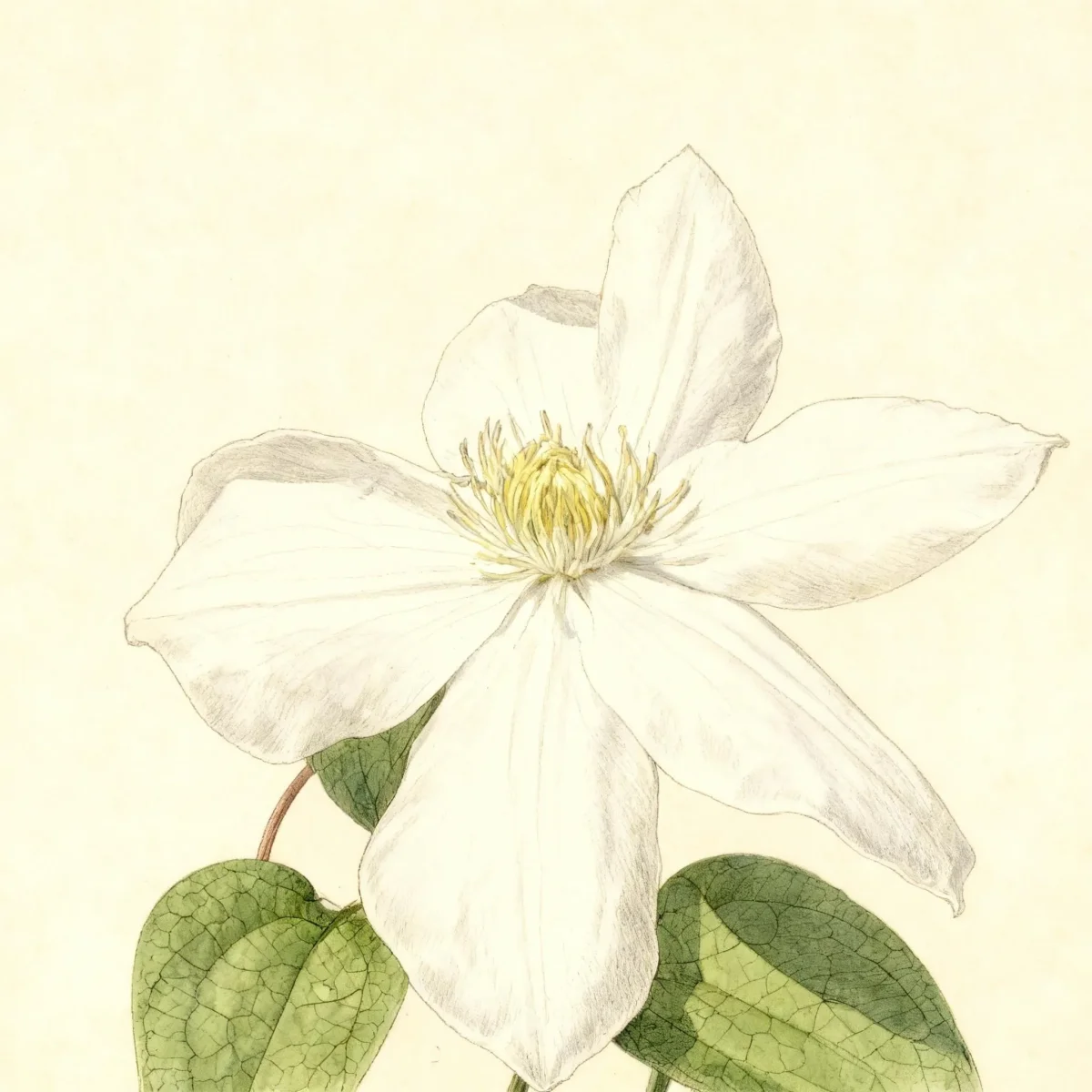
Clematis ‘Candida’ is a highly valued, semi-woody, climbing vine celebrated for its spectacular blooming period that stretches from late spring well into autumn. This specific hybrid produces very large, single, pure white flowers, often reaching 7 to 9 inches in diameter, immediately drawing attention in any landscape setting. As a vigorous grower reaching 8 to 12 feet tall, Clematis ‘Candida’ requires sturdy support to showcase its cascading blooms effectively.
This reliable vine is known for flowering on both its previous season’s growth and new shoots, offering extended color, though many gardeners prefer the look achieved by pruning it as a Group 3 variety to maximize new growth flowers. Its dark green, compound foliage provides excellent contrast to the bright white flowers throughout the season. Cultivating Clematis ‘Candida’ ensures you have a stunning vertical element in your garden structure.
With relatively low maintenance needs once established, this clematis variety thrives when its base is kept cool and shaded, which is a key architectural consideration when siting the plant. Ensure it receives full sun to light afternoon shade, especially in hotter climates, for the best flowering performance from Clematis ‘Candida’.
Fast Facts
- Plant Family: Ranunculaceae
- Plant Type: Vine
- Hardiness Zones: USDA Zones 4-8
- Size at Maturity:
- Height: 8-12 ft
- Spread: 3-6 ft
- Bloom Time: May to September
- Bloom Description: White
- Sun Exposure: Full sun to part shade
- Water Needs: Medium
- Maintenance Level: Low
How to Grow
For optimal establishment, plant Clematis ‘Candida’ in the spring or early fall when soil temperatures are moderate. This magnificent vine requires fertile, well-drained soils where moisture is consistently medium. Plant in a location that receives excellent light, ideally full sun, but be aware that some light afternoon shade can prevent scorching the foliage during intense summer heat, particularly in humid climates.
A crucial element for success with this and all clematis is providing immediate structural support, such as a trellis, arbor, or sturdy fence, as they climb by twining leaf stalks. Furthermore, the roots must be kept uniformly cool, shaded, and moist; use low-growing perennials, small shrubs, or a thick layer of mulch around the root zone to achieve this necessary shade and moisture retention. Never allow the root area of Clematis ‘Candida’ to dry out completely.
This variety is pruned as Group 2, meaning it flowers on both old and new wood. Gardeners often choose to prune woody-stemmed members lightly, allowing them to retain old wood for earlier blooms in May and June. However, if you prefer an abundance of blooms later in the season across the new growth, you may selectively treat it as a Group 3, cutting back more aggressively in spring.
Landscape Uses
Clematis ‘Candida’ is a premier choice for adding dramatic vertical height and architectural interest to the garden canvas. It excels when trained formally up a well-secured trellis anchoring a border or cascading over the top of a substantial arbor or pergola, providing shade and beauty overhead. The pure white flowers make it an excellent partner for dark foliage plants or rich purple/blue flowering companions.
These vines are versatile; they can soften the lines of a harsh fence or porch railing, or they can be deliberately planted to scramble through the branches of sturdy, established shrubs that require little pruning themselves. For smaller spaces, this clematis performs admirably in large containers, provided the essential need for deep, cool roots is met through adequate pot size and diligent watering.
Consider pairing this bright white bloomer with deep red climbing roses or darker purple companion plants to enhance the visual pop of the large flowers throughout the long blooming season of Clematis ‘Candida’.
Standout Features
Flower Qualities
- Showy
Noteworthy Characteristics
Clematis ‘Candida’ is a hybrid celebrated for its very large, single, white flowers, sometimes reaching up to 9 inches across, which appear across two flushes from early summer to early fall. Buds open on old growth typically from May to June, followed by repeat blooming on new wood extending through September. The vibrant blossoms are complemented by attractive, fluffy silver-gray seed heads that persist after flowering, adding late-season textural interest.
Tolerances
- Rabbit
- Deer
- Black Walnut
Potential Problems
Clematis vines, including Clematis ‘Candida’, are highly susceptible to a serious fungal affliction known as wilt or stem rot, which can unfortunately prove fatal to the plant. Prevention is critical; always ensure excellent air circulation and strictly adhere to watering practices that keep the foliage dry while maintaining cool, moist soil around the roots. Powdery mildew, leaf spots, rust, and various viruses can also appear, often indicating stress or poor air movement.
Pest management generally requires vigilance, especially regarding common garden nuisances. Aphids, scale insects, and earwigs may colonize the new growth, while slugs and snails can damage lower leaves and stems. Regularly inspect the undersides of leaves and growing tips, and watch specifically for spider mites developing during hot, dry spells.
Frequently Asked Questions
What hardiness zones is Clematis ‘Candida’ suitable for?
Clematis ‘Candida’ is reliably hardy in USDA Zones 4 through 8.
How large does Clematis ‘Candida’ grow?
This vigorous vine typically achieves a height between 8 and 12 feet, with a spread ranging from 3 to 6 feet wide.
What sun exposure does Clematis ‘Candida’ need?
It requires full sun to partial shade; ensure the roots are shaded while the upper vine receives ample light for best flowering.
When does Clematis ‘Candida’ bloom?
This plant produces its showy white flowers primarily from May through September.
Conclusion
Clematis ‘Candida’ remains a cornerstone for vertical gardening, offering exceptional value through its massive, pure white blooms displayed across half the growing season. Its low maintenance needs, provided basic soil and root cooling requirements are met, make it accessible to most dedicated gardeners. Before planting, confirm that your site falls within USDA Zones 4-8 and that you have suitable support ready for this fast-growing beauty.
Companion Planting
Choosing companions for Clematis ‘Candida’ revolves around solving the cultural requirement of keeping its base shaded while allowing the flower canopy full sun. Low-growing, dense perennials are ideal partners. Hostas, especially the darker-leaved cultivars, provide excellent root shade while their foliage contrasts beautifully with the white blooms above.
Groundcovers like creeping phlox or hardy Geraniums are also excellent choices for suppressing weeds and stabilizing soil moisture around the base of the vine. If you desire more bloom time, pair it with summer-flowering perennials known for similar light and water needs, such as Salvia or smaller daylilies, ensuring they do not grow tall enough to compete with the lower stems of the clematis.
Seasonal Care Calendar
Spring is crucial for evaluating pruning needs; decide if you will prune hard (Group 3 style) or lightly (Group 2 style) based on where you want the majority of the season’s flowers. As new growth emerges, install or reinforce structural supports. Throughout spring and summer, monitor soil moisture closely, watering deeply whenever the top few inches feel dry, especially during dry spells.
In high summer, carefully inspect the foliage of your Clematis ‘Candida’ for early signs of powdery mildew or pest activity, addressing issues immediately with appropriate treatments. As the season cools, focus on applying a thick layer of mulch (several inches deep) around the base area to insulate the roots before the onset of winter dormancy.