Pearlbush (Exochorda 'Niagara' SNOW DAY SURPRISE)
Exochorda 'Niagara' SNOW DAY SURPRISE Pearlbush offers prolific white blooms in spring. A compact, low-maintenance shrub perfect for small gardens.
Scroll down to discover growing tips, care requirements, companion plants, and more
Complete Plant Information
Overview
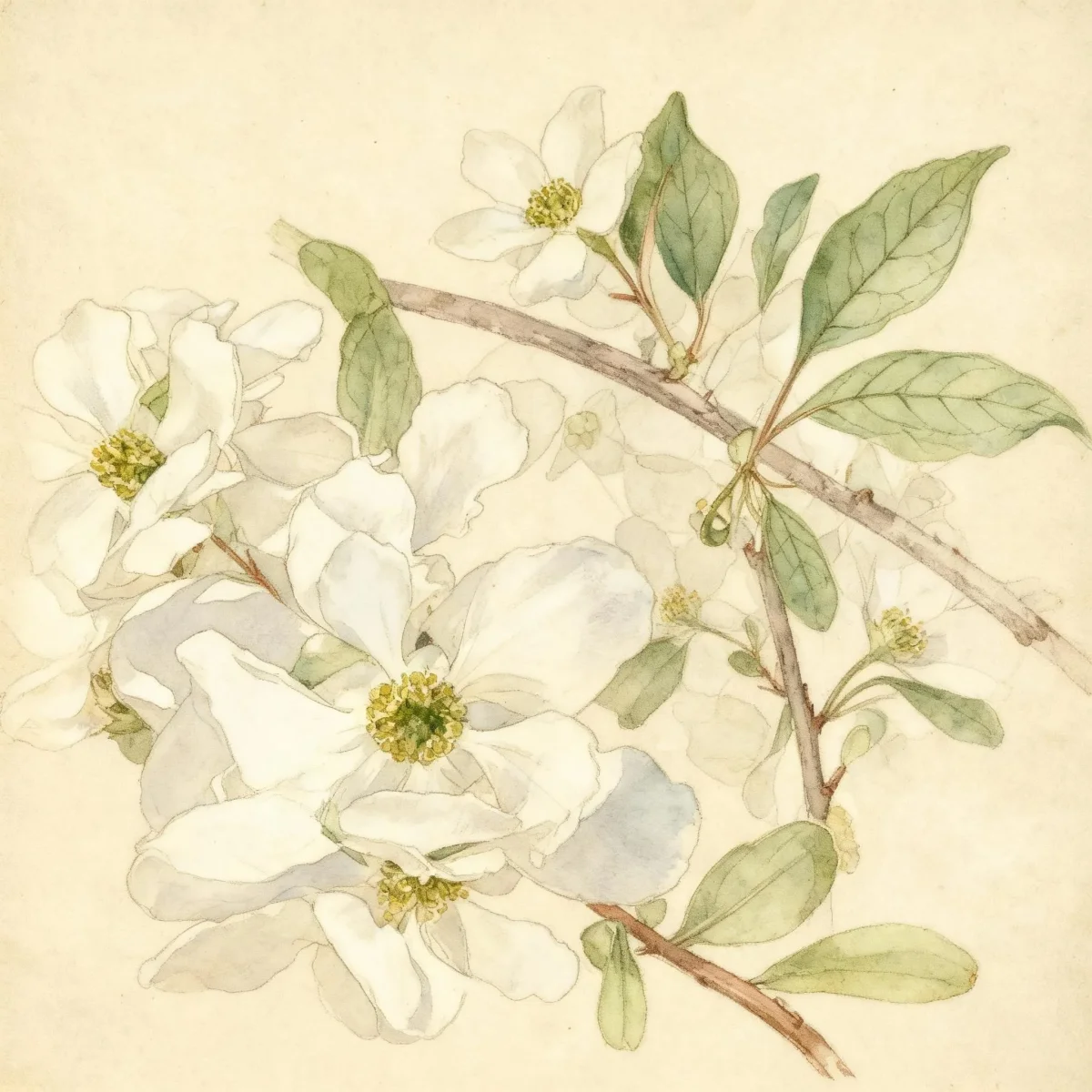
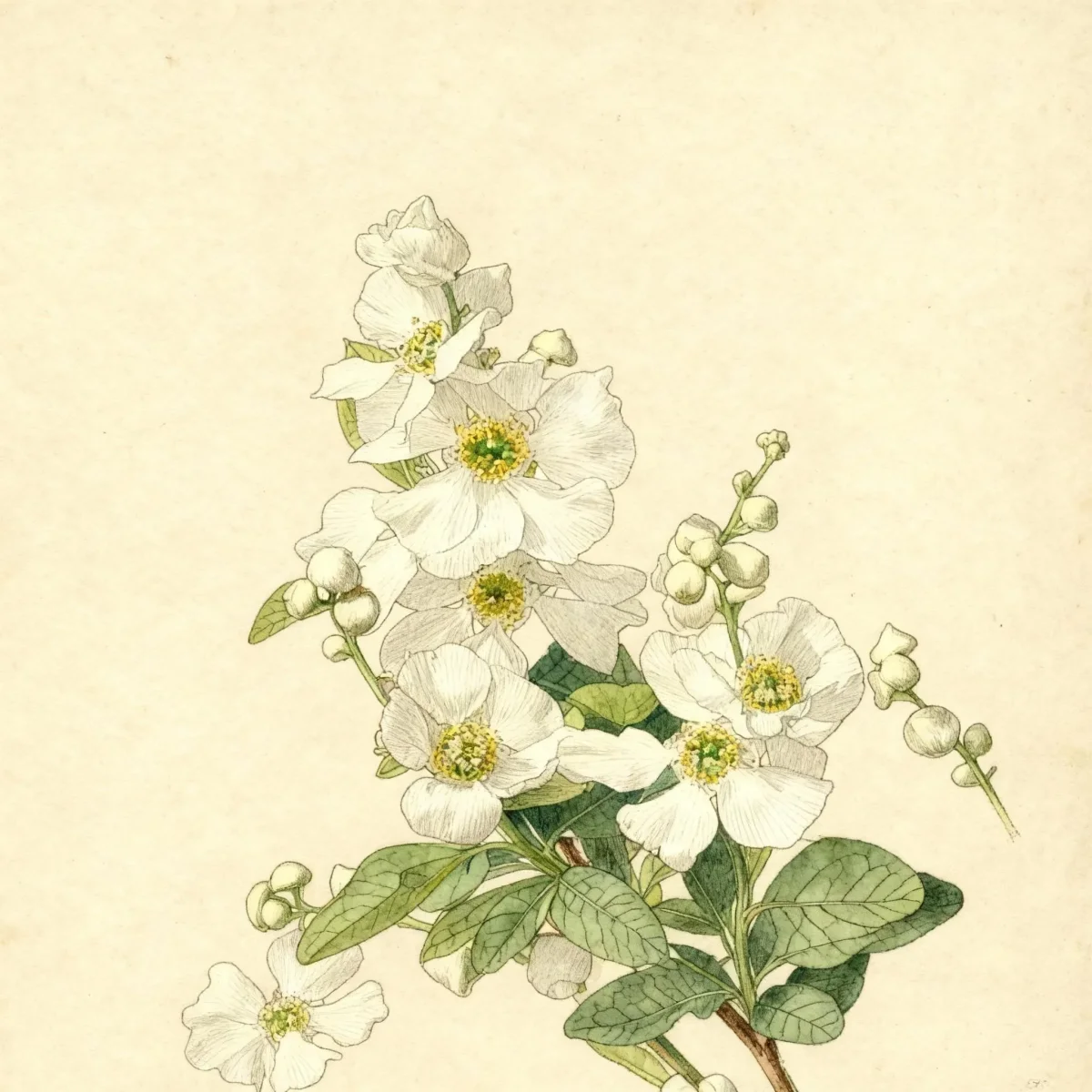
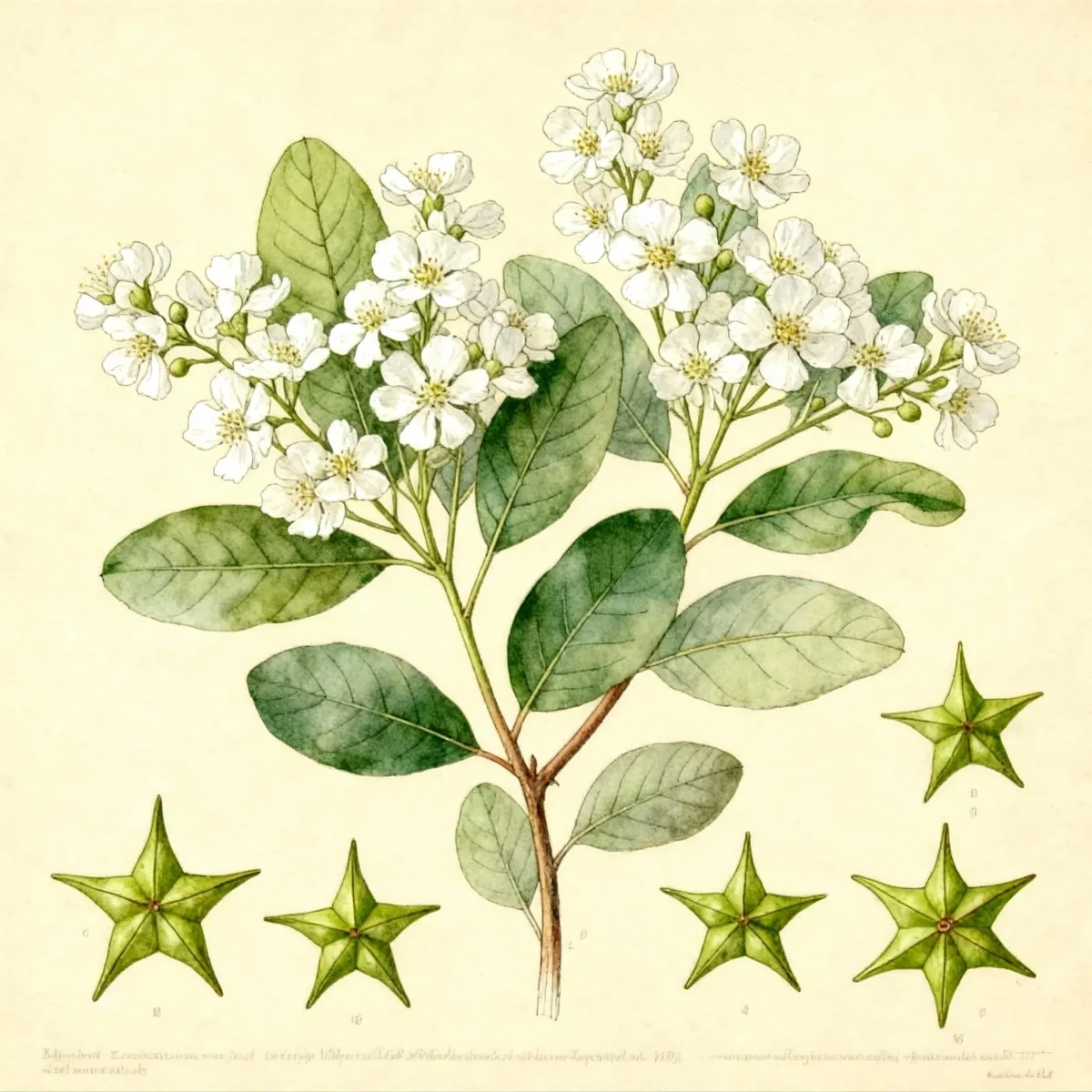
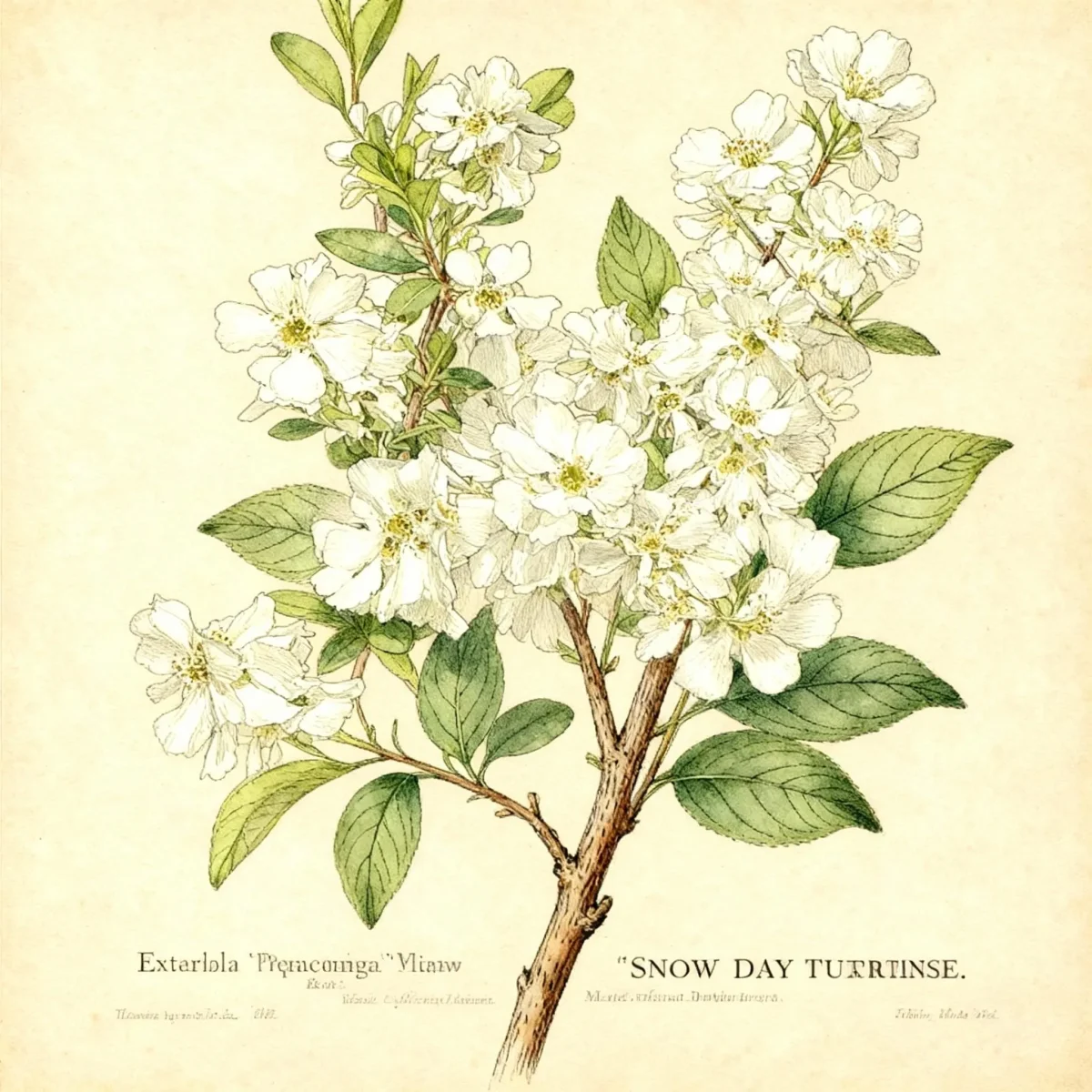
The Exochorda ‘Niagara’ SNOW DAY SURPRISE, commonly known as Pearlbush, is a highly rewarding, compact deciduous shrub celebrated for its early spring floral display. This cultivar provides an abundant coverage of pristine white, single rotate flowers arranged in racemes, often evoking the look of white pearls before they fully open. Its neat, upright, and mounding habit makes the Exochorda ‘Niagara’ SNOW DAY SURPRISE exceptionally valuable for modern landscape designs where low-volume structure is required.
As a hybrid variety, this Pearlbush offers reliable performance with relatively low demands once established. It is prized not just for its beauty, but also for its manageable stature, fitting well into smaller garden spaces, borders, or even containers. Gardeners appreciate the low maintenance level combined with the high visual impact delivered by its spectacular, albeit short-lived, bloom period.
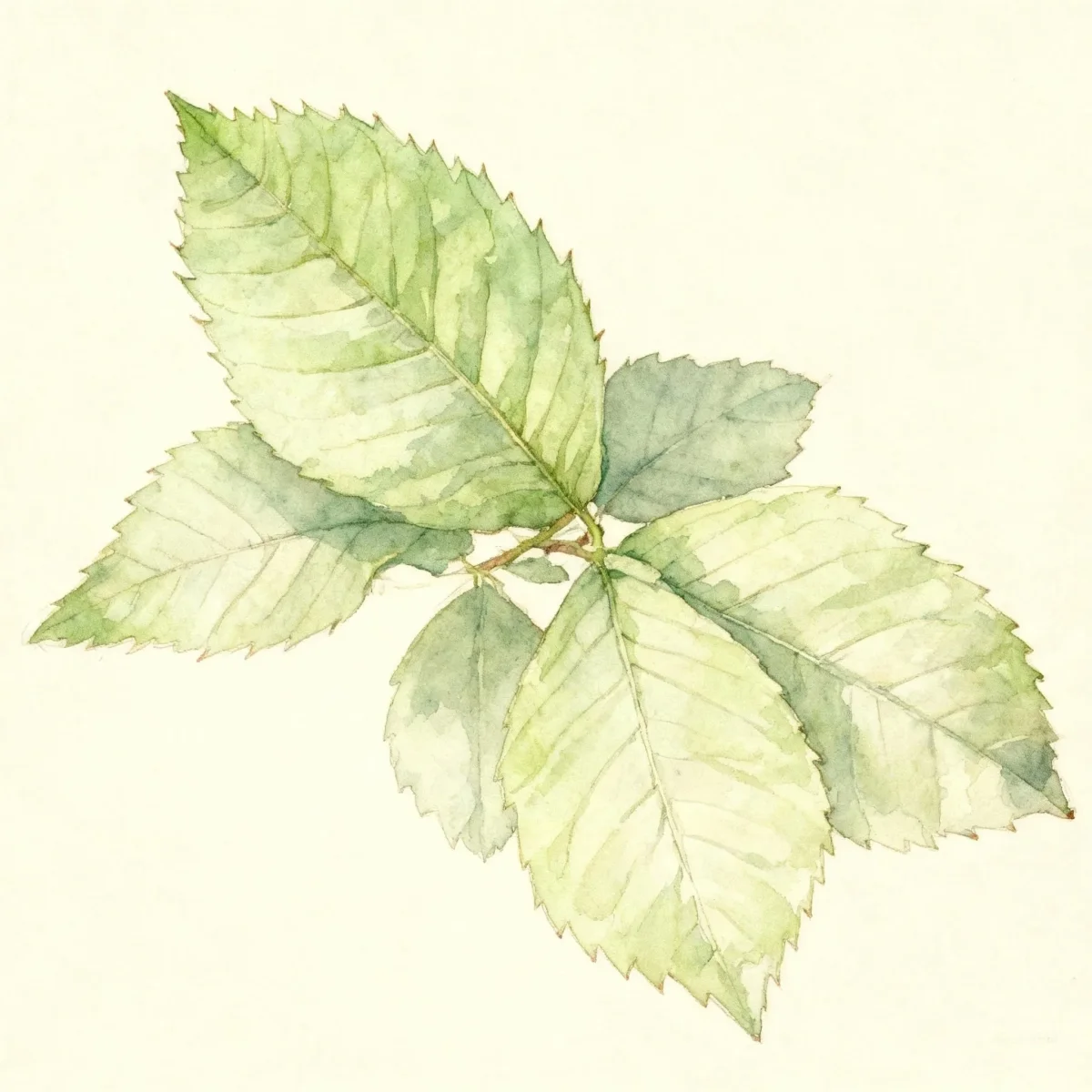
This shrub forms part of the Rosaceae family and originates from Asian species, though this specific hybrid is bred for superior garden character. Expect medium green foliage that persists through the summer, though it does not offer significant fall coloration. The overall appeal of the Exochorda ‘Niagara’ SNOW DAY SURPRISE lies in its dependable structure and its spectacular flush of white flowers that announce the arrival of late spring.
Fast Facts
- Plant Family: Rosaceae
- Plant Type: Deciduous shrub
- Hardiness Zones: USDA Zones 4-8
- Size at Maturity:
- Height: 2-4 ft
- Spread: 2-3 ft
- Bloom Time: April to May
- Bloom Description: White
- Sun Exposure: Full sun to part shade
- Water Needs: Medium
- Maintenance Level: Low
How to Grow
Planting the Exochorda ‘Niagara’ SNOW DAY SURPRISE should ideally occur in the cooler, wetter months of early spring or fall to allow roots to establish before extreme weather hits. Locate this shrub where it receives full sun or very light shade; ample sunlight encourages the most profuse flowering. It thrives in average, medium moisture, well-drained soils, though it performs best when soil is organically rich and slightly acidic.
While this Pearlbush performs optimally with regular watering, established plants demonstrate commendable drought tolerance, making it adaptable to slightly drier conditions once rooted. Avoid heavy clay soils that retain too much standing water, as excellent drainage is crucial for root health. Fertilization is rarely required if the soil is rich, but a balanced, slow-release fertilizer in early spring can support vigorous growth.
Because the signature flowers of Exochorda ‘Niagara’ SNOW DAY SURPRISE bloom on the previous year’s growth (old wood), timing your pruning is critical. Prune selectively only immediately after the flowers fade in late spring to shape the plant or remove crossing branches. Never heavily prune this shrub in late summer or fall or you risk removing next season’s flower buds entirely.
Landscape Uses
The compact dimensions of Exochorda ‘Niagara’ SNOW DAY SURPRISE make it an exceptional choice for smaller yards or gardens where larger shrubs would overwhelm the space. Its tidy, mounding habit is perfect for defining structure in shrub borders or acting as a solid, low hedge that remains interesting year-round. Consider placing it toward the front of a mixed border where its spring display can be easily viewed and appreciated.
Furthermore, this cultivar excels in container gardening. When planted in a large pot, the Pearlbush provides vertical interest that can be moved to highlight patios or decks during its blooming season. Pair it with low-growing spring bulbs, such as daffodils or early tulips, that share similar sun and moisture requirements to create a layered, multi-season display in the garden bed.
Standout Features
Flower Qualities
- Showy
Noteworthy Characteristics
Exochorda is a genus of 4 species of deciduous shrubs from Central Asia to China and Korea. Known as pearlbush they are grown for their attractive white flowers and good plant form. Genus name comes from the Greek words exo meaning outside and chorde meaning a cord referring to fibers outside the placenta in the ovary. ‘Niagara’, commonly sold in commerce by the trade name of SNOW DAY SURPRISE, is a compact, upright, mounding, outward-spreading, free-branching, deciduous shrub that typically grows to 2-4’ tall and as wide. This compact shrub is perhaps most noted for its prolific bloom of single rotate white flowers in April-May.
Tolerances
- Drought
Potential Problems
Fortunately, the Exochorda ‘Niagara’ SNOW DAY SURPRISE is highly regarded for its resilience against common garden threats. It generally experiences no serious insect infestations or persistent disease problems when sited correctly. Ensuring good air circulation and proper drainage remains the best defense against potential fungal issues common to many flowering shrubs.
Frequently Asked Questions
What hardiness zones is Pearlbush suitable for?
The Exochorda ‘Niagara’ SNOW DAY SURPRISE is reliably hardy across USDA Zones 4 through 8.
How large does Exochorda ‘Niagara’ SNOW DAY SURPRISE grow?
This compact cultivar typically reaches a mature height between 2 and 4 feet tall, spreading between 2 and 3 feet wide.
When does Pearlbush bloom?
This variety presents its beautiful white flowers during the transition from spring into early summer, typically blooming from April to May.
What sun exposure does Exochorda ‘Niagara’ SNOW DAY SURPRISE need?
For best results, plant this deciduous shrub where it receives full sun or can tolerate light, dappled shade in the afternoon.
Conclusion
The Exochorda ‘Niagara’ SNOW DAY SURPRISE offers a perfect blend of dense, manageable structure and spectacular early spring beauty, making it a low-maintenance superstar for modern landscaping. Whether used as a specimen or a low hedge, this reliable Pearlbush delivers high aesthetic returns. Before planting, confirm your garden sits within USDA Zones 4-8 and plan your pruning schedule carefully to maximize next year’s flower display.
Companion Planting
When selecting companions for Exochorda ‘Niagara’ SNOW DAY SURPRISE, focus on plants that share its preference for well-drained, slightly acidic soil and full sun to light shade. Low-growing perennials that bloom later in the season provide coverage for the gradually fading foliage of the Pearlbush. Consider groundcovers like creeping phlox or low-mounding hostas placed beneath the shrub canopy to suppress weeds and add mid-level contrast.
For structural companions, deciduous small trees like Japanese Maples (which appreciate similar subtle acidity) or later-flowering shrubs, such as certain varieties of Spirea or Deutzia, provide beautiful textural differences after the Pearlbush has finished blooming. Because the Pearlbush is relatively compact, ensure companions do not grow large enough to cast dense shade, which could impact its ability to flower well.
Seasonal Care Calendar
Early Spring (March/April): This is the ideal time for a light spring application of balanced fertilizer if soil fertility is low. Tidy up any winter debris around the base of the shrub, ensuring the area is weed-free to encourage healthy growth.
Late Spring (May/June): Observe the magnificent white flowers of the Exochorda ‘Niagara’ SNOW DAY SURPRISE. Immediately after the last flower fades, perform any necessary corrective or shaping pruning. Avoid pruning later in the season.
Summer (July/August): Monitor moisture levels, especially during extreme heat. While established plants tolerate drought, consistent medium watering will ensure the shrub maintains good vigor leading into dormancy. Lightly mulch to conserve soil moisture.
Fall/Winter (September-February): Minimal intervention is required during colder months. Protect plants in containers from deep hard freezes by moving them to an unheated garage or wrapping the pot. Do not prune woody stems as this can stimulate tender growth vulnerable to frost damage.