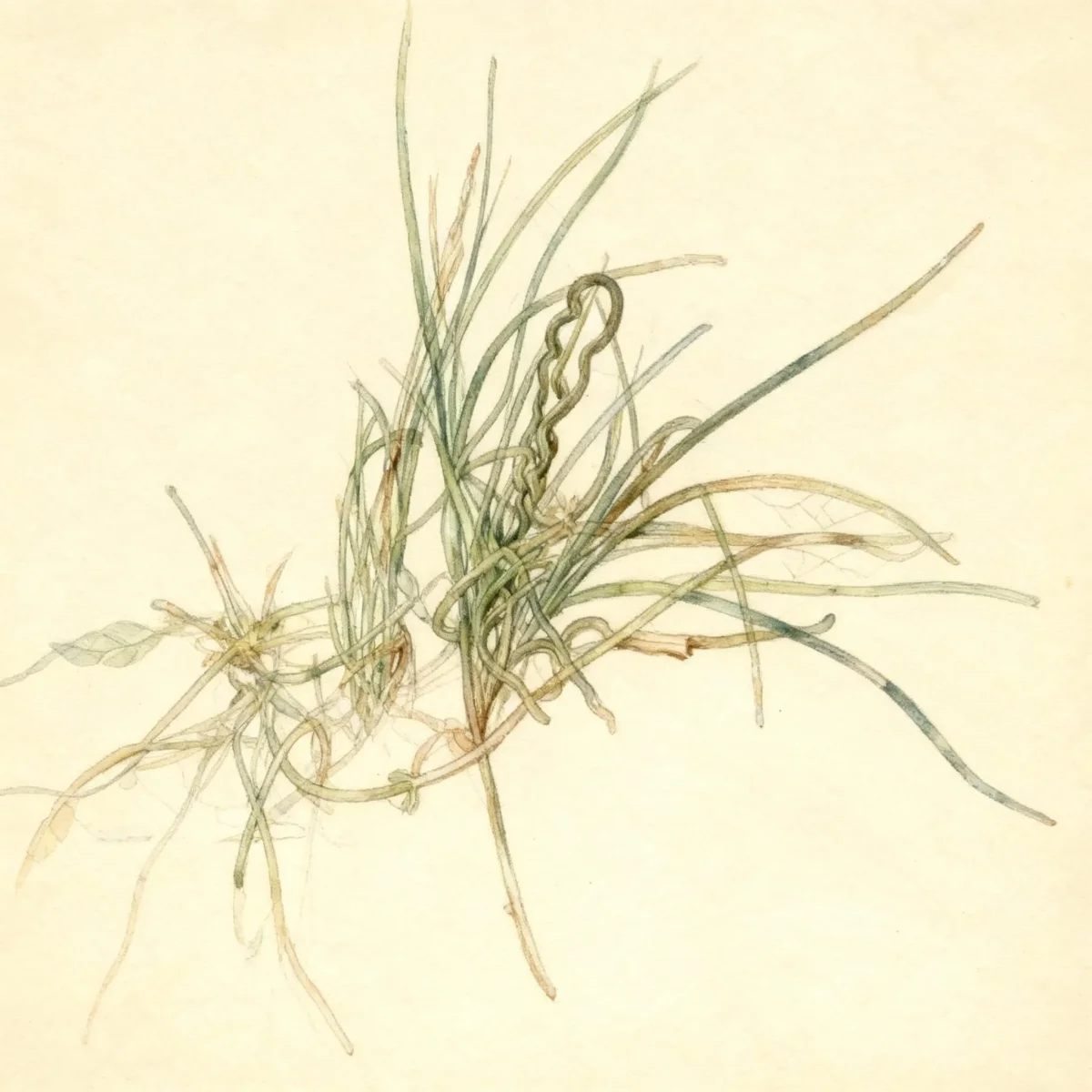
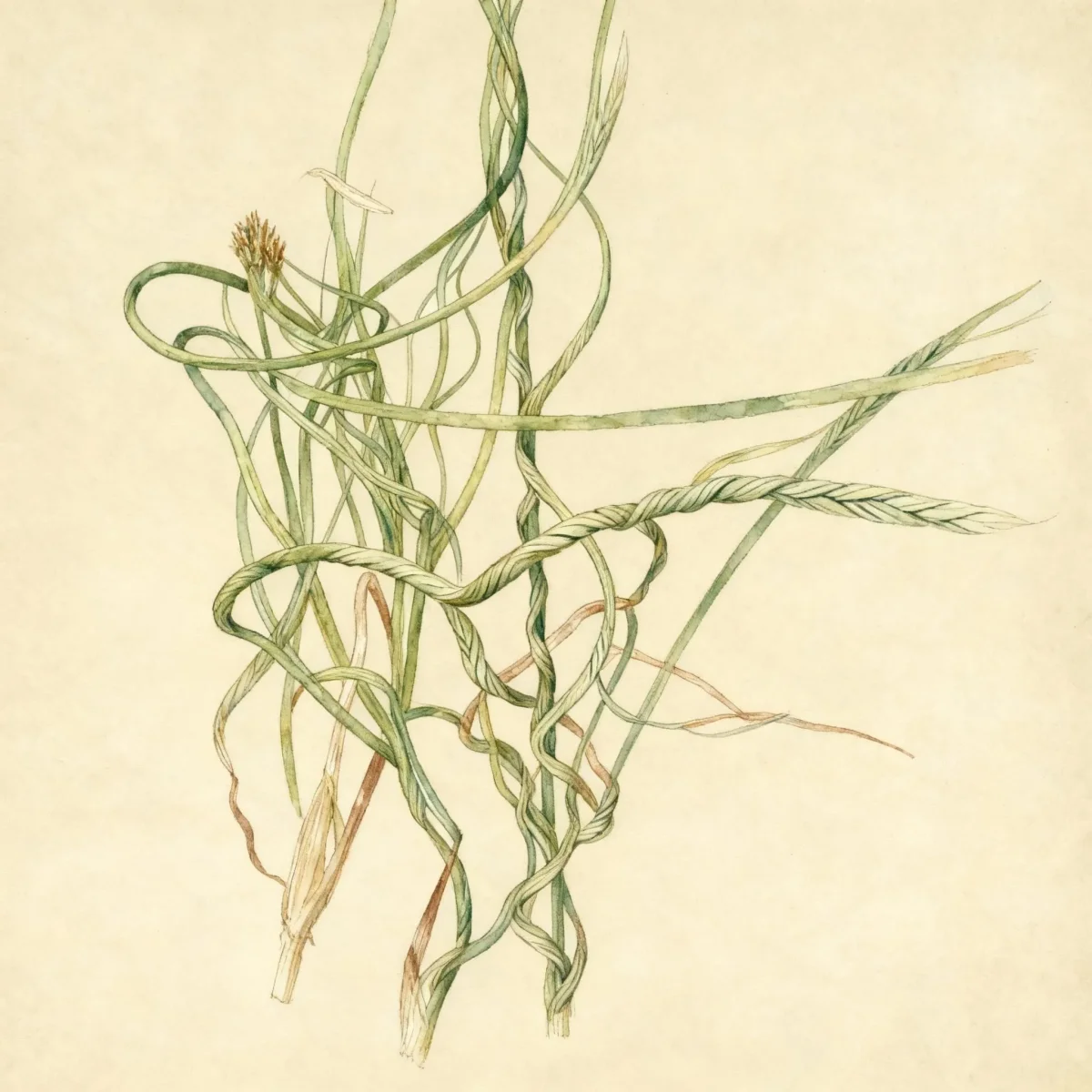
Rush (Juncus inflexus BLUE MOHAWK)
Juncus inflexus BLUE MOHAWK is a striking Rush prized for its upright, blue-green stems. Low maintenance and thrives in wet soils.
Scroll down to discover growing tips, care requirements, companion plants, and more
Complete Plant Information
Overview
The cultivar Juncus inflexus BLUE MOHAWK offers exceptional vertical interest in the landscape with its distinctive, upright, cylindrical, blue-green stems, setting it apart from many traditional grasses. This variety of Rush fills a crucial niche for gardeners needing reliable texture and color in consistently moist to wet environments. As a rhizomatous perennial, this Rush slowly spreads, creating dense, architectural clumps perfect for contemporary garden designs or naturalized settings around water features.
Valued for its low maintenance requirements, Juncus inflexus BLUE MOHAWK establishes well, especially when provided with its preferred high moisture levels, thriving even in shallow standing water. Its strong vertical habit makes it an excellent structural element, drawing the eye upward and contrasting beautifully with broad-leaved perennials or finer textures. Gardeners seeking drought-tolerant plants should look elsewhere, as consistency in moisture is key to maintaining the vibrant blue hue of the stems.
Historically, rushes have been utilized for practical purposes like basket weaving, but the BLUE MOHAWK cultivar excels primarily as an ornamental. It provides year-round interest in warmer climates, contributing significantly to water garden aesthetics and erosion control along banks. Its reliability ensures that even novice gardeners can successfully incorporate this handsome Rush into their designs.
Fast Facts
- Plant Family: Juncaceae
- Plant Type: Rush or Sedge
- Hardiness Zones: USDA Zones 5-9
- Size at Maturity:
- Height: 2-3 ft
- Spread: 1.5-2 ft
- Bloom Time: June to July
- Bloom Description: Yellowish green
- Sun Exposure: Full sun
- Water Needs: Wet
- Maintenance Level: Low
How to Grow
Planting Juncus inflexus BLUE MOHAWK should occur when soils are moist, ideally in spring or early fall, ensuring its establishment period coincides with consistent moisture availability. This Rush demands full sun for the best stem color, although it will tolerate very light shade. It performs best in neutral to alkaline soils and handles heavy clay effectively, provided moisture levels remain high.
Watering is critical for this plant; ensure the soil is consistently moist to wet. It happily grows in standing water up to about three inches deep, making it ideal for rain gardens or pond edges. While established plants are surprisingly adaptable and can tolerate slightly drier conditions, avoid letting the soil dry out completely, as this stresses the Rush. Fertilization is rarely necessary when grown in its natural wet habitats.
Maintenance for this Rush is generally minimal. In colder winter climates (Zones 5/6), the foliage may die back, requiring a clean cut to the ground in early spring before new growth emerges. In warmer zones, the foliage may stay evergreen but can still benefit from being cut back lightly in early spring to refresh its appearance. Propagation is easily achieved via division of the creeping rhizomes in the spring.
Landscape Uses
Juncus inflexus BLUE MOHAWK is a superstar for aquatic and marginal plantings. It is perfectly suited for placement at the edge of ponds, in constructed bog gardens, or nestled among wet pebbles where consistent saturation is guaranteed. Its strong vertical structure makes it an excellent choice for adding rhythm and height along transitional waterside areas, where it also serves the functional benefit of erosion control.
Beyond true water gardens, this Rush is highly effective in landscape beds dedicated to moist conditions, such as rain gardens designed to capture storm runoff. It pairs wonderfully with plants that enjoy similar conditions but offer contrasting textures, such as Iris or Caltha. For a dynamic display, consider grouping the blue-green stems of Juncus inflexus BLUE MOHAWK with silvery foliage or bold, saturated flower colors.
This plant’s upright habit also lends itself beautifully to creating focal points or screening unsightly utility boxes near wet areas. Furthermore, the selection BLUE MOHAWK can be successfully grown in large containers, as long as you diligently maintain the high water levels it requires, making it versatile for patios adjacent to water features.
Standout Features
Noteworthy Characteristics
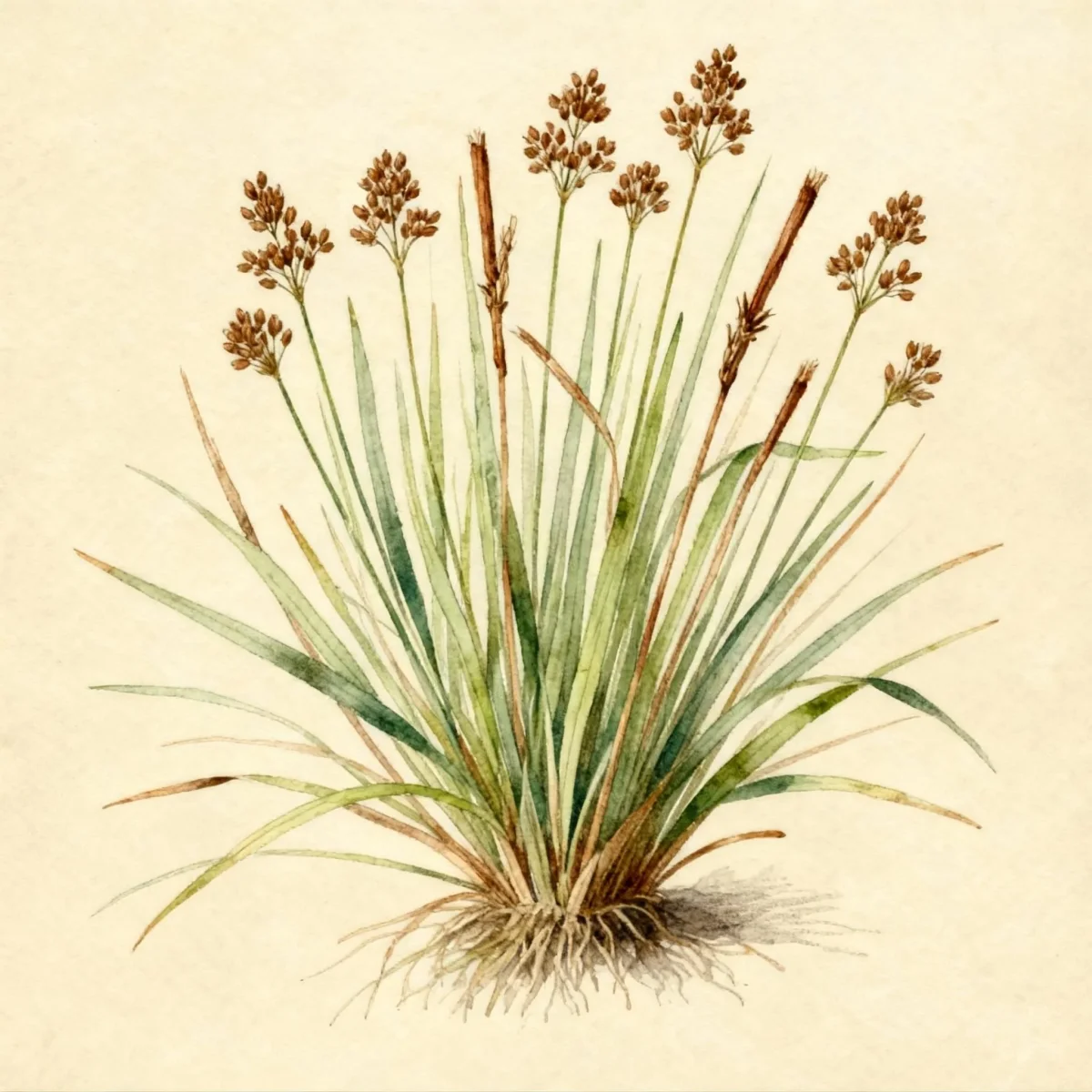
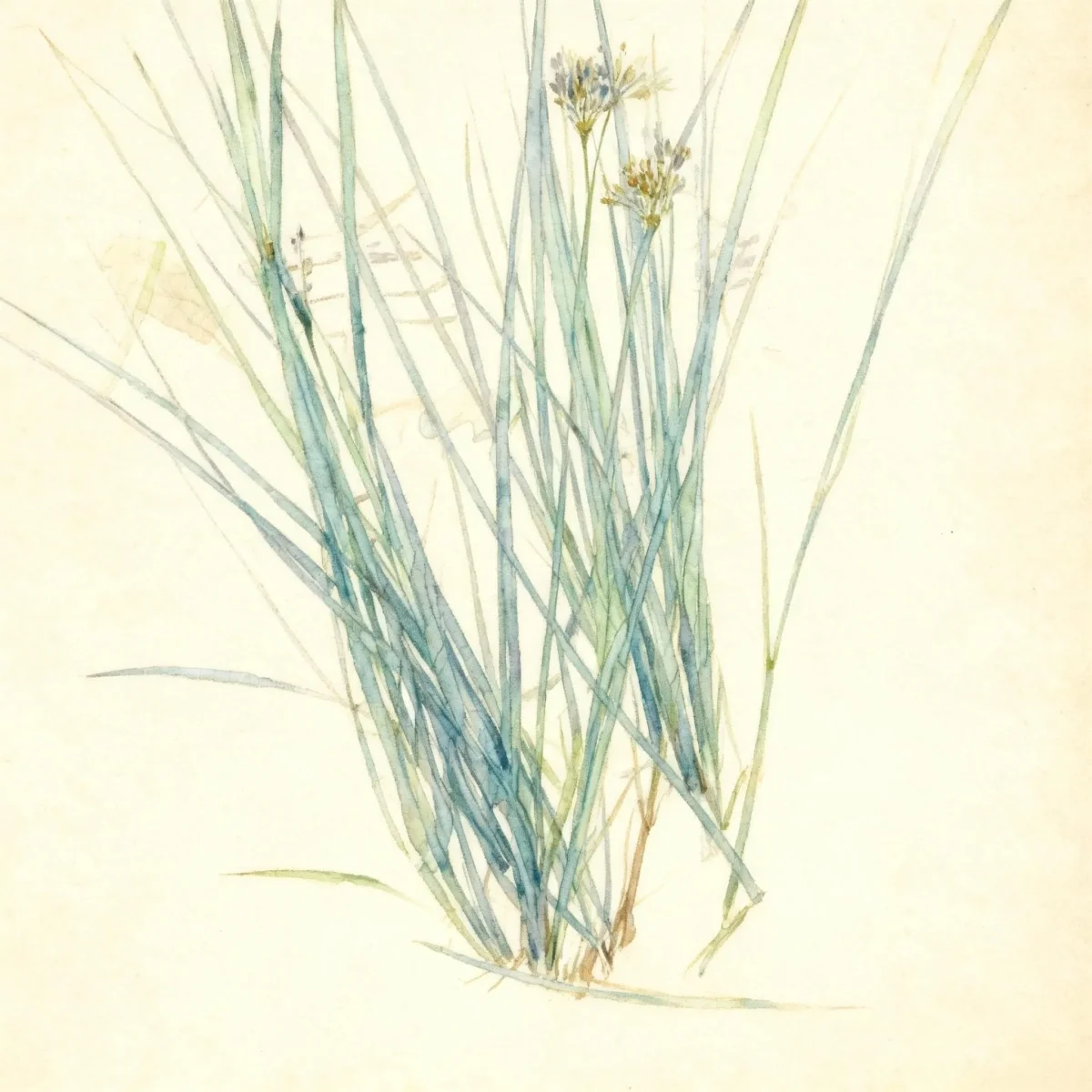
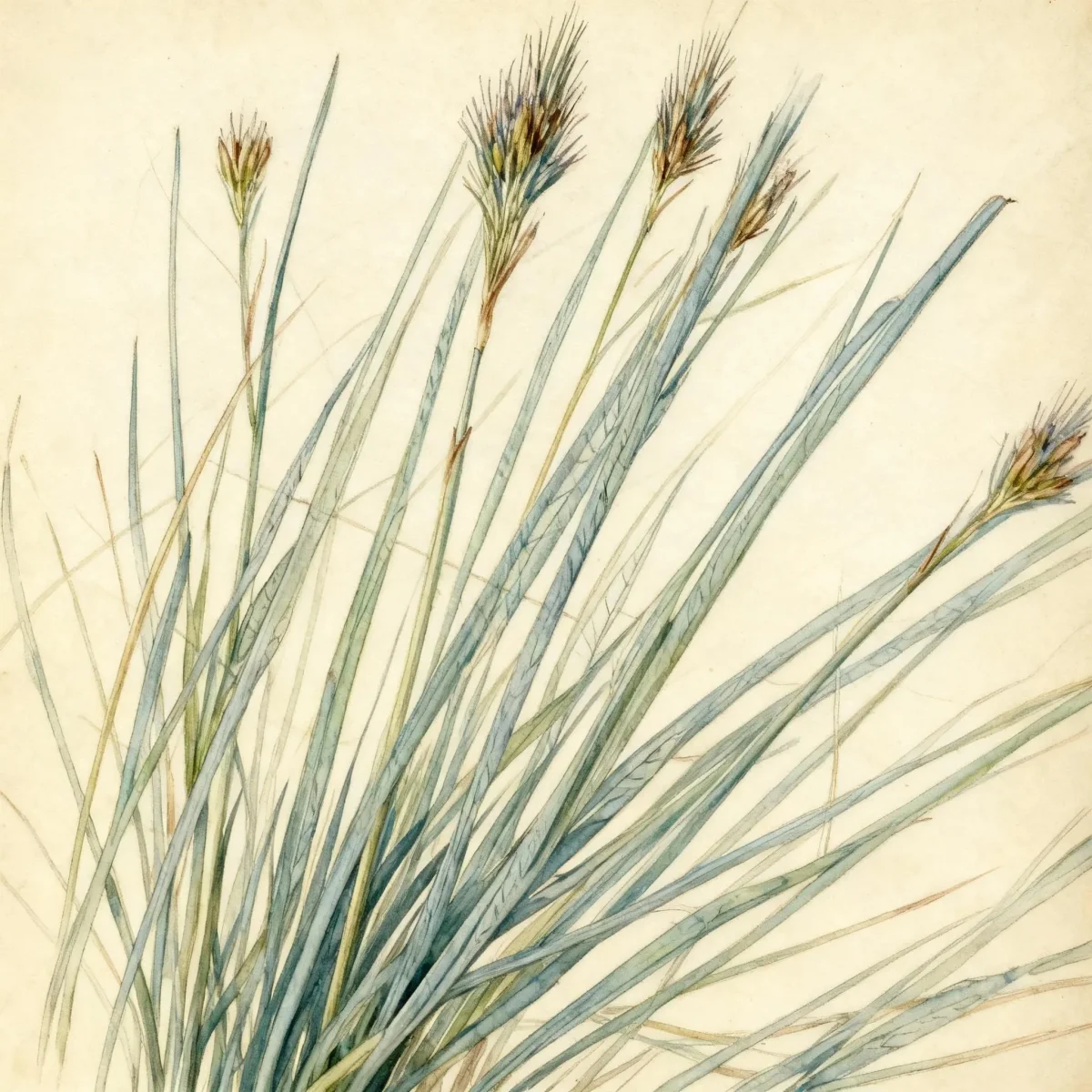
Juncus inflexus BLUE MOHAWK is distinguished by its dense tufts of upright, cylindrical, blue-green stems, giving it a strong architectural presence sometimes reaching 40 inches tall. This true rush is native to wetlands across Europe, Asia, and North Africa and now thrives as an introduced species in parts of northeastern North America. The cultivar BLUE MOHAWK specifically offers a narrow, upright habit ideal for adding texture and color contrast in moist garden settings.
Tolerances
- Wet Soil
Potential Problems
This Rush is largely unbothered by serious insect pests or common garden diseases, contributing to its low-maintenance appeal. Due to its inherent association with wet environments, the primary potential issue arises from cultural neglect—specifically, allowing the soil to dry out completely for extended periods outside of its established zone tolerances. If placed in drier garden soil, monitor water needs closely, particularly during hot summer spells.
Frequently Asked Questions
What hardiness zones is Rush suitable for?
Juncus inflexus BLUE MOHAWK is resilient across USDA Hardiness Zones 5 through 9.
How large does Juncus inflexus BLUE MOHAWK grow?
This variety typically reaches a mature height between 2 and 3 feet tall, spreading to about 1.5 to 2 feet wide.
What sun exposure does Juncus inflexus BLUE MOHAWK need?
This Rush requires full sun for optimal performance, although it can tolerate very light shade while still maintaining its structure.
When does Rush bloom?
Blooms appear from June to July, presenting as small, yellowish-green flowers along the stem ends.
Conclusion
The architectural form and striking blue-green color ensure that Juncus inflexus BLUE MOHAWK remains a valuable asset for water gardens and consistently moist borders. This low-maintenance Rush offers reliable verticality and texture throughout the growing season. Before planting, confirm your site provides the necessary wet soil conditions suitable for Zones 5-9 to ensure the best establishment of your new Rush.
Companion Planting
When integrating Juncus inflexus BLUE MOHAWK into a rain garden, consider pairing it with plants that share its love for wet feet but offer softer or contrasting foliage. Marsh Marigolds (Caltha palustris) bloom earlier with bright yellow flowers that complement the early rush blooms. For late-season texture, look towards tall sedges or the broad leaves of various ferns that thrive in damp shade transitioning into the sunnier rush areas.
Another excellent strategy is contrasting the strict vertical lines of the Rush with mounding or spreading plants. Native irises, such as Blue Flag Iris (Iris versicolor), look stunning next to the upright stems of Juncus inflexus BLUE MOHAWK and handle similar wet edge conditions. Providing diverse vertical layers ensures visual interest throughout the year, even when the Rush itself is dormant in deep winter.
Propagation Tips
Division is the simplest and most recommended method for increasing your supply of Juncus inflexus BLUE MOHAWK. Since this Rush spreads slowly by creeping rhizomes, perform division in the early spring just as new growth is initiating, ensuring each new clump has a robust root system attached. Dig up the clump and gently separate the sections using a sharp spade or knife.
If you wish to propagate via seed, collect the tiny, short-beaked brown seed capsules after the yellowish-green flowers fade in mid-to-late summer. While Juncus inflexus BLUE MOHAWK may self-seed, hand-sowing collected seed in moist potting media ensures better germination rates than waiting for natural dispersal. Seed-grown plants may take longer to reach mature size compared to divided clumps.
Because this plant establishes slowly, new divisions or seedlings must be placed in their permanent, consistently moist locations promptly. Do not allow seedlings to become root-bound in small pots, as establishing roots in saturated environments is crucial for the long-term success of this attractive Rush.