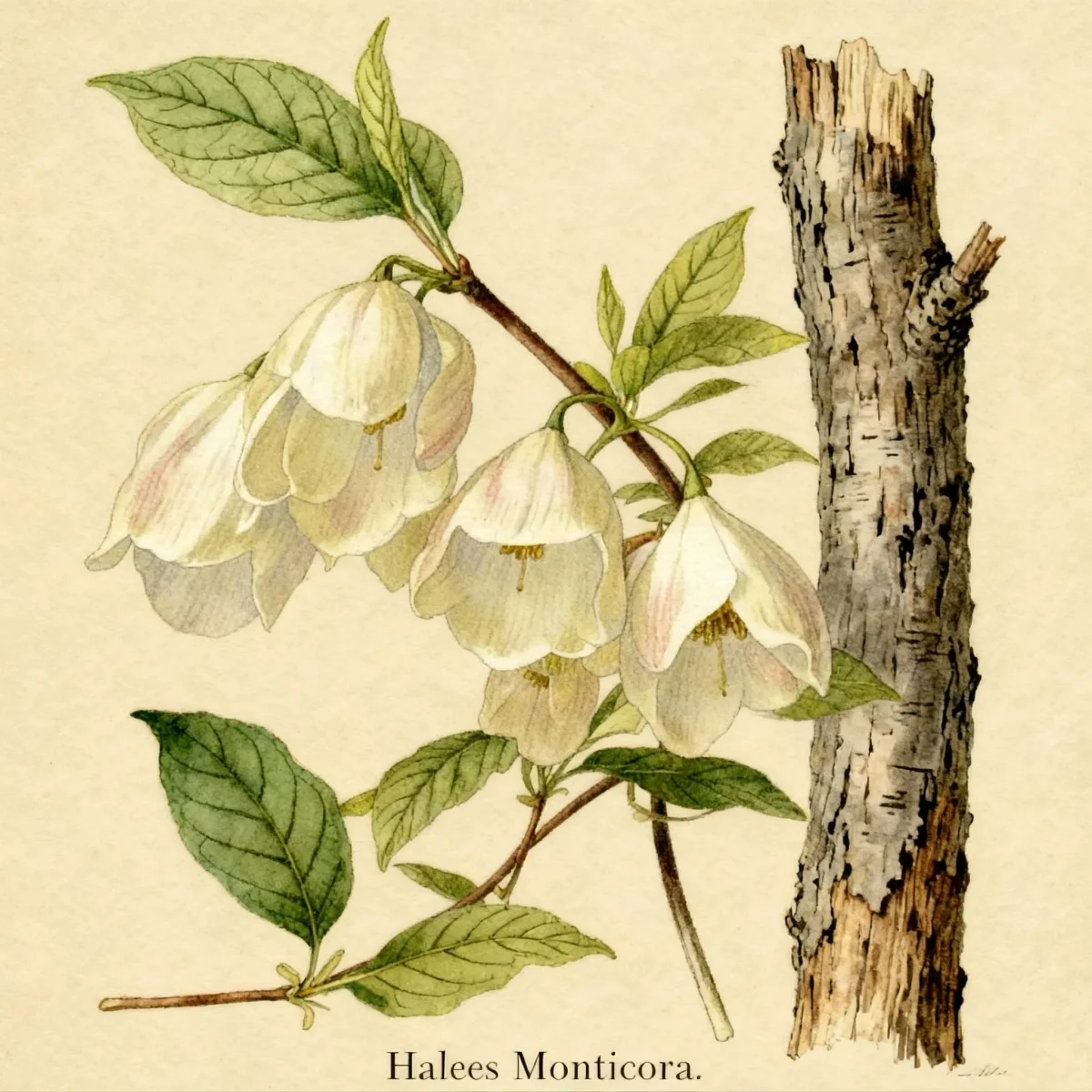
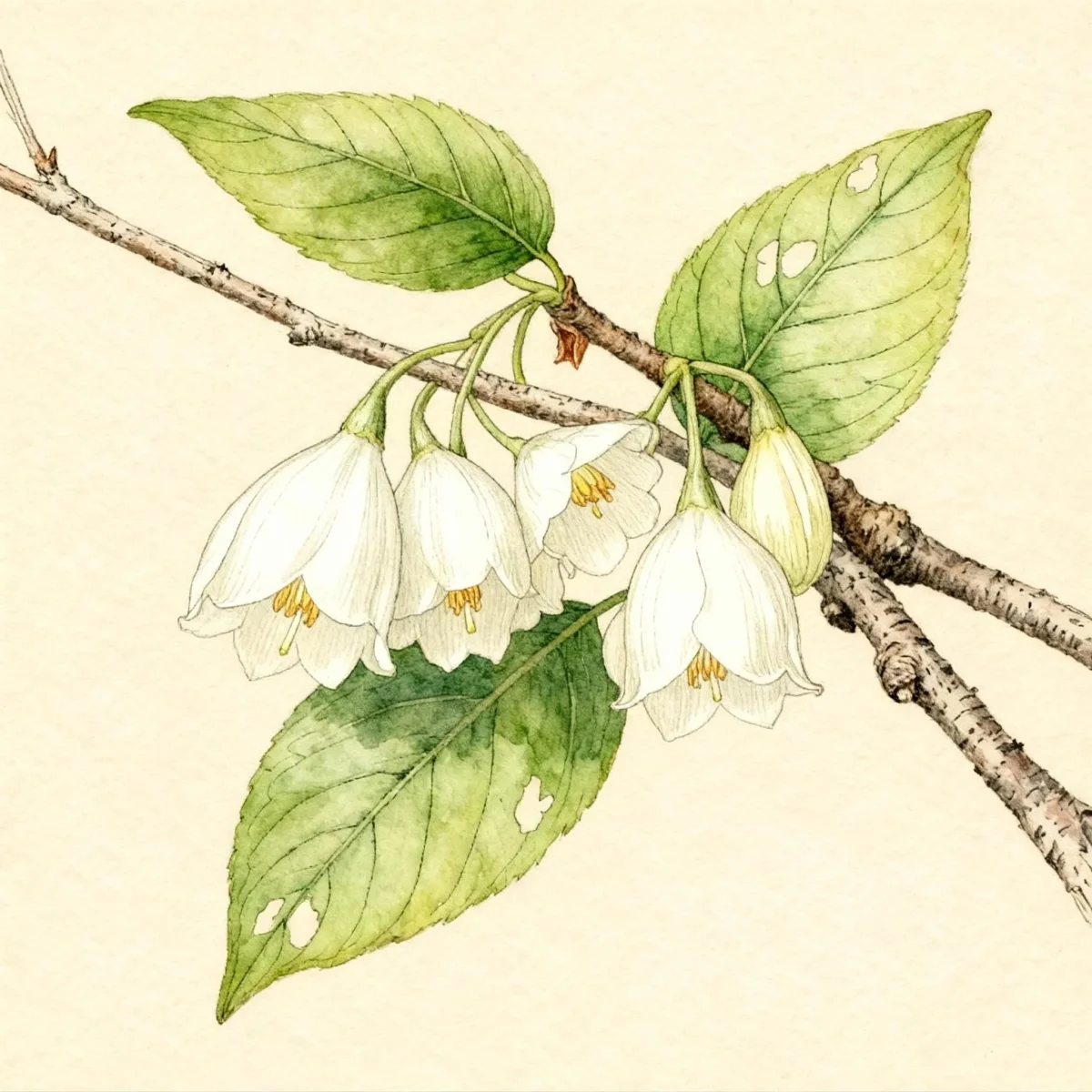
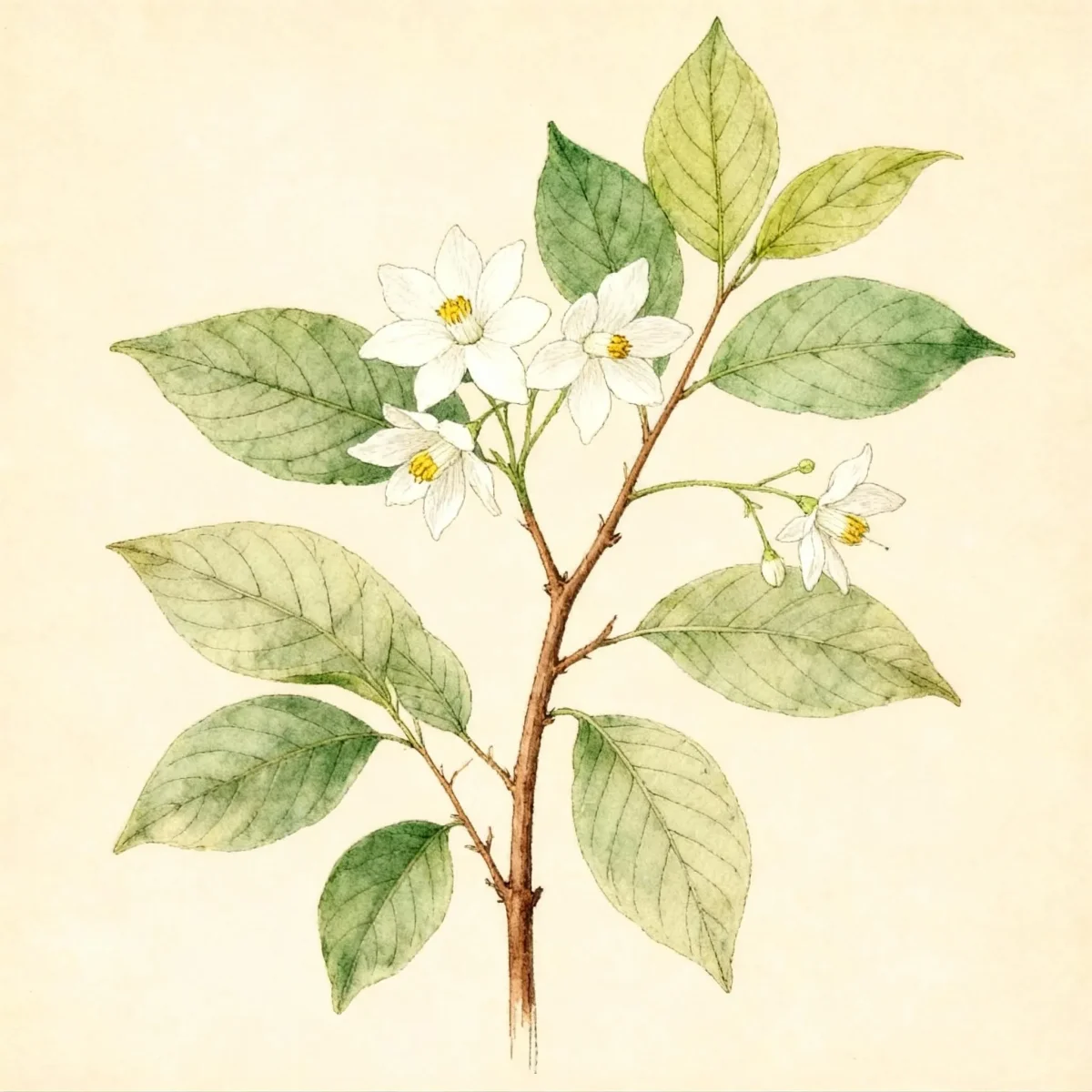
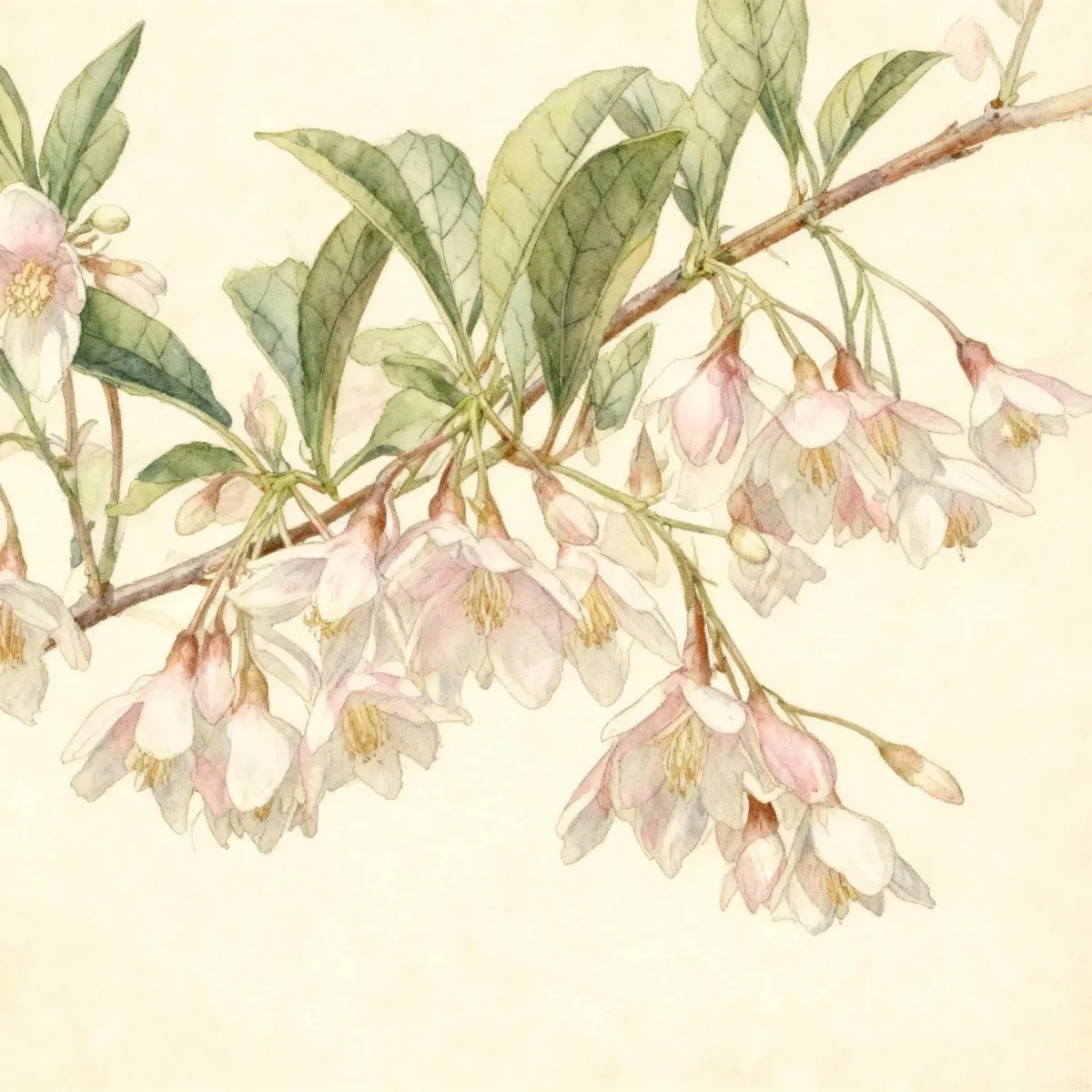
Silverbell tree (Halesia diptera (Magniflora Group))
The Silverbell tree, Halesia diptera (Magniflora Group), offers spectacular white bell flowers in spring. A beautiful, low-maintenance feature tree for zones 5-8.
Scroll down to discover growing tips, care requirements, companion plants, and more
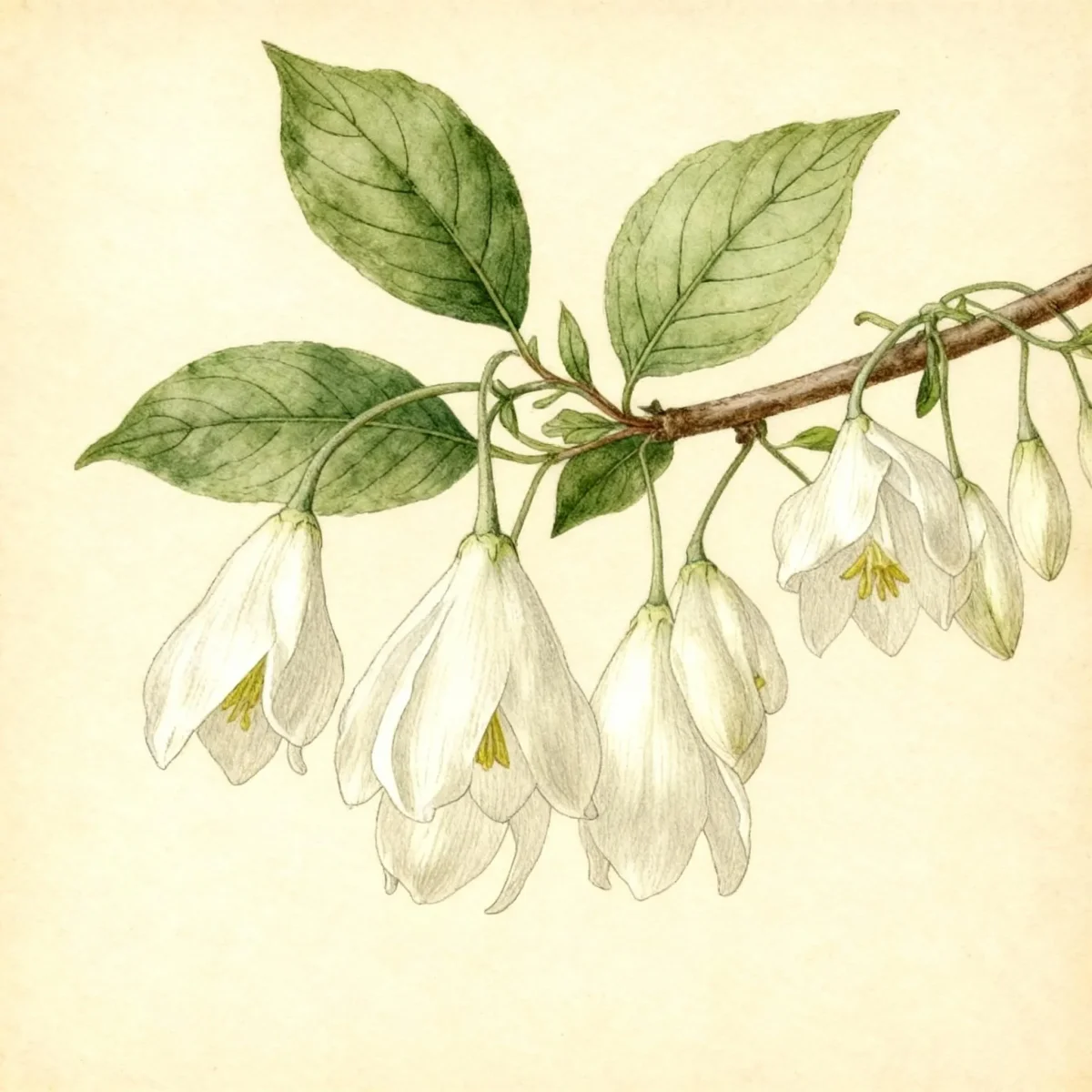
Complete Plant Information
Overview
The Silverbell tree, scientifically known as Halesia diptera (Magniflora Group), is a highly valued, relatively small deciduous specimen prized for its magnificent spring floral display. This variety, belonging to the Magniflora Group, is noted for producing larger and more abundant flowers than its standard counterpart. Ideal for creating a focal point, this tree provides architectural interest year-round.
Native to the humid floodplains and swampy areas along the Gulf Coast, this plant brings a touch of woodland elegance to home landscapes. It develops a lovely rounded form, maturing into a structure that is easily manageable for typical suburban yards. Gardeners appreciate the Halesia diptera (Magniflora Group) for its stunning white, bell-shaped blossoms that herald the arrival of warmer weather between April and May.
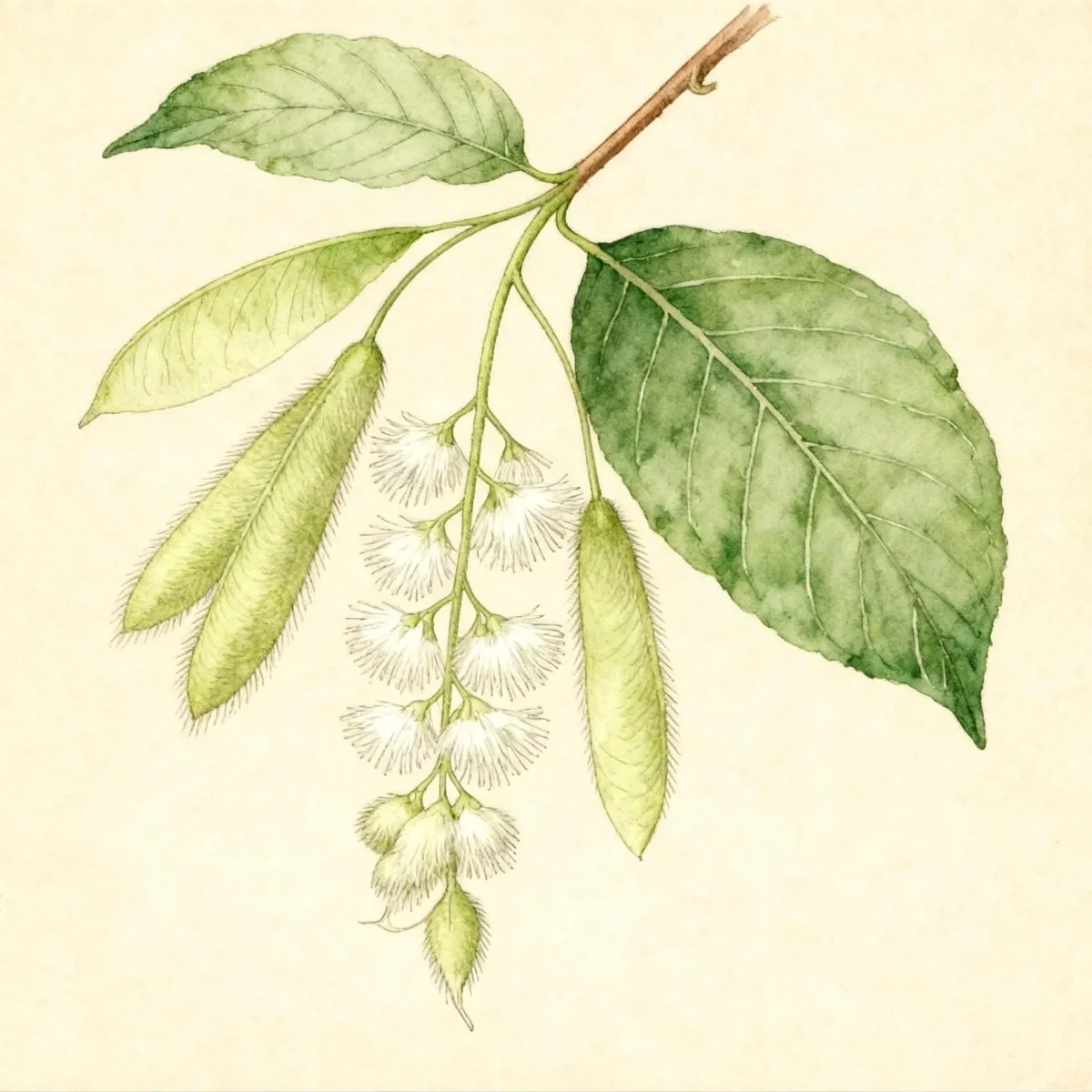
This tree’s low maintenance requirements further enhance its appeal. While it thrives in slightly wetter environments naturally, it adapts well to average garden soils, provided they are well-drained. Its ornamental value is sustained by attractive bark, season-appropriate foliage, and noticeable winged fruits, securing its place as an excellent flowering tree selection.
Fast Facts
- Plant Family: Styracaceae
- Plant Type: Tree
- Hardiness Zones: USDA Zones 5-8
- Size at Maturity:
- Height: 20-30 ft
- Spread: 20-30 ft
- Bloom Time: April to May
- Bloom Description: White
- Sun Exposure: Full sun to part shade
- Water Needs: Medium
- Maintenance Level: Low
How to Grow
Planting your Silverbell tree is best done in spring or early fall when temperatures are moderate. Select a location that provides either full sun or dappled, part shade; avoid locations that receive intense, scorching afternoon sun. The Halesia diptera (Magniflora Group) performs best in moist, acidic soils rich in organic matter. Ensure the chosen site has excellent drainage, as standing water can be detrimental, despite its native preference for wet areas.
Care for your new tree is straightforward once established. While it prefers medium moisture—meaning consistent checking during dry spells—it should not be waterlogged. The most crucial care step is mulching the root zone generously with organic material. This helps conserve soil moisture, keeps roots cool, and contributes to the slightly acidic soil conditions the plant favors.
Pruning is generally minimal, classifying this as a low-maintenance specimen. This tree can be allowed to grow as a large, multi-stemmed shrub or carefully trained into a single-trunk specimen early in its life. Remove dead or crossing branches during the dormant season to maintain a pleasing, rounded structure.
Landscape Uses
The Silverbell tree functions excellently as a standout flowering tree specimen, drawing the eye with its delicate spring blooms. Due to its medium size, reaching up to 30 feet tall and wide, it is perfectly scaled for placement near patios where its canopy can provide light filtered shade during the summer months. Its graceful, rounded habit makes it an excellent anchor plant in woodland garden settings.
Consider integrating the Halesia diptera (Magniflora Group) into mixed shrub borders where its spring flowering contrasts nicely with early-blooming evergreens or later-flowering perennials. As it matures, its interesting exfoliating bark provides winter interest, rewarding its placement where it can be viewed year-round. Avoid planting too closely to structures when planning for its mature 30-foot spread.
Standout Features
Flower Qualities
- Showy
Fruit Qualities
- Showy
Noteworthy Characteristics
Halesia diptera, commonly known as two-winged silverbell, is a small deciduous tree or large shrub that is native to floodplains, stream banks, wet woods and swampy areas primarily along the Gulf Coast from South Carolina and northern Florida west to Texas. It grows with a rounded form to 20-30’ tall. Showy clusters (3 to 6 flowers per cluster) of bell-shaped white flowers (less than 1” wide) with deeply lobed petals appear in spring (April-May). The Magniflora Group primarily differs from the species by producing larger flowers (to 1 1/2” wide) in a more abundant bloom, and it is a Pennsylvania Horticultural Society Gold Medal Plant Award winner.
Tolerances
- Medium moisture soils
Potential Problems
The Silverbell tree is generally celebrated for its robust pest and disease resistance. Gardeners should rarely encounter serious insect infestations or chronic fungal issues when cultural needs are met. Prevention focuses primarily on ensuring the site conditions—particularly moisture level and drainage—are appropriate for the plant’s needs.
Frequently Asked Questions
What hardiness zones is Silverbell tree suitable for?
The Halesia diptera (Magniflora Group) is adaptable to USDA Hardiness Zones 5 through 8, making it a reliable choice for many temperate regions.
How large does Silverbell tree grow?
This tree typically matures to a height between 20 and 30 feet, with a comparable spread ranging from 20 to 30 feet, forming a notably rounded outline.
What sun exposure does Silverbell tree need?
This plant performs well in environments ranging from full sun to partial shade conditions, offering flexibility in landscape planning.
When does Silverbell tree bloom?
You can expect spectacular white flowers to appear on the Halesia diptera (Magniflora Group) from April into May, signaling the height of the spring season.
Conclusion
For gardeners seeking a reliable, moderately sized ornamental tree with a spectacular, low-effort floral show, the Silverbell tree is an outstanding choice. The superior blooms of the Halesia diptera (Magniflora Group) provide significant ornamental value, highlighted by its easygoing nature. Before planting, confirm your site offers the medium moisture, well-drained, slightly acidic conditions necessary for this beautiful plant to thrive.
Companion Planting
Selecting appropriate companions for the Silverbell tree involves choosing other woodland edge species that appreciate similar soil pH and moisture levels. Azaleas and Rhododendrons are excellent partners, as they share a preference for acidic, rich, moist soil, creating a lovely layered effect beneath the tree’s canopy. Plants that thrive in partial shade, such as Hosta varieties or woodland ferns, can enhance the ground cover around the base of the Halesia diptera.
Ensure any companion plants do not aggressively compete for the root zone, especially concerning water during dry spells. Since the Silverbell tree prefers mulch, consider groundcovers that tolerate or thrive under a layer of organic material, such as native wild ginger or specific types of woodland phlox, to maintain aesthetic appeal while conserving soil moisture.
Seasonal Care Calendar
Spring is the vital time for the Silverbell tree; observe the emergence of its abundant white flowers and ensure consistent watering immediately following the bloom period as the foliage develops rapidly. Summer care centers around maintaining uniform soil moisture, especially if the season is dry, verifying that the mulch layer remains intact over the root zone.
Fall offers a pleasant display as the oval leaves turn yellow before dropping, signaling the approach of dormancy. During this time, cease heavy fertilization to encourage hardening off. Winter is the quiet season; minimal care is needed other than inspecting the structure for any broken limbs caused by heavy ice or snow before spring growth resumes.