Larkspur (Delphinium 'Misty Mauves')
Delphinium 'Misty Mauves' Larkspur offers showy, mauve spikes. Requires high maintenance across Zones 3-7.
Scroll down to discover growing tips, care requirements, companion plants, and more
Complete Plant Information
Overview
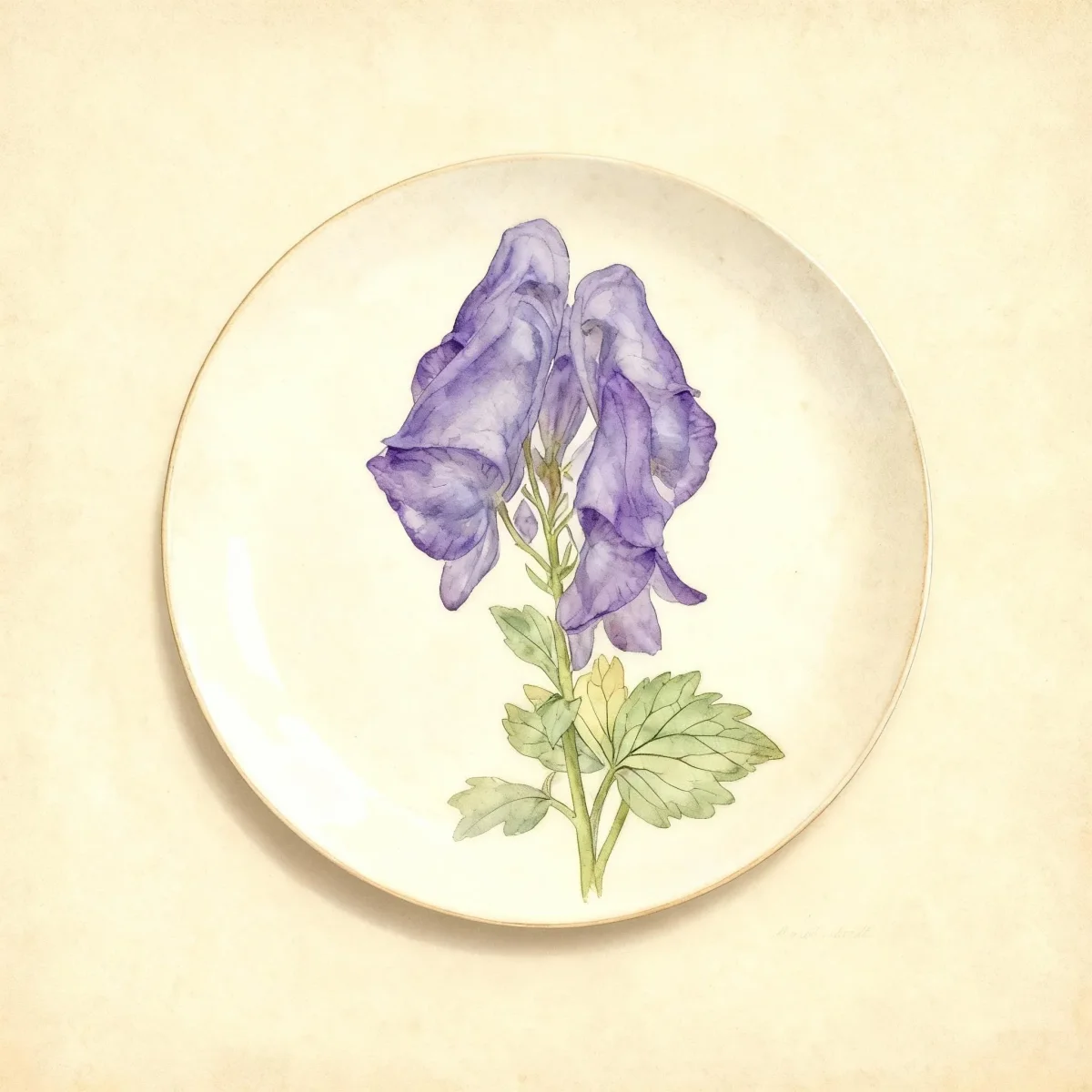
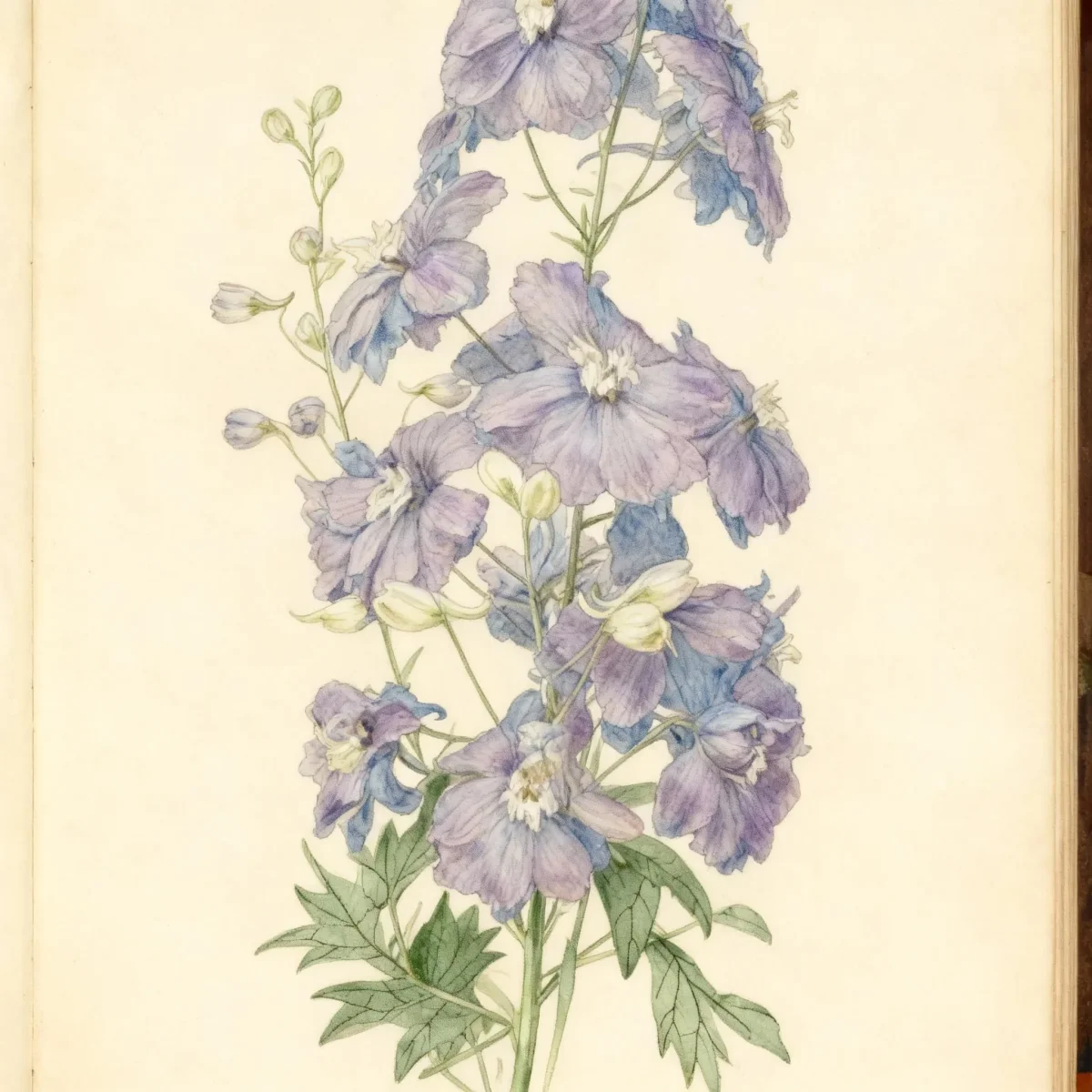
Delphinium ‘Misty Mauves’ provides stunning vertical accents, characterized by its frilly-petalled, mauve to purple blooms held aloft on slender spires. This variety, part of the New Millenium Series, is prized for its showy flowers, making it a standout in borders and an excellent choice for cutting gardens. While celebrated for its beauty, prospective growers should note that this species of Larkspur often demands high care.
This herbaceous perennial is best suited for cooler climates, thriving in USDA Zones 3 through 7, and generally performs poorly in hot, humid summers found south of Zone 7. Successful cultivation of Delphinium ‘Misty Mauves’ relies heavily on providing rich, well-drained soil and ensuring the tall flower spikes are adequately supported against wind and rain.
When grown as a perennial, prompt post-bloom pruning encourages repeat flowering later in the season, extending the display of this dependable Larkspur. Gardeners seeking reliable color must commit to the specified maintenance regime to ensure these magnificent blue candles stand tall from June through July.
Fast Facts
- Plant Family: Ranunculaceae
- Plant Type: Herbaceous perennial
- Hardiness Zones: USDA Zones 3-7
- Size at Maturity:
- Height: 3-4 ft
- Spread: 1-2 ft
- Bloom Time: June to July
- Bloom Description: Mauve to purple
- Sun Exposure: Full sun to part shade
- Water Needs: Medium
- Maintenance Level: High
How to Grow
For optimal growth, plant Delphinium ‘Misty Mauves’ in early spring if propagating as a perennial in cold regions. This Larkspur requires fertile, humus-rich soil with medium moisture retention, though drainage must be excellent to prevent crown rot. Full sun exposure is ideal, especially in cooler zones, as consistent sunlight helps plants resist powdery mildew.
Maintenance for Delphinium ‘Misty Mauves’ is significant, notably requiring staking to protect the tall, slender flower spikes from wind damage, which can otherwise cause them to lean or collapse. Maintain medium soil moisture by watering consistently at the base of the plant, avoiding foliage wetting, which can encourage fungal issues like botrytis blight.
After the initial flush of blooms in early summer, promptly shear the spent flower spikes back to the basal foliage. This essential pruning step often triggers a secondary bloom period later in the late summer or early fall. Bear in mind that ‘Misty Mauves’ is an F1 hybrid; while it might self-seed, subsequent plants will not retain the exact parent flower color or form, requiring gardeners to purchase new seed annually for true-to-type results.
Landscape Uses
Delphinium ‘Misty Mauves’ is superb in cottage gardens, providing vital vertical architecture against backdrops like stockade fences, which offer necessary protection from strong winds. These towering spikes are best integrated toward the back of perennial borders where their height (3 to 4 feet) can anchor a display. Planting Larkspur in well-defined groupings or massed arrangements enhances their dramatic columnar effect.
As an excellent cut flower choice, ensure you position plants where harvesting stems is convenient. Since this cultivar has shown resistance to common garden pests like deer and rabbits—a significant benefit—they can be safely placed near areas where these animals browse. The rich mauve-to-purple tones contrast beautifully with silvery foliage plants or mounds of lower-growing white or yellow flowers.
Standout Features
Flower Qualities
- Showy
- Good Cut
Noteworthy Characteristics
Delphinium is a genus consisting of over 300 species of annual, biennial and perennial flowering plants, with many commercially available varieties being complex hybrids like the Elatum Group. The genus name originates from the Greek word delphis (dolphin), referencing the shape of some species’ flower buds. ‘Misty Mauves’ is a compact F1 hybrid from New Zealand’s New Millenium Series, featuring semi-double, frilly-petalled flowers on stems reaching 3-4 feet tall.
Tolerances
- Rabbit
- Deer
Potential Problems
Delphiniums require considerable maintenance (staking, pruning, deadheading, disease control) in order to perform well in the garden. Delphiniums are generally susceptible to powdery mildew, botrytis blight, leaf spots and crown rot. Plants grown in full sun generally show better resistance to powdery mildew. Water plants at the base to avoid wetting the foliage. Crown rot will inevitably develop if plants are grown in poorly drained soils or planted too deep. Slugs and snails favor young growth, and larger plants should be monitored for aphids, leaf miners, stem borers, and mites. Remember that all parts of the plant are toxic to humans if ingested.
Frequently Asked Questions
What hardiness zones is Larkspur suitable for?
Delphinium ‘Misty Mauves’ is winter hardy in USDA Zones 3 through 7.
How large does Larkspur grow?
This cultivar typically reaches heights between 3 and 4 feet, with a spread of 1 to 2 feet wide.
What sun exposure does Delphinium ‘Misty Mauves’ need?
This plant prefers full sun but will appreciate some light afternoon shade, particularly where summer temperatures become intense.
When does Larkspur bloom?
The primary bloom time for Delphinium ‘Misty Mauves’ is June to July, displaying beautiful mauve to purple flowers.
Conclusion
Delphinium ‘Misty Mauves’ delivers exceptional vertical impact and showy, richly colored spikes valuable for both ornamental display and fresh bouquets. While its high maintenance requirement and specific preference for cooler summers means it may struggle in very hot regions, it rewards dedicated gardeners in cooler zones with reliable early summer beauty. Before planting, confirm your local hardiness zone and secure sturdy staking materials to ensure this beautiful Larkspur thrives.
Companion Planting
Selecting suitable companions is key to managing the high maintenance needs of Delphinium ‘Misty Mauves’. Plants that enjoy similar soil conditions—fertile, medium moisture, well-drained soil—are ideal partners. Grouping them with sturdier, sun-loving perennials helps mask the sometimes unsightly basal foliage after deadheading. Consider pairing them with silver-leaved plants like Lamb’s Ears (Stachys byzantina) or silvery artemisias; the contrasting textures reduce the visual impact of any necessary pruning or staking.
Design Ideas for Vertical Interest
Use Delphinium ‘Misty Mauves’ to create drama in mixed borders. Because of their height, they function perfectly as a backdrop plant, directly supporting the “back of beds and borders” recommendation. For a classic English garden feel, plant them alongside roses, peonies, and Shasta Daisies, which offer different bloom times and forms. To mitigate wind exposure, plant them closely against a sturdy structure, such as a wood fence, which provides both physical support and a dark background that allows the mauve flowers to shine brilliantly.