Shasta daisy (Leucanthemum × superbum 'Aglaia')
Leucanthemum × superbum 'Aglaia' offers abundant, showy white daisies, ideal for borders and cut flowers. Low maintenance perennial for Zones 5-9.
Scroll down to discover growing tips, care requirements, companion plants, and more

Complete Plant Information
Overview
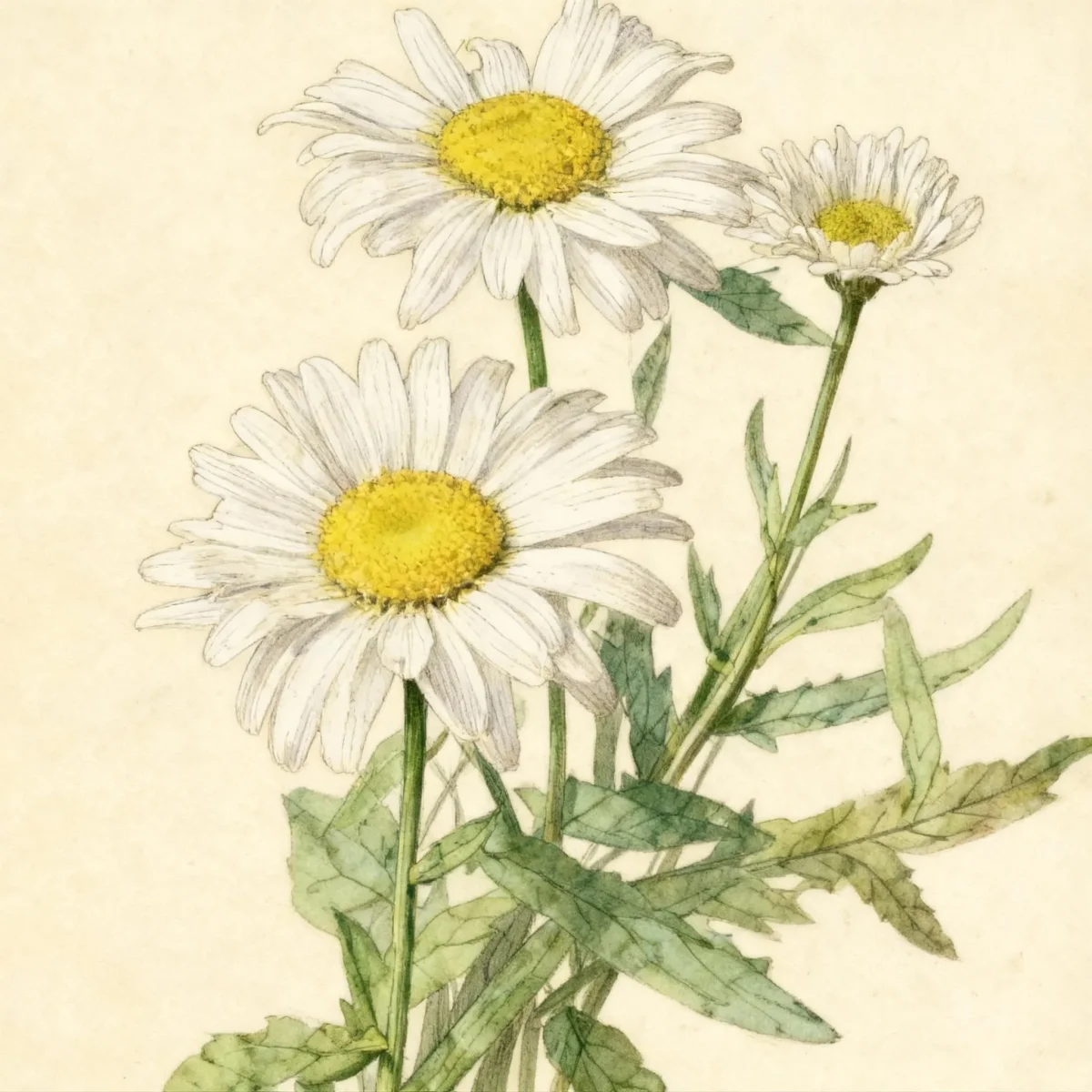
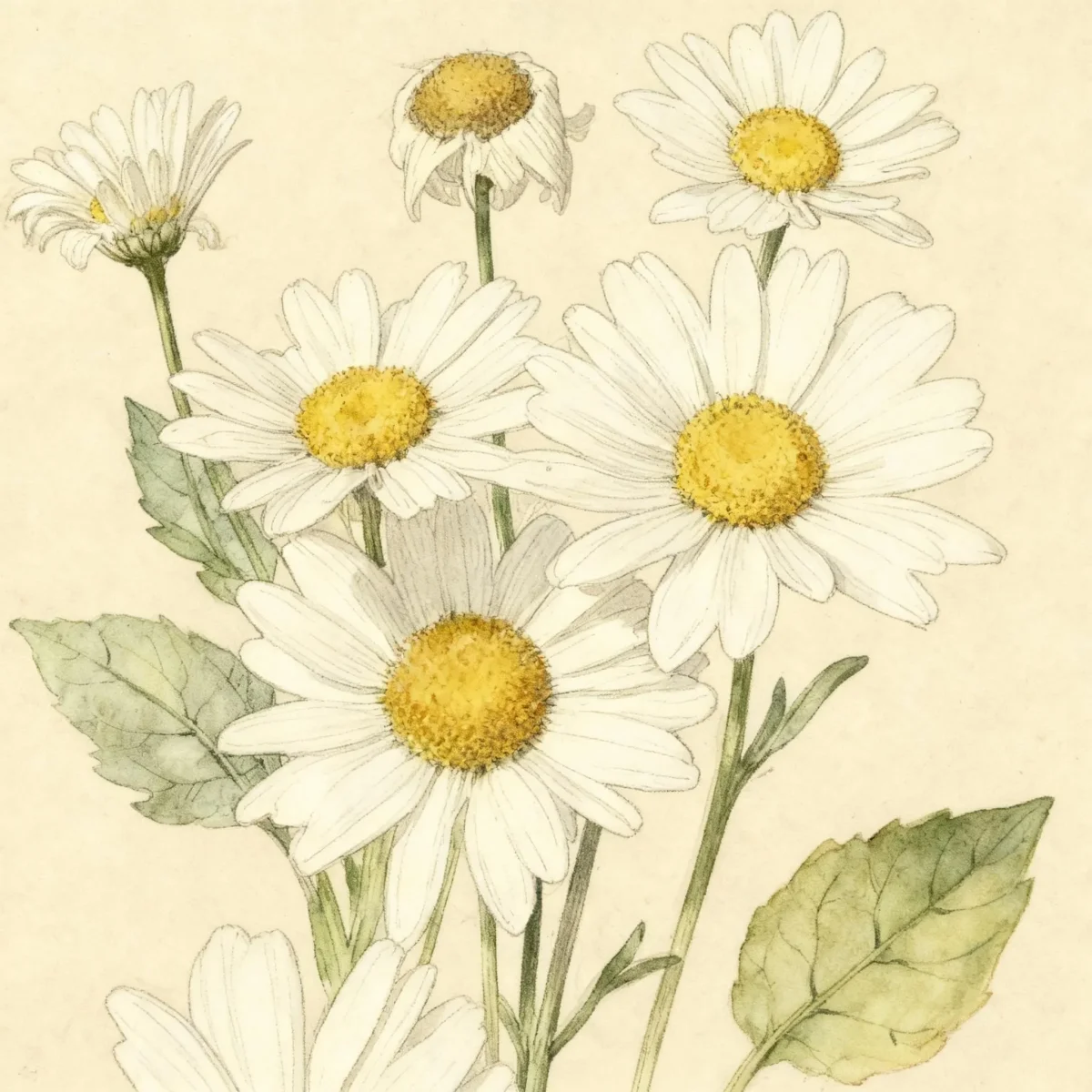
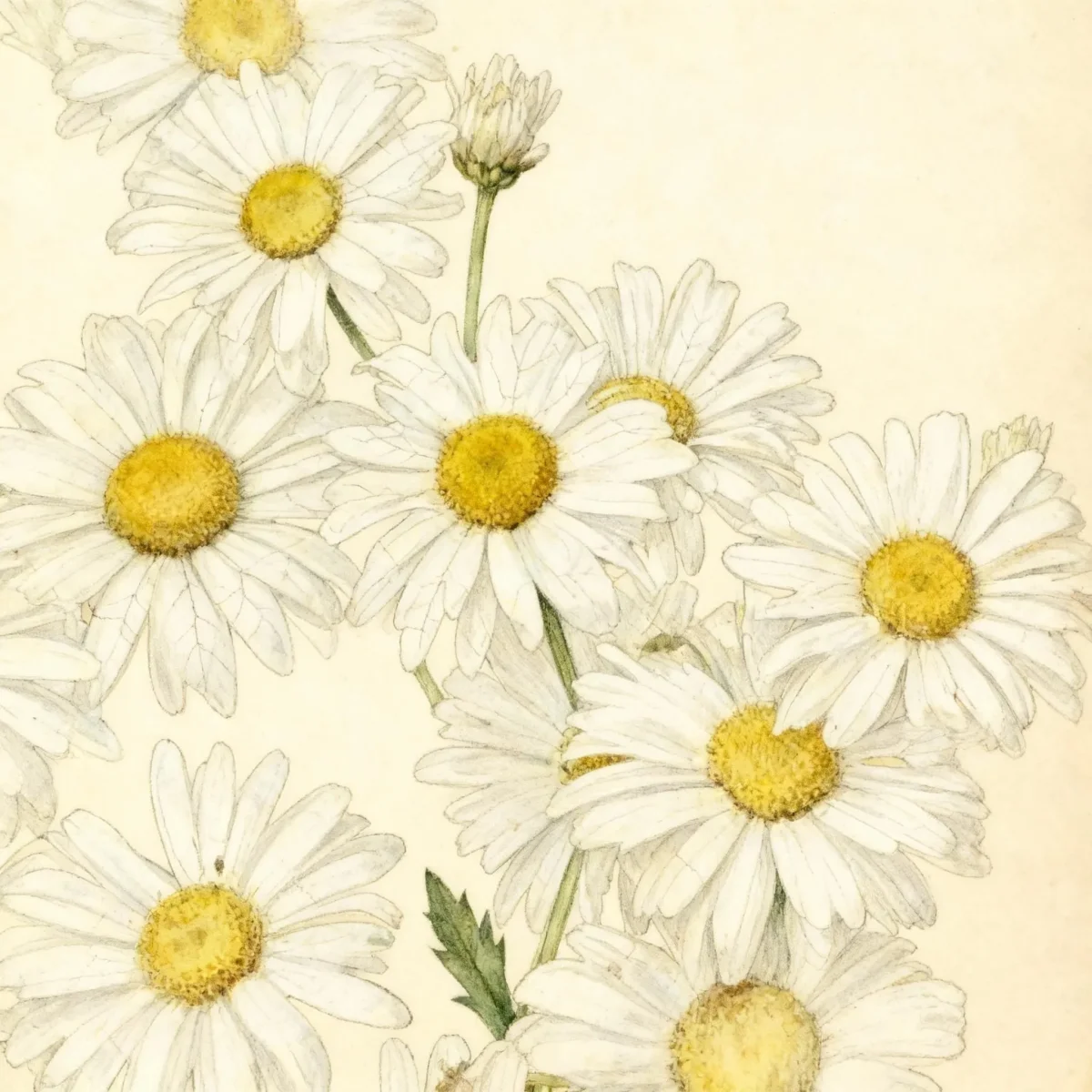
The Leucanthemum × superbum ‘Aglaia’, widely known as the Shasta daisy, brings classic, cheerful summer color to any garden setting. This sterile cultivar is prized for its profuse blooming of large, semi-double white daisies contrasting beautifully with bright yellow centers. As a robust herbaceous perennial, the Shasta daisy serves as a reliable workhorse, providing consistent performance throughout the warmest months.
This variety is remarkably easy to integrate into diverse planting schemes, thriving best in full sun locations where it can establish strong root systems. Its moderate height makes it perfect for filling the middle layers of perennial borders or providing structure in containers. Gardeners value the Leucanthemum × superbum ‘Aglaia’ for its low maintenance needs combined with its high visual impact.
A key benefit of planting the Leucanthemum × superbum ‘Aglaia’ is its excellent suitability for fresh floral arrangements. These stiffly held stems remain attractive in the vase, extending the enjoyment of these superb blooms well beyond their time in the garden bed. Ensure excellent drainage for long-term success with this dependable perennial.
Fast Facts
- Plant Family: Asteraceae
- Plant Type: Herbaceous perennial
- Hardiness Zones: USDA Zones 5-9
- Size at Maturity:
- Height: 1-2 ft
- Spread: 0.75-1.5 ft
- Bloom Time: July to September
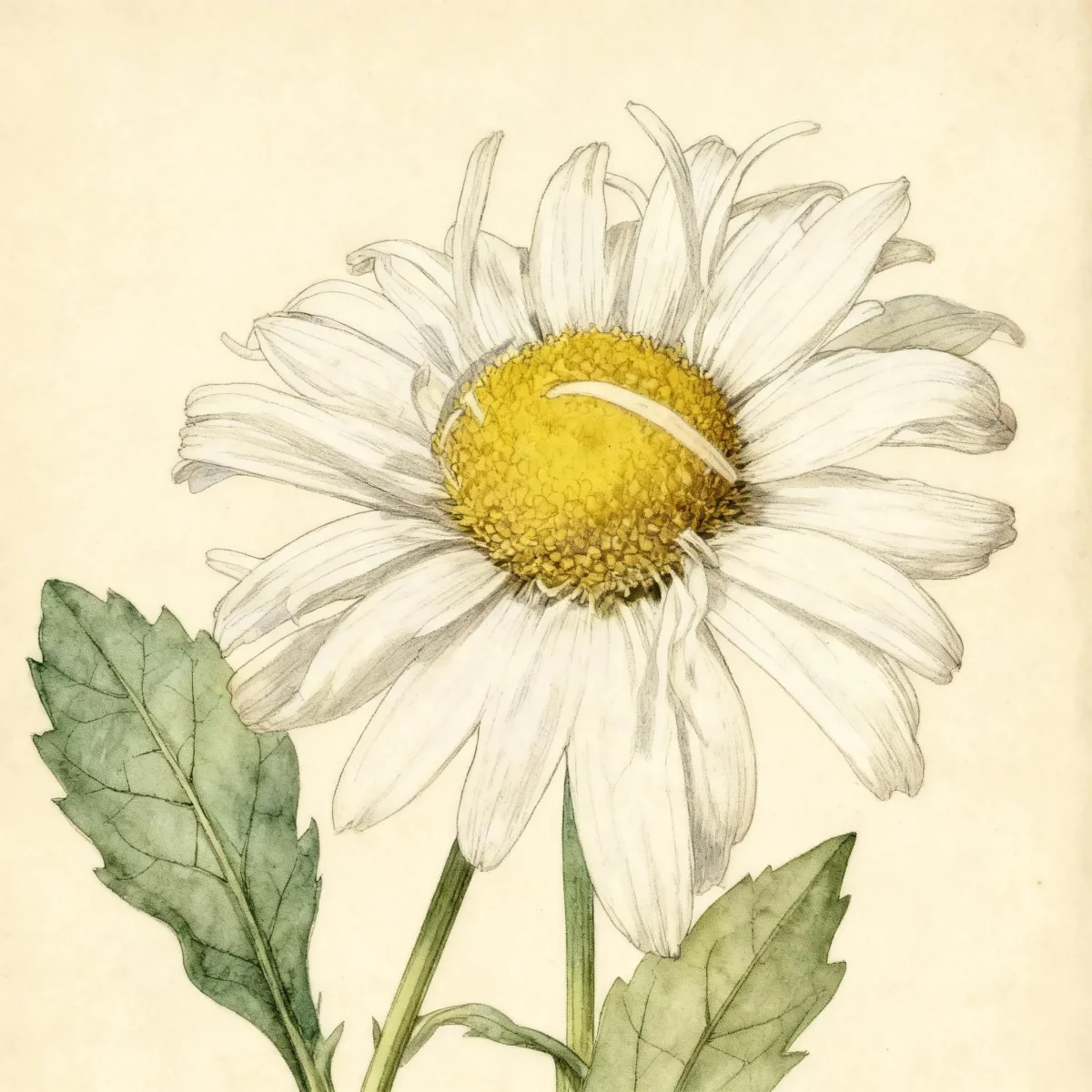
- Bloom Description: White rays with yellow center
- Sun Exposure: Full sun
- Water Needs: Dry to medium
- Maintenance Level: Low
How to Grow
Optimal planting time for Leucanthemum × superbum ‘Aglaia’ is typically spring or fall, allowing the roots to establish before the stress of summer heat or deep winter freezes. These daisies require average soil conditions but absolutely demand good drainage; wet soils, especially during winter dormancy, can quickly lead to fatal root rot. While they prefer full sun, they can tolerate light afternoon shade in very hot climates to mitigate drought stress.
Maintenance is generally low, fitting well into busy gardening schedules. Water deeply but infrequently once established, allowing the soil to dry somewhat between waterings—this aligns with their preference for dry to medium moisture levels. Deadheading spent flowers is recommended to encourage repeat blooming throughout the summer season, extending the display from July to September.
To maintain the vigor of your clumps of Shasta daisy, plan on dividing them every two to three years. Plants are somewhat short-lived, and division helps refresh the root structure and prevents overcrowding, which can reduce flower production. A final cultural tip is to consider cutting the stems back to the basal rosette after the main flowering period ends; this action preserves the plant’s energy reserves for the following season.
Landscape Uses
Shasta daisies provide long-lasting summer bloom and are mainstays of the perennial border, cottage garden and cutting garden. Their bright white structure offers excellent contrast against deep purple, blue, or dark green foliage companions. Consider integrating several Leucanthemum × superbum ‘Aglaia’ plants toward the middle or rear of a mixed border where they can be easily accessed for cutting.
These robust flowers also perform admirably in specialized settings. They are excellent choices for rock gardens where sharp drainage is naturally provided, helping to mimic their preferred native conditions. Furthermore, the moderate size of Leucanthemum × superbum ‘Aglaia’ makes them suitable for large containers, often paired with trailing annuals or deep-colored fillers to create striking summer displays near patios.
Standout Features
Flower Qualities
- Showy
- Good Cut
Noteworthy Characteristics
Leucanthemum × superbum, commonly called Shasta daisy, is a hybrid developed by Luther Burbank (1849-1926) in the 1890s near snow covered Mt. Shasta in northern California. Burbank crossed L. Vulgare (European oxeye daisy), L. Maximum (Pyrenees chrysanthemum), L. Lacustre (Portuguese field daisy) and Nipponanthemum nipponicum (Japanese field daisy) to produce Leucanthemum × superbum which was given the common name of Shasta daisy. The cultivar ‘Aglaia’ presents large, semi-double daisies (up to 4 1/2” diameter) on stiff stems rising above a basal rosette of dark green leaves.
Tolerances
- Rabbit
- Deer
- Drought
- Dry Soil
Potential Problems
Leucanthemums generally have some susceptibility to verticillium wilt, leaf spots and stem rots. To minimize fungal issues like leaf spots and rots, always ensure excellent air circulation around the plants and avoid overhead watering, especially late in the day. Proper spacing during planting is critical for managing these moisture-related diseases.
Pest pressure is generally light, but occasional visitors include aphids, which congregate on tender new growth, and mites, particularly if the plant is stressed by drought or heat. Regular inspection, especially of the undersides of leaves, enables early intervention. Heavy infestations of aphids can often be controlled with a strong jet of water or insecticidal soap, provided the plant is actively growing.
Frequently Asked Questions
What hardiness zones is Shasta daisy suitable for?
The Leucanthemum × superbum ‘Aglaia’ is hardy and reliably grows in USDA Zones 5 through 9.
How large does Leucanthemum × superbum ‘Aglaia’ grow?
This specific Shasta daisy cultivar generally achieves a height between 1 and 2 feet, with a spread ranging from 0.75 to 1.5 feet wide.
What sun exposure does Shasta daisy need?
These plants perform best when situated in full sun conditions, though they can tolerate minimal light shade, particularly in extremely hot summer regions.
When does Leucanthemum × superbum ‘Aglaia’ bloom?
The primary bloom period for the Shasta daisy is from July through September, showcasing its classic white rays with a yellow center.
Conclusion
The Leucanthemum × superbum ‘Aglaia’ stands out as a garden classic, delivering reliable, low-effort summer performance with its abundant, showy white daisies. As a sterile hybrid, this Shasta daisy ensures tidy garden beds without unwanted self-seeding. Evaluate your site conditions now to confirm you have full sun and well-drained soil before planning your planting schedule for this superb perennial.
Companion Planting
When designing borders around your Leucanthemum × superbum ‘Aglaia’, choose companions that share its cultural needs for sun and good drainage. Deep purple or blue flowers provide a striking visual complement to the daisy’s white petals. Consider planting spiky forms like Salvia, Veronica, or tall ornamental grasses nearby to add textural contrast to the soft, rounded habit of the Shasta daisy.
For cottage gardens, pair the Leucanthemum × superbum ‘Aglaia’ with classic companions like soft pink Foxgloves (Digitalis) or fluffy white Phlox paniculata. Since the daisy prefers slightly drier soil once established, avoid planting it directly beside thirsty border favorites that require constantly moist conditions. Careful companion selection ensures all plants thrive without competing aggressively for water reserves.
Seasonal Care Calendar
Early Spring Cleanup: Once new basal growth appears on your Shasta daisy, remove any remaining old, dead foliage from the crown. This improves air circulation, which helps prevent early-season fungal development. Avoid heavy fertilization at this time; a balanced, slow-release feed is sufficient if your soil is poor.
Mid-Summer Maintenance: Deadheading is your most important task in summer. Promptly remove spent blooms from the Leucanthemum × superbum ‘Aglaia’ to redirect the plant’s energy into producing new flowers rather than seeds. If stems get leggy due to rich soil or excessive heat, cut them back by one-third to encourage bushier regrowth.
Fall Division: If you notice performance declining or crowding, late summer or early fall is the ideal time to divide clumps of the Shasta daisy. Dig up the entire clump, separate it into smaller sections, and replant the healthy outer portions immediately into the prepared, well-drained soil. This rejuvenates the planting for many years of enjoyment.