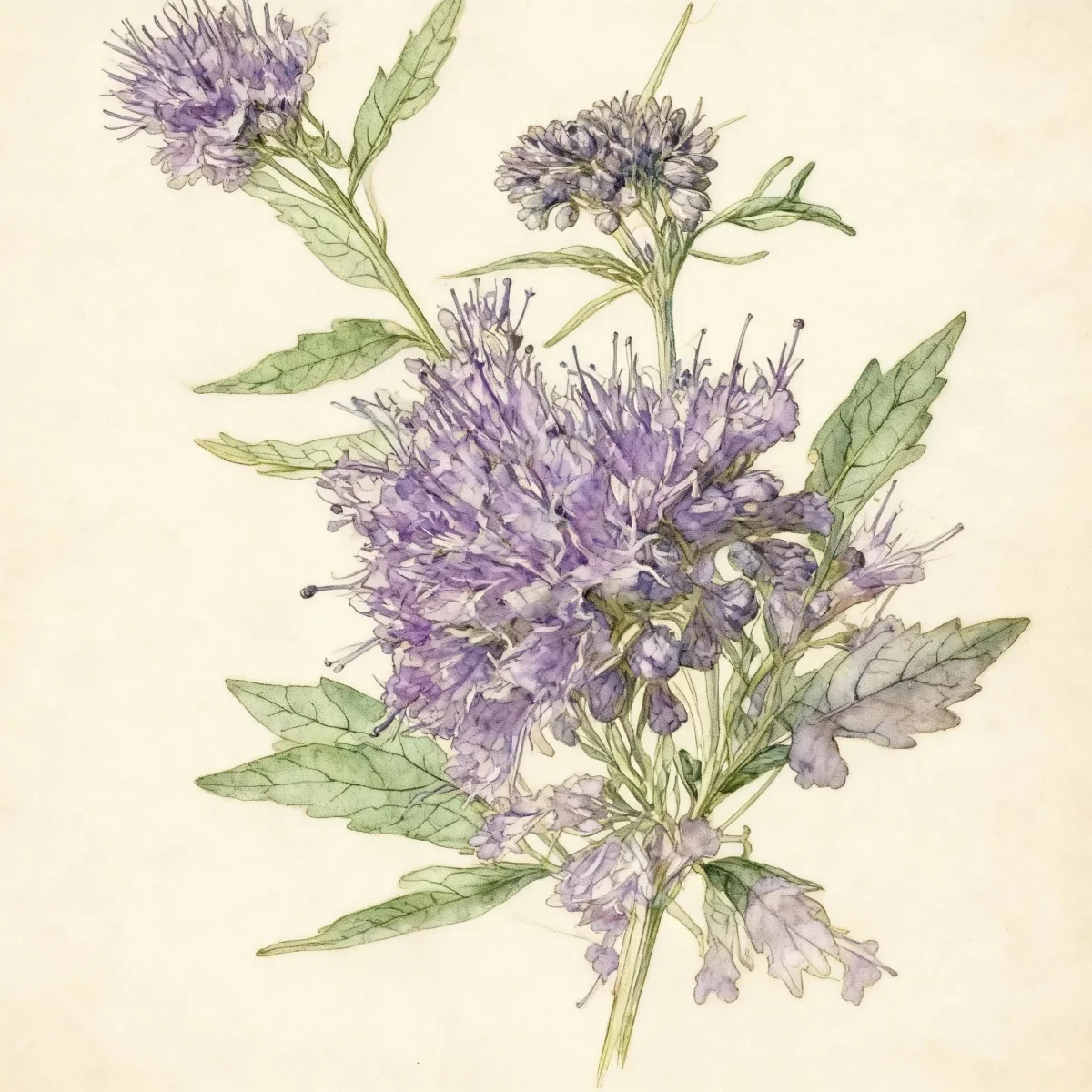
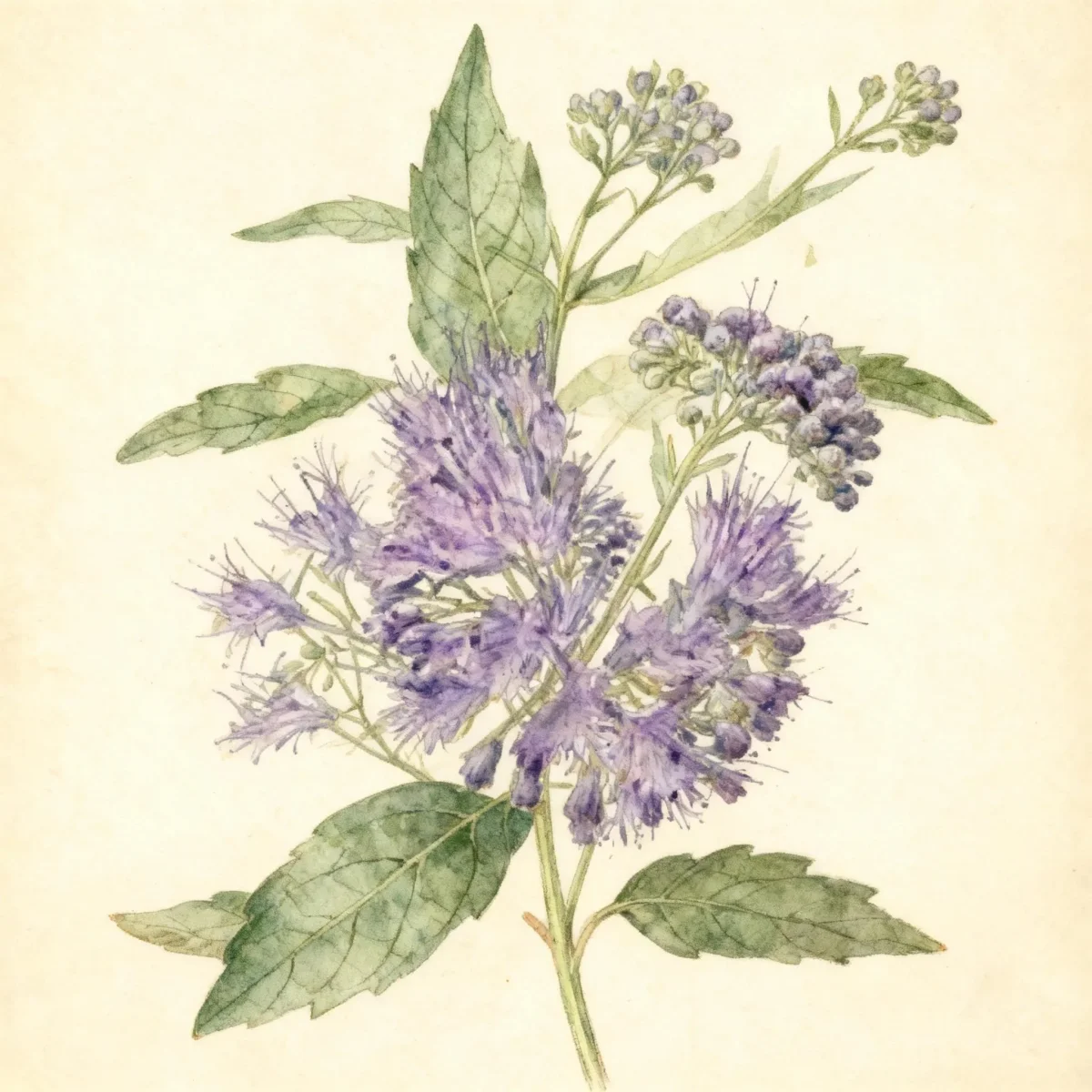
Bluebeard (Caryopteris × clandonensis 'Lissilv' STERLING SILVER)
Grow Caryopteris × clandonensis 'Lissilv' STERLING SILVER for beautiful late summer violet-blue blooms. This low-maintenance Bluebeard thrives in full sun.
Scroll down to discover growing tips, care requirements, companion plants, and more
Complete Plant Information
Overview
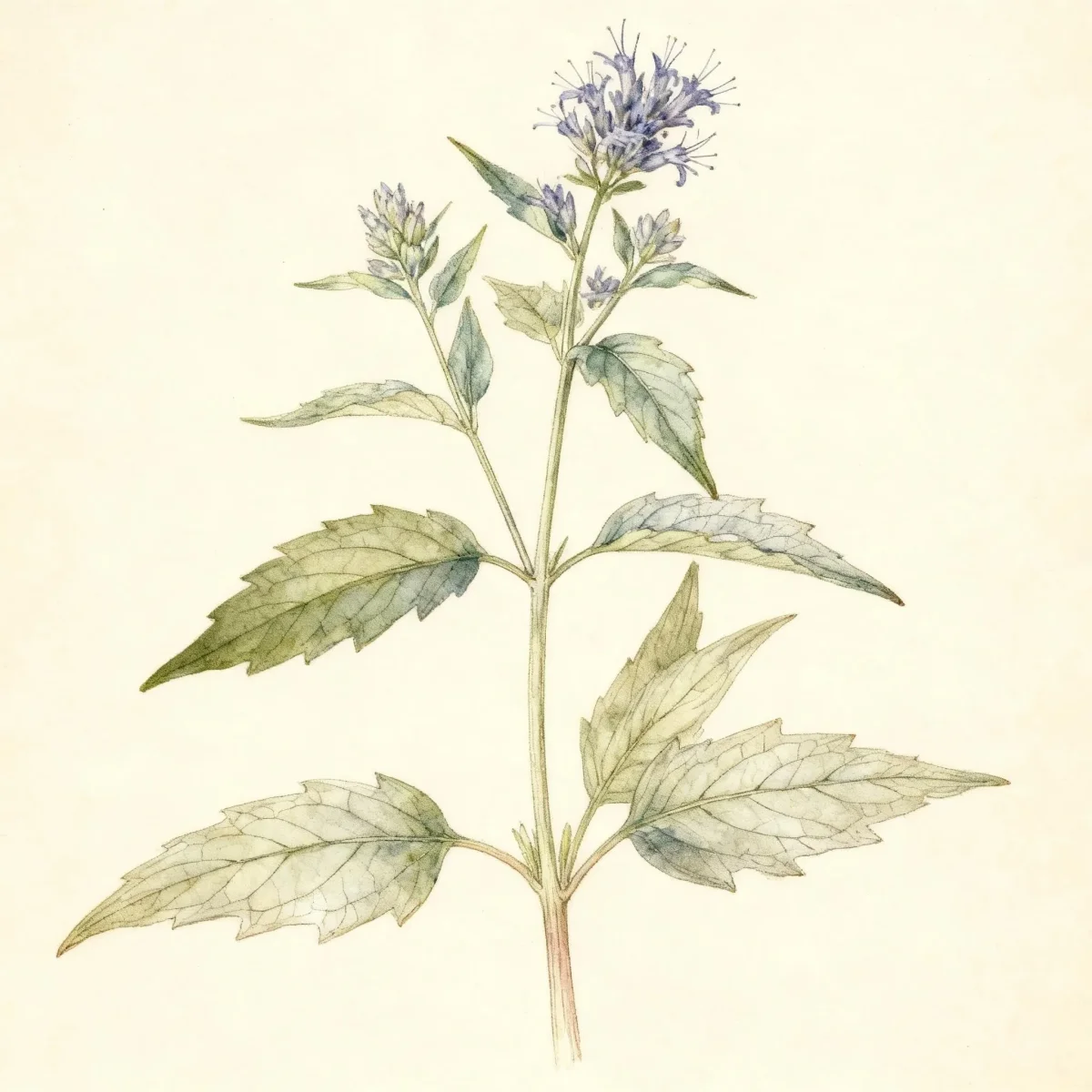
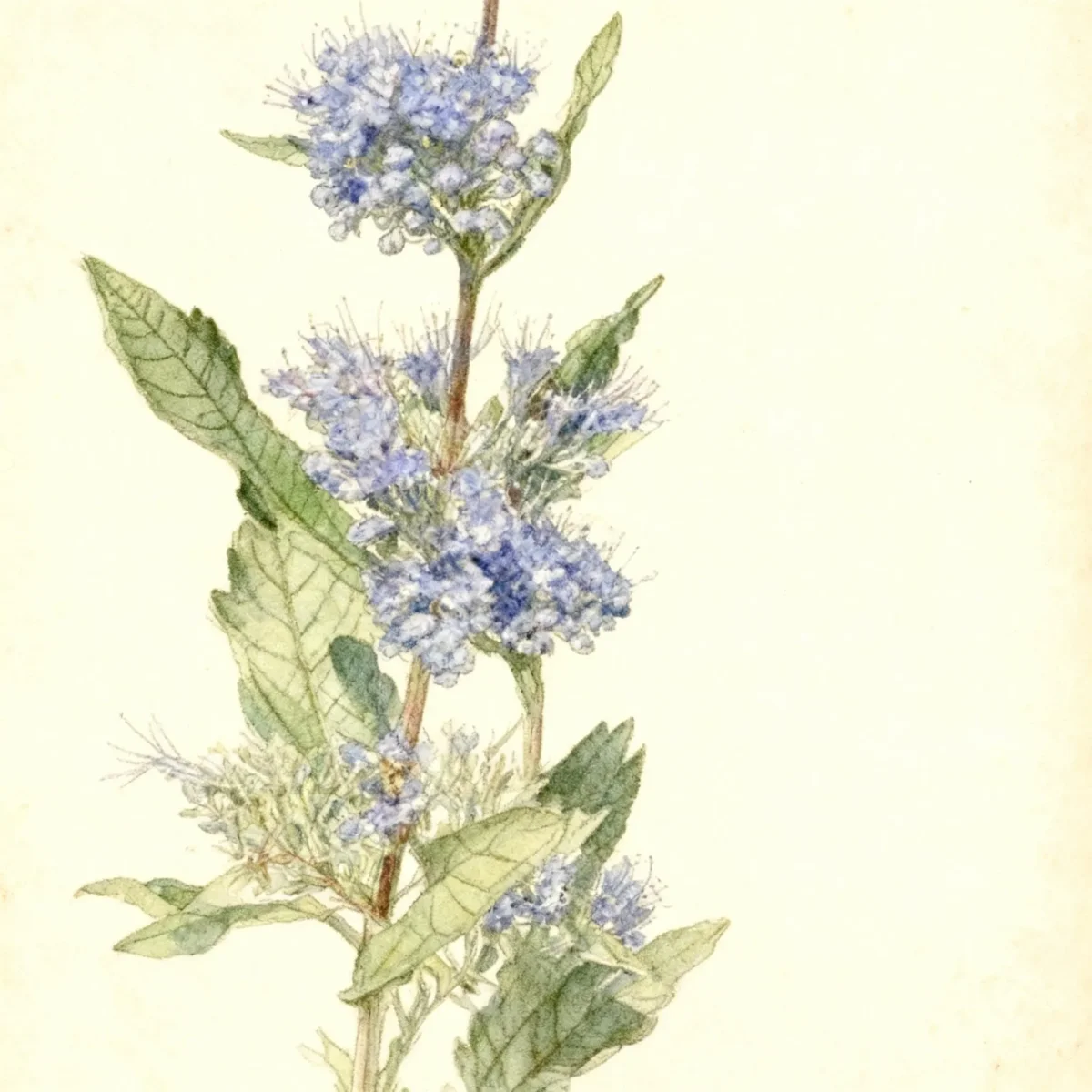
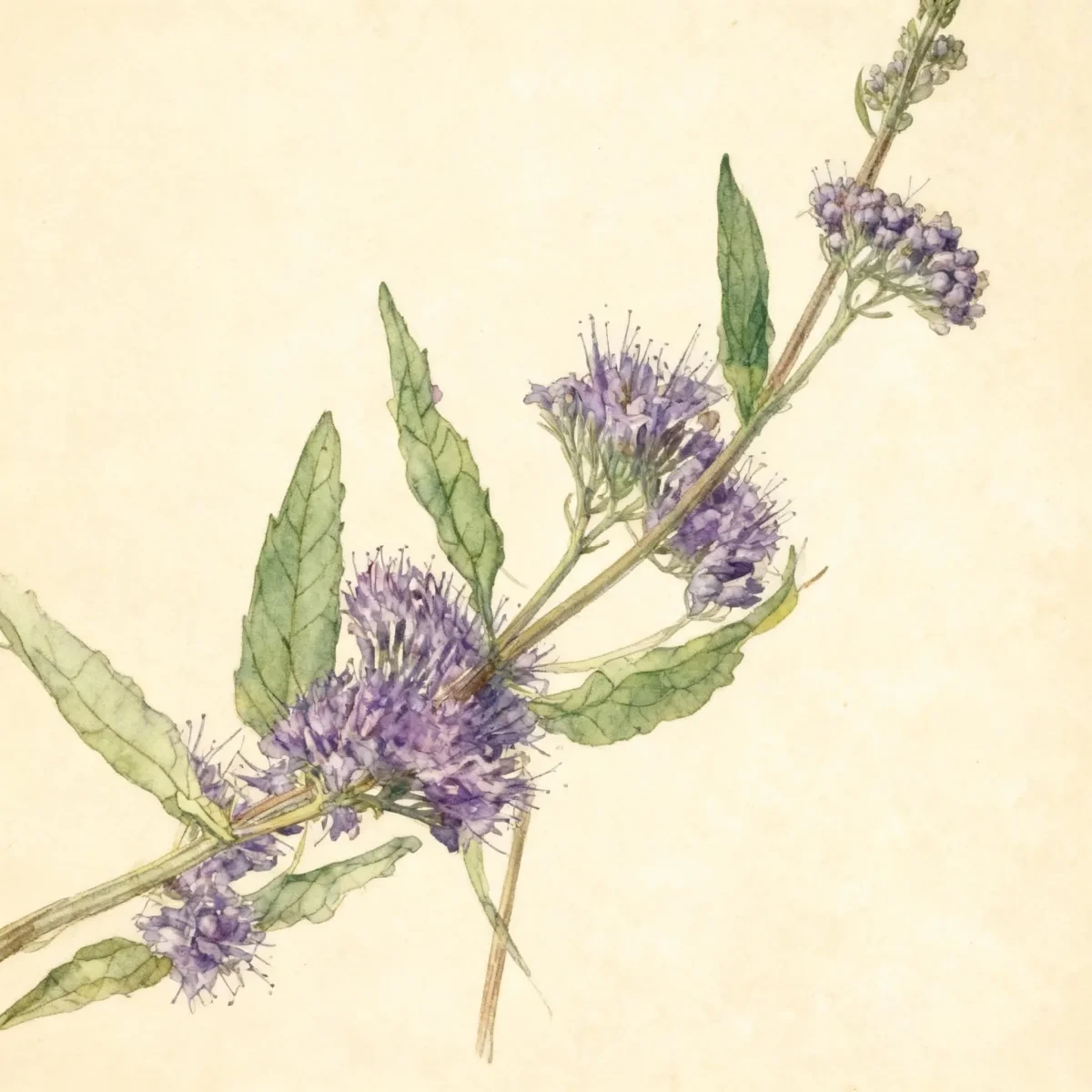
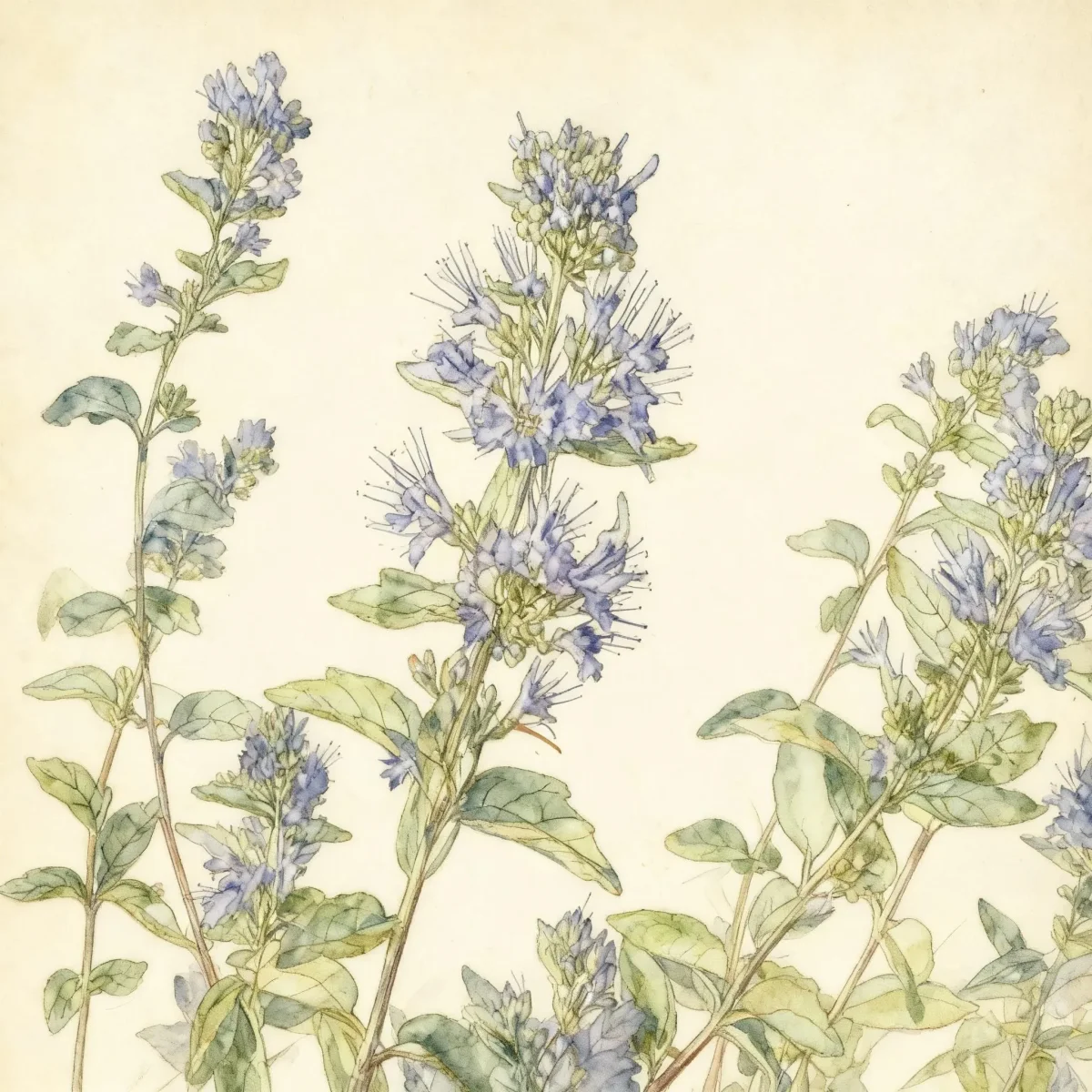
Caryopteris × clandonensis ‘Lissilv’ STERLING SILVER, commonly known as Bluebeard, is a highly valued addition to the late-season garden. This low-mounded, deciduous shrub provides a final burst of color, featuring cloud-like blooms of violet-blue that appear when many other flowering plants are fading. Its foliage is also noteworthy, as the cultivar ‘Lissilv’ offers attractive silver leaves that remain appealing throughout the growing season.
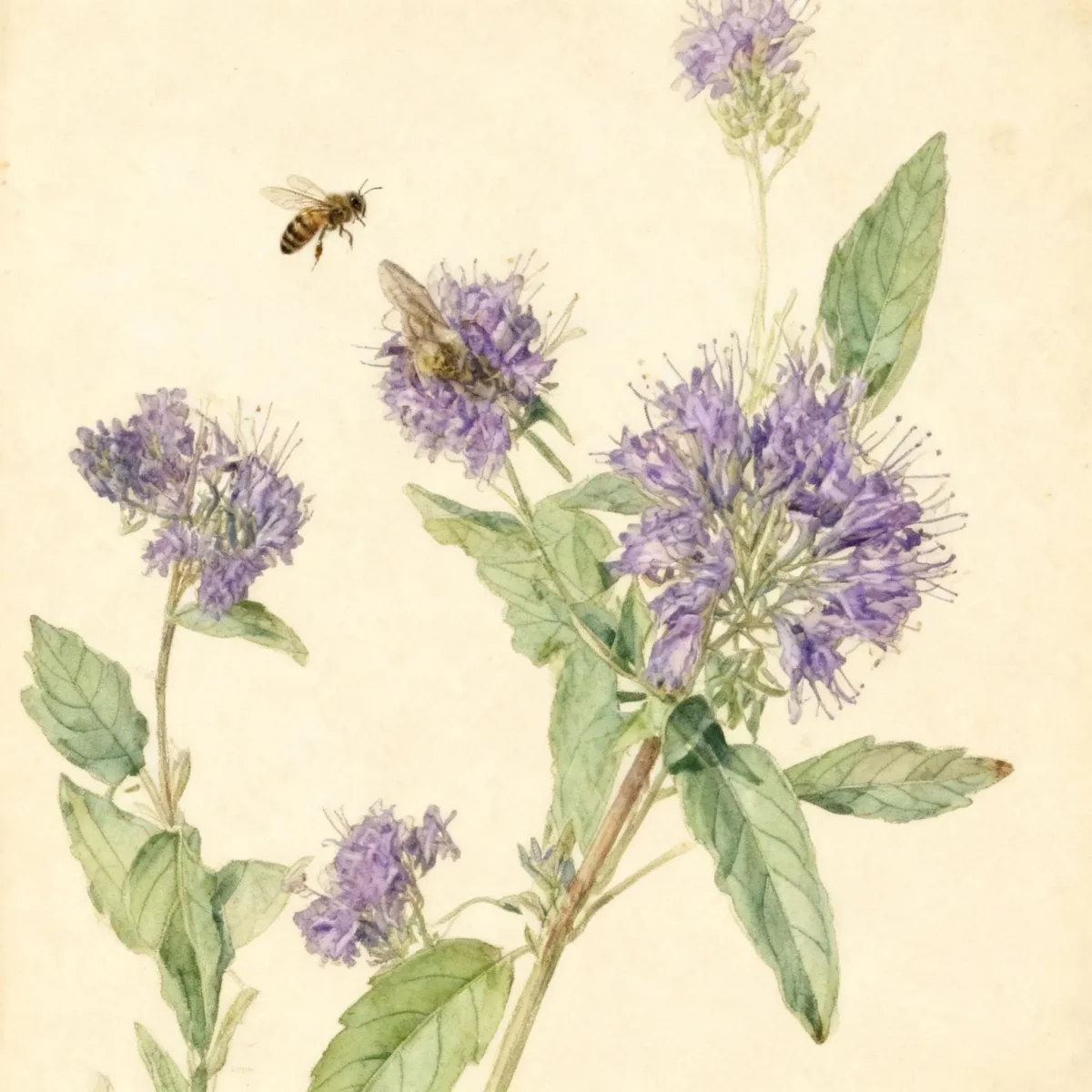
This hybrid species flowers reliably on new wood, making it one of the easiest shrubs to manage for consistent late-summer and fall performance. Beyond aesthetics, Bluebeard is exceptionally beneficial for the ecosystem, attracting butterflies, bees, and other beneficial insects when blooms are at their peak. Gardeners appreciate the Caryopteris × clandonensis ‘Lissilv’ STERLING SILVER for its low maintenance needs combined with its distinct color palette.
Growing to a manageable size of 2 to 3 feet tall and wide, this shrub fits well into various landscape settings. Culturally, it requires ample sun exposure and tolerates periods of dryness once established, provided the soil drains well. Proper pruning in early spring ensures vigorous new growth and abundant flowering for the season ahead.
Fast Facts
- Plant Family: Lamiaceae
- Plant Type: Deciduous shrub
- Hardiness Zones: USDA Zones 5-9
- Size at Maturity:
- Height: 2-3 ft
- Spread: 2-3 ft
- Bloom Time: July to September
- Bloom Description: Violet blue
- Sun Exposure: Full sun
- Water Needs: Medium
- Maintenance Level: Low
How to Grow
Plant Caryopteris × clandonensis ‘Lissilv’ STERLING SILVER in the spring or fall, ensuring it receives full sun for the best flowering performance. The ideal location features average, medium-moisture soil that is well-drained; this Bluebeard strongly resents overly wet or soggy conditions, which can lead to crown rot. Loose loams are particularly favored.
Water needs are medium, requiring consistent moisture until the plant is established. While it tolerates some drought once mature, consistent watering during dry spells will support better overall growth. Fertilization is generally unnecessary unless the soil is extremely poor.
Pruning is a key component of managing this shrub. While the roots are reliable down to USDA Zone 5, the top growth often dies back in colder winters (Zones 5 and 6). Gardeners in these regions should plan to prune all stems back hard in early spring, coinciding with removing any winter-damaged wood. Even in warmer zones where stems survive, gardeners often prune hard in early spring to encourage the vigorous new stems that bear the flowers. This spring pruning does not negatively impact the bloom time, as flowering occurs exclusively on this fresh growth.
Landscape Uses
The compact habit and late bloom time make Caryopteris × clandonensis ‘Lissilv’ STERLING SILVER highly versatile in landscape design. It excels when used in perennial borders where its silvery foliage and blue flowers provide striking contrast against warmer-toned late-season blooms like gold or deep red Rudbeckia or Sedum. Its reliability as a low-mounded specimen also makes it effective when massed or planted in large groups, creating drifts of late-season color.
Consider using this Bluebeard variety as a low textural hedge along walkways or the front edge of a mixed shrub border. Because it is valued specifically for its late flowering display, strategically position it where established summer-blooming shrubs have finished, ensuring continuous interest from mid-summer into fall. It pairs well with other low-maintenance, sun-loving perennials.
Standout Features
Flower Qualities
- Showy
Noteworthy Characteristics
Caryopteris × clandonensis, commonly called bluebeard, blue spirea or blue mist, is a low-mounded, deciduous shrub that is valued for its aromatic foliage and late summer flowers which are said to resemble clouds of blue smoke or mist. This hybrid was discovered in cultivation as an accidental cross between C. Incana and C. Mongholica. The cultivar ‘Lissilv’, sold as STERLING SILVER, is particularly noted for its showy silver foliage on compact rounded shrubs, typically growing 2-3 feet tall. Flowers appear in terminal and axillary clusters from July through September, offering a vital late-season nectar source for pollinators.
Tolerances
- Drought
Potential Problems
Caryopteris × clandonensis ‘Lissilv’ STERLING SILVER is celebrated for having no serious insect or disease problems, making it a highly reliable selection. The most significant cultural risk involves improper soil management. Crowns and roots are susceptible to rot if the plant is situated in wet, poorly-drained soils. Ensure planting sites offer sharp drainage to mitigate this risk entirely.
Frequently Asked Questions
What hardiness zones is Bluebeard suitable for?
This Bluebeard variety is reliably winter hardy in USDA Zones 5 through 9, though top growth may die back in Zones 5 and 6, requiring hard pruning in spring.
How large does Caryopteris × clandonensis ‘Lissilv’ STERLING SILVER grow?
This compact cultivar typically reaches a mature height between 2 and 3 feet, with a similar spread of 2 to 3 feet, depending on the severity of winter dieback or annual pruning practices.
What sun exposure does Caryopteris × clandonensis ‘Lissilv’ STERLING SILVER need?
Bluebeard thrives best when positioned where it receives full sun exposure daily; this maximizes flowering and minimizes susceptibility to common cultural issues.
When does Caryopteris × clandonensis ‘Lissilv’ STERLING SILVER bloom?
This shrub provides its signature display between July and September, featuring attractive violet-blue flowers that bloom profusely on new season growth.
Conclusion
The Caryopteris × clandonensis ‘Lissilv’ STERLING SILVER stands out as a low-maintenance powerhouse, delivering aromatic foliage and much-needed violet-blue color late in the season. Its appeal as a pollinator attractor combined with its tolerance for occasional dryness makes this Bluebeard an indispensable element for late-summer garden design. Before planting, confirm your location falls within USDA Zone 5-9 and ensure your soil guarantees fast drainage for lasting success.
Companion Planting
Selecting good companions for Caryopteris × clandonensis ‘Lissilv’ STERLING SILVER primarily focuses on plants that share its love for full sun and well-drained conditions. Pair it with perennials that bloom earlier in the summer, such as Coneflowers (Echinacea) or Russian Sage (Perovskia atriplicifolia), allowing the Bluebeard to take over the spectacle as they fade. Groundcovers that maintain moisture without creating wetness around the crown, perhaps creeping thyme or sedums, can help keep the soil cool while the plant establishes its drought tolerance.
For structural contrast, consider pairing the mounding form of this Bluebeard with taller, linear plants like ornamental grasses. Grasses such as Sporobolus heterolepis (Prairie Dropseed) offer fine texture and movement against the solid silver-green foliage and distinct blue flowers of the Caryopteris. Avoid planting near moisture-loving species, as Bluebeard will suffer if its roots remain perpetually damp.
Wildlife Benefits
The late-season flowering habit of Caryopteris × clandonensis ‘Lissilv’ STERLING SILVER is arguably its greatest asset for wildlife support. As many summer blooms wane, the July through September flowering period provides crucial nectar for bees, butterflies, and other beneficial insects preparing for migration or winter. The aromatic foliage also contributes to the garden’s sensory appeal, though the primary wildlife draw is the nectar-rich, violet-blue clusters.
When planning your pollinator garden, ensure mass groupings of this shrub are planted near any water features or larval host plants to maximize visitation. The presence of these reliable late nectar sources encourages pollinators to linger in the area longer, benefiting neighboring plants as well. This dependable late color makes the STERLING SILVER cultivar an intentional choice for ecological landscaping.