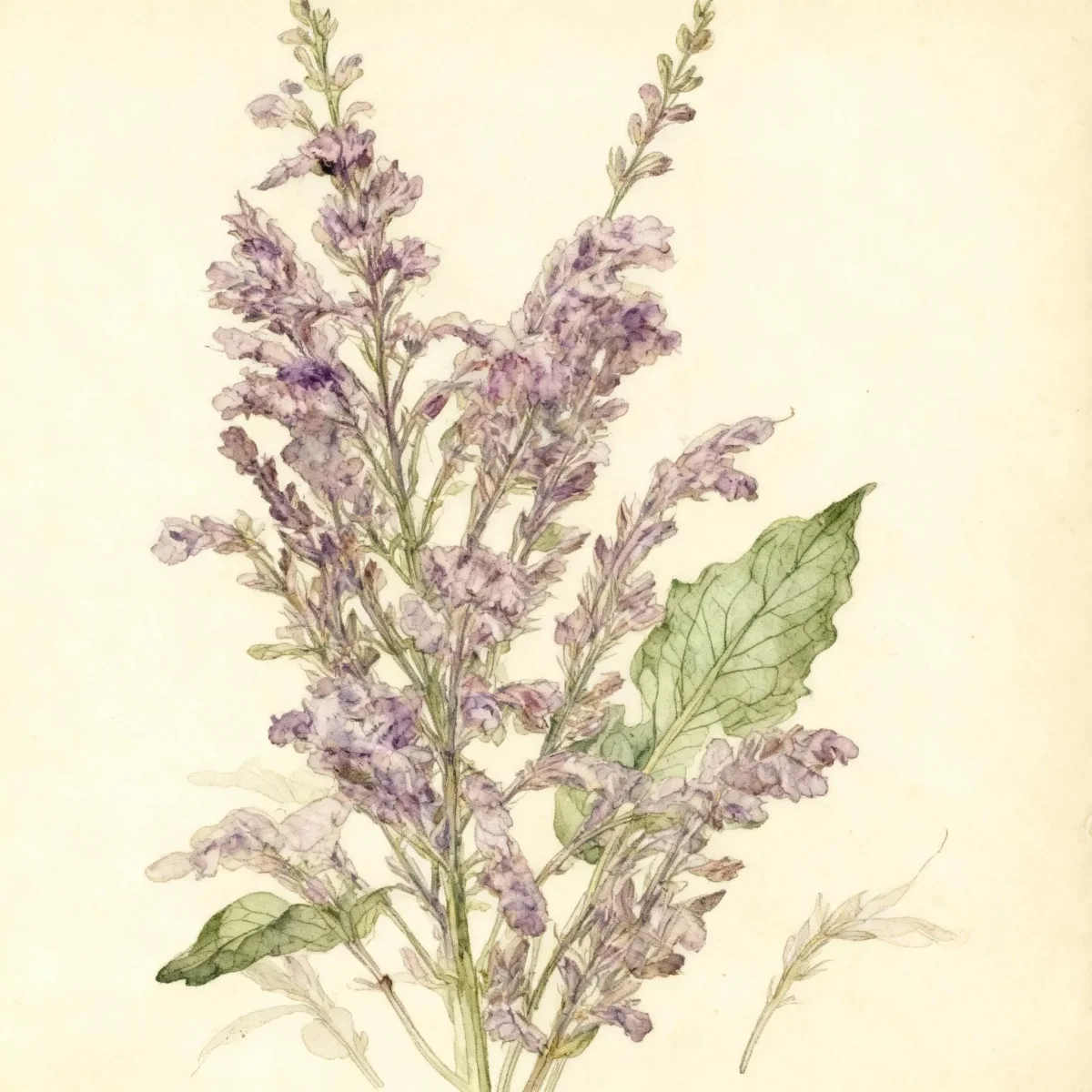
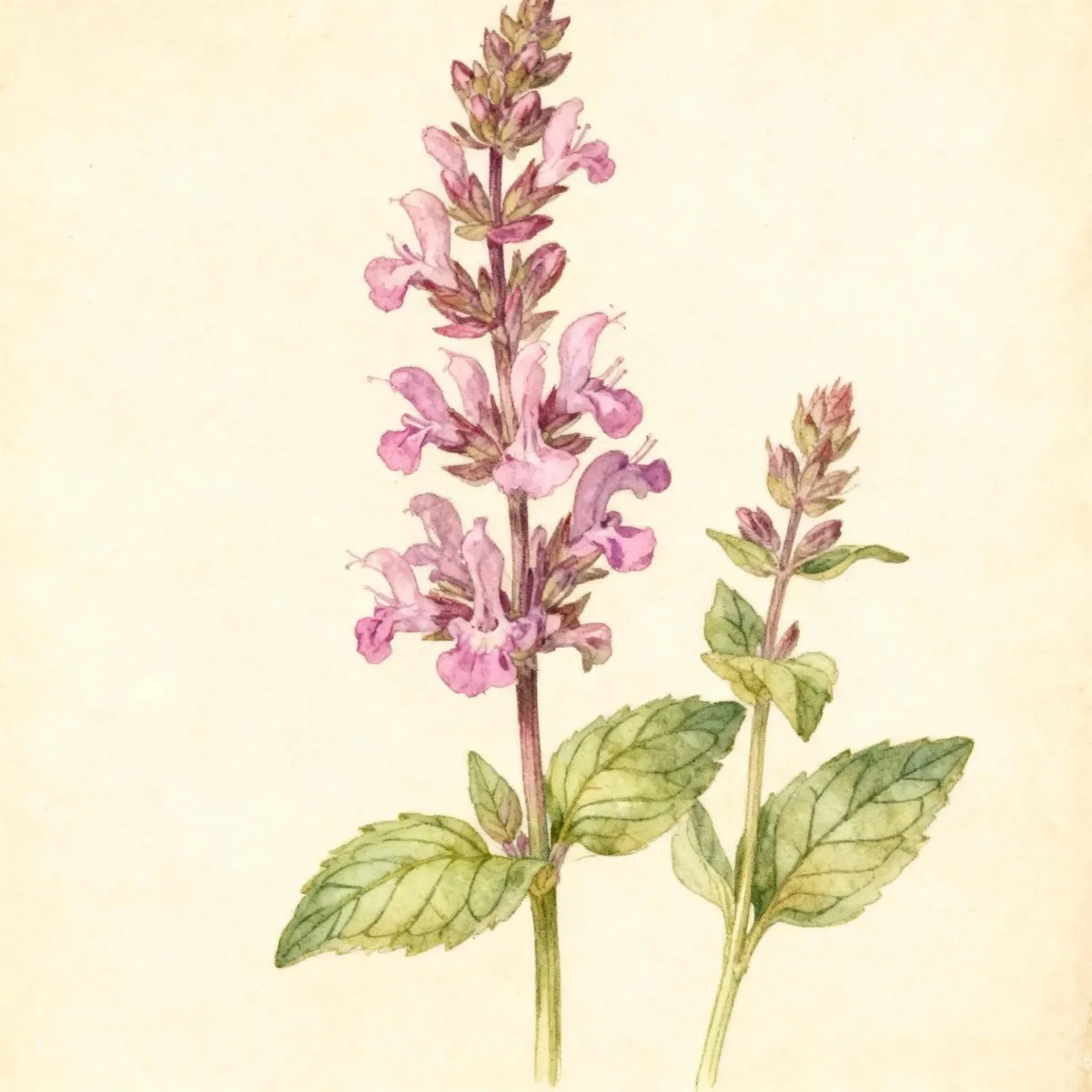
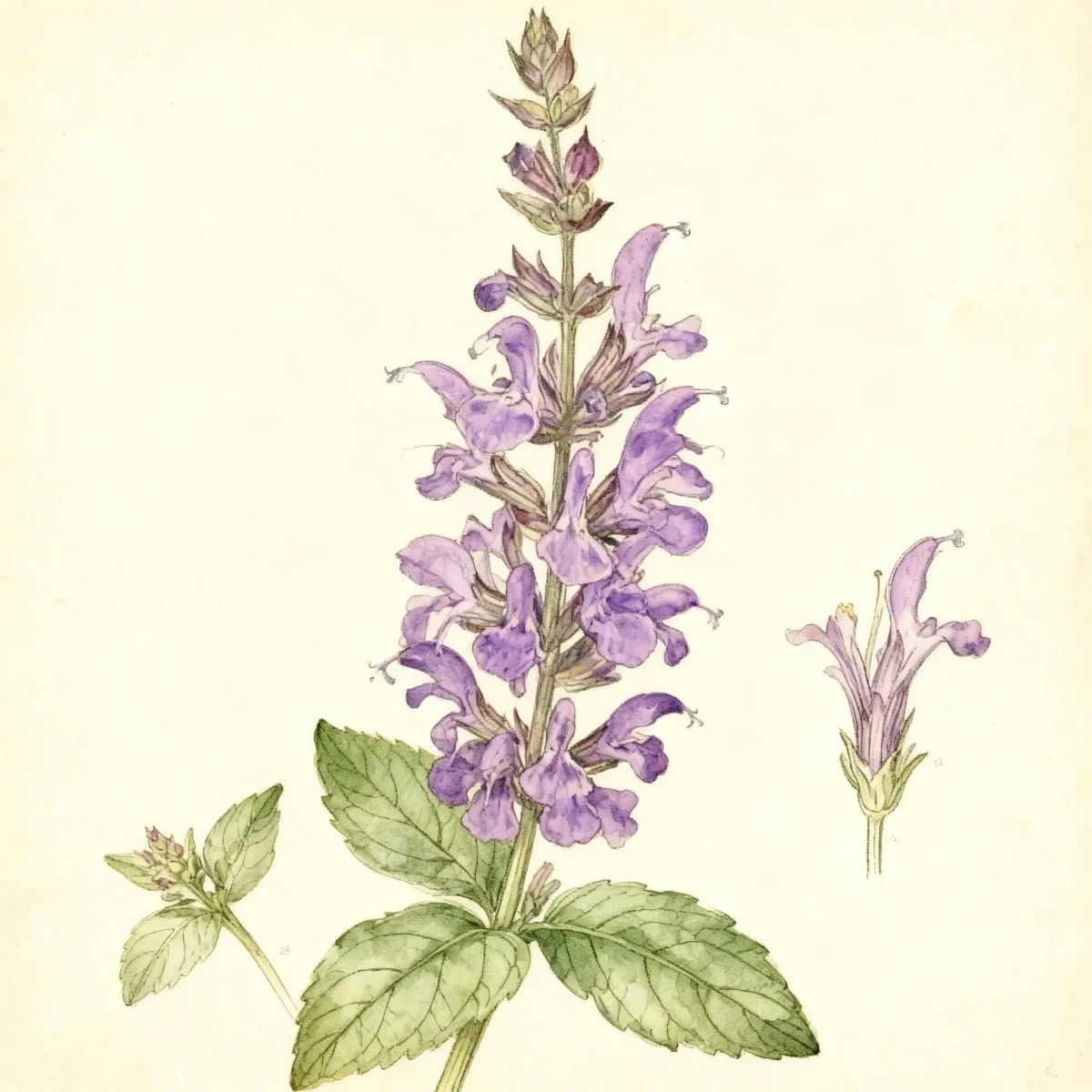
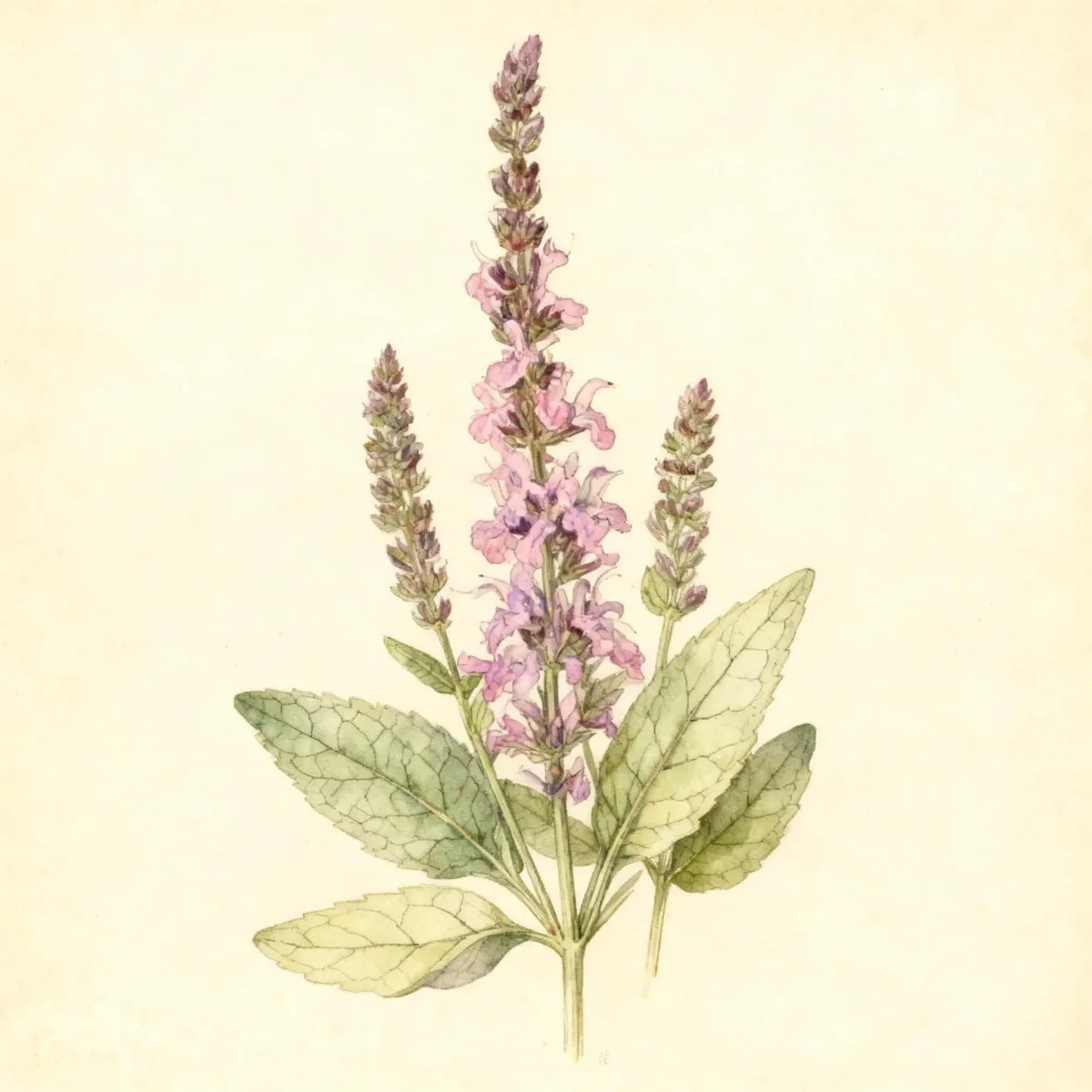
Sage (Salvia × superba 'Adora Blue')
Salvia × superba 'Adora Blue' is a low-maintenance perennial Sage offering long-lasting violet-blue flowers attractive to pollinators.
Scroll down to discover growing tips, care requirements, companion plants, and more
Complete Plant Information
Overview
The Salvia × superba ‘Adora Blue’ is a standout hybrid perennial Sage, prized by gardeners for its extended blooming season and vibrant color display. As a member of the broad Salvia genus, this specific cultivar offers reliable formation and striking violet-blue flowers atop upright stems that persist from late spring well into autumn. It is an excellent choice for adding consistent color without demanding excessive attention throughout the growing year.
Known for its robust constitution, this variety of Sage thrives under conditions that challenge less resilient perennials. It handles dry spells well once established, though regular moisture encourages the best repeat flowering performance. The aromatic, medium green foliage provides a lovely backdrop to the masses of hooded, tubular flowers.
Gardeners appreciate the low maintenance involved in growing Salvia × superba ‘Adora Blue’, making it functional for borders and cottage designs alike. Its ability to attract beneficial insects, such as bees and butterflies, adds ecological value while its clean structure maintains visual interest over many months.
Fast Facts
- Plant Family: Lamiaceae
- Plant Type: Herbaceous perennial
- Hardiness Zones: USDA Zones 4-8
- Size at Maturity:
- Height: 1-2.5 ft
- Spread: 1-1.5 ft
- Bloom Time: May to September
- Bloom Description: Violet-blue
- Sun Exposure: Full sun
- Water Needs: Dry to medium
- Maintenance Level: Low
How to Grow
Planting Salvia × superba ‘Adora Blue’ is best undertaken when the danger of hard frost has passed. Choose a location that receives full sun daily, as insufficient light will reduce flowering performance. This Sage prefers average, well-drained soil, thriving particularly well in gravelly or sandy mediums, though it tolerates dry to medium moisture regimes.
Care requirements are minimal, reflecting its low maintenance rating. While it tolerates drought, providing regular moisture, particularly mid-summer, will significantly encourage reblooming cycles. Fertilization is rarely necessary; rich soils may actually promote floppier, leggy growth, so lean toward leaner conditions.
Deadheading, or removing spent flower spikes, is crucial to extending the bloom window through summer and into the fall. If the plant begins to look floppy, which can occur in humid summers, consider cutting it back hard to the basal foliage at mid-season for a renewed appearance. Ensure plants are cut back completely after the final flush of flowers concludes to prepare for winter dormancy, strictly avoiding wet soils during the winter months.
Landscape Uses
Salvia × superba ‘Adora Blue’ excels in various landscape applications due to its upright habit and long bloom time. It is perfectly suited for planting along the front of borders or softening the edges of pathways where its deep violet-blue color can be easily appreciated. Use it to create sweeps of color that contrast beautifully with silvery foliage or bright yellow companions.
For cottage gardens, this hybrid sage blends effortlessly among traditional favorites like peonies and coneflowers, providing necessary vertical accents amidst looser plantings. Furthermore, the plant performs admirably in containers, especially when paired with trailing or mounding annuals, offering a reliable vertical element that remains attractive long after many spring bloomers fade.
Standout Features
Flower Qualities
- Showy
Noteworthy Characteristics
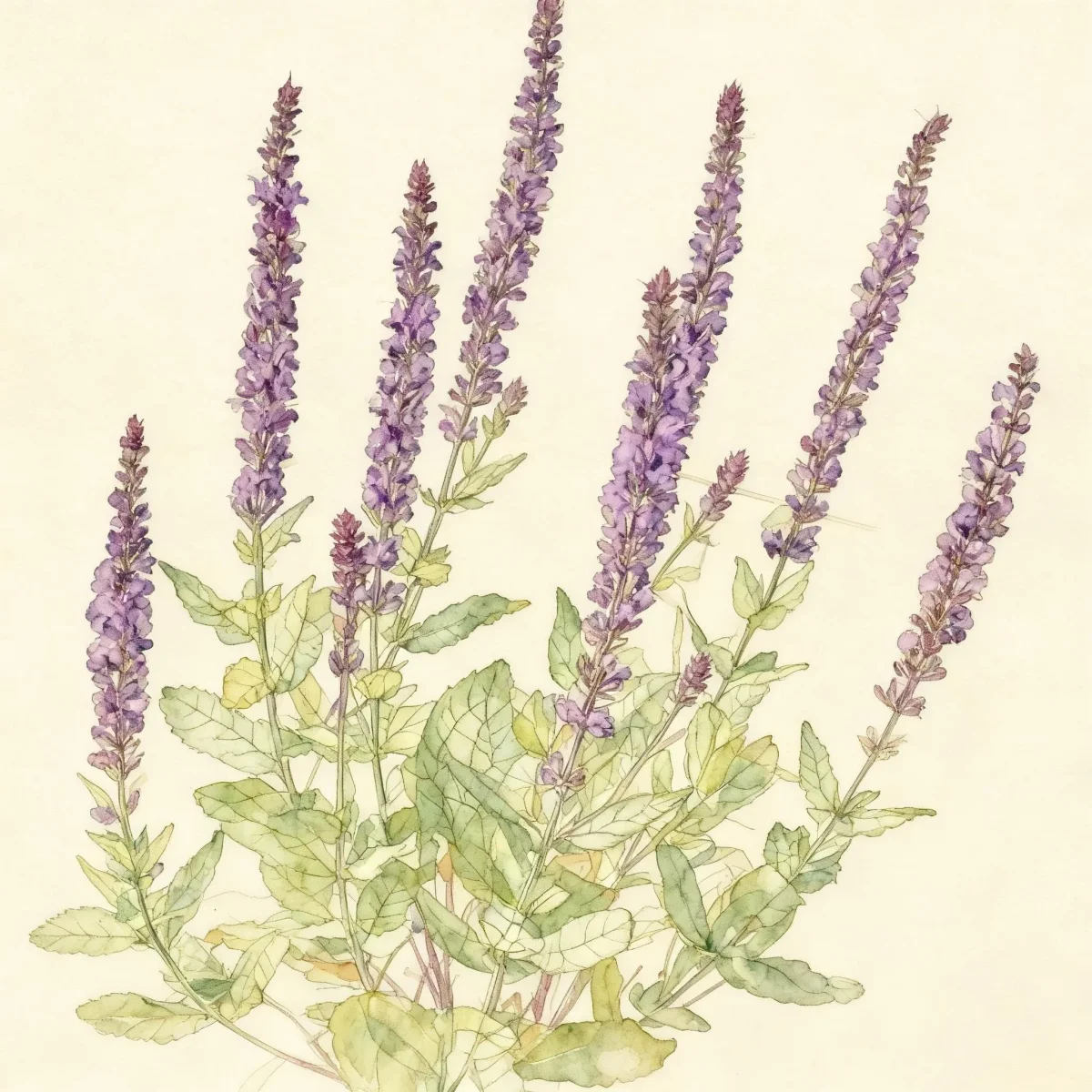
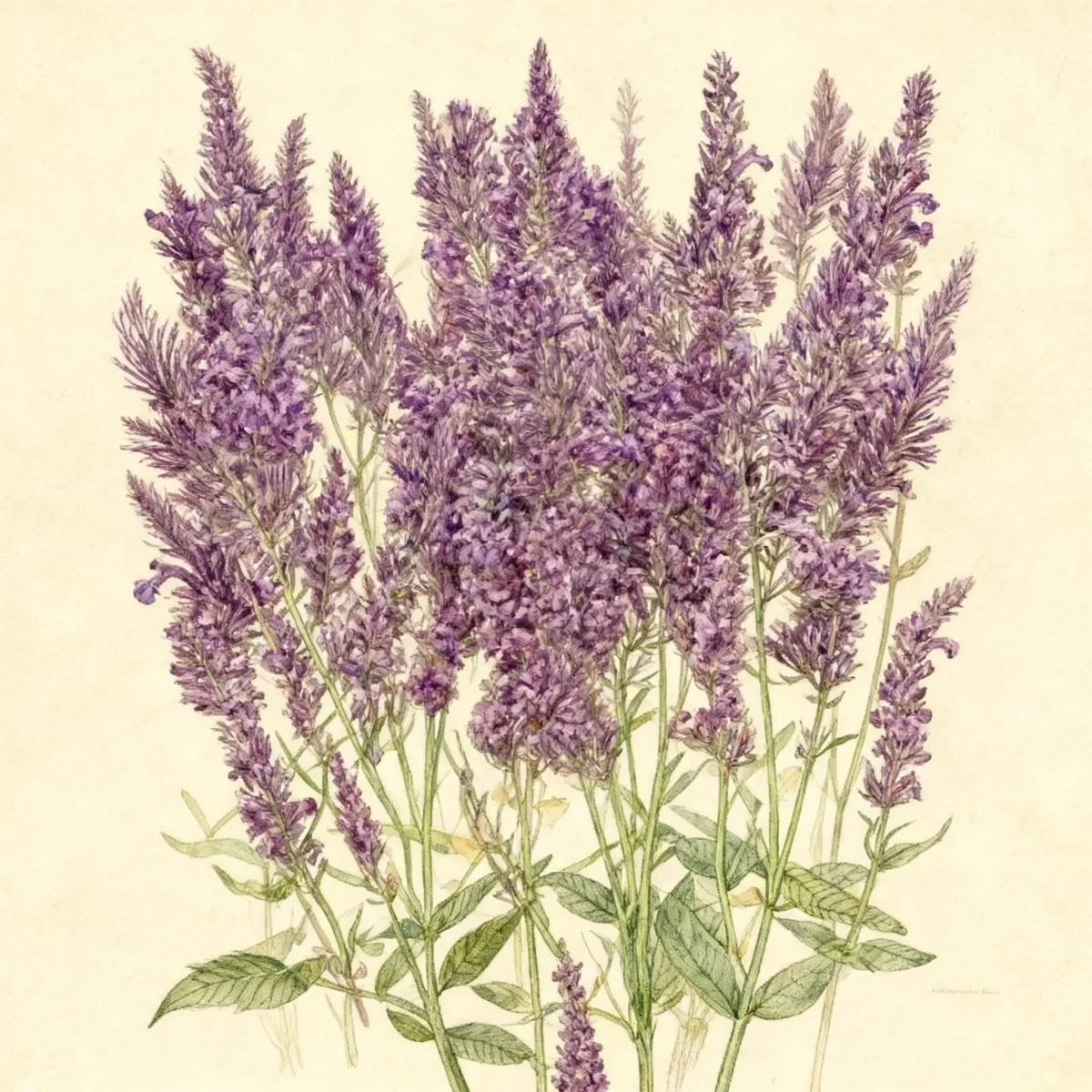
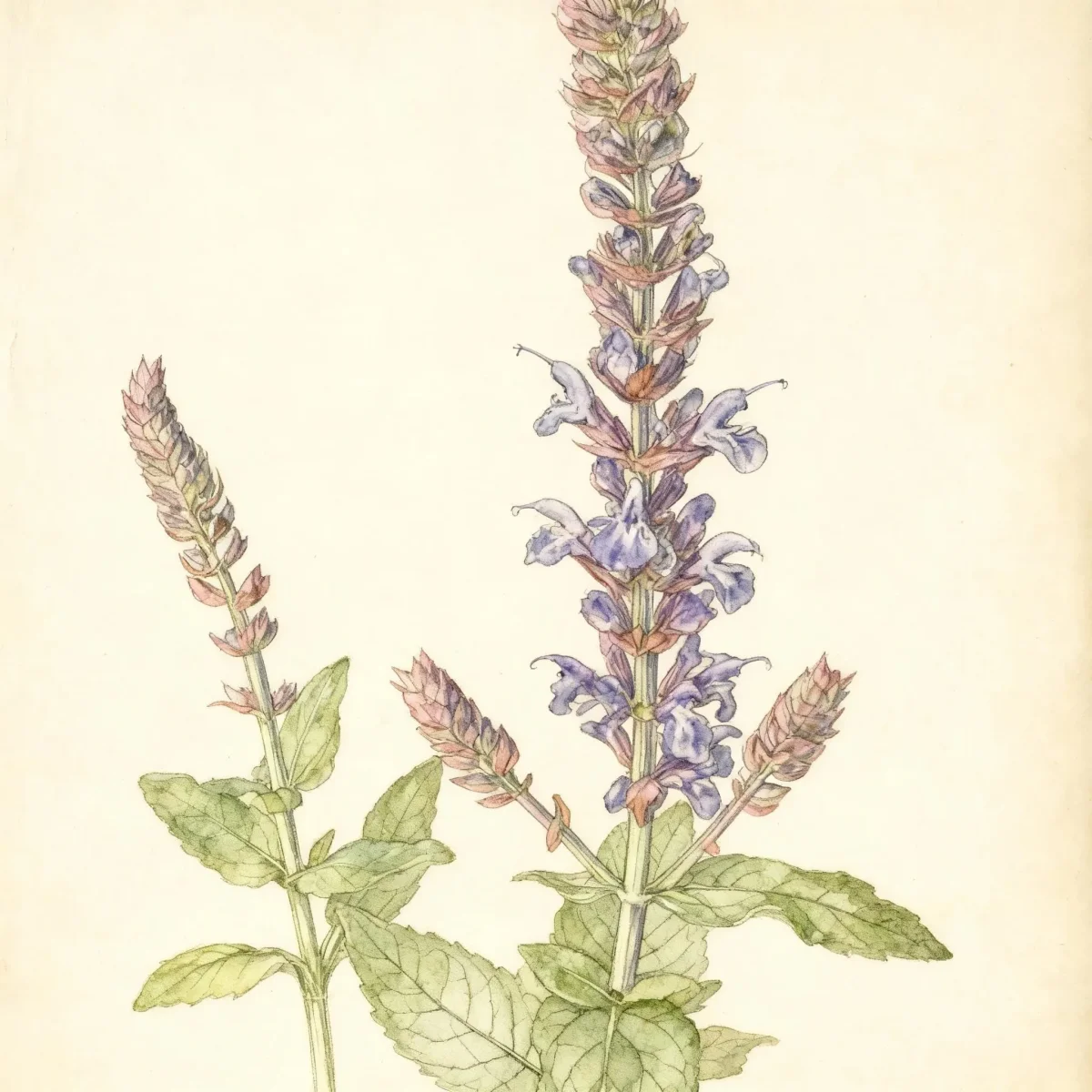
The genus Salvia encompasses over 900 species globally, noted historically for medicinal uses—the name derives from the Latin word salveo meaning “to save or heal.” The specific epithet superba signifies superb quality, which this hybrid lives up to with its evenly branched form and excellent long summer bloom. Salvia × superba ‘Adora Blue’ features deep violet-blue flowers clustered in dense terminal spikes rising atop foliage mounds, with the aromatic, green leaves themselves being lanceolate to oblong. This desirable perennial reliably produces flowers attractive to essential pollinators like bees and butterflies.
Tolerances
- Rabbit
- Deer
- Dry Soil
Potential Problems
Salvia × superba ‘Adora Blue’ is generally recognized for having few serious insect or disease issues, making it a reliable performer in mixed plantings. The most frequently encountered fungal issues are powdery mildew, leaf spot, and rust, which are often environmental rather than inherent to the variety. To mitigate disease risk, ensure excellent air circulation by spacing plants properly and avoid overhead watering, especially late in the day. Occasionally, pests like whitefly or scale may appear, which can usually be managed effectively with insecticidal soap or strong jets of water.
Frequently Asked Questions
What hardiness zones is Sage suitable for?
This perennial Sage, Salvia × superba ‘Adora Blue’, is reliably hardy in USDA Zones 4 through 8.
How large does Salvia × superba ‘Adora Blue’ grow?
This clump-forming perennial typically reaches heights between 1 and 2.5 feet, with a corresponding spread of 1 to 1.5 feet at maturity.
What sun exposure does Salvia × superba ‘Adora Blue’ need?
For the best, longest season of violet-blue blooms, Salvia × superba ‘Adora Blue’ requires full sun exposure.
When does Sage bloom?
This variety offers a prolonged bloom period starting in May and continuing through September, often with the potential for a rebloom later in the fall if deadheaded properly.
Conclusion
The Salvia × superba ‘Adora Blue’ is a low-fuss, high-impact perennial that delivers continuous violet-blue color across a wide range of climates within USDA Zones 4-8. Its drought tolerance and resistance to common pests confirm its status as a garden workhorse, ensuring beautiful cottage gardens and crisp borders. Assess your local hardiness zone and plan to utilize this excellent Sage where it can soak up plenty of sunshine for the longest possible spectacular display.
Companion Planting
When planning borders featuring Salvia × superba ‘Adora Blue’, consider pairing it with plants that share its preference for full sun and average to dry, well-drained soils. Silver-leaved plants, such as Lamb’s Ears (Stachys byzantina), offer a beautiful textural contrast to the darker green foliage and complement the cool violet-blue flowers. Conversely, plants with bright yellow blooms, like certain Sedums or Coreopsis varieties, create an electrifying complementary color scheme that makes the Sage truly pop.
Wildlife Benefits
A key advantage of incorporating this perennial Sage is its proven role in supporting local ecosystems. The trumpet-shaped, hooded flowers of Salvia × superba ‘Adora Blue’ are specifically structured to be highly attractive to native bees seeking nectar throughout the long summer blooming cycle. By providing abundant, easily accessible forage from May through September, you are actively encouraging pollination and biodiversity in your garden space.