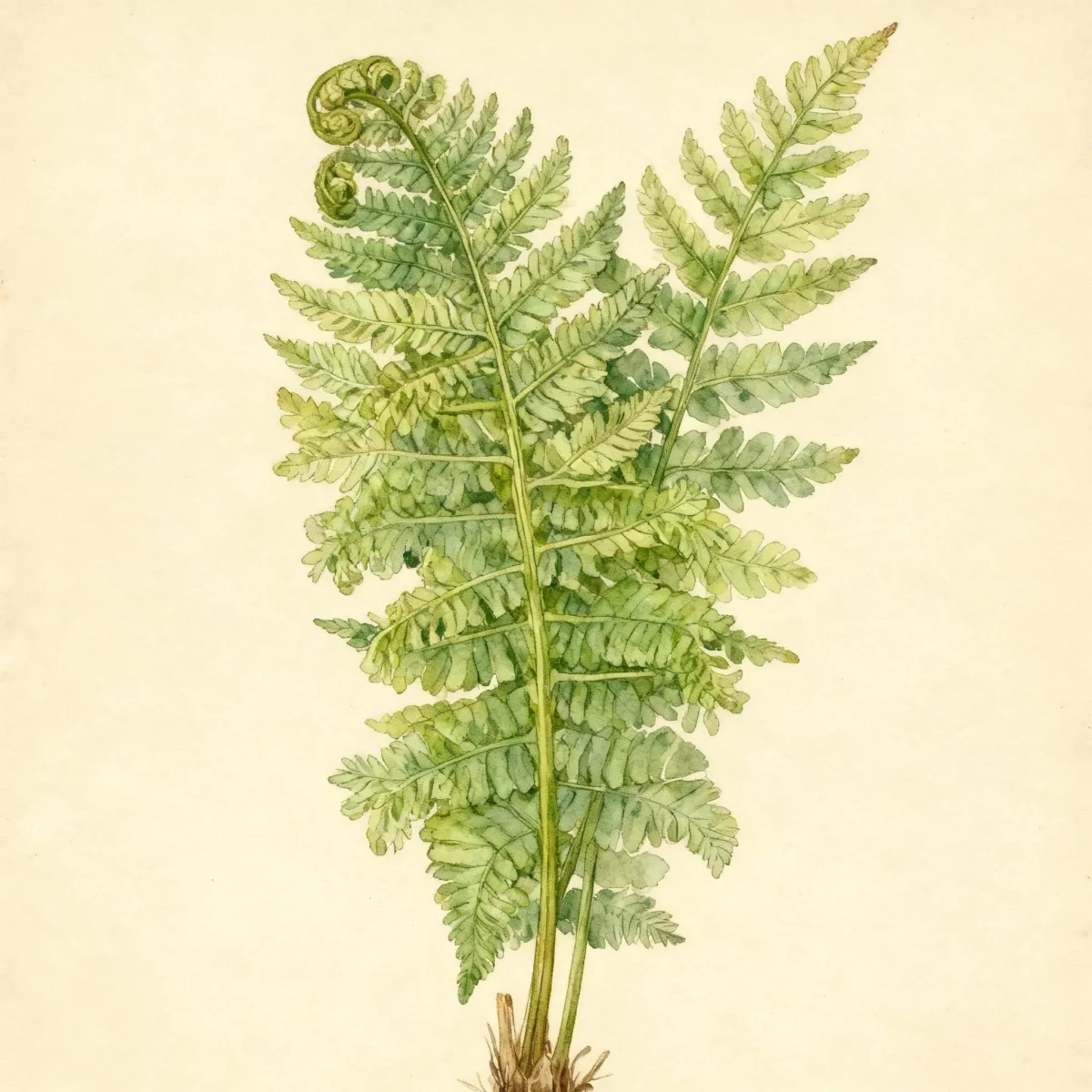
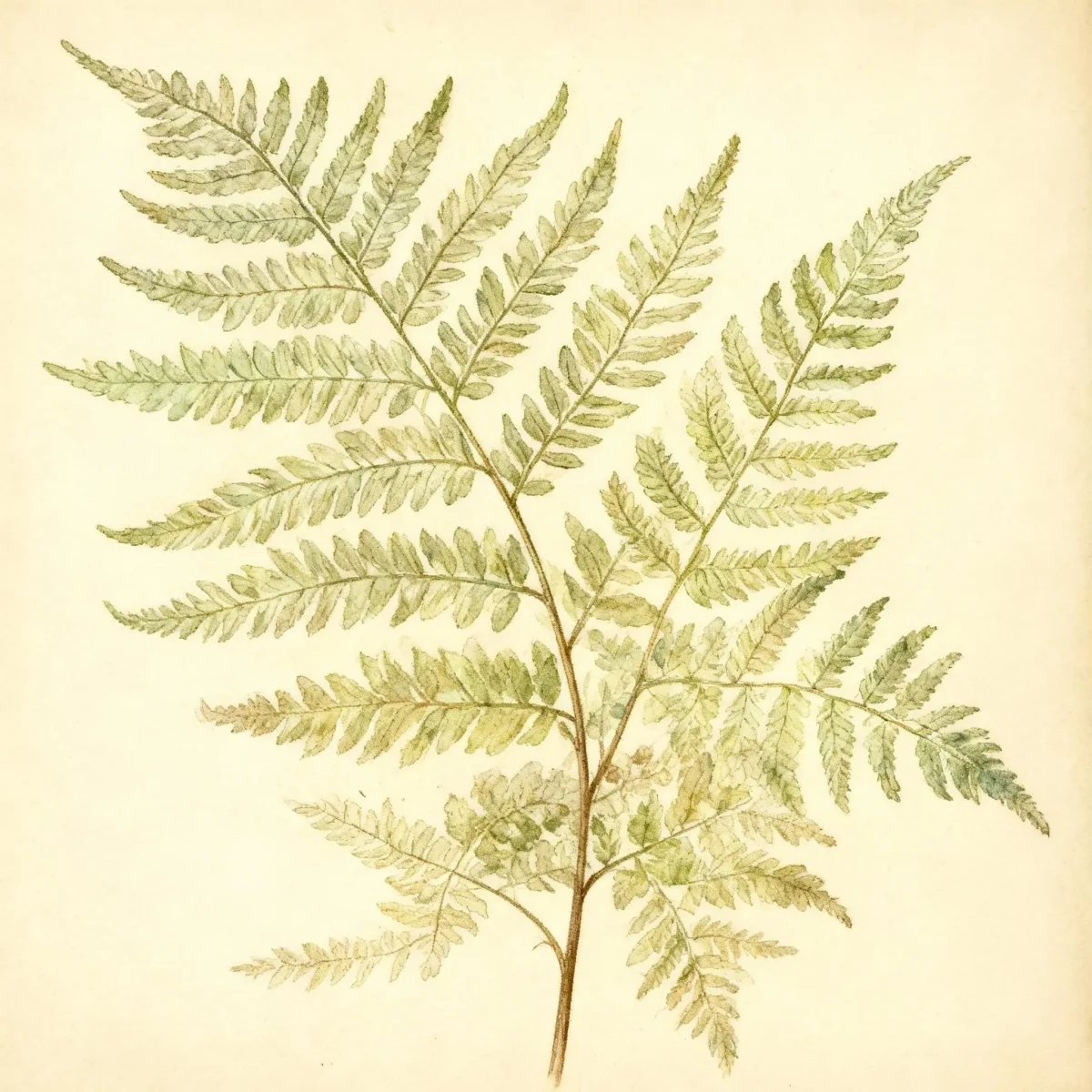
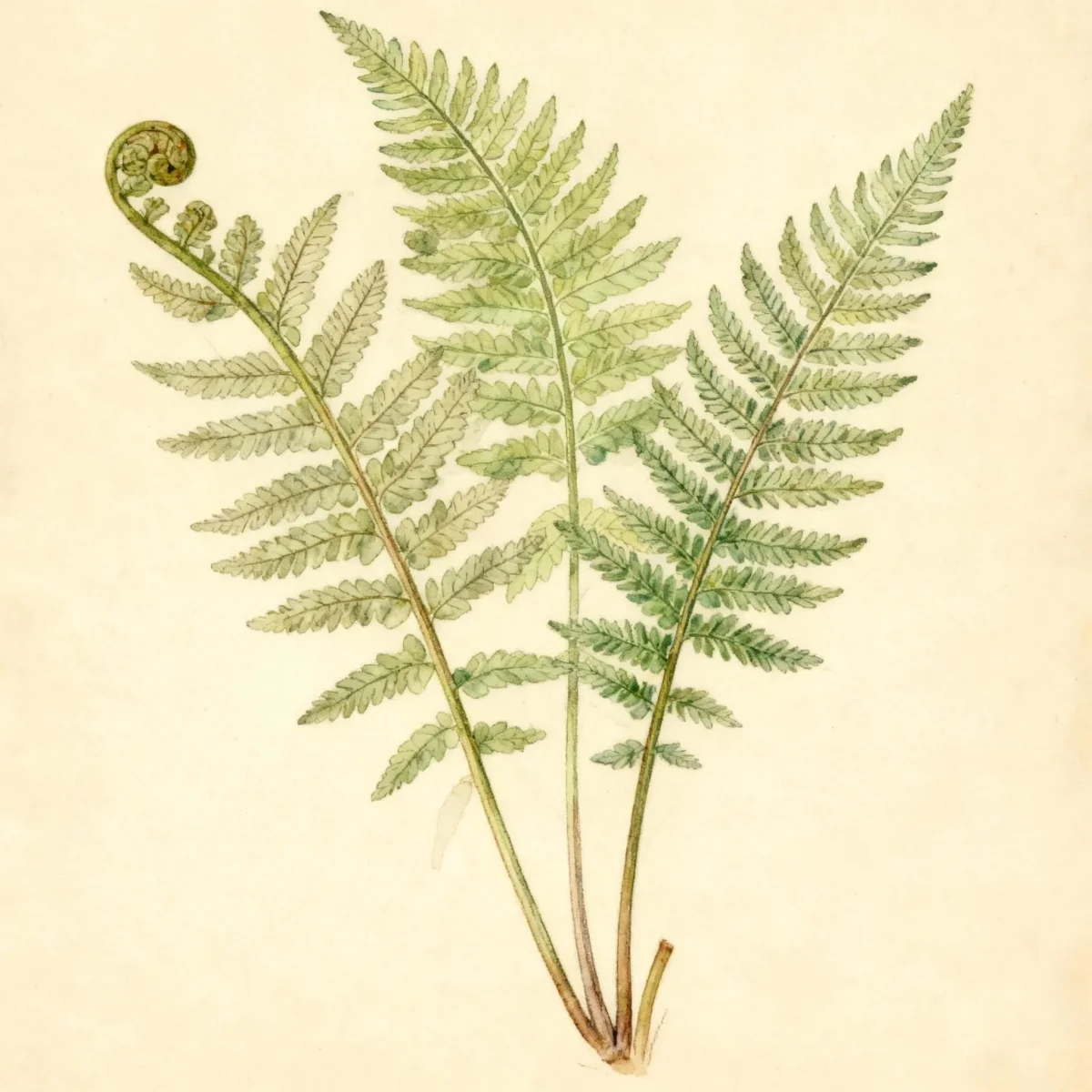
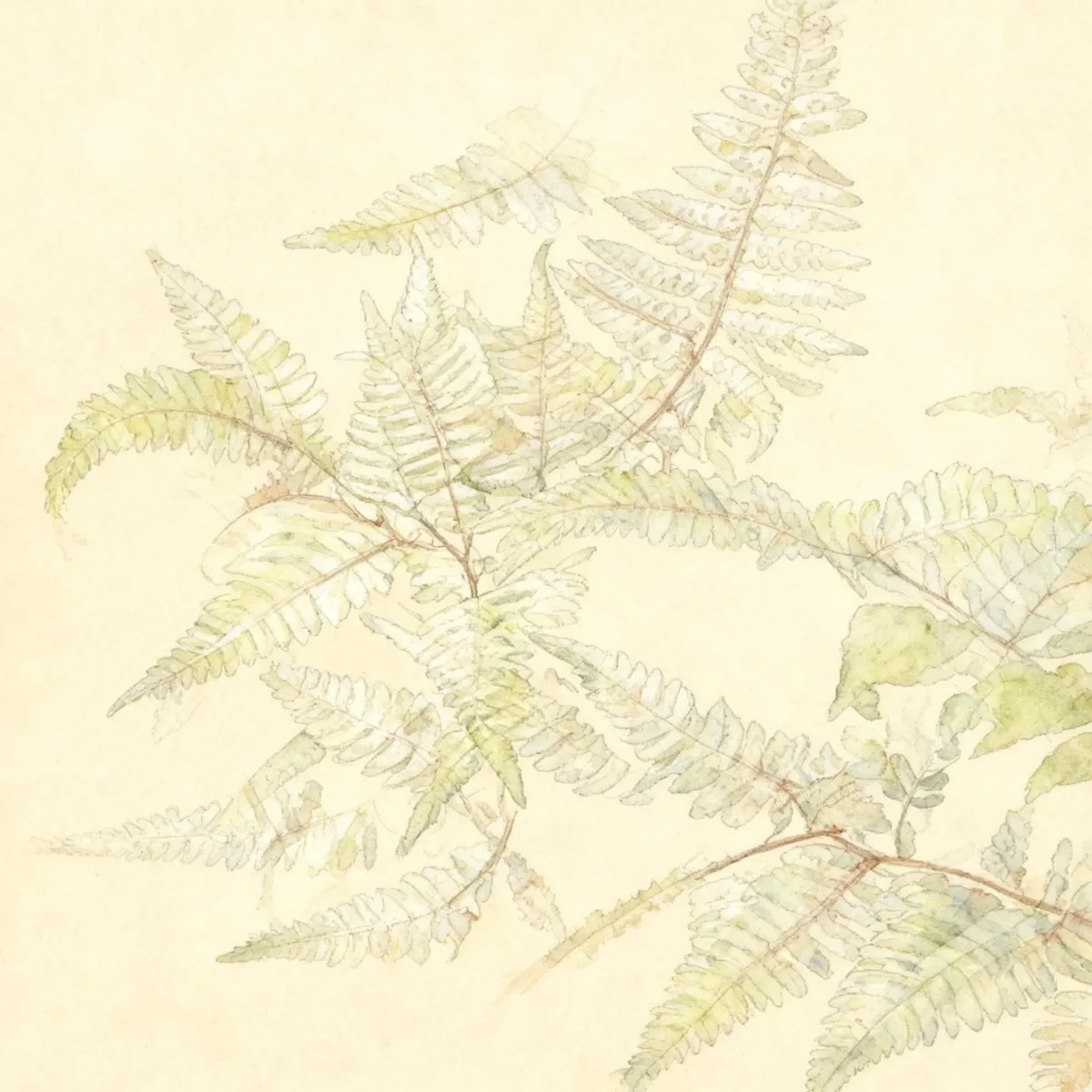
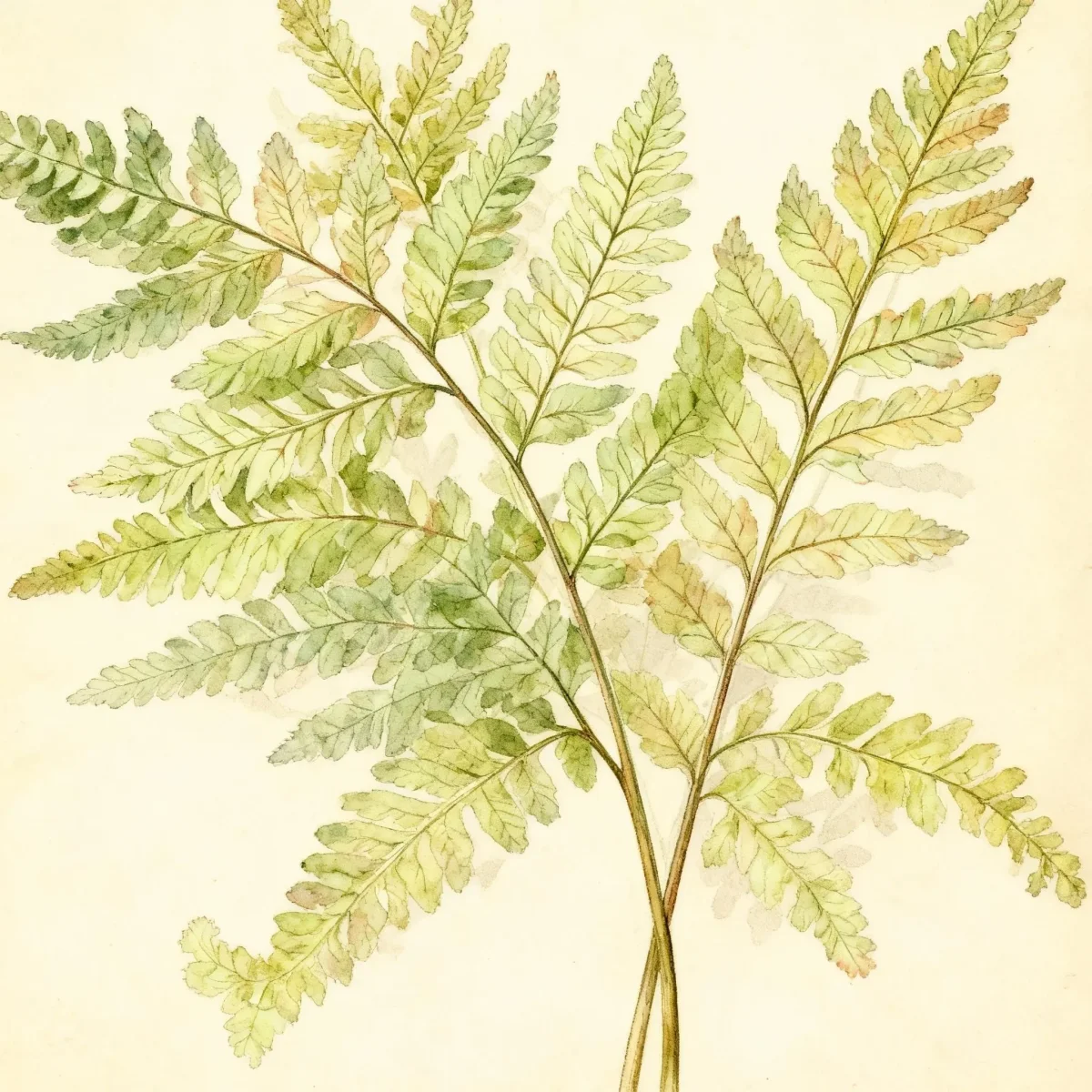
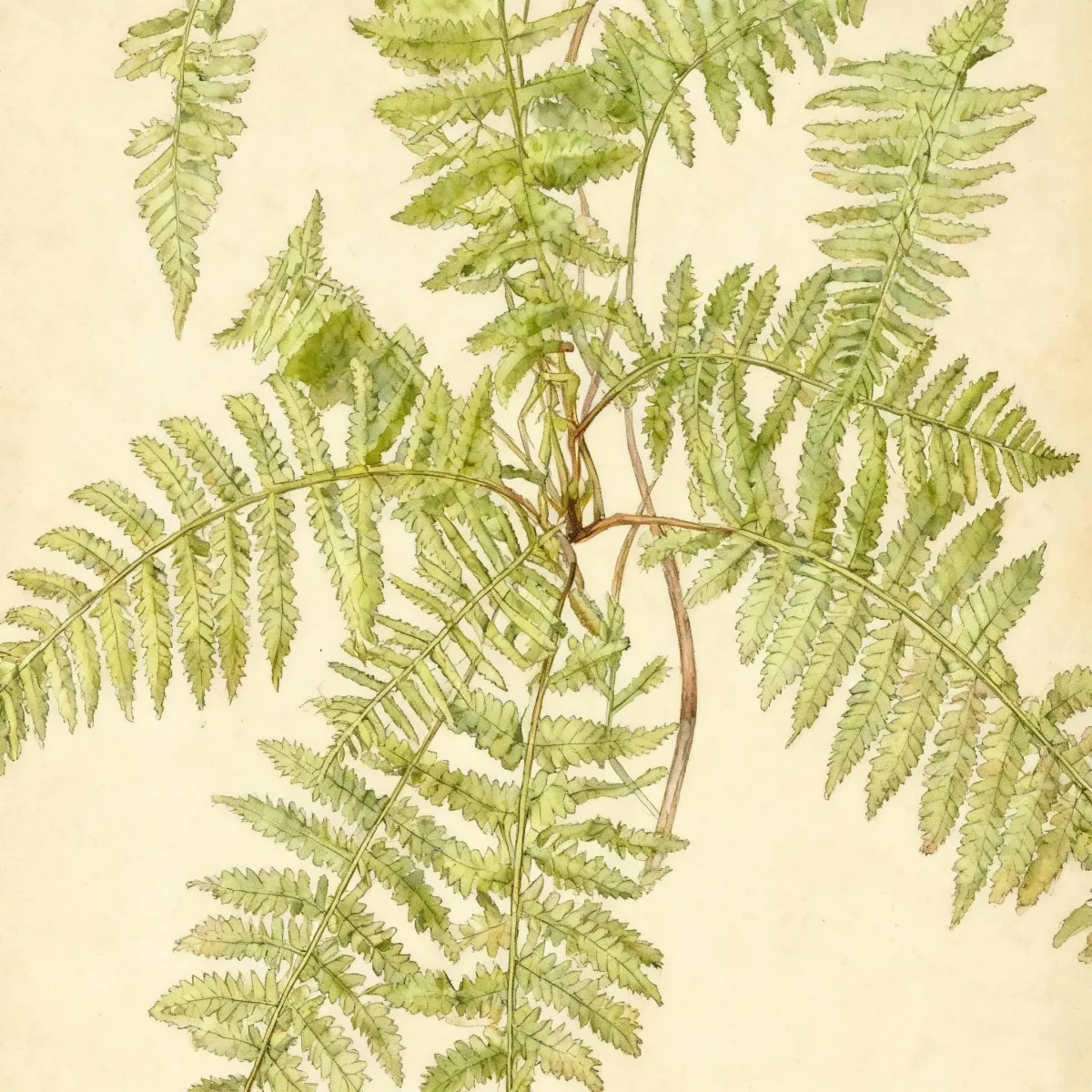
Lady fern (Athyrium filix-femina 'Minutissimum')
Athyrium filix-femina 'Minutissimum' is a dwarf Lady fern perfect for shade gardens, requiring low maintenance and medium water.
Scroll down to discover growing tips, care requirements, companion plants, and more

Complete Plant Information
Overview
Athyrium filix-femina ‘Minutissimum’, commonly known as the dwarf Lady fern, offers delicate, lacy foliage perfect for adding texture to shaded landscapes. This cultivar is highly valued for its compact size, typically reaching less than one foot tall, making it an excellent choice for smaller spaces where the taller species might overwhelm the design. The fine texture of the fronds provides a striking contrast against coarser foliage plants in the woodland garden setting.
This deciduous fern thrives in conditions that mimic its native woodland environment—moist, rich, and shaded areas. While it prefers consistent moisture, this specific Lady fern cultivar offers slightly better tolerance for drier soils than many of its fern relatives. Its low maintenance requirements and aesthetic appeal ensure that Athyrium filix-femina ‘Minutissimum’ remains a staple for horticultural excellence in dark corners of the yard.
The name Athyrium filix-femina translates elegantly, where the specific epithet femina honors the common name, Lady fern. Planting this dwarf cultivar ensures you receive the classic beauty of the species in a more management-friendly, diminutive package, ideal for rock gardens or the front edge of shaded borders.
Fast Facts
- Plant Family: Athyriaceae
- Plant Type: Fern
- Hardiness Zones: USDA Zones 4-8
- Size at Maturity:
- Height: 0.5-1 ft
- Spread: 1-1.5 ft
- Bloom Time: Non-flowering
- Bloom Description: Non-flowering
- Sun Exposure: Part shade to full shade
- Water Needs: Medium
- Maintenance Level: Low
How to Grow
Planting the dwarf Lady fern should occur in the spring or fall, ensuring the crown is positioned at the original soil level for optimal health. They require rich, well-drained soil with medium moisture to flourish. Although they prefer partial to full shade, they will tolerate full sun only if the soil remains constantly saturated.
Maintain consistent medium moisture throughout the growing season, especially during dry spells. Fertilization is rarely needed if the soil is naturally humus-rich. Protect the delicate fronds from strong winds, which can cause them to break and look tattered prematurely.
Garden maintenance for Athyrium filix-femina ‘Minutissimum’ is generally low. You should shelter the fronds from environmental damage to maintain their pristine look. Every few years in the spring, you may divide dense clumps to revitalize the planting and ensure the crowns are correctly positioned at the soil surface.
Landscape Uses
The compact nature of the dwarf Lady fern makes Athyrium filix-femina ‘Minutissimum’ highly versatile in shaded plantings. It is an excellent selection for edging woodland paths or softening the transition between a lawn and established tree lines. Consider using it as an underplanting option beneath larger shrubs that require similar moisture levels.
This variety excels in specialized areas such as rock gardens or the shaded edges of water features where its fine texture contrasts beautifully with stone or gravel. Pair the light green, lacy foliage of the Lady fern with darker-leaved plants like Hosta or Heuchera to enhance color contrast in deep shade. Its low-growing habit ensures it never obstructs views, making it perfect for shaded border fronts.
Standout Features
Noteworthy Characteristics
Athyrium filix-femina, commonly called lady fern, is a deciduous fern that features lacy-cut, erect or ascending, 2 to 3-pinnate or pinnatifid, finely-divided, lanceolate, light green fronds which grow in a dense circular shuttlecock-like clump to 2-3’ tall. Each frond (leaf) has twenty to thirty pairs of elliptic non-opposite pinna (leaflets) with narrow pointed tips. Each pinna is divided into deeply-cut lanceolate to oblong pinnules (subleaflets). Sori and indusia are found on the undersides of the pinnules. This is a circumglobal species which is found in rich moist woods, thickets, fields, meadows and ravines throughout northern North America, Europe and Asia.Genus name comes from Greek athyros meaning “doorless” in reference to the slowly opening hinged indusia (spore covers).Specific epithet comes from Latin filix meaning fern and femina meaning woman as confirmed by the common name of lady fern.‘Minutissimum’ is a dwarf version of the species. It typically grows in a clump to only 6-10” tall and to 20” wide.
Tolerances
- Rabbit
- Heavy Shade
Potential Problems
This plant generally experiences no serious insect or disease problems, contributing to its low maintenance rating. The most common aesthetic complaint is that the fronds frequently become somewhat tattered in appearance by mid-summer, especially if conditions are too hot or dry, or due to physical damage. To mitigate this tattering, ensure consistent watering, especially if planted in full sun exposure, and provide physical shelter from strong breezes.
Frequently Asked Questions
What hardiness zones is Lady fern suitable for?
Athyrium filix-femina ‘Minutissimum’ is hardy and reliably grows across USDA Zones 4 through 8.
How large does Lady fern grow?
This dwarf cultivar typically maintains a height between 0.5 and 1 foot tall, spreading slowly to occupy an area between 1 and 1.5 feet wide.
What sun exposure does Athyrium filix-femina ‘Minutissimum’ need?
The ideal placement for this fern is in part shade to full shade conditions to maintain the best foliage quality throughout the summer.
When does Lady fern bloom?
As a fern, Athyrium filix-femina ‘Minutissimum’ is non-flowering and reproduces via spores rather than traditional blooms or fruit.
Conclusion
The dwarf Lady fern, Athyrium filix-femina ‘Minutissimum’, is an outstanding choice for gardeners seeking texture and elegance in shaded environments with minimal upkeep. Its compact size, combined with its tolerance for heavy shade, makes it a foundational plant for woodland and shade borders. Before planting, confirm your location falls within USDA Zones 4-8 and prepare rich, well-drained soil for your new Lady fern addition.
Companion Planting in Shade
When integrating Athyrium filix-femina ‘Minutissimum’ into a shade garden design, choosing companions that complement its fine texture is key. Plants with broad, glossy leaves, such as Hosta cultivars with dark green or chartreuse foliage, create an excellent visual foil against the lacy fronds of the dwarf Lady fern. Similarly, groundcovers that offer winter interest, such as certain varieties of Epimedium, help fill in the space around the fern during its dormant period in winter.
Consider incorporating spring-blooming bulbs that naturally die back after flowering, such as species tulips or daffodils, which will disappear before the fern fully leafs out, leaving no bare patches. Ensure all companion plants share the same preference for medium water needs and rich, well-drained, humus-amended soil to simplify overall garden management.
Seasonal Care Calendar
Managing the Lady fern throughout the year focuses heavily on moisture control and seasonal tidy-up. In early spring, before new growth emerges, is the best time to divide the clumps or lightly amend the soil with compost to replenish organic matter lost over winter. Ensure that any dead, tattered foliage from the previous year is cleaned out during this period.
Summer care is primarily focused on watering; check the soil frequently to ensure it remains medium moist, especially if receiving any sun exposure. While Athyrium filix-femina ‘Minutissimum’ is somewhat tolerant of drier conditions, consistent moisture prevents the natural mid-summer tattering that can occur. In autumn, allow the fronds to naturally brown before cutting them back near the ground, preparing the plant for winter dormancy.