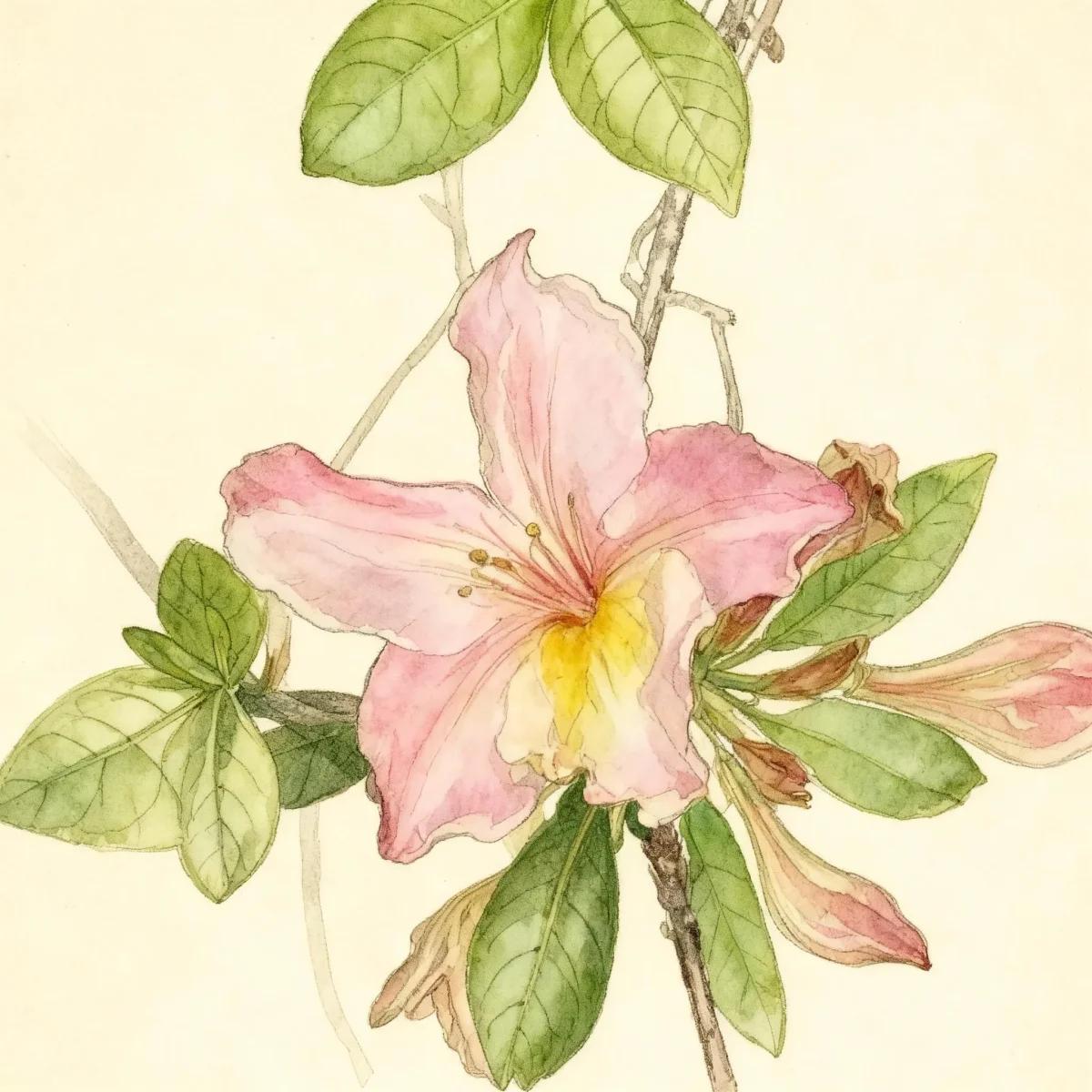
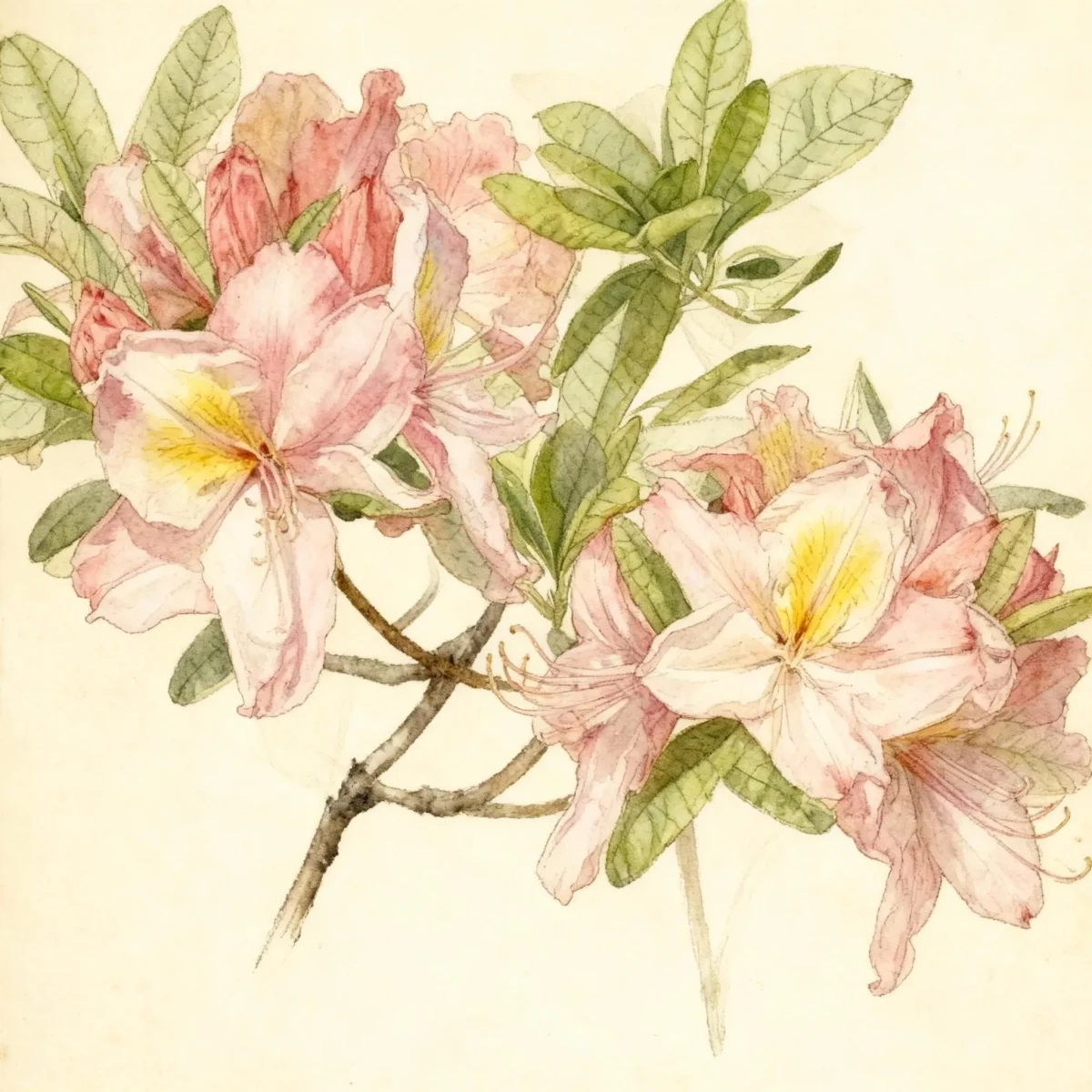
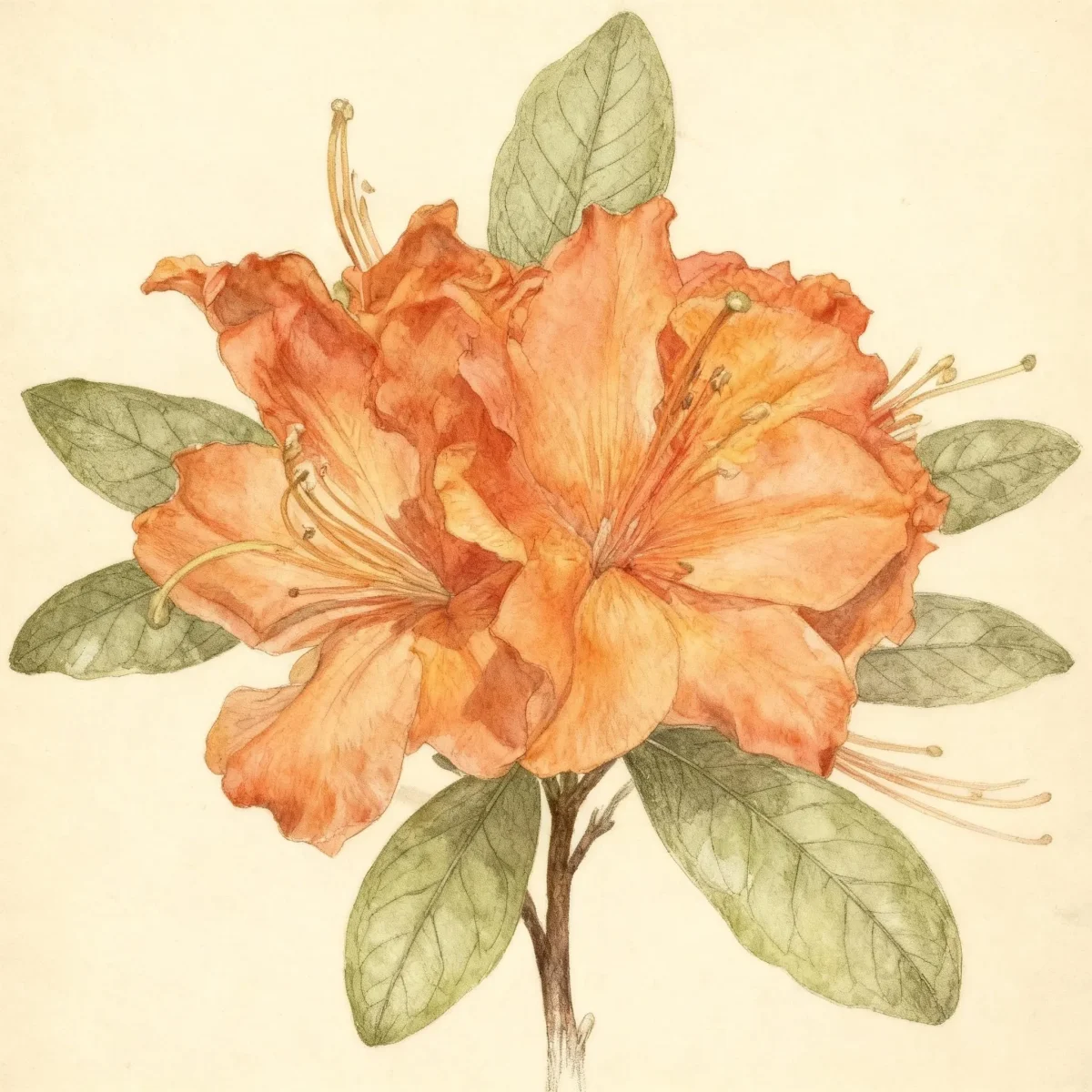
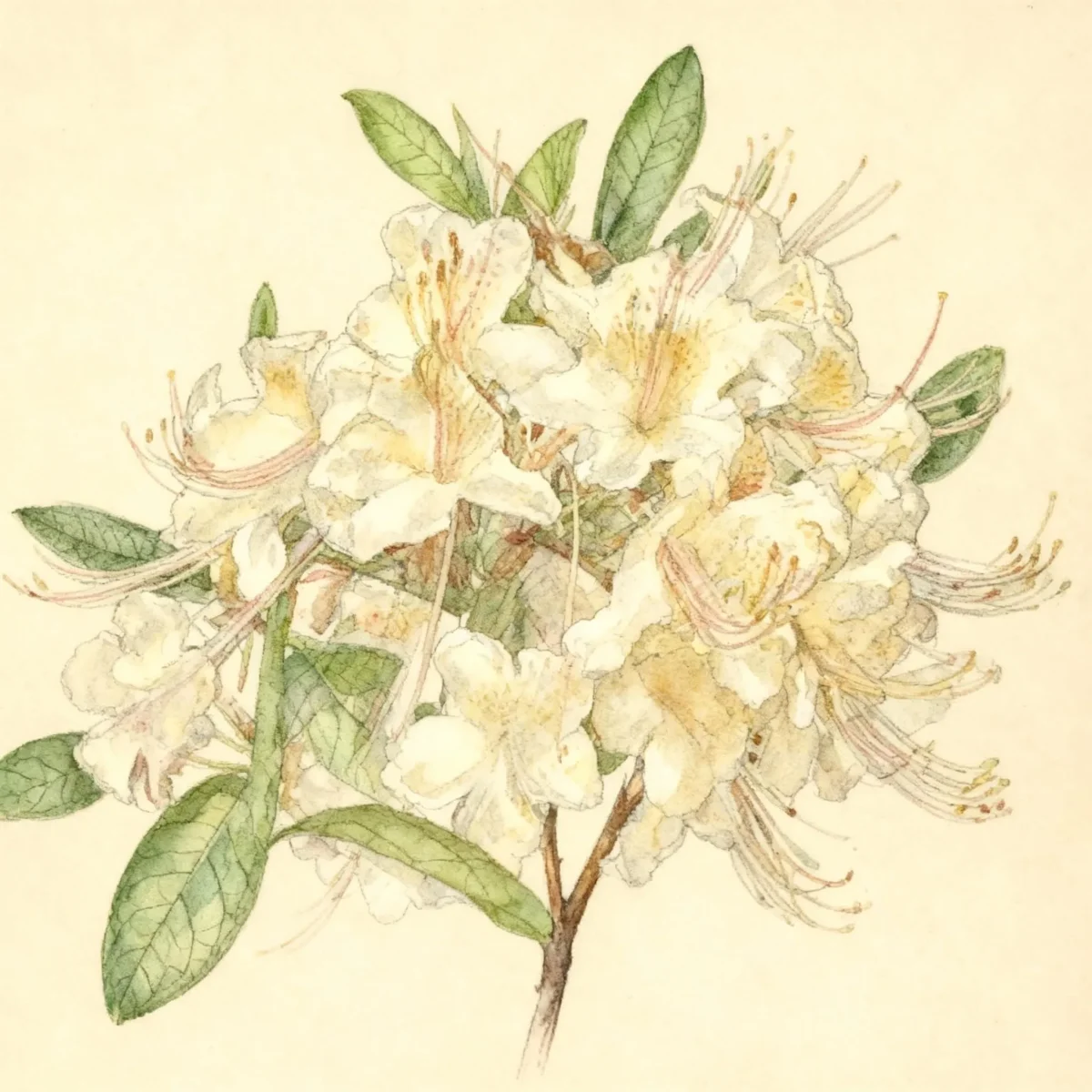
Deciduous azalea (Rhododendron 'Fragrant Star')
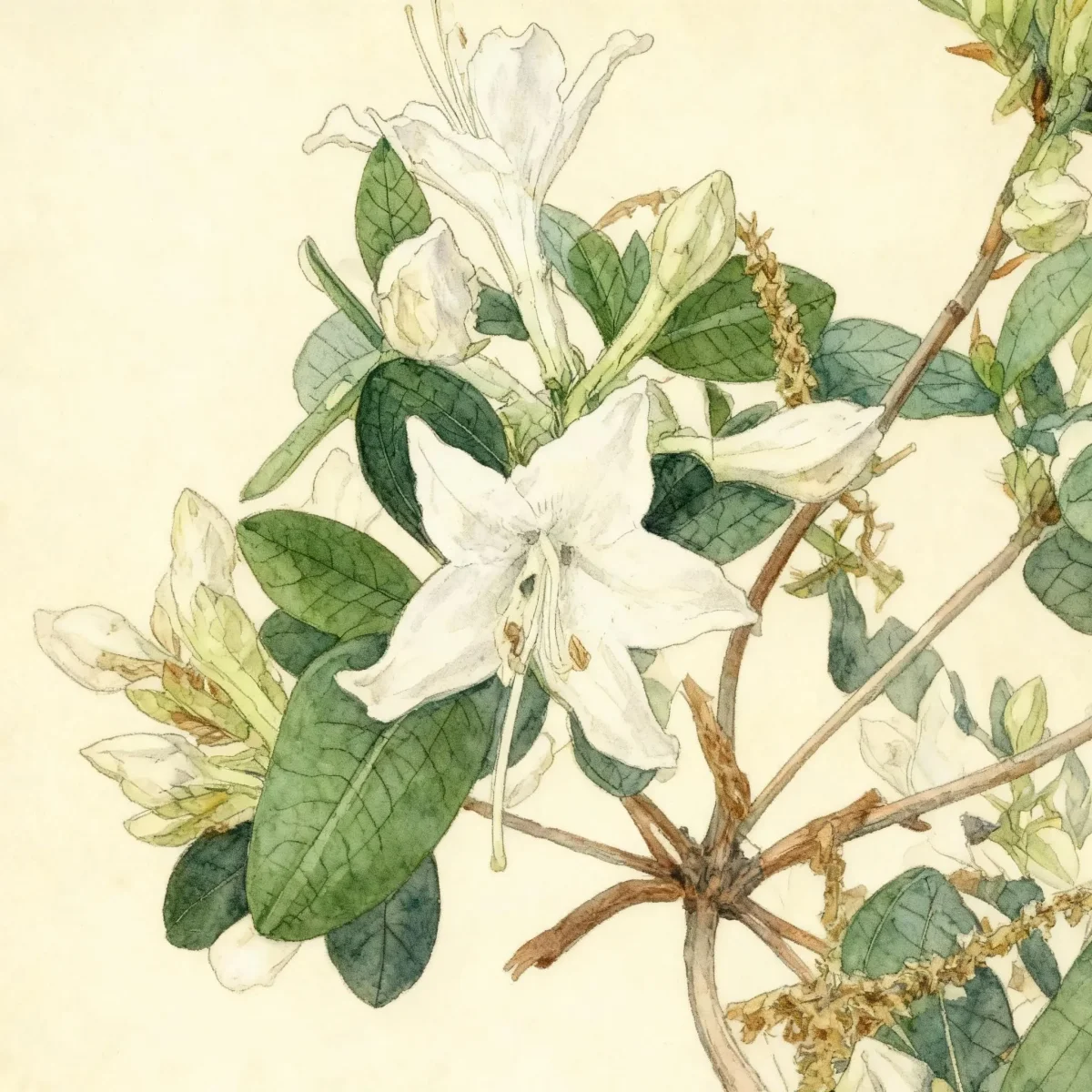
Rhododendron 'Fragrant Star' is a Deciduous azalea producing pure white, extremely fragrant flowers in May. Hardy in Zones 5-9.
Scroll down to discover growing tips, care requirements, companion plants, and more
Complete Plant Information
Overview
The Rhododendron ‘Fragrant Star’ is a highly prized Deciduous azalea celebrated for its truly exceptional springtime display. This cultivar offers pure white, extremely fragrant blooms that emerge reliably in May, making it a standout choice for spring gardens. As a deciduous shrub, it sheds its leaves in the fall, providing a different textural element than its evergreen cousins.
Rhododendron ‘Fragrant Star’ matures into a neat, compact shrub, generally reaching 3 to 4 feet in height and spread. It thrives when given a location that offers part shade, mirroring its native preference for dappled light or open shade conditions often found under a woodland canopy. Successfully cultivating this variety hinges on providing the correct acidic, well-drained, and humus-rich soil environment.
In addition to its stunning floral performance, this Deciduous azalea variant is noted for its relatively good heat tolerance compared to some other azaleas. Planting Rhododendron ‘Fragrant Star’ strategically protects its root system while maximizing its visual and aromatic impact in the landscape.
Fast Facts
- Plant Family: Ericaceae
- Plant Type: Deciduous shrub
- Hardiness Zones: USDA Zones 5-9
- Size at Maturity:
- Height: 3-4 ft
- Spread: 3-4 ft
- Bloom Time: May
- Bloom Description: White
- Sun Exposure: Part shade
- Water Needs: Medium
- Maintenance Level: Medium
How to Grow
Optimal planting for Rhododendron ‘Fragrant Star’ occurs when the soil is workable, often in spring or early fall. Choose a location protected from strong winds and ensure the site provides part shade; morning sun followed by afternoon shade is ideal. Good drainage is non-negotiable, as these shrubs highly dislike having “wet feet,” which leads to root rot. Amend heavy clay soils by planting in raised beds or incorporating significant organic matter to improve aeration.
Maintain consistently medium moisture levels; the fibrous, shallow roots must never be allowed to dry out, making mulch essential. Apply a thick layer of organic mulch, such as pine needles or wood chips, to retain moisture and regulate soil temperature. Soil acidity management is crucial: aim for a pH between 5.0 and 5.5, using iron sulfate or sulfur to lower the pH if necessary.
Cultivation around the plant should be avoided due to the shallow root system. Immediately after the flowers fade in May, gently clip off spent flower clusters (deadheading) if possible to encourage better blooming the following year. Be aware that azaleas are sensitive to juglone toxicity; avoid planting near walnut, butternut, or pecan trees.
Landscape Uses
Rhododendron ‘Fragrant Star’ is highly versatile, suited both for formal use and informal woodland settings. Its moderate size (3-4 ft) makes it perfect for defining shrub borders or mixing into textural, mixed borders alongside other acid-loving plants like rhododendrons and camellias. While it serves effectively as a hedge due to its dense habit, it truly shines as a specimen planting where its fragrant white flowers can be appreciated up close.
Consider using this Deciduous azalea in woodland gardens or shade gardens where the dappled light mimics its preferred natural setting. Its structure also works well in foundation plantings, provided adequate space is left for air circulation and its mature spread. For a classic acidic garden palette, pair Rhododendron ‘Fragrant Star’ with ferns, hostas, and companion plants that share the need for humus-rich, acidic soil.
Standout Features
Flower Qualities
- Showy
- Fragrant
Noteworthy Characteristics
Rhododendron is a genus of 500 to 900 species and includes both of what we commonly call rhododendrons and azaleas. Deciduous azaleas, like Rhododendron ‘Fragrant Star’, drop their leaves in the fall and flower early in spring before the new foliage emerges, providing a lavish display. Specifically, ‘Fragrant Star’ is lauded as a larger-flowered hybrid with bluish-green leaves and pure white, extremely fragrant blooms, and is noted for being reasonably heat tolerant.
Tolerances
- Rabbit
Potential Problems
Rhododendrons and azaleas are susceptible to a range of common pests and diseases if not properly sited and cared for. Key insect threats include aphids, scale, lacebugs, and mealybugs, while fungal issues like blight, root rot, and powdery mildew can establish in humid or poorly draining conditions. A common cultural problem is chlorosis, where leaves turn yellow, signaling an iron deficiency often caused by soil pH that is too high. Maintaining the ideal acidic soil environment and ensuring excellent drainage are the best preventative measures against most health issues affecting your Rhododendron ‘Fragrant Star’.
Frequently Asked Questions
What hardiness zones is Deciduous azalea suitable for?
Rhododendron ‘Fragrant Star’ is suitable for USDA Hardiness Zones 5 through 9.
How large does Rhododendron ‘Fragrant Star’ grow?
This variety typically reaches a height and spread between 3 and 4 feet at maturity.
When does Deciduous azalea bloom?
The bloom time for Rhododendron ‘Fragrant Star’ is in May, producing white flowers.
What sun exposure does Rhododendron ‘Fragrant Star’ need?
It requires part shade, preferring sun-dappled light or high open shade for best performance.
Conclusion
The Rhododendron ‘Fragrant Star’ brings significant value to the garden through its intense fragrance and pure white spring flowers. This dependable Deciduous azalea variety performs well when its specific cultural needs—acidic soil, moisture retention, and protection from intense sun—are met. Before planting, confirm your local USDA zone compatibility and prepare your soil to optimize the growth of this beautiful shrub.
Companion Planting
When planning the garden structure around Rhododendron ‘Fragrant Star’, selecting appropriate companions is key to maintaining low soil pH and achieving layered aesthetics. Plants that thrive in acidic, well-drained conditions are ideal, such as blueberries, mountain laurel (Kalmia), and evergreen rhododendrons. Grouping with shade-tolerant perennials like Hosta, Astilbe, and various ferns enhances the woodland garden feel, offering contrasting textures while sharing similar cultural needs.
Seasonal Care Calendar
Spring care focuses heavily on the bloom period ending in May; immediately deadhead spent flowers lightly to redirect energy into root development rather than seed production. As summer progresses, consistent deep watering is necessary, especially during dry spells, paying close attention to the mulch layer to ensure the shallow roots stay cool and moist. In autumn, avoid heavy fertilization which can encourage soft growth susceptible to winter damage; instead, ensure the plant has adequate moisture going into dormancy. Winter protection mainly involves ensuring the mulch layer remains adequate, particularly in the colder end of its hardiness range (Zone 5).