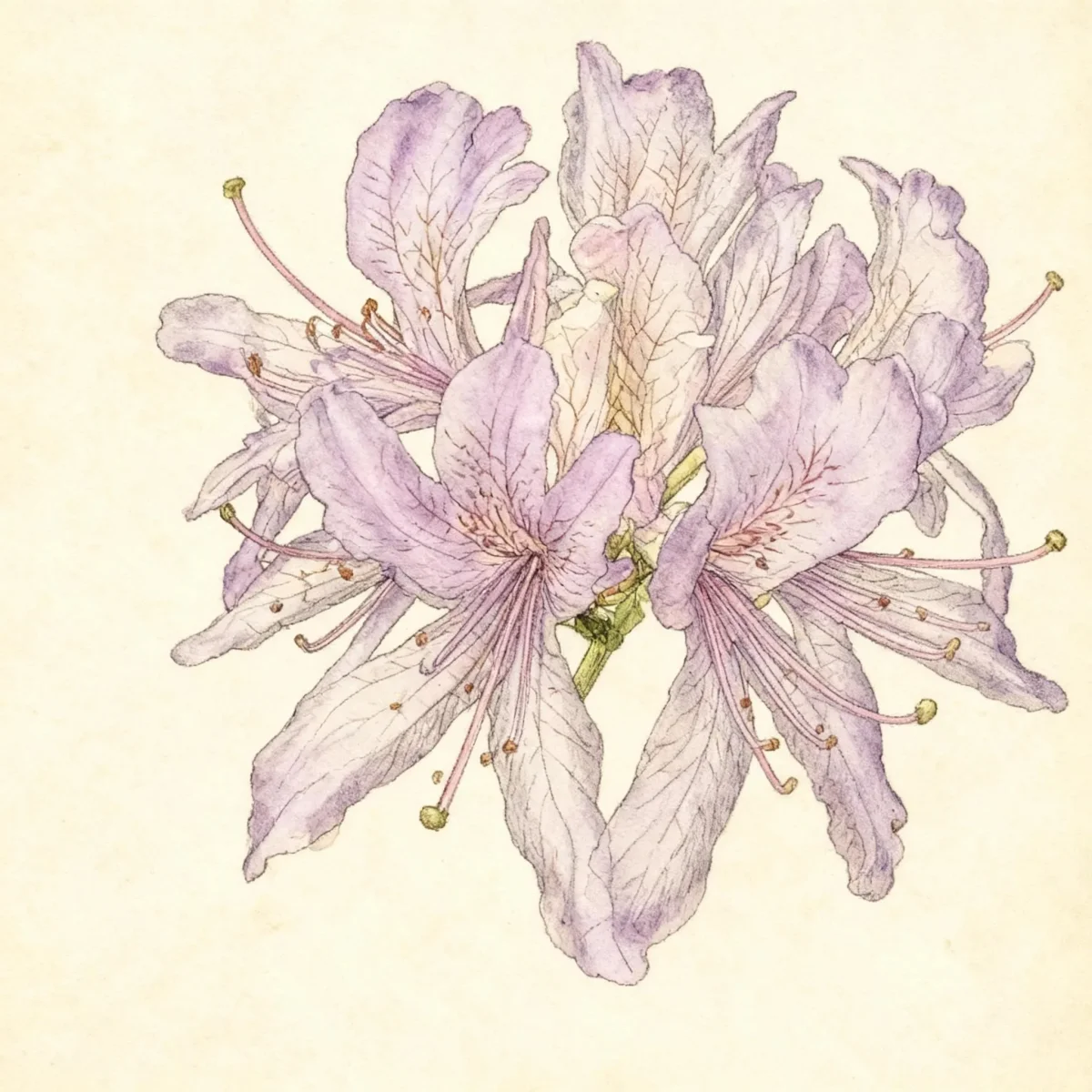
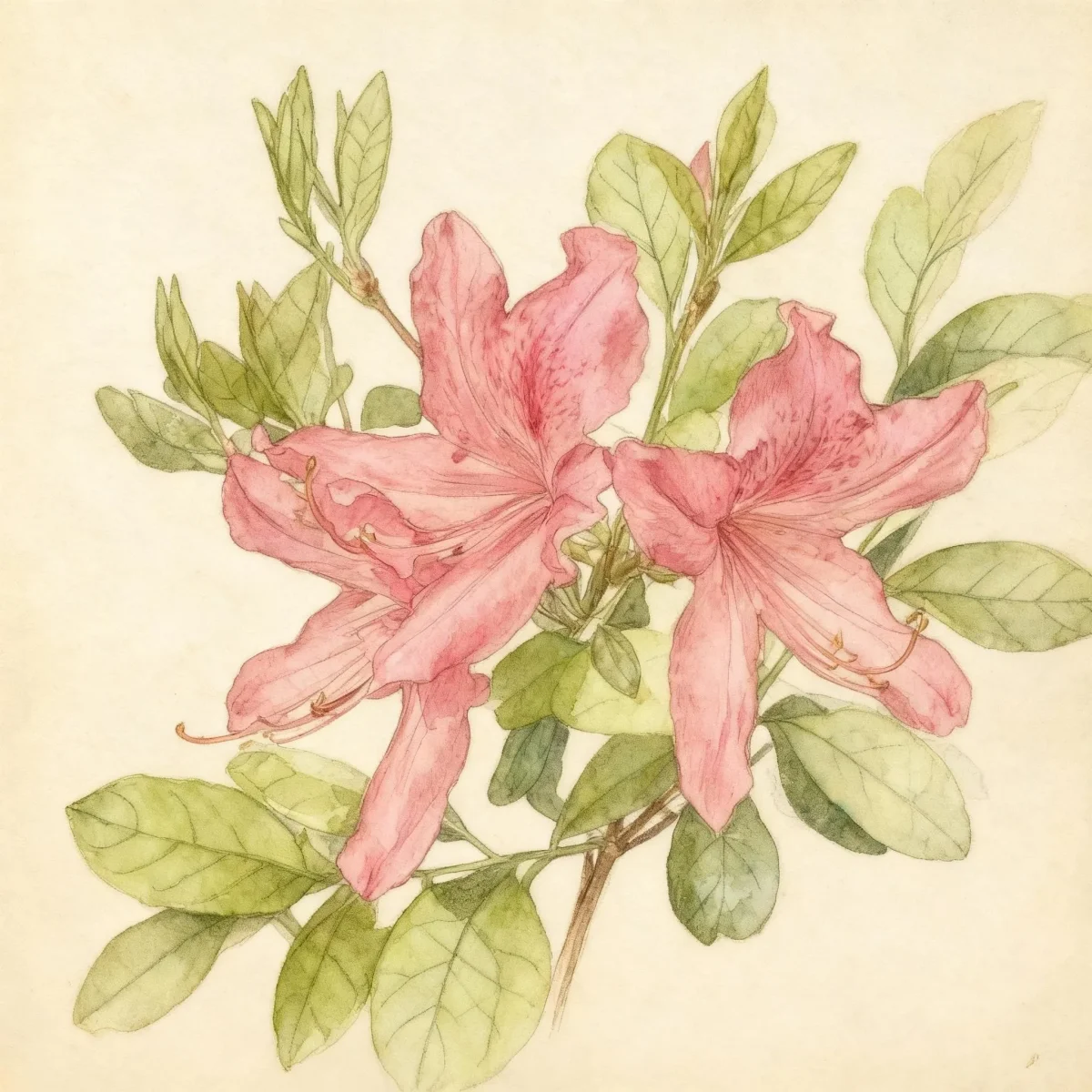
Deciduous azalea (Rhododendron 'Marydel')
Rhododendron 'Marydel' is a fragrant Deciduous azalea with spectacular white flowers and pink tubes, thriving in zones 5-8 in part shade.
Scroll down to discover growing tips, care requirements, companion plants, and more
Complete Plant Information
Overview
Rhododendron ‘Marydel’ is a captivating Deciduous azalea cultivar prized for its striking, fragrant spring display. Discovered in Delaware, this semi-dwarf shrub offers fantastic aesthetic value, transforming woodland margins and borders when it explodes with color. Gardeners value the delicate yet showy appearance of its blooms set against the backdrop of a deciduous structure.
As a member of the Rhododendron genus, growing Rhododendron ‘Marydel’ successfully hinges on understanding its preference for highly acidic, well-drained soil. This Deciduous azalea matures into a manageable 3 to 4 feet tall and 5 to 6 feet wide, making it excellent for mid-sized plantings or massing. Its usefulness extends beyond bloom time as it offers structure to the garden early in the growing season.
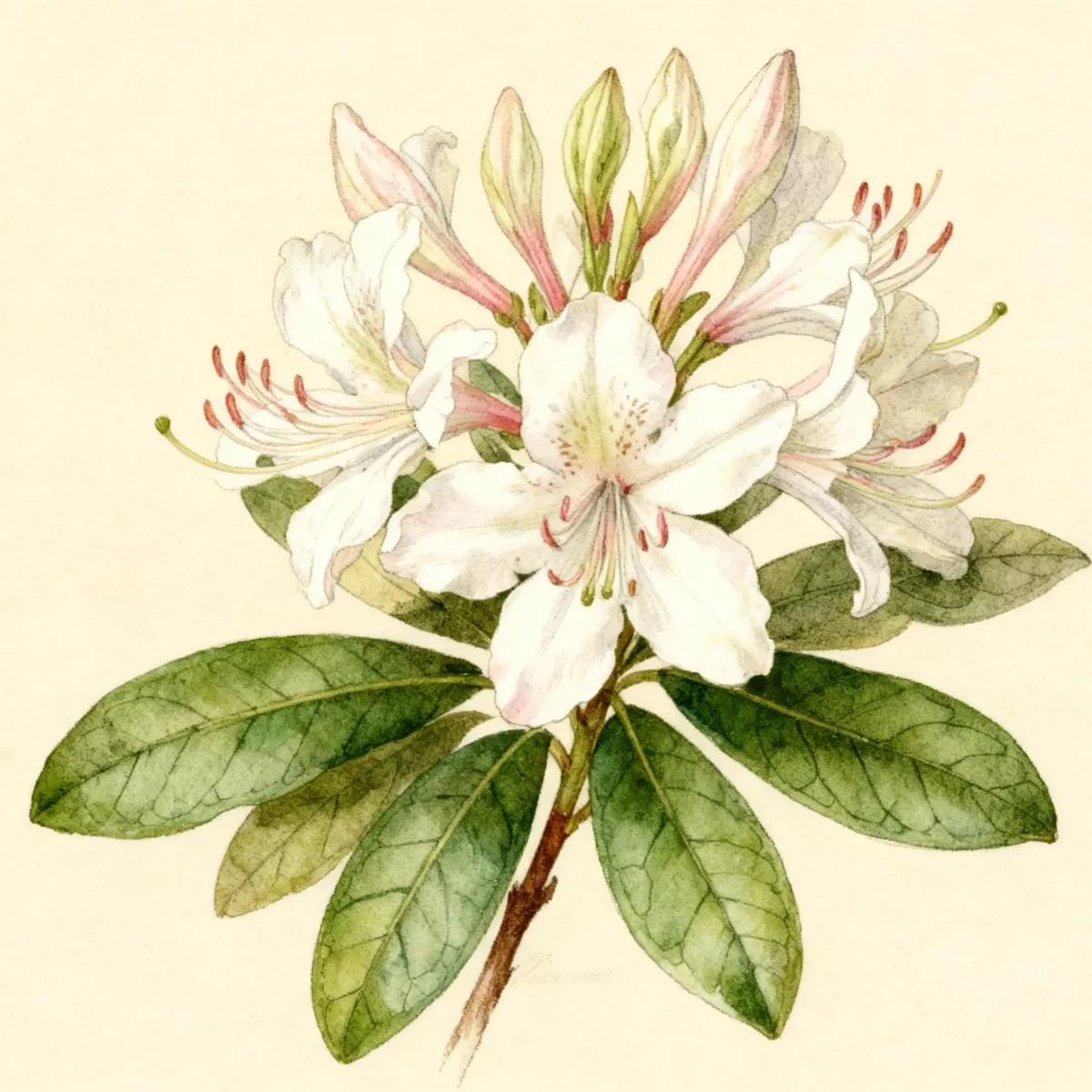
The fragrance and color combination—white flowers featuring a deep pink tube—make Rhododendron ‘Marydel’ a standout feature, particularly in dappled light settings. While it prefers protection from intense afternoon heat, it requires consistent medium moisture to thrive through its bloom period in April and May.
Fast Facts
- Plant Family: Ericaceae
- Plant Type: Deciduous shrub
- Hardiness Zones: USDA Zones 5-8
- Size at Maturity:
- Height: 3-4 ft
- Spread: 5-6 ft
- Bloom Time: April to May
- Bloom Description: White with a deep pink tube
- Sun Exposure: Part shade
- Water Needs: Medium
- Maintenance Level: Medium
How to Grow
Planting Rhododendron ‘Marydel’ should occur during the cooler, moist periods of early spring or fall. The most critical factor for success is soil composition: aim for organically rich, humusy, and highly acidic soil, ideally pH 5.0 to 5.5. Ensure that the planting location guarantees excellent drainage, as these plants absolutely do not tolerate “wet feet,” which can lead to root rot. Position the Deciduous azalea where it receives sun dappled shade or high open shade; morning sun with afternoon shade is often ideal, especially in warmer climates.
Maintenance for Rhododendron ‘Marydel’ is rated medium, largely due to consistent watering needs and soil management. The shallow, fibrous root systems must never dry out; apply a beneficial layer of mulch, such as pine needles or wood chips, to stabilize soil temperatures and retain moisture. Avoid cultivating near the base of the plant, as the roots are sensitive. Adjust soil pH as needed by adding sulfur or iron sulfate to lower it, ensuring the acidic conditions remain stable.
Pruning is minimal but important. Clip off spent flower clusters right after blooming to encourage energy redirection toward robust future growth rather than seed production. Be mindful of planting locations: avoid the drip line of walnut trees, as rhododendrons and azaleas are highly susceptible to juglone toxicity.
Landscape Uses
Rhododendron ‘Marydel’ is highly versatile in the landscape, performing well in mass plantings to create a continuous sweep of spring color. Its moderate size makes it an excellent choice for shrub borders, where it can provide mid-level interest, or as an accent plant in woodland gardens designed for shade. Given its habit, it is also effective when used as a formal or informal hedge, especially due to the clean foliage that emerges after the blooms fade.
When planning mixed borders, pair this Deciduous azalea with other acid-loving plants that share similar light and moisture requirements, such as native ferns, rhododendrons, or azaleas that bloom at different times. Its performance on north or east-facing slopes makes it an ideal choice for softening foundation plantings where the afternoon sun is limited.
Consider grouping several Rhododendron ‘Marydel’ plants together to maximize the visual impact of their showy, fragrant flowers. Their manageable spread of 5 to 6 feet allows for thoughtful spacing that promotes good air circulation, which is vital for disease prevention.
Standout Features
Flower Qualities
- Showy
- Fragrant
Noteworthy Characteristics
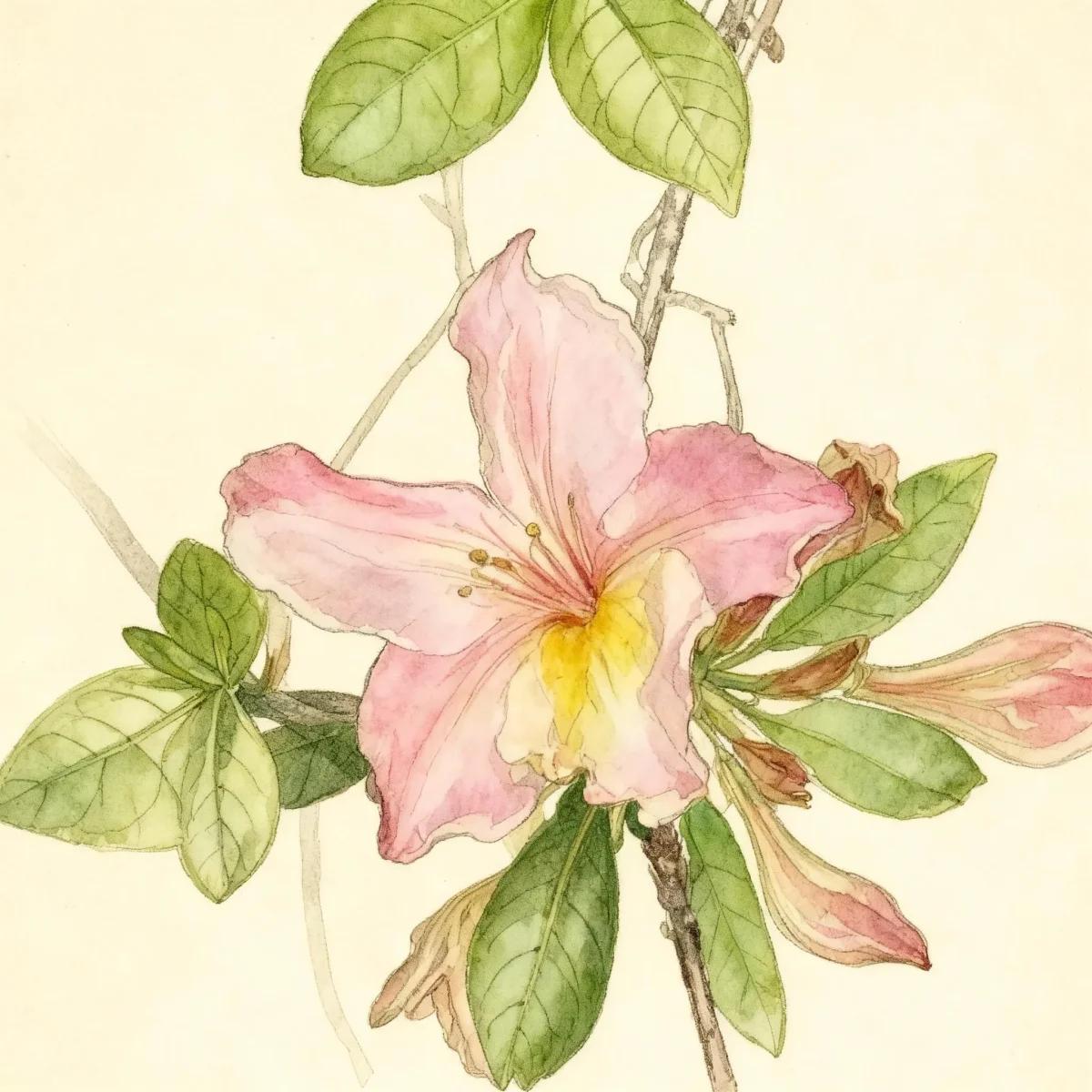
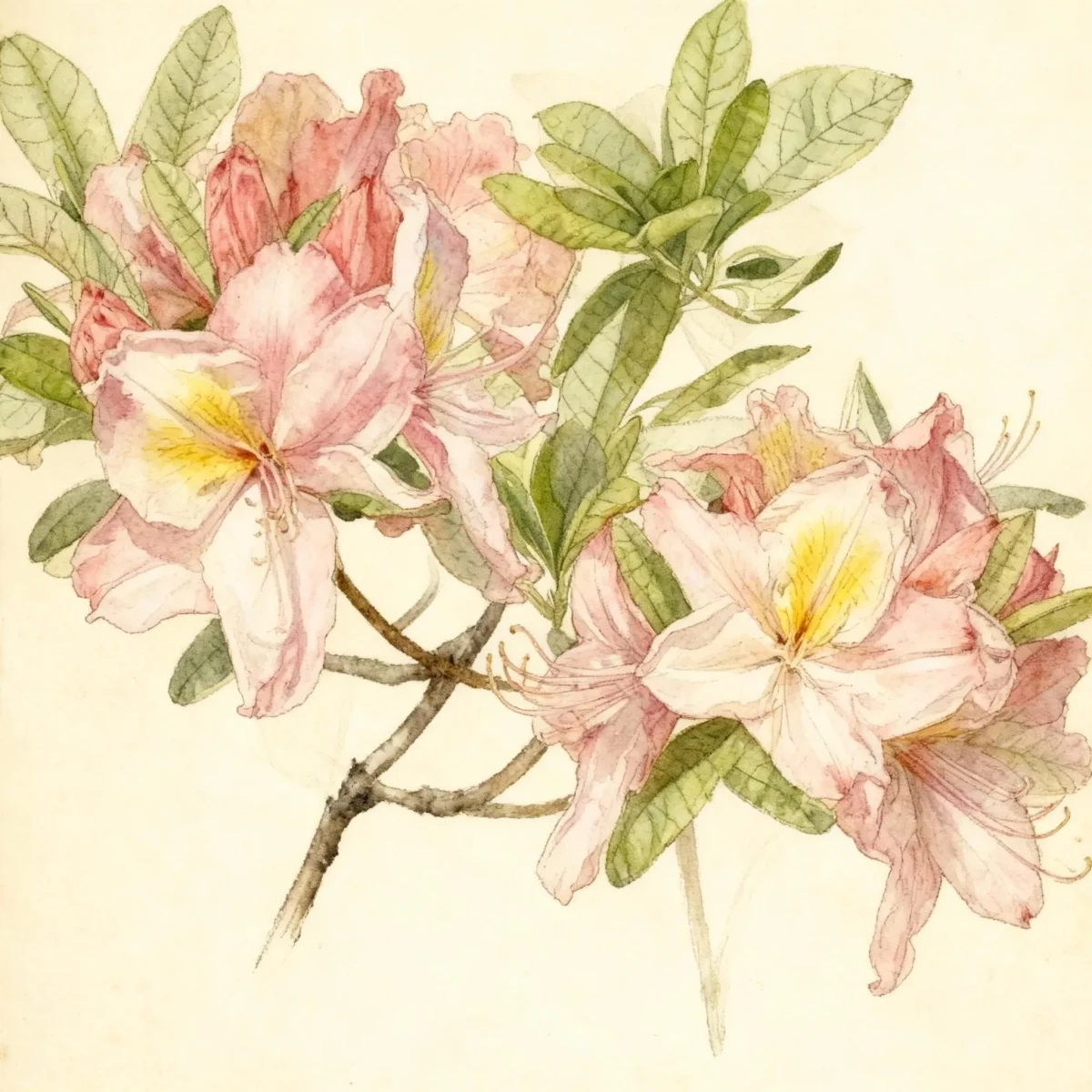
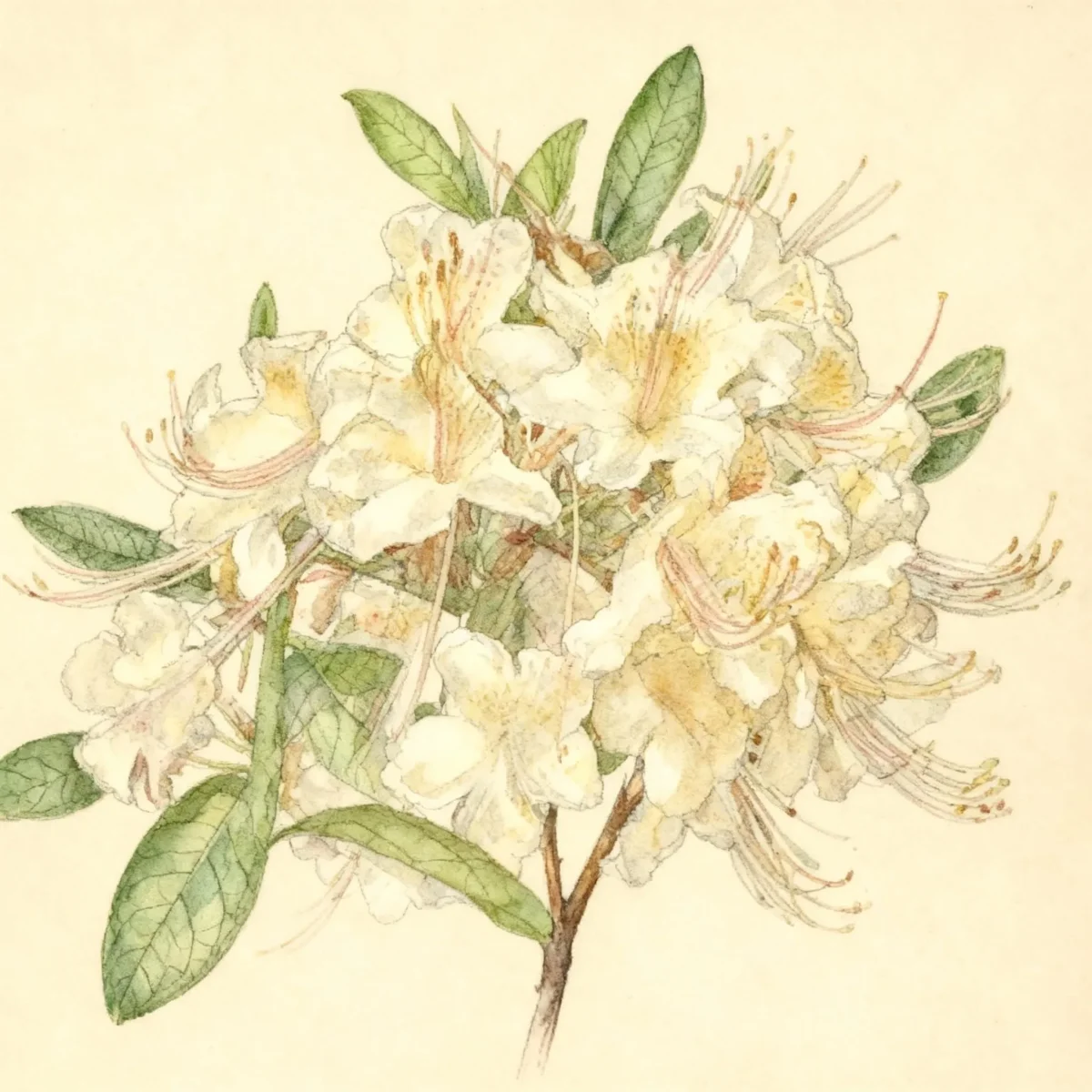
Genus name comes from the Greek words rhodo meaning rose and dendron meaning tree. Transferred from the Greek name for Nerium oleander.‘Marydel’ was found by the horticulturalist, Polly Hill, in the wild in Delaware near the Choptank River and the town of Marydel. It is believed to be a natural hybrid of Rhododendron atlanticum and Rhododendron periclymenoides. It has deep pink buds that open into 1 3/4 in., very fragrant, white flowers that have a deep pink tube and pink at the margins of the petals. ‘Marydel’ is a semi-dwarf shrub that grows 3 to 4 ft. Tall and 5 to 6 ft. Wide.
Tolerances
- Rabbit
Potential Problems
Rhododendrons and azaleas, including this Deciduous azalea, face potential susceptibility to numerous insect and disease issues if cultural needs are ignored. Vigilance against pests like aphids, scale, and mealybugs is necessary, alongside monitoring for diseases such as root rot or leaf spot. Chlorosis, where leaves turn yellow, is often a direct indicator of soil pH imbalance, frequently caused by the pH climbing too high above the required acidic range.
Prevention remains the best management strategy for Rhododendron ‘Marydel’. Establishing the plant in the correct, well-drained, acidic soil environment drastically reduces susceptibility to fungal issues like crown or root rot. Ensure you do not cultivate too closely, as the shallow root systems are easily damaged.
If nutrient issues arise, particularly chlorosis, test your soil pH and amend it as necessary, often requiring additions of iron sulfate to correct iron deficiency by lowering the pH. A healthy Rhododendron ‘Marydel’ receiving proper light and water conditions will naturally fend off most problems.
Frequently Asked Questions
What hardiness zones is Deciduous azalea suitable for?
Rhododendron ‘Marydel’ is suitable for USDA Hardiness Zones 5 through 8.
How large does Deciduous azalea grow?
This plant typically reaches a height between 3 and 4 feet and spreads 5 to 6 feet wide at maturity.
What sun exposure does Rhododendron ‘Marydel’ need?
It requires part shade; morning sun followed by afternoon shade is generally recognized as the optimal condition.
When does Deciduous azalea bloom?
Rhododendron ‘Marydel’ blooms reliably from April to May, offering showy flowers described as white with a deep pink tube.
Conclusion
The Rhododendron ‘Marydel’ offers gardeners a stunning, fragrant spring display combined with a manageable, semi-dwarf structure. Its successful integration into any eastern garden relies on respecting its need for highly acidic soil and consistent, medium moisture. Before planting this beautiful Deciduous azalea, confirm your site conditions align with USDA Zones 5-8 and that the soil pH is suitably acidic for enjoyment for years to come.
companion planting
Companion planting near this Deciduous azalea is simplified by adhering to shared soil needs—specifically, high acidity and high organic content. Consider anchoring your area with taller, acid-loving evergreens like mature pines or hemlocks that provide the necessary filtered light for Rhododendron ‘Marydel’. Underplanting with low-growing groundcovers that thrive in shade, such as certain varieties of shade-tolerant heuchera or native woodland phlox, can help keep competitive weeds suppressed without disturbing the shallow roots.
Avoid perennial companions that prefer neutral or alkaline soils, as amending the soil for their benefit will harm the azalea. Plants that enjoy consistent moisture without being waterlogged, like astilbe or Japanese iris (in appropriate zones), often coexist well culturally with Rhododendron ‘Marydel’ while adding textural contrast during the summer months after the initial bloom fades.
seasonal care calendar
Mid-summer is a good time to reassess the mulch layer around your Rhododendron ‘Marydel’, topping it up if necessary to protect the roots and maintain cool soil temperatures through late season heat. Ensure deep, infrequent watering during dry spells throughout summer, as the medium water needs become critical when temperatures peak.
In early spring, just as new growth begins to swell, apply a slow-release, acidifying fertilizer formulated specifically for rhododendrons, following label directions precisely. Remember to execute the necessary task of deadheading spent flower trusses immediately after bloom to ensure maximum energy is stored for the next year’s performance of this beautiful cultivar.
Spring cleanup should focus on removing any winter debris, being extremely careful not to disturb the soil surface near the base of the plant where sensitive feeder roots reside. Protecting the new, tender foliage from late frosts is helpful, though this Deciduous azalea is generally resilient once established in its zone.