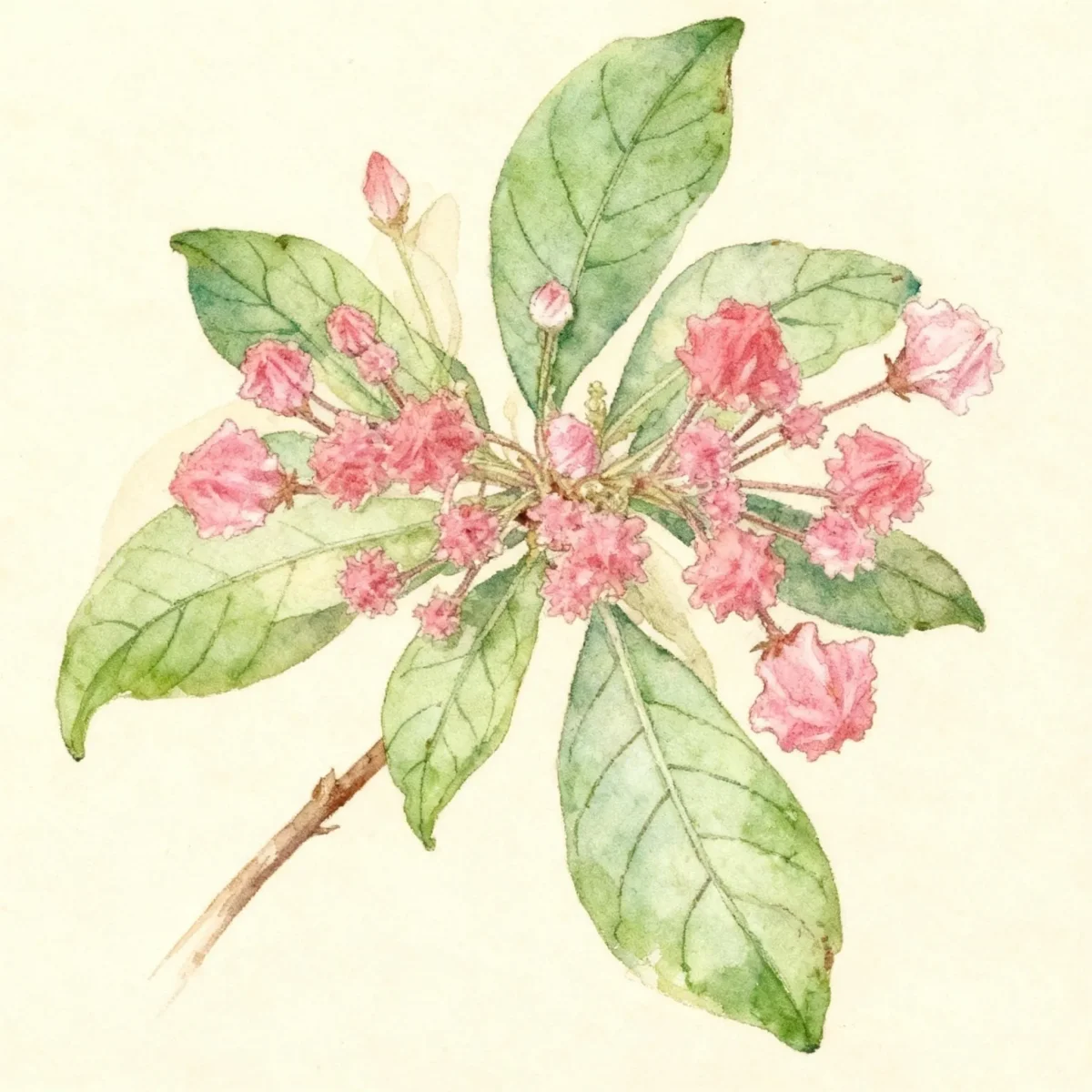
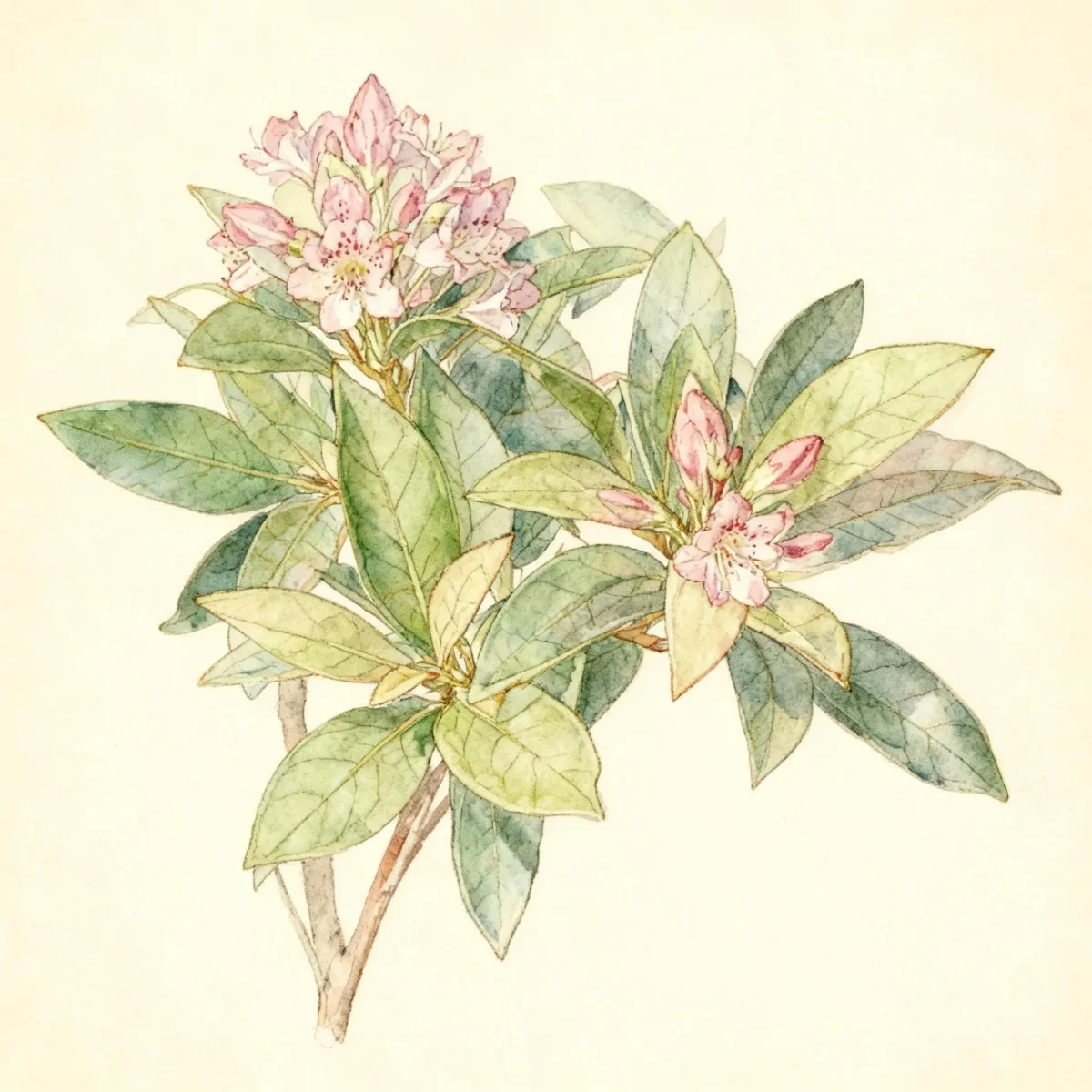
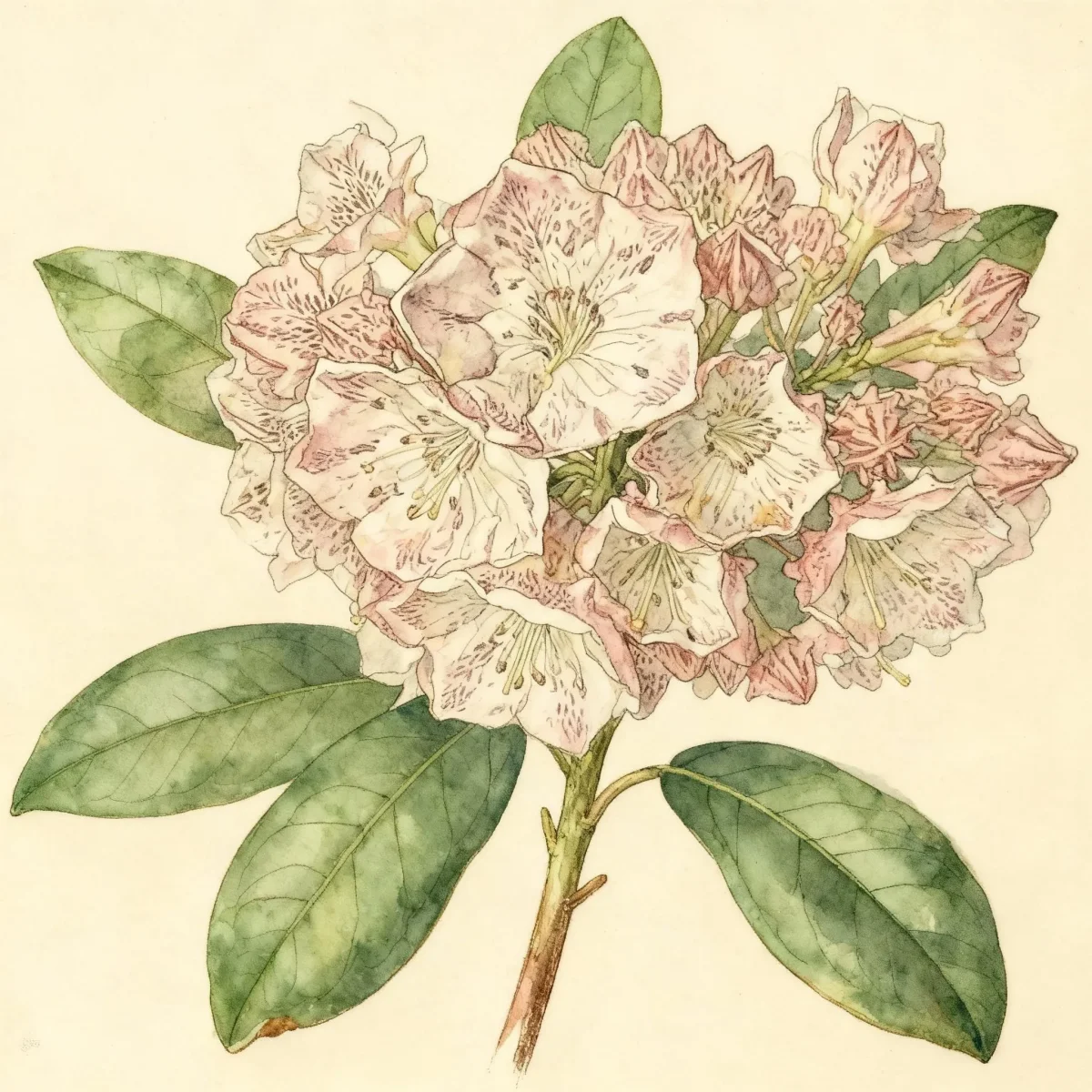
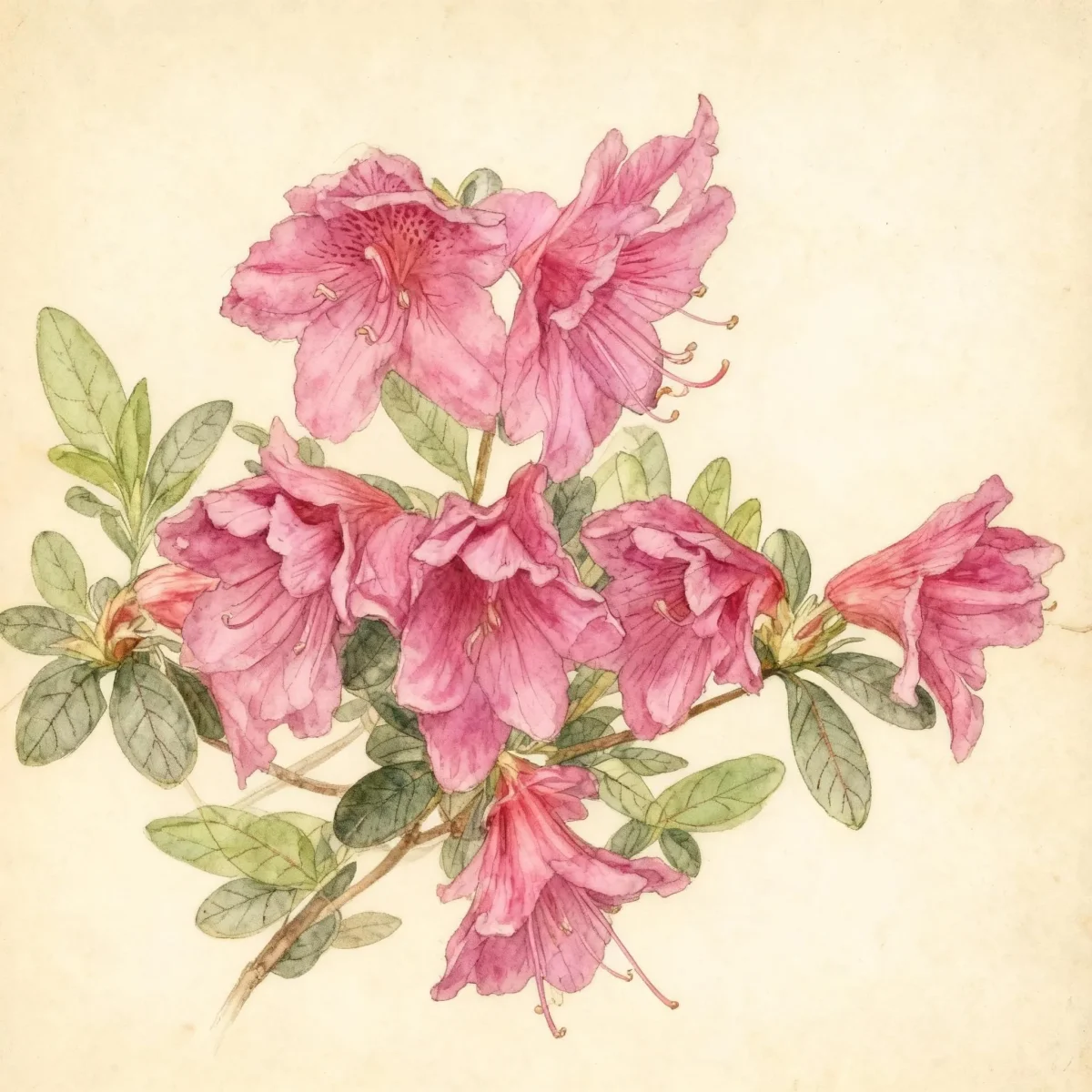
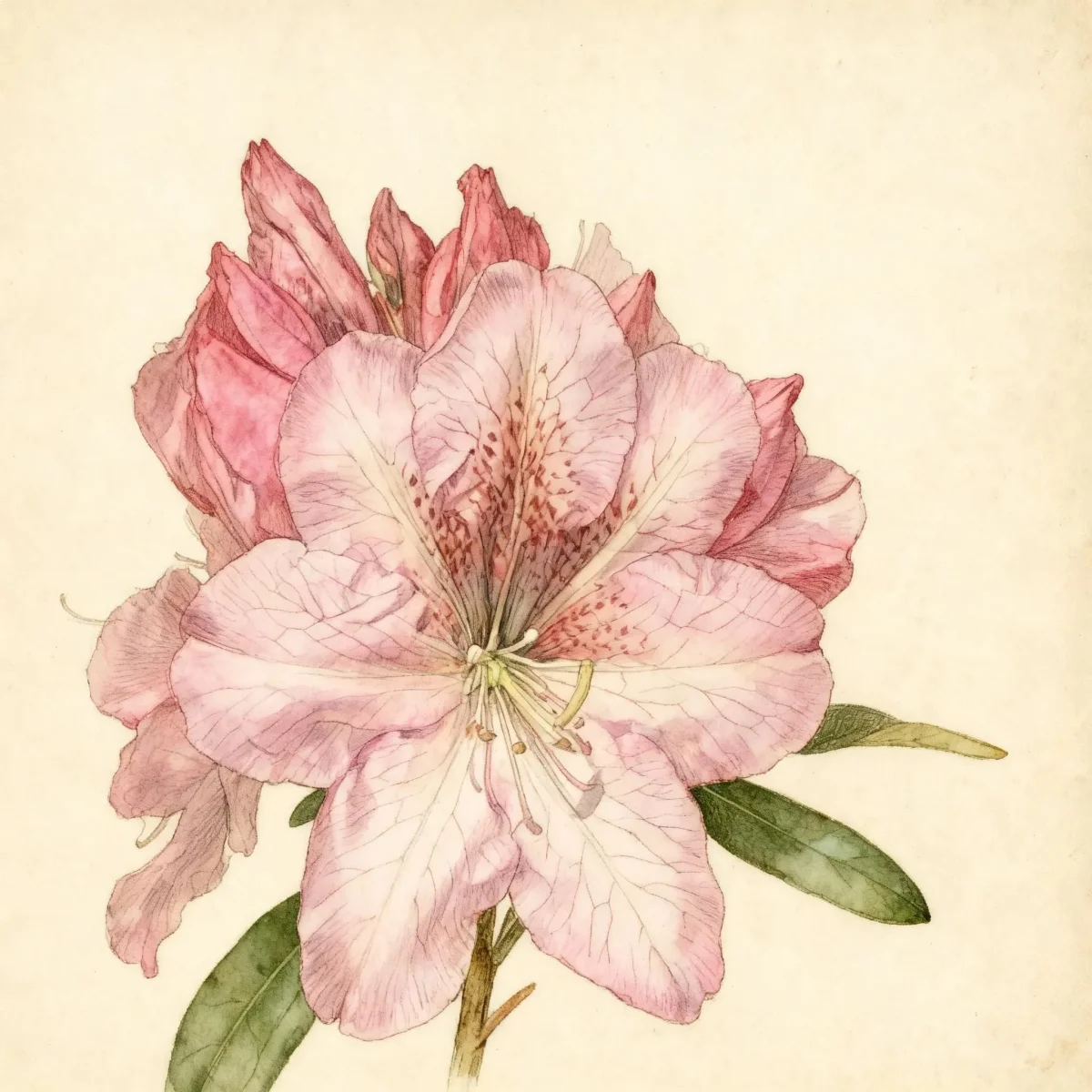
Small-leaved rhododendron (Rhododendron 'Bubblegum')
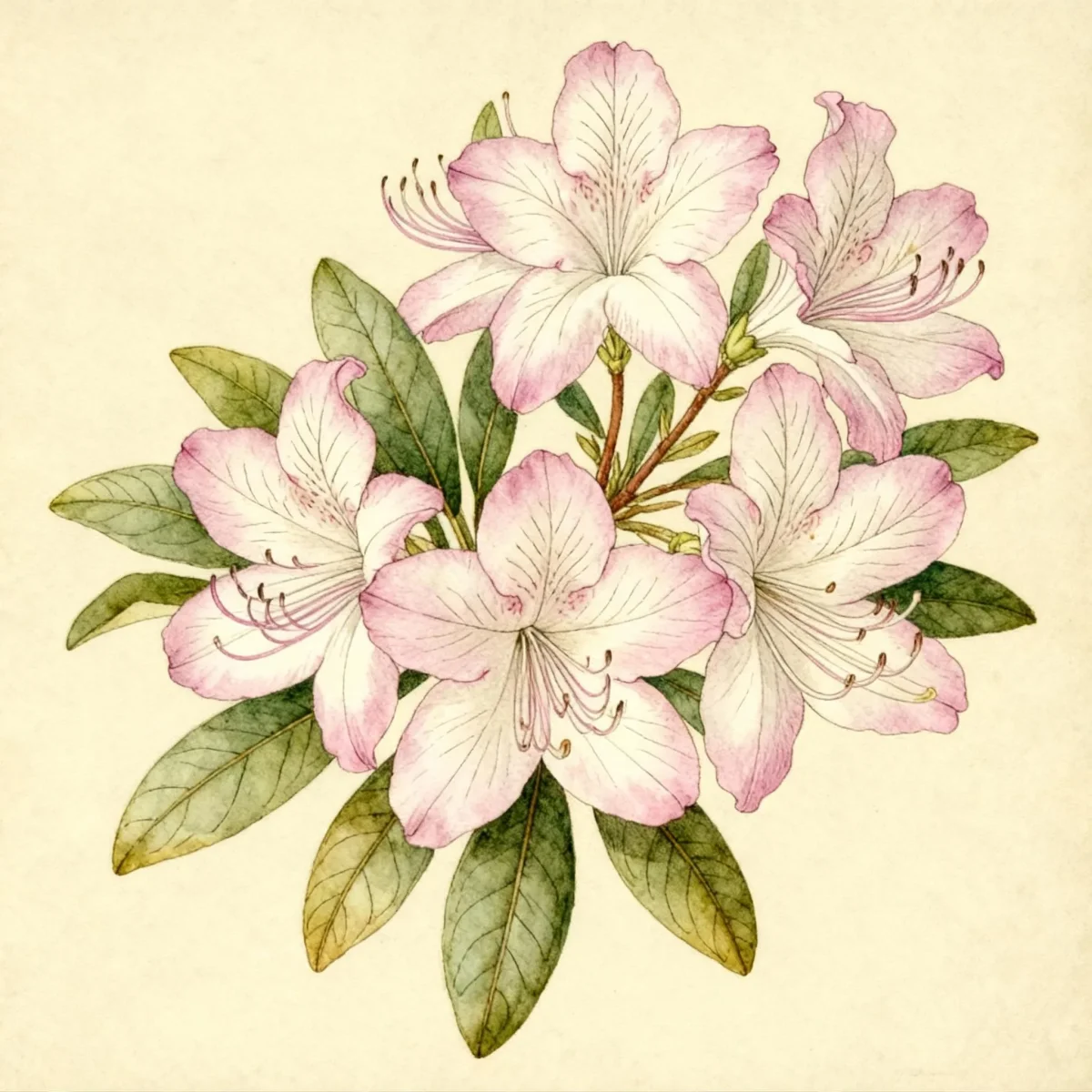
Rhododendron 'Bubblegum' is a charming Small-leaved rhododendron blooming pink in April, ideal for part shade gardens in zones 4-8.
Scroll down to discover growing tips, care requirements, companion plants, and more
Complete Plant Information
Overview
Rhododendron ‘Bubblegum’ offers gardeners the classic beauty of rhododendrons in a compact, manageable size, making it a standout choice for foundation plantings or mixed borders. This cultivar is recognized as a Small-leaved rhododendron, celebrated for its attractive dark green foliage that persists throughout winter, offering year-round visual interest. Its performance is tied closely to its cultural needs, thriving when provided with the specific acidic, humusy soil conditions that characterize its native woodland environments.
The shrub produces lovely pink flowers during April, drawing attention early in the growing season. As a broadleaf evergreen, Rhododendron ‘Bubblegum’ provides structure and color contrast among deciduous plantings. Gardeners aiming for reliable spring color and evergreen texture will find this cultivar, often referred to simply as Small-leaved rhododendron, to be a dependable and rewarding addition.
This particular hybrid exhibits desirable traits, including small leaves reaching about 2.5 inches long and distinctive red stems that complement the seasonal blooms. Successfully growing Rhododendron ‘Bubblegum’ involves paying close attention to drainage and soil pH, which are critical success factors for the entire genus.
Fast Facts
- Plant Family: Ericaceae
- Plant Type: Broadleaf evergreen
- Hardiness Zones: USDA Zones 4-8
- Size at Maturity:
- Height: 2-3 ft
- Spread: 2-3 ft
- Bloom Time: April
- Bloom Description: Pink
- Sun Exposure: Part shade
- Water Needs: Medium
- Maintenance Level: Medium
How to Grow
Planting Rhododendron ‘Bubblegum’ requires careful site selection, favoring locations protected from harsh winds and strong afternoon sun, particularly in warmer climates. The ideal location offers dappled sunlight or high open shade, such as found on north or east-facing slopes, though morning sun is often tolerated. Crucially, ensure the soil is acidic, rich in organic matter, humusy, and offers excellent drainage. Good drainage is essential; if heavy clay soils are present, consider raised beds to prevent root rot, as this Small-leaved rhododendron absolutely dislikes “wet feet.”
Maintain a medium water level, ensuring the shallow, fibrous root systems never dry out, especially during hot periods. Apply a thick layer of mulch, such as pine needles or wood chips, around the base (keeping it away from the crown) to help stabilize soil temperatures and retain moisture. Acidify the soil as necessary; the preferred pH range for Rhododendron ‘Bubblegum’ is between 5.0 and 5.5, achievable by amending with sulfur or iron sulfate.
Maintenance is medium, involving specialized pruning techniques. After the pink flowers fade in April, promptly clip off the spent flower clusters (deadheading) to encourage energy redirection toward next year’s buds rather than seed production. Avoid cultivating close to the plant, as its roots are shallow and easily damaged. Never allow the roots of your Rhododendron ‘Bubblegum’ to desiccate.
Landscape Uses
Rhododendron ‘Bubblegum’ excels in diverse landscaping roles due to its tidy, compact structure, typically reaching only 2 to 3 feet high and wide. It makes an excellent informal hedge, providing a low, neat border along walkways or property lines that retains color year-round. Furthermore, it functions beautifully when used as a mass planting to create drifts of spring color or as a specimen plant where its unique foliage can be appreciated up close.
This Small-leaved rhododendron integrates seamlessly into woodland gardens and shade gardens, mimicking its natural habitat preferences. Consider planting it in shrub borders alongside other acid-loving plants like Pieris, Kalmia, or companion evergreens that flourish in part shade. Its size also makes it suitable for foundation plantings where larger shrubs might overwhelm the architecture.
Utilize its evergreen nature to provide winter structure alongside fine-textured deciduous elements that demand similar soil conditions. The pink blooms of Rhododendron ‘Bubblegum’ contrast nicely with white or deep purple spring bulbs planted beneath its canopy.
Standout Features
Flower Qualities
- Showy
Noteworthy Characteristics
Rhododendron is a genus of 500 to 900 species and includes both of what we commonly call rhododendrons and azaleas. This cultivar, Rhododendron ‘Bubblegum’, is specifically a PJM-type noted for its single pink flowers, small leaves, and notable red stems. It functions as a broadleaf evergreen shrub, typically maturing around three feet tall and wide, displaying elliptic dark green leaves to 2.5 inches long that are covered with small scales (lepidote).
Tolerances
- Rabbit
Potential Problems
Rhododendrons and azaleas generally face various insect and disease pressures if cultural requirements are not met. Common insect pests can include aphids, scale, lacebugs, and mites, while fungal issues like leaf spot, crown rot, and root rot pose threats, particularly in waterlogged soils. Chlorosis, where leaves turn yellow, is a common indicator that the soil pH has become too high, leading to iron deficiency rather than an actual pest issue.
Prevention is the best defense for keeping your Small-leaved rhododendron healthy. Ensure highly acidic, well-drained soil to combat root and crown rot, which are often fatal. Inspect foliage regularly for signs of stippling (lacebugs) or sticky residue (scale or aphids). A healthy Rhododendron ‘Bubblegum’ situated in its preferred part shade environment with proper watering and soil pH management will naturally limit serious infestations.
Frequently Asked Questions
What hardiness zones is Small-leaved rhododendron suitable for?
Rhododendron ‘Bubblegum’ is suitable for USDA Hardiness Zones 4 through 8.
How large does Rhododendron ‘Bubblegum’ grow?
This plant typically reaches a mature height between 2 and 3 feet and spreads to a similar width of 2 to 3 feet.
What sun exposure does Rhododendron ‘Bubblegum’ need?
This desirable shrub performs best in part shade, ideally enjoying dappled sunlight or morning sun followed by afternoon shade.
When does Rhododendron ‘Bubblegum’ bloom?
Rhododendron ‘Bubblegum’ generally displays its vibrant pink blooms during the month of April.
Conclusion
Rhododendron ‘Bubblegum’ provides essential structure and vibrant early spring color, solidifying its place as a superior broadleaf evergreen for temperate gardens. Its moderate size and attractive features make the Small-leaved rhododendron a versatile choice for borders, massing, or hedging. Before planting, confirm your site offers the acidic, well-drained soil and part shade protection necessary for this PJM-type cultivar to truly flourish.
Companion Planting
Selecting appropriate neighbors is key when planting Rhododendron ‘Bubblegum’, as companion plants must share the need for acidic soil and protection from blazing afternoon sun. Consider planting companion evergreens like Japanese Andromeda (Pieris japonica) or Cryptomeria alongside your Small-leaved rhododendron to maintain year-round structure near foundation plantings. For seasonal color beneath the canopy, spring ephemerals that enjoy woodland conditions, such as woodland phlox or certain shade-tolerant bulbs, are excellent partners.
Avoid any plants that prefer neutral or alkaline soils, as attempting to amend the soil for a radically different pH preference simultaneously will stress the rhododendron and increase its vulnerability to root rot. Focus on plants that also benefit from humus-rich, moist, but excellently drained soil profiles.
Seasonal Care Calendar
Spring care centers around monitoring soil moisture when the shrub begins actively growing and preparing for its April bloom. Immediately after flowering concludes, deadhead spent trusses and apply a fresh layer of acidic organic mulch, such as pine needles, to keep the shallow roots cool and hydrated throughout the summer.
Summer requires diligent watering, as Rhododendron ‘Bubblegum’ should never be allowed to dry out due to its fibrous root system. Check the soil moisture two inches down before watering, aiming for consistently medium moisture rather than soaking the soil, which invites root rot. Avoid cultivating near the base of the plant when weeding.
In the fall and winter, protect the branches of your Small-leaved rhododendron from drying winter winds, which can cause foliage burn on evergreens. Ensure the mulch layer is adequate before the ground freezes to insulate the roots from extreme temperature fluctuations, helping to maintain its preferred cool, stable environment leading into the next growing season.