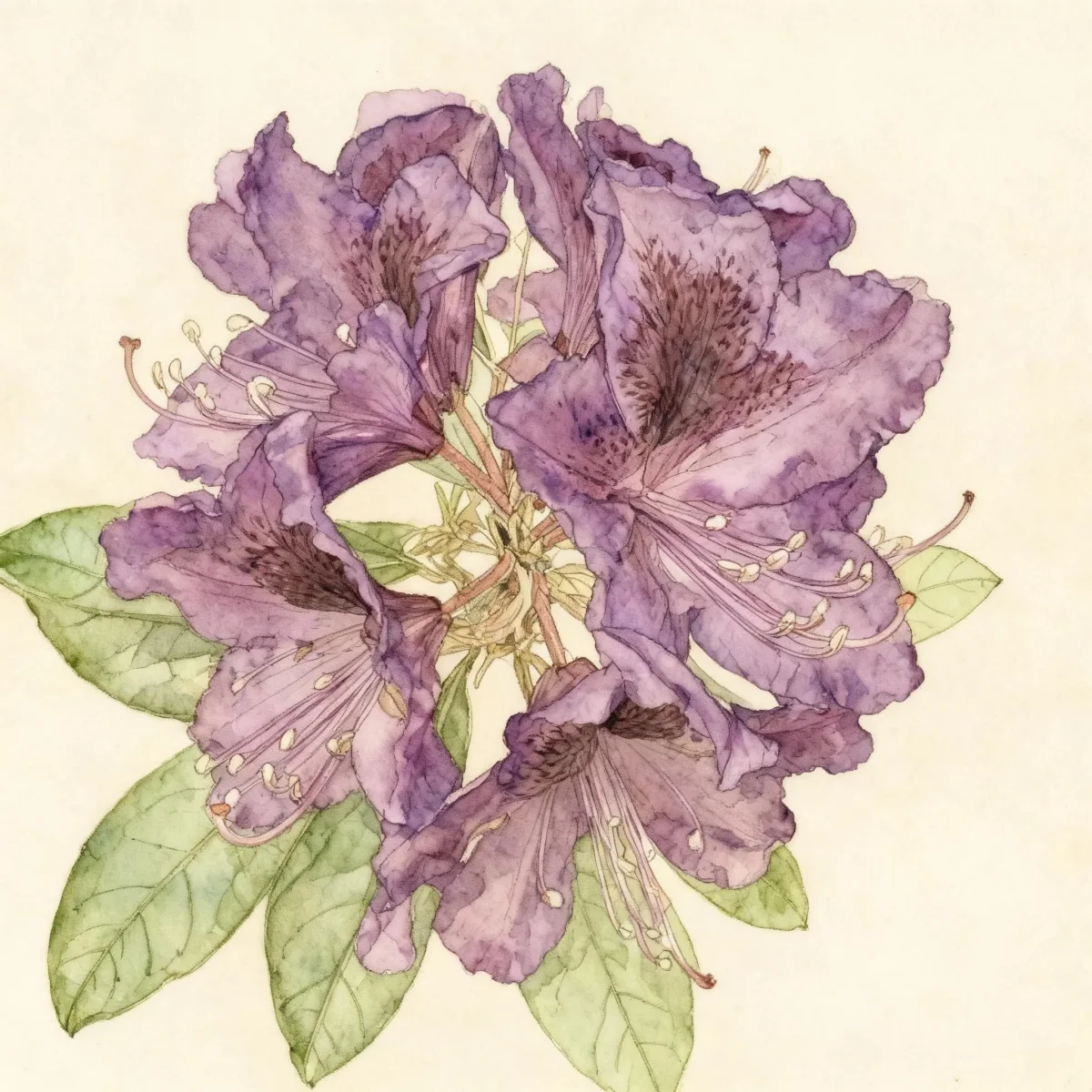
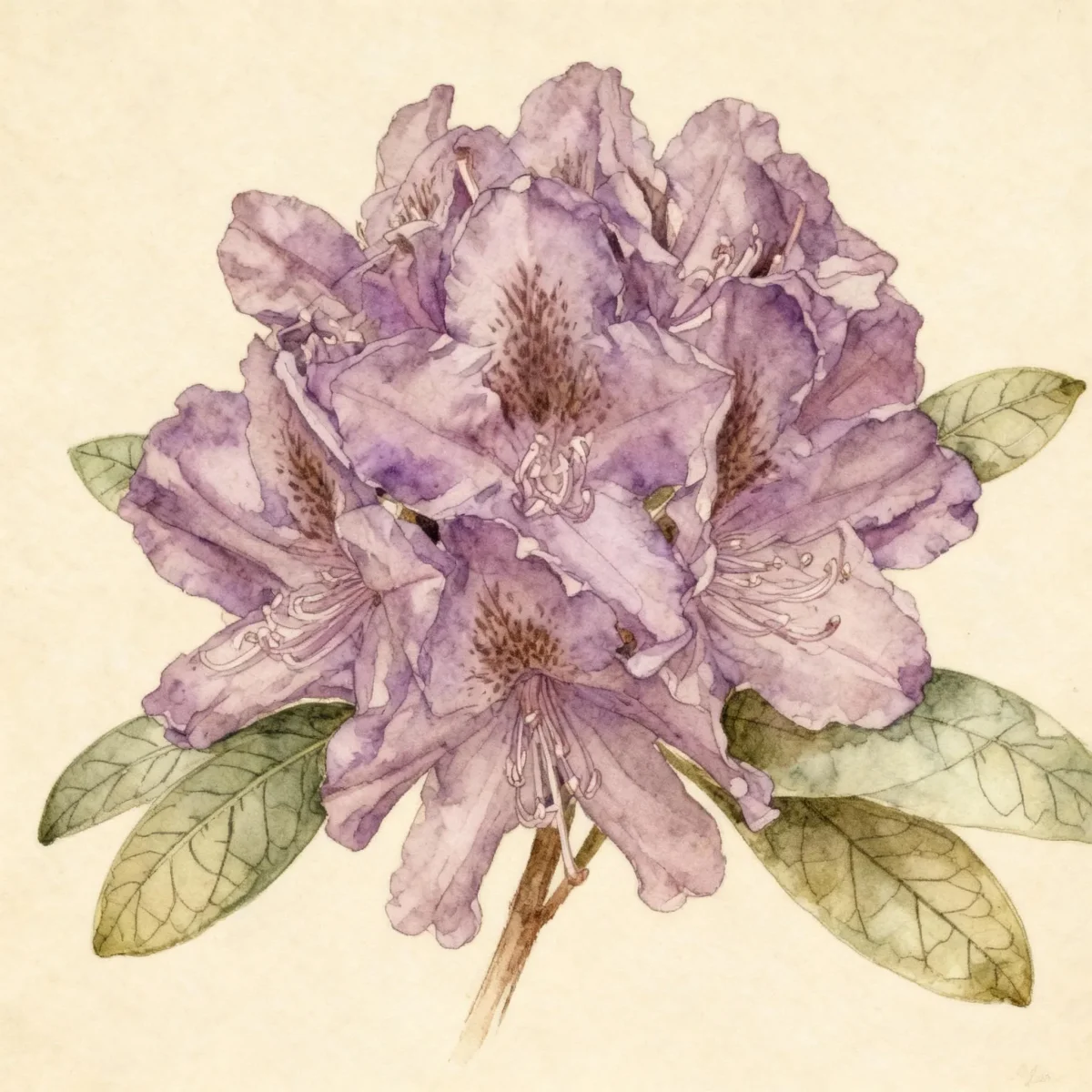
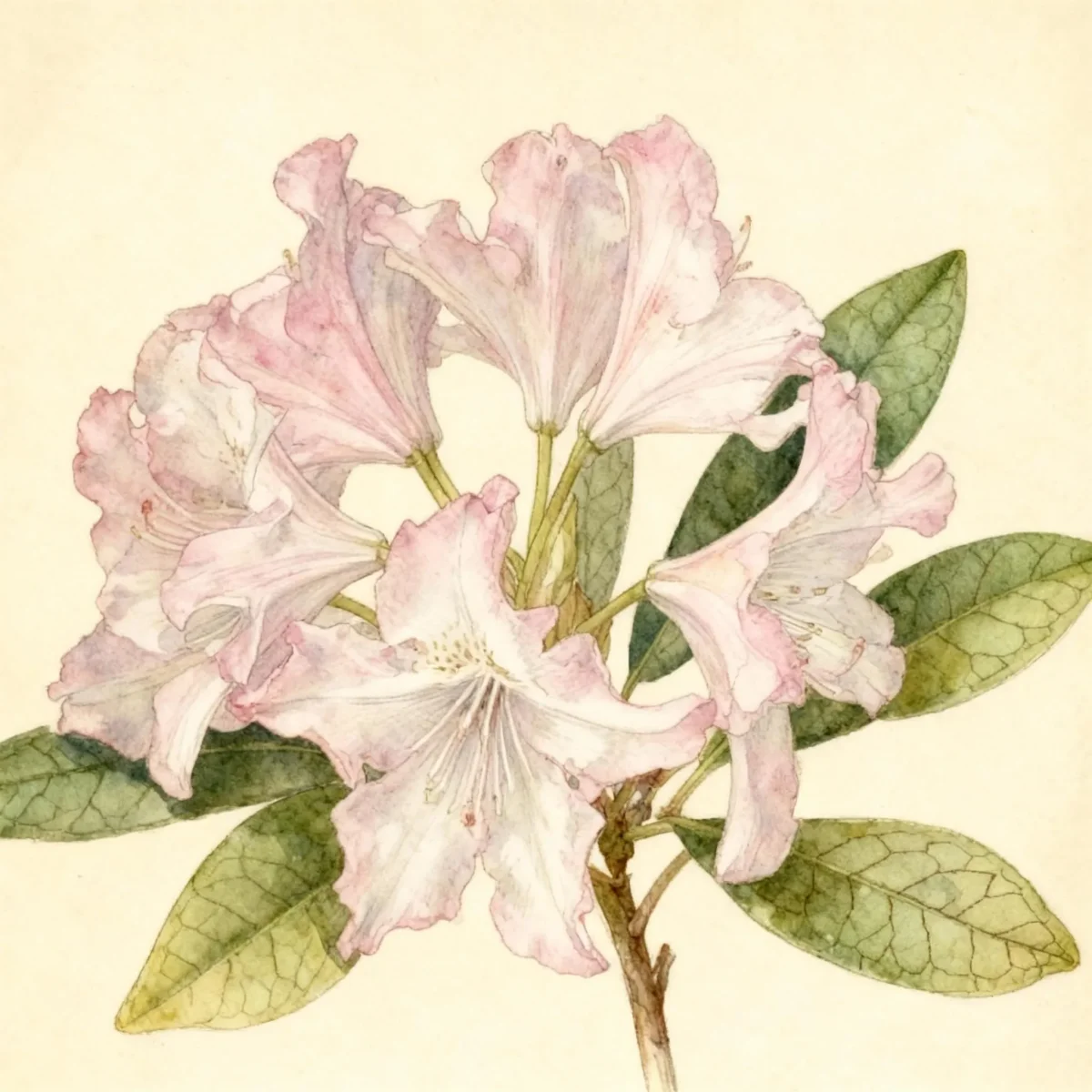
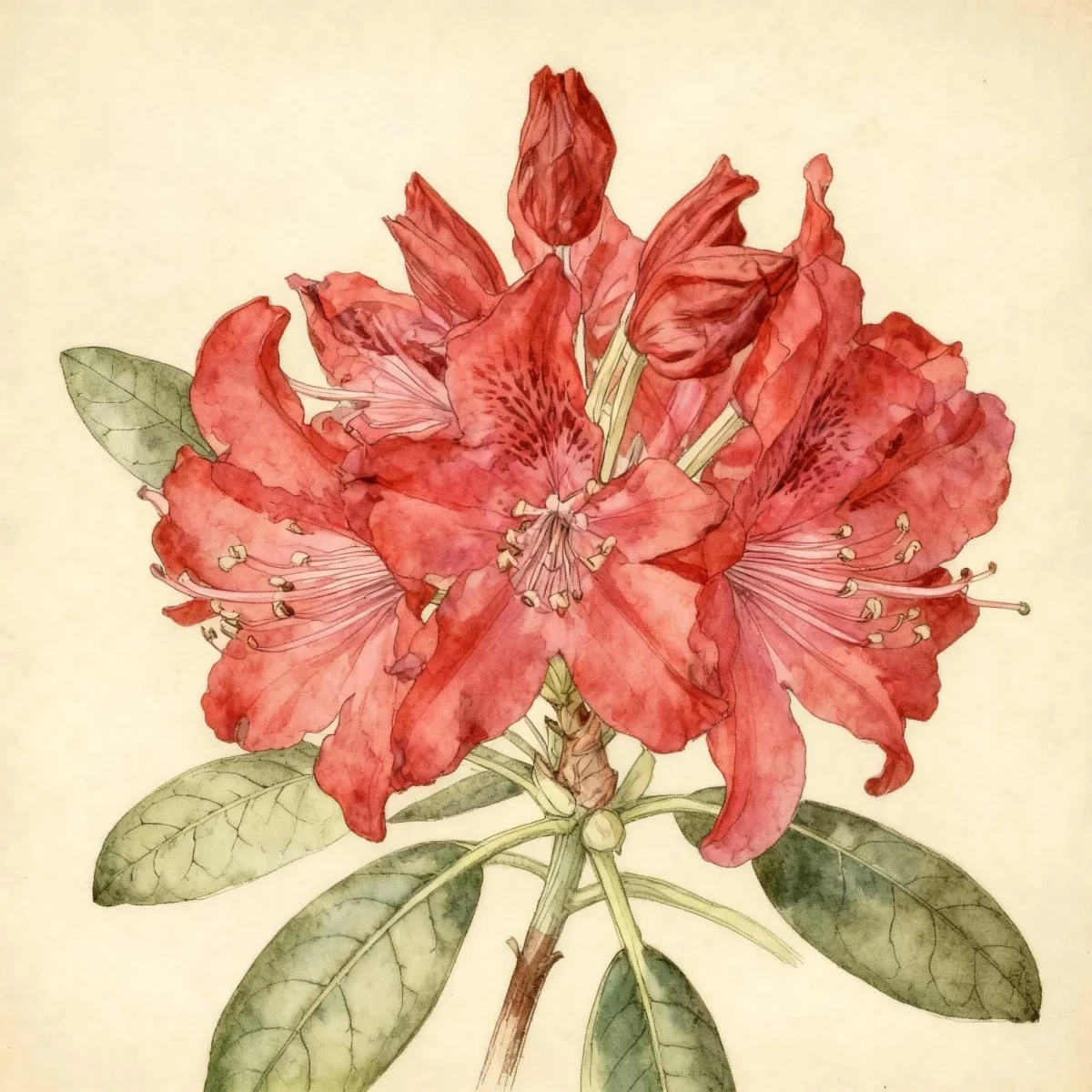
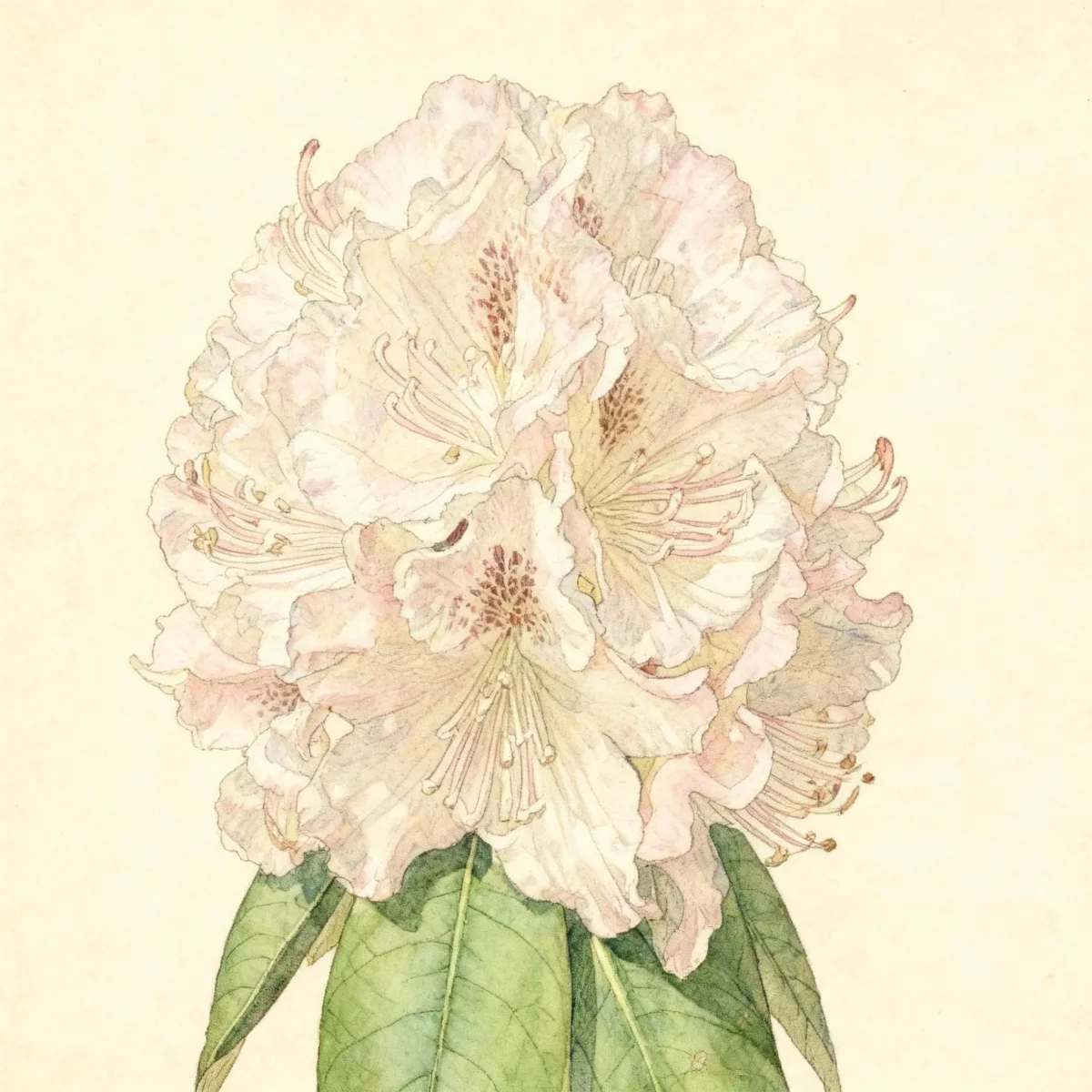
Big-leaved rhododendron (Rhododendron 'Cynthia')
Rhododendron 'Cynthia' is a stunning Big-leaved rhododendron hybrid, offering showy, rose-pink spring flowers in zones 5-8.
Scroll down to discover growing tips, care requirements, companion plants, and more
Complete Plant Information
Overview
Rhododendron ‘Cynthia’ is a highly regarded Big-leaved rhododendron, celebrated for its significant presence and massive spring floral display. This broadleaf evergreen ensures garden structure and color throughout the year, acting as an excellent year-round specimen or hedge component. Originating as a classic hybrid from the mid-19th century, ‘Cynthia’ provides large evergreen leaves that beautifully contrast with its vibrant bloom time in May.
Gardeners value this cultivar for its robustness and impressive size, often reaching 8 to 15 feet tall and wide. The flowers are a beautiful rose pink, subtly marked with a deeper red blotch, creating a focal point in woodland or mixed borders. Successful cultivation of Rhododendron ‘Cynthia’ hinges on replicating its native preference for dappled light and acidic soil conditions.
These plants offer functional beauty, serving effectively as foundation plantings or substantial screens due to their dense growth habit. Providing protection from harsh winds and excessive afternoon sun will ensure the evergreen foliage remains healthy and vibrant throughout the winter months.
Fast Facts
- Plant Family: Ericaceae
- Plant Type: Broadleaf evergreen
- Hardiness Zones: USDA Zones 5-8
- Size at Maturity:
- Height: 8-15 ft
- Spread: 8-15 ft
- Bloom Time: May
- Bloom Description: Rose pink with a deeper red blotch
- Sun Exposure: Full sun to part shade
- Water Needs: Medium
- Maintenance Level: Medium
How to Grow
Plant Rhododendron ‘Cynthia’ in a location that provides protection from strong winds, ideally situated on an east or north-facing slope where it receives protection from the hot afternoon sun. These Big-leaved rhododendrons demand acidic, organically rich, humusy soil with medium moisture retention, ensuring excellent drainage is maintained, as they develop root rot quickly with “wet feet.” If heavy clay soil is present, consider raised beds or mounding.
Water requirements are medium; ensure that the shallow, fibrous root systems of Rhododendron ‘Cynthia’ never dry out, especially during establishment or drought periods. Cultivation directly around the plant base should be avoided; instead, apply a generous mulch layer of wood chips or pine needles to help retain moisture and stabilize soil temperature. Aim for a soil pH range between 5.0 and 5.5, acidifying with sulfur or iron sulfate as necessary.
Maintenance generally involves deadheading—clipping off spent flower clusters immediately after bloom—to encourage better growth and preparation for the next season. Fertilization should focus on maintaining the required acidity rather than heavy feeding. Avoid planting near walnut family trees, as they exude juglone, which is toxic to most rhododendrons.
Landscape Uses
Rhododendron ‘Cynthia’ excels when used for mass plantings or as significant specimen shrubs within a landscape design. Its substantial size and evergreen nature make it perfect for creating dramatic shrub borders or establishing structured foundation plantings where structure is needed year-round. As established in the cultural notes, this cultivar is highly effective when utilized as a formal or informal hedge, providing dense screening.
In woodland gardens or shaded areas, the Big-leaved rhododendron provides excellent vertical contrast to lower-growing perennials. Companion planting should focus on other acid-loving species that appreciate similar filtered light conditions, such as Japanese maples, ferns, or other evergreen azaleas that offer differing bloom times. Placing Rhododendron ‘Cynthia’ where its large trusses of rose-pink flowers can be easily viewed from a patio or walkway maximizes its visual impact in mid-spring.
Standout Features
Flower Qualities
- Showy
Noteworthy Characteristics
Rhododendron is a genus of 500 to 900 species and includes both of what we commonly call rhododendrons and azaleas. The evergreen rhododendrons produce large, stiff evergreen leaves and large trusses of flowers at the tips of branches followed by a flush of new leaves. ‘Cynthia’ specifically is a Rhododendron catawbiense hybrid, growing into a large, rounded shrub noted for its 6-inch long elliptic leaves that may hang downward in winter.
Tolerances
- Rabbit
Potential Problems
Rhododendrons and azaleas, including Rhododendron ‘Cynthia’, can face various insect and disease challenges if environmental conditions are not ideal. Common insect pests include scale, lacebugs, and aphids, while diseases range from root rot and leaf spot to powdery mildew. Chlorosis, characterized by yellowing leaves, is a frequent aesthetic issue, usually signaling that the soil pH is too high and iron is unavailable to the plant.
Prevention is centered on cultural adherence; ensuring the plant is sited in well-drained, acidic soil and receiving appropriate light conditions minimizes stress, leading to robust health with limited problems. If pests appear, target treatment specific to the insect noted. If chlorosis develops, test the soil and apply iron sulfate to lower the pH toward the preferred 5.0-5.5 range.
Frequently Asked Questions
What hardiness zones is Big-leaved rhododendron suitable for?
This cultivar is hardy and performs best across USDA Zones 5 through 8.
How large does Rhododendron ‘Cynthia’ grow?
Rhododendron ‘Cynthia’ matures into a large shrub, typically reaching heights and spreads between 8 to 15 feet.
What sun exposure does Rhododendron ‘Cynthia’ need?
It thrives in conditions ranging from full sun to part shade, but prefers protection from intense, hot afternoon sun.
When does Rhododendron ‘Cynthia’ bloom?
Bloom time generally occurs in May, displaying striking flowers described as rose pink with a deeper red blotch.
Conclusion
Rhododendron ‘Cynthia’ offers indispensable structure and a breathtaking spring color show, making it a cornerstone for established woodland or foundation plantings. As a classic, large-growing Big-leaved rhododendron, it rewards careful attention to soil acidity and drainage with decades of dependable performance. Before planting, confirm your garden’s soil pH and hardiness zone compatibility to ensure this hybrid thrives.
Companion Planting
Selecting suitable neighbors is crucial for the success of Rhododendron ‘Cynthia’ due to its specific soil pH and moisture requirements. Focus on plants that share the need for acidic, humus-rich, well-drained soil. Excellent companions include Camellias, Pieris (Andromeda), and various acid-loving woodland ferns like Ostrich fern or Japanese painted fern, which will fill in the ground plane without competing heavily with the shallow roots.
Avoid planting moisture-loving species that need richer, moisture-retentive (but not waterlogged) soil, or those that thrive in high alkaline conditions, as these will quickly lead to nutrient deficiencies in the Rhododendron. Also, remember the strict avoidance of walnuts due to toxic juglone compounds released into the soil.
Seasonal Care Calendar
Spring is the critical time for enjoying the ornamental value of Rhododendron ‘Cynthia’ and performing essential deadheading immediately after the rose-pink flowers fade in May. This cleanup directs energy back into foliage and bud setting rather than seed production. Prepare for summer by applying a fresh layer of mulch, never piling it against the main trunk, to maintain cool, moist root zones.
Summer care focuses almost entirely on maintaining consistent moisture, especially during dry spells, as the roots must never dry out. Cooler northern summers allow for more sun exposure, but if you are in the southern limits of Zone 8, afternoon shade is crucial to prevent leaf scorch.
Autumn care involves ensuring the plant is well-hydrated before the ground freezes, preparing the broadleaf evergreen foliage for winter stress. In winter, protect Rhododendron ‘Cynthia’ from harsh, desiccating winds, which can cause foliage burnout when the roots are frozen and unable to supply moisture.