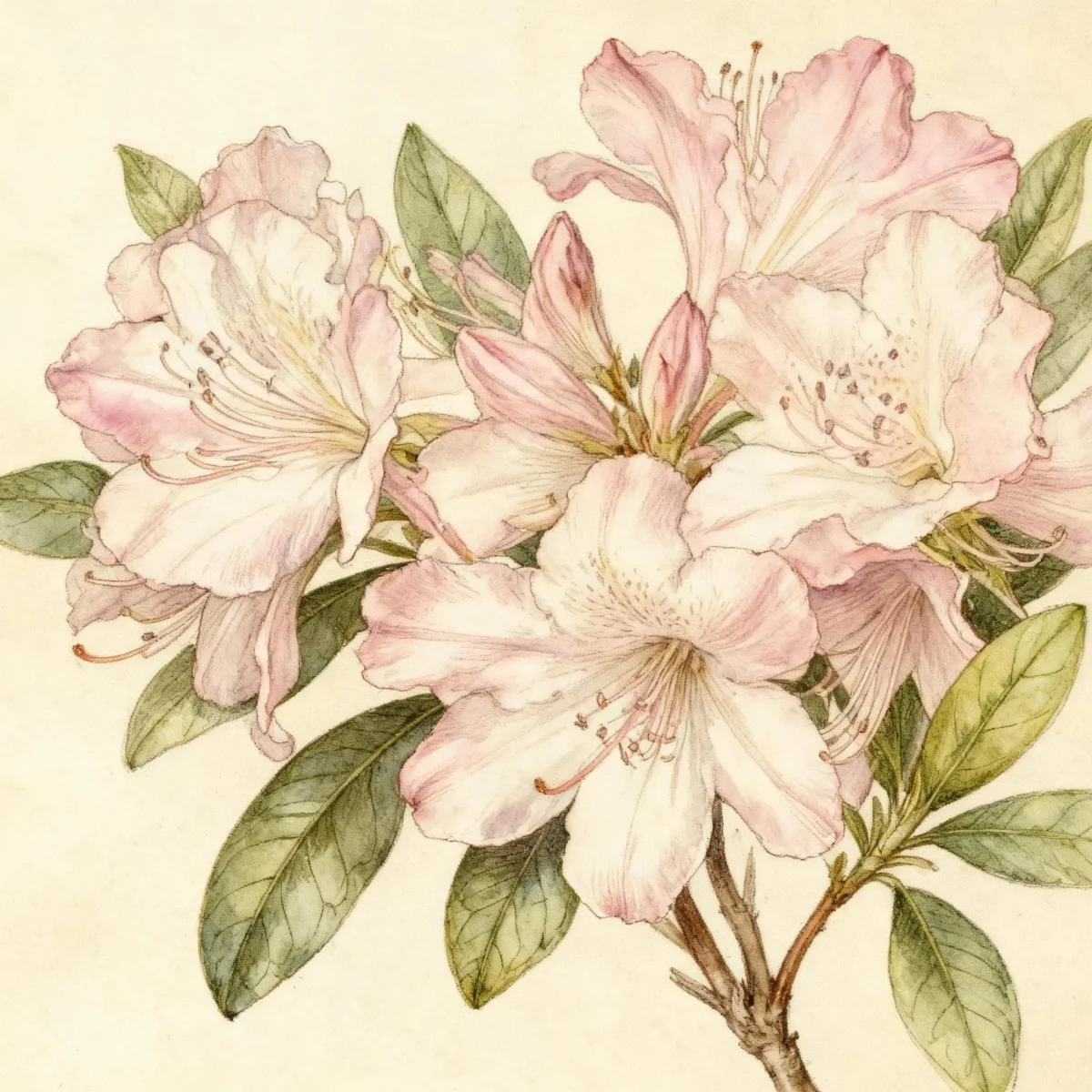
Evergreen azalea (Rhododendron 'Flame Creeper')
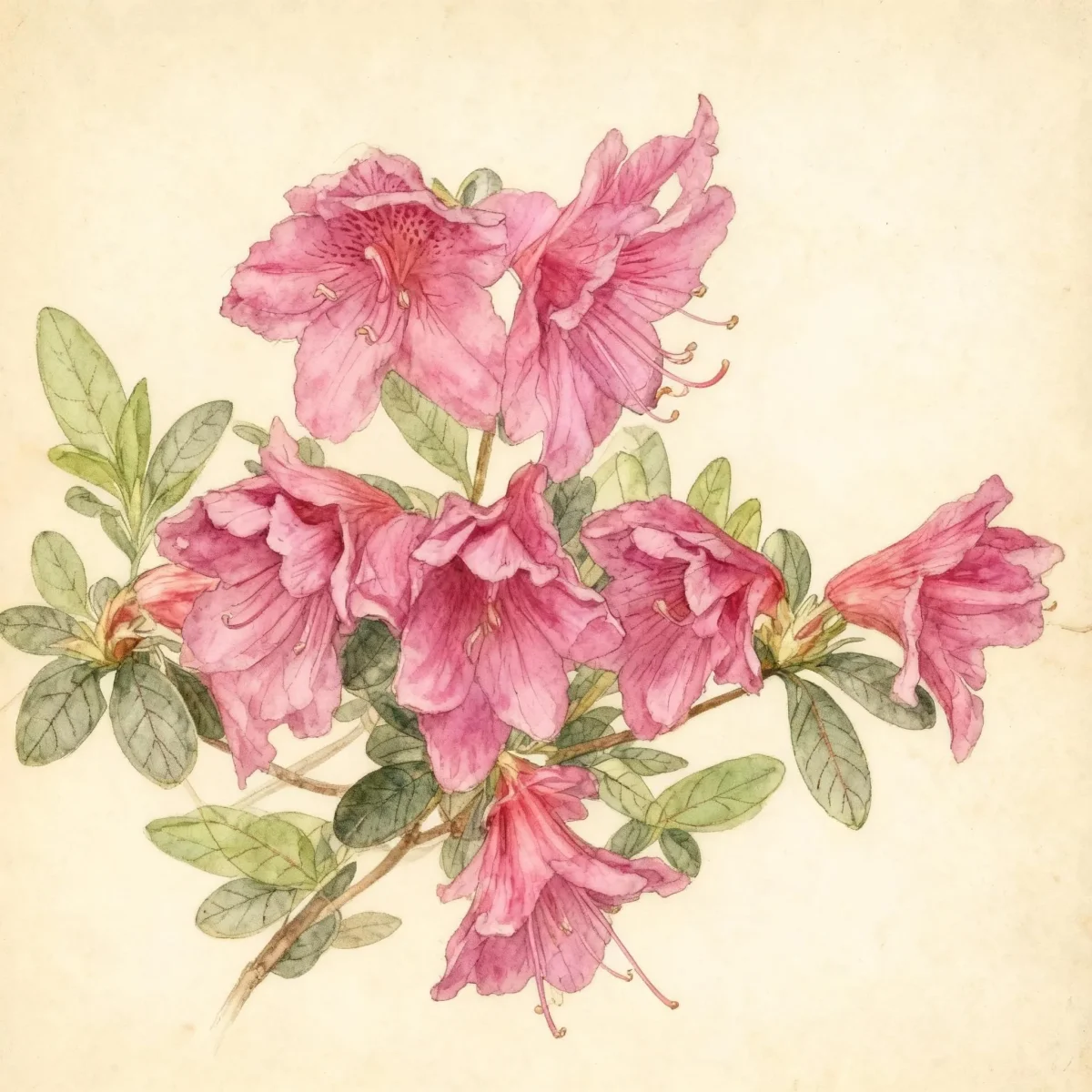
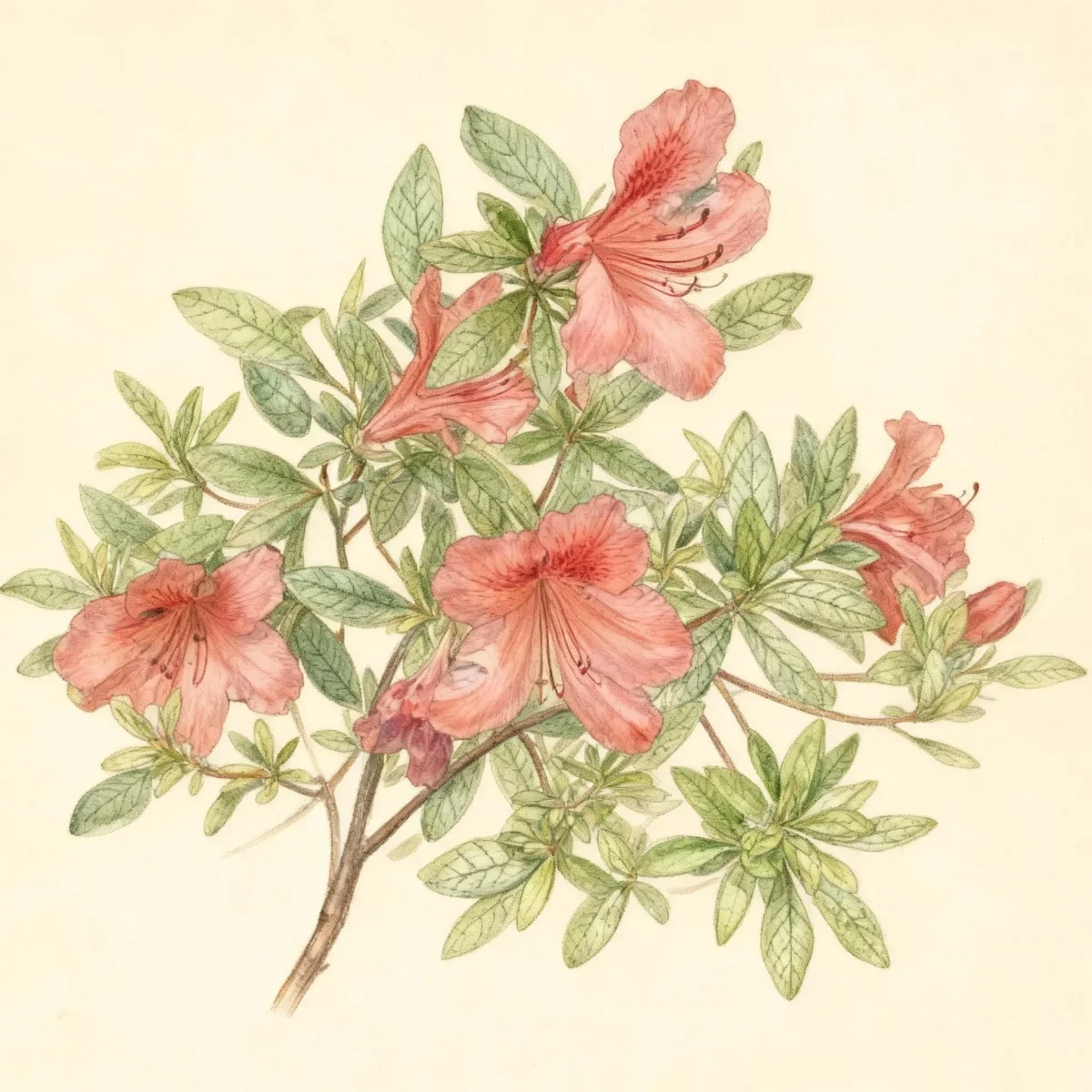
Rhododendron 'Flame Creeper' is a stunning Evergreen azalea offering cherry-orange red blooms in late spring. Ideal for part shade borders.
Scroll down to discover growing tips, care requirements, companion plants, and more
Complete Plant Information
Overview
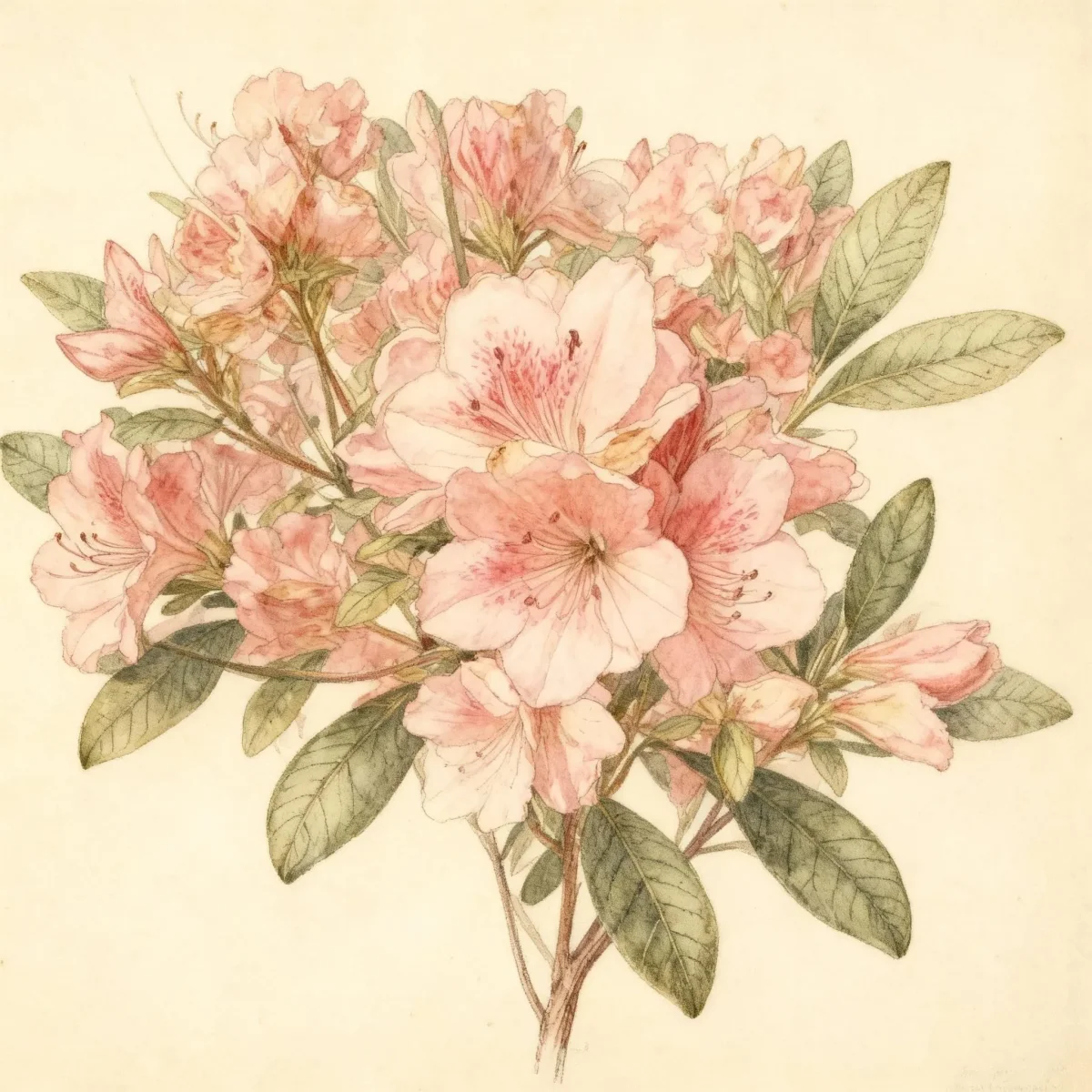
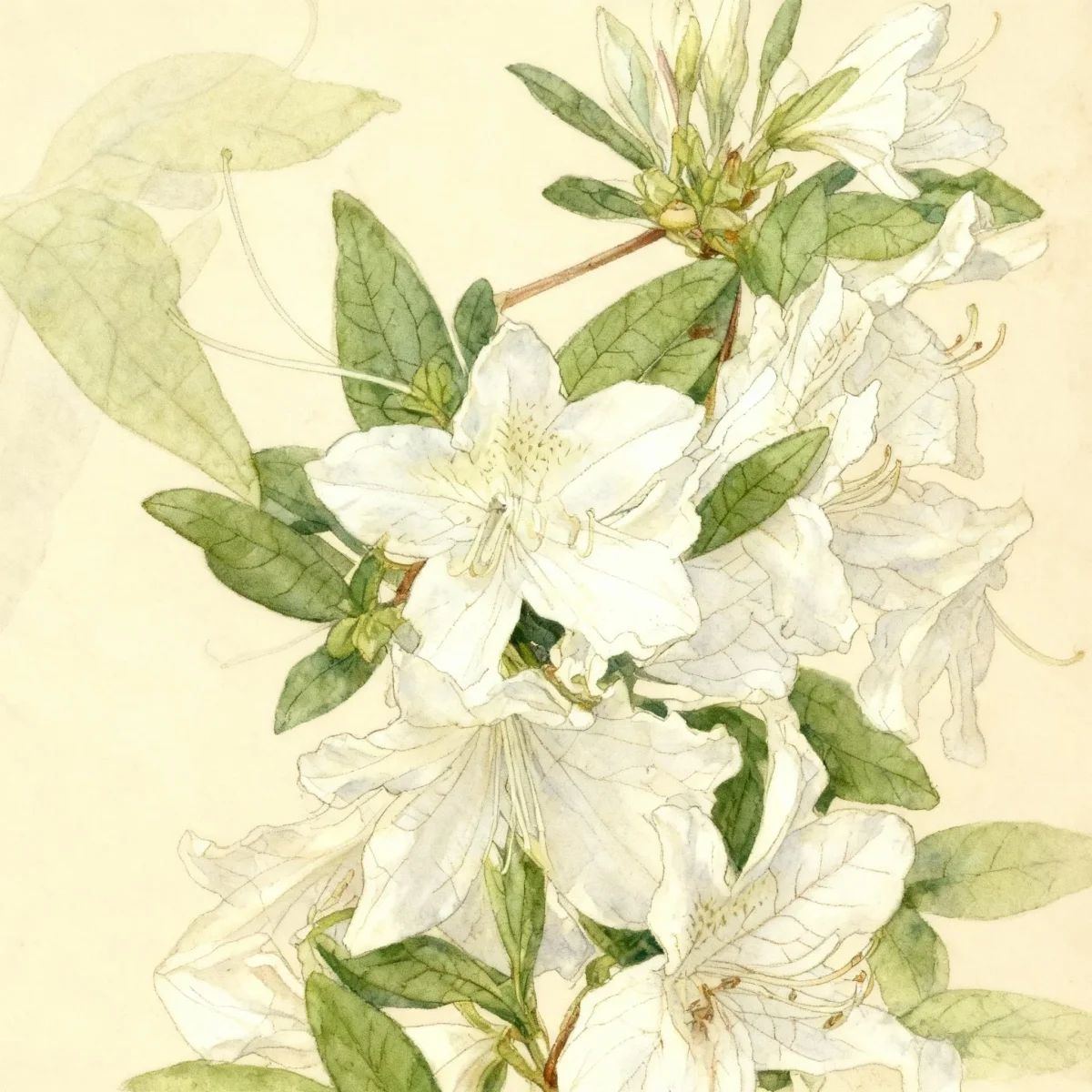
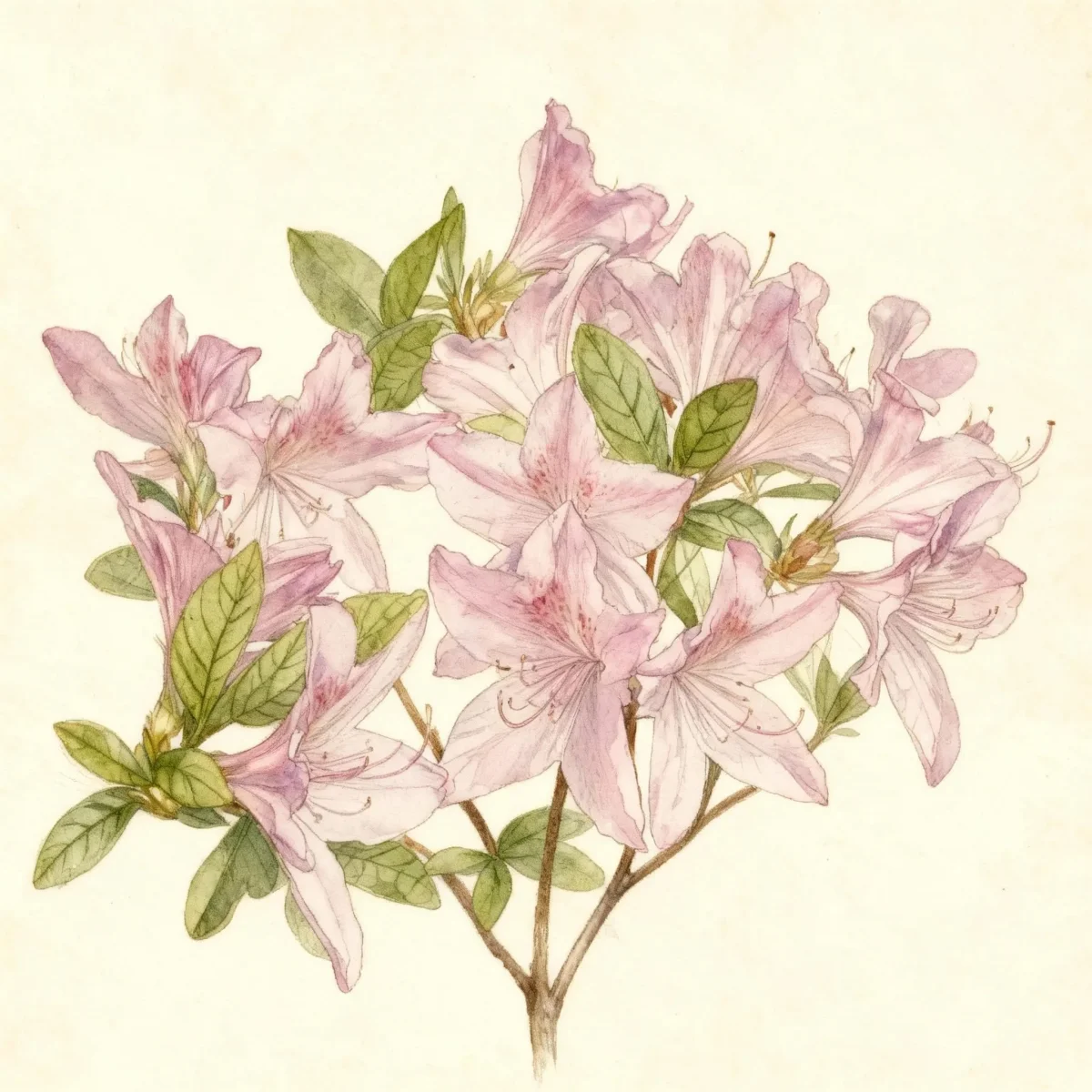
The Rhododendron ‘Flame Creeper’ is a highly valued Evergreen azalea prized for its brilliant, eye-catching floral display. This broadleaf evergreen brings consistent structure and vibrant cherry to orange red color to the landscape from late spring into early summer. Growing to a manageable 2 to 3 feet, Rhododendron ‘Flame Creeper’ excels as a colorful focal point or mass planting.
As an Evergreen azalea, it retains its foliage throughout the winter, offering year-round visual interest. To achieve the best performance from this cultivar, gardeners must prioritize acidic, well-drained soil and partial shade protection. Successful cultivation ensures a rewarding display each spring.
This specific cultivar of Evergreen azalea provides excellent aesthetic value, whether used as a formal hedge or nestled within a woodland garden setting. Attention to its specific cultural needs guarantees a healthy, long-lived plant showcasing the best of the Rhododendron genus.
Fast Facts
- Plant Family: Ericaceae
- Plant Type: Broadleaf evergreen
- Hardiness Zones: USDA Zones 6-9
- Size at Maturity:
- Height: 2-3 ft
- Spread: 2-3 ft
- Bloom Time: May to June
- Bloom Description: Cherry to orange red
- Sun Exposure: Part shade
- Water Needs: Medium
- Maintenance Level: Medium
How to Grow
Planting Rhododendron ‘Flame Creeper’ requires careful attention to soil acidity and drainage, as these azaleas abhor “wet feet.” The ideal location provides dappled sunlight or high open shade; morning sun with afternoon shade is often perfect. In heavier clay soils, consider using raised beds to ensure superior drainage and prevent root rot, which is a common issue.
Watering Rhododendron ‘Flame Creeper’ should be consistent, maintaining medium moisture levels. The shallow, fibrous root systems must never be allowed to dry out, making a thick layer of organic mulch, such as pine needles or bark, essential for retaining moisture and moderating soil temperature. Acidify soils as needed, aiming for a pH between 5.0 and 5.5, using sulfur or iron sulfate if required.
Maintenance for this Evergreen azalea includes promptly clipping off spent flower clusters immediately after bloom to encourage better bud set for the following year. Avoid deep cultivation near the plant due to its shallow roots. Furthermore, never site Rhododendron ‘Flame Creeper’ near walnuts or hickories, as these trees produce juglone toxins harmful to most rhododendrons.
Landscape Uses
Rhododendron ‘Flame Creeper’ is exceptionally versatile in landscape design where dappled shade prevails. Its uniform 2-3 foot height and spread make it perfectly suited for maintaining tidy shrub borders or establishing low, colorful hedges along pathways or property lines. It also functions beautifully as a specimen plant or used in mass plantings for a dramatic spring color impact.
For woodland or shade gardens, this Evergreen azalea pairs well with acid-loving companions such as ferns, hostas, and other smaller, shade-tolerant shrubs that appreciate similar acidic soil conditions. Its year-round emerald foliage acts as an excellent backdrop to spring ephemeral flowers before its own memorable bloom arrives.
Foundation plantings benefit from the consistent structure provided by Rhododendron ‘Flame Creeper’. Ensure the planting site is protected from harsh, drying winds to minimize potential winter burn on the foliage during severe cold snaps outside the ideal hardiness range.
Standout Features
Flower Qualities
- Showy
Noteworthy Characteristics
Rhododendron is a genus of 500 to 900 species and includes both of what we commonly call rhododendrons and azaleas. Most are evergreen but some are deciduous. They originate mostly from the Northern Hemisphere with high concentrations in western China, the Himalayas and Myanmar (Burma). They are grown for their showy spring flowers and in the case of evergreen types for their attractive winter foliage. True rhododendrons have 10 stamens in a flower and azaleas have only 5. Much hybridization has resulted in a great number of hybrid cultivars. Of note to gardeners in cool temperate areas are the large and small leaved evergreen rhododendrons and the evergreen and deciduous azaleas. Evergreen azaleas develop as multi-stemmed plants from the ground and usually grow 3-5 feet tall. They retain their leaves throughout the year and are not as winter hardy as the deciduous azaleas. In cold winters flower buds may be frozen resulting in reduced or no flowering and foliage may winter burn (turn brown and be killed). Color range is mostly from white to pink, red, lavender and purple.Genus name comes from the Greek words rhodo meaning rose and dendron meaning tree. Transferred from the Greek name for Nerium oleander.‘Flame Creeper’ grows 2 to 3 ft. In height and spread and has reddish orange flowers.
Tolerances
- Rabbit
Potential Problems
Rhododendrons and azaleas, including this fine Evergreen azalea cultivar, are susceptible to many insect and disease problems if cultural conditions are not met. Common insect pests include aphids, lacebugs, and scale, which can weaken the plant and spread disease. Diseases often target the root system, such as root rot and crown rot, especially when drainage is poor, leading to fungal issues in overly wet soil.
Look out for chlorosis, where leaves turn yellow; this typically signals an iron deficiency caused by soil pH being too high, rather than a true deficiency when the soil is acidic enough. Maintaining the optimal pH range (5.0-5.5) and ensuring excellent drainage are the best preventative measures against the majority of potential problems for Rhododendron ‘Flame Creeper’.
Frequently Asked Questions
What hardiness zones is Evergreen azalea suitable for?
Rhododendron ‘Flame Creeper’, being a resilient Evergreen azalea, is suitable for USDA Zones 6 through 9.
How large does Rhododendron ‘Flame Creeper’ grow?
This cultivar typically achieves a mature height and spread between 2 and 3 feet.
What sun exposure does Rhododendron ‘Flame Creeper’ need?
Rhododendron ‘Flame Creeper’ performs best in part shade conditions, requiring protection from intense afternoon sun.
When does Evergreen azalea bloom?
The stunning bloom time for this Evergreen azalea is generally from May to June, presenting beautiful cherry to orange red flowers.
Conclusion
The vibrant color and dependable evergreen structure make Rhododendron ‘Flame Creeper’ an essential addition to temperate shade gardens. By ensuring correct soil acidity and maintaining consistent moisture, you can guarantee spectacular seasonal displays from this hardy Evergreen azalea. Plan your planting this fall or early spring, confirmed for suitability within your USDA hardiness zone.
Companion Planting
When designing a landscape feature around Rhododendron ‘Flame Creeper’, selecting companions that share similar requirements for acidic soil and dappled shade is crucial. Consider planting lower-growing acid-loving groundcovers beneath it, such as Creeping Jenny (Lysimachia nummularia ‘Aurea’) or Dwarf Fothergilla, which offer contrasting textures. Taller companions like Japanese Maples provide high, filtered shade, perfecting the environment Rhododendron ‘Flame Creeper’ thrives in.
Incorporate plants that provide seasonal interest when the azalea is not blooming. Oakleaf Hydrangeas (Hydrangea quercifolia) are excellent partners; their summer foliage and exfoliating bark contrast nicely with the fine texture of the azalea. For evergreen structure behind the Rhododendron ‘Flame Creeper’ hedge, consider other, taller rhododendrons or tall Japanese Holly (Ilex crenata) varieties that tolerate the same cultural needs.
Seasonal Care Calendar
Early Spring (Before Bloom): Apply a slow-release, acidifying fertilizer formulated specifically for rhododendrons and azaleas around the drip line. Gently incorporate a fresh layer of acidic mulch (pine needles work well) to retain moisture throughout the warm season ahead.
Post-Bloom (Late Spring/Early Summer): Immediately deadhead or “nip” spent flower clusters from Rhododendron ‘Flame Creeper’ to redirect energy toward next year’s bud development rather than seed production. Water deeply if spring rains have been scarce.
Late Summer/Fall: Ensure consistent watering, especially if the summer was dry, as buds are forming for the following spring. Check soil pH if necessary. This is a good time to protect the plant from winter wind exposure by erecting temporary burlap screens if winters are harsh.