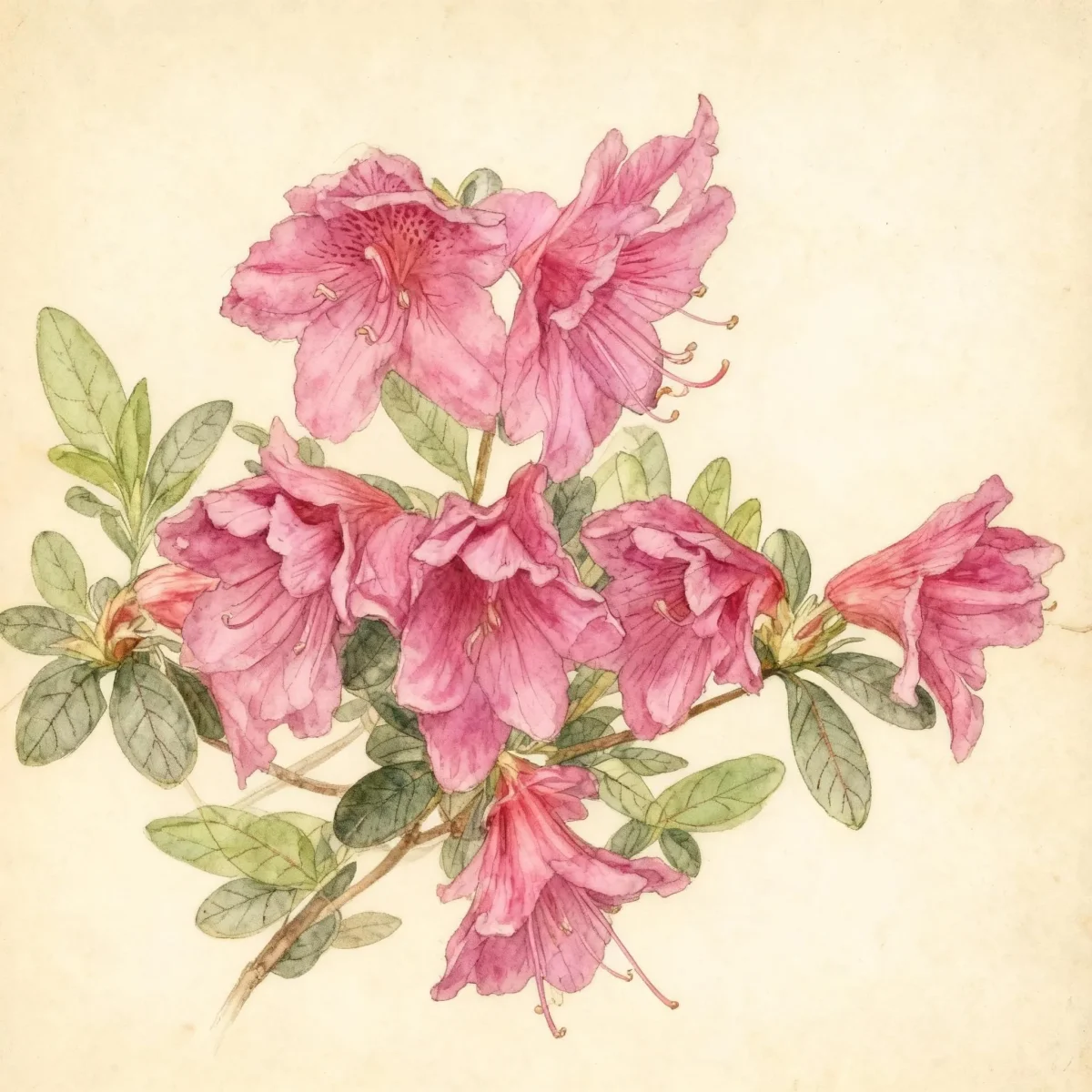
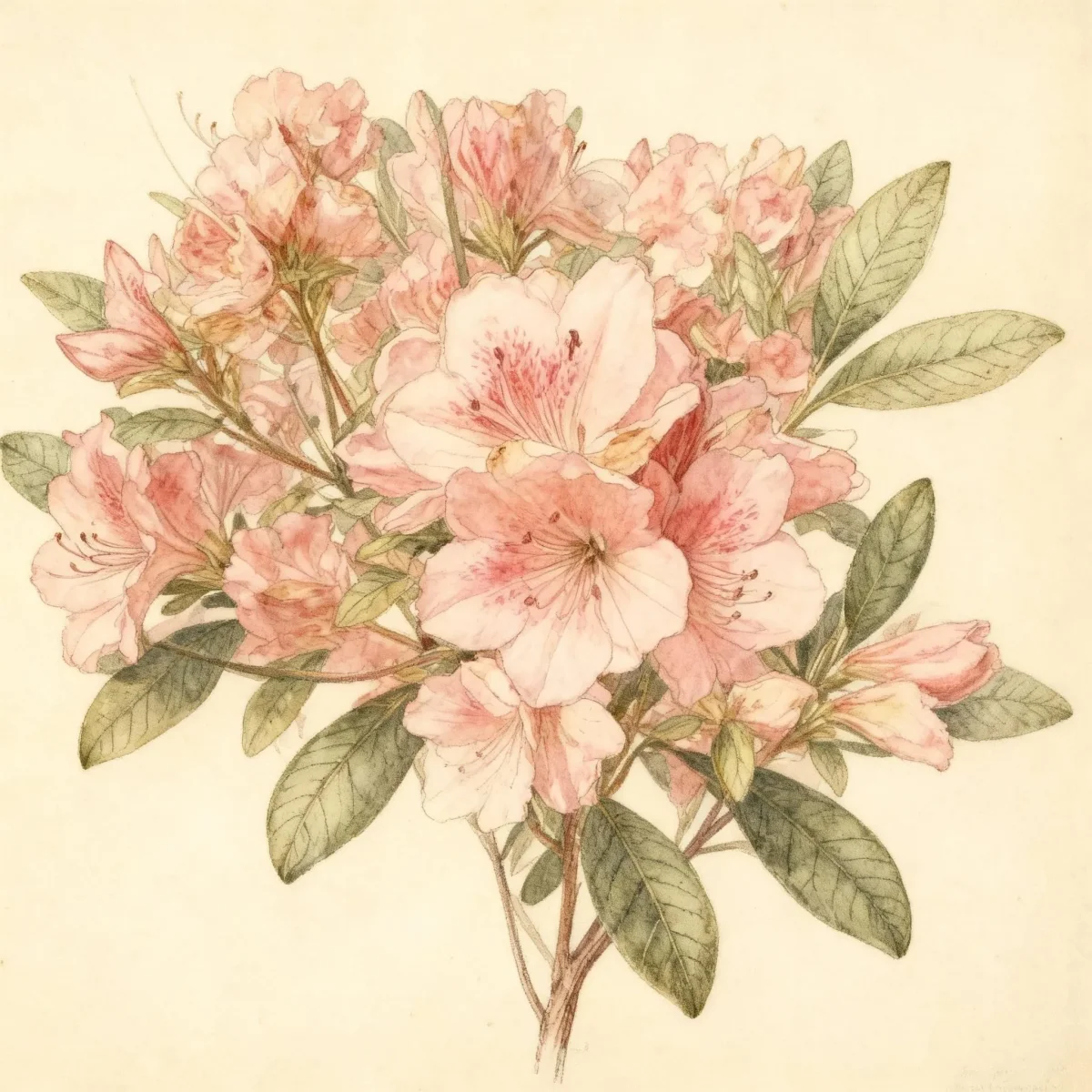
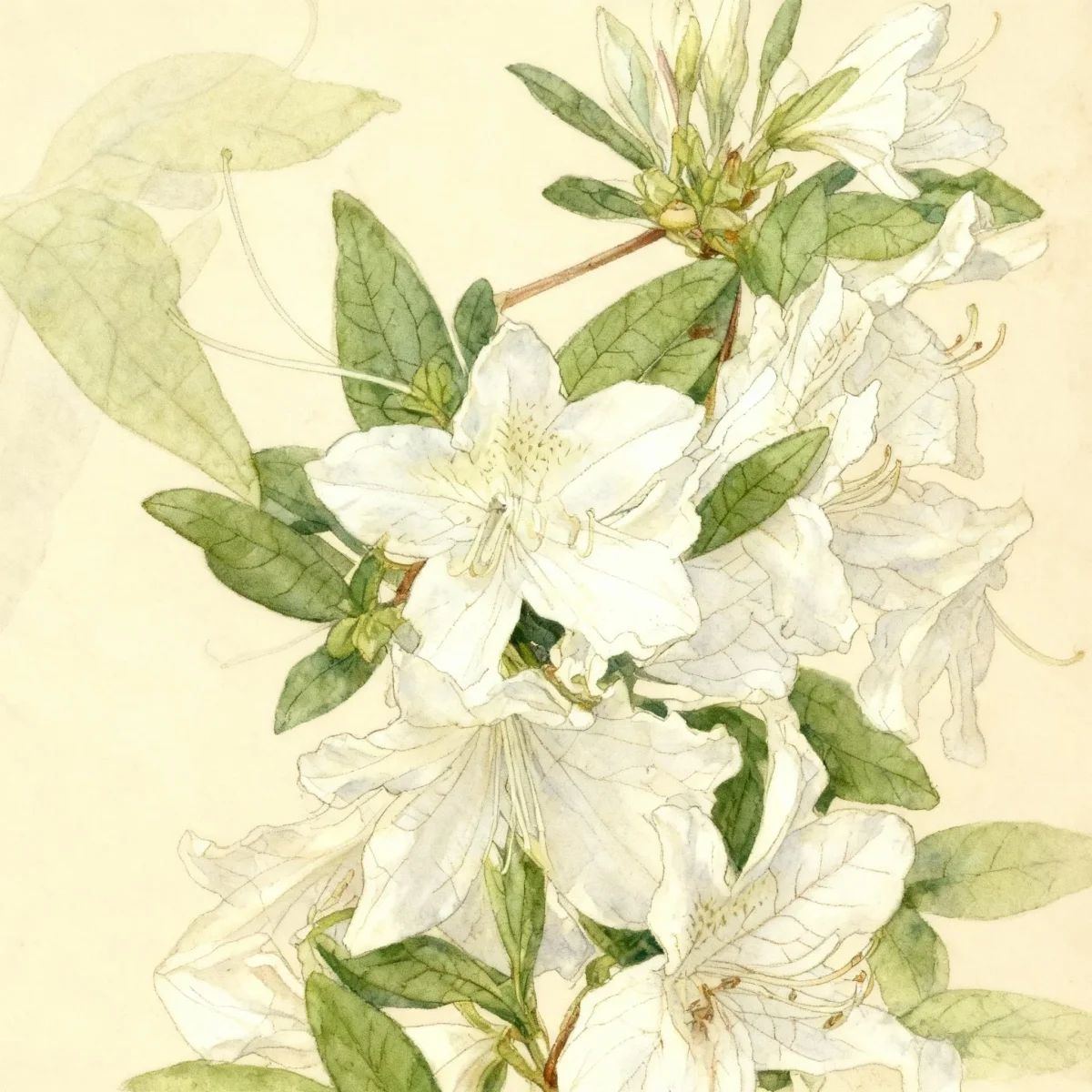
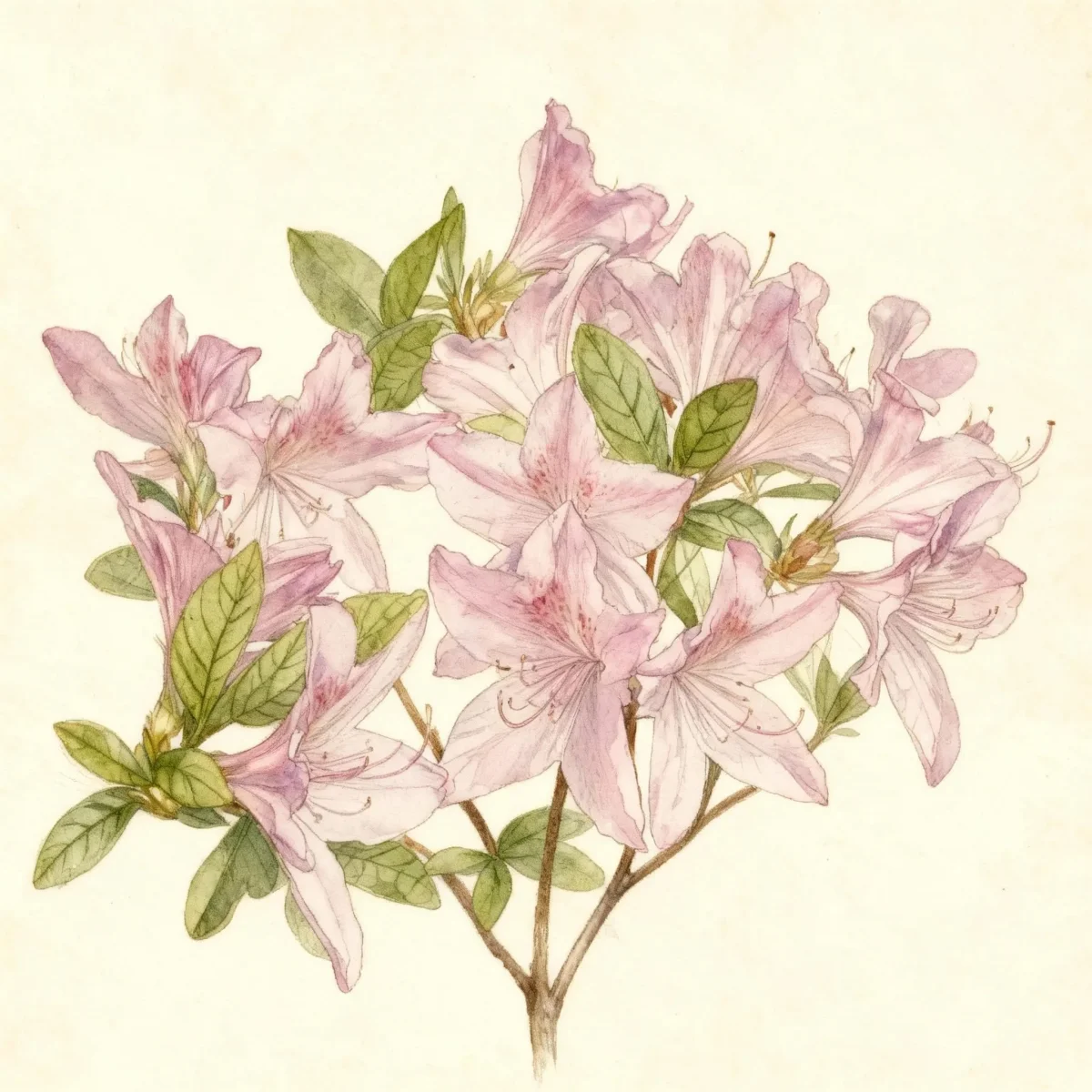
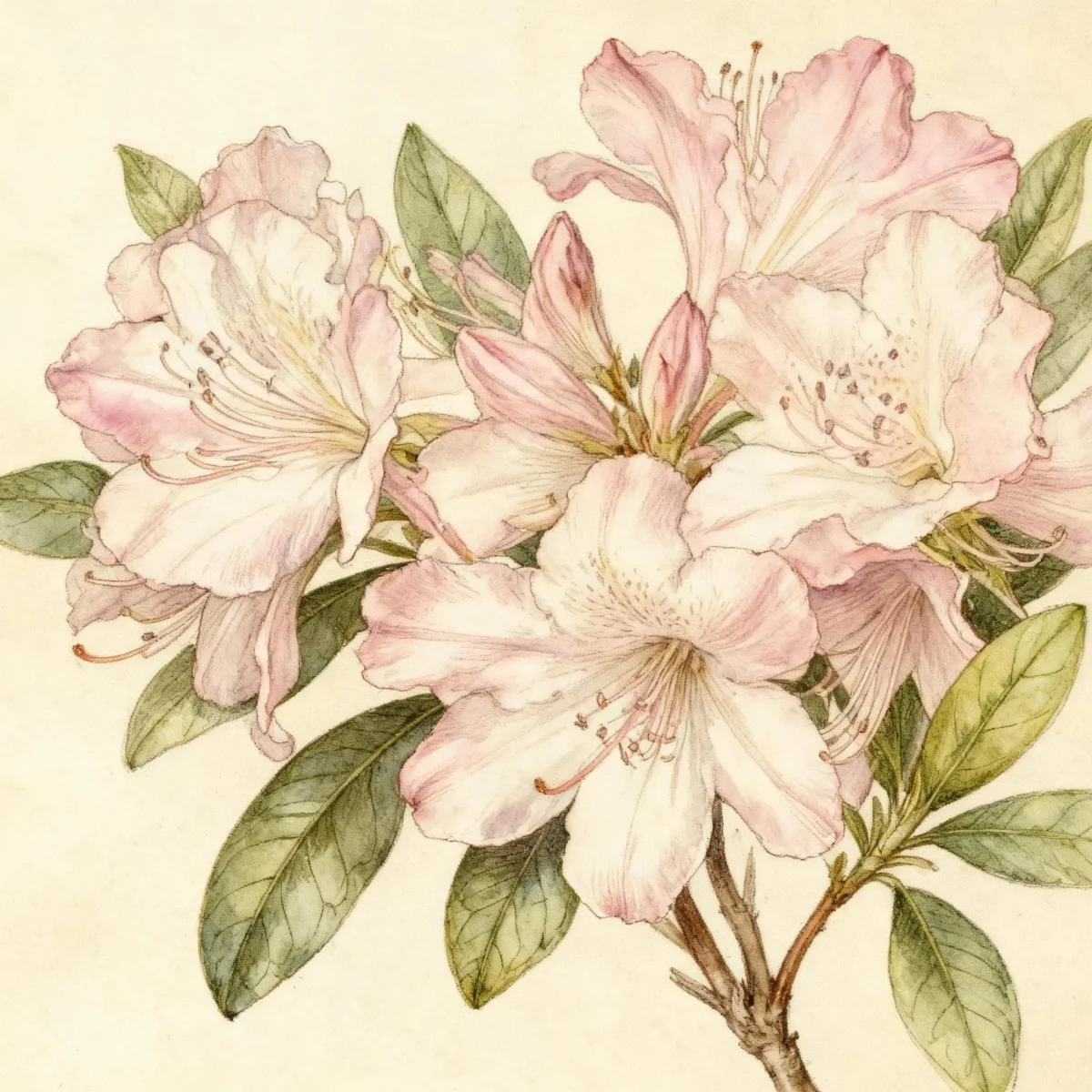
Evergreen azalea (Rhododendron 'Sun Star')
Rhododendron 'Sun Star' is a stunning Evergreen azalea reaching 6-10 ft. Ideal for part shade gardens, offering showy, purplish red blooms.
Scroll down to discover growing tips, care requirements, companion plants, and more
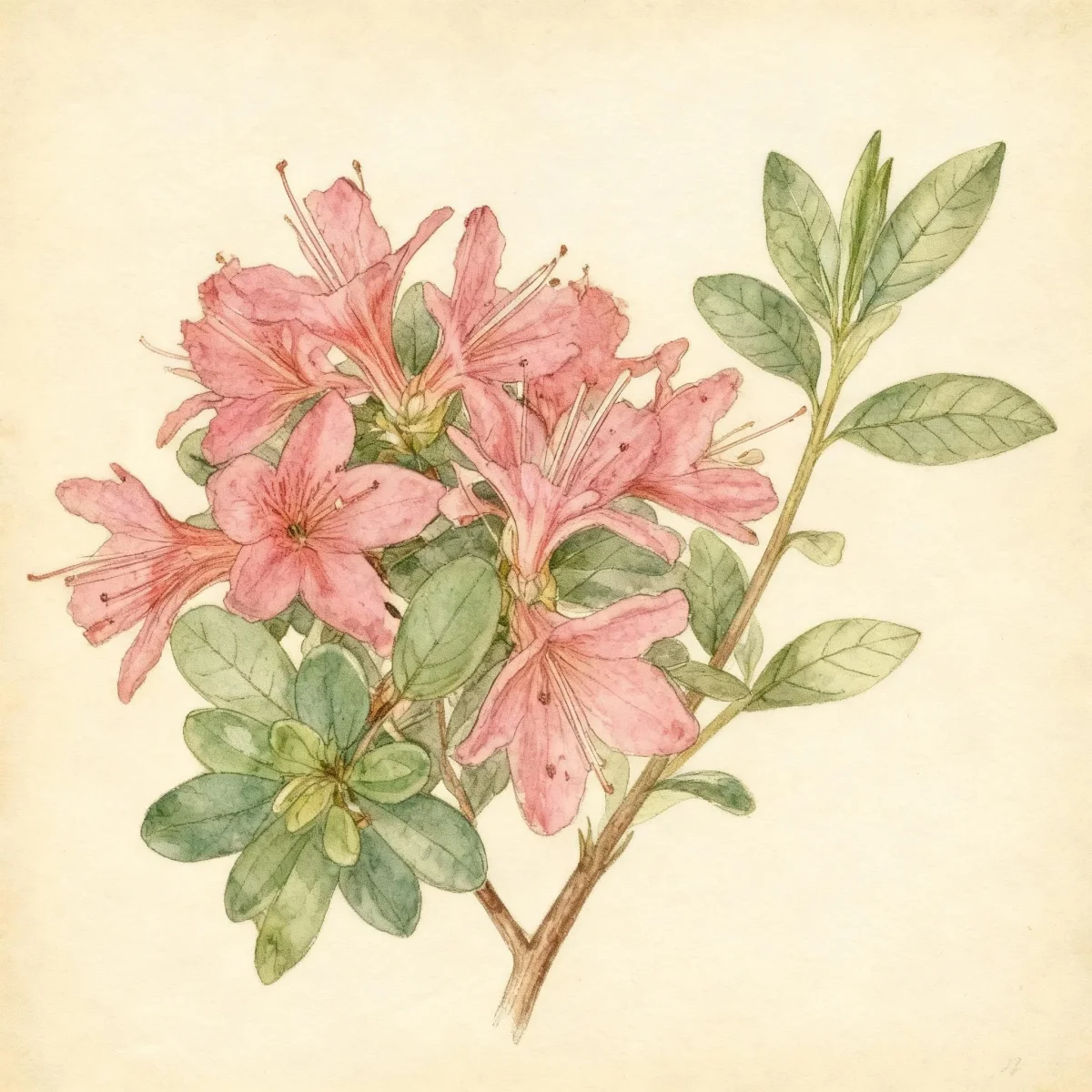
Complete Plant Information
Overview
Rhododendron ‘Sun Star’ is a magnificent cultivar belonging to the Evergreen azalea group, cherished for its substantial presence and vibrant flowering display in the late spring garden. This broadleaf evergreen provides excellent year-round structure, contrasting beautifully with its colorful seasonal performance. Gardeners select the Rhododendron ‘Sun Star’ for reliable coverage and its striking purplish red flowers that define the landscape in May.
As a moderately maintained shrub, the Evergreen azalea demands specific soil conditions to thrive, particularly preferring strongly acidic, moisture-retentive mediums. It reaches a considerable size, maturing into a 6 to 10-foot specimen both in height and spread, making it a substantial contributor to established woodland edges or formal borders. Understanding the needs of Rhododendron ‘Sun Star’ is key to unlocking its full ornamental potential.
This hybrid cultivar offers significant aesthetic value, serving well as a formal hedge or as a stately specimen plant providing mass color. Its evergreen nature ensures that even when not in bloom, the dense foliage of this Evergreen azalea contributes valuable texture throughout the winter months, making Rhododendron ‘Sun Star’ a garden anchor year-round.
Fast Facts
- Plant Family: Ericaceae
- Plant Type: Broadleaf evergreen
- Hardiness Zones: USDA Zones 5-8
- Size at Maturity:
- Height: 6-10 ft
- Spread: 6-10 ft
- Bloom Time: May
- Bloom Description: Purplish red
- Sun Exposure: Part shade
- Water Needs: Medium
- Maintenance Level: Medium
How to Grow
Planting Rhododendron ‘Sun Star’ requires careful site selection, prioritizing areas that offer protection from harsh, drying winds. Best results are achieved in acidic, organically rich, humusy soils that are medium in moisture but exceptionally well-drained. Avoid planting near the drip line of walnut trees due to juglone sensitivity. While it prefers dappled sun or high open shade, morning sun with afternoon shade is ideal; hot, afternoon sun can cause leaf scorch, especially in warmer regions.
Consistent moisture is critical for this Evergreen azalea, as its shallow, fibrous root system must never be allowed to dry out. Apply a thick layer of organic mulch, such as pine needles or wood chips, around the base, ensuring the mulch does not touch the main stem. This practice helps stabilize soil temperature and retains necessary moisture. Drainage is paramount; consider raised beds if you have heavy clay to mitigate the risk of root rot associated with “wet feet.”
Soil pH management is essential for the health of Rhododendron ‘Sun Star’; aim for a pH between 5.0 and 5.5. Regularly test soil and apply iron sulfate or sulfur to lower pH if necessary. Post-bloom, deadhead spent flower clusters promptly to encourage energy redirection toward robust vegetative growth rather than seed production. Minimal cultivation should occur near the base due to the shallow root structure.
Landscape Uses
The versatile size and dense habit of the Evergreen azalea make Rhododendron ‘Sun Star’ an excellent choice for creating evergreen structure throughout the garden. It functions perfectly as a substantial, formal hedge, providing year-round screening and backdrop. Alternatively, mass plantings create spectacular drifts of color when the shrub is in full flower.
For mixed borders or woodland margins, the Rhododendron ‘Sun Star’ acts as a strong mid-to-back-layer element, especially effective when paired with shade-loving perennials or smaller acid-loving companions like Pieris or dwarf evergreens. Its substantial size also lends itself well to use as a bold specimen planting in a front foundation area, provided its cultural needs for part shade are met.
Standout Features
Flower Qualities
- Showy
Noteworthy Characteristics
Rhododendron is a genus of 500 to 900 species and includes both of what we commonly call rhododendrons and azaleas. This specific cultivar, ‘Sun Star’, is a Kurume hybrid derived from Japanese mountain azaleas, known for its purplish red blossoms and mature dimensions of 6 to 10 feet high and wide. Evergreen azaleas like this retain their leaves year-round but are generally less winter-hardy than their deciduous relatives, meaning buds can sometimes suffer from winter burn.
Tolerances
- Rabbit
Potential Problems
Rhododendron ‘Sun Star’, like all azaleas, faces susceptibility to numerous insect and disease pressures if not grown in optimal conditions. Common insect pests include scale, lacebugs, and aphids, while fungal issues such as root rot, blight, and powdery mildew thrive in overly damp or poorly drained soils. A common visual symptom, chlorosis (yellowing leaves), often points directly to soil pH being too high, signaling an iron deficiency.
Prevention centers on providing excellent cultural conditions: ensuring perfect soil drainage, maintaining the required acidic pH, and siting the plant in appropriate part shade. Healthy Rhododendron ‘Sun Star’ plants in their correct environment will naturally resist most common threats, limiting the need for chemical intervention. Regular scouting for pests like mites or early signs of leaf spot is recommended maintenance.
Frequently Asked Questions
What hardiness zones is Evergreen azalea suitable for?
Rhododendron ‘Sun Star’ is reliably hardy in USDA Zones 5 through 8, requiring protection from harsh winter exposure in the cooler end of this range.
How large does Rhododendron ‘Sun Star’ grow?
This Evergreen azalea matures into a substantial shrub, typically reaching heights and spreads between 6 and 10 feet.
What sun exposure does Evergreen azalea need?
Rhododendron ‘Sun Star’ performs best when situated in part shade, ideally receiving bright, filtered light or protection from the hot afternoon sun.
When does Evergreen azalea bloom?
This shrub generally produces its distinctive purplish red flowers seasonally in the month of May.
Conclusion
The Rhododendron ‘Sun Star’ offers gardeners a large, impressive evergreen structure complemented by a brilliant flush of color in the late spring. Its robust size and persistent foliage make it an invaluable asset in shaded garden areas, rewarding attentive care with reliable beauty. Before incorporating this striking Evergreen azalea into your landscape, ensure your site provides the acidic, well-drained soil conditions necessary for the long-term success of your Rhododendron ‘Sun Star’.
Companion Planting
Selecting appropriate neighbors is crucial when growing acid-loving plants like the Rhododendron ‘Sun Star’. Companion species should share similar needs for acidic soil (pH 5.0-5.5) and prefer the dappled or part-sun conditions this azalea requires. Good companions include other Ericaceae family members such as hardy Fothergilla, Camellia, and Kalmia (Mountain Laurel), as they thrive under the same soil chemistry.
For textural contrast beneath the canopy of the Rhododendron ‘Sun Star’, consider low-growing groundcovers that tolerate shade and moisture retention without disturbing the shallow azalea roots. Hosta cultivars with deep green or blue foliage, or Ferns such as Japanese Painted Ferns, create visually appealing layers below the larger shrub mass. Avoid shallow-rooted turfgrasses directly adjacent to the base of the azalea.
Seasonal Care Calendar
Spring preparation is vital for this Evergreen azalea; as new growth emerges, verify soil acidity and apply fertilizer formulated specifically for acid-loving plants if needed. Once flowering concludes in May, immediately deadhead existing blooms to redirect energy into setting next year’s flower buds and vegetative growth. Keep soil consistently moist throughout the summer drought periods, applying supplemental water if rainfall is sparse, as the roots must never dry out.
In the fall, resist heavy pruning, focusing instead on ensuring the plant is well-watered going into winter dormancy, which helps prevent foliage from desiccating during cold, windy periods. A fresh layer of organic mulch applied lightly over the root zone in late autumn will protect the shallow roots from winter freeze-thaw cycles. With proper attention to moisture and pH, the Rhododendron ‘Sun Star’ provides consistent garden interest.