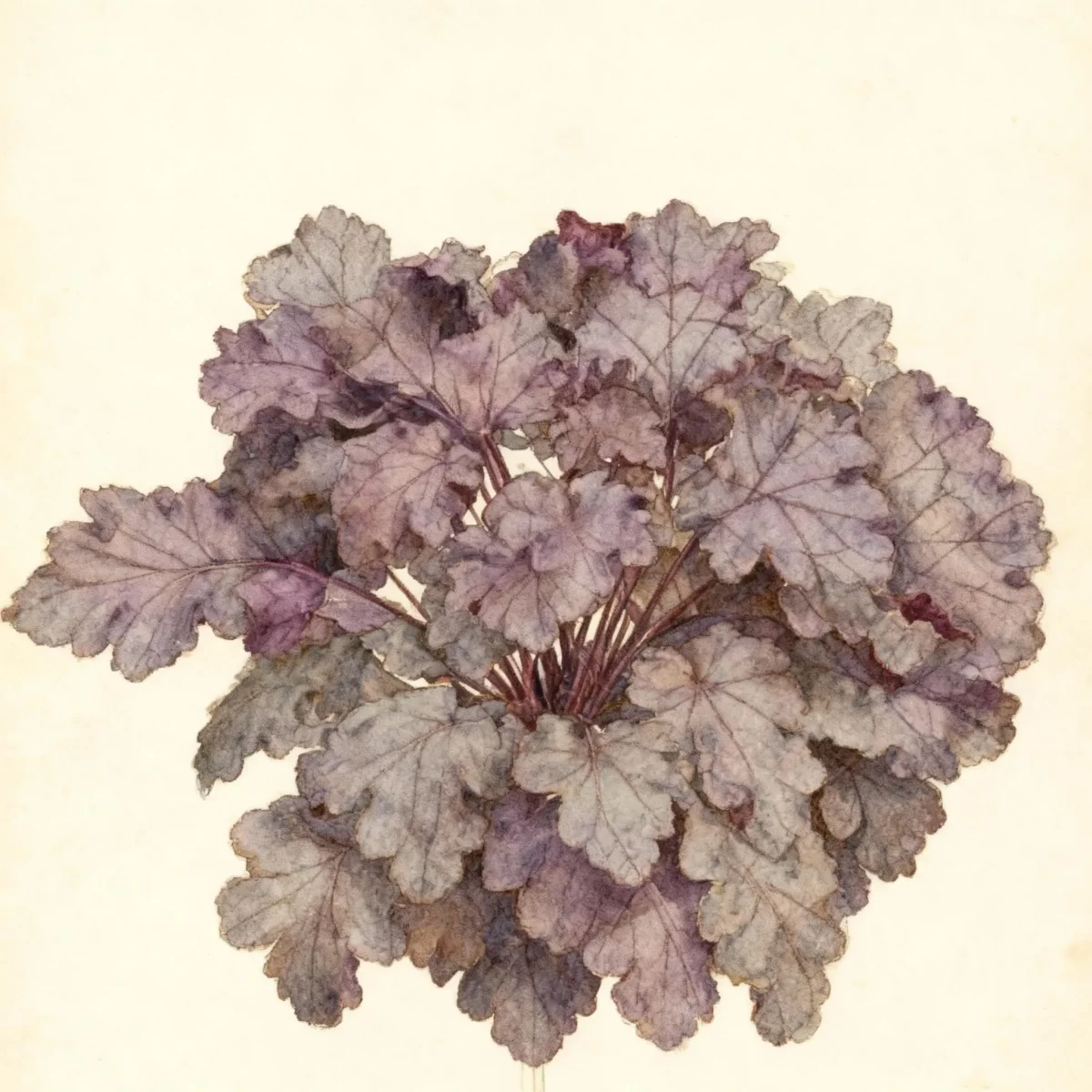
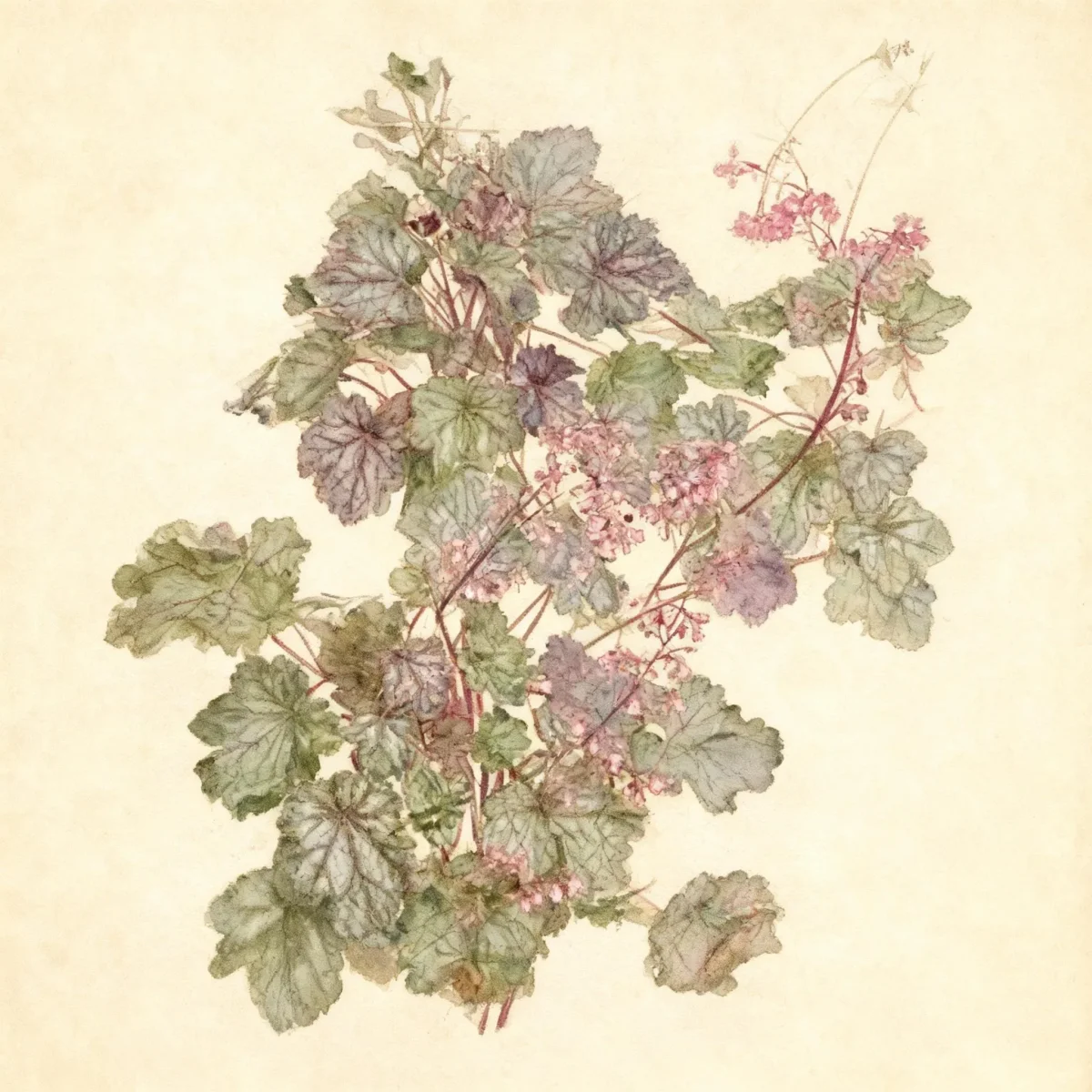
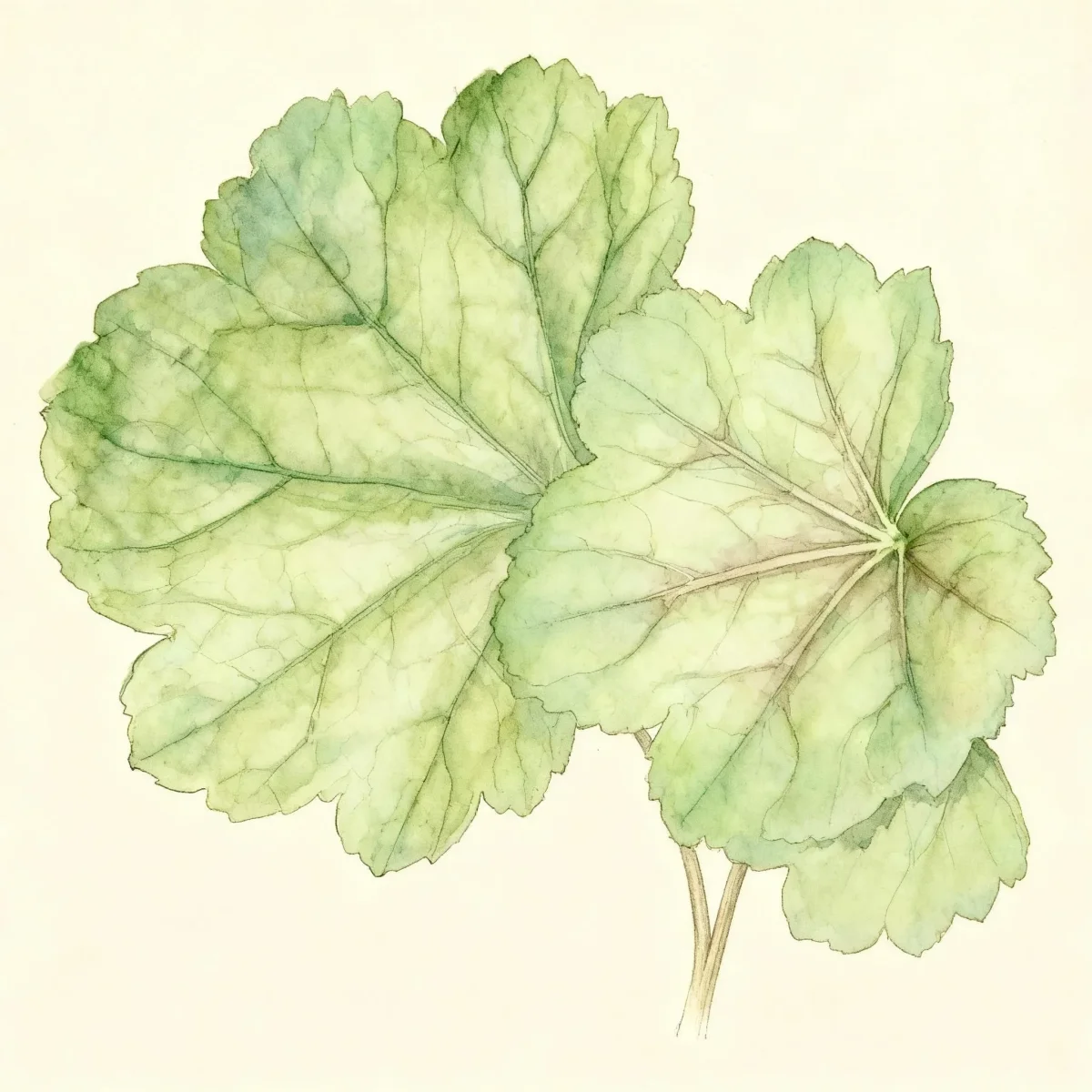
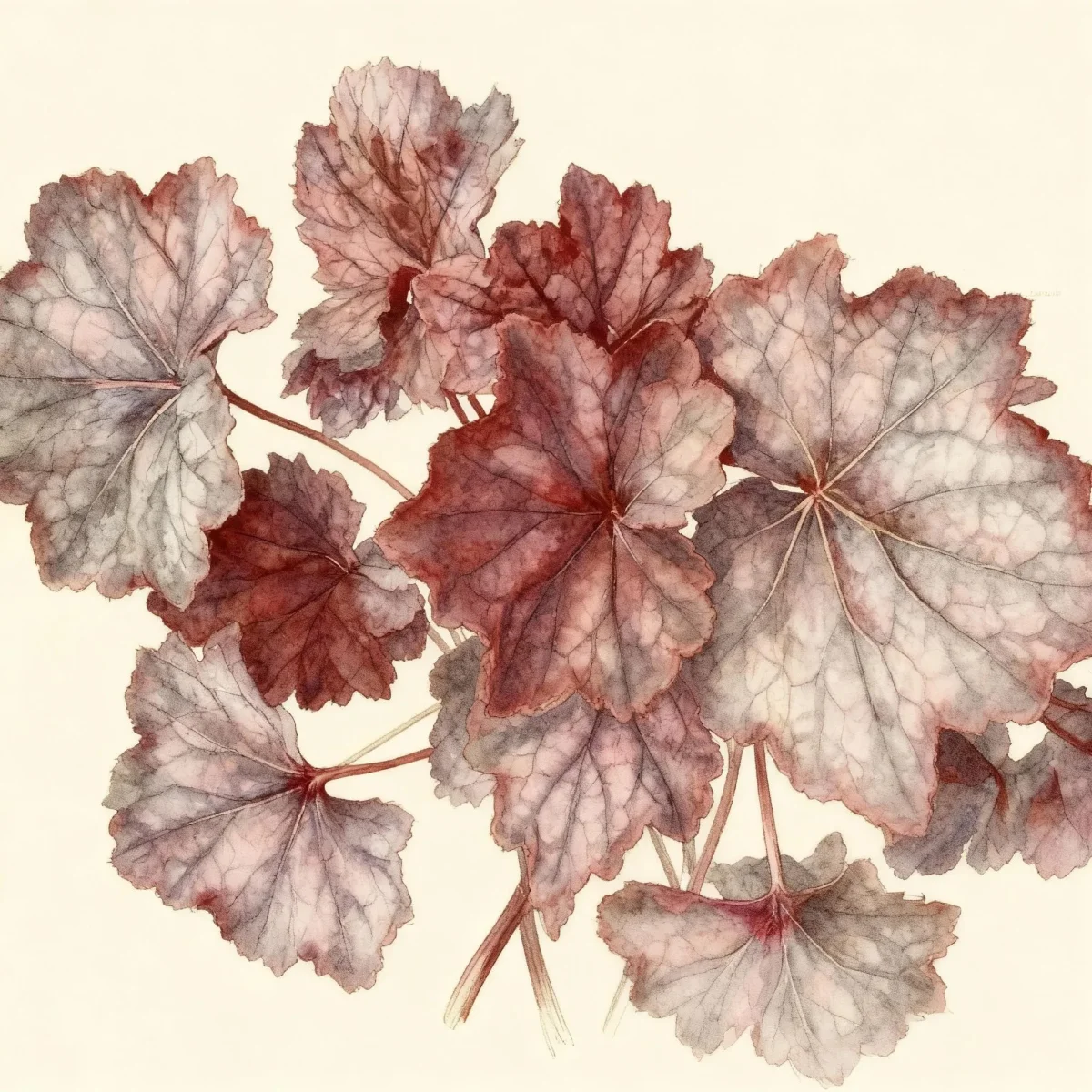
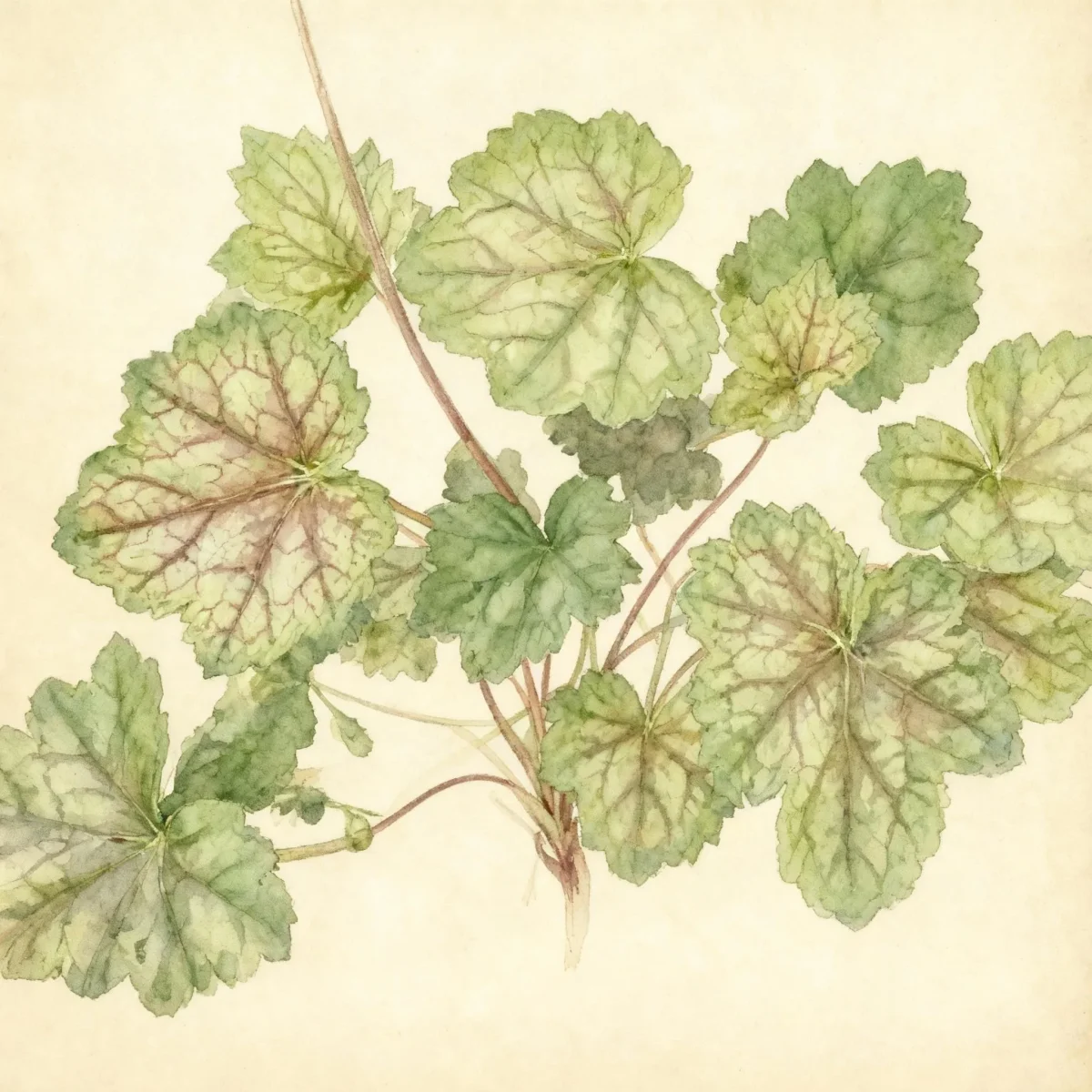
Coral bells (Heuchera 'Ginger Peach')
Heuchera 'Ginger Peach' Coral bells are celebrated for striking amber-red foliage transitioning to peach. Hardy zones 4-9.
Scroll down to discover growing tips, care requirements, companion plants, and more
Complete Plant Information
Overview
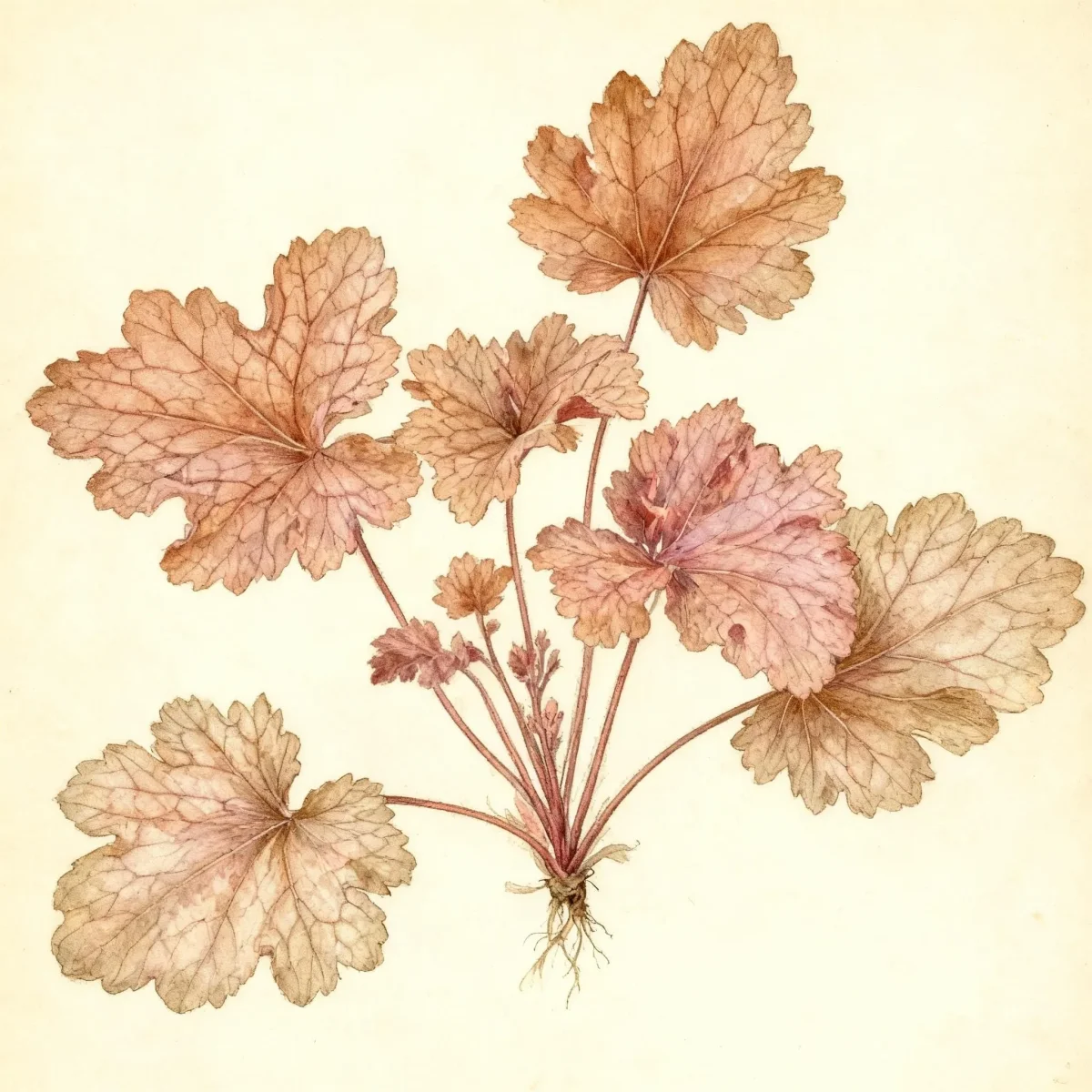
Heuchera ‘Ginger Peach’, commonly known as Coral bells, is prized by gardeners for its striking, year-round foliage display that offers seasonal color shifts. This cultivar forms a tidy, clump-forming mound, making it superb for adding continuous texture and warm tones to shaded garden spaces. While it sends up delicate white flowers in early summer, the primary ornamental value lies in its deeply ruffled leaves which emerge amber-red and evolve, showcasing hints of peach, apricot, and bronze.
As an herbaceous perennial, Heuchera ‘Ginger Peach’ provides consistent performance across a wide range of climates, typically thriving from USDA Zones 4 through 9. Successful cultivation depends slightly on regional heat; while some variations handle full sun in cooler areas, most benefit from afternoon shade, especially in hotter climates. Consistent moisture is essential to prevent foliage decline and ensure the best color saturation for this beautiful Coral bells variety.
This plant offers low-to-medium maintenance once established, rewarding gardeners with excellent architectural presence in borders, rock gardens, or woodland settings. The evolving color palette of Heuchera ‘Ginger Peach’ ensures that even when not in bloom, the garden retains visual interest, often retaining much of its color throughout mild winters.
Fast Facts
- Plant Family: Saxifragaceae
- Plant Type: Herbaceous perennial
- Hardiness Zones: USDA Zones 4-9
- Size at Maturity:
- Height: 1-1.5 ft
- Spread: 1.5-2 ft
- Bloom Time: June to July
- Bloom Description: White
- Sun Exposure: Full sun to part shade
- Water Needs: Medium
- Maintenance Level: Medium
How to Grow
Heucheras establish best when planted in spring or early fall into locations offering organically rich, humusy soil with excellent drainage. While the genus appreciates medium moisture, it is crucial that the soil does not remain waterlogged, as this can lead to root issues. For Heuchera ‘Ginger Peach’, determine the optimal sun according to your latitude; northern gardeners may place it in full sun, but southern gardeners must shield it from intense afternoon heat to avoid leaf scorch.
Consistent watering is key, especially when the plant is situated in brighter light conditions. If you notice the foliage declining or looking scorched, it signals the soil has become too dry. Pruning involves little more than routine maintenance: promptly remove the slender stems bearing faded white flowers to encourage any potential repeat blooming, though the foliage remains the main attraction.
As winter approaches, apply a winter compost mulch only after the ground has frozen in cold climates to mitigate root heaving caused by freeze-thaw cycles. Coral bells foliage often remains evergreen in warmer regions, but in harsh freezes, color retention depends on temperature severity. To maintain vigor, plan to divide dense clumps every three to four years during the spring.
Landscape Uses
Heuchera ‘Ginger Peach’ excels when massed together to create broad strokes of warm color beneath trees or along the edges of woodland borders. Its manageable size makes it an exceptional choice for defining pathways or walkways, acting as a natural, soft-edged border plant that provides year-round structure. Pairing this variety with plants that appreciate similar partial shade conditions, such as Hostas, Ferns, or groundcovers like Vinca, enhances the layered, textural appeal of the garden.
Consider using this vibrant Coral bells cultivar in mixed containers where its distinctive foliage can be juxtaposed against fine-textured fillers or cascading spillers. In rock gardens, the mounding habit of Heuchera ‘Ginger Peach’ softens hardscaping elements beautifully. Its ability to maintain strong color throughout seasons means it deserves prime viewing spots where its amber and peach tones can contrast against deeper greens or blues planted nearby.
Standout Features
Flower Qualities
- Showy
Noteworthy Characteristics
Heuchera, commonly called coral bells or alumroot, is a genus consisting of about 55 species of evergreen to semi-evergreen herbaceous perennials native primarily to North America. While species plants occupy diverse habitats, hybrids like Heuchera ‘Ginger Peach’ are cultivated for their expanded array of leaf colors, including shades of orange-yellow and bronze. ‘Ginger Peach’ specifically forms a striking basal mound of ruffled, amber-red leaves that evolve to reveal hints of peach, coral, and copper throughout the growing season.
Potential Problems
Frost heaving—where winter temperature fluctuations push the roots up and out of the soil—is a common concern for Coral bells, especially in climates with wide swings between daytime warmth and nighttime cold. Implement a winter compost mulch only after the soil truly freezes to provide insulation and prevent this mechanical damage.
Gardeners should monitor for common diseases such as powdery mildew or rust, although Heuchera ‘Ginger Peach’ possesses good resistance to powdery mildew. If leaf spots appear, verify that the plant has adequate air circulation and avoid overhead watering late in the day. Insect pests like weevils or foliar nematodes are less common but can cause sporadic damage, requiring prompt inspection and treatment if observed.
Frequently Asked Questions
What hardiness zones is Coral bells suitable for?
Heuchera ‘Ginger Peach’ is suitable for USDA Hardiness Zones 4 through 9.
How large does Heuchera ‘Ginger Peach’ grow?
This Coral bells variety typically reaches a height between 1 and 1.5 feet and spreads to between 1.5 and 2 feet wide.
What sun exposure does Coral bells need?
Heuchera ‘Ginger Peach’ thrives in full sun to part shade conditions, though protection from intense afternoon heat is recommended.
When does Coral bells bloom?
This plant produces small, white flowers typically blooming between June and July.
Conclusion
Heuchera ‘Ginger Peach’ offers exceptional value to any landscape due to its stunning, continuously evolving foliage colors that transition from amber-red to peach and bronze hues. This reliable Coral bells cultivar provides strong structural interest throughout multiple seasons, making it a foundational plant for shaded borders and mixed plantings. Check your local zone compatibility and plan to plant this perennial; it will reward you with vibrant, low-fuss color year after year.
Companion Planting
Selecting appropriate partners for Heuchera ‘Ginger Peach’ involves choosing plants that thrive in similar medium moisture and partial shade environments. Ferns provide essential textural contrast; their delicate, lacy fronds beautifully offset the coarser, ruffled texture of the Coral bells leaves. Hostas, particularly those with blue or chartreuse foliage, create cool-toned backdrops that allow the warm tones of the ‘Ginger Peach’ cultivar to truly pop.
For seasonal interest, consider underplanting the Heuchera mound with spring-blooming bulbs like Muscari or miniature Daffodils. As the bulbs fade, the foliage of Heuchera ‘Ginger Peach’ will fully emerge, seamlessly taking over the visual interest. Ensure adequate spacing, as these plants establish a solid mound (up to 2 feet wide) and appreciate good air movement to stay healthy.
Design Ideas for Autumn Interest
Because the foliage of Heuchera ‘Ginger Peach’ deepens into copper and bronze tones as the season cools, it is an ideal component for autumn displays. Groupings of three or five plants placed near evergreen shrubs provide continuous color interest when many perennials are dying back. Utilize its 1.5-foot height range near the edge of containers or raised beds that feature later-blooming plants like late-season Asters or Sedum ‘Autumn Joy’.
When designing woodland edges, allow Heuchera ‘Ginger Peach’ to mingle with shade-tolerant ornamental grasses, such as Japanese Forest Grass (Hakonechloa macra). The contrasting movement of the grass against the static mound of colored leaves creates a dynamic yet tranquil scene. The white summer flowers of this Coral bells variety also serve as a light visual bridge between spring and fall color palettes.